
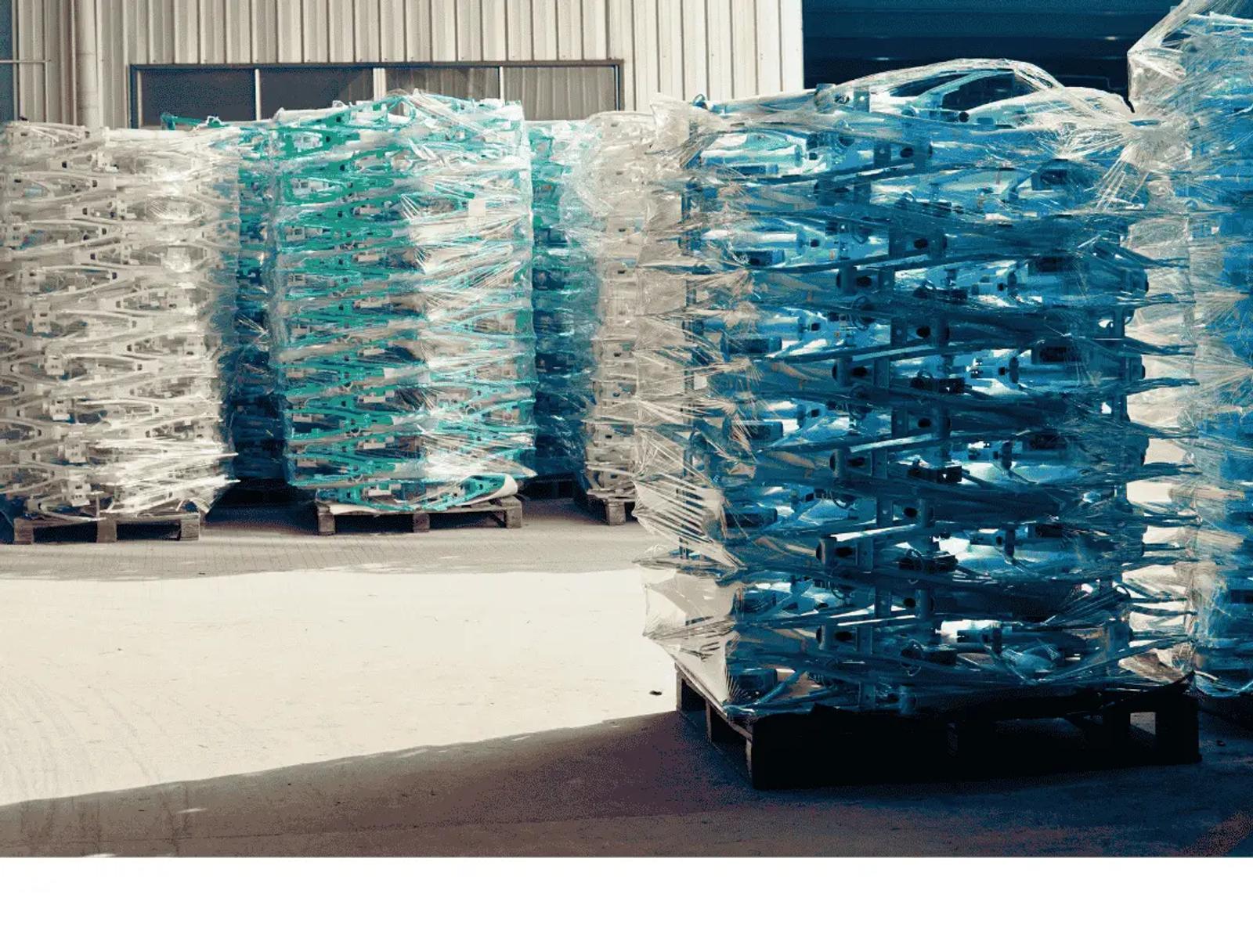
Alternative E-Bike Frame Materials: Carbon Fiber, Titanium & Magnesium Sourcing for Brands
Beyond Metal: What B2B Buyers Should Know About E-Bike Frame Materials Hello from the Clipclop team! If one thing excites us, it's the gorgeous ballet of material science, engineering, and…
Beyond Metal: What B2B Buyers Should Know About E-Bike Frame Materials Hello from the Clipclop team! If one thing excites us, it's the gorgeous ballet of material science, engineering, and…
Beyond Metal: What B2B Buyers Should Know About E-Bike Frame Materials
Factory Direct Sourcing & OEM/ODM Manufacturing with ClipClop
Commercial partners can inspect our manufacturing infrastructure on our OEM/ODM E-Bike Manufacturing Facility page, review standard configurations on our CS01 Fat Tire & CS04 Commercial Utility Platforms, or directly request volume FOB terms via our Commercial Quote Request Portal (MOQ 20).
Hello from the Clipclop team! If one thing excites us, it's the material science and engineering rigor, engineering, and pragmatism that goes into creating an amazing electric bike. Every day, we talk to distributors, rental fleet operators, and OEM partners worldwide, and one question keeps coming up: "What is the real difference between frame materials, and how do I choose the correct one for my business?"
It's a good question because the frame is the essence of any e-bike. It determines weight, looks, strength, riding quality, durability, and functionality. While consumers may choose based on personal preference, for a B2B customer, it directly affects stock performance, maintenance cost, and customer satisfaction.
At our Guangzhou factory, we see firsthand how material choice influences every step—from welding to the final paint coat. The right frame isn’t just a spec sheet item; it must handle high-torque 750W or 1000W motors, long-range 48V 20Ah batteries, and daily use on rugged trails or city streets. This guide shares practical insights into the pros and cons of common e-bike frame materials for B2B buyers.
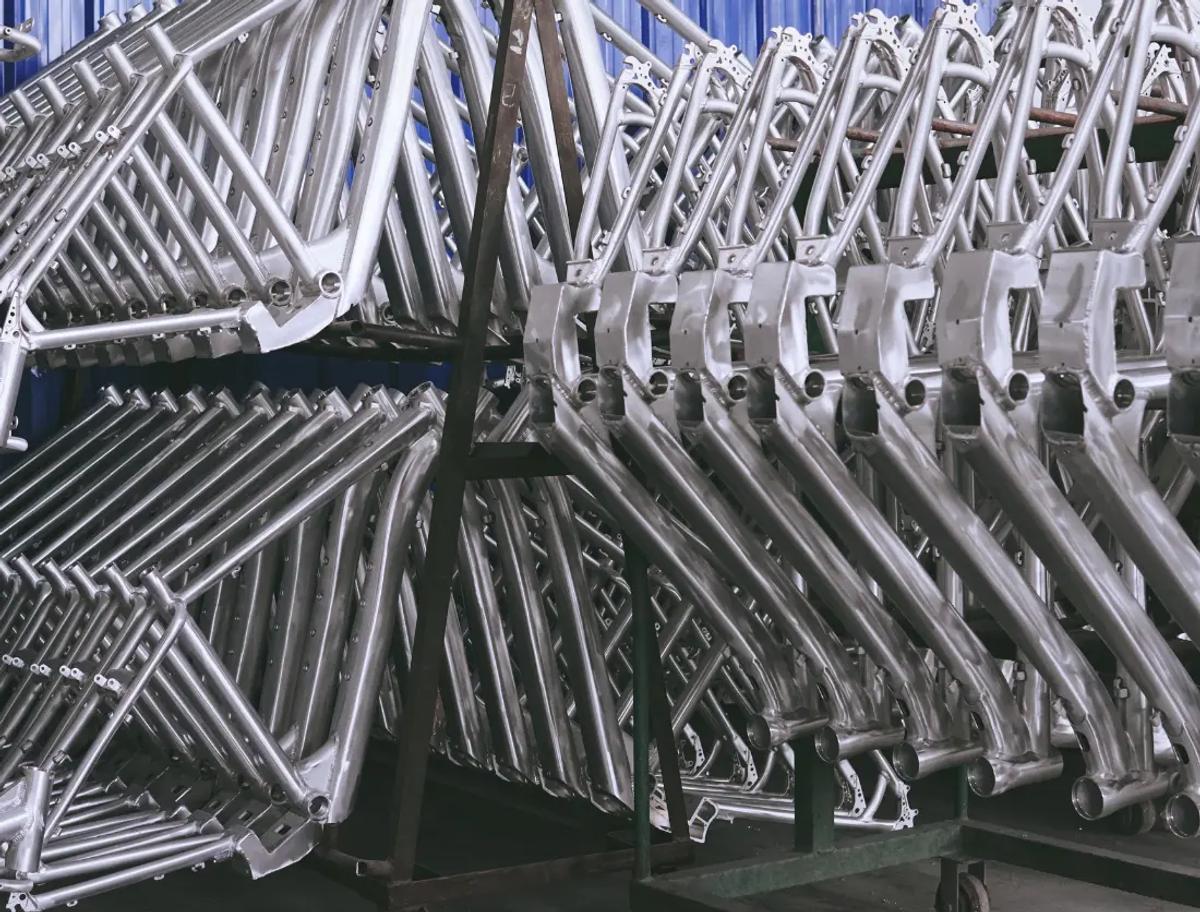
Why Aluminum Dominates the E-Bike Market
Most e-bike frames are aluminum alloy. Aluminum balances price, performance, and versatility—especially for fat tire and off-road e-bikes.
Manufacturers typically use 6061 or 7005 aluminum alloys. These are engineered for strength, formability, and corrosion resistance. 6061 is an ideal blend of durability, weldability, and cost-effectiveness. Advanced techniques like hydroforming increase stiffness in high-stress areas without adding weight. Strong aluminum frames efficiently transfer power and are low-maintenance, corrosion-resistant, and ideal for rental fleets or long-term sales.
Is Steel Still Relevant?
4130 chromoly steel offers natural “give,” absorbing vibrations better than aluminum or carbon, providing a smooth ride—ideal for touring or high-end commuter e-bikes. Steel is heavier but allows thinner tubes and is extremely durable. For niche B2B applications like vintage-style rentals or boutique tour fleets, steel evokes craftsmanship, durability, and comfort.
When Does Carbon Fiber Make Sense?
Carbon fiber is lightweight and stiff, made of layered fabrics bonded with epoxy for precise control over frame characteristics. It allows high-performance tuning but is expensive, labor-intensive, and sensitive to sharp impacts. Carbon frames suit high-end e-bikes for enthusiasts but may be impractical for rental fleets or entry-level markets.
Titanium: The "Forever" Frame Material
Titanium combines the best traits of other materials: light, strong, smooth-riding, and corrosion-resistant. Drawbacks are high cost and complex manufacturing. Titanium frames are typically custom or high-end models rather than mass-market fleet bikes.
How Frame Material Impacts Design and Integration
Frame material affects motor and battery integration, aesthetics, and performance. Aluminum allows sleek internal battery designs; steel and titanium favor semi-integrated or external batteries for easier maintenance. Carbon fiber allows fully integrated aerodynamic frames but mold changes are costly.
Choosing the Perfect Material for Your Fleet
- Urban bike-share systems & large rental fleets: Aluminum—durable, low-maintenance, cost-effective
- Adventure travel up-market: Aluminum or carbon fiber—high performance, rough terrain capable
- Boutique or lifestyle rentals: Chromoly steel—vintage style, comfort
Align material with brand image and customer expectations for optimal results.
Frame Size and Geometry Matter
Frame size (S–XL) ensures comfort and safety. Geometry affects handling:
- Fat tire e-bikes: slack head tube, longer wheelbase → stable ride
- Commuters: steeper head tube, shorter wheelbase → agile city handling
Material alone isn’t enough; geometry is key for a quality ride experience.
Future Trends in E-Bike Frame Technology
- New aluminum alloys with improved strength-to-weight ratios
- Composites blending flax or basalt with carbon
- 3D-printed titanium and high-strength steel components
- Frames designed for longer-range batteries, higher motor torque, and integrated heat management
Next-generation e-bikes will be lighter, stronger, smarter, and more integrated—starting with the frame.The frame is the foundation of every exceptional e-bike. Understanding materials is key to smart B2B purchasing decisions.
Clipclop provides end-to-end solutions for dealers, distributors, and brand partners worldwide—from technical support to complete vehicle solutions.
Contact us today to discuss your B2B needs.
References:
ClipClop Manufacturing Standards & Build Quality
Looking for verified B2B e-bike manufacturing? Check out our ClipClop L1 All-Terrain Fat Bike and our ClipClop CS04 Commercial Cargo Bike, backed by factory-direct warranties and flexible 10-unit MOQ.
- SHELDON BROWN. (n.d.). Frame Materials for the Touring Cyclist. Retrieved from https://www.sheldonbrown.com/frame-materials.html
- BikeRadar. (2023, November 7). Bike frame materials explained: aluminium vs steel vs carbon vs titanium. Retrieved from
https://www.bikeradar.com/advice/buyers-guides/bike-frame-materials-explained
Commercial Procurement & Fleet Sourcing with ClipClop
Deploying electric bicycle fleets or distributing private-label e-bikes requires a trusted manufacturing partner capable of consistent container-level production, robot-welded frame alignment, and rigorous batch QC. From our 25,000 m² factory in Qingyuan, Guangdong, ClipClop provides end-to-end OEM/ODM electric bike manufacturing services with an accessible MOQ of just 20 units per SKU. Every container order includes dedicated spare parts allocation (2% free warranty backup components), full international compliance documentation (EN 15194, UL 2849, UN38.3), and 15-day sample dispatch.
Ready to evaluate engineering samples for the CS01 Fat Tire & CS04 Commercial Utility Platforms or review container FOB volume pricing? Visit our Commercial RFQ Portal to submit your technical specifications, or speak directly with our engineering sales team via our B2B contact desk.
More OEM field notes.
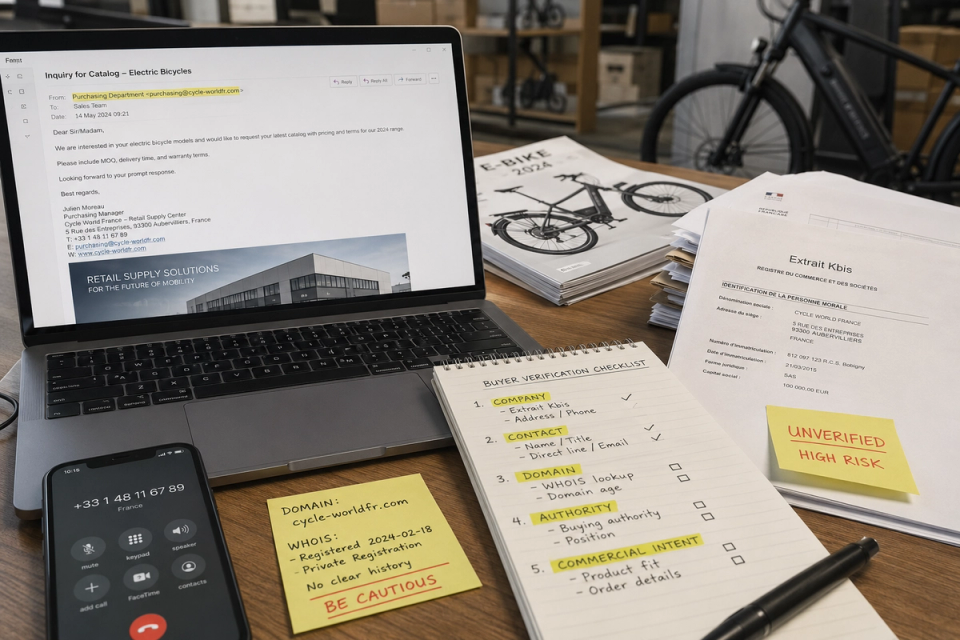
How We Verify B2B Buyers: A Case Study in Preventing Procurement Fraud & Impersonation
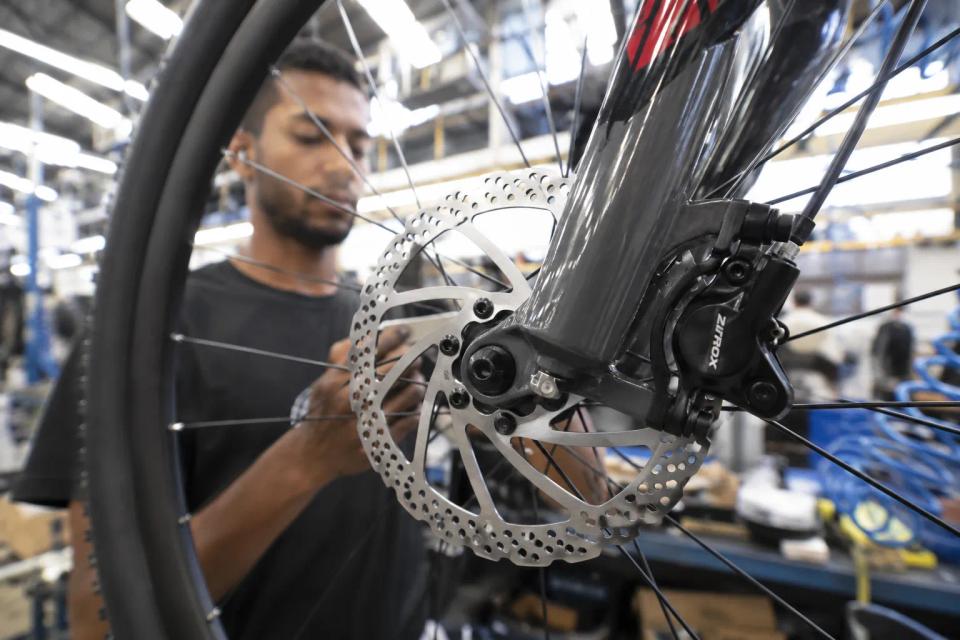
E-Bike Frame Sourcing for Brazil: Corrosion-Resistant 6061-T6 Aluminum for Tropical Fleets
Commercial E-Bike Hydraulic Brakes: Heat Dissipation, 4-Piston Calipers & Mountain Fleets
Send your brief. We will field-note back.
Reply includes the feasibility view, sample cost, MOQ, and the next step for your project. We aim to respond within 48 hours.