
Commercial E-Bike Battery Procurement: Cell Grades, BMS Cycle Life & Fire Safety (UL 2271)
Hello everyone, I'm Leo Liang from Clipclop, your dedicated partner in the electric off-road bike industry here in Guangzhou. No surprise that the secret of any great electric mountain bike is its
Hello everyone, I'm Leo Liang from Clipclop, your dedicated partner in the electric off-road bike industry here in Guangzhou. No surprise that the secret of any great electric mountain bike is its
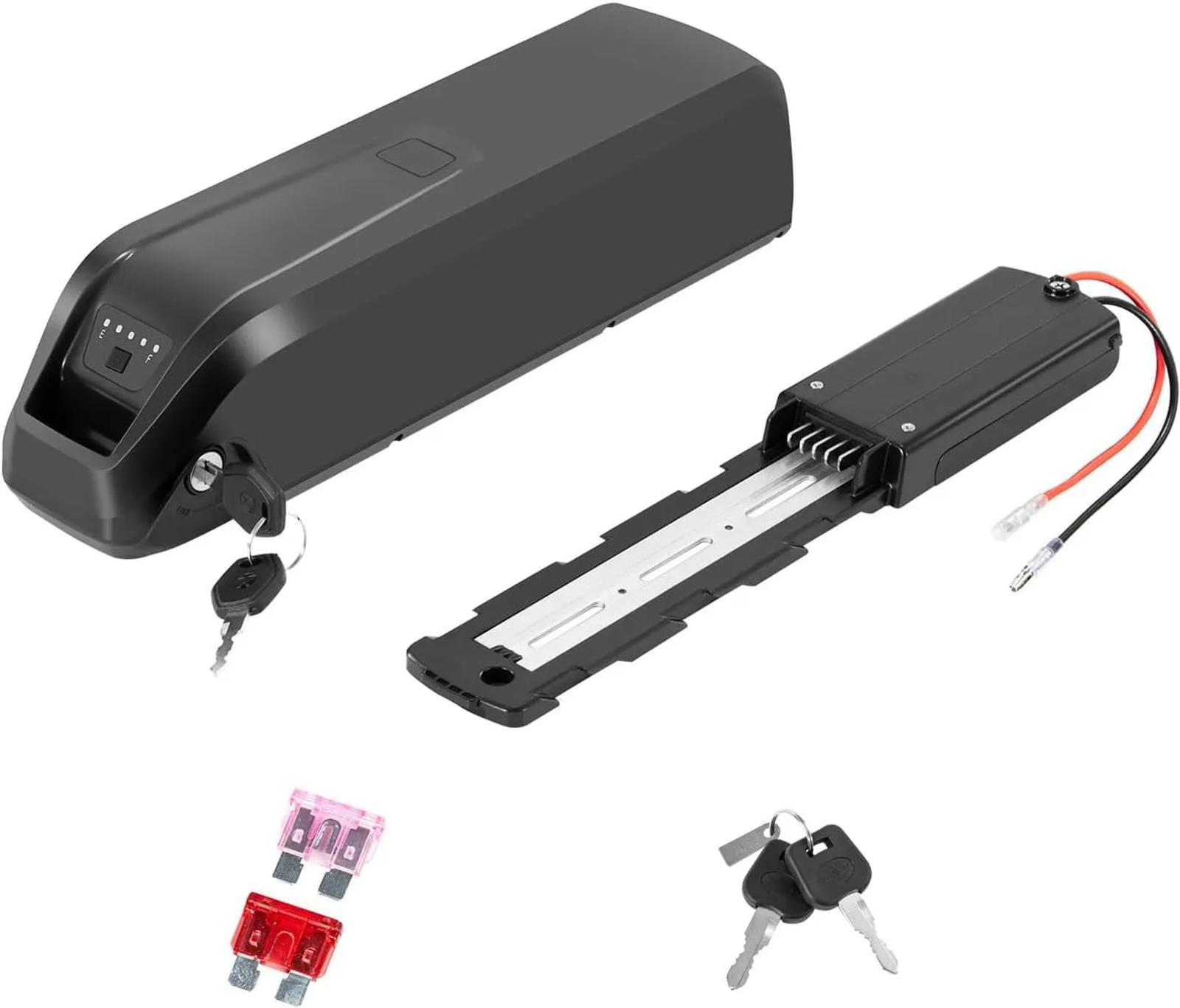
In commercial electric bicycle deployments, battery pack architecture, BMS cycle life, and thermal dissipation directly dictate fleet uptime and return on investment (ROI). For wholesale distributors, fleet managers, and OEM brands, sourcing e-bike power systems requires evaluating certified cell chemistry (Grade-A NMC or LFP), automated ultrasonic wire bonding, and international compliance standards including UL 2271, EN 15194, and UN38.3 transport certification. This engineering guide examines the technical criteria required for reliable, high-margin commercial battery procurement.
Factory Direct Sourcing & OEM/ODM Manufacturing with ClipClop
Commercial partners can inspect our manufacturing infrastructure on our OEM/ODM E-Bike Manufacturing Facility page, review standard configurations on our CS01 Fat Tire & CS04 Commercial Utility Platforms, or directly request volume FOB terms via our Commercial Quote Request Portal (MOQ 20).
Throughout my career with Clipclop, I have seen the evolution firsthand. We've moved from clunky, inefficient power packs to the intelligent, integrated systems that we build today. This is far more than slapping a battery onto a frame. It is an iterative dance of matching motor output and battery capacity, ensuring the Battery Management System (BMS) is adequate for heavy-duty B2B application, and selecting cell chemistry that provides the optimal interaction of energy density and life. I have spent hours upon hours with our engineering team and battery suppliers poring over spec sheets and testing prototypes in Guangzhou's surrounding hills to make these relationships personal. This blog is my opportunity to share some of that experience with you, to cut through the superficial marketing hype and get to what actually powers a high-performance electric off-road bike. We'll be able to see the underlying technology, what matters for commercial use, and how to make good choices that will reward your business for years to come.
What actually powers your ride?
When we talk about the power in an electric off-road bike, we are actually referring to the bond between the motor and the battery. But ultimately, what it all boils down to is the cell technology of the battery. Within the foreseeable future, lithium-ion batteries are where the industry is at, and it's for good reason. Their high energy density enables us to create lighter, more range-biased bikes.12 Specifically, the majority of good eMTBs utilize cylindrical cells like the 18650 or the newer 21700 configurations. Clipclop primarily employs 21700 cells in constructing our packs due to the fact that they are a superior balance of energy content, discharge rate, and heat tolerance—all critical factors in the high-demand environment of off-road use. The chemistry in those cells is usually some variation of NMC (Nickel Manganese Cobalt) or NCA (Nickel Cobalt Aluminum), which offer that great combination of power and capacity.
But a battery pack is more than just a pack of cells. The unsung hero is the Battery Management System (BMS). For our B2B customers, it is perhaps the most vital piece of equipment for maintaining safety and longevity. A sophisticated BMS protects the pack from over-charging, over-discharge, short-circuiting, and high temperatures.3 This is very important in a rental fleet, where bikes are charged frequently and with different patterns. A quality BMS charge-balances dynamically across all cells, that is, no early degradation and longest cycle life of the pack. We've seen packs with upgraded BMS technology that are achieving 800-1,000 full charge cycles before going through precipitous capacity decline, a critical number to calculate long-term ROI. The industry also sees the introduction of "smart" BMS systems that provide diagnostic data, allowing fleet managers to monitor the health of each battery remotely—a feature we are working diligently to incorporate into our next generation platforms. Although new technologies such as solid-state batteries offer even higher energy density and safety, commercialization in the rugged eMTB arena is still years away.145 In the meantime, an industry-leading lithium-ion pack with a robust BMS is the best bet for most reliable and cheapest option for high-performance use.
Why is voltage and amp-hours important for your business?
Let's break down the tech speak—Voltage (V), Amp-hours (Ah), and Watt-hours (Wh)—into business sense. Treat these as your performance measurements for your electric fleet. Voltage (V) is similar to the muscle or raw power of the system. Most eMTBs that are high performance use 48V or 52V systems. Higher voltage allows the motor to deliver the power more easily and to deliver a higher peak torque, which makes it easier to climb steep technical slopes. For a rental store in a hilly area, a 48V system is the minimum for customer satisfaction.
Amp-hours (Ah) is, however, the capacity of the fuel tank. It measures the amount of current provided by the battery over time. A higher Ah rating indicates a greater riding range directly. When a client asks me for a bike that can have one-day epic rides or a few shorter rentals per battery, I refer them to packs with 17Ah, 20Ah, or higher ratings. Lastly, Watt-hours (Wh) gives you the complete picture of the overall energy capacity of the battery. It is found by dividing volts by amp-hours (V x Ah = Wh). This is the single most important figure to employ when you are contrasting the range capability of different bikes.2 Having the ability to offer a range of capacities, such as 500Wh for regular trail bikes and 720Wh or 900Wh for enduro bikes with longer ranges, allows you to address different segments within the market. Knowing these numbers enables you to create a product line that meets specific rider requirements and operating requirements, whether it is having as much on-trail time as possible on a bike tour business or minimizing daily charging logistics on a bike park fleet.
How does frame design influence battery integration and performance?
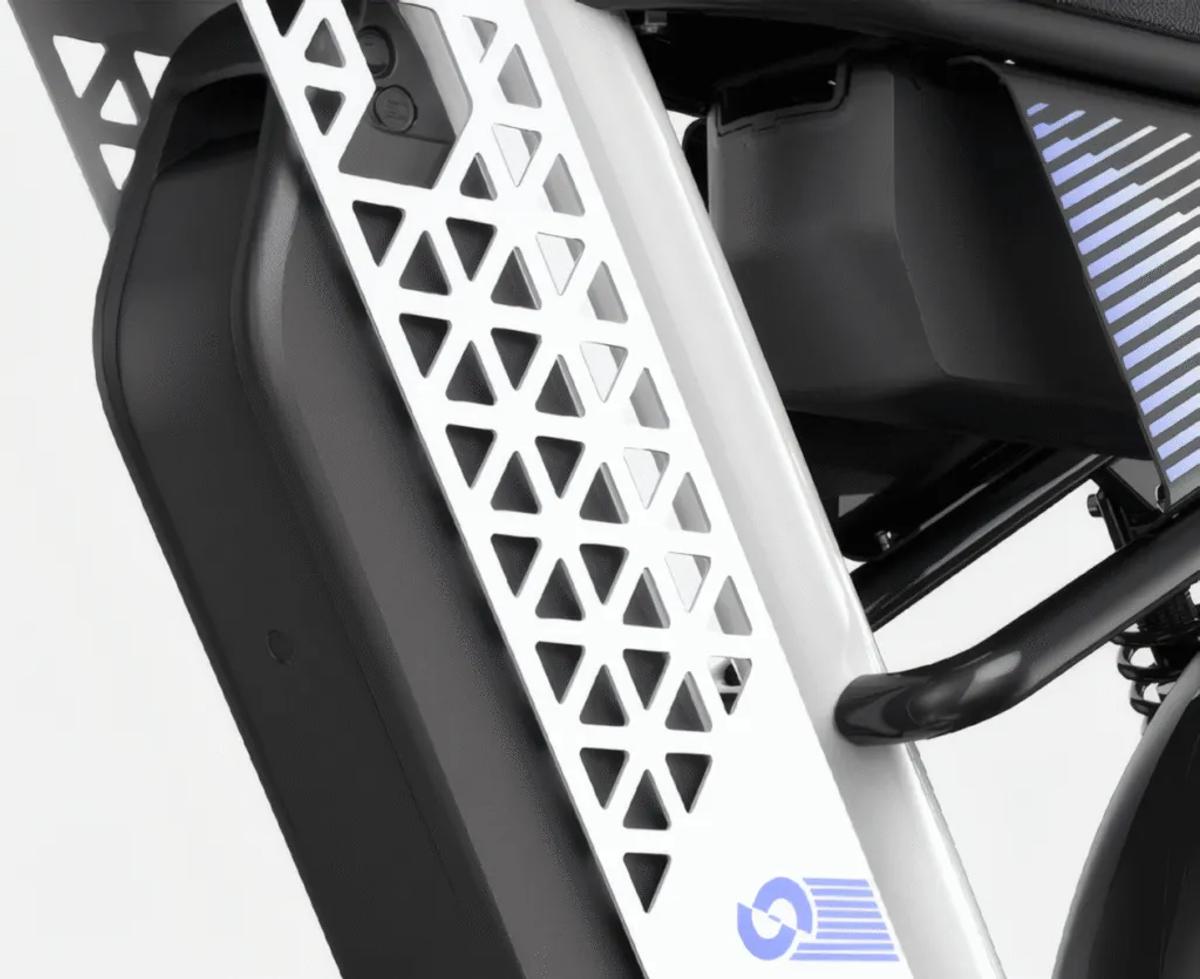
Battery talk can't happen in a vacuum. How the battery is integrated into the frame is just as significant as what is happening inside it, especially in the high-stress environment of off-road riding. Gone are the clunky rack-mounted batteries of mountain bikes of yesteryear. Nowadays the standard is an integrated or semi-integrated battery in the downtube. It is not strictly about appearance; it does have a major impact on performance and reliability. An integrated frame lowers the bike's center of gravity, and that's really good for handling and stability in challenging terrain. To a rider navigating tight switchbacks or airborne, a balanced bike is a predictable and safe bike. That's a big selling point to distributors targeting serious enthusiasts and a valuable safety feature for rental fleets.
From the manufacturing perspective, the type of frame material we choose dictates how we integrate. We utilize primarily 6061 and 7005 series aluminum alloys. 6061 aluminum is excellent due to its balance of strength, weldability, and corrosion resistance, so we can create very strong frames with cleverly crafted battery compartments. On our higher-end models, we occasionally use hydroforming techniques to curve the downtube just so around the battery, creating a seamless look and structurally sound chassis. This inhibits frame twist under load, putting the motor power directly onto the trail. Additionally, a higher-quality battery housing provides better protection from water, dust, and shock—something essential to extending the life of the electrical components and reducing the maintenance cost for our B2B partners. A bike with IP67-rated battery housing, for instance, gives confidence that a rental fleet will withstand muddy trails and post-ride hosing without ruining the delicate electronics within.
To what practical applications can different power setups be put?
Matching the right motor and battery configuration to the intended use is where my experience really becomes applicable to our B2B buyers. One size does not fit all in the diverse world of electric mountain biking. For a guided tour company on rolling cross-country trails, the ideal pair is a 250W mid-drive motor and a 500Wh battery. It provides enough power to make ascending hills enjoyable but not so much as to overwhelm novice riders, and the range is more than sufficient for half-day rides. Focus here is on reliability and getting as many rent cycles through the day.
But for a high-performance rental fleet at an enduro and downhill-biased bike park, the needs are all different. Here we have to spec bikes with 500W or 750W peak power, high-torque motors to achieve instant grunt to muscle over gaps and blast out of berms. These powerful motors require a more powerful battery, typically a 48V system with at least 720Wh to provide a reasonable amount of ride duration under sustained high-load operation. The battery must also provide a high discharge rate without overheating. For these applications, we ensure the battery pack has good-quality cells supplied by reputable brands like Samsung or LG and comes with a BMS that has advanced thermal control. For OEM partners who want to manufacture a flagship all-mountain bike, we can recommend a flexible configuration: a very powerful but also efficient motor with a number of levels of assist, coupled with a large 900Wh battery to provide "all-day adventure" capability to customers. It's all about starting with the application and rider profile, and designing the power system to address and exceed those individual needs.
Why are safety certifications non-negotiable for B2B?
Safety and compliance in the B2B environment are not add-ons, but necessities that open the door to markets as well as protect a company's reputation. For my OEM and distributor partners, entering into markets like Europe or North America means complying with extremely high-level safety standards. Running without being aware of these can lead to compliance issues, battery failure, or major safety incidents.1 The certifications most relevant to us at Clipclop are EN15194 for the EU market and UL 2849 for North America.1 These are not rubber stamps; they involve rigorous testing of the entire electrical system—battery, BMS, motor, and charger—as an integrated, functioning assembly. UL 2849, for example, has tests for overcharge, short-circuit, temperature, and even impact.3
Acquiring such certifications involves a high cost in terms of testing and engineering but provides our B2B customers with the security of quality and safety assurance. It protects them from liability and allows their products to be insured, which is extremely critical for rental fleet operators. Regulations on the transport of lithium-ion batteries are also strict. All of our battery packs come with UN38.3 certification, an international standard that ensures they are safe for air, sea, or land transport. International distributors should be aware of this. What you're buying when you do business with a company like Clipclop is not just an object; you're buying a compliant, safe, and export-ready platform that can travel across the globe. We handle certification intricacies so that you can build your brand with confidence.
How do you make the most of battery assets' life?
In any business with a fleet of e-bikes, the battery is a single large asset. Maximizing its life is the key to maximizing your return on investment. From rigorous testing and best-of-breed practices in the industry, here are the tips that I share with all my partners. First, adopt an intelligent charging regime. Don't have batteries charging for extended periods once they've reached 100%. Even though the BMS will prevent them from overcharging, having a battery at full voltage for extended periods puts extra stress on the cells. A good rule of thumb is the 80% rule for daily use: charging to 80% instead of 100% can significantly increase the number of useful charge cycles.4 Save the full 100% charge for when you know a rider will require the highest range available.
Second, storage is important. Lithium-ion batteries have longer life in moderate temperatures. Never store batteries or bikes in direct sun or in freezing conditions. The optimum storage temperature should be between 10°C and 25°C (50°F and 77°F).45 For extended storage, such as off-season, it's important to keep the battery partially charged, preferably between 40% and 60%.45 Keeping a battery fully charged or fully drained for months will lead to permanent capacity loss. Third, train your employees and tenants. Small things like keeping the proper level of assist rather than being in "turbo" mode constantly can mitigate battery drain. Finally, utilize the original manufacturer's charger. Aftermarket chargers do not necessarily include correct voltage or charging algorithms and will damage the battery and invalidate the warranty.2 By adopting these simple-to-implement protocols, a rental fleet can extend battery life far beyond the traditional 3-5 year projection, and your bottom line benefits directly.
What do you want to look for in a manufacturing partner?
It's more than a matter of finding the lowest cost. It is about having the capacity to get a partner who understands the technicalities and the B2B market nuances. When you are assessing a potential partner, start by examining their experience with battery systems. Do they have good command of cell chemistry, BMS technology, and system integration? Understand their sourcing strategy. They should be willing to disclose where they source their cells—Samsung, LG, or Panasonic brands are good places to begin—since cell quality is the foundation of a quality battery pack.
Second, inquire about testing and quality control processes. Do they perform end-of-line tests on every battery pack? This should include a capacity test and inspection of all BMS safety features. Ask them about certifications. Since we've established, investing partners who already have a stake in UL 2849 and EN15194 are safety- and international access-committed. They'll also be able to supply UN38.3 documentation for shipping. Finally, consider their ability to work with you and tailor to your needs. Your business is one-of-a-kind, and you'll require special configurations. A true partner will work together with you to determine the right frame size, motor power, and battery capacity for your target market. They'll become an integral part of your own organization, providing the technical expertise to allow you to create a successful product line. At Clipclop, that's the way we operate—we're not just a supplier; we are your electric off-road bike strategic partner.
The off-road electric bike battery universe is complex, but having these basics under your belt empowers you to make smarter, more profitable business decisions. It's about looking beyond the simple watt-hour metric and considering the entire system: cell quality, BMS intelligence, frame integration quality, and authenticity of safety certification. These are the details that create a high-performance, reliable, and successful electric bike initiative.
If you have any questions about selecting the right electric off-road bike, deploying a fleet for your business, or need OEM specifications on a custom basis, please do not hesitate to get in touch with us. We are manufacturers and exporters of electric off-road motorcycles. At Clipclop, we provide complete services to our distributors, wholesalers, and brand partners, from comprehensive technical support to turn-key, fully complete vehicle offerings. Let us build the future of off-road together.
References:
- Movcan E-Bike Battery Guide: https://movcan-bike.com/blogs/blog/e-bike-battery-removal-movcans-removable-battery-systems?_pos=16&_sid=871987f66&_ss=r
- UL Standards & Engagement: https://www.ul.com/services/e-bikes-certificationevaluating-and-testing-ul-2849
ClipClop Manufacturing Standards & Build Quality
Looking for verified B2B e-bike manufacturing? Check out our ClipClop CS04 Long-Tail Mid-Drive Cargo Bike and our ClipClop C1 Step-Through Fleet Commuter, backed by factory-direct warranties and flexible 10-unit MOQ.
- BikeRadar Guide to eMTB Motors and Batteries: https://www.bikeradar.com/advice/buyers-guides/ebike-batteries-explained
Commercial Procurement & Fleet Sourcing with ClipClop
Deploying electric bicycle fleets or distributing private-label e-bikes requires a trusted manufacturing partner capable of consistent container-level production, robot-welded frame alignment, and rigorous batch QC. From our 25,000 m² factory in Qingyuan, Guangdong, ClipClop provides end-to-end OEM/ODM electric bike manufacturing services with an accessible MOQ of just 20 units per SKU. Every container order includes dedicated spare parts allocation (2% free warranty backup components), full international compliance documentation (EN 15194, UL 2849, UN38.3), and 15-day sample dispatch.
Ready to evaluate engineering samples for the CS01 Fat Tire & CS04 Commercial Utility Platforms or review container FOB volume pricing? Visit our Commercial RFQ Portal to submit your technical specifications, or speak directly with our engineering sales team via our B2B contact desk.
More OEM field notes.
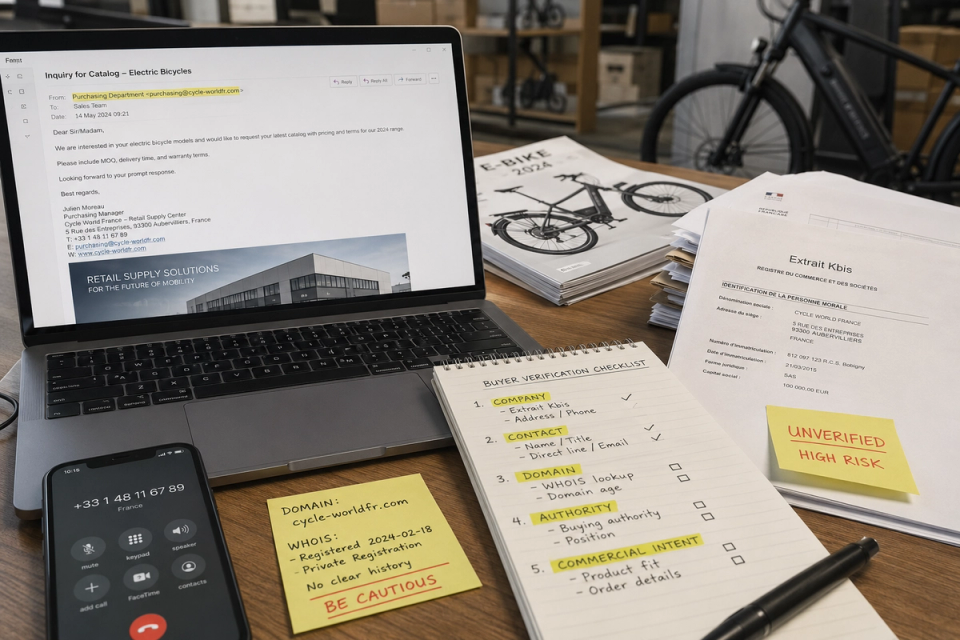
How We Verify B2B Buyers: A Case Study in Preventing Procurement Fraud & Impersonation
E-Bike Frame Sourcing for Brazil: Corrosion-Resistant 6061-T6 Aluminum for Tropical Fleets
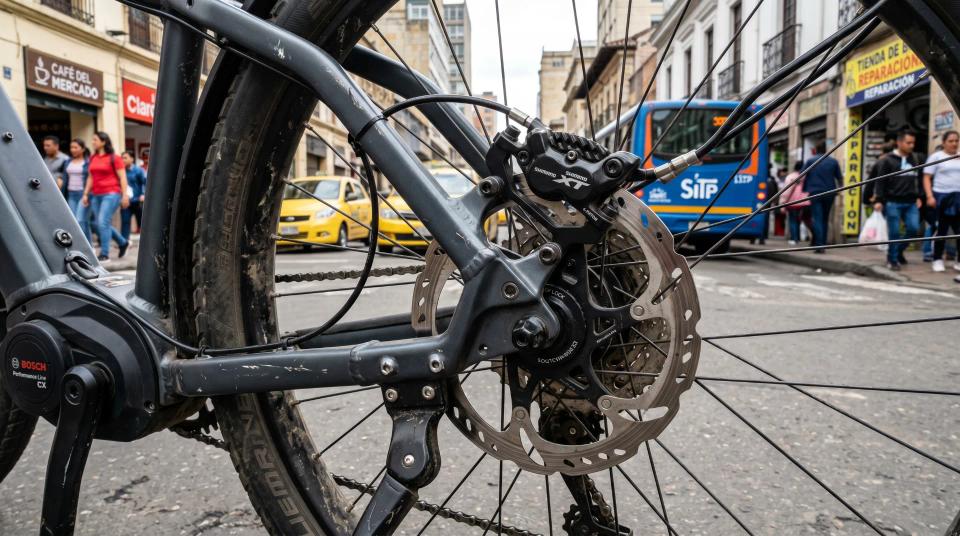
Commercial E-Bike Hydraulic Brakes: Heat Dissipation, 4-Piston Calipers & Mountain Fleets
Send your brief. We will field-note back.
Reply includes the feasibility view, sample cost, MOQ, and the next step for your project. We aim to respond within 48 hours.