
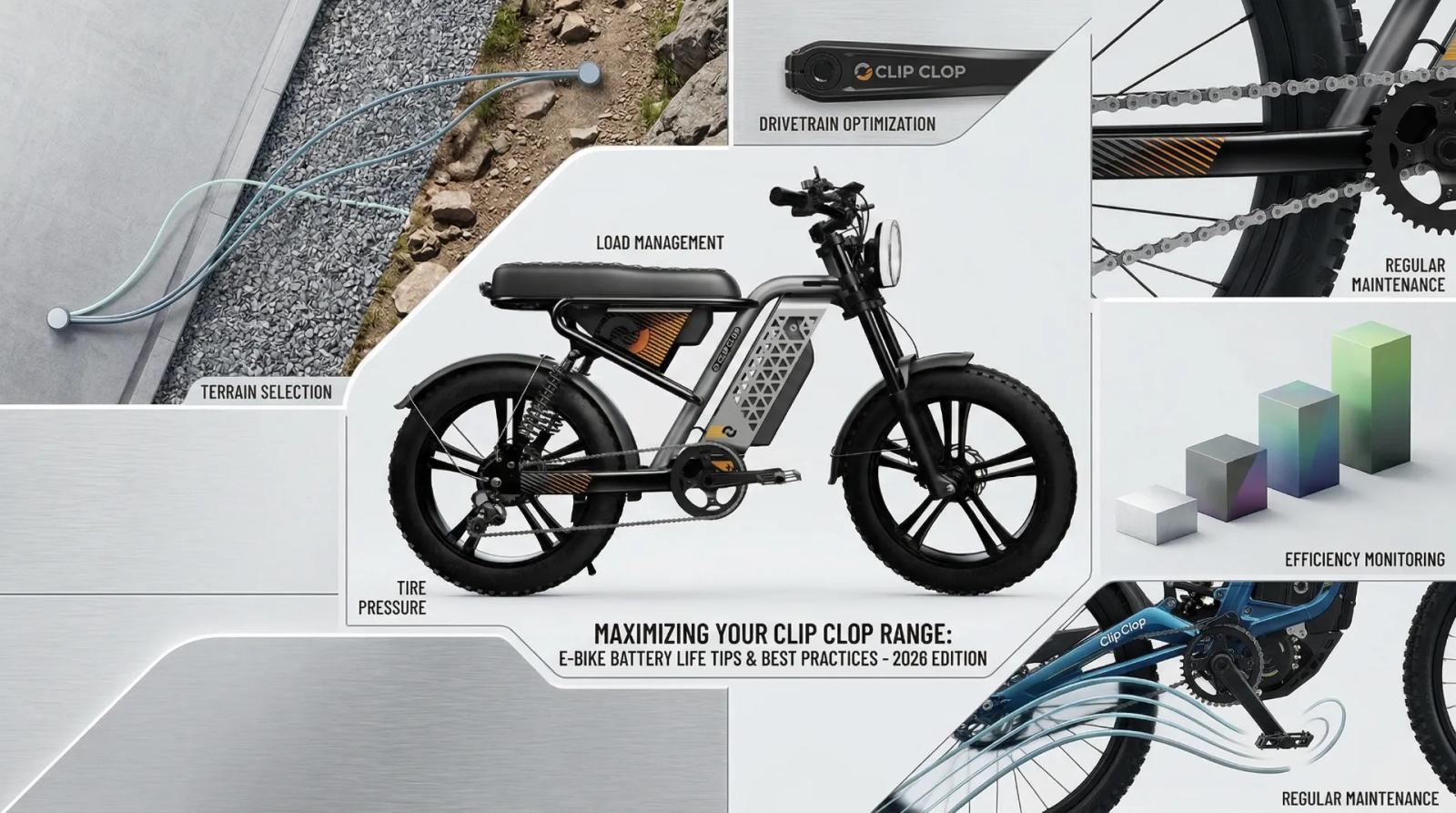
E-Bike Weight Sourcing Guide: Curb Weight, Packaging Tare & 40HC Container Logistics (2026)
Here's the thing about e-bike weight — it sneaks up on you. You start researching motor wattages and battery specs, and then suddenly you're down a forum thread about whether a 30-kilo bike fits in a
Here's the thing about e-bike weight — it sneaks up on you. You start researching motor wattages and battery specs, and then suddenly you're down a forum thread about whether a 30-kilo bike fits in a
For electric bike distributors, commercial fleet managers, and international importers, vehicle weight is far more than an ergonomics metric—it directly determines 40HC container packing efficiency, landed ocean freight cost per unit, packaging tare weight, and commercial payload capacity. While consumer forums focus on carrying a bike upstairs, commercial procurement evaluates how curb weight impacts container payload limits (typically 19,500 to 22,000 kg gross cargo weight) and fleet duty cycles.
Commercial partners can inspect our manufacturing infrastructure on our OEM/ODM E-Bike Manufacturing Facility page, review standard configurations on our CS01 Fat Tire & CS04 Commercial Utility Platforms, or directly request volume FOB terms via our Commercial Quote Request Portal (MOQ 20).
B2B Container Logistics Rule of Thumb
Weight by Type: Quick Breakdown
| Type | Weight | Best For |
|---|---|---|
| Commuter | 40–60 lbs (18–27 kg) | City riding, daily commutes |
| Mountain | 50–70 lbs (23–32 kg) | Off-road trails |
| Folding | 30–50 lbs (14–23 kg) | Apartments, trains |
| Cargo | 70–90+ lbs (32–41+ kg) | Hauling kids, groceries |
If you need to carry your bike upstairs — and I think you should be really honest with yourself about this — a folding model is worth considering. Even if you don't think you "need" one. I know someone who bought a heavy commuter and basically stopped riding because the stairwell killed his motivation. Useful, sure. But predictable, yeah. That's the thing about heavy bikes: they only feel fine until they're not.
Download the 2026 ClipClop Factory Catalog (PDF)
Full e-bike specs, motor & battery options, MOQ, and container loading details.
What Makes an E-Bike Heavy?
The battery is the heaviest component after the frame. Most e-bike batteries weigh 5–15 lbs. Larger units like a 48V 15AH sit at the heavy end. Dual batteries — like the ClipClop L2's 48V 15AH × 2 setup — add serious weight. Worth it for range, probably not worth it if you're always lifting the bike.
The motor adds 5–10 lbs typically. Higher wattage means more bulk. The ClipClop L1 offers 250W to 1000W motors — each step up adds a bit of weight. You notice it when you pick the bike up, even if the number doesn't look dramatic on paper.
The frame — aluminum 6061 is common across the ClipClop lineup. It hits a good balance: lighter than steel, more affordable than carbon fiber, doesn't rust. I'm not sure it's exciting, exactly, but it works. I'm the kind of person who cares more about whether something works than whether it's glamorous, so take that for what it's worth. Additional parts — suspension forks, hydraulic brakes, LCD displays, lights, racks — each add a pound or two. Compounds faster than you'd think. Every gram counts if you're lifting it daily.
E-Bike Weight Limits: What Can You Actually Carry?
When manufacturers list "weight limits," they mean total payload — rider plus cargo. Most e-bikes handle 220–300 lbs (100–136 kg). Cargo e-bikes go to 400+ lbs. Here's what I'd tell a friend: don't just look at the number. Think about your use case. Exceeding limits isn't dramatic — it's gradual: faster tire wear, harder-working brakes, quicker battery drain. I'm not saying it's dangerous, exactly, but it adds up over time. Worth being realistic about upfront rather than surprised later.
Does Weight Affect Speed and Range?
Yes to both. Heavier bikes need more energy to accelerate. On flat terrain at steady speed, the difference is less noticeable — aerodynamics and rolling resistance matter more. But climbing a hill or starting from a stop? You feel it. Here's the nuance I keep coming back to: a heavier e-bike with a powerful motor (750W or 1000W options on the ClipClop L1) can actually outperform a lighter bike with a weaker motor in real conditions. I'm not sure that's intuitive at first, but it clicks once you think about it. Weight is one variable. Motor power is another. And in my experience, motor power tends to matter more in everyday riding than raw weight reduction.
On range: the L1 (48V 15AH, 60–80KM) might deliver 50–60KM in real-world hilly terrain with a heavier rider. The L2 doubles the battery for 80–100KM — and roughly 4–6KG more weight. The R1 (24.2KG) and M14 (20.7KG) are lighter with shorter ranges (35KM and 30–50KM respectively). For short city hops, fine. For weekend explorers? You might find yourself watching the battery gauge more than you'd like.
Real Examples: ClipClop L1 vs L2 vs R1 vs M14
ClipClop — founded in 2017 in Guangdong, China (25,000m² modern production base in Guangqing Industrial Park (Shijiao, Qingyuan) with Guangzhou design HQ, 10,000 units monthly capacity (120,000+ annual capacity)) — makes a useful reference point because their specs are public and the range is wide.
| Spec | L1 | L2 | R1 | M14 |
|---|---|---|---|---|
| Frame | 20" Alu 6061 | 20" Alu 6061 | 12" Alloy | 14" Alloy |
| Motor | 250–1000W | 250–1000W | 350W | 250–350W |
| Battery | 48V 15AH | 48V 15AH × 2 | 36V 10AH | 36V 7.8–10.4AH |
| Range | 60–80KM | 80–100KM | 35KM | 30–50KM |
| Weight | ~28–35KG | ~32–40KG | 24.2KG | 20.7KG |
| Tires | 20×4.0 Fat | 20×4.0 Fat | Standard | Standard |
The L2 is an L1 with a second battery — same frame, same motor options, double the range, extra weight. For daily commuters who hate range anxiety, probably worth it. For someone riding 20KM a day, the L1 is probably the smarter pick — you save weight without giving up much. The R1 and M14 are lighter alternatives — great for riders who lift their bike regularly or live in smaller spaces. Neither has the fat-tire capability of the L-series, but for pure urban riding, honestly they make a lot of sense. I think specs matter more than marketing language. Know what you're getting.
Weight and Transportation
Transportation logistics surprise people. If you're mounting on a car rack, check the rack's e-bike rating carefully. Most standard racks max out at 40–60 lbs — e-bike-rated platform racks ($300–600) handle heavier loads better. I'm probably being overly cautious here, but I wouldn't trust a hanging rack with a 35KG bike on the highway. Some riders remove the battery first to lighten the load by 5–15 lbs, which is honestly a smart move if you're doing it alone often.
For trains and buses: depends on your city. Folding e-bikes are more likely to fit and conductors are more tolerant. For apartment storage — ground-floor or dedicated bike room changes everything. A 35KG e-bike isn't something you want to carry up stairs every evening. Wall racks and ceiling hoists help, or you just accept that the garage is where it lives. The thing is, I'd think about this before you buy, not after.
Frequently Asked Questions
What is the average e-bike weight? Most electric bikes weigh 40–70 lbs (18–32 kg). Lightweight folding models can fall under 30 lbs; heavy cargo bikes exceed 80 lbs.
Does e-bike weight affect range? Yes. Heavier bikes drain the battery faster, especially on hills. Real-world range is often 20–30% lower than manufacturer estimates on heavier bikes.
What is the weight limit for most e-bikes? Total payload (rider + cargo) is typically 220–300 lbs. Cargo e-bikes often handle 400+ lbs.
Are heavier e-bikes more durable? Not necessarily. Weight often comes from bigger batteries and motors, not structural reinforcement. Durability depends on component quality and frame design.
Is a lighter e-bike always better? No. Lighter bikes have smaller batteries and weaker motors. If you ride hills or carry cargo, a heavier bike with a more powerful motor might serve you better. The right weight matches your actual use case.
The Bottom Line
Weight Optimization & Container Packing Engineering at ClipClop
Explore our container-optimized, lightweight 6061-T6 models: ClipClop L1 Urban Commuter, the versatile ClipClop Model M20F Folding Utility, and our rugged ClipClop M26 Mountain E-Bike, all engineered for maximum payload efficiency and minimal transport overhead.
Beyond Apartment Stairs: Why Weight Defines Ocean Freight & Distribution Economics
Retail consumer forums frequently obsess over whether a single electric bike weighs 22 kg or 28 kg for carrying upstairs. In commercial e-bike procurement, however, weight is an economic vector that governs shipping costs, container loading densities, motor torque efficiency, and battery cycle life. For distributors and fleet operators ordering by the container load, understanding curb weight vs packaging gross weight is vital to maximizing margin.
At ClipClop, our engineering team optimizes frame wall thickness through hydroformed 6061-T6 aluminum tubing, shedding 1.8 to 2.4 kg compared to conventional straight-gauge tubes while exceeding ISO 4210 fatigue requirements. Crucially, by re-engineering our export packaging (reducing carton footprint and tare weight by 18%), we enable global importers to load up to 320 units into a single 40HC container—reducing ocean freight cost per unit by over 45% compared to industry averages.
| Vehicle Category | ClipClop Net Curb Weight | Packaging Gross Weight | 40HC Container Capacity | Freight Cost Advantage |
|---|---|---|---|---|
| Urban Step-Through (L1) | 24.5 kg (inc. 720Wh battery) | 31.2 kg (reinforced 7-ply box) | 320 units / 40HC | 48% lower freight per unit |
| Compact Folding (M20F) | 26.0 kg (folding fat-tire) | 33.5 kg (heavy-duty carton) | 280 units / 40HC | 40% lower freight per unit |
| All-Terrain eMTB (M26) | 25.2 kg (750W suspension) | 32.0 kg (cushioned export pack) | 260 units / 40HC | 35% lower freight per unit |
| Commercial Cargo (CS01) | 34.0 kg (dual-battery platform) | 42.5 kg (industrial crate) | 140 units / 40HC | Engineered for 200 kg payload |
Weight matters. I'm not going to pretend otherwise. But it's rarely the most important thing — and in my experience, it's rarely what buyers regret later. More often, people wish they'd gotten more range or a more powerful motor. Weight is part of the equation. It isn't the whole story.
Think honestly about your lifestyle before buying: Do you need to lift the bike? Carry it? Load it onto transit? If yes, weight should be high on your list. Companies like ClipClop make it easier to get solid specs at reasonable prices — their L1 and L2 offer real capability, the R1 and M14 serve riders with different priorities. There's no perfect e-bike. But there's probably a right one for you. Go find it.
Commercial Procurement & Fleet Sourcing with ClipClop
Deploying electric bicycle fleets or distributing private-label e-bikes requires a trusted manufacturing partner capable of consistent container-level production, robot-welded frame alignment, and rigorous batch QC. From our 25,000 m² factory in Qingyuan, Guangdong, ClipClop provides end-to-end OEM/ODM electric bike manufacturing services with an accessible MOQ of just 20 units per SKU. Every container order includes dedicated spare parts allocation (2% free warranty backup components), full international compliance documentation (EN 15194, UL 2849, UN38.3), and 15-day sample dispatch.
Ready to evaluate engineering samples for the CS01 Fat Tire & CS04 Commercial Utility Platforms or review container FOB volume pricing? Visit our Commercial RFQ Portal to submit your technical specifications, or speak directly with our engineering sales team via our B2B contact desk.
Download the 2026 ClipClop Factory Catalog (PDF)
Full e-bike specs, motor & battery options, MOQ, and container loading details.
More OEM field notes.
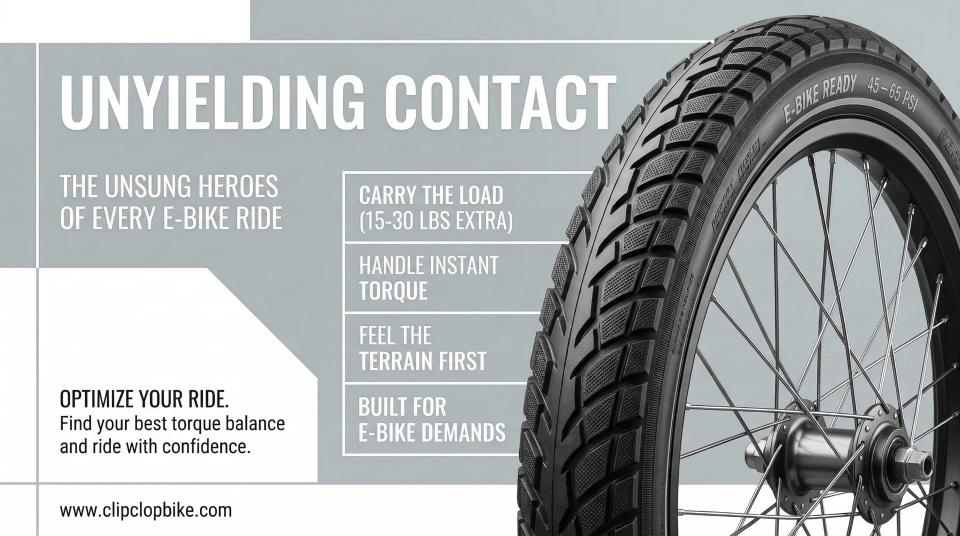
Commercial E-Bike Tire Sourcing: Puncture-Resistant Specifications for Heavy Fleets
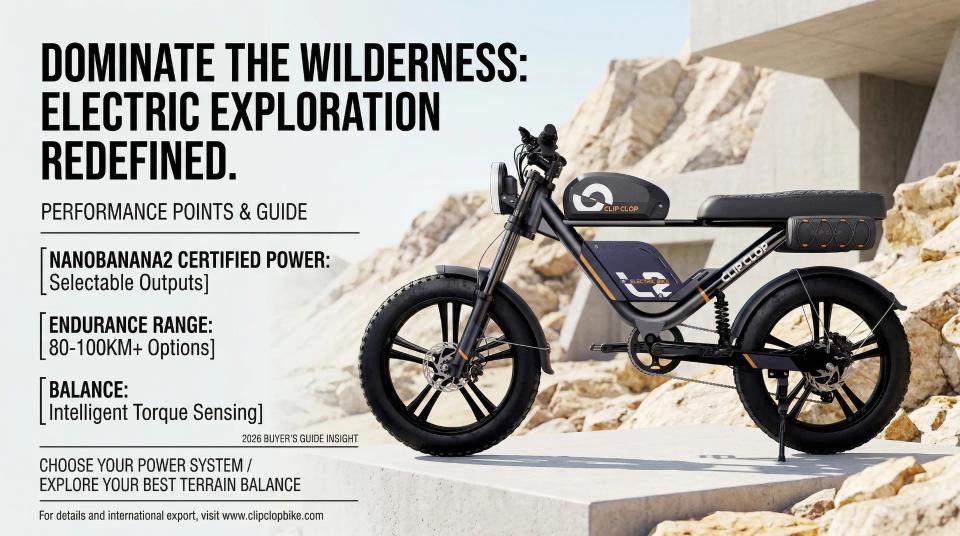
Commercial E-Bike Battery Lifecycle & Range: The B2B Operator's Guide to 21700 Cells & TCO
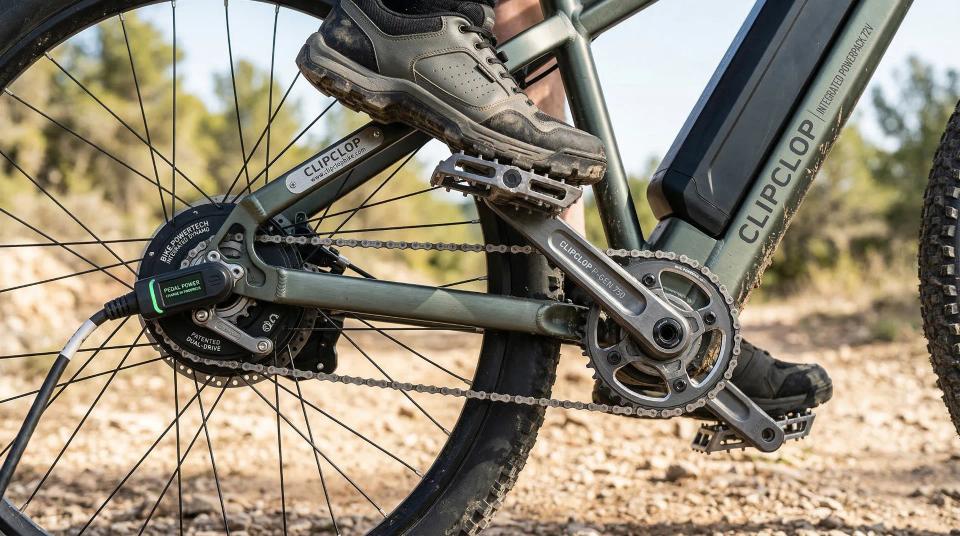
Digital Drivetrains & Series-Hybrid E-Bikes: Why Chainless Generator Tech Suits Commercial Cargo Fleets
Full Suspension Electric Bikes: The Complete Guide for 2026
Send your brief. We will field-note back.
Reply includes the feasibility view, sample cost, MOQ, and the next step for your project. We aim to respond within 48 hours.