
Commercial E-Bike Tire Sourcing: Puncture-Resistant Specifications for Heavy Fleets
Hey everyone, Leo Liang here – the guy who's spent way too many late nights in the shop coaxing life back into stubborn electric bikes.
Hey everyone, Leo Liang here – the guy who's spent way too many late nights in the shop coaxing life back into stubborn electric bikes.
Mechanical reliability in high-speed, high-mileage electric bicycles is governed by braking power, tire puncture resistance, and drivetrain wear resistance. For bicycle shop service centers, rental fleet managers, and commercial operators, maintaining fleet uptime requires sourcing components with commercial-duty certifications—including ECE-R75 rated tires, quad-piston hydraulic mineral oil braking systems, and reinforced 12G/13G stainless steel wheel lacing. This B2B guide outlines preventative maintenance protocols and component sourcing standards.
Factory Direct Sourcing & OEM/ODM Manufacturing with ClipClop
Commercial partners can inspect our manufacturing infrastructure on our OEM/ODM E-Bike Manufacturing Facility page, review standard configurations on our CS01 Fat Tire & CS04 Commercial Utility Platforms, or directly request volume FOB terms via our Commercial Quote Request Portal (MOQ 20).
The Hard Life of E-Bike Tires
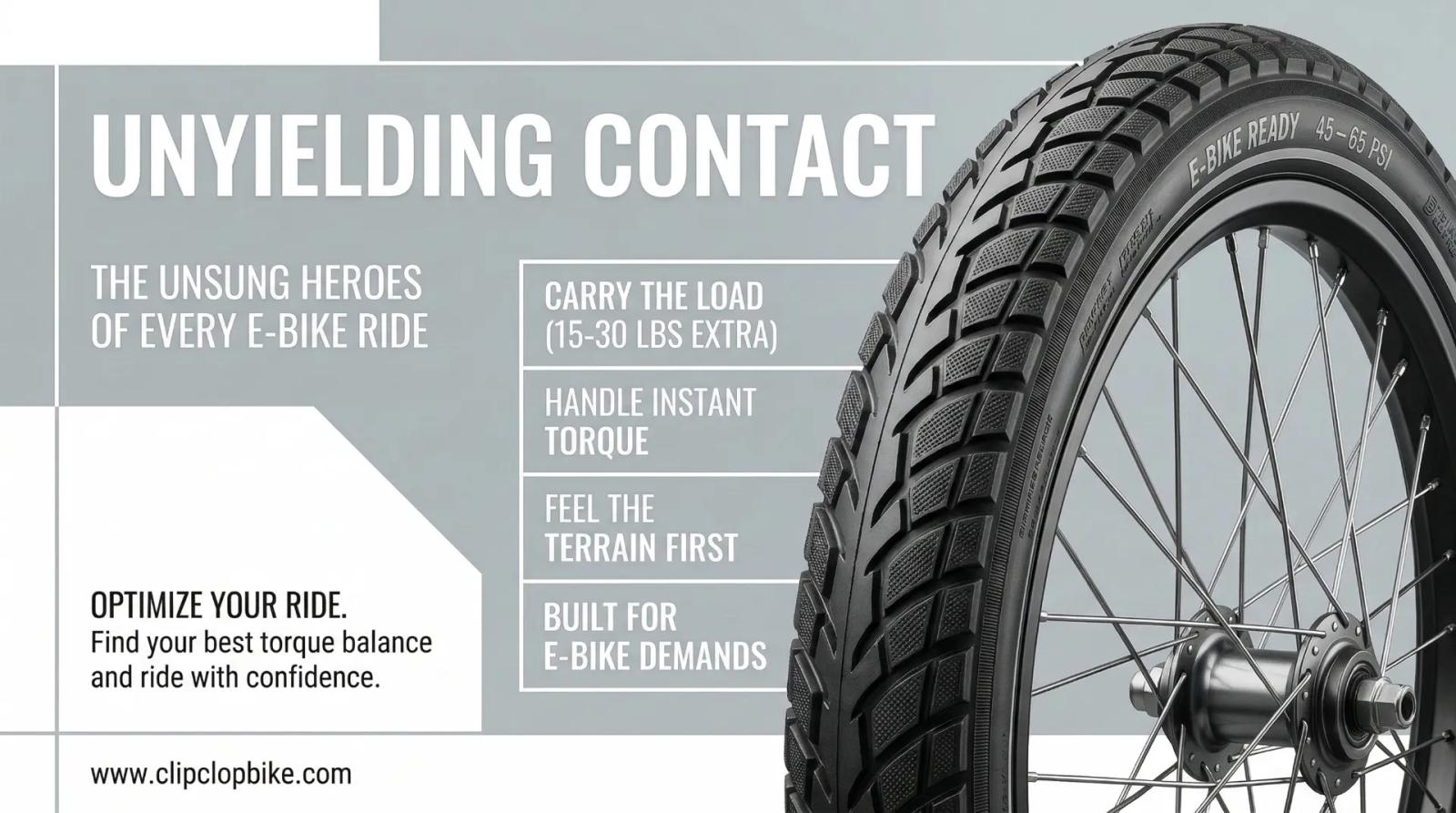
From a repair bench perspective, e-bike tires live harder lives than regular bike tires. That extra 15–30 pounds of battery + motor + rider weight, combined with instant torque and often higher cruising speeds, turns a casual roll into a daily beating. The rear tire especially – it's like the overworked parent of the family: constantly accelerating, braking hard, carrying most of the load. It wears out faster, gets hotter, and complains first (usually with a slow leak or bald center tread). The front tire plays scout: feeling every pothole, glass shard, and curb first. It's more likely to get sidewall slices or big cuts from debris.
Routine Check-ups and Proper Pressure
Routine "check-ups" are the single best thing you can do. Once a month (or every 400–600 miles for city commuters), treat your tires like a doctor would treat you. Start with pressure. Most e-bike tires run happiest between 45–65 PSI, but the sidewall always knows best – read it like a medical chart. Underinflation makes the tire sag like tired shoulders, increases rolling resistance (goodbye range), overheats the casing, and invites pinch flats. Overinflation turns it brittle – one sharp curb hit and pop goes the drama. I carry a digital gauge religiously; analog ones lie when you need truth most.
The Visual and Tactile Exam
Next, the visual and tactile exam. Run your fingers along the tread and sidewalls. Feel for embedded nails, thorns, or tiny cuts that haven't leaked yet (they will). Look for cracking – ozone and UV are silent killers, aging rubber like too many summers without sunscreen. Check tread depth: the old Lincoln penny trick still works. If you can see the top of Abe's head in the center groove, you're skating on borrowed time, especially in wet conditions where e-bike weight makes hydroplaning scarier.
Battling Punctures: Tubed Tires
Punctures are inevitable urban warfare. Tubed tires are old-school reliable but vulnerable. Find the hole: inflate, listen for hiss, or dunk in a bucket and watch bubbles. Sand, glue, patch – five minutes and you're usually back rolling. But mark the spot on the outside tire too; many repeat punctures come from a protruding spoke nipple or bad rim tape.
The Tubeless Advantage
Tubeless is where modern e-bikes shine. Fresh sealant (Stans, Orange Seal, etc.) turns small punctures into non-events – the tire seals itself like a living thing clotting blood. I recommend refreshing sealant every 4–6 months; it dries, thickens, and stops working. Big gashes? Use a tire plug (bacon strip style): insert, pull tight, trim flush, inflate. I've saved rides in parking lots with nothing but a plug kit and cursing. Just never trust a sidewall plug long-term; that's asking for a high-speed explosion.
Decoding Tire Wear Patterns
Tire wear patterns tell stories. Center bald on the rear? Hard acceleration + heavy rider. Edges worn? Chronic underinflation. One-sided wear? Misaligned wheel or frame. I rotate front-to-rear every 800–1,000 miles to even things out, though the rear still dies younger.
Choosing the Right Replacements
When replacement day comes, don't skimp. Get e-bike-rated tires (look for E-50, E-25, or "e-bike ready" labels). They have beefier casings and puncture protection because regular tires can't handle 250–750W motors for long. Favorites in my shop:
- Schwalbe Marathon Plus / Almotion: bombproof commuting kings
- Continental Ride Tour / Contact Urban: great balance of grip and mileage
- Maxxis Re-Fuse: tough, fast, surprisingly supple
- Pirelli Angel City:</strong for dry pavement> slick speed demons
Mounting Tips from the Bench
Mounting tips: plastic levers only (metal pinches tubes like angry fingers). Seat one bead, add tube (slightly inflated to avoid twists), seat second bead starting opposite the valve, inflate slowly while checking even bead pop. Nothing worse than a wonky tire that burps air at 3 a.m.
Off-Season Storage
Off-season storage? Drop pressure to ~30 PSI to prevent flat spots, clean off grime and salt, store indoors away from windows. Sunlight and heat are rubber's worst enemies.
Final Thoughts
In the end, your e-bike tires don't ask for much: clean running surfaces, proper pressure, occasional TLC, and timely retirement when they're worn out. In return, they give you thousands of worry-free miles, keep your battery range honest, and stop you from becoming a roadside pedestrian.
So next time you roll out, give those black circles a quick glance and a mental "thanks." They're not glamorous, but they're the real heroes keeping you moving.
ClipClop Manufacturing Standards & Build Quality
Looking for verified B2B e-bike manufacturing? Check out our ClipClop L1 All-Terrain Fat Bike and our ClipClop CS04 Commercial Cargo Bike, backed by factory-direct warranties and flexible 10-unit MOQ.
Looking for quality e-bikes with durable tires? Check out our Top 10 Best Cheap Electric Bikes for Adults for our top picks on budget-friendly rides that don't skimp on quality components.
Commercial Procurement & Fleet Sourcing with ClipClop
Deploying electric bicycle fleets or distributing private-label e-bikes requires a trusted manufacturing partner capable of consistent container-level production, robot-welded frame alignment, and rigorous batch QC. From our 25,000 m² factory in Qingyuan, Guangdong, ClipClop provides end-to-end OEM/ODM electric bike manufacturing services with an accessible MOQ of just 20 units per SKU. Every container order includes dedicated spare parts allocation (2% free warranty backup components), full international compliance documentation (EN 15194, UL 2849, UN38.3), and 15-day sample dispatch.
Ready to evaluate engineering samples for the CS01 Fat Tire & CS04 Commercial Utility Platforms or review container FOB volume pricing? Visit our Commercial RFQ Portal to submit your technical specifications, or speak directly with our engineering sales team via our B2B contact desk.
More OEM field notes.
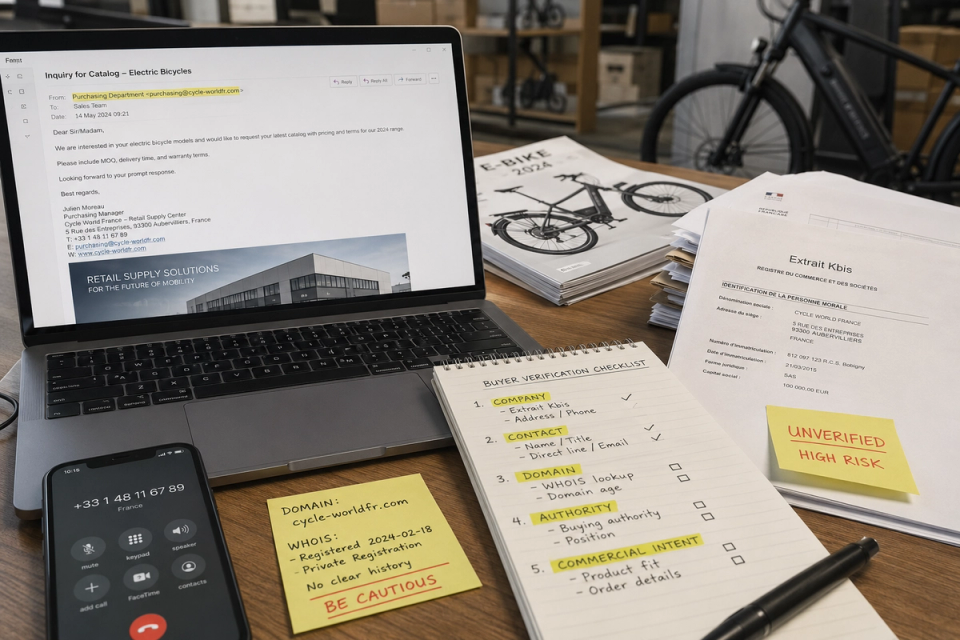
How We Verify B2B Buyers: A Case Study in Preventing Procurement Fraud & Impersonation
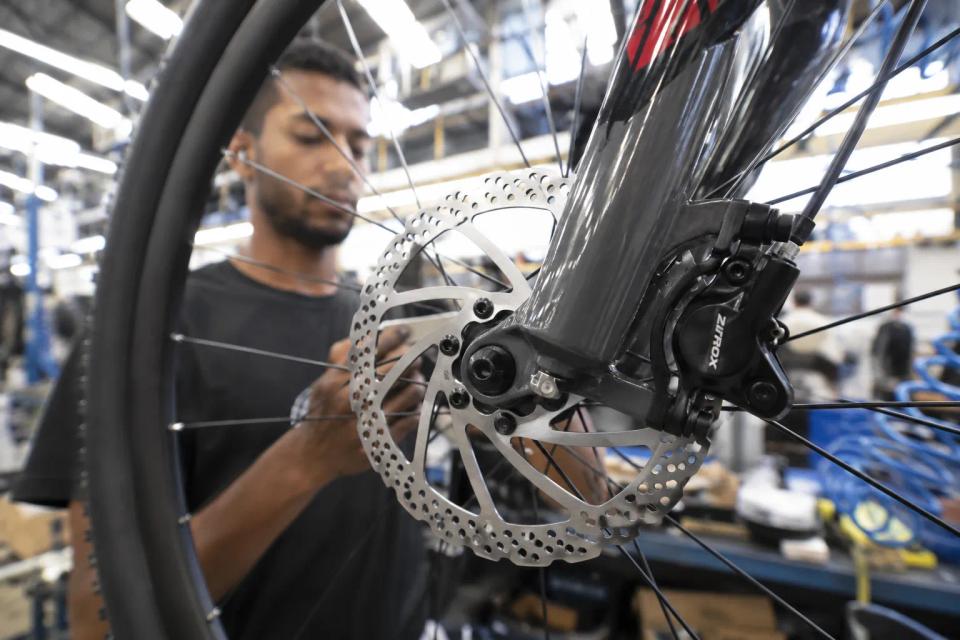
E-Bike Frame Sourcing for Brazil: Corrosion-Resistant 6061-T6 Aluminum for Tropical Fleets
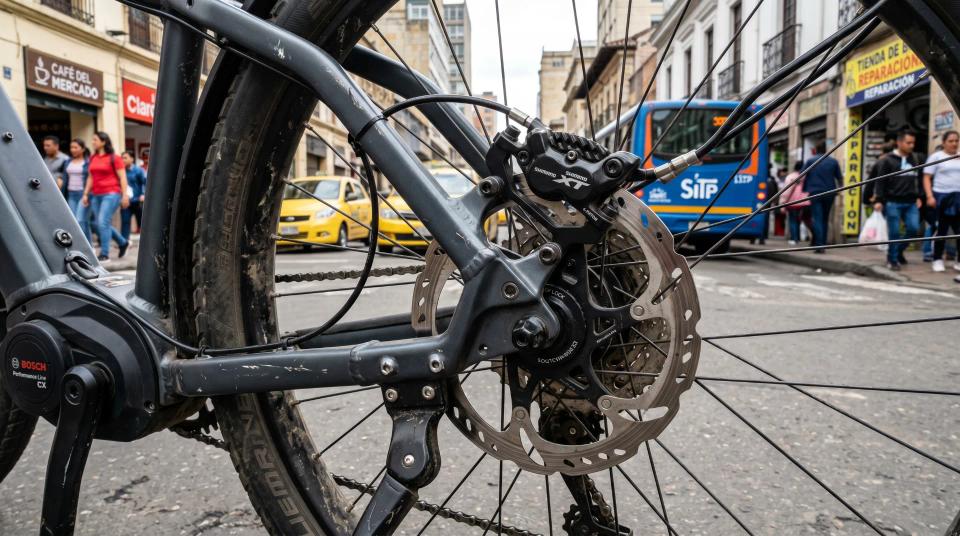
Commercial E-Bike Hydraulic Brakes: Heat Dissipation, 4-Piston Calipers & Mountain Fleets
Send your brief. We will field-note back.
Reply includes the feasibility view, sample cost, MOQ, and the next step for your project. We aim to respond within 48 hours.