
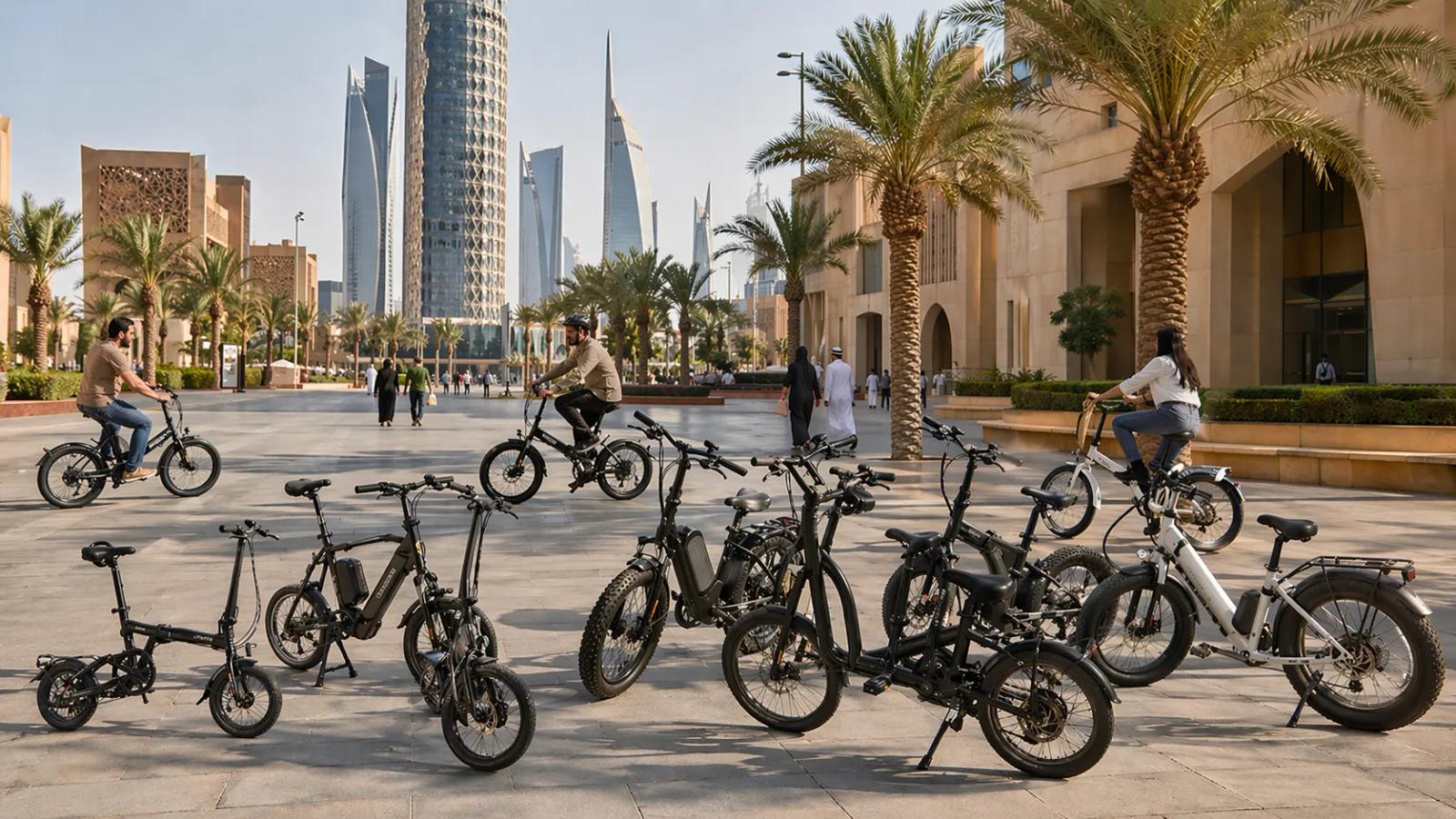
Saudi Arabia & GCC E-Bike Sourcing Guide 2026: Heat-Resistant Batteries, Desert Dust Protection & B2B Distribution
A practical guide to the top 10 electric bike brands operating in Saudi Arabia, covering Powerspoort, Trek, Giant, Specialized, and more.
A practical guide to the top 10 electric bike brands operating in Saudi Arabia, covering Powerspoort, Trek, Giant, Specialized, and more.
E-Bike Sourcing for the GCC & Saudi Arabia: 55°C Ambient Thermal BMS, IP65 Sealing & Vision 2030 Tourism
Factory Direct Sourcing & OEM/ODM Manufacturing with ClipClop
Commercial partners can inspect our manufacturing infrastructure on our OEM/ODM E-Bike Manufacturing Facility page, review standard configurations on our CS01 Fat Tire & CS04 Commercial Utility Platforms, or directly request volume FOB terms via our Commercial Quote Request Portal (MOQ 20).
Expanding electric mobility into Saudi Arabia, the UAE, and the broader Gulf Cooperation Council (GCC) demands severe engineering adaptation rather than importing off-the-shelf European commuters. In summer, ground temperatures across Riyadh and Jeddah exceed 50°C, inducing thermal runaway risks in uncooled battery packs and rapid controller thermal throttling. Wholesale importers and tourism resort fleet operators under Saudi Vision 2030 (including NEOM and Red Sea development projects) must verify battery cooling pathways and ingress protection against fine silicate sand.
ClipClop engineers dedicated desert-specification electric bikes featuring phase-change thermal potting around lithium cells, high-temperature BMS shutdown thresholds calibrated for 60°C continuous operation, and labyrinth-sealed IP65 hub motors that block fine dust ingress. Our direct OEM container shipments provide GCC distributors with custom branding, localized Arabic display interfaces, and reinforced step-through frames tailored for last-mile delivery and resort hospitality fleets.
| Engineering Feature | GCC Desert Specification | Standard European Import | Field Failure Prevention |
|---|---|---|---|
| Battery BMS Thermal Limit | 60°C Operating Cutoff with Heat Sink | 45°C Cutoff (Frequent Midday Shutoffs) | Zero Midday Thermal Cutouts |
| Motor & Bearings Ingress | IP65 Labyrinth Dual-Lip Seals | IP54 Standard Dust Shielding | Prevents Silicate Sand Ingress & Jamming |
| Tire & Rubber Compound | Silica-Reinforced High-Temp Rubber | Standard Soft Natural Rubber | Eliminates Tread Melting on 65°C Asphalt |
- Checked whether brands show verifiable regional or local retail presence
- Compared support risk based on dealer clarity, battery support, and service visibility
- Treated unclear local availability as a risk factor, not a recommendation
Last verified: April 2026 for the public sources cited below.
Scope note: This guide is based on dealer visibility, public compliance information, and buyer-risk analysis, not a full hands-on test of every model listed.
What Could Be Publicly Verified in Saudi Arabia
Trek is one of the easier brands to verify in Saudi Arabia because Wheels Bikes presents itself publicly as the official Trek distributor in KSA with retail presence. That does not automatically mean every model or spare part is easy to source, but it gives buyers more confidence than buying through an unclear reseller page.
Giant is easier to verify at GCC or regional level than at Saudi city-by-city after-sales depth. The brand clearly maintains an official international office and distributor structure, but local support quality should still be confirmed before payment, especially for batteries, chargers, and replacement parts. In other words, Giant is commercially credible, but Saudi after-sales should not be assumed without dealer confirmation.
Saudi Arabia also shows signs of a growing cycling and micromobility environment, which matters for market context even if it does not validate every seller. Public reporting on projects such as Madinah’s bicycle-lane expansion and bike or scooter station rollout helps support the idea that riding infrastructure and public exposure are increasing. That is useful background, but it should not be confused with proof that every e-bike brand has a mature dealer network inside the country. For broader buyer-side context on design tradeoffs, readers can also compare this guide with our article on battery placement, charging, and ownership practicality.
What Buyers Should Treat Cautiously
Some names appear in online listings, reseller pages, or regional search results, but that is not the same as having a clearly verifiable Saudi dealer footprint, workshop coverage, or long-term parts support. Buyers should be especially cautious with sellers or brands that are hard to verify through official dealer pages, local workshop visibility, or written after-sales terms.
That caution applies to low-visibility local names, vague marketplace sellers, and brands that may be visible online without clear Saudi support. If a seller cannot show a real workshop process, battery warranty path, and expected parts lead time in writing, the risk remains high even if the listing looks attractive.
Stromer can be treated as a premium niche option rather than a mainstream Saudi market default. The brand is relevant for buyers who want a high-end connected e-bike experience, but price, support complexity, and long-term parts access should all be verified locally before purchase.
Accell Group-related brands should also be handled carefully in Saudi-specific buying decisions unless there is clear dealer evidence in the city where the bike will actually be purchased and serviced. European brand strength does not automatically equal Saudi workshop support.
Compliance Before You Pay
This is the section many buyers skip, and it is where expensive mistakes happen. Before buying or importing an e-bike into Saudi Arabia, check whether the bike, charger, and battery require product conformity documentation through Saber or related SASO-linked processes. A seller’s “CE” claim or factory certificate should never be treated as sufficient by itself for Saudi import or commercial entry.
- Ask for battery specifications in writing
- Ask for charger input and output specifications
- Ask for warranty terms in writing, including battery coverage
- Ask for expected spare-part lead time
- Ask whether any conformity documents are available for Saudi import or commercial entry
For importers and resellers, the safer rule is simple: importer compliance should not be assumed. Product conformity, shipment documentation, and local commercial requirements should be checked with the seller, local compliance bodies, and customs or clearance partners before money is transferred.
Best Choice by Use Case
For buyers who want the strongest verified local confidence: Trek is one of the safer starting points because Saudi retail visibility is easier to confirm publicly through Wheels Bikes.
For buyers focused on value if dealer support is confirmed: Giant and other large international brands may still make sense, but city-level service depth should be checked before assuming that parts and battery support will be smooth.
For budget-first buyers: the key question is not just entry price. It is whether the seller can provide battery warranty, charger specs, and parts lead time clearly enough to reduce support risk.
For premium tech-oriented buyers: niche brands can still be attractive, but they carry more support risk if local workshop coverage is unclear.
For logistics, delivery, or cargo use: the real issue is less “which brand is coolest” and more whether the bike can be maintained under load with dependable battery and spare-part support. Buyers evaluating utility platforms may also want to compare market-facing brands with sourcing-oriented reads such as our review of Danish cargo e-bike brands and benchmark categories.
Frequently Asked Questions
What should a Saudi buyer verify before paying for an e-bike?
Verify five things first: seller identity, battery specifications, charger specifications, written warranty terms, and expected spare-part lead time. If those details are vague, the purchase risk is already high.
What documents matter if you are importing rather than buying from a local dealer?
Check whether the bike, charger, and battery need product conformity documentation through Saber or related Saudi compliance channels. Import and resale requirements can differ from a simple consumer purchase, so do not rely on generic seller claims.
How do you check whether a seller really has after-sales support in Saudi Arabia?
Ask for a real workshop address, a written battery warranty process, and a written answer on spare-part lead time. Public dealer visibility is a good sign, but workshop clarity matters more than marketing pages.
Is a seller’s “CE certificate” enough for Saudi import or resale?
Usually not by itself. Buyers and importers should check current Saber or SASO-related requirements instead of assuming that a foreign factory certificate automatically covers Saudi market entry.
Final Verdict
The smartest way to buy an e-bike in Saudi Arabia in 2026 is not to ask which brand sounds best, but which offer is easiest to verify. Trek currently gives one of the clearest publicly visible confidence signals through an identifiable Saudi retail structure. Giant and other large international brands can still be viable, but local support should be checked city by city. Low-visibility sellers and unclear reseller pages carry the highest risk, especially when battery warranty, charger documentation, and workshop support are vague.
ClipClop Manufacturing Standards & Build Quality
Explore models engineered for extreme desert and beach conditions: ClipClop L1 High-Power Fat Tire Bike and our ClipClop G2 High-Power Touring E-Bike, fully SASO-compliant.
Compliance disclaimer: Import, road-use, and commercial sale requirements can change. Buyers and importers should confirm current Saudi requirements with the seller, local compliance bodies, and customs or clearance partners before purchase.
For more verified buying guides and market reviews, see the latest updates in the ClipClop news section.
Commercial Procurement & Fleet Sourcing with ClipClop
Deploying electric bicycle fleets or distributing private-label e-bikes requires a trusted manufacturing partner capable of consistent container-level production, robot-welded frame alignment, and rigorous batch QC. From our 25,000 m² factory in Qingyuan, Guangdong, ClipClop provides end-to-end OEM/ODM electric bike manufacturing services with an accessible MOQ of just 20 units per SKU. Every container order includes dedicated spare parts allocation (2% free warranty backup components), full international compliance documentation (EN 15194, UL 2849, UN38.3), and 15-day sample dispatch.
Ready to evaluate engineering samples for the CS01 Fat Tire & CS04 Commercial Utility Platforms or review container FOB volume pricing? Visit our Commercial RFQ Portal to submit your technical specifications, or speak directly with our engineering sales team via our B2B contact desk.
More OEM field notes.
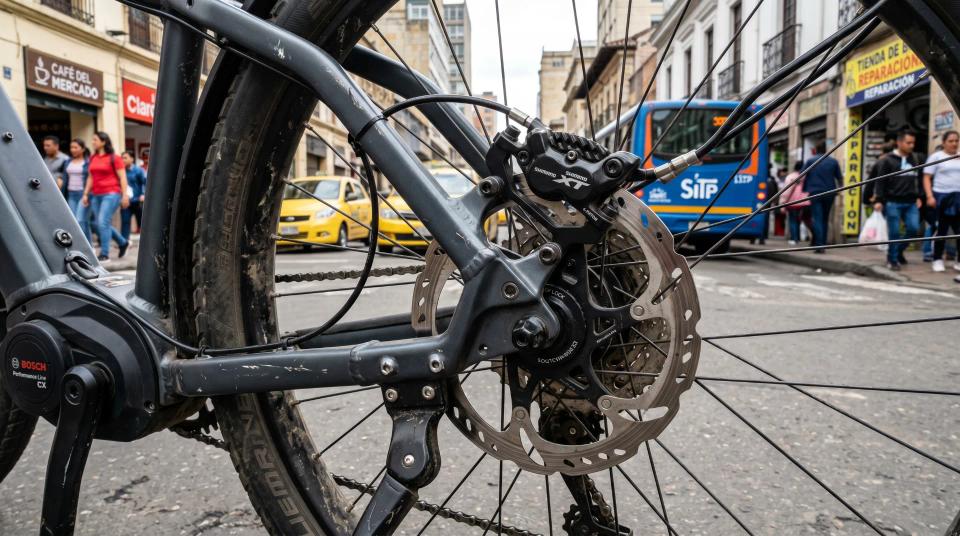
Commercial E-Bike Hydraulic Brakes: Heat Dissipation, 4-Piston Calipers & Mountain Fleets
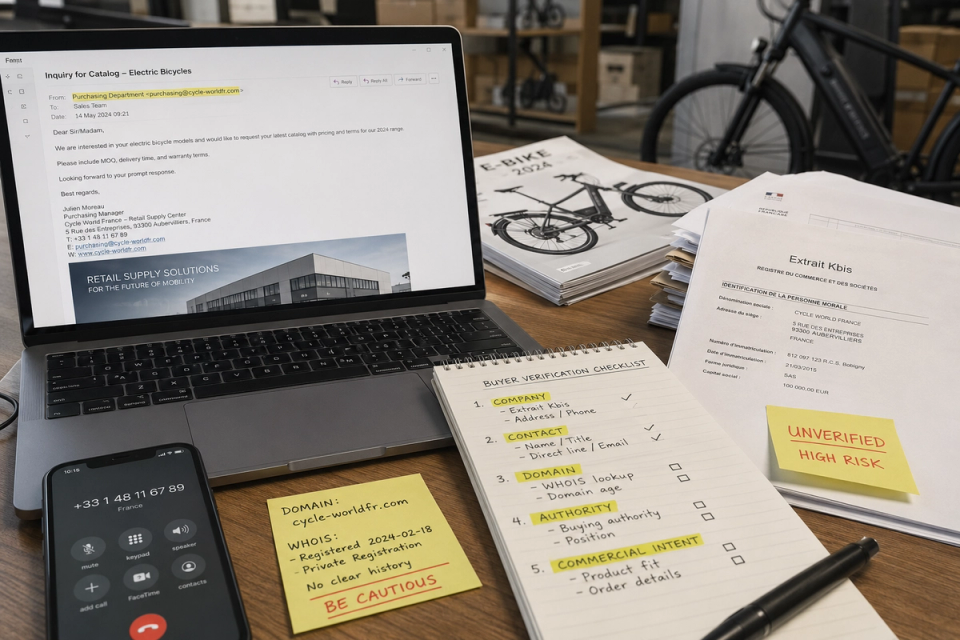
How We Verify B2B Buyers: A Case Study in Preventing Procurement Fraud & Impersonation
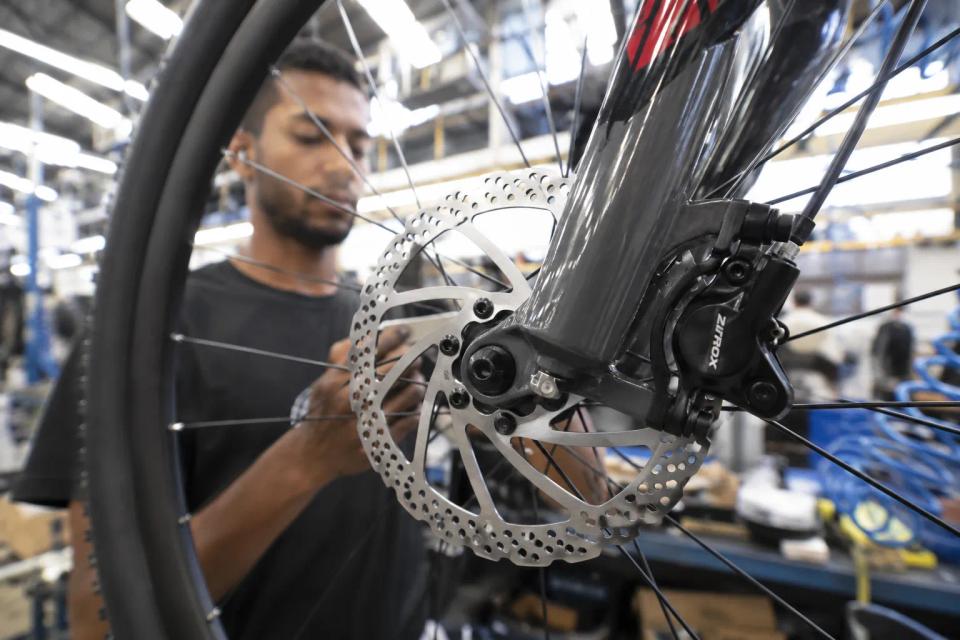
E-Bike Frame Sourcing for Brazil: Corrosion-Resistant 6061-T6 Aluminum for Tropical Fleets
Send your brief. We will field-note back.
Reply includes the feasibility view, sample cost, MOQ, and the next step for your project. We aim to respond within 48 hours.