
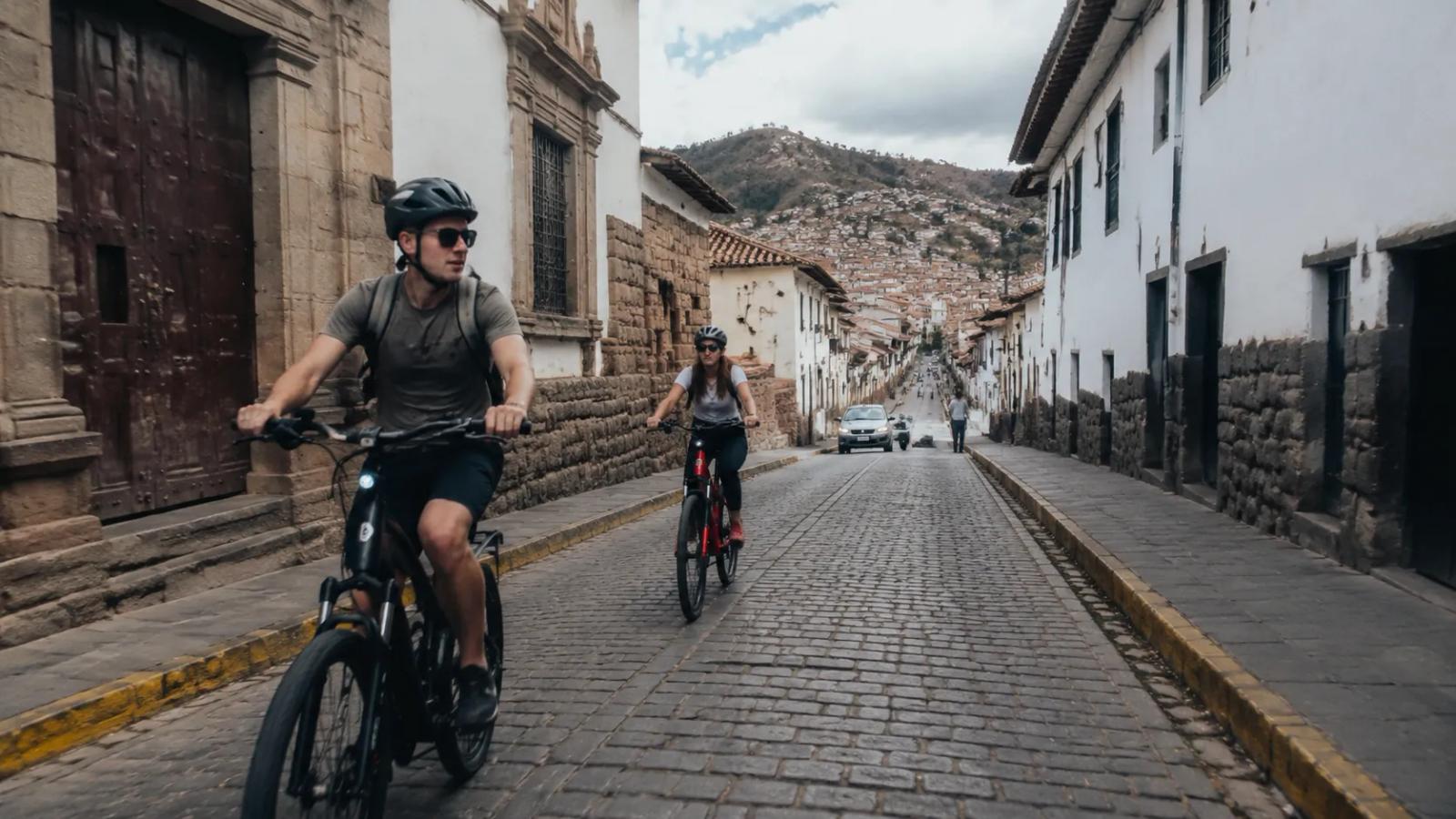
All-Terrain E-Bike Sourcing for Latin America: High-Torque Climbing & Suspension Specs
Hey folks, it’s Leo here from ClipClop Bike. I’ve been around bikes for a while, and today I want to talk straight about the L2, especially if you’re thinking of bringing it into Peru as a dealer.
Hey folks, it’s Leo here from ClipClop Bike. I’ve been around bikes for a while, and today I want to talk straight about the L2, especially if you’re thinking of bringing it into Peru as a dealer.
Hey folks, it’s Leo here from ClipClop Bike. I’ve been around bikes for a while, and today I want to talk straight about the L2, especially if you’re thinking of bringing it into Peru as a dealer. I’m not here to sugarcoat stuff—let’s get real about costs, what you can expect, and some practical stuff from my own experience and what other riders have told me.
Commercial partners can inspect our manufacturing infrastructure on our OEM/ODM E-Bike Manufacturing Facility page, review standard configurations on our CS01 Fat Tire & CS04 Commercial Utility Platforms, or directly request volume FOB terms via our Commercial Quote Request Portal (MOQ 20).
First off, the L2 is not some flimsy city cruiser. It’s a 750W nominal, 1125W peak motor beast with a 48V 15Ah battery, and yes, it’s got fat 20×4 inch tires. That means it can handle everything from Lima’s flat roads to some sketchy mountain paths if your customers are adventurous. Some local bloggers have tried similar fat-tire e-bikes and said, “It’s basically a scooter with pedals,” which I kind of agree with. Don’t expect it to replace a car, but it makes short commutes and weekend rides way easier.
Now, about pricing and margins. If you’re a dealer in Peru, you’re looking at costs around $1,150–$1,300 per L2 if you order directly from us in bulk in 2026. Shipping and import duties add another chunk, sure, but compared to some of the other imported e-bikes floating around Lima, you’re getting better specs for less money. Some dealers I spoke with complained about generic Chinese bikes that look nice but die in six months. I promise, the L2 isn’t perfect, but we’ve got tested batteries, reliable controllers, and parts that actually fit.
When you show it to customers, I’d say don’t oversell it. Be honest: top speed in Peru is around 50 km/h, but that’s mostly on flat roads. In the hills or with heavier riders, it drops to 35–40 km/h easily. Some users tried taking it full throttle uphill with two people—bad idea, battery drains fast. A lot of reviewers online are like, “My e-bike felt slow.” I tell them, that’s normal if you’re expecting a motorcycle-level sprint.
Talking about daily use, fat tires are a blessing and a curse. They make the bike stable and comfortable, especially on potholes or unpaved streets in Lima, Arequipa, or Cusco. But the extra rubber means pedal assist isn’t as snappy if you’re trying to be sporty. I’ve had riders tell me they swap in lighter tires for city runs, which works, but then you lose that “fat-tire charm.”
Step-over vs step-through, some dealers ask me this a lot. L2 is a step-over design. It’s not the most graceful for older riders, but honestly, most of the customers in Peru—young professionals, college students, delivery folks—don’t mind hopping over. I’ve tested it on local streets with a few colleagues and trust me, it’s sturdy, but you will want to teach customers how to mount safely. Step-through is easier but usually lighter, smaller motor, and cheaper—so if your market is speed and power, step-over wins.
Some blog tips I’ve picked up from other fat-tire e-bike users
- Charge fully before first ride, obviously. Don’t half-charge; batteries hate that.
- Check tire pressure regularly. I know it sounds obvious, but people let them go flat, and then complain the ride is sluggish.
- Spare parts matter. In Peru, some stores sell e-bikes but can’t get controllers or batteries fast. We make sure L2 dealers can order parts directly from us.
Now, about after-sales support. I can’t promise miracles, but being a factory, we prioritize dealer support. You place an order, you can get manuals, promotional materials, and if something breaks, we ship parts fast. Some other companies just leave you hanging; that’s frustrating. Dealers in Lima told me, having a reliable source for parts literally makes them sell more because customers feel secure.
Finally, let’s talk about profit margins. Real talk: Peru’s e-bike market is growing fast in 2026, but it’s price-sensitive. If you mark up L2 by 25–30%, you can be competitive while still covering shipping, import, and some marketing. You’ll also want to emphasize durability and power—most secretaries or delivery riders buying cheap imports don’t know what they’re missing until they try something solid. That’s your pitch.
Download the 2026 ClipClop Factory Catalog (PDF)
Full e-bike specs, motor & battery options, MOQ, and container loading details.
A few honest warnings before you order
- Battery shipping regulations are strict. Make sure you follow DHL/IATA rules, otherwise you’ll get stuck at customs.
- Local speed laws—Peru limits e-bikes to 25 km/h for pedal assist in cities. So if a customer pushes it faster, they do so at their own risk.
- Customer expectations—Don’t promise they’ll get motorcycle speeds. That leads to angry reviews.
ClipClop Manufacturing Standards & Build Quality
Looking for production-grade e-bike manufacturing? Explore our ClipClop L2 All-Terrain Fat Bike and our ClipClop L1 Fat Tire Electric Bike, engineered with factory-direct OEM customization from 10 units.
All in all, ClipClop L2 in Peru 2026 is solid for the right dealer. You’re buying something reliable, powerful, and not just a cheap import. It won’t win every race, it’s not some luxury e-bike, but if you’re looking for volume sales with real customer satisfaction, it works. And honestly, riding one myself in Lima traffic makes me wonder why anyone would buy anything else at this price.
Anyway, that’s my messy, honest take. If you’re considering becoming a ClipClop dealer in Peru, reach out, ask for a sample, ride it yourself. Nothing beats firsthand experience. And yes, don’t overcomplicate things—tell customers the truth, show the bike, let them try it. Works every time.
Commercial Procurement & Fleet Sourcing with ClipClop
Deploying electric bicycle fleets or distributing private-label e-bikes requires a trusted manufacturing partner capable of consistent container-level production, robot-welded frame alignment, and rigorous batch QC. From our 25,000 m² factory in Qingyuan, Guangdong, ClipClop provides end-to-end OEM/ODM electric bike manufacturing services with an accessible MOQ of just 20 units per SKU. Every container order includes dedicated spare parts allocation (2% free warranty backup components), full international compliance documentation (EN 15194, UL 2849, UN38.3), and 15-day sample dispatch.
Ready to evaluate engineering samples for the CS01 Fat Tire & CS04 Commercial Utility Platforms or review container FOB volume pricing? Visit our Commercial RFQ Portal to submit your technical specifications, or speak directly with our engineering sales team via our B2B contact desk.
Download the 2026 ClipClop Factory Catalog (PDF)
Full e-bike specs, motor & battery options, MOQ, and container loading details.
More OEM field notes.
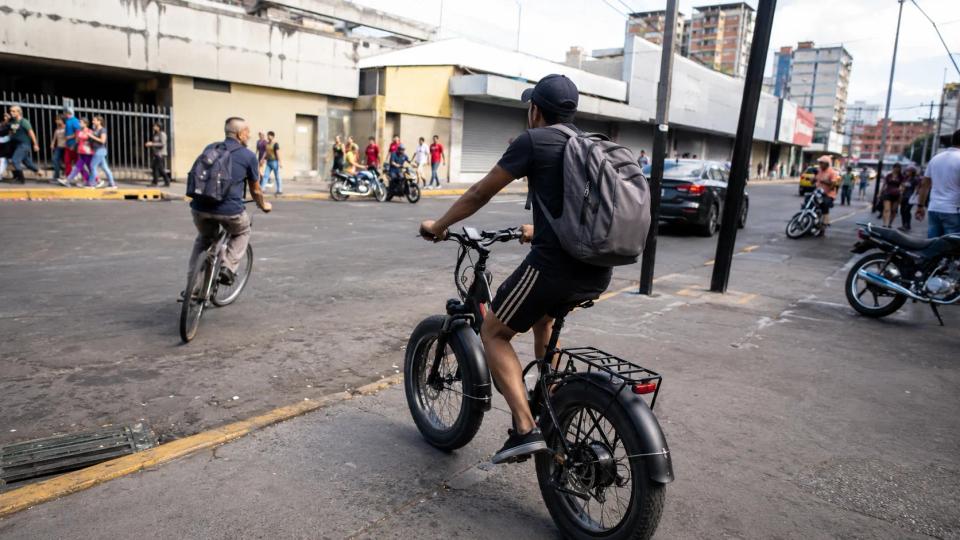
Latin American Electric Mobility 2026: Commercial Fleet Sourcing for Developing Grids, Gradients & TCO
Mid-Drive vs. Hub Motors for B2B Fleets: Engineering, BOM Cost & Maintenance Breakdown
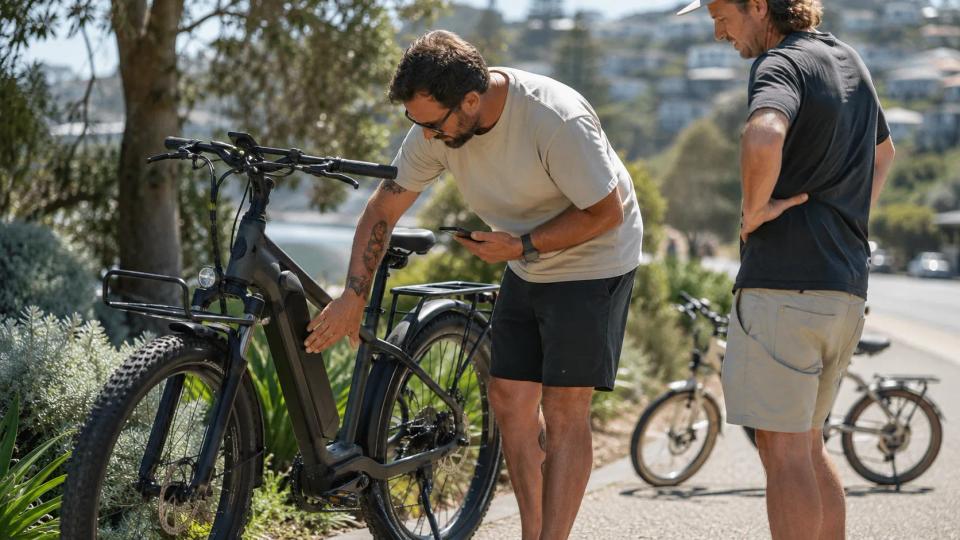
Importing E-Bikes to Australia: B2B Sourcing, Landed Cost Economics & ADR Compliance (2026)
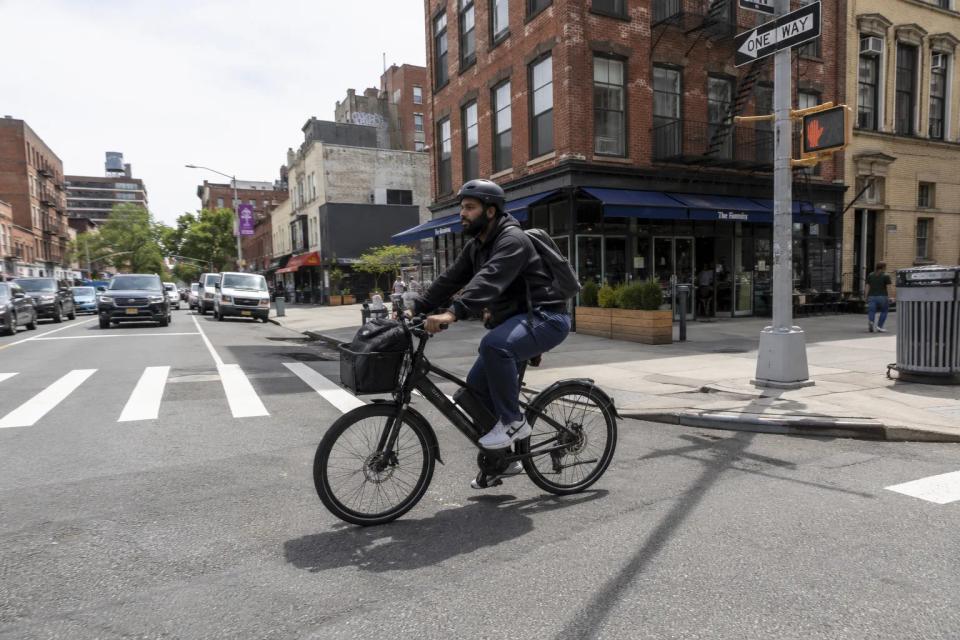
NYC Commercial Delivery E-Bikes: UL 2849 Compliance, Heavy Cargo & Fleet Specifications
Send your brief. We will field-note back.
Reply includes the feasibility view, sample cost, MOQ, and the next step for your project. We aim to respond within 48 hours.