
Heavy-Duty Fat Tire E-Bike Sourcing: 750W/1000W High-Torque Platforms for Importers
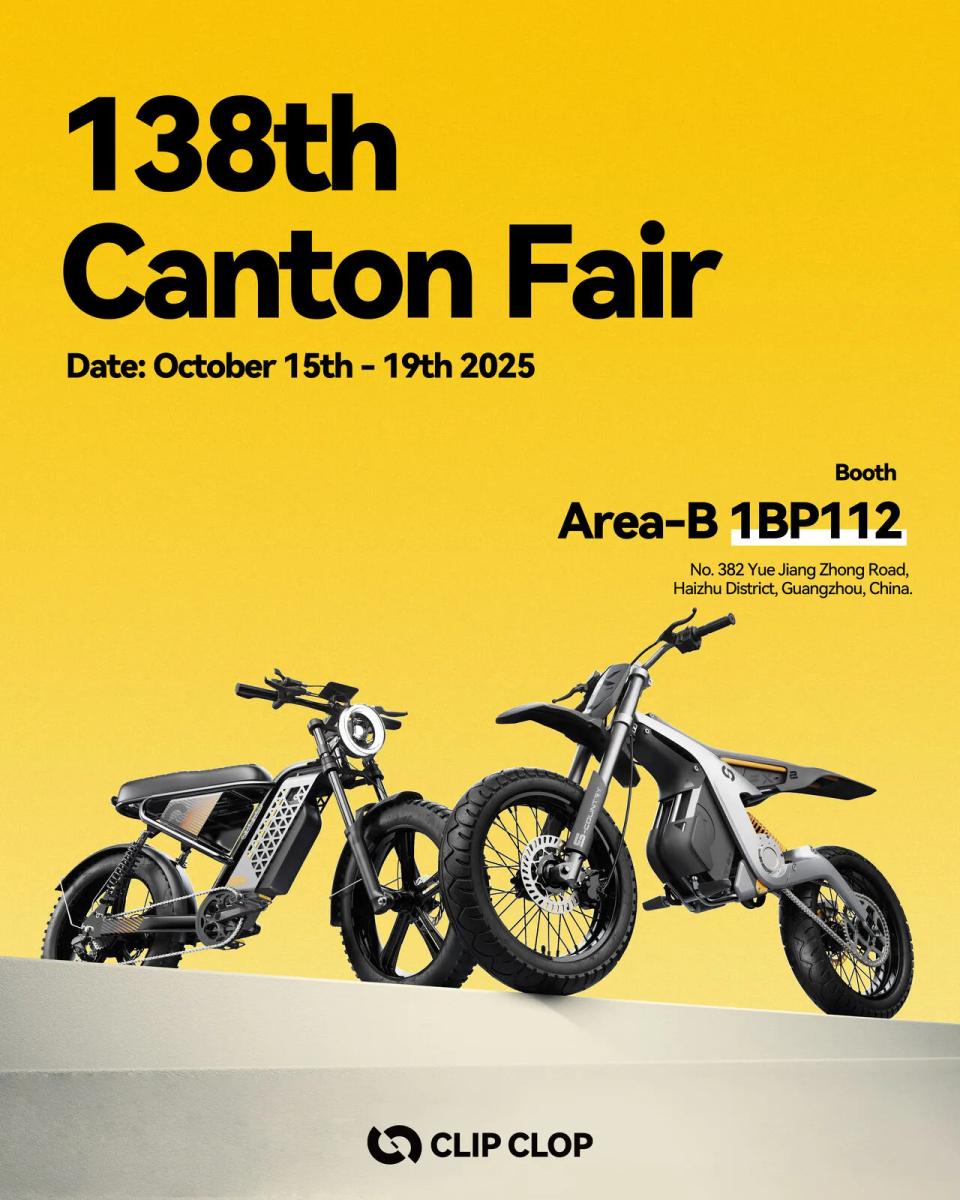
Hello everyone, Leo Liang here. What a fantastic few weeks, especially after having finished the recent 138th Canton Fair . The atmosphere was buzzing, and not just because of the bikes we were
Hello everyone, Leo Liang here. What a fantastic few weeks, especially after having finished the recent 138th Canton Fair . The atmosphere was buzzing, and not just because of the bikes we were
In commercial electric mountain bike (eMTB) procurement, selecting an off-road chassis platform requires balancing suspension kinematics, pivot bearing load tolerances, and component serviceability. For specialty bicycle retailers, guided tour operators, and private-label brands, sourcing an eMTB requires verifying progressive leverage curves, hydraulic disc brake heat dissipation, and frame compliance with EN 15194 and ISO 4210 standards. This technical guide outlines the factory specifications that protect dealer margins and rider safety.
Commercial partners can inspect our manufacturing infrastructure on our OEM/ODM E-Bike Manufacturing Facility page, review standard configurations on our M20 Enduro eMTB & L1 Pro Dual-Suspension Platforms, or directly request volume FOB terms via our Commercial Quote Request Portal (MOQ 20).
What's the Real Engine of Performance in an E-MTB Motor?
Let's begin with the heart of any electric off-road bike: the motor. For any serious off-road application, the debate is over: a mid-drive motor is the only way to go. In contrast to hub motors, its positioning at the crankset also gives it a low, central center of gravity, which dramatically enhances handling and stability on technical trails. Most importantly, it leverages the bicycle's drivetrain, allowing the motor to operate in its optimum RPM range. This results in greater efficiency, more torque to conquer steep hills, and a riding feel that's intuitive and natural. For B2B buyers, the headline figure is torque, which is delivered in Newton-meters (Nm). However, peak torque only tells part of the story. While a 50-70 Nm motor is adequate for cross-country or light trail use, true all-mountain, enduro, or heavy-duty rental use requires motors with 85-120 Nm. This level of torque has the ability to manage loose, steep inclines without stalling. But how that power is transmitted is just as important. Advanced motors use a sophisticated array of sensors—torque, cadence, and wheel speed—to provide assistance that's proportional and immediate to the rider input. What we've found through testing is that a smooth torque curve, especially at low cadences, is critical for maintaining traction on slippery roots and rocks. Does the motor cut in unpredictably, or does it feel a natural extension of your own power? That's the mark of a world-class system. From a legal perspective, you must consider power ratings. Most authorities, like the EU, mandate a nominal power output of 250W, but the peak power, which governs hill-climbing ability, can generally be 500-750W. Ensure the motor and the housing are built to last with a high ingress protection rating, e.g., IP67, which makes it dust-tight and suitable for water immersion.
Download the 2026 ClipClop Factory Catalog (PDF)
Full e-bike specs, motor & battery options, MOQ, and container loading details.
Why the Engineering of Your Frame Dictates Its Long-Term Value
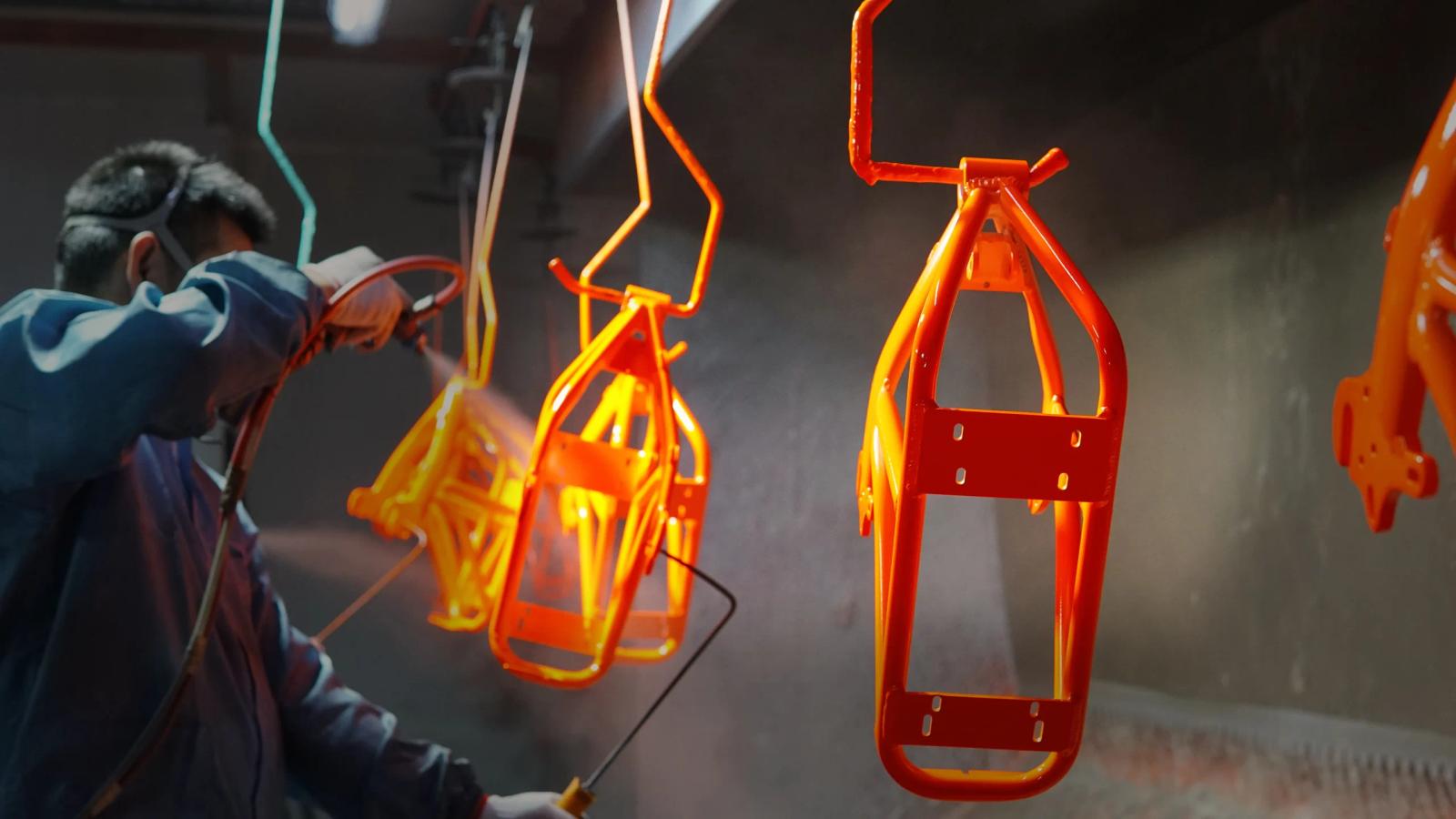
The frame is the chassis upon which your investment is built. Its quality of construction, material, and geometry dictate the performance, longevity, and safety of the bike—three pillars of a successful B2B business. While carbon fiber offers an incredible stiffness-to-weight ratio, for most bulk-purchasing markets like rental fleets or price-point distributors, high-strength aluminum alloys provide the optimum mix of performance, durability, and value. You simply need to be specific about the alloy. We insist on 6061-T6 aluminum, the industry standard that's famous for its excellent strength, weldability, and corrosion resistance after heat treatment. For more performance-based uses, 7005 aluminum offers a higher tensile strength, enabling lighter, thinner-walled tubing without any loss of strength. These tubes are formed through advanced hydroforming methods, placing material strategically in high-stress locations like the headtube and bottom bracket junction, which receive the massive forces of both the rider and mid-drive motor. Second only to material is frame geometry. For overall trail performance, we recommend a modern, progressive geometry: a slack head tube angle of 64-66 degrees for stability and downhill confidence at high speeds, and a steep 76-78 degree seat tube angle to position the rider in a good spot for powerful climbing. To suit a broad customer base, a comprehensive size range—Small (S), Medium (M), Large (L), and XL—is a must, suiting riders from approximately 155cm (5'1\") to 196cm (6'5"). Consider features like internal cable routing, which protects lines from wear and simplifies maintenance, and downtube and chainstay integrated frame protection—small touches that go a long way toward maximizing the aesthetic and structural life of a rental fleet.
Unlocking Reliability: Battery Systems and Certification
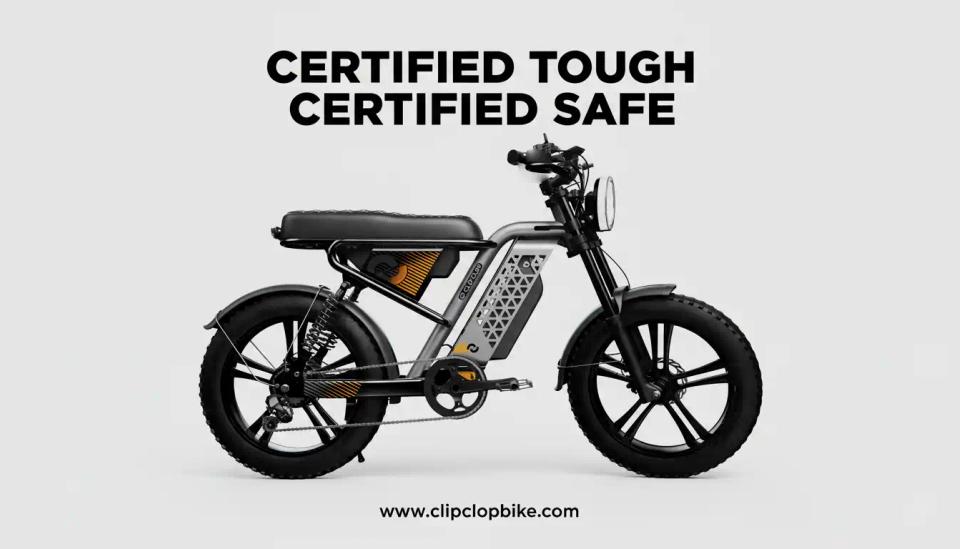
Range anxiety is a personal concern for riders, but for a business, it's an actual operational hazard. A bike that can't survive a day's rental is a drain on resources and reputation. The basic metric of a battery is capacity, which is measured in Watt-hours (Wh). For light trail use or shorter rental sessions, a 504Wh battery may suffice. That being said, to provide customers with guaranteed, all-day range, we strongly recommend capacities between 630Wh and 720Wh. For ultra, multi-day excursions or premium rental services, configurations are now surpassing 900Wh. But capacity is half the story. The quality of the lithium-ion cells within the pack reigns superior to its performance and lifespan. We utilize only high-density 21700 cells from Tier 1 makers like Samsung, LG, and Panasonic, which offer an ideal combination of energy density, power output, and long-term cycle life. The "brain" of the pack is an advanced circuit called the Battery Management System (BMS) that protects against overcharging, over-discharging, and overheating. A first-rate BMS is necessary to deliver both safety and a lower total cost of ownership by extending the life of the battery. For rental and tour operations, we habitually design frames with rapidly swappable battery systems for quick turnaround among customers. Above all, ensure that the entire electrical system is certified to the highest standards of safety. This is non-negotiable. Ask for UL 2271 certification of the battery pack and, more importantly, UL 2849 for the whole e-bike system. These are your guarantees of safety from electrical and fire hazards, a key consideration for liability and market entry, especially in North America.
How Suspension Translates Directly to Rider Control and Safety
Suspension is what ultimately defines a mountain bike's capability, and its role is increased on a heavier e-MTB where it's tasked with traction, control, and rider comfort. The first choice is between a hardtail (front suspension only) and a full-suspension bike. While hardtails offer simplicity and lower cost, and so are a great option for gravel roads or budget-conscious fleets, the gold standard of genuine all-terrain performance is a full-suspension frame. It enables the wheels to track the ground more closely, dramatically improving traction on technical climbs as well as scary descents. When ordering suspension, travel—the range within which the wheel can move to absorb shocks—is the significant dimension. For general trail riding, 130-150mm of travel (front and rear) provides a versatile and efficient platform. For more aggressive enduro riding or bike park use, 160-180mm of travel offers the necessary buffer to handle large impacts and steep terrain. The quality of the suspension components (the fork and rear shock) is as critical as the travel number. Air-sprung suspension from reputable brands is a necessity, as it's simple to tune to accommodate a wide range of rider weights—a priority for any rental business. External compression and rebound damping controls are preferable, allowing for tweaking of the bike's performance. A heavier rider, for instance, may require more air pressure and slower rebound settings. A well-designed suspension linkage, featuring sealed cartridge bearings, is the key to smooth articulation, minimal maintenance, and long-term durability. We also consider fork stanchion diameter carefully; 35-36mm is sufficiently rigid for trail use, but hard enduro duty receives beefier 38mm stanchions to resist flexing during aggressive braking and cornering forces.
Why Drivetrain, Brakes, and Wheels Are Your Fleet's Workhorses
While the frame and motor grab the headlines, it's the ancillary components that tend to determine an e-bike's day-to-day reliability and long-term operating costs. Powerful, reliable brakes are a top safety consideration, given the higher speeds and weight of e-MTBs. We specify 4-piston hydraulic disc brakes as standard on all our off-road machines. They offer a lot more stopping power and heat dissipation than 2-piston brakes, which is necessary on long descents. We pair these calipers with big rotors, 203mm or 220mm, to offer even performance and to combat brake fade. The drivetrain must also be heavy-duty enough to withstand the colossal torque of the motor. We recommend e-bike-specific groupsets, which feature heavier-duty chains and harder steel cassette sprockets. A wide gear range, such as a 1x12 system with an 11-51 tooth cassette, provides the necessary gearing for tackling the steepest climbs and fastest descents. Finally, the wheels and tires are your only connection to the trail. Wheels must be built to withstand abuse, featuring wide rims (a 30mm internal width is the modern standard) to properly support wider, higher-volume tires. We call for spec'ing tubeless-ready wheels and tires. Tubeless allows for lower tire pressure, which improves traction and makes pinch flats a thing of the past—a massive time and money saver for any rental operation. For increased durability, tires with reinforced casings (often designated as Enduro or DH casing) provide an extra layer of puncture protection, which keeps your fleet on the trail and out of the shop. These specifications collectively build a reputation for quality and reliability.
Is a Standard Bike Adequate, or Do You Need a Custom Solution?
One of the most important things that I've learned is that a "one-size-fits-all" approach won't do in the global market, which is so diverse. The ideal electric off-road bike for a rental operation in the alpine trails of Whistler is fundamentally different from one that's going to a distributor in a less hilly, cross-country-focused region. This is where a true manufacturing partner gets paid. Understanding the intended terrain and application scenario is the beginning of creating a custom solution. An alpine-focused bike would benefit from longer travel suspension (170mm+), a coil shock for sensitivity, and DH-casing tires that are more durable. On the other hand, a rental scenic bike for trails can prioritize comfort with an upright position, ergonomic grips, and a larger 900Wh battery for longer range at the cost of outright downhill performance. That is where our ODM and OEM (Original Equipment Manufacturer) services are great assets to your business. As an OEM partner, we can manufacture to your exact design specifications with rigorous quality control. With us as your ODM partner, you can leverage our R&D and market knowledge to collaborate on creating an exclusive product line that precisely fits your brand and target market. The joint effort allows you to customize anything from frame color and logo to component selection to your market's requirements and price points. Perhaps your market requires installed lighting systems for nighttime rentals, or maybe heavy-duty luggage racks are the premium selling feature. This level of customization is an almost unbeatable competitive advantage, as you can create a product or fleet that truly stands out.
How to Build a Partnership That Safeguards Your Investment
The purchase of a fleet of electric off-road motorbikes represents a sizeable capital investment, and your rapport with your supplier must extend far beyond the delivery date. The effective partnership is built on trust, clear communications, and good after-sales support. You must ask the tough questions about warranty policies, spare parts availability, and technical support response times before you place the order. Downtime is the profit sinkhole of a rental business. A reliable and convenient source of essential replacement parts—such as derailleur hangers, motor covers, batteries, and charging ports—is key to keeping your fleet on the road and generating revenue. At ClipClop, we view our B2B clients as long-term partners, understanding that our own success is directly linked to yours. This philosophy is realized through providing comprehensive technical documentation, training programs for your technicians, and a streamlined warranty claim and parts ordering process. We wish to build relationships that make you grow, discussing market trends, emerging technology, and how to increase your business on a regular basis. When you partner with us, you're not just buying bikes, but also gaining access to decades of industry expertise and a team of experts committed to your success. The partnership model ensures that as the e-bike sector continues to evolve, your business is positioned to evolve with it, thrive, and lead the way.
Taking Your Next Step Towards a Smarter, More Profitable E-Bike Fleet
The e-bike industry is expanding geometrically, and the opportunity for businesses is enormous. However, capitalizing on the trend requires more than a surface-level investment. It requires an appreciation of the engineering, quality control, and after-sales support that goes into a truly professional-grade electric off-road bicycle. From the subtle power delivery of a meticulously calibrated mid-drive motor to the engineered resilience of a heat-treated aluminum frame, every detail matters. By focusing on high-quality, certified components, product customization to your target market, and a supplier who is a genuine partner, you can build a business that is not only profitable but is legendary for its quality, safety, and reliability. The journey from idea to successful fleet on the showroom floor is a challenging one, but one we are perfectly positioned to make with you.
Call to Action:
If you have any questions about electric off-road bike choosing, configuration solutions, or custom OEM/ODM requirements, please feel free to contact our team. We are experienced electric off-road bicycle manufacturers and exporters, providing a complete one-stop service from technical consultation to whole-vehicle solutions for distributors, wholesalers, and brand partners worldwide. Let's define the future of off-road adventure, together. Contact us today to bring your project to life.
References:
- Bosch eBike Systems. (2024). Performance Line CX. Retrieved from https://us.bosch-press.com/pressportal/us/en/press-release-27335.html
ClipClop Manufacturing Standards & Build Quality
- UL Standards & Engagement. (2024). UL 2849: The Standard for Electrical Systems for E-bikes. Retrieved from https://www.ul.com/services/e-bikes-certificationevaluating-and-testing-ul-2849
- Grand View Research. (2022). Electric Bike Market Size, Share & Trends Analysis Report. Report ID: GVR-1-68038-831-7. Retrieved from https://www.grandviewresearch.com/industry-analysis/e-bikes-market-report
Commercial Procurement & Fleet Sourcing with ClipClop
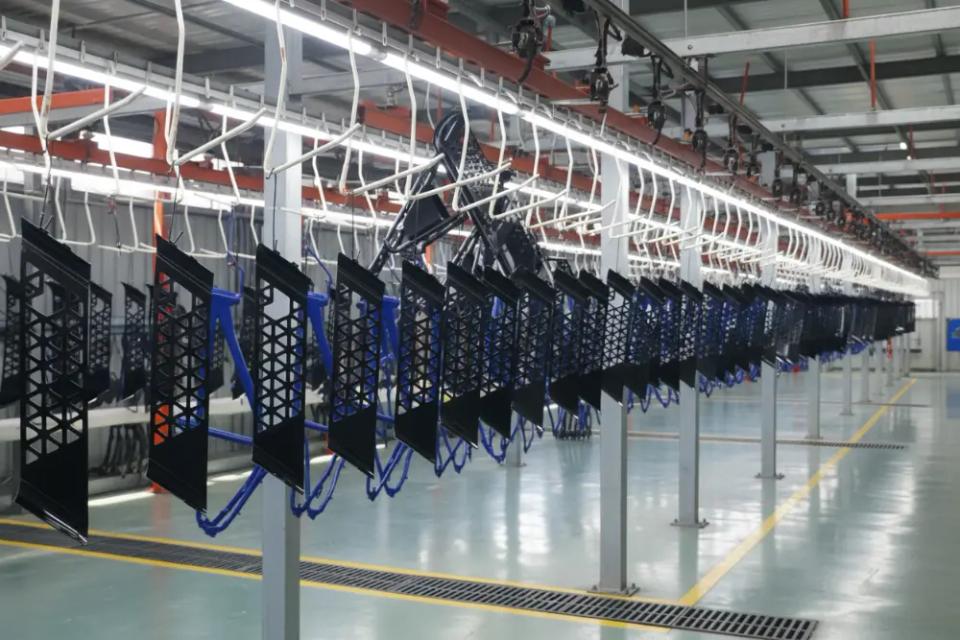
Deploying electric bicycle fleets or distributing private-label e-bikes requires a trusted manufacturing partner capable of consistent container-level production, robot-welded frame alignment, and rigorous batch QC. From our 25,000 m² factory in Qingyuan, Guangdong, ClipClop provides end-to-end OEM/ODM electric bike manufacturing services with an accessible MOQ of just 20 units per SKU. Every container order includes dedicated spare parts allocation (2% free warranty backup components), full international compliance documentation (EN 15194, UL 2849, UN38.3), and 15-day sample dispatch.
Ready to evaluate engineering samples for the M20 Enduro eMTB & L1 Pro Dual-Suspension Platforms or review container FOB volume pricing? Visit our Commercial RFQ Portal to submit your technical specifications, or speak directly with our engineering sales team via our B2B contact desk.
Download the 2026 ClipClop Factory Catalog (PDF)
Full e-bike specs, motor & battery options, MOQ, and container loading details.
More OEM field notes.
Wholesale Electric Mountain Bikes: Geometry Standards, Mid-Drive Specs & Dealer Margins
Demystifying EN 15194: The Core of CE Safety Standards for E-Bikes
China Electric Bike Factory Sourcing at Canton Fair 2026: OEM Booth, Samples & Factory Tours
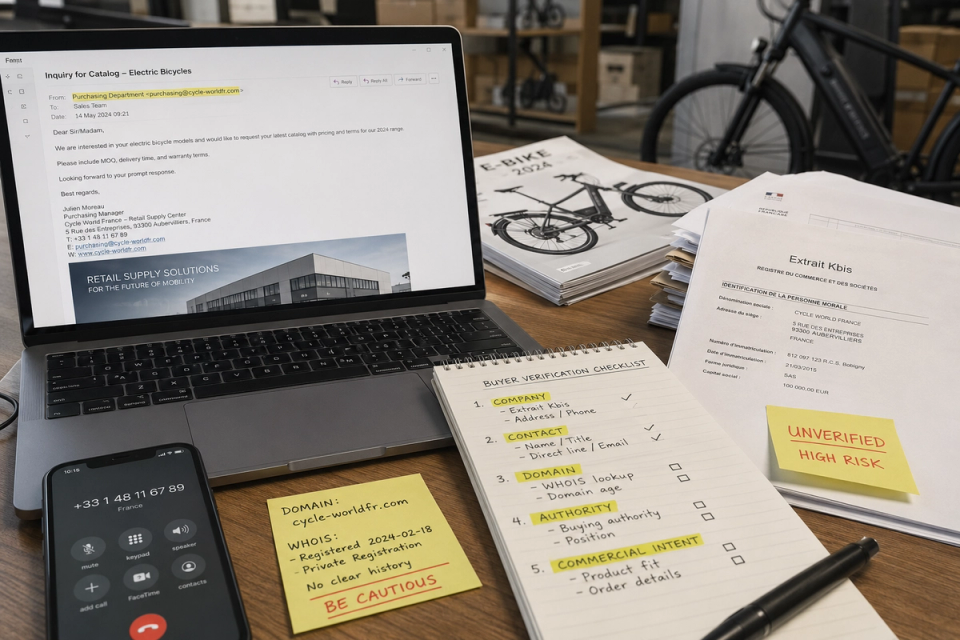
How We Verify B2B Buyers: A Case Study in Preventing Procurement Fraud & Impersonation
Send your brief. We will field-note back.
Reply includes the feasibility view, sample cost, MOQ, and the next step for your project. We aim to respond within 48 hours.