
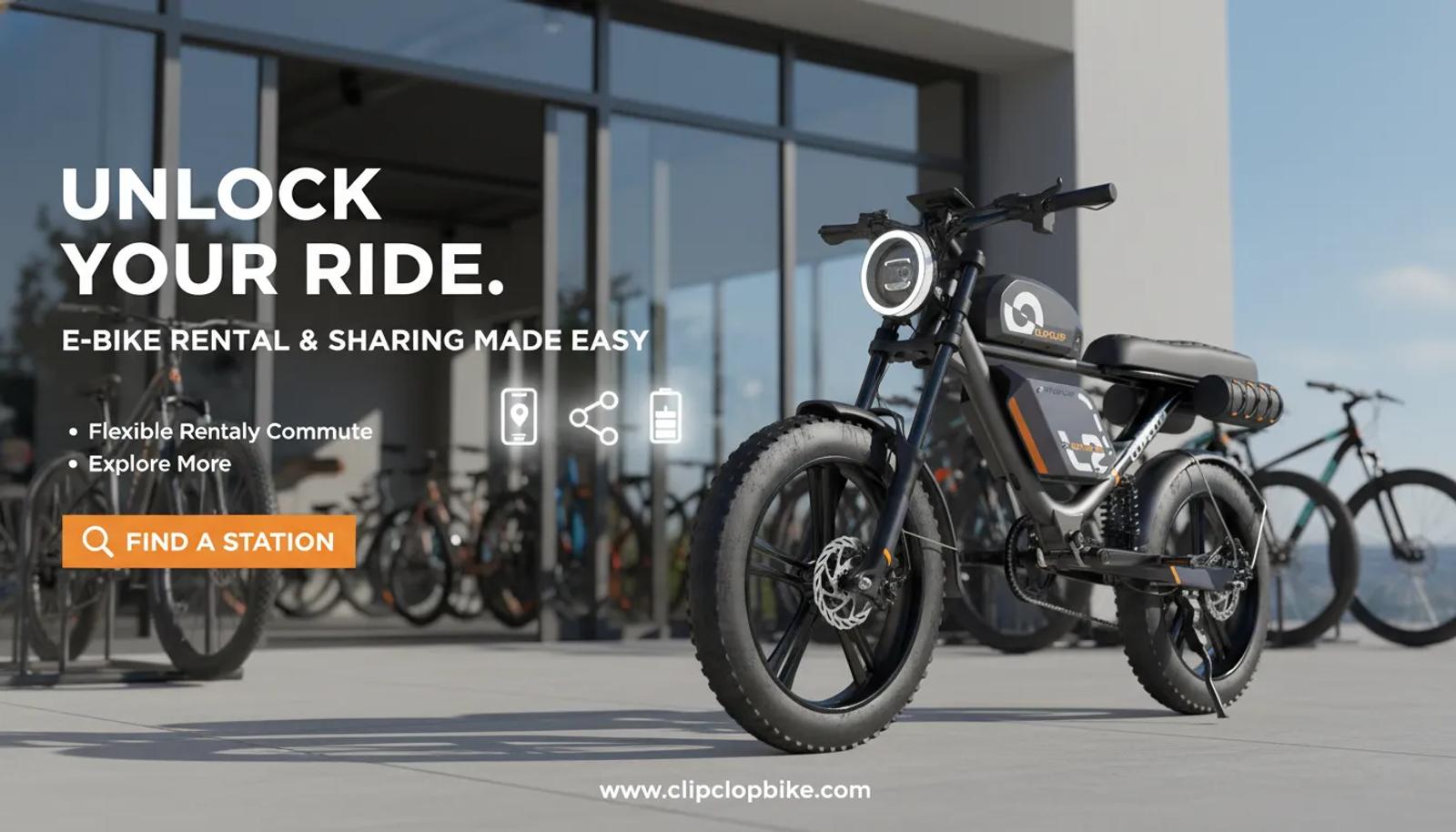
E-Cycle Rental & Sharing Fleet Sourcing: Turnkey IoT Hardware, Geofencing & TCO Guide
Hello all, I'm Leo Liang. As a dedicated member of the Guangzhou Clipclop e-bike family and a fervent advocate for electric off-road cycling, I have been deeply involved in the B2B side of this
Hello all, I'm Leo Liang. As a dedicated member of the Guangzhou Clipclop e-bike family and a fervent advocate for electric off-road cycling, I have been deeply involved in the B2B side of this
Commercial last-mile delivery and corporate shared fleets place extreme demands on electric bicycle hardware, demanding heavy-duty payload ratings, swappable power systems, and low-maintenance drivetrains. For logistics operators, municipal delivery contractors, and fleet leasing companies, specifying commercial e-bikes requires calculating total cost of ownership (TCO), frame torsional rigidity under 150kg+ cargo loads, and IoT telematics integration. This commercial procurement guide provides actionable engineering criteria for scalable fleet operations.
Commercial partners can inspect our manufacturing infrastructure on our OEM/ODM E-Bike Manufacturing Facility page, review standard configurations on our CS01 Fat Tire & CS04 Commercial Utility Platforms, or directly request volume FOB terms via our Commercial Quote Request Portal (MOQ 20).
The micromobility revolution is underway, and at the head of the pack are electric bikes. But for hotels, corporate campuses, tour operators, and would-be e-bike sharing operators, the question is no longer whether they should get involved but how. The potential is obvious: a new revenue stream, an improved customer or employee experience, and a statement on sustainable transport. Yet the route to profitability is filled with obstacles. B2B clients face the daunting task of choosing the right fleet, implementing robust management technology, and optimizing operations to ensure high returns. The initial capital outlay can be high, and if not carefully planned, operational costs will spiral out of control. This guide is born from countless conversations with partners worldwide. It's designed to cut through the noise and provide a clear, actionable framework for building a successful e-bike rental service from the ground up, focusing on the critical elements that drive profitability and long-term success.
Why Are E-Bikes the Future of B2B Mobility Services?
But the rise in popularity of e-bikes is not only a consumer trend; it is a tectonic shift in mobility that offers a great opportunity for B2B ventures. Why? Well, e-bikes democratize cycling. They flatten hills and shorten distances, making cycling possible to a completely different and wider audience irrespective of age or fitness level. For a B2B mobility service, this immediately translates into greater utilization. Unlike conventional bikes, e-bikes are practical for daily commutes and extended tourist explorations and can be used even for last-mile delivery. The data proves it: cities are reporting that e-bikes within shared fleets are far more in demand than their non-electric cousins. In many programs, e-bikes see over double the number of trips per day compared to classic pedal bikes. Moreover, the increased usage is not just some vanity metric; it's the cornerstone of profitability. A higher turnover per bike means faster ROI. Secondly, e-bikes expand the potential service area. A resort can offer tours to previously out-of-reach scenic spots, or a corporate campus can effectively connect buildings spread across a large area. They solve the "first-mile, last-mile" problem of public transit users, making a hybrid commute viable and hence appealing. At Clipclop, we've been fortunate enough to see firsthand how equipping a rental fleet with the right e-bikes can transform a business. Take our model number L1, for example. The power comes courtesy of a 48V 750W brushless motor with 70Nm of torque to tackle varied urban and light trail environments and ensure a positive rider experience that encourages repeat use. The reliable 48V 15AH lithium battery offers a practical range of 30-60KM, which is the sweet spot for rental scenarios, covering multiple short trips or one long excursion on a single charge. Choosing robust, appealing, and versatile e-bikes, B2B operators are offering not only a vehicle but also a superior mobility solution which users will opt for time and time again.
Download the 2026 ClipClop Factory Catalog (PDF)
Full e-bike specs, motor & battery options, MOQ, and container loading details.
Dockless vs. Station-Based: Choosing Your Business Model
One of the first big decisions for any aspiring e-bike sharing operator is the operational model: dockless & station-based. Each has distinct advantages and addresses different client pain points. The station-based model, the traditional approach, offers predictability and order. Bikes are rented from and returned to designated docking stations. This system simplifies rebalancing operations-the logistical process of redistributing bikes to meet demand-and can reduce the chaos of bikes cluttering public spaces. For municipalities and corporate campuses, this tidiness is a major selling point. It also provides a natural hub for charging and maintenance. However, the infrastructure cost can be a serious barrier to entry, while the fixed locations can limit convenience for users who want more flexible start and end points for their journeys.
On the other hand, the dockless model offers unparalleled flexibility: users can find and leave a bike virtually anywhere within a defined service area-a convenience that dramatically boosts user adoption. This model thrives on the back of sophisticated IoT smart lock technology and GPS tracking. The main challenge here is logistical. Without docks, bikes can end up concentrated in the wrong places, necessitating high-intensity rebalancing efforts. Vandalism and theft are also more common. A hybrid approach is fast emerging as a favorite compromise, blending the flexibility of dockless with the orderliness of either designated parking corrals or "virtual stations." The choice for B2B clients depends heavily on their target environment: for sure, a luxury hotel will want a small, tidy station-based system on its property; definitely, the city-wide operator will be going for a dockless model so as to deliver maximum coverage and user convenience. The key is only to make sure the model is matched to the operational capacity and also to the specific needs of the end-user. Whatever the choice may be, the foundation for either system is going to be a hardy, low-maintenance e-bike. The L1's rugged 6061 Aluminum Alloy Frame is built to take on the rigors of high-frequency public use, making it an ideal candidate for high-turnover rental fleets in either model.
E-Bike Sharing Business Models: A Comparative Analysis for B2B Operators
| Feature / Aspect | Dockless Model | Station-Based Model |
| User Convenience | High: Users can pick up and drop off bikes almost anywhere within the service area, offering maximum flexibility. | Moderate: Rentals must start and end at fixed docking station locations, which can be less convenient. |
| Initial Investment (CAPEX) | Lower: No need for costly physical docking station infrastructure and installation. The main cost is the e-bike fleet itself. | High: Requires significant upfront investment in purchasing, installing, and wiring docking stations. |
| Operational Complexity | High: Requires intensive rebalancing operations to redistribute bikes. Locating and retrieving bikes for charging/maintenance is more complex. | Lower: Bikes are consolidated at stations, simplifying maintenance, charging logistics, and rebalancing between predictable points. |
| Risk of Theft & Vandalism | Higher: Dispersed bikes are more exposed and vulnerable to theft, damage, and improper parking. | Lower: Bikes are securely locked into sturdy, monitored stations, providing a strong deterrent. |
| Impact on Urban Space | Potentially Disruptive: Can lead to sidewalk clutter and public space obstruction if not managed with geofencing or designated parking corrals. | Organized & Tidy: Keeps bikes neatly organized at specific locations, maintaining public order. |
| Scalability & Flexibility | High: Easy and cost-effective to expand the fleet size or service area simply by deploying more bikes. | Moderate: Expansion is slower and more expensive, as it requires planning and installation of new stations. |
| Core Technology | Relies heavily on a robust IoT smart lock with GPS tracking and a sophisticated fleet management software platform. | Focuses on the physical docking technology, payment kiosks/terminals, and a central server to manage station status. |
| Ideal B2B Use Case | City-wide public sharing programs, large university campuses, services prioritizing maximum user freedom. | Corporate campuses, hotels & resorts, tourist attractions, transport hubs where control and order are paramount. |
IoT, Fleet Management, and Anti-Theft Systems: The Technology Backbone
A successful e-bike rental program is as much a tech company as it is a transport service. The invisible software and hardware running in the background are what really differentiate the professional operation from the hobbyist venture. At its core lies the IoT smart lock. This isn't just a lock; this is the bike's brain. It's in constant communication with your central server, managing everything from bike unlocking via a smartphone app to location tracking, battery status monitoring, and unauthorized movement detection. For an operator, this real-time data is gold. It powers the user-facing app, but more importantly, it feeds the fleet management platform. This platform is your mission control. It provides a dashboard view of the entire fleet, showing which bikes need charging, which need maintenance, and how the fleet is distributed across your service area. This data becomes critical in optimizing rebalancing operations, enabling you to move bikes from low-demand areas to high-demand ones proactively and thereby maximizing the utilization rate.
Most importantly, a solid anti-theft system is a must. That's a multi-layered approach. First, there is the GPS tracking in the IoT device. If a bike moves without having been properly rented, a notification can be triggered immediately. Many systems also enable remote immobilization, where the motor can be disabled in such a way as to make the bike useless to a thief. There is also physical security to consider. The bikes have to be hardy. The integrated systems of our L1 model, along with the bike's solid build, make it less of an appealing target for casual theft and vandalism. Integrating this technology addresses one key pain point for B2B clients: asset protection. High initial investment in a fleet needs to be guarded. A robust tech stack not only protects the bikes but gives valuable data insights to run the business with efficiency and predict maintenance, ultimately driving profitability through keeping every bike in service, and thereby generating revenue as much as possible.
Building Your Fleet: What to Look for in a B2B E-Bike
The single most critical decision you will make is the selection of the right e-bike. Your fleet is your product, your brand ambassador, and your biggest capital expense. For a B2B application, the criteria are vastly different from a consumer purchase. The priorities are durability, low maintenance, rider safety, and operational efficiency. You need a workhorse, not a show pony. The frame material is a great place to start. Because a 6061 Aluminum Alloy Frame is an industry standard for good reason: outstanding strength, light weight, and corrosion resistance make it perfect for bikes that will live outdoors and be ridden by hundreds of different people. Look for frames with reinforced gussets in high-stress areas.
The powertrain-the motor and battery-must be robust and reliable. A 48V 750W brushless motor provides ample power for a wide range of riders and terrains without being intimidating. Brushless motors are also exceptionally reliable with minimal maintenance needs. The battery system should be secure yet swappable. A removable 48V 15AH lithium battery is crucial for efficient operations, allowing your team to swap depleted batteries on the street rather than having to transport the entire bike back to a central depot for charging. Components must be chosen for longevity. Hydraulic disc brakes offer superior stopping power and require less frequent adjustment than mechanical brakes. A simple, reliable drivetrain like a Shimano 7-speed is more than sufficient and is far more durable than more complex and fragile high-end systems. Finally, consider the touchpoints and accessories. Puncture-resistant 20"*4.0 fat tires provide stability and comfort on various surfaces while reducing flats-a major source of downtime. Integrated lights, reflectors, and sturdy cargo racks add immense practical value for the rider. The Clipclop L1 was designed with these B2B needs in mind, from its 160kg/350lbs max load capacity to its comprehensive lighting system, ensuring it’s ready for the demands of a shared fleet from day one.
The Subscription Model and Beyond: Diversifying Revenue Streams
While pay-per-ride is the classic model for e-bike sharing, this market is gradually developing towards more predictable and recurring revenue streams. This subscription model can help in building a loyal customer base and predictable cash flow-a major concern for any operator in a B2B setup. For instance, on a monthly or yearly subscription basis, a subscriber may get a certain daily minute charge or enjoy unlimited rides at a fixed fee. It is especially useful targeting commuters who would use the service daily. Here, occasional users become predictable revenue, and forecast revenues with much greater accuracy. This model addresses the B2B pain point of revenue volatility directly due to off-seasons.
Beyond subscriptions, options abound. Corporate partnerships are an extremely lucrative option. Businesses are increasingly looking for green commuting options for their employees and will often subsidize memberships as part of a wellness or sustainability program. This creates one bulk sale of subscriptions and puts your service in front of a presumably attentive user base. Another area is tourism; this might include e-bike rentals that are part of a package with hotels, cruise lines, or tour operators. The hotel brings the customers, and you supply the bikes and the booking platform. Advertisements can be another potential stream by placing branded messaging on the bike baskets or through a digital app. For operators with a maintenance depot, offering e-bike repair services to the general public can leverage existing staff and tools to generate extra income. By thinking beyond the single transaction and building a multi-faceted revenue strategy around a reliable fleet, an e-bike rental service can build a much more resilient and profitable business.
Operational Excellence is the Key to a High Utilization Rate
Of course, having the best bikes and smartest tech is only half the battle. Long-term profitability of an e-bike sharing operator rests in operational excellence. This is the daily grind of keeping the fleet charged, maintained, and available where people want them. A high utilization rate, number of rides per bike per day, is by far the most important metric of success. This rate is directly tied to the availability and condition of your bikes. The cornerstone for all of this is battery management. As previously mentioned, swappable batteries are indeed a game-changer. Your field team can circulate with charged batteries, quickly swapping them into bikes that are running low, as identified by your fleet management software. This minimizes vehicle downtime compared to taking bikes off the street to charge. Rebalancing operations are just as crucial, in particular for dockless systems. By using data analytics from your platform, you can anticipate demand patterns. This means moving bikes from residential areas to commercial centers in the morning and reversing it in the evening. It is an ongoing logistical dance that is both staff- and routing software-intensive. Lastly, preventative maintenance is key: a bike out of service is not making money. Your management software should track bike usage, flagging regular check-ups (e.g., brake adjustments, tire pressure, chain lubrication) before a minor issue becomes a costly repair.
Proactively managing minimizes downtime while extending the life of your fleet, protecting your initial investment. Equipping your team with robust, easy-to-service bikes (like the L1 and its standardized components) makes this entire process easier and more cost-effective. In short, operational excellence is about sweating the small stuff so your customers enjoy a seamless and predictable experience every time they opt to ride. Navigating Regulations and Building Community Partnerships No e-bike rental service operates in a vacuum. Success entails the ability to navigate a complex web of local regulations and build strong and positive relationships within the community you serve. Long before the first deployment of a single bike, it's important to engage with local authorities. Most cities have specific permit requirements, fees, and regulations regarding shared mobility operators. Such requirements may dictate anything and everything from how large a fleet can be and what service area it can cover to where bikes are allowed to be parked. Being proactive and collaborative with city planners is key. Frame your service as the solution to their transportation challenges: reduce congestion, improve air quality, and offer equitable mobility options. This partnership approach is far more effective than a confrontational one and may result in a smoother, more successful launch.
Equally important is building support in the community. This means educating the public on how to use the service responsibly. Host launch events, offer safety demonstrations, and partner with local businesses and community groups. Address concerns about sidewalk clutter head-on by clearly communicating parking rules and perhaps implementing preferred parking zones. A strong community relationship can turn residents into advocates for your service. They'll be more likely to report vandalism or maintenance issues, effectively becoming an extension of your operations team. For B2B partners-such as hotels or corporate campuses-these relationships are just as vital. A well-run, respected service is a positive reflection on them. They want a partner that enhances their property and the area around it, not one that creates problems. By being a responsible corporate citizen, you build trust along with social license to operate and grow your B2B mobility service long-term.
Call to Action
Successfully developing and expanding an e-bike rental or sharing program calls for a partner with deep industry knowledge. If you have any questions regarding vehicle selection, fleet configuration, or tailor-made solutions to your business needs, please feel free to contact us. At Clipclop, we are more than manufacturers but expert consultants and dedicated partners of the B2B e-bike industry, providing complete one-stop solutions for dealers, distributors, and mobility operators globally, from the very technical support to complete fleet deployment. Come join us to create the future in mobility.
Hello everyone, I'm the ClipClop Engineering Team. As a dedicated member of the Guangzhou Clipclop e-bike family and a fervent advocate for electric off-road cycling, I've spent years immersed in the B2B side of this electrifying industry. My work at Clipclop, our blog, and my interactions on various social media platforms have given me a unique vantage point on the evolving needs of our partners—distributors, rental fleet operators, and mobility service providers. Today, I want to dive deep into a topic that's reshaping urban and recreational landscapes: launching and scaling a successful e-bike rental or sharing program. It’s a venture filled with incredible potential but also riddled with operational complexities. Getting it right means understanding not just the hardware, but the entire ecosystem that supports a thriving B2B mobility service.
H1: The Ultimate B2B Guide to Launching a Profitable E-Bike Rental and Sharing Program
The micromobility revolution is in full swing, and electric bikes are leading the charge. For businesses like hotels, corporate campuses, tour operators, and aspiring e-bike sharing operators, the question is no longer if they should get involved, but how. The allure is clear: a new revenue stream, an enhanced customer or employee experience, and a commitment to sustainable transport. However, the path to profitability is paved with challenges. B2B clients often face the daunting task of selecting the right fleet, implementing robust management technology, and optimizing operations to ensure a high return on investment. The initial capital outlay can be substantial, and without a clear strategy, operational costs can quickly spiral out of control. This guide is born from countless conversations with partners worldwide. It's designed to cut through the noise and provide a clear, actionable framework for building a successful e-bike rental service from the ground up, focusing on the critical elements that drive profitability and long-term success.
Why Are E-Bikes the Future of B2B Mobility Services?
The surge in e-bike popularity isn't just a consumer trend; it's a fundamental shift in mobility that presents a massive opportunity for B2B ventures. What's driving this? E-bikes democratize cycling. They flatten hills, shorten distances, and make cycling accessible to a much broader audience, regardless of age or fitness level. For a B2B mobility service, this translates directly to a higher utilization rate. Unlike conventional bikes, e-bikes are more appealing for daily commutes, extensive tourist explorations, and even last-mile deliveries. The data backs this up: cities report that e-bikes in shared fleets are used far more frequently than their non-electric counterparts. In many programs, e-bikes see more than double the daily trips of classic pedal bikes. This increased usage isn't just a vanity metric; it's the cornerstone of profitability. A higher turnover per bike means faster ROI. Furthermore, e-bikes expand the potential service area. A resort can offer tours to previously out-of-reach scenic spots, or a corporate campus can effectively connect buildings spread across a large area. They solve the "first-mile, last-mile" problem for public transit users, making a hybrid commute a viable and attractive option. At Clipclop, we've seen firsthand how equipping a rental fleet with the right e-bikes can transform a business. Take our L1 model, for example. Its 48V 750W brushless motor and 70Nm of torque provide the power to tackle varied urban and light trail environments, ensuring a positive rider experience that encourages repeat use. The reliable 48V 15AH lithium battery offers a practical range of 30-60KM, which is the sweet spot for rental scenarios, covering multiple short trips or one long excursion on a single charge. By choosing robust, appealing, and versatile e-bikes, B2B operators are not just providing a vehicle; they are offering a superior mobility solution that users will choose time and time again.
Dockless vs. Station-Based: Choosing Your Business Model
One of the first major decisions for any aspiring e-bike sharing operator is the operational model: dockless & station-based. Each has distinct advantages and addresses different client pain points. The station-based model, the traditional approach, offers predictability and order. Bikes are rented from and returned to designated docking stations. This system simplifies rebalancing operations—the logistical process of redistributing bikes to meet demand—and can reduce the chaos of bikes cluttering public spaces. For municipalities and corporate campuses, this tidiness is a major selling point. It also provides a natural hub for charging and maintenance. However, the infrastructure cost can be a significant barrier to entry, and the fixed locations can limit convenience for users who want more flexible start and end points for their journeys.
On the other hand, the dockless model offers unparalleled flexibility. Users can find and leave a bike virtually anywhere within a defined service area, a convenience that dramatically boosts user adoption. This model thrives on the back of sophisticated IoT smart lock technology and GPS tracking. The primary challenge here is logistical complexity. Without docks, bikes can end up concentrated in the wrong places, requiring intensive rebalancing efforts. Vandalism and theft can also be more prevalent. A hybrid approach is emerging as a popular solution, combining the flexibility of dockless with the order of designated parking corrals or "virtual stations." For B2B clients, the choice depends heavily on their target environment. A luxury hotel might prefer a small, tidy station-based system on their property. A city-wide operator might opt for a dockless model to maximize coverage and user convenience. The key is to match the model to the operational capacity and the specific needs of the end-user. Regardless of the choice, the foundation of either system is a durable, low-maintenance e-bike. The L1’s rugged 6061 Aluminum Alloy Frame is built to withstand the rigors of frequent public use, making it an ideal candidate for high-turnover rental fleets in either model.
The Technology Backbone: IoT, Fleet Management, and Anti-Theft Systems
A successful e-bike rental program is as much a tech company as it is a transport service. The invisible software and hardware running in the background are what truly differentiate a professional operation from a hobbyist venture. At the core of this is the IoT smart lock. This isn't just a lock; it's the bike's brain. It communicates with your central server, managing everything from unlocking the bike via a smartphone app to tracking its location, monitoring battery status, and detecting unauthorized movement. For an operator, this real-time data is gold. It powers the user-facing app, but more importantly, it feeds the fleet management platform. This platform is your mission control. It provides a dashboard view of the entire fleet, showing which bikes need charging, which require maintenance, and how the fleet is distributed across your service area. This data is critical for optimizing rebalancing operations, allowing you to move bikes from low-demand to high-demand areas proactively, maximizing the utilization rate.
Furthermore, a robust anti-theft system is non-negotiable. This is a multi-layered approach. It starts with the GPS tracking embedded in the IoT device. If a bike is moved without being properly rented, the system can send an immediate alert. Many systems also allow for remote immobilization, where the motor can be disabled, rendering the bike useless to a thief. Physical security is also key. The bikes themselves must be durable. Our L1 model, with its integrated systems and sturdy build, presents a less attractive target for casual theft and vandalism. Integrating these technologies addresses a major B2B client pain point: asset protection. The high initial investment in a fleet must be safeguarded. A powerful tech stack not only protects the bikes but also provides the data insights needed to run the business efficiently, predict maintenance needs, and ultimately, drive profitability by keeping every bike in service and generating revenue as much as possible.
Building Your Fleet: What to Look for in a B2B E-Bike
Selecting the right e-bike is the single most critical decision you will make. Your fleet is your product, your brand ambassador, and your biggest capital expense. For a B2B application, the criteria are vastly different from a consumer purchase. The priorities are durability, low maintenance, rider safety, and operational efficiency. You need a workhorse, not a show pony. The frame material is a great place to start. A 6061 Aluminum Alloy Frame is an industry standard for a reason; it offers an excellent balance of strength, light weight, and corrosion resistance, making it perfect for bikes that will live outdoors and be ridden by hundreds of different people. Look for frames with reinforced gussets in high-stress areas.
The powertrain—the motor and battery—must be robust and reliable. A 48V 750W brushless motor provides ample power for a wide range of riders and terrains without being intimidating. Brushless motors are also exceptionally reliable with minimal maintenance needs. The battery system should be secure yet swappable. A removable 48V 15AH lithium battery is crucial for efficient operations, allowing your team to swap depleted batteries on the street rather than having to transport the entire bike back to a central depot for charging. Components must be chosen for longevity. Hydraulic disc brakes offer superior stopping power and require less frequent adjustment than mechanical brakes. A simple, reliable drivetrain like a Shimano 7-speed is more than sufficient and is far more durable than more complex and fragile high-end systems. Finally, consider the touchpoints and accessories. Puncture-resistant 20"*4.0 fat tires provide stability and comfort on various surfaces while reducing flats—a major source of downtime. Integrated lights, reflectors, and sturdy cargo racks add immense practical value for the rider. The Clipclop L1 was designed with these B2B needs in mind, from its 160kg/350lbs max load capacity to its comprehensive lighting system, ensuring it’s ready for the demands of a shared fleet from day one.
The Subscription Model and Beyond: Diversifying Revenue Streams
While pay-per-ride is the classic model for e-bike sharing, the market is evolving towards more predictable, recurring revenue streams. The subscription model is a powerful tool for building a loyal customer base and ensuring consistent cash flow, which is a critical concern for any B2B operator. A monthly or annual subscription can offer users a set number of daily minutes or unlimited rides for a flat fee. This model is particularly effective for targeting commuters who rely on the service daily. It transforms sporadic users into predictable revenue, making financial forecasting much more accurate. This model directly addresses the B2B pain point of revenue volatility, especially during off-peak seasons.
Beyond subscriptions, there are numerous other avenues to explore. Corporate partnerships are a lucrative option. Businesses are increasingly looking for green commuting options for their employees and are often willing to subsidize memberships as part of a wellness or sustainability program. This provides a bulk sale of subscriptions and introduces a dedicated user base to your service. Another area is tourism. Partnering with hotels, cruise lines, or tour operators to offer e-bike rentals as part of a package can be highly effective. The hotel provides the customers; you provide the bikes and the booking platform. Advertising is another potential stream, placing brand messaging on the bikes' baskets or digital app. For operators with a maintenance depot, offering e-bike repair services to the general public can leverage existing staff and tools to generate extra income. By thinking beyond the single transaction and building a multi-faceted revenue strategy around a reliable fleet, an e-bike rental service can build a much more resilient and profitable business.
Operational Excellence: The Key to a High Utilization Rate
Having the best bikes and the smartest tech is only half the battle. The long-term profitability of an e-bike sharing operator hinges on operational excellence. This is the day-to-day grind of keeping the fleet charged, maintained, and available where people want them. A high utilization rate—the number of rides per bike per day—is the single most important metric for success. And this rate is directly tied to the availability and condition of your bikes. The cornerstone of this is battery management. As mentioned, swappable batteries are a game-changer. Your field team can circulate with charged batteries, quickly swapping them into bikes that are running low, as identified by your fleet management software. This minimizes vehicle downtime significantly compared to taking bikes off the street to charge.
Rebalancing operations are equally critical, especially for dockless systems. Using data analytics from your platform, you can predict demand patterns. This means moving bikes from residential areas to commercial centers in the morning, and back again in the evening. It's a constant logistical dance that requires a dedicated team and efficient routing software. Finally, preventative maintenance is paramount. A bike that's out of service isn't making money. Your management software should track usage for each bike, flagging it for regular check-ups (e.g., brake adjustments, tire pressure, chain lubrication) before a small issue becomes a major repair. This proactive approach not only maximizes uptime but also extends the lifespan of your fleet, protecting your initial investment. Providing your team with durable, easy-to-service bikes like the L1, which features standardized components, makes this entire process smoother and more cost-effective. Ultimately, operational excellence is about sweating the small stuff so your customers have a seamless, reliable experience every time they decide to ride.
Navigating Regulations and Building Community Partnerships
No e-bike rental service operates in a vacuum. Success requires navigating a complex web of local regulations and building strong, positive relationships within the community you serve. Before deploying a single bike, it’s crucial to engage with local authorities. Many cities have specific permit requirements, fees, and regulations for shared mobility operators. These can dictate everything from fleet size and service area to where bikes can be parked. Being proactive and collaborative with city planners is essential. Frame your service as a solution to their transportation challenges—reducing congestion, improving air quality, and providing equitable mobility options. This partnership approach is far more effective than a confrontational one and can lead to a smoother, more successful launch.
Equally important is building support within the community. This means educating the public on how to use the service responsibly. Host launch events, offer safety demonstrations, and partner with local businesses and community groups. Address concerns about sidewalk clutter head-on by clearly communicating parking rules and perhaps implementing preferred parking zones. A strong community relationship can turn residents into advocates for your service. They’ll be more likely to report vandalism or maintenance issues, effectively becoming an extension of your operations team. For B2B partners like hotels or corporate campuses, these relationships are also key. A well-run, respected service reflects positively on them. They want a partner who enhances their property and the surrounding area, not one that creates problems. By being a responsible corporate citizen, you build the trust and social license needed to operate and grow your B2B mobility service for the long term.
Call to Action
Navigating the complexities of launching and scaling an e-bike rental or sharing program requires a partner with deep industry expertise. If you have any questions about vehicle selection, fleet configuration, or custom solutions for your specific business needs, please don't hesitate to reach out. At Clipclop, we are more than just manufacturers; we are expert consultants and dedicated partners in the B2B e-bike industry. We provide comprehensive, one-stop solutions for dealers, distributors, and mobility operators worldwide, from technical support to complete fleet deployment. Let's build the future of mobility together.
Focus Keywords:
- e-bike rental
- B2B mobility service
- electric bike sharing
- e-bike sharing operator
- IoT smart lock
Meta Title:
Pro E-Bike Rental Guide for B2B Mobility Services | Clipclop
Meta Description:
Launch a profitable e-bike rental service with our expert B2B guide. Discover key insights on fleet management, IoT smart locks, and business models to boost your ROI. Contact Clipclop for tailored solutions.
References:
- NABSA, The State of the Industry Report. (This is an annual report from the North American Bikeshare & Scootershare Association, offering data on ridership and system trends). Can be found at nabsa.net.
- "Micromobility's Next Big Thing: The E-Bike" - McKinsey & Company. (An article detailing the growth and business potential of e-bikes in the mobility sector). Can be found on the McKinsey website.
- "Shared Micromobility in the U.S." - Bureau of Transportation Statistics. (Provides national-level data and statistics on bike sharing usage). Can be found at bts.gov.
Frequently Asked Questions (FAQ)
Q1: What is the most significant operational challenge for a new e-bike sharing operator?
The biggest challenge is typically a combination of battery management and rebalancing. Keeping a fleet of e-bikes charged and strategically distributed to meet real-time demand requires a sophisticated logistics operation. An efficient system for battery swapping and predictive data analysis to guide rebalancing efforts are crucial for maintaining a high utilization rate and ensuring profitability.
Q2: How important is an IoT smart lock for an e-bike rental fleet?
It's absolutely essential. The IoT smart lock is the nerve center of a modern rental e-bike. It facilitates keyless rental via a smartphone app, provides real-time GPS tracking for asset management and user location, monitors battery levels for charging logistics, and includes an anti-theft system with alarms and remote immobilization capabilities. Without it, managing a fleet at scale would be nearly impossible.
Q3: Can a subscription model really work for an e-bike rental business?
Yes, the subscription model is highly effective, especially for businesses targeting regular users like commuters or local residents. It creates a predictable, recurring revenue stream, which helps smooth out the financial troughs of seasonal demand changes. It also builds customer loyalty and increases the lifetime value of each user, making it a powerful strategy for long-term financial stability.
Q4: What specific e-bike features should a B2B mobility service prioritize?
For a B2B mobility service, the focus should be on durability, low maintenance, and operational efficiency. Key features include a robust 6061 Aluminum Alloy Frame, a reliable and sealed brushless motor (48V 750W is a good standard), a swappable high-capacity battery (48V 15AH or higher), puncture-resistant fat tires, hydraulic disc brakes, and integrated lighting. Components should be industry-standard for easy servicing.
Q5: What's the typical ROI timeline for an investment in an e-bike rental fleet?
The timeline for return on investment can vary widely based on factors like location, fleet size, utilization rate, and pricing strategy. However, with a solid business plan, high-quality durable e-bikes that minimize downtime, and efficient operations, many operators aim to become profitable within 12 to 24 months.[1] A high utilization rate is the most critical factor in accelerating this timeline.
References:
- NABSA, The State of the Industry Report. (This is an annual report from the North American Bikeshare & Scootershare Association, offering data on ridership and system trends). Can be found at nabsa.net.
- "Micromobility's Next Big Thing: The E-Bike" - McKinsey & Company. (An article detailing the growth and business potential of e-bikes in the mobility sector). Can be found on the McKinsey website.
ClipClop Manufacturing Standards & Build Quality
Explore rental-proven models in our fleet portfolio: ClipClop C1 Step-Through Fleet Bike and our ClipClop Model M20 Compact Fleet Bike, backed by dedicated B2B fleet warranty support.
- "Shared Micromobility in the U.S." - Bureau of Transportation Statistics. (Provides national-level data and statistics on bike sharing usage). Can be found at bts.gov.
Commercial Procurement & Fleet Sourcing with ClipClop
Deploying electric bicycle fleets or distributing private-label e-bikes requires a trusted manufacturing partner capable of consistent container-level production, robot-welded frame alignment, and rigorous batch QC. From our 25,000 m² factory in Qingyuan, Guangdong, ClipClop provides end-to-end OEM/ODM electric bike manufacturing services with an accessible MOQ of just 20 units per SKU. Every container order includes dedicated spare parts allocation (2% free warranty backup components), full international compliance documentation (EN 15194, UL 2849, UN38.3), and 15-day sample dispatch.
Ready to evaluate engineering samples for the CS01 Fat Tire & CS04 Commercial Utility Platforms or review container FOB volume pricing? Visit our Commercial RFQ Portal to submit your technical specifications, or speak directly with our engineering sales team via our B2B contact desk.
Download the 2026 ClipClop Factory Catalog (PDF)
Full e-bike specs, motor & battery options, MOQ, and container loading details.
More OEM field notes.
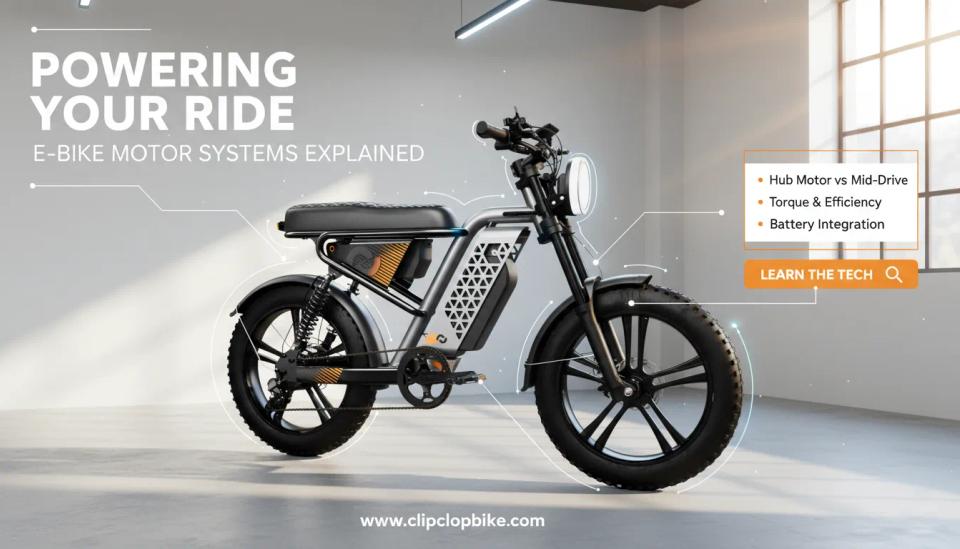
E-Bike Powertrain Architecture: CAN-Bus Protocols, Torque Sensors & Thermal Protection
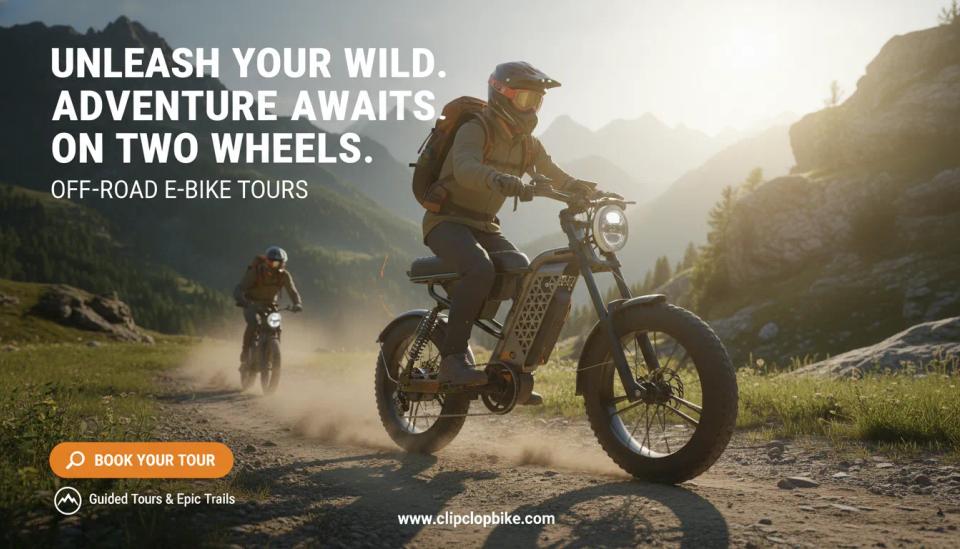
Rental & Tour E-Cycle Fleet Sourcing: Commercial Durability, Fast Charging & Maintenance
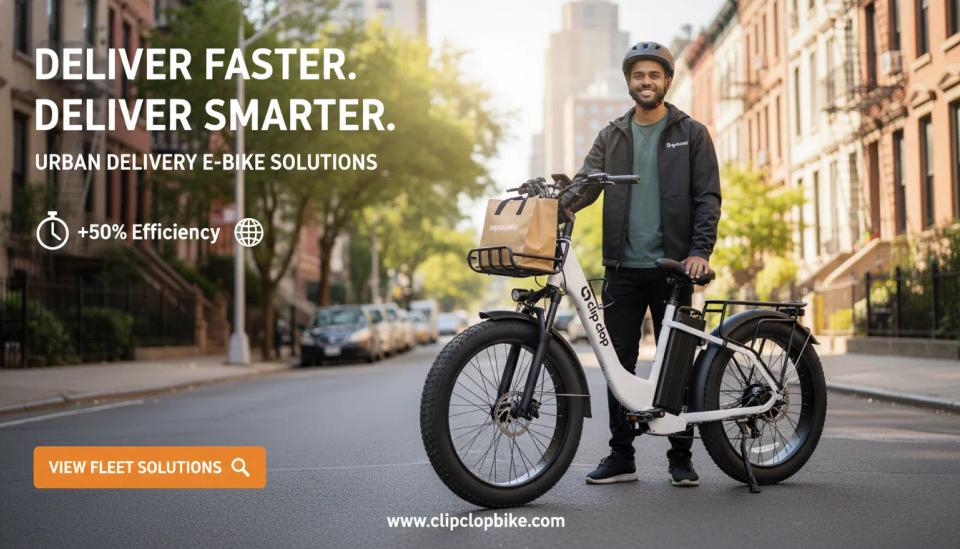
Commercial Delivery E-Cycle Sourcing: Heavy-Duty Cargo Fleets for Last-Mile Logistics
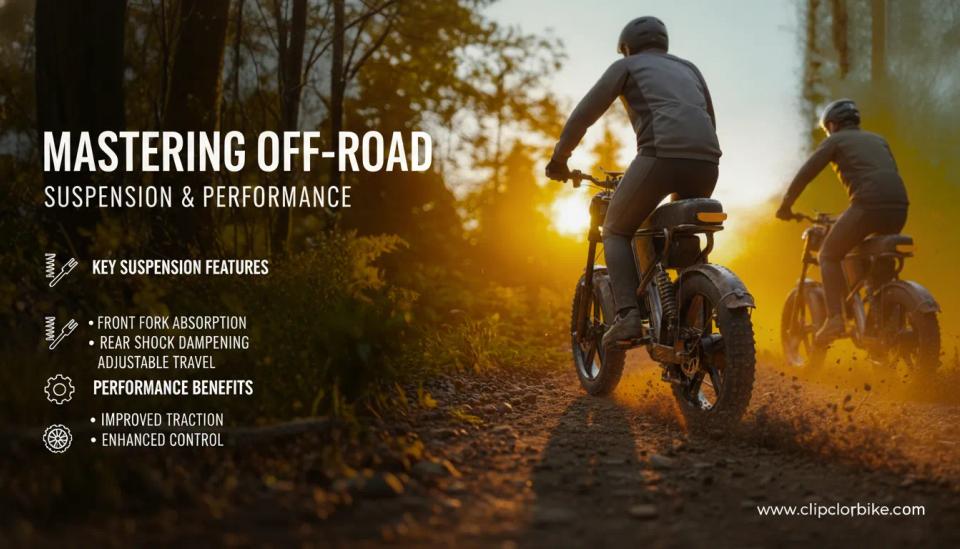
Suspension Systems on Off-Road E-Bikes: What Actually Makes Them “Great” for B2B
Send your brief. We will field-note back.
Reply includes the feasibility view, sample cost, MOQ, and the next step for your project. We aim to respond within 48 hours.