

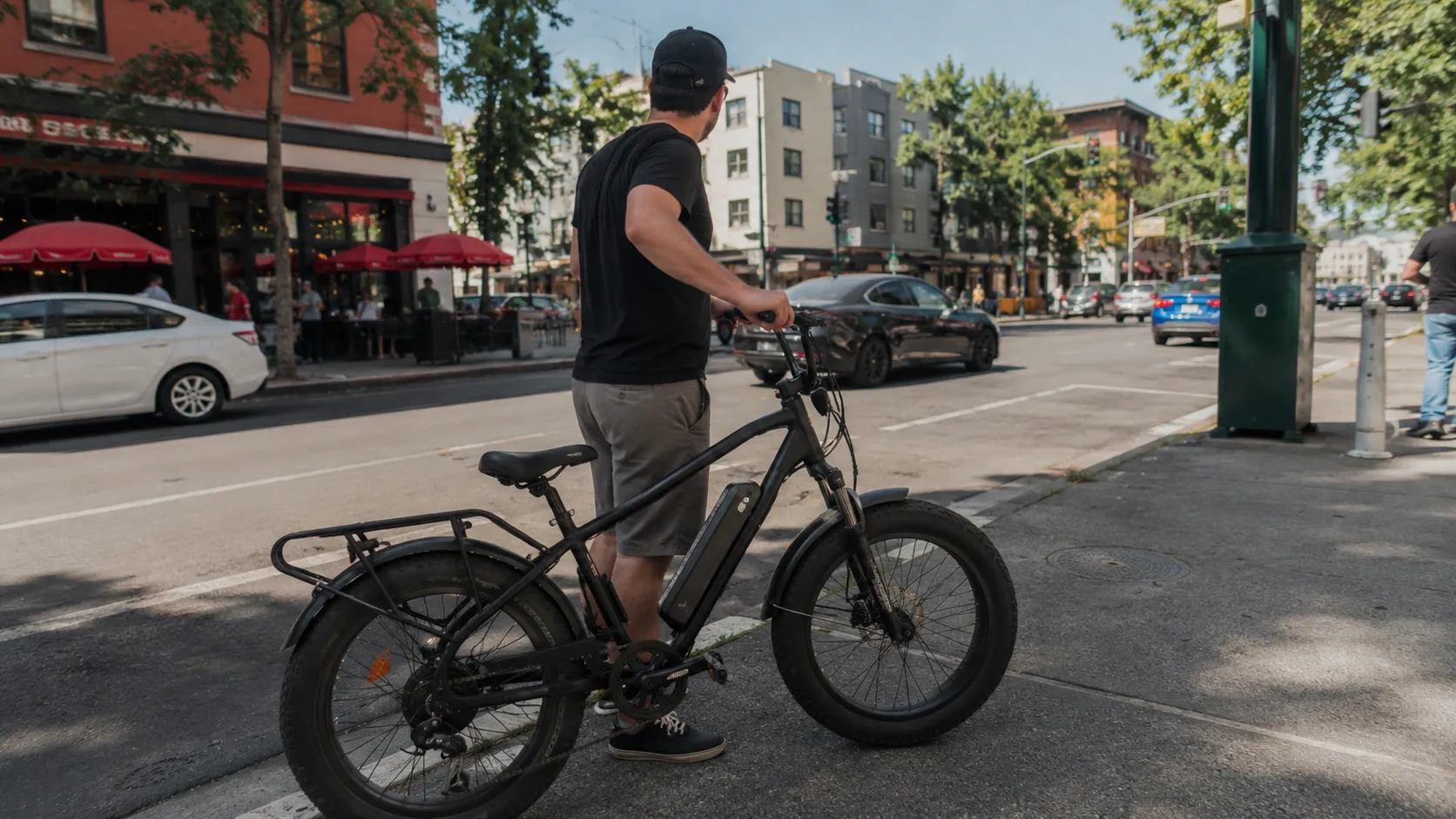
Look, I’m not here to sell you a fairy tale. I’m Leo Liang, and I run ClipClop Bike out of Guangzhou. We’ve been building e-bikes since 2017, and if there’s one thing I’ve learned after staring at battery spec sheets until 2 AM more times than I care to admit, it’s this: 48V is the sweet spot. Not 36V. Not 52V. Not whatever voltage some influencer on YouTube is hyping this week. Forty-eight volts. And yeah, I know that sounds stubborn. Maybe it is. But I’ve got the factory floor, the warranty claims, and the dealer feedback to back it up.
Let me walk you through why I’m still betting ClipClop’s entire lineup—especially the L1—on 48V in 2026. And I’ll be honest about the messiness, because nothing in this business is as clean as the marketing brochures make it look.
The Voltage Question Nobody Wants to Answer Honestly
Every few months, some dealer emails me asking, “Leo, can you do a 52V version? My competitor just launched one.” And every time, I type back the same thing: We can. But should we? Most of the time, the answer is no. Here’s why.
A 48V battery hits this weird, beautiful balance. It stores enough energy to actually get work done—our L1 runs a 48V 15Ah lithium pack, which gives you roughly 720 watt-hours. Translate that to real life? About 60–80 kilometers on mixed terrain with moderate assist, or roughly 37–50 miles if you’re thinking in American. That’s not a lab number. That’s what I see when our Arizona distributor sends me ride logs from their desert test loops.
But here’s the part nobody talks about: 48V doesn’t punish the rest of your system. The current draw stays reasonable. Your controller doesn’t sweat. Your motor windings don’t cook themselves after two summers. I’ve seen 52V systems that absolutely rip on day one, but by month eight, the BMS is throwing error codes and the dealer is eating warranty costs. Is that always the case? No. But it happens enough that I notice patterns. And I hate patterns that cost my partners money.
What 48V Actually Feels Like (Hint: It’s Not Just “Power”)
People think voltage equals “fast.” That’s not wrong, but it’s incomplete. What 48V really delivers is consistent torque delivery. Our L1 uses a 48V 750W brushless hub motor, peaking at 1125W with about 70 Nm of torque. When you’re climbing a gravel fire road in Colorado or hauling groceries up a bridge in San Francisco, that torque curve matters more than top speed. A 36V system will get you there, maybe, but it’s working overtime. You feel the strain. The bike groans. With 48V, the motor just… breathes. It has headroom.
I had a dealer in Texas—let’s call him “Mike” because that’s not his name—who switched his rental fleet from 36V city bikes to our 48V L1 models last spring. He told me his customers stopped complaining about “the bike giving up halfway through the tour.” That’s not a technical spec. That’s a feeling. And feelings are what get you five-star reviews.
Energy Density: The Boring Spec That Actually Runs Your Business
Okay, let’s get slightly nerdy for a second. Energy density. A 48V 15Ah pack like the one in the L1 crams 720Wh into a frame-integrated downtube design. Could we go bigger? Sure. We make an L2 with dual 48V 15Ah batteries for 1,440Wh. But most riders don’t need it. Most businesses don’t need it. The 15Ah single pack is the Goldilocks zone for American use cases—long enough for a full day of delivery routes, short enough that the bike doesn’t feel like a tank.
A blogger I follow—he runs a small YouTube channel out of Portland, mostly wrenching on budget e-bikes—did a teardown of three different 48V packs last year. His conclusion? The 13S4P configuration (that’s 13 series, 4 parallel, for the non-nerds) used in quality 48V 15Ah batteries hits the best compromise between cell count, heat dissipation, and replacement cost. He argued that going to 52V often means squeezing in a 14S configuration, which sounds better on paper but creates tighter tolerances and demands more from your BMS. I watched that video twice and sent it to our R&D team. They nodded. They already knew.
Discharge Rates and Why Your Battery Shouldn’t Be a Rollercoaster
One thing I love about 48V: the discharge curve is stable. You don’t get that dramatic voltage sag at 30% charge that makes your bike feel like it’s dying. I’ve ridden 36V systems where the last 20% of the battery might as well not exist. The assist cuts out, the display lies to you, and you’re pedaling a 60-pound bicycle home.
With our 48V setup on the L1, the power delivery stays honest. The intelligent brushless controller we pair with the motor regulates output so the rider doesn’t get that staccato, jerky acceleration you see on cheap bikes. It feels like the bike is amplifying your legs, not fighting them. That’s a design choice, not an accident. We tuned it that way because I personally hate bikes that lurch.
Compatibility: The Hidden Tax of Chasing Higher Voltage
Here’s where I get a little biased, and I’m okay admitting it. 52V sounds sexy until you realize nothing else wants to play nice with it. Your display? Might need a firmware tweak. Your controller? Different MOSFET rating. Your charger? Definitely different. Your warranty database? Now you’ve got two parallel SKUs to track.
At ClipClop, we keep it simple. One voltage platform. One charger ecosystem. One set of spare parts. When a rental fleet in Florida calls me at 11 PM because a charger died, I don’t have to ask, “Wait, which voltage batch was that?” I just ship a replacement. That simplicity saves money. It saves headaches. It keeps dealers loyal.
A well-known e-bike reviewer—again, not naming names, but he’s got that gravelly voice and tests bikes in the Pacific Northwest—posted a video in early 2026 ripping into a brand that launched three voltages across six models. He called it “a parts-bin nightmare for independent bike shops.” I watched that and felt seen. That’s exactly what we try to avoid.
48V vs. The Rest: My Messy, Opinionated Take
Let me break this down the way I’d explain it to a dealer over a beer, not a PowerPoint.
36V? Fine for flat cities. Amsterdam-style. If your entire customer base weighs under 170 pounds and lives in Florida, go for it. But in the US, with our hills, our distances, and our… let’s call it “enthusiastic” riding style? 36V leaves money on the table. It also leaves riders frustrated.
52V and above? Yeah, you get more speed. You also get more weight, more heat, more regulatory headaches (hello, three-class e-bike laws), and more warranty risk. I’ve had a distributor in Nevada ask for 60V. I said no. Not because I can’t build it—I absolutely can—but because I don’t want his phone ringing with angry customers two years later.
48V? It just… works. It clears hills. It hits 28–32 mph where legal. It plays nice with 750W motors, which is the federal sweet spot for Class 3 bikes in the US. It charges in 5–7 hours with a standard 3A charger. It doesn’t require me to keep a fire extinguisher next to my desk.
Real-World American Use Cases (Where 48V Actually Pays Rent)
I could talk about “synergy” and “paradigm shifts,” but let’s not. Here’s where our L1 with its 48V 15Ah battery actually makes money for American businesses.
Delivery fleets in LA and NYC: One of our partners—a ghost kitchen delivery operation in Brooklyn, let’s call them “FastBite”—runs a dozen L1s. Their average route is 18 miles per shift. The 48V 15Ah pack covers that with room to spare, even with stop-and-go traffic and the occasional hill in Williamsburg. They charge overnight. No mid-day swaps. That’s the dream.
Tour operators in Sedona and Moab: Fat tires, 48V torque, and hydraulic disc brakes mean your customers aren’t walking their bikes up red-rock trails. I’ve seen rental companies charge premium rates for “electric fat bike adventures” because the bikes actually deliver on the promise.
Corporate campuses in Austin and Seattle: Big tech campuses with sprawling parking lots. The L1’s 6061 aluminum frame handles daily abuse, and the 48V system means employees aren’t showing up to meetings sweaty. One campus facilities manager told me they switched from 36V scooters to our 48V bikes because “people actually used them.” That’s the metric that matters.
Rental and sharing services: The 48V system’s longevity shows up here. Less voltage stress equals fewer battery replacements over a 24-month fleet cycle. When you’re amortizing hardware across hundreds of riders, that adds up.
Choosing a 48V Battery: What I Look At (Beyond the Obvious)
If you’re evaluating a 48V pack for your business—or even just your own garage—here’s my checklist. It’s not fancy. It’s just honest.
Capacity vs. weight. A 48V 15Ah battery is about 4.5 to 5.5 kg, depending on the casing. Anything heavier and I start asking questions about the cell quality. Are they using cheap 18650s to hit the Ah number? Because that’s a trap. We use quality cells on the L1, and the weight reflects that.
Lifespan reality check. Good lithium-ion cells give you 500–1,000 full cycles before you’re at 70–80% capacity. That’s roughly 3–5 years of real use. I’ve seen cheap packs die at 300 cycles. The difference? Usually the BMS and the cell matching process. We test every pack that leaves Jiangmen. Not spot-check. Every. Single. One.
Charging logistics. The L1’s 48V 15Ah pack charges in about 5–6 hours with the included 3A charger. That’s an overnight window. For fleets, that means you don’t need fancy swap infrastructure. Just plug them in at closing time. I’ve had dealers try to sell me on 10A fast chargers. I push back. Fast charging kills longevity. Slow and steady wins the ROI race.
Safety: The Part Where I Get Serious
I’m usually pretty loose in these write-ups, but battery safety isn’t a joke. Modern 48V packs need real protection: overcharge cutoff, thermal management, short-circuit prevention, the works.
Our L1 battery has a built-in BMS that monitors cell voltage and temperature. It’s not bulletproof—nothing is—but it catches the stupid mistakes. Like leaving a bike in a hot warehouse in Phoenix. Or a charger that’s seen better days.
I read a report last year about a warehouse fire in the Midwest. Rental fleet. Cheap 52V packs, no-name BMS, stacked charging. Total loss. The investigator noted that the packs had no thermal cutoff. That stuck with me. We don’t cut corners on BMS specs. Ever.
The “Invisible” Stuff That Actually Matters
Beyond the big numbers, it’s the small things that separate a good 48V system from a headache.
The L1’s battery integrates into the downtube, which lowers the center of gravity. That sounds like a handling thing, and it is, but it also protects the pack from side impacts. A top-mounted battery takes the first hit in a tip-over. An integrated one shares the load with the frame.
The LCD display on the L1 shows real-time voltage, not just a vague “battery bar” graphic. I insisted on that. Because when a rider sees the voltage dropping under load, they learn how their riding style affects range. Education beats frustration.
What I Tell Dealers Who Want Something “Different”
Every few weeks, someone asks me to build a custom voltage, a weird form factor, a battery that defies physics. I get it. Differentiation sells. But I also know what happens when you’re the only one in the country with a proprietary 57.8V charger and it breaks during peak season.
Standardization is a feature. 48V is standard. Chargers are everywhere. Replacement cells are commodity items. Technicians understand the platform. That matters when your fleet is 200 bikes deep and a storm just rolled through Miami.
A blogger I respect—she covers fleet management for last-mile delivery—wrote something last month that resonated with me. She said, “The best e-bike for your business is the one you can fix on a Tuesday afternoon without calling the manufacturer.” I printed that out and taped it to our conference room wall.
My Honest, Imperfect Conclusion
I’m not saying 48V is magic. I’m not saying 52V is evil. What I’m saying is this: after building, shipping, and supporting thousands of e-bikes across six continents, 48V is where the math stops being theoretical and starts being practical.
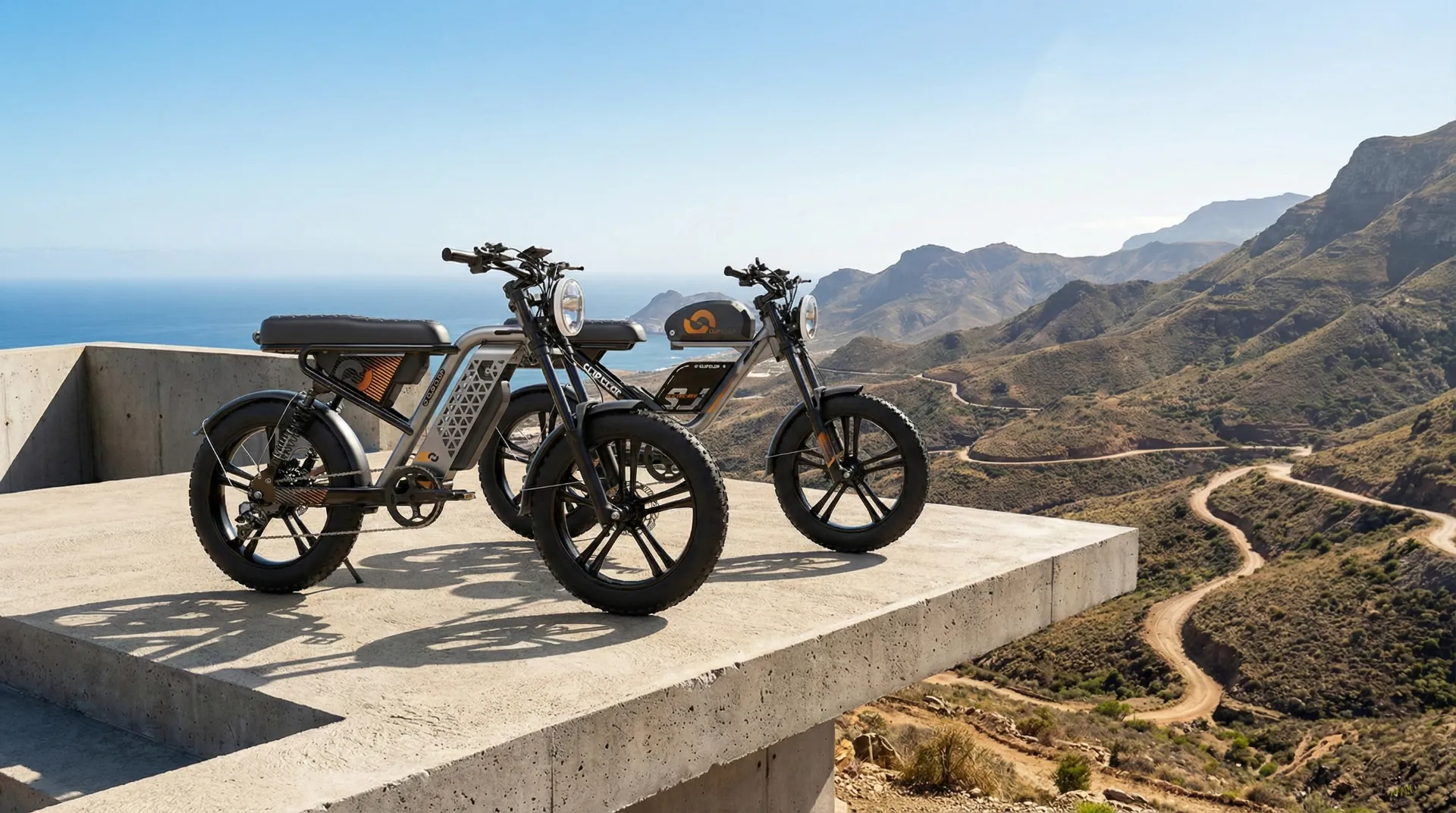
The ClipClop L1 embodies that. 48V 15Ah. 720Wh. 750W of honest, brushless power. 6061 aluminum frame. Hydraulic brakes. Fat tires that actually grip. It’s not the flashiest bike on the market. It’s not the most expensive. But it works. Day in, day out. And in 2026, with supply chains still weird and labor costs climbing, “it just works” is maybe the sexiest thing I can offer.
If you’re a dealer, a fleet operator, or just a rider who wants a bike that won’t ghost you after one hard summer, reach out. I’m at ClipClop. I’m biased. I’m stubborn. And I’m absolutely convinced that 48V is still the voltage to beat.
References:
- ClipClop Bike. “E-Bike Battery Life: How to Maximize Your Range in 2026.” ClipClop Blog, 2026.
- Made-in-China. “80km Range Electric Bicycle: L1 Model, 32mph Speed, 48V15ah Battery.” Product Specification.
- ClipClop Bike. “Clipclop L1 Pro: The Ultimate B2B Off-Road E-Bike.” ClipClop Blog, 2026.
- TST Ebike. “What Makes A 48V 15Ah Battery E-Bike Reliable?” TST Ebike Blog, 2025.
- EbikeKit. “48v 15Ah Li-ion Downtube E-Bike Battery.” Product Specs.
- ClipClop Bike. “Expert Guide to E-Bike Aluminum Alloy Frame Durability.” ClipClop Blog, 2025.
- ClipClop Bike. “Model L1 – ClipClop Bike.” Product Page.



 English
  Spanish
  Portuguese
  Russian
  Arabic
  French
  Dutch
Dutch  German
  Danish
