


Hej, jeg er Leo Liang. Jeg har arbejdet med elektriske off-road cykler i årevis – en del af Clipclop-gruppen i Guangzhou, men også bare en cyklist, der er besat på en mærkelig måde med, hvordan disse cykler holder til i den virkelige verden. Jeg har lavet lange videoopkald med distributører, vandret på fabriksgulve og diskuteret svejsningskonsistens, og sad med udlejere og stirret på Total Cost of Ownership-ark, indtil øjnene gjorde ondt.
Hvis du er en e-bike-forhandler eller -importør i Argentina, så forstår jeg: Det er ikke bare “sælge en cykel og så er det slut”. Du skal jonglere med pengeflow, rod i logistikken, valutasvingninger og risikoen for at sidde med lager, der ikke rører sig. Argentinas marked er spændende, men det elsker også at overraske dig, især når geografi og lokale cykelforhold ændrer alt fra den ene provins til den anden.
Det her er ikke en af de fluffede markedsrapporter, der kaster generiske statistikker efter dig og kalder det strategi. Jeg holder det praktisk, sådan som jeg ville forkl.
My aim is simple: help you stock smarter, negotiate cleaner, and avoid the classic B2B traps—like choosing the cheapest unit and then paying for it later in defects and angry customers. A few sourcing bloggers always say “buy the process, not the product,” and honestly, that’s the vibe here. We’ll focus on decisions that keep you alive and profitable.
Where is the Real Demand in Argentina’s 2026 E-Bike Landscape?
Let’s cut through the noise a bit. Macro trends are cute, but they don’t tell you whether to load more full-suspension E-MTBs or keep it boring with fat-tire commuters. The real trick is looking at use cases and the stuff people actually ride on. From what I keep hearing from South America partners, demand isn’t one big blob—it’s a bunch of pockets with different needs.
Weekend warriors and mountain biking fans are a real slice, especially around Andean areas where climbing matters and “range anxiety” is a real thing. These riders usually want trail-capable E-MTBs, and they ask about torque fast—like 60–80Nm as a baseline—and they don’t forgive bad suspension. If the fork feels cheap, they’ll roast it in the local riding groups, and that spreads fast.
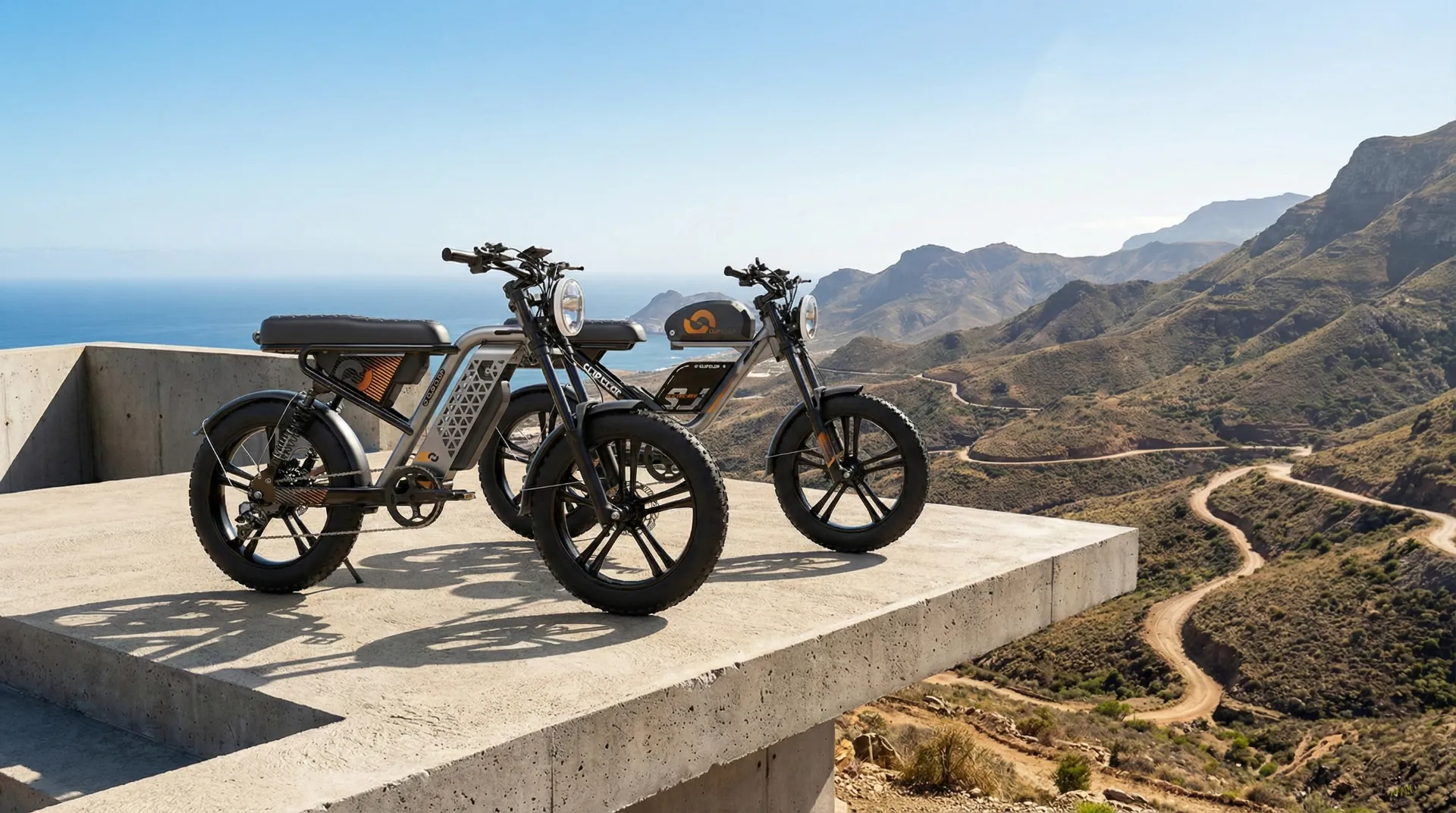
Then there’s the commuter crowd, which is huge, but it’s not the same commuter logic as, say, Germany. A lot of Argentinian riders deal with rough streets—cobblestones, potholes, random unpaved sections—and comfort becomes durability. That’s where a tough fat-tire bike (like our Clipclop L1 with 20″x4.0 tires) makes sense, because it “forgives” bad roads better than slim tires.
Commercial demand is another engine you really shouldn’t ignore. Tourism and rental operators in Patagonia, wine regions, and outdoor hubs are learning that e-bikes widen their customer base fast. They care less about braggy top speed and more about uptime—bikes that survive constant use by people who don’t know how to shift properly. So you stock frames that don’t rust easily (6061 aluminum is a safe bet), and you prioritize parts that are easy to service.
I’m also seeing smaller but interesting demand from cycling clubs and light cargo/delivery use in dense areas. For delivery, maneuverability plus load capacity matters more than “pro” specs, and being able to sell a max load like 160kg can be a real hook. This is where you stop guessing and start segmenting, because one SKU can’t do every job without disappointing someone.
So how does this turn into a stocking plan? For 2026, a balanced SKU spread is usually the least risky move. I like a simple 3-tier mix: around 40% as a “workhorse” fat-tire model for mixed commuting and rentals, 30% as true E-MTB hardtails to keep costs sane, and the last 30% split between a full-suspension halo model and a weird trend-tester.
Seasonality matters more than people admit. You don’t want your container landing after the riding peak has already started. Aim for arrivals in late winter—August or September—so you’re ready for spring/summer demand. It’s not sexy advice, but it protects your inventory capital, and a few finance-minded shop owners I talk to keep repeating: “timing is margin.”
Who Are Your B2B Buyers and What Keeps Them Up at Night?
A lot of people obsess over the bike spec and forget the human signing the purchase order. Don’t do that. Argentinian B2B buyers aren’t one type of person; they’re different characters with different fears. If you pitch everyone the same way, you’ll feel like you’re doing “sales,” but you won’t close deals consistently.
First, you’ve got wholesale distributors buying big—maybe 100–500 units. These folks are allergic to uncertainty. They talk margin, landed cost, lead times, and they love the idea of regional exclusivity because it protects their channels. They’ll ask straight up: “Can you deliver consistently in 90–120 days, or are you guessing?” They want a partner relationship, not a random supplier.
For independent bike shops or small chains ordering 20–50 units, it’s a different stress. They care about floor traffic and reputation. One model that comes back constantly for repairs can poison their whole brand, especially in tight local communities. They tend to prefer simple, reliable setups—hydraulic disc brakes, decent drivetrains like Shimano 7-speed—because their mechanic can fix it quickly without drama.
These shop owners also need help selling. Not everyone says it out loud, but they want photos, basic spec sheets, maybe a few social posts, and some training for staff so they don’t sound clueless. A few retail bloggers always say “teach your staff, or your customers will teach them,” and yeah… that’s real. If your supplier gives you support materials, your shop conversion usually improves.
Fleet managers for rentals and tourism businesses are a totally different animal. Durability is their religion, no joke. They treat bikes like revenue machines, so they measure everything in Total Cost of Ownership. They’ll grill you about battery cycle life, motor robustness like 48V 750W brushless setups, and how fast a mechanic can swap a controller between rentals. “Easy to maintain” often beats “fast.”
Then you’ve got cycling clubs or group buyers who are performance-driven and kind of intense (in a good way). They’ll compare torque numbers, battery range claims, and they’ll ask whether a whole batch rides consistently or if half the units feel different. They also care about reputation inside the enthusiast scene, because nobody wants to be the guy who brought the “bad batch” to the club.
If you map these personas clearly, your product and your pitch gets sharper. You stop trying to be everything to everyone, and instead you match the right bike, the right warranty story, and the right logistics plan to the buyer’s real priority. That’s how you reduce wasted conversations and increase repeat orders.
Mapping the Buyer’s Journey: How They Find and Trust a Supplier
No serious dealer in Argentina wakes up randomly and wires money to a factory in China. There’s always a journey, and trust builds in layers. Usually it starts on big platforms like Alibaba or Made-in-China, because they’re convenient for screening. But buyers get overwhelmed fast—too many similar photos, too many “best quality!!!” claims, and not enough proof.
More experienced buyers branch out quickly. They watch YouTube reviews (sometimes English ones) because real riding footage beats any catalog. They ask inside WhatsApp groups, Facebook communities, and dealer circles where people share brutally honest feedback. A referral from a dealer in a neighboring country can push a supplier to the top of the list overnight, and honestly, that’s hard to “advertise” your way into.
Once the shortlist exists, due diligence starts, and this is where most suppliers mess up. The first common step is the sample request, but buyers aren’t only judging the bike—they’re judging your process. Did you reply fast? Was the communication clear? Did you pack it well enough to survive shipping? A logistics blogger I follow keeps saying “packaging is part of quality,” and yeah, I agree.
When the sample arrives, it gets tested like it’s on trial. They’ll check real range, not your optimistic brochure range. They’ll test hill climbing on steep grades, and they’ll see whether brakes feel confident under load. Some will literally have their mechanic open it up and inspect weld quality, wiring neatness, and what brands you used internally, because hidden parts cause the worst warranty headaches.
If the sample doesn’t embarrass you, the conversation usually deepens. Buyers start asking for a virtual factory tour on a video call. They want to see assembly lines, QC stations, warehouse organization, and whether you actually build frames or just move boxes. They’ll request business licenses, certification info (like CE for components), and a spare parts list with pricing that looks like you’ve done this before.
The last hurdles are usually MOQ and payment terms. First orders often come with “let me test the market” energy, so they push for a lower MOQ and some flexibility. This is where transparency matters a lot: be honest about capacity, give clear documents, and explain what you can and can’t do. When buyers feel you’re straight with them, trust forms faster than any sales pitch.
What Really Matters: The Weighted Criteria of a B2B E-Bike Purchase
Every B2B buyer has a checklist in their head, but not all checklist items carry the same weight. Price always starts the conversation, sure, but seasoned importers know FOB price is only the beginning. The real number is landed cost—shipping, insurance, customs, local transport, plus a “pain buffer” for defects, rework, and annoying surprises.
This is why a cheap bike with a high defect rate can become the most expensive choice you make. If 10% of units show up with issues, you’ll spend time, parts, labor, and reputation fixing it. A slightly higher unit price with a 1% defect rate often wins long-term. I know it sounds boring, but quality consistency is what keeps B2B businesses breathing.
The electrical system is the heart, and buyers know it. Battery and controller reliability tends to matter more than flashy display screens or cool paint. People worry about performance across Argentina’s climate range—heat up north, colder areas down south. They ask if the BMS is robust, if it prevents overcharging, and if it actually protects cell life instead of just looking good on paper.
Controllers are another big fear point. Dust, water, rough roads—these kill weak sealing. On unpaved routes, vibration plus moisture is brutal, and buyers who’ve been burned before will grill you about how well the controller is protected. If you can explain sealing, connector quality, and testing habits like a normal person, not a brochure, you instantly look more trustworthy.
Mechanical parts matter too, especially brakes and drivetrains. Buyers prefer proven brands even on entry-level builds, because parts availability and mechanic familiarity reduces downtime. The frame also matters more than people admit: clean welds, consistent geometry, durable paint that doesn’t chip if someone leans the bike wrong. Corrosion resistance is not “nice to have” when bikes live outdoors.
Then you’ve got the non-product factors that can make or break the deal. Lead time stability is massive. A supplier who actually ships within that promised 90–120 day window helps the dealer plan cash flow and marketing. A supplier who slips dates causes chaos, and I’ve seen partnerships die just because timelines kept drifting.
After-sales support and spare parts access is often the real deal-breaker. Dealers need warranty clarity, a parts catalog they can understand, and tech support that answers fast. Spanish materials help a lot—manuals, exploded diagrams, even quick videos. And customization (logos, colorways, packaging) isn’t just ego; it helps buyers build their own brand identity locally.
The Argentinian Spec Sheet: A Guide to Building the Right E-Bike
Let’s get specific, because vague advice doesn’t help you place orders. Based on feedback I’ve heard and what’s realistic in manufacturing, here are three configurations that make sense for Argentina. They’re not “perfect bikes,” but they balance performance, durability, and cost in a way that usually works for dealer margins and customer expectations.
1. The All-Road Workhorse: Your Volume Seller
This is the bread-and-butter model, the one that moves when you don’t want to gamble. I like it because it fits commuting, rentals, and mixed-terrain city riding without being over-engineered. The goal isn’t to impress the most hardcore rider; it’s to be reliable enough that shop owners don’t hate you after the first month of sales.
For the motor, a 48V 500W or 750W rear hub setup is usually the cleanest play. It handles hills and rough streets without the complexity and cost of mid-drive systems. I’d focus on decent heat management and stable torque around 60–70Nm. Some YouTubers keep saying “hub motors are dead,” but for this segment, they’re still practical and repair-friendly.
Battery-wise, a removable 48V 15Ah pack (around 720Wh) with reputable cells is the safe middle. Removable matters because apartment living is real, and indoor charging is a daily behavior. Range claims should stay realistic—40–60 km in normal use—because overpromising is how you end up with angry reviews. I’d rather sell “honest range” than fantasy.
Frame and components should stay tough and simple. A hardtail 6061 aluminum frame in common sizes (medium and large) keeps production stable and parts easy. Pair it with 20″ or 26″ fat tires around 4.0″ width for comfort and versatility, then use hydraulic discs with 180mm rotors and a Shimano 7 or 8-speed drivetrain so mechanics don’t struggle.
Must-haves: integrated lights, sturdy fenders, and a rear rack, because practical buyers love practical gear. If you need to cut cost, I’d downgrade a fancy LCD display to a simpler LED unit before touching brakes or battery quality. A few retail bloggers always shout “don’t cheap out on stopping power,” and they’re right.
2. The Trail Explorer: Your Profit Generator
This one targets the growing off-road enthusiast market, and it’s where you can protect margin if you stock it smart. Riders in this segment love spec sheets, sure, but they also care about feel—how the bike climbs, how the power delivery behaves on loose trails, and whether suspension confidence matches the price. One sloppy choice here can kill your credibility.
Motor options are flexible. Mid-drive can be attractive for weight distribution, but it adds cost and complexity. A high-torque rear hub motor can still compete if it’s smooth and pushes above 80Nm. I’d prioritize controllable power delivery over raw peak numbers, because jerky acceleration on dirt trails is how riders lose confidence and start calling the bike “cheap.”
Battery capacity should be higher than the workhorse. Something like 48V 17.5Ah (around 840Wh) or more can become a selling point, because trail riders think in hours and elevation gain. Make sure the battery is securely integrated or well-mounted, because rough terrain will punish weak locking designs. If the pack rattles, people notice immediately.
For frame and components, full suspension is a strong differentiator, but a high-quality hardtail with a solid 100–120mm fork is the more accessible entry for many buyers. Wider bars, better grips, and real off-road tires help a lot. Brakes should be upgraded—4-piston is a plus—because long descents with extra e-bike weight can cook weak setups fast.
Must-haves here: an air suspension fork, dropper seatpost compatibility, and a clutch derailleur that reduces chain slap. What you can cut: carbon bits. Carbon looks cool, but it’s not necessary for this market segment, and alloy parts often survive abuse better. I’d rather sell “durable” than “delicate premium.”
3. The Urban Striker: Your Niche Tester
This is the style-first, low-maintenance option for city riders who want something clean and not too complicated. It’s not always a big-volume model, but it can be a nice trend probe for 2026. If you’re testing a new look or trying to catch a younger buyer segment, this is where you experiment without risking your whole container.
Motor power can be more modest—36V or 48V in the 350W–500W range usually feels quick enough for city acceleration. The focus is responsiveness at low speed, not top-end blasting. A lot of urban buyers just want to get moving fast at lights and feel “zippy,” and they’ll trade speed for simpler maintenance.
Battery can be smaller to keep weight and cost down: 36V 10Ah or 48V 10Ah is often enough for typical city routines. Some designs go non-removable and fully integrated for a sleek look, which can sell well, but you have to think about user charging habits. If they can’t charge at home, non-removable becomes annoying.
For frame and components, keep it simple. A rigid frame is fine. Drivetrain can be single-speed or a 3-speed internal hub for low maintenance, and that’s honestly appealing to non-technical riders. Mechanical disc brakes can work for this niche if tuned well, but don’t go too cheap. Add puncture-resistant tires and plan for security features like a frame lock mount.
Must-haves: clean wiring, easy servicing, and practical security-minded design cues. What you can cut: suspension, extra gears, big displays, and anything that complicates ownership. Urban buyers want a bike that feels like “grab and go,” not a mechanical hobby. I’ve seen this segment reward simplicity more than spec bragging.
Navigating the Deal: Price, Payments, and Supplier Vetting
Now the business part, because the deal structure is as important as the bike itself. Argentinian buyers are cautious for good reasons—economic volatility makes risk feel personal. So your negotiation needs to reduce uncertainty, not increase it. A couple of sourcing bloggers always say “clarity closes,” and I’ve learned that’s true even when the product is great.
MOQ and lead time are the first pressure points. Some factories push for a 40′ container standard, but plenty will accept a 20′ container for the first order—roughly 50–70 units depending on the mix—just to start the relationship. From my side, that’s usually a fair compromise: you test demand without burning too much capital, and the supplier gets a real signal.
Payment terms are typically 30% deposit to start production, then 70% balance after completion before shipping. Some buyers push for paying the balance against a Bill of Lading copy, but that’s trust-based. Letters of Credit can work for bigger deals, but they add cost and paperwork headaches. I always tell partners: pick the method that reduces your sleepless nights.
Pricing talks should include currency reality. Always ask for a Proforma Invoice with a validity window—15 to 30 days is common—so you don’t get blindsided by a quote that “mysteriously changed.” For repeat orders, discuss a price-lock mechanism or at least a formula tied to major raw material changes, so both sides feel it’s fair.
Incoterms matter too. FOB is usually the best default because it gives you control over ocean freight and insurance; you can shop rates and choose your forwarder. CIF looks simpler, but you often pay a premium and lose flexibility. DDP is rare and risky for suppliers, so if someone promises DDP casually, I’d double-check whether they actually know what they’re offering.
Leverandøravgørelse er hvor du beskytter dig selv. Stol ikke bare på et pænt website. Anmod om forretnings- og eksportlicenser. Brug videoopkald for at bekræfte, at fabrikken er reel, og gør det på en smart måde – fx ved at bede dem gå live til svejseafdelingen eller kvalitetskontrolområdet. Handelsvirksomheder kan normalt ikke gøre det lige så problemfrit, og du vil føle forskellen.
Før du bekræfter en stor ordre, overvej tredjepartsinspektioner som QIMA eller SGS til en afsendelseskontrol i henhold til AQL-standarder. Det er ikke “ekstra omkostninger”, det er billig forsikring i forhold til en container med problemer. Jeg har set inspektioner afdække simple problemer – forkert dækspecifikation, sløv el-installation, manglende tilbehør – som ville have udviklet sig til en ubehagelig efter-salgssituation.
Den sidste mile: At erobre told, shipping og logistik
Når cykler er produceret og balancen er betalt, starter ofte de største hovedpine: told, shipping og papirarbejde. Dokumentation er dit skjold her. Lithium-ion-batterier sendes som farligt gods, og du skal have de rigtige filer klar, ikke “vi sender det senere”. UN38.3-rapporter og MSDS er ikke forhandlingsbare, og korrekt kartongmærkning betyder mere, end mange tror.
Hvis en leverandør tøver med batteridokumentation, er det et rødt flag. Jeg foretrækker en ubehagelig samtale tidligt frem for at håndtere en forsendelsesforsinkelse senere. Nogle logistikkonsulenter online gentager konstant “papirarbejdsforsinkelser koster mere end premium-fragt”, og de overdriver ikke. Et par dages ophold kan ødelægge hele din sæsonplan.
HS-kodeklassificering er en anden detalje, der kan gøre eller bryde din importproces. Færdigmonterede cykler falder normalt under en anden klassificering end rammer plus batterisæt, der sendes separat som CKD eller SKD. CKD/SDK kan nogle gange reducere afgifter, men det tilføjer operationel kompleksitet, fordi du behøver lokal montering og kvalitetskontrol. For mange små til mellemstore forhandlere er færdigmonteret eller 85%-monteret bare nemmere.
Samarbejd med en erfaren speditør og en toldagent i Argentina. De er værd pengene, fordi de forstår lokale regler, inspektioner og de “normale problemer”, som udefrakommende ikke forventer. De kan rådgive om rederier, dokumentations-timing og hvordan du forbereder dig til inspektioner uden at panikke. Dette er ikke et sted at DIY, hvis du er nybegynder.
Forsikring og emballage fortjener også opmærksomhed. Skibsforsikring bør dække skade, ikke kun totalskade. Elcykler er tunge, og hvis emballagen er svag, kan transporten ødelægge displays, skiftebeslag og lak. Kæmp for forstærkede 5-lags kartoner og beskyttelse af sårbare dele. Det føles irriterende at diskutere pap, men pap er billigere end garanti-reparationer.
Efter-salg er ikke en omkostning, det er dit bedste marketingværktøj
I B2B er første salg bare begyndelsen. Dit rigtige ry bygges efter containeren ankommer og kunderne begynder at køre. En leverandør, der forsvinder efter afsendelse, er en forpligtelse, ikke en partner. Før du underskriver noget, skal du have et klart fælles billede af garanti-forventninger, reservedelsflow og hvordan teknisk support faktisk vil fungere.
En solid leverandør vil inkludere et reservedelspakke med din første container – ofte omkring 1–2% af ordreværdien. Dette bør dække elementer med høj fejlfrekvens som bremseklodser, motorstyrere, displays, ladere og wirenet. Målet er simpelt: du løser problemer øjeblikkeligt i stedet for at vente uger på dele fra Kina og forpurre kunder.
Spansk dokumentation betyder mere end mange fabrikker aner. Brugermanualer, monteringsvejledninger og eksploderende tegninger gør dine mekanikere hurtigere og mere selvsikre. Video tutorials til almindelige reparationer er guld værd, selv om de er simple. Jeg har set forhandlere gøre efter-salg til en marketingfordel ved at poste “sådan understøtter vi dig”-indhold – folk stoler på brands, der ser forberedte ud.
Garanti-processen skal være enkel og fair. Fastlæg en klar procedure for rapportering af problemer: fotos, videoer, serienumre og en svartid. Beslut, hvordan garanti-dele sendes – air express for akutte tilfælde eller konsolideret søfragt med næste ordre – og klarlæg hvem der betaler fragten. Hvis det er uklart, sker argumenter senere, og ingen nyder det.
Når efter-salg er stærkt, bliver det dit bedste marketingværktøj. Kunder taler, butikker taler, udlejningsoperatører taler, og “denne brand understøtter os faktisk” spreder sig hurtigere end reklamer. En leverandør, der investerer i support, investerer faktisk også i dit gentagne køb. Det er den type forhold, der overlever dårlige sæsoner, valutapres og den sædvanlige markedskaos.
Argentinas B2B elcykelmarked i 2026 har reelle muligheder, men kun hvis du tilgår det med disciplin. Forstå lokale efterspørgsels-nisjer, respekter købspsykologi og behandl kvalitet og support som kerne-strategi – ikke en side detalje. Hvis du gør det, overlever du ikke bare; du bygger noget, der kan skaleres uden konstant brandslukning.
Hvis du vil tale om specifikke konfigurationer, tilpasset branding eller hvordan du strukturerer din indkøbsplan uden at blive hængende i de sædvanlige fælder, send mig en besked. Hos Clipclop ønsker vi ikke bare at være “en fabrik”. Vi forsøger at opføre os som eksportspecialister og tekniske partnere for forhandlere, grossister og brands, der har brug for pålidelighed mere end fancy løfter.
Frequently Asked Questions (FAQ)
Q1: Hvad er den vigtigste faktor i B2B elcykel-indkøbsbeslutningsprocessen for en argentinsk forhandler?
Mens pris er et udgangspunkt, er den mest kritiske faktor den Total Cost of Ownership (TCO). Dette inkluderer den indledende købspris plus shipping, importtold og, vigtigst af alt, de forventede omkostninger ved garantiansøgninger, reparationer og tabte salg på grund af pålidelighedsproblemer. En pålidelig cykel med stærk efter-salgssupport er ultimativt mere profitabel end et billigere, men problematisk alternativ.
Q2: Hvordan skal jeg tilgå MOQ & lead time-forhandlinger med en ny leverandør?
Til en første ordre, foreslå en mindre testordre (f.eks. en 20′ container i stedet for en 40′ HQ) for at validere produktet og leverandørens proces. Vær transparent om din strategi om at skalere op med succesfulde salg. Angående lead time, få et fast engagement i kontrakten og spørg om produktionsplanen under højsæson (typisk marts-august i Kina) for at forudse potentielle forsinkelser.
Q3: Hvad er de vigtigste indkøbskriterier for forhandlere for off-road elcykler i Argentina?
Vigtige kriterier inkluderer en robust ramme (6061 aluminiumslegering), en pålidelig motor med tilstrækkeligt drejningsmoment (mindst 60-70Nm) til bakker, et batteri med tilstrækkelig rækkevidde (minimum 48V 15Ah / 720Wh), kvalitetsophæng og kraftig hydraulic disc brakes. Ud over specifikationer prioriterer forhandlere lave vedligeholdelsesbehov og tilgængeligheden af reservedele.
Q4: Hvordan kan jeg effektivt vurdere en potentiel elcykelleverandørs pålidelighed fra Argentina?
Brug en flerstrenget tilgang: 1) Start med en detaljeret videoopkald og virtuel fabrikstur. 2) Bestil et prøveeksemplar for at teste ydelse og bygge-kvalitet selv. 3) Bed om referencer fra andre B2B-kunder (helst i ikke-konkurrerende regioner). 4) Før en stor ordre, invester i en tredjeparts-afsendelsesinspektion for at verificere kvaliteten af hele partiet.
Q5: Hvad er de største skjulte risici ved import af elcykler til Argentina?
De primære skjulte risici er told-forsinkelser på grund af forkert eller ufuldstændig lithium-batteridokumentation (UN38.3, MSDS) og uventede omkostninger fra en høj produktfejlfrekvens efter levering. Begræns disse ved at vælge en leverandør med dokumenteret eksporterfaring og ved kontraktmæssigt at definere kvalitetsstandarder og garanti-support før du placerer din ordre.
med en "dobbelt-rør" eller "forstærket nedre rør" for at kompensere for mangel på et øverste rør og forhindre "rammesving".
- Mordor Intelligence – Argentina Electric Bicycle Market SIZE & SHARE ANALYSIS – GROWTH TRENDS & FORECASTS (2024 – 2029).
- International Trade Administration – Argentina Country Commercial Guide.
- UNECE – Regulations on the transport of dangerous goods (for lithium battery guidelines).



 English
  Spanish
  Portuguese
  Russian
  Arabic
  French
  Dutch
Dutch  German
  Danish
