


Hello all, Leo Liang here. In my time at ClipClop, learning the nuts and bolts of this electric off-road bike industry, I have had countless conversations with our partners-distributors, rental fleet managers, and OEM clients-from literally all corners of the world. And one theme, one critical pain point, always seems to arise: how to maximize operational lifespan and reliability for their e-bike fleets. Downtime is more than a mere hassle; it’s a strike right to the bottom line. The heart of this challenge lies in the motor and drive system, the core components that define an e-bike’s performance and durability. A well-maintained electric drive system isn’t just about preventing breakdowns; rather, it’s about assuring a consistent, safe, and powerful riding experience for your end-user, which protects your brand reputation.
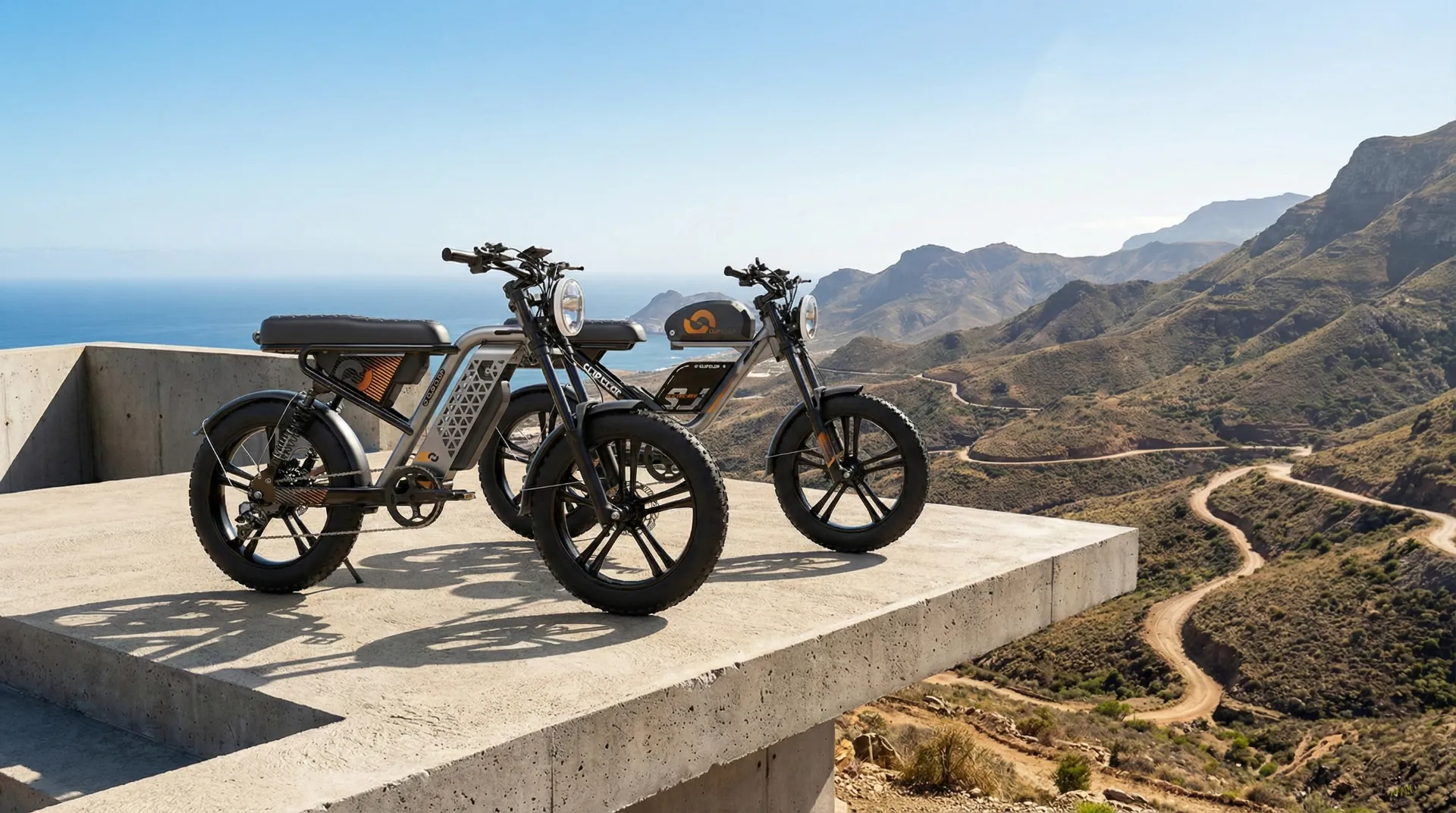
In the B2B space, the decision between a hub motor and a mid-drive motor isn’t just a performance specification on a datasheet. It’s a strategic choice that determines the long-term maintenance schedules, operational cost, and the kind of technical skill required by your service teams. Whether one manages a fleet of rugged electric mountain bikes for a rental business in the Alps or distributes commuter e-bikes in a dense urban market, it is crucial to understand nuances related to maintenance when it comes to B2B e-bikes. The following guide is born from practical, on-the-ground experience. Let’s move beyond the surface-level debates and dive deep into the actionable maintenance protocols that keep your fleet running efficiently, ensuring every bike-like our robust ClipClop L1 with its powerful 48V 750W brushless motor-delivers peak performance day in and day out.
Why Does Proactive Electric Drive Care Matter for Your Business?
For any business running a fleet of electric bikes, the electric drive system is the major asset. It’s the engine of your revenue, and its health directly dictates your operational efficiency and profitability. Proactive electric drive care is not an expense; it’s an investment in asset longevity and risk mitigation. Consider the alternative: reactive maintenance. A motor failure during a rental period or shortly after a sale doesn’t just mean a repair bill. It means a dissatisfied customer, potential negative reviews, logistical headaches for recovery and replacement, and a unit that isn’t generating income. For distributors, frequent warranty claims related to drive systems can strain relationships with manufacturers and erode market confidence. The core of the issue for B2B clients is uptime. Every hour a bike is in the workshop is an hour of lost revenue or a potential mark against brand reliability. A rental company, for example, might lose significant peak-season income from just one or two bikes being out of commission. By implementing a structured maintenance program, you shift from a costly break-fix model to a predictable, cost-controlled operational flow. This means more than cleaning the chain; it’s about cognizance of specific wear patterns of high-utilization e-bikes. These machines often endure harsher conditions and more varied user handling than privately owned bikes do. A robust maintenance plan enables you to predictively stock parts inventory, efficiently schedule technician time, and-most importantly-extend profitable life for each unit in your fleet. It builds a reputation for reliability, which is a powerful differentiator in a competitive market.
Hub Motor vs. Mid-Drive Motor: Decoding the Maintenance Differences
The choice between a hub motor and a mid-drive motor is one of the most critical decisions for a B2B buyer, with profound implications for maintenance. A hub motor, integrated into the front or rear wheel, operates as a self-contained unit. Its main advantage in a B2B context is its simplicity and isolation from the primary drivetrain-chain, cassette, and derailleur. This design greatly reduces strain on these components. For a fleet operator, this means longer intervals between chain and cassette replacement, reducing consumable and labor costs. Service is generally less frequent and mainly consists of verifying electrical connections are secure and axle nuts are tightened. The downside becomes evident when changing tires or dealing with internal motor issues. The repair for a flat tire becomes complicated by having to disconnect motor wiring harnesses, and the wheel itself is heavier and more unwieldy. A significant internal failure often requires the replacement of the entire motor-wheel assembly, which can be a single, more costly piece.
Conversely, a mid-drive motor, mounted at the bicycle’s bottom bracket, transfers power through the bicycle’s own drivetrain. This provides a more natural riding feel and leverages the bike’s gears for superior efficiency, especially on steep climbs—a key advantage for performance-oriented rental fleets. The major maintenance trade-off is accelerated drivetrain wear. The chain, chainrings, and cassette are subjected to both human and motor torque; this often leads to replacement intervals that can be half as long as those for a hub motor bike under similar heavy use. This demands a more rigorous schedule of drivetrain inspection and cleaning to avoid expensive premature wear. Even as individual component replacement becomes more frequent, it can also be more granular and less expensive than a full hub motor replacement. In addition, fixing a flat tire is easy, as on a non-electric bicycle, which is a great operational advantage for fleets where quick turnaround is key. For B2B partners, the choice depends on the application-for flat, high-mileage urban rentals, the lower consumable cost of a hub motor system might be attractive. For demanding off-road or mountainous terrain, the performance and serviceability of a mid-drive motor often outweigh the increased drivetrain maintenance.
Chains, Belts, and Sprockets: The Heart of Drivetrain Inspection
A systematic drivetrain inspection forms the basis of reliable e-bike fleet management, especially for mid-drive systems. The drivetrain is the channel by which power travels, and its health dictates not only performance but also the condition of the more costly motor and battery parts. For chain-driven bikes, measuring chain wear is the number one task. E-bike chains, particularly on mid-drive models, will actually stretch faster than on non-electric bikes due to high motor torque. A stretched chain doesn’t just cause poor shifting; it prematurely wears the teeth on the cassette and chainring, turning a simple chain replacement into a much more expensive full-drivetrain overhaul. Fleet technicians should use a dedicated chain wear tool at regular service intervals. As a rule of thumb, when a chain reaches 0.5% to 0.75% stretch, it is time to replace it. Not doing so can easily triple the maintenance cost for that unit. For a rental fleet, this check should be part of a weekly or bi-weekly routine, depending on usage.
For fleets that operate bikes with a belt drive tension system, such as those from Gates Carbon Drive, maintenance is cleaner and less frequent but requires different protocols. Belts don’t stretch like chains and take no lubrication, a huge advantage in reducing the daily chore list and keeping bikes clean for customers. However, they must be at a specific tension: too loose and skipping under load will occur; too tight and bearing wear on both the motor and rear hub will be excessive. Technicians should check the tension with a specialty tool or a smartphone app that measures the belt’s resonant frequency when plucked. For example, a common tension range on a mid-motor ebike with an internally geared hub is 40-55Hz. It should be checked every few hundred miles or as part of a monthly inspection. Proper sprocket alignment is also critical, as a misaligned belt will wear quickly and can fail unexpectedly. Visual inspection for debris in the sprocket channels and a check of the rear wheel alignment are key parts of the belt drive maintenance routine.
Are You Calibrating Your Torque Sensor Correctly?
The torque sensor is the brains of a sophisticated pedal-assist system, translating rider input into smooth, proportional motor output. It’s what separates a natural-feeling e-bike from one that feels jerky or unresponsive. For a B2B operator, ensuring this sensor works perfectly is key to customer satisfaction. A poorly calibrated sensor can result in erratic power delivery, delayed motor engagement, or even a complete lack of assistance-all of which result in a poor user experience and a service complaint. Torque sensor calibration is an important, too-often-overlooked maintenance step. Essentially, it resets the sensor’s “zero point,” ensuring it correctly reads when no pressure is being applied to the pedals. This may be required after a replacement of the bottom bracket, if the bike has been stored improperly, or simply as a periodic check to maintain optimal performance.
Most modern e-bike systems have a relatively straightforward calibration process. A very common one is simply to turn the bike on with no weight applied to the pedals, so the system can set its zero-point. Other systems may require a specific sequence, like rotating the cranks backward a certain number of times (e.g., 5-15 rotations) immediately after power-up, or even a specific button press sequence on the display. For example, on some systems, this results in a visual confirmation of successful calibration, such as flashing green LEDs on the display. It is absolutely crucial that technicians take the protocol provided by a given manufacturer specifically for the e-bike models in their fleet. A wrongly performed procedure will not resolve the problem and could even cause new ones. Rental fleets can also incorporate a quick torque sensor calibration check into the pre-rental inspection routine to proactively prevent a wide variety of customer complaints (“the motor doesn’t feel right”) from ever occurring, assuring a premium experience while saving time from unnecessary service tickets.
What are the telltale signs of an ailing motor?
Early recognition of an impending motor failure is crucial to preventing a catastrophic failure and ensuring the safety of the rider. While modern brushless motors, like the 48V 750W brushless motor in our ClipClop models, are remarkably robust, they are by no means indestructible, particularly when subjected to the heavy demands imposed by commercial use. Probably the most common indication that there is a problem with the motor will be unusual noise: a healthy motor should produce a steady, low hum. Any new grinding, clicking, or loud whirring sounds are immediate red flags that warrant investigation. Grinding can indicate failing bearings or damaged internal gears, while clicking might suggest a foreign object or a problem with the internal clutch mechanism in geared hub motors.
Other symptoms to look for include a noticeable change in performance: jerky or inconsistent power delivery, a sudden reduction in torque-especially while climbing hills-or the motor cutting in and out. Sometimes these kinds of symptoms are caused by a loose connection or a sensor issue, but often they can indicate an internal motor problem, such as a fault in the Hall sensors telling the controller the motor’s position. Overheating is another serious warning sign. If the motor casing becomes unusually hot to the touch during normal operation, it may be because it is under too much load, or internal friction from failing components is generating too much heat, or there is an electrical problem causing it to draw too much current. The fleet manager should make sure his staff is aware of these symptoms and reports them without delay. It’s a whole lot less expensive to take a bike out of service to diagnose a strange noise than to deal with one that has seized completely on rental, perhaps hundreds of miles from depot. These often-inconspicuous symptoms can also frequently be picked up in regular test rides by technically qualified staff before a customer does.
Troubleshooting Common E-Bike Error Codes
The first line of defense in diagnostics for a fleet manager is the error codes displayed on the handlebar console. These codes are not just random numbers; they are specific signals from the bike’s controller that something is amiss in the system. Being able to understand these codes can save immense diagnostic time and prevent the replacement of parts that are not needed. Although codes vary between different manufacturers like Bosch, Shimano, and Bafang, they often fall into common families. For example, communication errors (e.g., Error 30) frequently point to a loose or damaged connection between the display and the controller. Before assuming a component has failed, the first step should always be to check all relevant wiring harnesses and connectors for a secure fit, bent pins, or signs of corrosion.
Motor and sensor-related errors are common, too. A Hall sensor error-known as Error 08 on some systems-points to an issue deeper in the motor itself that prevents it from rotating smoothly. While this might be checked with the main motor connection, it oftentimes requires professional service. A speed sensor error-most commonly Bosch 503 or Shimano W011-is among the very frequent problems and usually results from a misaligned magnet on a rear wheel spoke or a dirty sensor on the chainstay. Very often, the fix is as simple as cleaning the components and adjusting the gap between the magnet and sensor to within the manufacturer’s specification-usually between 3-17 mm. Torque sensor faults may also produce specific codes, signaling the need for calibration procedures discussed earlier. A quick-reference guide of the most common error codes for your fleet models is a valuable tool for your technical team to enable faster and more accurate troubleshooting for any B2B operation.
Best Practices for Battery and Electrical System Care
A motor is a muscle, but a battery and electrical system are its heart and nervous system. Their proper care cannot be separated from the maintenance of the motor. A poorly maintained battery can provide inconsistent voltage, unduly stressing the motor and controller, and leading to early failure. Rule number one for B2B fleets is to establish a smart charging protocol. Lithium-ion batteries degrade more quickly when left fully charged for long periods or when fully depleted. The best behavior is to keep a state of charge between 20% and 80% in daily use, and store bikes for longer at around 50-60% charge. Never leave bikes on the charger overnight once they have reached full charge.
In addition to charging, it is important that the whole electrical system is regularly checked. This should include all wiring for any signs of pinching, chafing, or damage, particularly in areas around moving parts such as the handlebars and suspension. Connectors are one of the most common failure points. These must be checked for dirt, moisture, and corrosion. A small amount of dielectric grease can help protect these connections, but for fleets that operate in wet or coastal environments, that protection will eventually be washed away. The battery mounting contacts on both the frame and the battery should be clean and free from any debris to ensure a sound power connection. A loose battery can cause intermittent power cuts that frustrate the rider and potentially send damaging power spikes to the controller and motor. For fleets with swappable batteries, this physical inspection should be part of the battery swapping process. This holistic approach ensures the entire electric drive system remains robust and reliable.
Building a Sustainable Maintenance Schedule for Your Fleet
In the context of a B2B e-bike business, a successful maintenance program is not reactive; ad-hoc repairs are not considered part of a valid program. It is a sustainable, documented, repeatable schedule planned to systematize preventive care with a view to maximize uptime and asset lifespan. This needs to be a tiered schedule that is based on usage and time intervals. A very basic framework could include: 1. Pre-Ride Check (Daily): Conducted by staff before each rental or deployment, this would be a quick visual and functional check: tire pressure, brake function, a quick check of the display for error codes, and making sure the battery is secure. 2. Weekly/Bi-Weekly Inspection: More thorough for high-use fleets, it should include a drivetrain inspection (cleaning and lubrication), chain wear measurement, checking brake pad wear, and verifying the torque of critical fasteners like axle nuts and crank bolts. This is also a good time to check belt drive tension if applicable. 3. Monthly/Quarterly Service: This involves a deeper dive. It should include everything from the weekly check plus a torque sensor calibration, inspection of all electrical connectors for integrity, checking headset and bottom bracket bearing play, and potentially performing software updates if required by the manufacturer. 4. Annual Overhaul: This would be a comprehensive service where wear-and-tear items are proactively replaced. This would include replacing brake fluid on systems with hydraulic disc brakes, servicing suspension components, replacing cables and housing, and potentially servicing the internal bearings of hub motors if recommended by the manufacturer.
The goal is to document everything. A fleet management software, or even a well-managed spreadsheet, in which the maintenance performed on each bike is logged against its unique serial number, provides a rich service history. This gives valuable data for tracking component lifespan and identifying recurring issues with specific models-like our ClipClop L1, which is built on a robust 6061 Aluminum Alloy Frame-and helps forecast inventory needs for spare parts, all of which informs a calculation of true total cost of ownership for your assets. With data, what had been a reactive cost center can now become a strategic operational advantage.
Frequently Asked Questions (FAQ)
How often should I service the motors in my e-bike rental fleet?
The ideal service interval depends heavily on usage intensity and riding conditions. For a high-use rental fleet, we recommend a tiered approach. A daily pre-ride safety check is essential. A more thorough weekly inspection should include drivetrain inspection, cleaning, and checking for loose components. A comprehensive service, including diagnostics and potential torque sensor calibration, should be performed at least monthly or every 500-800 kilometers (approx. 300-500 miles). This proactive schedule is far more cost-effective than waiting for a failure to occur, which can take a bike out of your revenue-generating pool during peak season.
Is a mid-drive motor more expensive to maintain than a hub motor in the long run?
This is a classic “it depends” scenario, crucial for B2B planning. A mid-drive motor puts more stress on consumables like chains, cassettes, and chainrings, meaning these parts will need more frequent replacement. Over a 3-year period, the cost of these consumables will be higher than for a hub motor bike. However, hub motors make tire changes more complex and labor-intensive. Furthermore, if a significant internal failure occurs in a hub motor, you often have to replace the entire wheel-motor unit, which is a single, high-cost part. With a mid-drive, you replace smaller, less expensive drivetrain components incrementally. For fleets in hilly terrain where performance is key, the superior ride feel and efficiency of a mid-drive often justify the higher consumable cost. For flat urban environments, the lower drivetrain wear of a hub motor can lead to a lower total cost of ownership.
My e-bike’s motor is cutting out, but there’s no error code. What should I check first?
Intermittent power loss without an error code often points to a physical connection issue rather than a component failure. First, check the most common culprits:
- Battery Connection: Ensure the battery is fully seated and locked in its mount. Clean the battery and frame contacts with a dry cloth to ensure a solid connection.
- Brake Lever Sensors: Most e-bikes have motor cut-off switches in the brake levers. If a lever is slightly stuck or the sensor is misaligned, it can trick the system into thinking the brakes are applied, thus cutting motor power.
- Wiring Harness: Carefully inspect all visible cables, especially the main connector from the motor and the connections to the handlebar display. Look for any signs of pinching, stretching, or loose connectors.
What are the main signs that a belt drive needs attention?
Belt drives are famously low-maintenance, but not “no-maintenance.” The two key signs of trouble are noise and skipping. A squeaking or chirping noise often indicates improper belt drive tension or misalignment. Skipping, where the belt jumps over the teeth of the sprocket under high load (like starting on a hill), is a clear sign the belt is too loose. It’s crucial to use a tension gauge or a frequency measurement app to set the tension to the manufacturer’s specification. Also, regularly inspect the belt for embedded debris, cuts, or fraying, and check that the sprockets are clean and show no signs of abnormal wear.
References:
- Shimano STEPS Service & Help: https://bike.shimano.com/support-and-service.html
- Gates Carbon Drive Technical & Support: https://www.gates.com/us/en/innovations-and-solutions/urban-mobility-and-powersports-solutions/belt-drive-systems-for-bicycles.html
- Bosch eBike Systems: https://www.bosch-ebike.com/en/



 English
  Spanish
  Portuguese
  Russian
  Arabic
  French
  Dutch
Dutch  German
  Danish
