


Hey everyone, Leo Liang here. I’m based in Guangzhou, right in the middle of Clipclop’s day-to-day hustle, and honestly I’ve watched the e-bike world go from “interesting” to “absolutely on fire.” For me it’s not just work. I’m the guy who argues about torque curves with engineers and then jumps into calls with distributors like nothing happened.
Most of my time sits at the intersection of product and partnership. We build electric off-road bikes, yeah, but the bigger thing is helping dealers, distributors, and OEM clients not get burned. I’ve seen good partnerships turn into long-term cash cows, and I’ve seen bad supplier choices turn into returns, angry emails, and messy shipping drama.
The market is loud right now, and it’s full of opportunity. But for B2B buyers, the hard part isn’t “should we sell e-bikes?” The hard part is picking the right manufacturing partner. Get it right, and your brand grows faster with fewer headaches. Get it wrong, and you’ll waste a season fixing problems you didn’t create.
So I put this guide together based on what I’ve seen, what I’ve read, and what I’ve learned the annoying way. This isn’t me trying to sound like a research firm. It’s more like: “Here’s how the landscape looks from inside the industry,” with the kind of details that actually matter when you’re buying for resale, OEM, or fleet.
What Defines a Top-Tier E-Bike Manufacturer for Distributors?
Before ranking anyone, we need to agree on what “top-tier” means for B2B. It’s not just brand fame, and it’s definitely not just who has the prettiest marketing videos. If you’re a distributor, wholesaler, or an OEM brand, you care about repeatable quality, stable delivery, and whether the factory can actually support you after the container leaves.
My ranking leans on a mix of manufacturing scale, consistency, innovation, supply chain strength, and how they handle real B2B work (OEM/ODM flexibility, spare parts, compliance, documentation, and communication). I’m using public info, industry coverage, and my own experience in the trade. It’s not perfect, but it’s practical.
First bucket: manufacturing capacity plus quality control. Lots of factories can produce “a sample.” Fewer can ship thousands of units without the small defects multiplying into a disaster. If you’ve ever dealt with warranty claims across borders, you know QC isn’t a buzzword. It’s your profit margin wearing a helmet.
Second bucket: engineering and R&D. The leaders aren’t only assembling parts; they’re shaping how the category evolves. They invest in motor systems, battery management systems (BMS), frame design, and reliable production methods like hydroforming and robotic welding. Materials matter too—6061 and 7005 aluminum alloys show up a lot for a reason.
Third bucket, and I’d argue the most important: the partnership ecosystem. How hard is it to work with them? Do they support OEM/private label programs with real flexibility, or do they say yes and then disappear? Do they help with shipping documents, spare parts kits, and after-sales systems, or do they treat that like your problem?
A few bloggers I follow keep repeating the same advice, and it’s boring but true: ask for proof. Ask for QC flow charts. Ask for a spare-parts list. Ask for real packaging specs. Make them show videos from the line. If a supplier can’t or won’t show you, that’s not “confidential,” that’s usually a red flag.
Also, quick reality check: the “best” manufacturer depends on your target market, price point, and what you’re trying to sell. Premium eMTBs, high-volume commuters, cargo bikes, fat tires—these are different games. So use this list as a map, not a rulebook.
The Big Three: Who Leads the Global Market?
If we’re talking scale and global dominance, three names keep showing up. They’re basically the benchmark for production capability and worldwide distribution. For big distributors, they can feel like the safest choice because they offer stability, experience, and a system that already runs.
But the same thing that makes them strong can also make them stiff. Bigger organizations often move slower, and smaller partners can feel like they’re shouting into a tunnel. Still, when you need proven manufacturing power, these three usually sit at the top of the conversation.
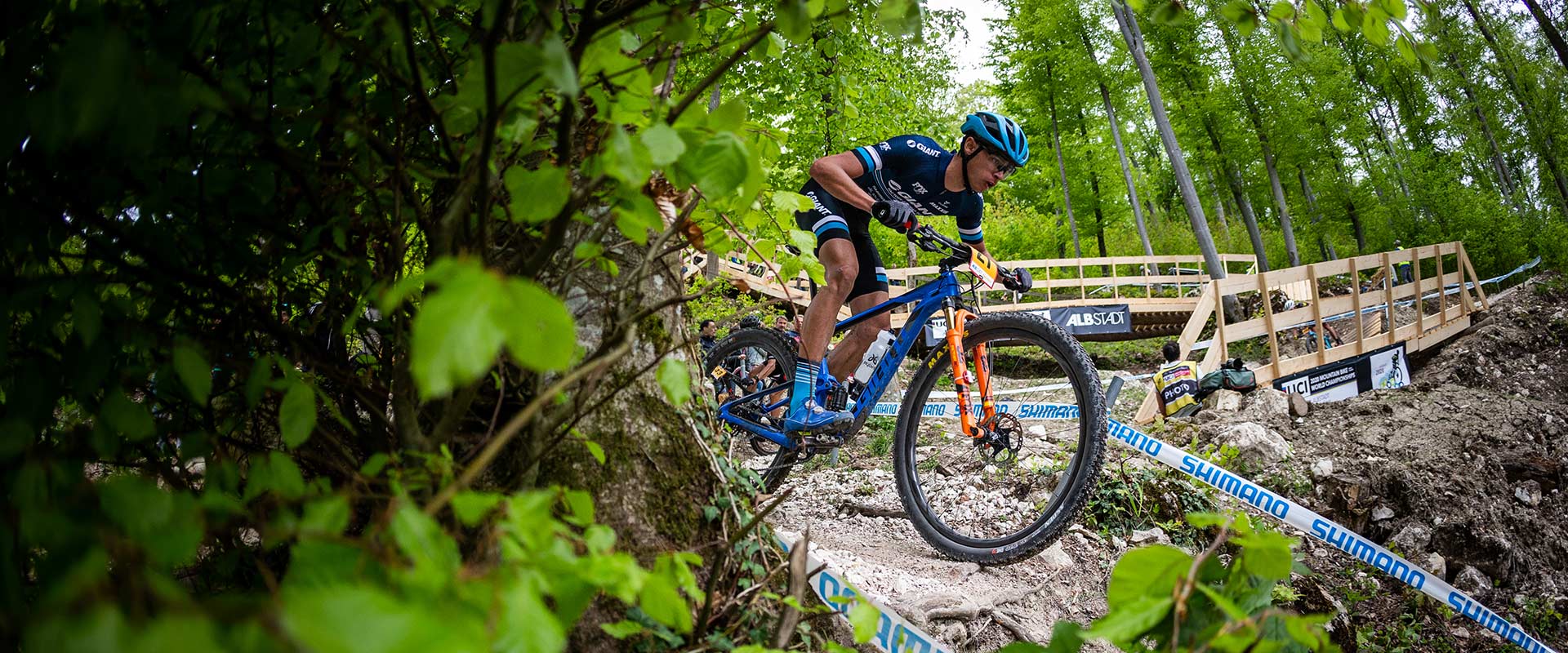
#1: Giant Bicycles
Giant is almost impossible to ignore. They’re one of the biggest bicycle manufacturers on the planet, and their scale is honestly intimidating. They produce for their own brand and also manufacture for other brands, which means they’ve built serious systems for throughput, process control, and consistency across huge volumes.
For B2B partners, that vertical integration is a big deal. When a company controls more of the chain—from materials to assembly—you usually get fewer surprises. Their tech partnerships (like SyncDrive motors developed with Yamaha) also help them stay competitive across categories, from commuters to performance e-MTBs.
Now the “real talk” part: size can reduce flexibility. If you’re trying to do smaller custom projects, odd component specs, or niche frames, it may feel like pushing a shopping cart uphill. And if their own brand is strong in your market, you might worry about competing with what they sell directly.
One blogger tip I like here: don’t just ask “can you do OEM?” Ask “how many OEM projects do you run at once, and what’s the average lead time drift?” That question gets you answers that matter, and it filters out vague promises fast.
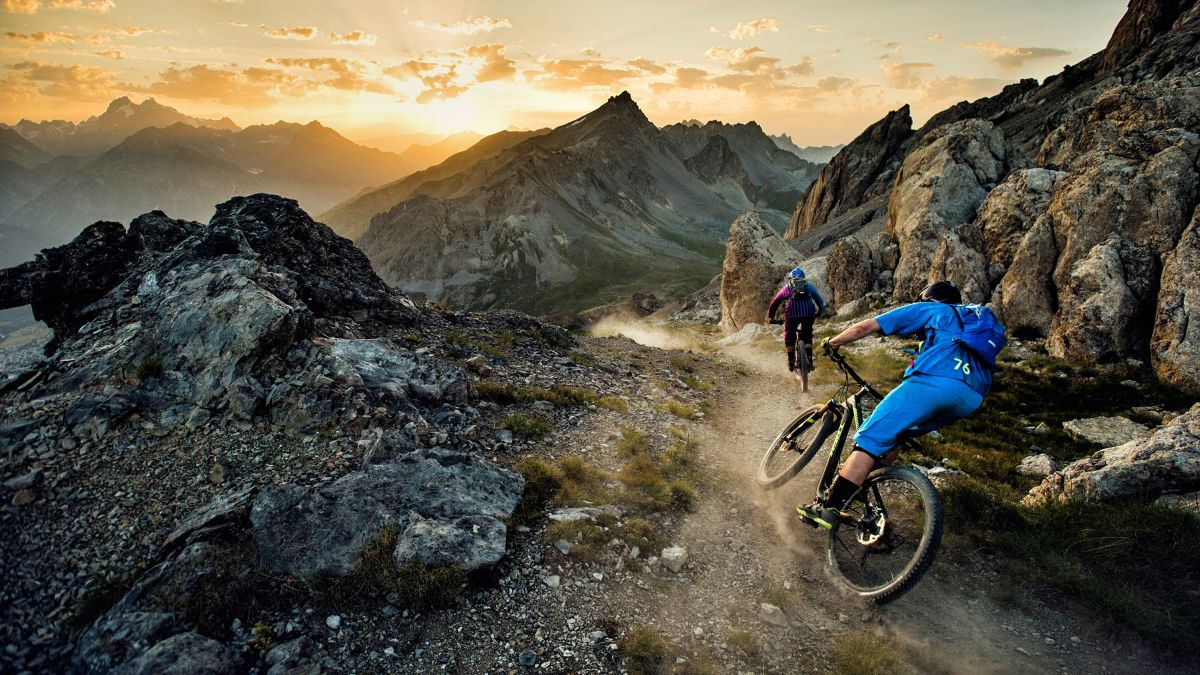
#2: Trek Bicycle Corporation
Trek sits high because the brand power is massive, and their dealer network is one of the strongest in the world. Even though they leverage Asian manufacturing, the way they invest in R&D and product development is a big part of why their premium lines sell so well and keep attention year after year.
Their innovation history (carbon know-how, suspension systems, and performance tuning) feeds directly into their e-bike lineup. Models like Rail and Powerfly are well known, and for retailers that want premium credibility, Trek can be a magnet brand that helps move customers off the fence.
But Trek is not built like a typical “OEM supplier you can easily plug into.” They operate heavily through established dealer structures, so if you’re a new brand hunting for a straight OEM pipeline, it can be more complicated than working with a manufacturing-first company.
If you’re considering a Trek-style partner, I’d copy what smart reviewers do: track the after-sales experience, not just the marketing. Ask how warranty is handled, how parts availability looks over time, and whether service networks are actually responsive in your region.
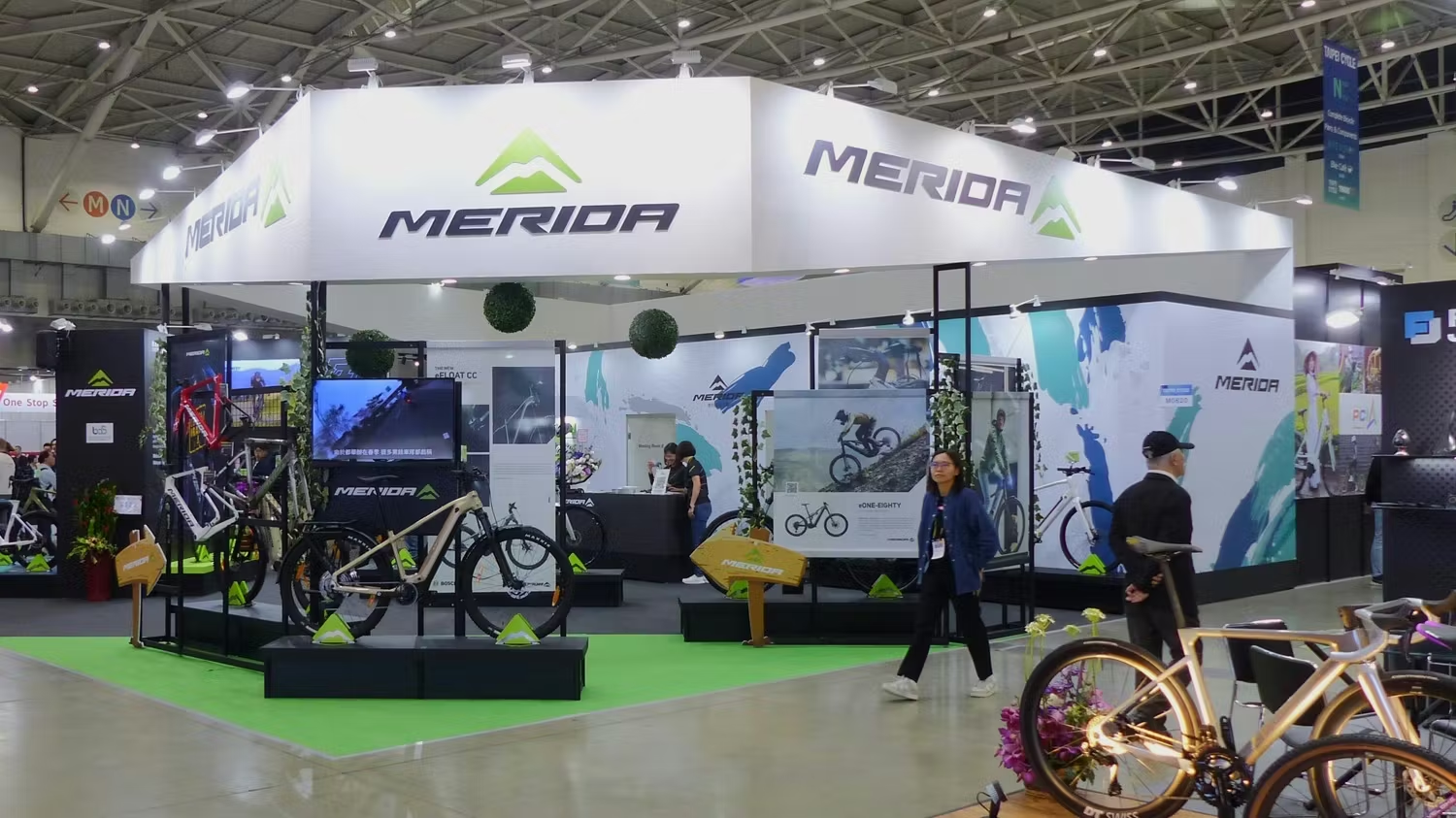
#3: Merida Industry Co., Ltd.
Merida is another Taiwanese powerhouse, and people in the industry treat them with serious respect. They balance two identities: strong global branded bikes and a deep OEM/ODM manufacturing role for other brands. They’ve built systems that know how to “build for someone else,” which sounds simple but is actually hard.
Their aluminum frame manufacturing is a standout, especially with hydroforming and robotic welding. If you’re a B2B buyer who cares about consistency in frames, alignment, weld quality, and long-term durability, Merida’s reputation here is not random—it’s earned.
For custom work, Merida is often a solid option because they’ve done OEM at scale. But their focus tends to sit in mid-to-high-end territory, which may not match partners trying to win the entry-level price war. That doesn’t mean “bad,” it just means “different fit.”
A practical trick: if you talk to a big manufacturer like this, don’t just request a sample. Request a sample plus a full QC report template they’d use for mass production. You’ll learn more from that document than from a glossy brochure.
European Conglomerates Dominating Premium Segments
Europe is where premium positioning often gets sharpened. A lot of the high-end e-bike story—design, brand heritage, category leadership—gets shaped by European groups that own multiple brands. They’re not only making bikes; they’re managing portfolios and distribution strategies across regions.
For distributors who sell to customers that obsess over brand identity and ride feel, these conglomerates matter. They often share R&D and logistics resources behind the scenes while letting each brand keep its own personality and market angle.
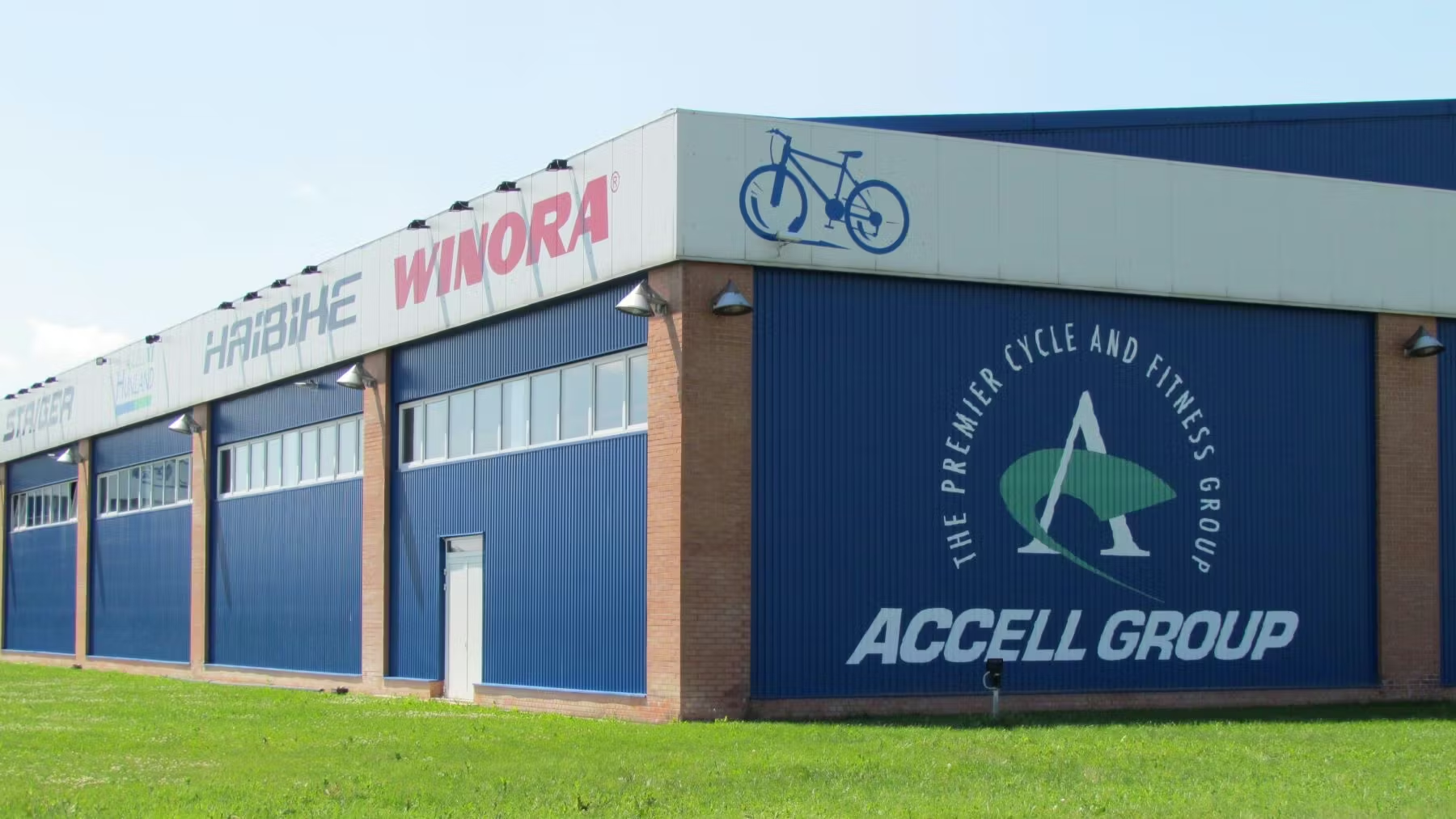
#4: Accell Group
Accell is a major Dutch player and a heavyweight in the European market. Their brand lineup includes names like Haibike, Winora, Ghost, Lapierre, and Raleigh. The way they operate is basically: acquire strong brands, invest in e-bike tech, and scale distribution where the brand already has trust.
Haibike, especially, has a reputation for pushing eMTB adoption early and integrating major drive systems like Bosch and Yamaha in a way that feels refined. For a distributor, that means you can sell proven products with regional recognition, which reduces the “unknown brand” friction.
The trade-off is you’re dealing with a bigger corporate structure. Each brand can have its own rules, its own distribution strategy, and its own boundaries. So it can feel less like one supplier and more like a network of separate worlds under one roof.
Blogger-style advice that works: map the brand’s channel strategy before you sign anything. Ask directly where they sell, who they protect, and what territories are exclusive or not. It’s not rude. It’s survival.
#5: Pon Holdings (Pon.Bike)
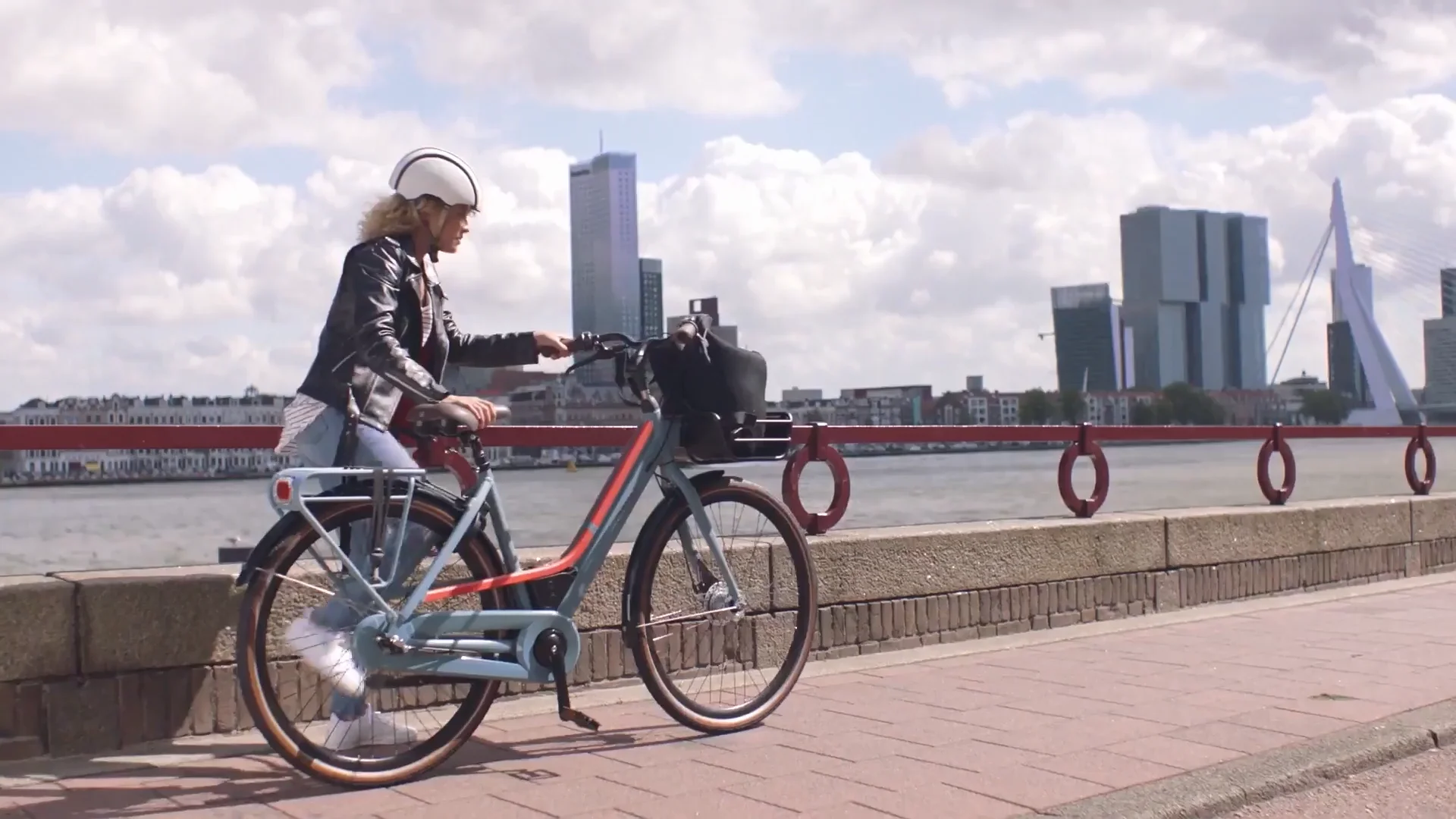
Pon.Bike is another Dutch powerhouse, and their portfolio is kind of ridiculous in a good way: Cannondale, GT, Schwinn, Santa Cruz, plus Gazelle for city e-bikes. They’ve built a lineup that covers performance, lifestyle, and premium segments with serious marketing muscle.
For dealers, carrying something like Cannondale or Santa Cruz is often a status boost. These brands attract customers who want high-end engineering and are willing to pay for it. Pon’s influence on quality expectations and component trends is strong, whether you love that or not.
From an OEM/ODM angle, Pon is more “brand manager” than “open factory partner.” They’re focused on growing their own portfolio, not acting like a flexible supplier for new labels. Still, watching how they position products and manage premium pricing is a masterclass.
If you’re trying to learn from Pon-style groups, don’t copy their ads—copy their discipline. Track how they standardize quality, how they build dealer loyalty, and how they keep brand stories consistent year after year.
Pioneers of Innovation: Specialized and Yamaha’s Impact
Some companies lead by volume, and others lead by ideas. This section is about the ones pushing technology forward—integrated systems, smarter motors, better apps, and designs that change customer expectations. For B2B buyers, innovation matters because it shapes what customers will demand next.
You don’t have to partner with these innovators directly to benefit from them. Sometimes the move is simply to learn from their approach, then apply the lessons to your own product planning and supplier conversations.
#6: Specialized Bicycle Components
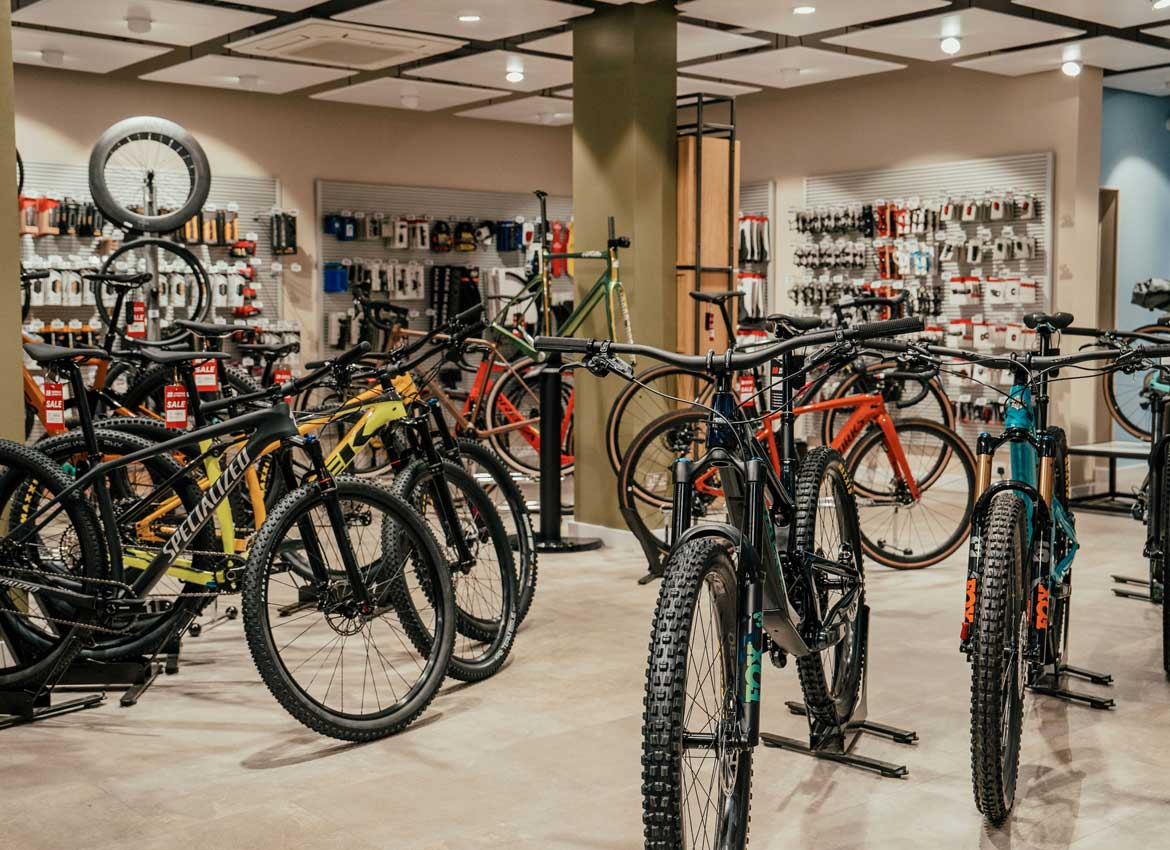
Specialized is famous for that “innovate or die” energy, and whether you like their style or not, they’ve shaped the premium eMTB market hard. Even though manufacturing is often handled with partners like Merida, their in-house R&D drives the big decisions—system integration, ride feel, and product ecosystem thinking.
Their Turbo line is a strong example of doing e-bikes as a complete system: custom motors (developed with Brose), proprietary batteries, and the Mission Control app that ties tuning and diagnostics together. Turbo Levo and Kenevo show up constantly in “best eMTB” conversations for a reason.
For dealers, Specialized is premium credibility. For OEM buyers, the lesson is bigger: customers don’t only buy specs. They buy the feeling of a “complete package.” Bloggers love repeating this: build a system, not a parts list—and honestly, they’re right more often than not.
If you’re a B2B brand, study how Specialized integrates software and hardware, then ask your supplier: “What’s our version of that integration?” It can be simple, but it should be intentional.
#7: Yamaha Motor
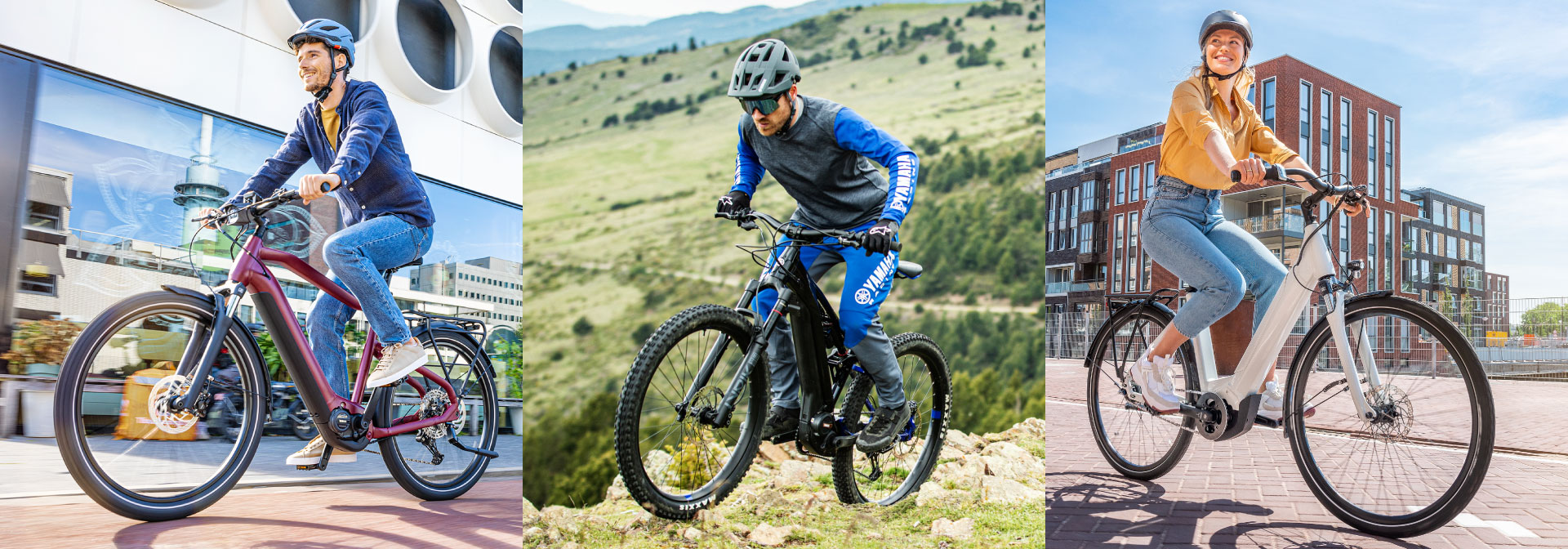
Yamaha belongs here because they didn’t just join the e-bike industry; they helped invent parts of it. They launched an early Power Assist System (PAS) bicycle back in 1993, and that long history shows up in how reliable their drive systems feel today.
Their PW-series mid-drive motors are widely used and known for natural-feeling power delivery. For a brand or OEM builder, designing around a Yamaha system is often a safe bet: proven tech, a real service footprint, and continuous motor innovation that helps brands stay competitive.
The high-torque PW-X3, for example, has helped push performance in all-terrain builds, especially where climbing power matters. And from a B2B view, a known motor platform can reduce support chaos because technicians can find parts, documentation, and troubleshooting paths.
A blogger tip I agree with: don’t chase only peak torque numbers. Ask about service coverage and failure rates. A motor that’s “good on paper” but painful in real support will cost you more than it earns.
The Power of Scale: Asia’s High-Volume Leaders
Outside the traditional bicycle giants, Asia has produced electric mobility monsters—companies that ship tens of millions of electric two-wheelers. Many started with scooters or urban mobility first, but they’re moving into e-bikes aggressively because global demand is pulling them in.
For distributors who want high-volume commuter bikes and strong pricing power, these manufacturers can be attractive. The big question is how well they translate scale into consistent “bicycle-grade” experience, support, and long-term brand trust in markets like Europe and North America.
#8: Yadea
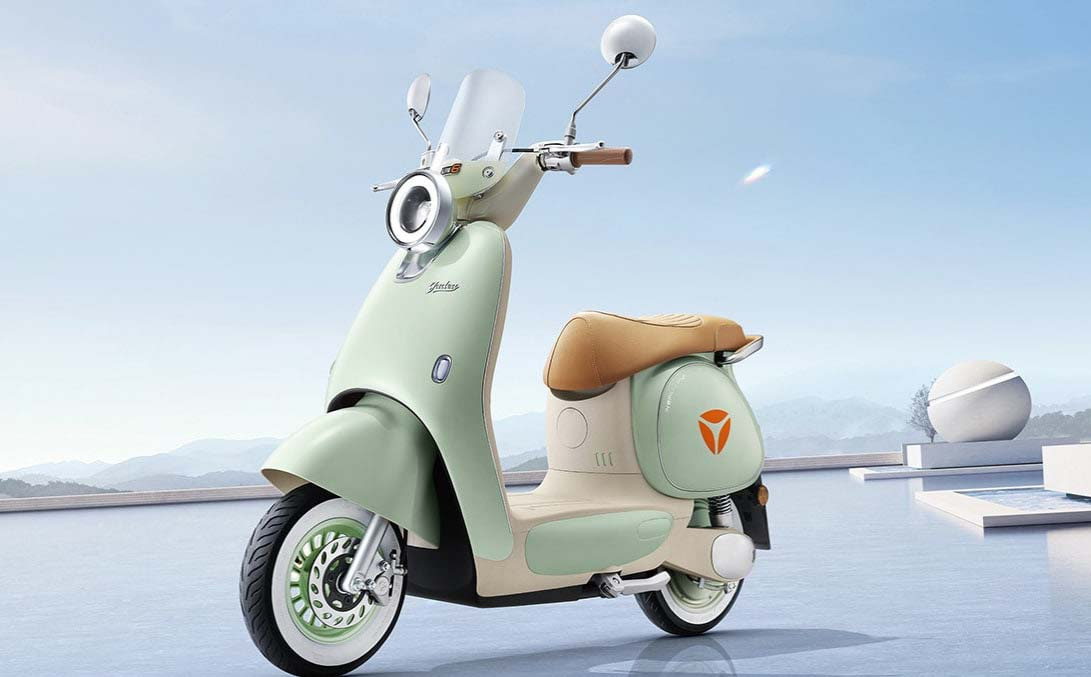
By volume, Yadea is a global goliath in electric two-wheelers, often selling over 10 million units annually. Their strength is efficiency—manufacturing systems, battery development (including work on graphene-based batteries), and the ability to crank out affordable electric mobility products at scale without collapsing the supply chain.
Historically, they’ve leaned more scooter-heavy, but they’re expanding into global e-bike markets and pushing pricing that can make competitors sweat. For large distributors chasing commuter and urban segments, Yadea can look like a strong sourcing option on pure numbers.
The risk is perception and positioning. Moving from “volume leader in Asia” to “trusted e-bike brand globally” takes time, and quality expectations in some markets are brutal. If you source here, I’d recommend what reviewers do: audit the details—packaging, wiring, waterproofing, and parts availability.
Also, ask how they handle spare parts for international partners. It’s not sexy, but it’s the difference between smooth after-sales and endless complaint tickets.
#9: Aima Technology
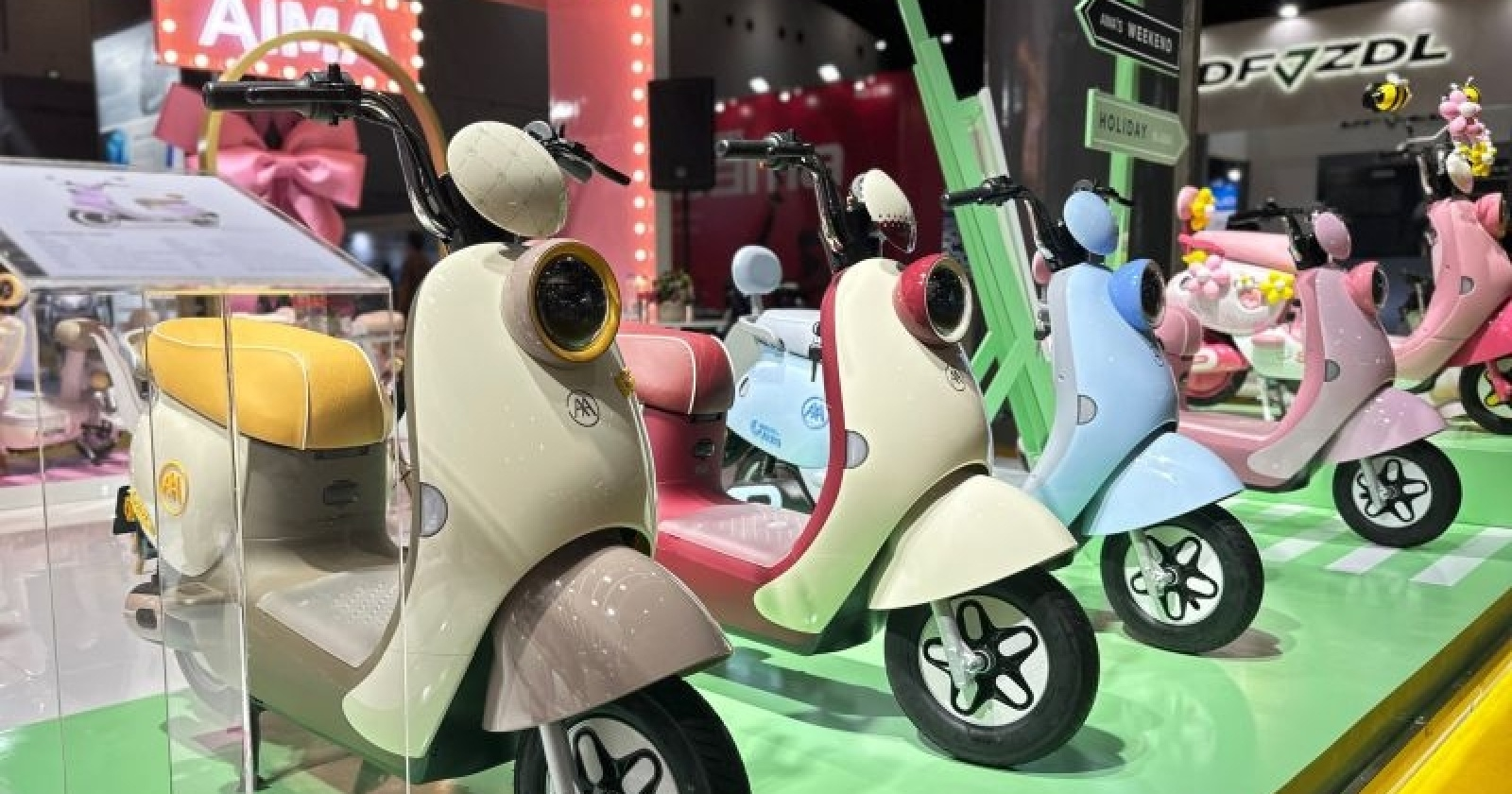
Aima plays in the same high-volume league as Yadea, producing massive numbers of electric two-wheelers and building strong distribution across China and growing international markets. Their expertise is value-driven mobility—hit price points, keep products reliable enough, and optimize manufacturing to scale.
For B2B buyers whose priority is “I need a specific target cost for a big order,” Aima can be compelling. They’re a classic example of a China-based electric bike factory that understands how to deliver bulk volumes without reinventing the process every time.
Still, like all volume leaders, the key is fit. If you’re targeting premium eMTB customers, this might not be your lane. But if you’re pushing utility and city mobility where price and availability matter most, it can work.
One practical move: run a pilot order and track return rates by component category. Bloggers do this with review samples; distributors should do it with real inventory.
#10: Clipclop — Your Strategic Partner for the Electric Off-Road Niche
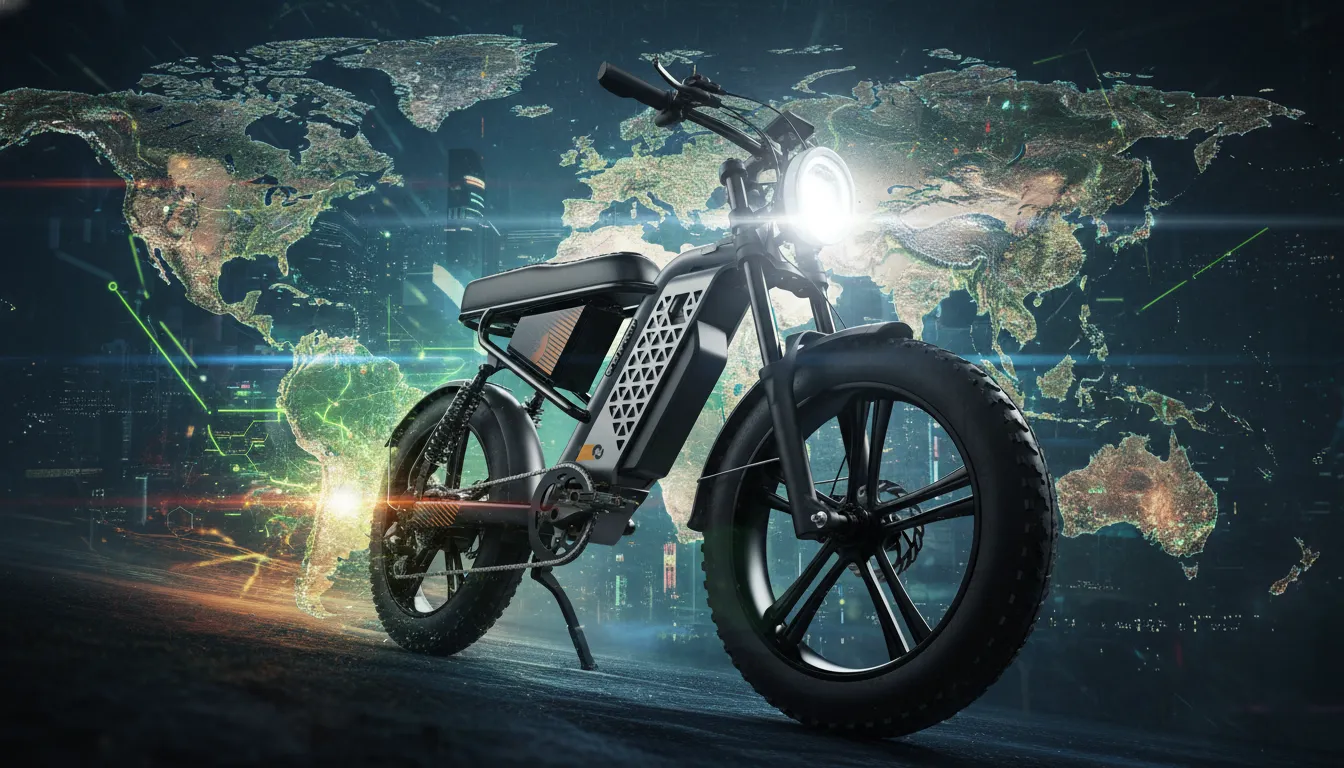
After you look at the giants, it’s fair to ask where a focused company like Clipclop belongs. We’re #10 on this list, not because we want to out-produce Giant, but because we’re built for a different kind of win. We focus hard on electric off-road bikes, and we take pride in being fast, flexible, and serious about the details.
The giants build for everyone. We build for the enthusiast, the adventure crowd, and the B2B partner who wants rugged performance without compromises. That niche is growing fast, and it rewards brands that don’t sell “generic.” It rewards brands that sell purpose-built machines that handle real terrain and real customers.
Our approach is pretty simple: focus and polish. Instead of a massive catalog, we pour engineering and production energy into eMTBs, fat tire bikes, and all-terrain builds. That focus makes us more nimble when you need customization, and it makes communication easier because you’re not bouncing between five departments for one answer.
A lot of blog-style advice says “choose a supplier who feels like a partner, not a vending machine.” I get it. That’s what we aim for. When you work with Clipclop, you get direct access to engineering, practical customization options for private label needs, and a relationship that’s transparent and grounded in shared goals.
Case in point: the Clipclop L2 (a real B2B-ready spec package)
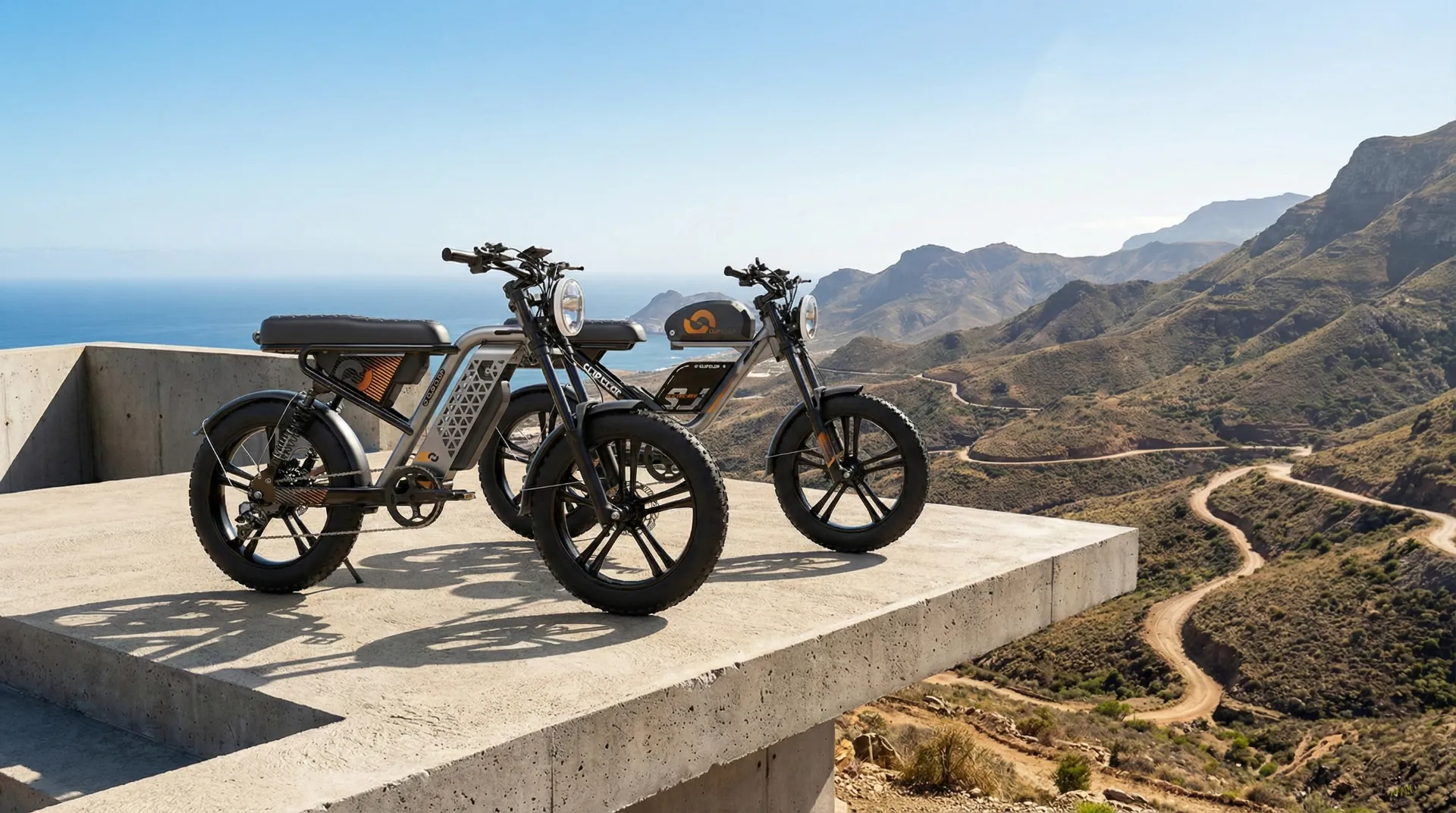
Let me use our Clipclop L2 as a concrete example, because specs tell the truth faster than slogans. We designed it as a serious off-road solution, not a “pretty commuter with chunky tires.” The L2 runs a robust 48V 750W brushless motor, and it’s tuned to deliver around 70Nm of torque, which matters a lot when the trail turns steep.
Power is only useful if it lasts, so we pair it with a 48V 18.2AH lithium battery setup aimed at real-world range, not fantasy numbers. For distributors, this matters because customers ride differently: some cruise, some climb, some overload the bike. We plan for that messy reality instead of pretending every rider is a test lab.
On the frame side, we build it around a lightweight but strong 6061 aluminum alloy frame. The component mix is chosen for reliability: responsive hydraulic disc brakes, a Shimano 7-speed derailleur, and a general build philosophy that prefers stable performance over “cheapest possible part that barely passes.”
Then you’ve got the big, practical stuff: 20″×4.0 fat tires for traction across sand, gravel, snow-ish surfaces, and rough trails. The max loading capacity is up to 160kg / 350lbs, which is not just a number—it affects who can ride, what gear they can carry, and how the bike survives rental or fleet use.
Compliance is also part of the product, even if nobody posts it on Instagram. We are a CE certified e-bike manufacturer and build to meet standards like EN15194 for the EU market. For B2B partners, that means smoother market entry, fewer paperwork surprises, and fewer “hold the container” moments that ruin your quarter.
Beyond the Name: Critical Factors for Your OEM/ODM Partnership
A top-10 list is a starting line, not the finish line. Real partnerships are won on details. If you’re buying B2B, you need a supplier who actively supports your business, not one who just ships boxes and vanishes. I’ve seen good brands lose momentum because their supplier treated support like an optional add-on.
First, communication and support. Can you reach a project owner easily? Do they understand your market, your customer complaints, your shipping reality? Slow replies and vague answers are expensive. Big companies can be slow, smaller specialists can be faster, but you have to test it early—don’t assume.
Next, flexibility and customization. A real OEM e-bike manufacturer should be able to adapt a platform to your needs: branding, geometry tweaks, component swaps, packaging changes, even a new configuration path. Some factories only want to repeat the same SKU forever. Look for the ones who actually enjoy building your vision.
Then logistics and after-sales policy. The job isn’t done when bikes leave the factory. A solid partner understands shipping documents, can support FOB processes, and helps you optimize container loading. And after-sales is huge: warranty rules, claim workflow, spare parts kits, and how fast they can support you when your customer is mad.
One blogger trick I like: ask “What’s your warranty claim process in five steps?” If they can’t answer cleanly, you’ll be improvising later. And improvising later is usually where profit goes to die.
Future-Proof Your Business: 2025 E-Bike Trends and Logistics
2025 is about deeper connectivity. Customers want integrated GPS tracking, app control, diagnostics, and in some cases over-the-air updates. Even if you don’t go fully “smart bike,” you should at least plan a path for security and tracking, especially for high-value models and fleet customers.
Battery tech keeps moving too. Higher energy density, faster charging, safer packs, and stricter certification expectations are becoming normal. In the US market, more buyers are paying attention to UL-related requirements and safety expectations, and you don’t want to get caught behind the curve because your supplier treated compliance like an afterthought.
Sustainability is also rising, and I’m not saying that in a trendy way. Regulators and consumers care more about recycled materials, lower footprint production, and repairability. Bikes designed for longevity win trust. Bikes designed for disposability get dragged online, and that damage spreads faster than any paid ad.
Compliance is the unsexy hero of B2B success. You want partners who proactively handle RoHS compliance, can provide battery MSDS documents, and understand the differences between EU and US requirements. When compliance is handled early, you move faster. When it’s handled late, you pay for it twice.
Finally, the market keeps segmenting. One-size-fits-all e-bikes are fading. We’re seeing sharper categories: lightweight foldables, serious cargo delivery platforms, and high-performance off-road machines built for specific terrain. If you’re building a brand, don’t chase “everyone.” Pick a segment, build a real product, and own it.
Closing Thoughts and Next Steps
If you made it this far, you probably feel what I feel: this industry is exciting, but it punishes lazy sourcing decisions. The good news is you don’t need the “biggest” supplier. You need the right supplier for your category, your customer, and your growth plan—and you need them to act like a partner, not a stranger.
Whether you’re an established distributor expanding into off-road, or a new brand launching a performance line, our Clipclop team is here to help. We’re not trying to be everything. We’re trying to be excellent at electric off-road bikes and reliable B2B execution, with communication that doesn’t make you chase people across time zones.
If you want to talk e-bike selection, configuration, OEM customization, or export-ready solutions, just reach out. We support distributors, wholesalers, and brand partners with technical support and full vehicle solutions, including the practical stuff like documentation and after-sales planning that keeps your business stable.
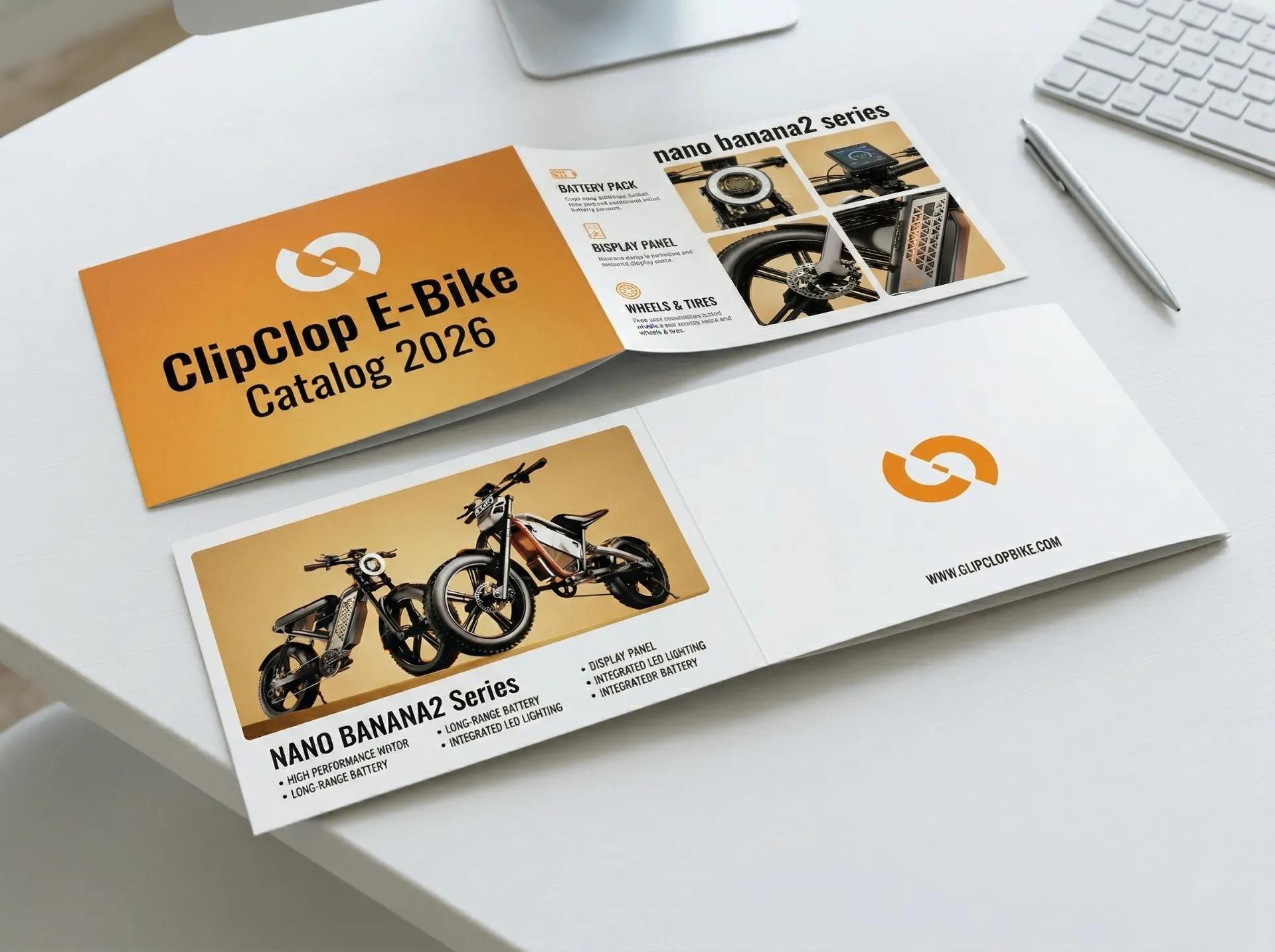
If you’re ready to take action, here are the usual next steps people ask for (and yes, I recommend doing them in this order so you don’t waste time): start with a quote to confirm pricing, then request OEM terms for your customization needs, then grab the catalog so your team can review the full lineup and spec options.
References
- Bicycle Retailer and Industry News (bicycleretailer.com) – For ongoing industry news, market analysis, and reports on major manufacturers.
- Bike EU (bike-eu.com) – A leading B2B resource for the European bicycle industry, providing data on market trends, imports, and company news.
- Statista – Global E-Bike Market Reports (statista.com) – For market size, forecasts, and statistical data on the leading companies and consumer trends.



 English
  Spanish
  Portuguese
  Russian
  Arabic
  French
  Dutch
Dutch  German
  Danish
