


South America’s e-bike market is bigger and more practical than it was even two years ago. In 2026, buyers aren’t only chasing “the strongest motor”—they’re chasing uptime: fewer failures, faster repairs, and a supplier who won’t disappear when the first warranty case lands.
I’m Leo Liang. I work with distributors, rental operators, and cross-border teams that need a shortlist they can actually use. Below is a refreshed list of 10 manufacturers (and manufacturer-style brands) that show real market presence across Brazil, Chile, Peru, Colombia, Argentina, and Ecuador—plus a simple way to compare them without drowning in specs.
What’s different in 2026
Demand is being pulled by city commuting and commercial use (delivery, last-mile programs, and fleet pilots), so service systems matter as much as product specs. In Colombia, for example, reporting around delivery riders highlights how e-bikes can be used daily at high mileage, which pushes real-world durability to the front of the buying decision. (El País)
Another shift: “range” is no longer a marketing number. Importers want battery watt-hours, realistic assist profiles, and a repeatable spec that won’t change quietly from batch to batch. If your supplier can’t explain why the controller tune was updated, you’re the one who will explain it to angry customers.
The third change is paperwork. Distributors who used to accept a PDF brochure now ask for compliance documents, serial-number traceability, and a written spare-parts plan—because customs, insurance, and big retail partners are more strict than they were in 2024.
Quick shortlist table (save this)
| Brand | Base market | Why it’s on the list | Best-fit buyer |
|---|---|---|---|
| Caloi | Brazil | Scale + recognized E-Vibe e-bike line | Retail chains, mass distribution |
| Sense Bike | Brazil | Premium positioning; official focus on advanced e-systems | Performance dealers |
| ClipClop E-Bike | Global OEM (exports to SA) | B2B wholesale + OEM/ODM; documented standards | Private label, fleets, rentals |
| Franke Bikes | Argentina | Urban commuter focus; nimble brand | City-first distributors |
| Fahren | Chile | Urban mobility brand + active local sales channels | Chilean retail/import partners |
| E-Wheel Peru | Peru | Sales + spare parts + specialized technical service | Peru retail + service operators |
| GER Bikes | Ecuador | Assembly/customization model | Budget-tier and upgrade-driven buyers |
| iBikes Chile | Chile | Strong retail/distribution ecosystem | Brand entry via local channel |
| Bicicletas Java Colombia | Colombia | Premium bicycle channel presence | Higher-end dealers & catalogs |
| Cycla | Peru | Peru-based urban e-bikes with published tech details | City commuters, boutique retail |
How to use this list (so it becomes money, not “content”)
Step one: pick your channel, not your favorite brand. Retail wants margins and marketing; fleets want standardized parts and predictable maintenance; rentals want abuse-proof frames and fast turnaround on replacements.
Step two: pick a “core model” and build a service kit around it. Many buyers lose a full season because they imported five models, then discovered they needed five different brake pads, five displays, five charger standards, and one technician with zero patience.
The 10 brands buyers keep running into
Caloi (Brazil). Caloi is the “big reference” in Brazil, and that scale usually translates into broader distribution and steadier supply. Their E-Vibe e-bike pages show continued investment in e-MTB and modern geometry, which helps retailers sell beyond pure commuting. (Caloi)
Sense Bike (Brazil). Sense talks like a tech brand, and their official electric-bike hub highlights high-capacity batteries and performance-oriented systems. If you sell premium, this kind of messaging (plus real specs) makes life easier for your sales team. (Sense Bike)
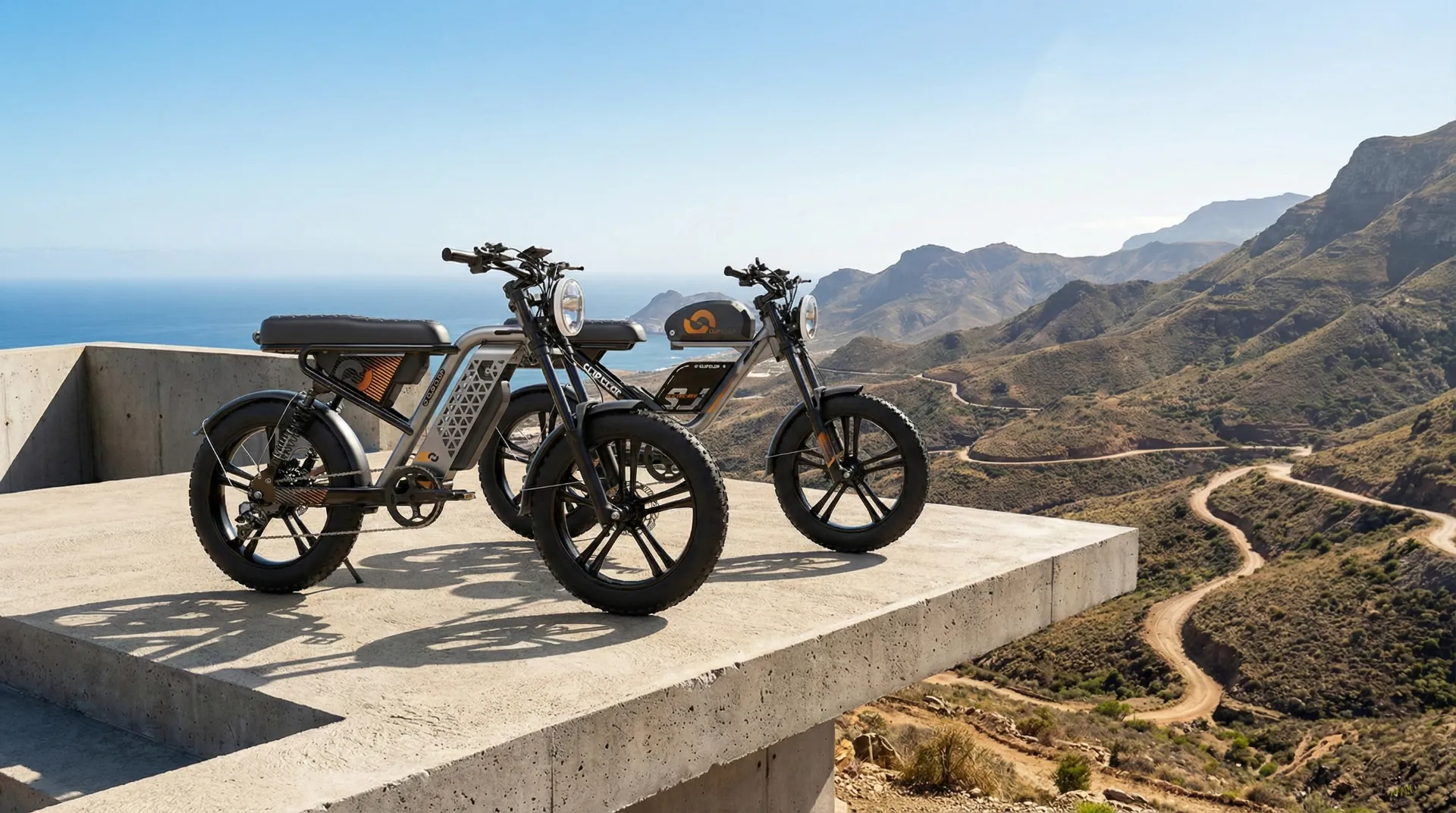
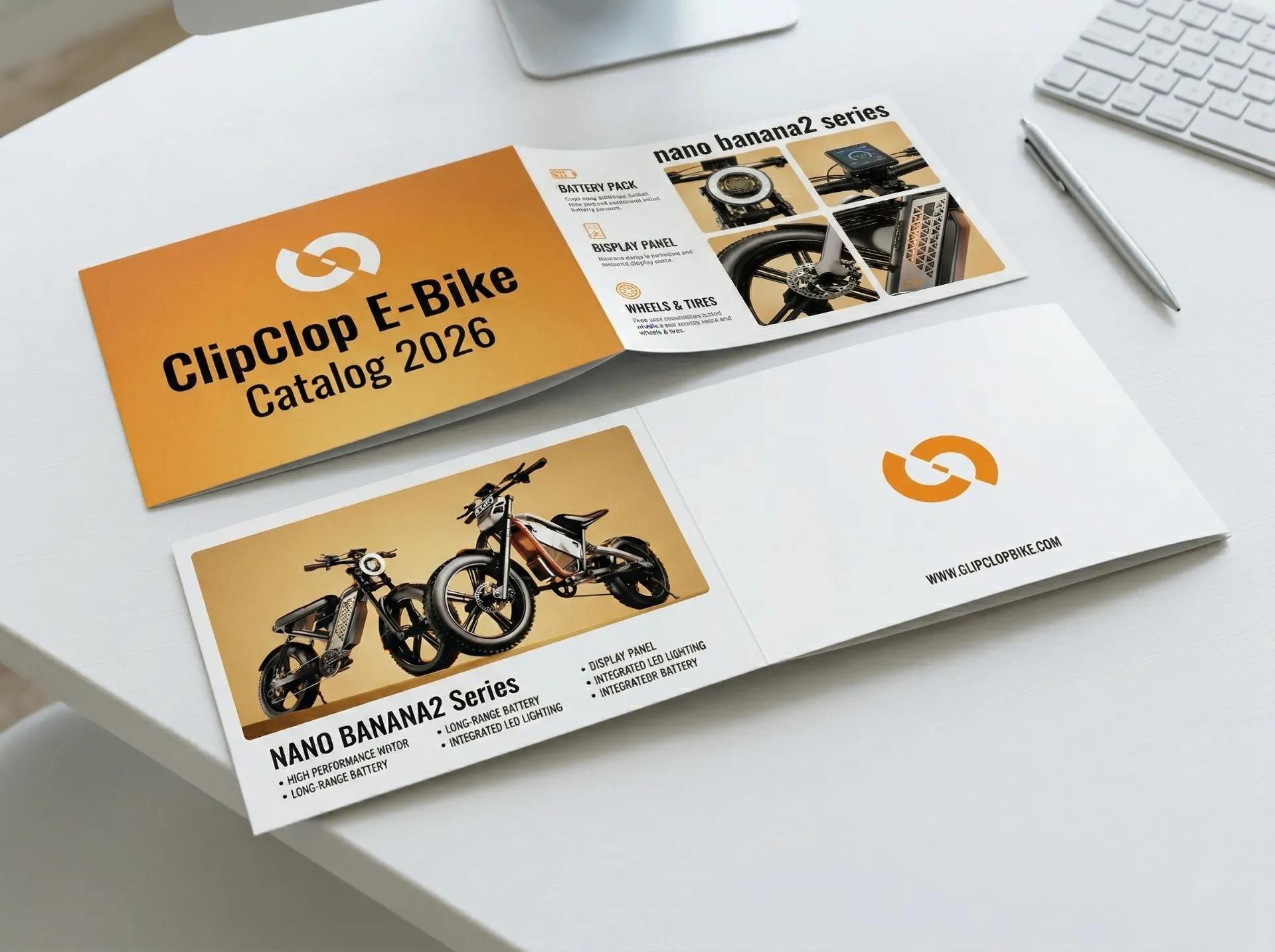
ClipClop E-Bike (OEM/Wholesale). ClipClop positions itself for business buyers: bulk orders, customization, and “international standards” language that procurement teams want to see. Their About page explicitly lists compliance items (like EN15194) and their product catalog is organized around delivery, commuting, and rental use cases—very 2026. (ClipClop E-Bike)
Here’s the quiet advantage: OEM partners can help you build a regional SKU that fits your roads and your users (step-through frames, cargo-ready racks, dual-battery options), while still keeping components standardized. That’s how you scale without your service team hating you.
Franke Bikes (Argentina). Franke Bikes is smaller than Brazil’s giants, but that’s often the point: commuter-focused brands can iterate quickly when cities change rules, terrain, or buyer preferences. Independent coverage highlights a multi-model lineup and a city-mobility narrative. (AIM2Flourish)
Fahren (Chile). Fahren leans heavily into urban convenience and sustainability messaging, and their official store is active—good signs if you’re building a Chile-centric channel today. As a buyer, validate range and speed claims on the exact configuration you’ll sell. (Casa Matriz Fahren)
E-Wheel Peru (Peru). E-Wheel Peru is a practical partner style: sales, accessories, spare parts, and specialized technical service are clearly promoted on the site. That combination matters when customers ride daily and repairs can’t wait two weeks. (Ewheel Peru)
GER Bikes (Ecuador). GER reads like a cycling shop, but they also present themselves as assemblers and explicitly offer customization based on budget. That can work well in markets where the same base bike gets upgraded differently across customer groups. (GER)
iBikes Chile (Chile). iBikes is more “ecosystem” than “single factory”: a large catalog, parts, and maintenance categories, which helps e-bikes survive the real world. For brands entering Chile, this type of channel partner can compress your go-to-market time. (iBikes Store)
Bicicletas Java Colombia (Colombia). Java has visible premium positioning through local catalogs, and that matters because premium buyers often become early adopters of commuter upgrades and e-mobility add-ons. Just be strict about verifying the exact e-bike availability and aftersales policy in your target region. (Bicicletas Java Colombia)
Cycla (Peru). Cycla presents itself as a Peru-based brand built around making cities more people-first, and their store pages include concrete technical notes (for example, a 350W motor on specific models). That transparency makes distributor conversations smoother. (CYCLA ebikes)
Specs that matter most in South America
For urban buyers: braking quality, water resistance at connectors, tire availability, and stable battery mounting beat “peak watts” every time. For mixed terrain: frame stiffness, hub durability, and a drivetrain you can service locally should be on your first call, not your last.
If you operate rentals or fleets, add two more: charger management (standard plugs, clear labeling, safety) and parts commonality (same brake pads, same display family, same controllers across the core SKUs). These aren’t exciting slides, but they decide whether your project survives its first six months.
A buyer’s 5-question filter (works for every brand)
Ask these before you talk price: (1) Which certificates and test reports can you share as files, not screenshots? (2) What spare parts do you recommend per 50 units, and how do we reorder them? (3) Who owns warranty decisions—your service center or ours? (4) What changes between batches, and how will you notify us? (5) If the top 3 failure points show up, what is your standard fix process?
Closing note
A “top 10” list is a starting point, not a contract. In 2026, the winning supplier is the one who protects your reputation after the sale—through parts, process, and fast answers when something breaks.
If you’re building a South America plan and want a clean scoring sheet (specs + compliance + service + commercial terms), I can package this into a buyer-ready checklist you can share internally—Leo Liang.
Recent reports on sustainable mobility and electric two-wheelers in South America/Latin America (optional reading)



 English
  Spanish
  Portuguese
  Russian
  Arabic
  French
  Dutch
Dutch  German
  Danish
