
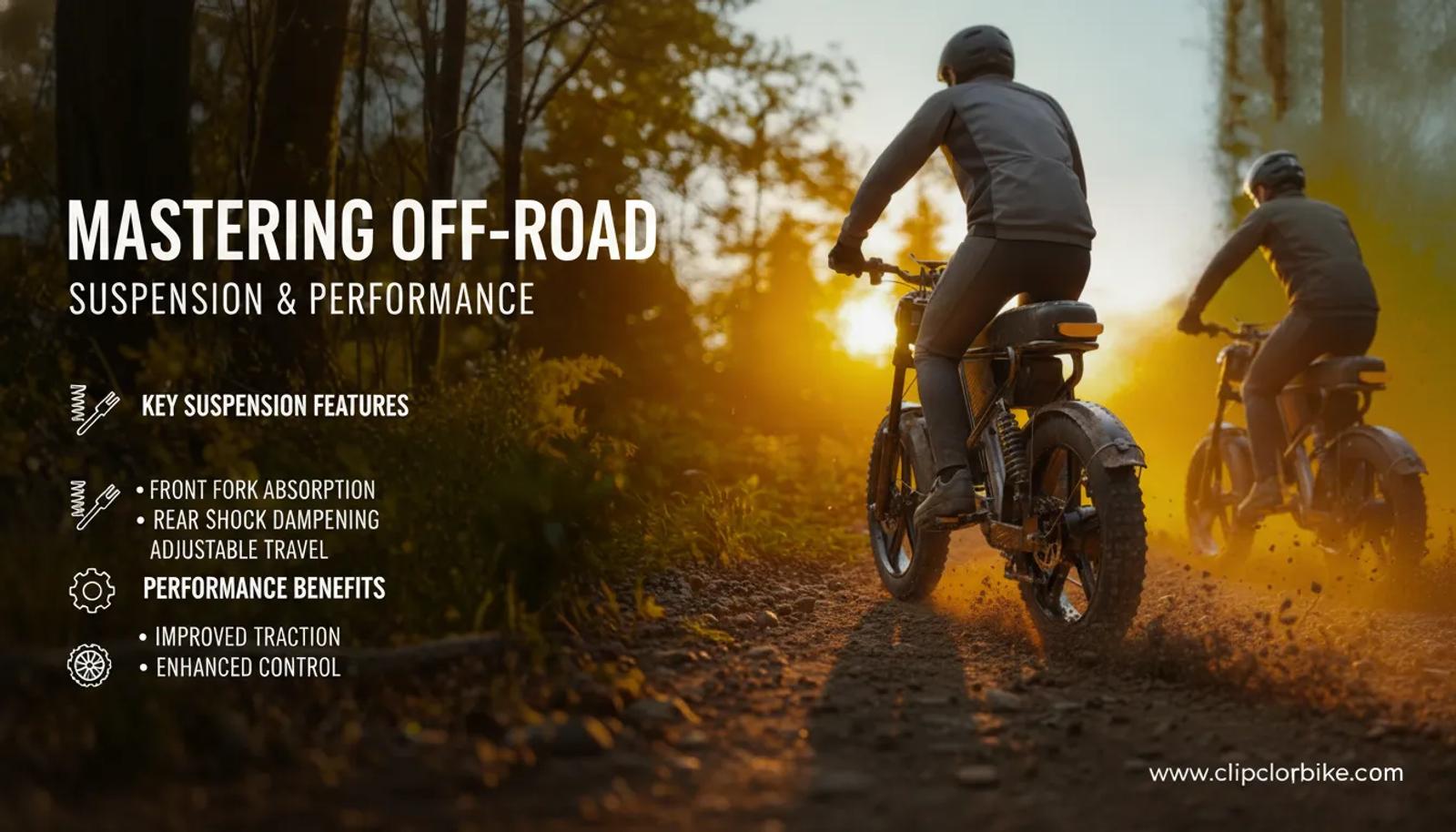
Suspension Systems on Off-Road E-Bikes: What Actually Makes Them “Great” for B2B
As someone on the Clipclop team, I’ve burned a ridiculous number of hours in the workshop and out on real trails, trying to figure out what separates an “okay” electric off-road bike from one that
As someone on the Clipclop team, I’ve burned a ridiculous number of hours in the workshop and out on real trails, trying to figure out what separates an “okay” electric off-road bike from one that
As someone on the Clipclop team, I’ve burned a ridiculous number of hours in the workshop and out on real trails, trying to figure out what separates an “okay” electric off-road bike from one that feels properly dialed. Our B2B partners—dealers, distributors, rental fleets—ask me this stuff all the time, and honestly I get why it’s confusing.
Factory Direct Sourcing & OEM/ODM Manufacturing with ClipClop
Commercial partners can inspect our manufacturing infrastructure on our OEM/ODM E-Bike Manufacturing Facility page, review standard configurations on our M20 Enduro eMTB & L1 Pro Dual-Suspension Platforms, or directly request volume FOB terms via our Commercial Quote Request Portal (MOQ 20).
A lot of people obsess over motor watts or battery range because it’s easy to market. But if I’m being real, suspension is the quiet hero that decides whether a ride feels controlled or sketchy. It’s literally the link between rider, bike, and an unfriendly trail. Comfort, grip, safety, and that “yeah I can push harder” feeling—suspension is in the middle of all of it.
I didn’t get into e-bikes just to move product. I’m into riding, so I’ve taken the hits from a fork with awful damping, and I’ve also felt what a well-tuned setup can do when the trail turns nasty. Those experiences (plus our technical testing) shaped how we think at Clipclop, even when it costs more upfront.
And for our partners, selling an e-bike isn’t just a one-time sale. It’s repeat customers, fewer complaints, fewer returns, and a brand that doesn’t get dragged online. A solid shock absorption system is non-negotiable for that. Some bike bloggers say “spec the suspension like you’re the one who’ll ride it every day”—I agree, and I try to follow that rule.
In this deep dive, I’m going past the spec sheet. We’ll talk basic engineering, what it means on the trail, and what it means in business terms when you choose one suspension setup over another. Think of it as the stuff that helps you sell better bikes and sleep better after the sale.
Whether you’re building a lineup for experienced mountain riders, or you’re outfitting rental fleets for rocky tourist routes, you need to understand forks, rear shocks, and how the whole package behaves. If you “buy by travel numbers only,” you’ll miss the real story. This is the knowledge that helps you pick bikes that perform now and stay reliable later.
How Does a Suspension Fork Redefine Off-Road E-Bike Control?
If we’re talking serious off-road riding, the suspension fork is usually the first thing I look at. It’s the front wheel’s bodyguard against bumps, roots, and rocks, and it decides whether the tire stays glued to the ground or starts ping-ponging off everything. On heavier, faster e-MTBs, that traction matters even more than people expect.
When the front wheel tracks the terrain instead of bouncing, you keep steering accuracy and braking control. That’s not “nice to have,” it’s safety. A lot of YouTube mechanics keep repeating: keep the wheel planted, then speed comes for free. I’m not saying speed is the goal for everyone, but stability absolutely is.
Inside the fork, the “magic” is basically spring + damper working together. The spring supports weight and absorbs impacts—coil or air, depending on the design. The damper (usually oil in a cartridge) controls how fast that spring compresses and rebounds, which is where real control comes from.
Without damping, the fork turns into a pogo stick. It’ll bounce, overreact, and feel unpredictable. Hydraulic damping forces oil through small ports to create resistance, and that resistance turns impact energy into something manageable. The result is a smoother, calmer ride, and that calm feeling is what lets riders tackle technical descents without panic-braking every two seconds.
For B2B clients, choosing a quality hydraulic fork is a business move, not just a “bike nerd” choice. A cheap, undamped fork can lower sticker price, sure—but it often delivers a harsh ride that tires people out fast. Then customers complain, leave bad reviews, or treat the bike like it’s fragile (because it kinda feels that way).
It can also mean more long-term wear. When the front end is bouncing around, the frame and components take extra stress. I’ve seen fleets where “budget fork savings” turned into extra repair time later. Bloggers often say “buy suspension once, cry once,” and for rental operators especially, I’ve watched that idea play out in real maintenance logs.
If you spec robust, adjustable forks—say 100mm to 160mm travel depending on trail/all-mountain use—you’re giving riders confidence and giving your business fewer headaches. Adjustable doesn’t just mean “fancy,” it means you can tune for different riders and conditions. That protects your reputation and can cut down on warranty claims and early component fatigue.
Why is a Full Suspension System a Game-Changer for Mountain E-Bike Stability?
Hardtails (front suspension only) have their place: lighter, simpler, often more efficient on smoother terrain. But full suspension—front and rear—unlocks a different level of stability, especially on rough trails. Adding a rear shock lets the back wheel move independently, which helps the bike stay composed when the trail gets choppy.
That “two wheels planted” effect is the real win. You get better traction climbing technical stuff, and more control descending at speed over rocks and braking bumps. It’s not just comfort—traction is performance, and performance is safety when you’re moving faster on an e-bike.
The physics hit harder on e-MTBs because you’ve got extra weight and motor torque. A rear wheel can break traction easily on steep, rooty climbs if the bike is bouncing. With rear suspension, the wheel can absorb obstacles instead of skipping over them, so the tire stays “hooked up” to the ground more often.
On climbs, that means the motor’s power actually turns into forward motion instead of wheelspin and wasted energy. On descents, the rear shock works with the fork to smooth out hits, which reduces fatigue and lets riders stay in a stronger body position. One trail blogger I follow always says “ride loose, let the bike move”—full suspension helps riders do that without feeling out of control.
That stability changes how people ride: later braking, cleaner corners, and better momentum through rough sections. On a hardtail, those same sections can feel like the rear end is skipping sideways. I’m not saying hardtails are bad—just that full suspension makes more riders feel capable, faster.
From a B2B angle, full suspension models widen your audience. They attract serious enthusiasts, comfort-focused buyers, and riders who want the “premium” feel. If you’re in a mountainous rental area, a full suspension fleet becomes a legit upsell because customers feel the difference in the first five minutes.
For example, a model like our ClipClop L1 (with a sturdy 6061 aluminum frame built to handle rear linkage stress) can sit as a premium rental option. Higher rental rates are easier to justify when the bike looks and rides like the top tier. For dealers, it’s also a flagship piece—something that lifts the whole showroom vibe and signals “we take performance seriously.”
What Role Does Frame Material Play in Suspension Performance?
People talk about forks and shocks, but the frame is the platform those parts depend on. If the frame isn’t strong and stiff where it needs to be, suspension performance can feel vague or inconsistent. You’ll see weird flex under load, steering that doesn’t feel precise, and tracking that just isn’t confidence-inspiring.
So yeah, material choice isn’t only about weight. It’s about making sure the suspension can do its job without the chassis “arguing” with it. If you’ve ever ridden a bike that feels like it twists in corners, you know what I mean—nothing feels settled, even if the suspension components are decent.
At Clipclop, we mostly use quality aluminum alloys like 6061 Aluminum Alloy because it hits a practical sweet spot: strength, stiffness, weight, and cost-effectiveness. For B2B mountain e-bikes, that balance matters. You want performance, but you also need durability and consistency across a fleet or product line.
Aluminum frames can be engineered with hydroformed tubes and solid welding to build stiffness where it counts—head tube, bottom bracket, linkage areas. That torsional stiffness matters when riders corner hard or land drops, because you want input to go to the wheels, not disappear into frame flex. A suspension blogger phrase I’ve stolen is “stiff where you steer, compliant where you sit”—it’s a decent mindset.
For distribution and rental operations, 6061 aluminum brings real benefits. It’s durable, corrosion-resistant, and it handles hard use in mixed weather better than many people assume. Rentals especially need that: rain, mud, quick washes, careless parking, repeat impacts—stuff that would destroy a fragile setup.
Also, stiffness means predictable handling for riders of different skill levels. That’s a safety thing. When you’re evaluating a model, don’t only stare at travel numbers—look at what the suspension is bolted to. A well-built aluminum frame is usually a sign the whole bike is made to last, and it helps the shock absorption parts perform at their best for the long haul.
How Do You Match Suspension Travel to Specific Off-Road Terrains?
Suspension travel is one of those specs people love to simplify, but it’s not one-size-fits-all. Travel (in mm) is how far the wheel can move to absorb impacts, and “more” isn’t automatically “better.” If you mismatch travel to terrain, you’ll end up with a bike that feels sluggish and inefficient—or a bike that gets overwhelmed and unsafe.
For cross-country (XC) and light trail riding, 100mm to 120mm is usually the practical range. It takes the sting out of smaller bumps and roots without adding too much weight or killing that lively pedaling feel. For partners selling to riders on rolling hills and maintained singletrack, this is a really solid balance.
This category works because it stays efficient on longer rides. Customers who care about climbing and battery range often like that “snappy” feel. A lot of reviewers say “shorter travel rewards good line choice,” and that’s true—people who ride smoother trails don’t always want a couch, they want something responsive.
When you step into trail and all-mountain terrain, 130mm to 160mm becomes the standard because impacts get bigger and faster. Drops, rock gardens, braking bumps—this is where mid-range travel starts to feel like a safety buffer. It’s also the sweet spot for versatile B2B inventory, because it fits a wide range of riders and trail types.
For rental fleets, this range can be a cheat code: it handles rough tourist trails without scaring beginners, and it still feels fun for experienced riders. Dealers also like it because it’s easier to recommend without overthinking every customer’s exact terrain. “Do-it-all” sells, as long as it’s built right.
For extreme enduro and downhill use, 170mm+ travel is about maximizing impact absorption and high-speed stability. But you pay for that with extra weight and less pedaling efficiency. This is a more specialized choice—perfect for gravity-focused operations, less perfect for a general rental fleet unless the trails truly demand it.
One blogger tip I actually like: don’t pick travel based on ego, pick it based on what people ride most days. I’d add: pick it based on what your customers will actually rent and actually come back for, not what looks coolest on a poster.
What Are the Key Differences Between Air and Coil Shocks?
Air vs coil is one of those debates that never dies, and I get it—both have real strengths. These springs show up in forks and rear shocks, and they change the ride feel, the maintenance story, and how practical the bike is for B2B operations. The “best” choice depends on the rider and on how you support the product.
Coil shocks use a steel spring. The big benefit is sensitivity, especially early in the stroke—small bumps get absorbed in a really smooth, planted way. Coils are known for a more linear feel, meaning the force to compress stays consistent through the travel, which many riders describe as “glued to the trail.”
That traction feel is addictive on chunky terrain. The tradeoffs are weight and adjustability. Steel coils are heavier, and tuning for different rider weights means swapping the spring for a different rate. For rentals, that’s annoying—because your customers aren’t all the same size, and you don’t want your staff swapping coils all day.
Air shocks use compressed air as the spring, and the main advantage is easy tuning. With a shock pump, you can dial pressure for different rider weights in minutes. Air also has a naturally progressive feel (it ramps up deeper in travel), which helps resist harsh bottom-outs on bigger hits.
Modern air setups are way better than they used to be—more sensitive, less “spiky.” Still, some riders feel coils are plusher on tiny repetitive chatter. But for most B2B use, air is just more practical: lighter, adjustable, and easier to manage across customers and conditions. A lot of service-focused creators say “set sag first, then fine-tune,” and air makes that workflow simple.
Air Shock vs. Coil Shock for B2B E-Bike Fleets
| Feature / Aspect | Air Shock System | Coil Shock System |
| Spring Mechanism | Uses a chamber of compressed air. | Uses a wound steel coil spring. |
| Adjustability | Highly adjustable with a simple shock pump to precisely match any rider's weight. | Limited on-the-fly adjustability. Rider weight changes require physically swapping the entire coil. |
| Weight | Significantly lighter, contributing to a more nimble bike. | Considerably heavier, which can impact overall bike handling and efficiency. |
| Performance Feel | Excellent performance with a naturally progressive spring rate, providing strong resistance to bottoming out on large impacts. | Unmatched small-bump sensitivity and a linear spring rate, offering a "planted," traction-rich feel. |
| B2B Application | Ideal for rental fleets and dealers due to its versatility and ease of setup for a wide range of customers. | Best for specialized, performance-focused applications or riders who prioritize maximum sensitivity and don't require frequent adjustments. |
| Maintenance | Requires regular checks of air pressure and periodic seal service. | Mechanically simpler but still requires cleaning and lubrication of the shaft and seals. |
| Cost | Generally integrated into mid to high-end complete bikes. Aftermarket options vary widely. | Often found on gravity-focused or high-end bikes. Can be a cost-effective and durable option. |
How Do Damping Adjustments Fine-Tune Your Ride?
Springs get the attention, but damping is the brain of the suspension. Without a damper, the bike would bounce like a toy. With a good damper, impacts turn into controlled movement. Most modern hydraulic forks and rear shocks do this through oil circuits that manage how energy moves through the system.
The two big adjustments riders actually feel are rebound and compression. And yeah, I’ll say it: rebound is usually the first thing I tell people to learn. If rebound is too fast, the bike feels jumpy and nervous on repeated hits. If it’s too slow, suspension “packs down,” rides low, and starts feeling harsh.
The goal is for the wheel to return fast enough to follow the ground, but not so fast that it launches you. It’s a balance. Suspension tuning bloggers constantly repeat: “traction is your report card.” If traction drops, your rebound is probably off, or your tire setup is fighting you.
Compression damping controls how fast the suspension compresses. Low-speed compression affects slower movements like pedaling bob and brake dive. Add a bit and you can get a more efficient platform, which matters for e-bikes that climb a lot and brake hard.
High-speed compression (on more advanced shocks) deals with sharp impacts: square-edge rocks, jump landings, big hits. For B2B partners, bikes with adjustable damping are a value add because they let riders personalize the feel. That personalization can turn “this bike is okay” into “this bike feels made for me,” which is a pretty powerful sales lever.
Why is Suspension Maintenance Crucial for B2B Operations?
If you run a fleet or sell high-use bikes, reliability is everything. Suspension is a high-performance system, and it needs routine service to stay safe and smooth. Skipping maintenance is the classic false savings—because eventually it turns into downtime, bigger repairs, and customer frustration. For B2B partners, that’s lost money and reputation damage.
Basic maintenance is simple but important: keep it clean, keep it lubricated. Fork stanchions should be wiped after rides so dust and grit don’t get dragged past the seals. If those seals get compromised, dirt contaminates the oil and turns it into grinding paste. That’s when expensive internals start wearing fast.
A lower leg service (fork) or air can service (shock) typically means cleaning, replacing oils, and checking seals. Many manufacturers recommend servicing around every 50–100 riding hours, depending on conditions. For rentals, “hours” stack up quickly, so you can’t treat this like a once-a-year thing.
For rental fleets and busy dealer service centers, a real maintenance schedule is non-negotiable. Log the hours, inspect regularly, and fix small issues early. A worn seal can turn into a scratched stanchion, and then you’re looking at major cost or replacement. I’ve seen that snowball happen in real shops—it’s not fun.
This is where having a supplier who supports you matters. At Clipclop, we aim to provide technical support, service kits, and training so your team can handle the basics confidently. Maintenance isn’t just about ride feel—it’s asset management. The better you manage it, the longer your fleet stays profitable.
How Does ClipClop Ensure Suspension Quality and Reliability?
At Clipclop, we know our B2B partners aren’t “just buying bikes.” You’re putting your brand name next to ours in the real world. So component reliability reflects on you directly. That’s why we treat the shock absorption system like a core part of the product, not an optional upgrade you tack on after motor and battery decisions.
A strong motor and big battery are pointless if the bike can’t handle the terrain it’s made for. Suspension is the cornerstone of off-road capability. If suspension fails or feels cheap, riders lose confidence fast, and that ruins the whole experience. We take that seriously because customers don’t separate components—they judge the whole bike.
Our product development starts with defining the use case for each model. For something versatile like Model L1, we aim for a balance: performance, adjustability, and durability first. We work with established suspension manufacturers with proven track records, because in B2B, serviceability and parts availability matter almost as much as initial performance.
We don’t chase the lowest price, even when it’s tempting. We look for robust internals, good seals, and real service support. That way, your team can keep bikes running for years instead of fighting “mystery parts” and dead-end repairs. A lot of industry folks advise: spec for support, not just specs—I follow that.
Before anything gets approved, we do both in-house checks and field testing. Our engineering team looks at how suspension kinematics match our 6061 Aluminum Alloy frame designs, including linkage behavior and stress points. Then test riders go out and ride the bikes hard on demanding trails, because spreadsheets don’t tell you everything.
The feedback loop is practical: small-bump feel, big-hit control, heat management, weird noises, seal behavior—stuff that shows up only after repeated punishment. We’d rather catch problems early than let partners deal with them later. By the time a Clipclop B2B mountain e-bike lands in your showroom or fleet, the suspension setup is meant to feel cohesive, not just “parts on paper.”
At the end of the day, we build bikes because we care about the ride, but we also care about what happens after the sale. A strong suspension system is fundamental to performance, safety, and enjoyment—no shortcuts. It’s how your customers ride farther, crash less, and actually want to come back again.
If you want to talk about picking the right off-road e-bikes, configuring suspension options, or custom OEM needs, reach out to our team. We’re specialist manufacturers and exporters, and we support partners with one-stop services—from technical guidance to complete vehicle solutions—for distributors, wholesalers, and brand partners worldwide.
Frequently Asked Questions (FAQ)
Q1: What is the main difference between a hardtail and a full suspension mountain e-bike?
A hardtail e-bike has a suspension fork at the front but a rigid rear frame. A full suspension e-bike features both front and rear suspension, with a rear shock absorber built into the frame. The full suspension setup offers superior comfort, traction, and control on rough, technical terrain, making it the preferred choice for serious off-road e-bike performance.
Q2: How much suspension travel do I need for my rental fleet?
For a versatile fleet catering to a wide range of trails, a travel range of 130mm to 160mm is an excellent choice. This "trail" or "all-mountain" travel provides enough shock absorption for challenging terrain without being overly excessive for less experienced riders on smoother trails, offering the best balance for a B2B mountain e-bike rental operation.
Q3: Is an air fork or coil fork better for an off-road bike?
Air forks are generally more practical for most applications, especially for dealers and rental fleets, due to their light weight and easy adjustability for different rider weights using a shock pump. Coil forks offer excellent sensitivity and durability but require physically swapping the spring to adjust for rider weight, making them less versatile for multi-user environments.
Q4: How often should the shock absorption system be serviced?
Basic service (lower leg/air can service) is typically recommended every 50-100 hours of riding. A full damper rebuild is usually recommended annually or every 200 hours. Regular maintenance is crucial for the longevity and safety of your B2B mountain e-bike fleet and ensures the hydraulic fork and rear shock function as intended.
Q5: Does the motor's power affect suspension choice?
Yes, a powerful motor like a 48V 750W unit with high torque (70Nm) puts greater stress on the frame and requires a robust shock absorption system to maintain traction and control. The suspension must effectively manage the forces from both the terrain and the powerful motor output to prevent wheel spin on climbs and maintain mountain e-bike stability at high speeds.
References:
- Worldwide Cyclery. (n.d.). How To Upgrade Your Mountain Bike Fork. Retrieved from https://help.worldwidecyclery.com/hc/en-us/articles/360059288793-How-To-Upgrade-Your-Mountain-Bike-Fork
- BikeRadar. (2023). Mountain bike suspension: a beginner's guide. Retrieved from https://www.bikeradar.com/
ClipClop Manufacturing Standards & Build Quality
Feel the difference of tuned hydraulic suspension on the ClipClop CS03 Sport Fat Bike and our ClipClop L1 All-Terrain Fat Bike, engineered for rugged off-road performance.
- MTB-Mag.com. (n.d.). Tech Talk: Suspension Basics. Retrieved from https://www.mtb-mag.com/en/category/mag-2/tech-corner-en/
Commercial Procurement & Fleet Sourcing with ClipClop
Deploying electric bicycle fleets or distributing private-label e-bikes requires a trusted manufacturing partner capable of consistent container-level production, robot-welded frame alignment, and rigorous batch QC. From our 25,000 m² factory in Qingyuan, Guangdong, ClipClop provides end-to-end OEM/ODM electric bike manufacturing services with an accessible MOQ of just 20 units per SKU. Every container order includes dedicated spare parts allocation (2% free warranty backup components), full international compliance documentation (EN 15194, UL 2849, UN38.3), and 15-day sample dispatch.
Ready to evaluate engineering samples for the M20 Enduro eMTB & L1 Pro Dual-Suspension Platforms or review container FOB volume pricing? Visit our Commercial RFQ Portal to submit your technical specifications, or speak directly with our engineering sales team via our B2B contact desk.
More OEM field notes.
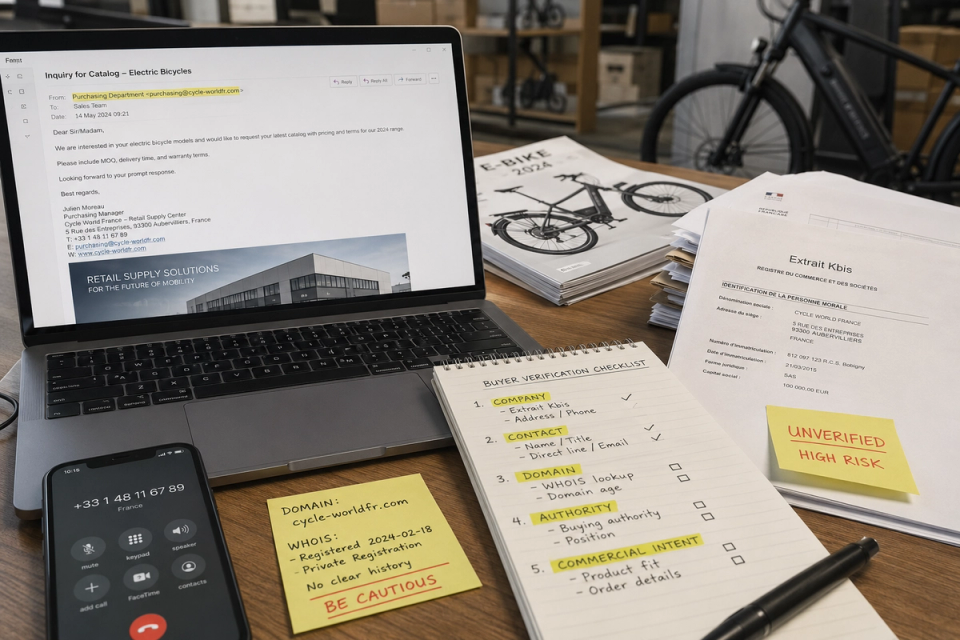
How We Verify B2B Buyers: A Case Study in Preventing Procurement Fraud & Impersonation
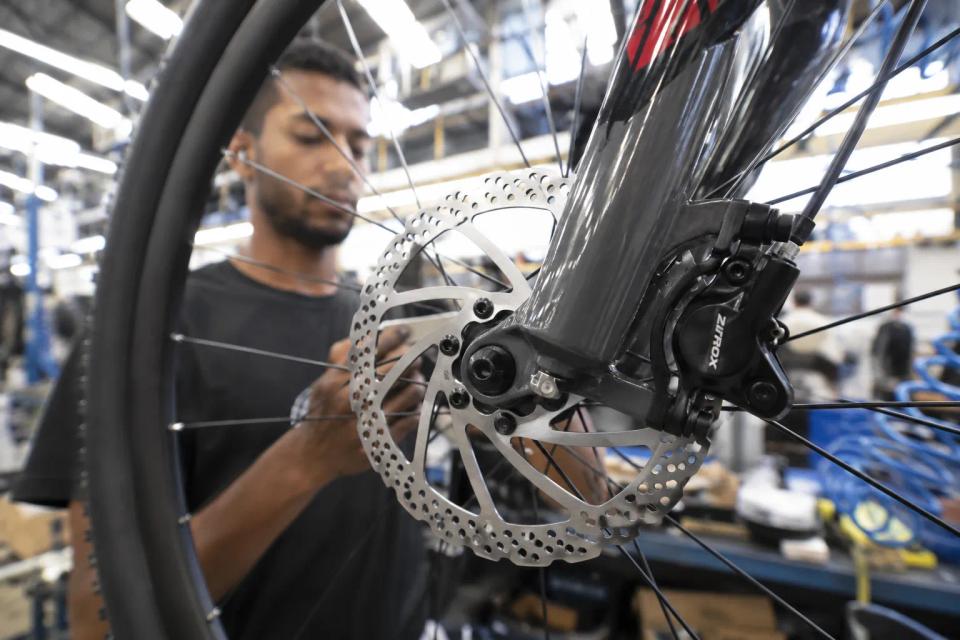
E-Bike Frame Sourcing for Brazil: Corrosion-Resistant 6061-T6 Aluminum for Tropical Fleets
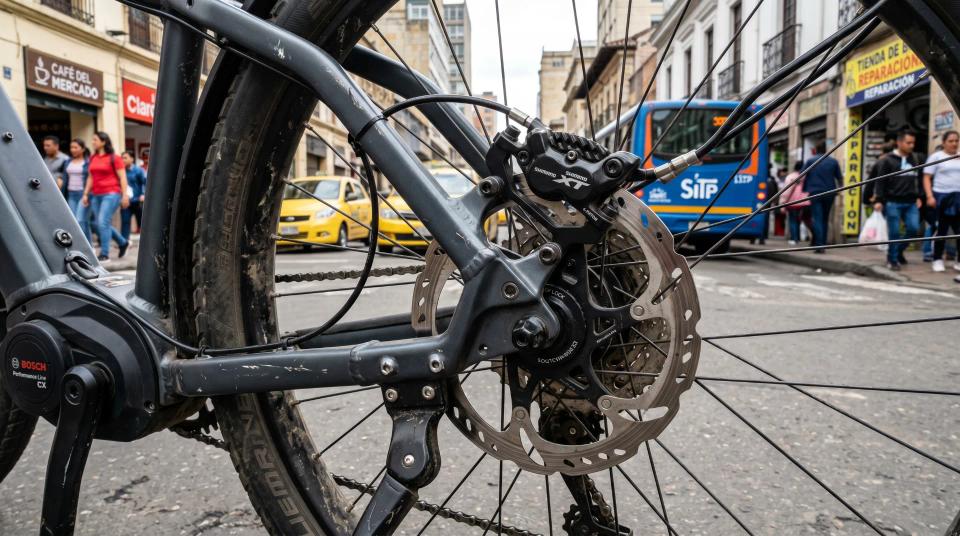
Commercial E-Bike Hydraulic Brakes: Heat Dissipation, 4-Piston Calipers & Mountain Fleets
Send your brief. We will field-note back.
Reply includes the feasibility view, sample cost, MOQ, and the next step for your project. We aim to respond within 48 hours.