

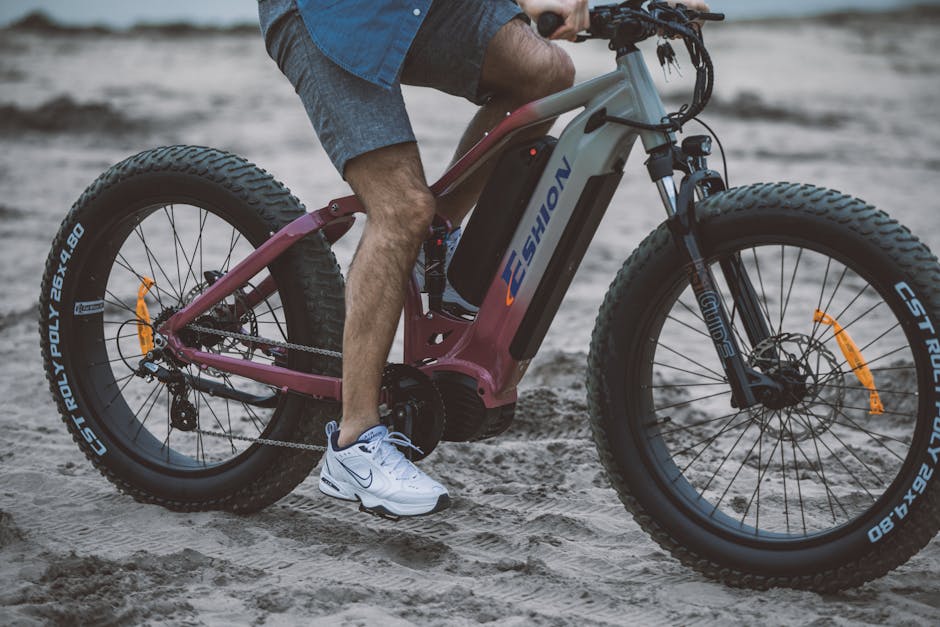
Als je al een tijdje elektrische fietscomponenten bij elkaar schenkt, weten de code voor bandegrootte uit een alphabetsoep bestaat. “24-inch” is een nominale diameter — maar het daadwerkelijke fit dependeert volledig van wat op het etiket staat na die cijfers. Dat is waar ERT0 voor komt.
ERT0 staat voor Europese Organisatie voor Banden en Ringen Techniek. Het is het gestandaardiseerde systeem dat je precies laat zien of een band passend is voor je ring. Een 24-inch elektrische fietsband draagt een ERT0-code zoals 47-507 of 50-507, waarbij het eerste cijfer de breedte in millimeter is en het tweede cijfer de bead seat diameter in millimeter. De “507” is het kritieke deel — dat is wat de mechanische compatibiliteit met je ring bepaalt.
Ik leerde dit de harde way een paar jaar geleden. Bestelde ik een grote hoeveelheid “24-inch-banden” voor een vloot van stedelijke leverfietsen, en de helft van hen waren 47-507 terwijl de motoren 50-507 nodig hadden. De bead seat diameter hadden geen match. Die banden zaten drie maanden in een magazijn terwijl we de retourlogistiek opgelosten. Het kostte meer dan het verschil in prijs op de oorspronkelijke bestelling.
Voor elektrische fietsen is het 24-inch-formaat gemeen in verschillende toepassingen: folding elektrische fietsen gebruiken het vanwege de kleinere wieldiameter die een compact frame vouwen mogelijk maakt; compacte stedelijke elektrische fietsen gebruiken het om dezelfde reden; sommige cargo elektrische fietsen gebruiken 24-inch achterwielen met 20-inch voorraden voor een lagere zwaartepunt; en bepaalde gespecialiseerde buurt-EVs gebruiken het als standaardformat. Het punt is, “24-inch” alleen vertelt bijna niets over de passendheid. Je hebt ERT0 nodig.
Als ik een 24-inch band beoordeel voor een elektrische fietstoepassing, stel ik deze vragen: Komt de ERT0 overeen met de ring? Wat is de gewichtsbeoordeling rekening houdend met het extra gewicht van motor en accu? Is de huidig genoeg om de koppelprofiel van een hubmotor af te dragen? En — praktisch — kan ik consistente levering in de volumes krijgen die ik nodig heb?
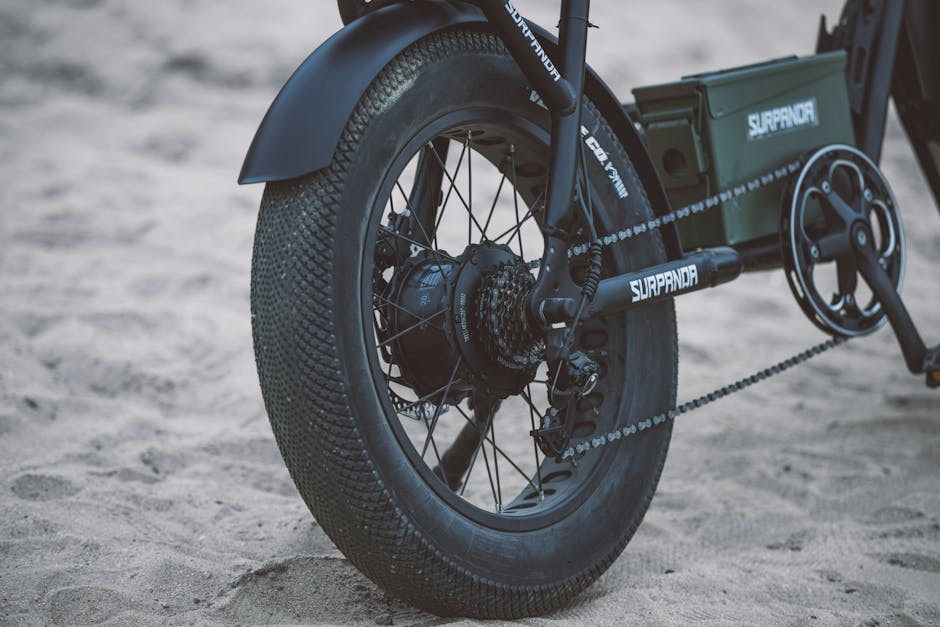
Je accucapaciteit en motorconfiguratie spelen ook een rol bij de selectie van banden — als je een complete elektrische fiets systeem specificatie, moet de band de weight van dit setup betrouwbaar kunnen dragen. , moet de band de weight van dat setup betrouwbaar kunnen dragen. De laatste vraag is belangrijker dan de meeste aankoopgidsen toegeven. Een technisch perfecte band die je leveraar slechts 200 eenheden tegelijkertijd kan leveren met een 12-weken levertijd is vaak erger dan een lichtere-duty alternatief dat betrouwbaar door je supply chain loopt. Vlootoperators leven en sterven met voorspelbaarheid., Fat tire elektrische fiets setups worden steeds vaker gebruikt in commerciële vlootoperaties. Foto door Motor TruckRun op Pexels.
Niet alle 24-inch banden zijn gelijkwaardig — en meer belangrijk, niet alle 24-inch banden dienen dezelfde klant. Als B2B-koper moet je de band matchen met het gebruiksgeval, niet één band vinden die "werkt voor alles". Zo’n band bestaat niet, en wie dat anders beweert is of leugent of nooit een echte vloot heeft bedreven.
Verkeers- en stedelijke banden.
Voor stedelijke lever- en commutatietoepassingen zie je meestal een breedte range van 24×1,75 tot 24×2,0. Deze banden prioriteren punctureverhoging en lage wrijving boven agressieve profielen. Ze zijn ontworpen voor glad of lichtgekoek asfalt, ze zijn rustig, en ze hebben tendentieel langere wearlevens omdat de compound harder is.
Ik kijk meestal naar een minimum van 60 TPI (draadjes per inch) voor stedelijke elektrische fietsgebruik. Lager TPI betekent een grover, zwaarder band dat meer gevoelig is voor knaken en een ruwere rijgedrag heeft. Hoger TPI — 120 TPI of meer op premium modellen — geeft een soepele huidig dat s’n water profielen opneemt en trillingen door de frame overbrengt. Voor een elektrische fiets met motor wil je die soepelheid omdat de motor al ongefelde ongemakte gewicht en mechanische complexiteit toevoegt.
Berg- en off-road banden.
24-inch mountainbanden voor elektrische fietsen zijn minder gemeen dan hun 26-inch en 27,5-inch tegenevelen, maar ze bestaan — vooral in de kinder- en jeugd mountain elektrische fietssegmenten en in sommige gespecialiseerde fat bike toepassingen. Als je zoekt naar een 24-inch e-mtB-band, kijk dan naar een band met agressief multi-richtingprofiel, versterkte sidewalls en een huidig ontworpen voor laagdoorlaatse drukking. Het 24×2,0 tot 24×4,0 bereik dekt de meeste fat bike configuraties.
Eén ding dat ik wil markeren: de off-road elektrische fietsbandmarkt evolueert snel, en de grenzen tussen "mountain bike" en "e-bike specifiek" ontwerpen vervagen. Traditionele mountain bike banden hebben vaak lichtere huidigheden geoptimaliseerd voor menskrachtklimmen. Elektrische fietsbanden moeten de directe koppeloverdracht van de motor en het hogere systeemgewicht kunnen dragen. Zorg dat wat je specificereert, e-bike gecertificeerd is — de meeste grote fabrikanten markeren expliciet e-bike compatibele banden.
Fat tire 24-inch.
Het fat tire segment is sterk gegroeid, gedreven door de populariteit van e-fat bikes voor strand- en sneeetoepassingen. Een 24×3,0 tot 24×4,8 band op een wide rim geeft floatatie die het fiets laten "plane" over zachte oppervlakken. Wat betreft aankoop, hebben fat banden meer ruwe materiaalinhoud (meer kauw per eenheid), dus de prijs en marge zien er anders uit dan standaard commutatietanden. Ze hebben ook specifieke ringbreedte-eisen — je kunt geen 4,8-inch band op een standaard ring plaatsen.
Vouwbaar vs. Rigide Bead.
Een onderscheiding die vaak in aankoopgesprekken komt: vouwbare bead versus rigide draad-bead. Vouwbare beaden gebruiken Kevlar of aramidevezels om een bead te maken die zich kan vouwen, wat de verzendvolume vermindert en het inventarisbeheer efficiënter maakt. Rigide draad-beadbanden zijn goedkoper te maken en licht robuust tegen bead-schade, maar ze zijn lastiger op te slaan en te verzenden in bulk.
Voor de meeste vloottoepassingen raad ik vouwbare beaden aan voor banden 24×2,0 en larger, vooral als je door retailkanalen distributeert waar winkels rekening houden met voorraadruimte en inventarisomloop. Het kostenverschil is meestal 5-15% afhankelijk van merk en volume.
Top 7 fabrikanten van 24-inch banden voor elektrische fietsen in 2026.
Hier moet ik oppassen voor balans. Ik ga de grote spelers in de 24-inch elektrische fietsbandmarkt door, en ik geef mijn eerlijk inzicht waar elk merk zit — inclusief beperkingen. Dit is geen gerankte lijst van winnaars. Het is een bronkaart.
1. Kenda.
Kenda is waarschijnlijk de meest gangbare 24-inch band in het budget tot mid-range elektrische fietsmarkt. Hun banden zijn consistent beschikbaar, de kwaliteit is voorspelbaar, en voor prijsgevoelige aankopen zijn ze lastig te verslaan. Kenda’s 24-inch line-up dekt commuter, mountain en fat bike formaten.
De beperking bij Kenda is dat ze een high-volume fabrikant zijn, en op het laagste deel van hun bereik kun je onconsistentie in kwaliteit tussen partijen zien. Ik heb dit gezien veroorzaken voor vlootoperators die Kenda specificeren voor grote volumebestellingen en dan een partij ontvangen die geen gelijke punctureweerstand hebben als hun vorige bestelling. De oplossing is om in containervolume direct bij Kenda of hun gemachtigde distributeurs te kopen, niet spot-kopen van meerdere distributiekanalen.
2. Cheng Shin Rubber (CST).
Cheng Shin — onder de CST-merk in Westelijke markten — is een van de grootste bandfabrikanten die je waarschijnlijk nooit hebt gehoord. Gevestigd in Taiwan, produceren ze een grote hoeveelheid banden voor veel grote Westelijke merken onder OEM-overeenkomsten. Hun 24-inch elektrische fietsbandbereik is uitgebreid en ze zijn concurrerend op prijs voor mid-volume kopers.
Wat ik waardeer aan CST van een aankoopperspectief is hun documentatievolume — productspecificaties zijn gedetailleerd en ze leveren partijniveau testdata voor grotere bestellingen. De nadelen zijn dat hun esthetische en marketingaanwezigheid in Westelijke markten minimaal zijn, wat kan spelen als je verkoopt aan consumenten die zorg dragen voor merkperceptie. Voor B2B white-label of house-brand programma’s is CST een uitstekende partner.
3. Bafang.
Bafang bezet een interessitie positie in het elektrische fietsecosysteem — ze zijn vooral bekend als motor- en aandrijvingfabrikant, maar ze hebben zich uitgebreid naar complete onderdeelsystemen, inclusief banden, uitgebreid. Hun 24-inch banden zijn specifiek ontworpen voor elektrische fietsintegratie, wat motorcompatibiliteit in de specificatie is ingebouwd. Meer informatie over
Bafang’s officiële elektrische fietsonderdeellijst Voor kopers die complete elektrische fietsaandrijvingspakketten aankopen, kunnen Bafang-banden de supply chain vereenvoudigen door leverancierrelaties samen te vatten. De beperking is dat Bafang een smalser bandbereik heeft dan gewijde bandfabrikanten, dus als je een zeer gespecialiseerde configuratie nodig hebt, hebben ze het mogelijk niet..
4. Schwalbe.
Schwalbe (Duits merk, deel van de Ralf Bohle groep) maakt wat ik overweeg als de premium tier in elektrische fietsbanden. Hun Marathon E Plus lijn wordt breed erkend als een van de meest duurzame en punctureverhardende elektrische fietsbanden beschikbaar, en ze engineer expliciet voor motorcompatibiliteit, hoge lastcapaciteit en lange servicelevens. Controleer
Schwalbe’s officiële elektrische fietsbandcatalogus voor huidige specificaties. De eerlijke beperking bij Schwalbe is prijs. Bij bulkvolume betaal je meestal 2-3 keer zoveel als equivalente Kenda of CST producten. Voor een premium vlootoperator die rekent op een high-end klantsegment, kan de economie werken — de Marathon E Plus banden duren aanzienlijk langer in stedelijke leverdienst, wat de totale kosten van eigendom kan verlagen. Voor een budgetgerichte operator is Schwalbe mogelijk aspirationeel eerather dan praktisch.
5. Michelin.
Michelin brengt hun automotive bandtechnologie uit naar de elektrische fietsmarkt. Hun Power Adventure en Power Cup lijnen dekken elektrische fietstoepassingen inclusief 24-inch formaten. De huidigkwaliteit is uitstekend, de kauwcompounds zijn gesofisticeerd, en hun milieu- en veiligheidssteststandaarden zijn strikt.
Waar Michelin zit in de markt is het mid-to-premium segment voor consumenten die het merk herkennen van auto’s en fietsen. Voor B2B-kopers vereist Michelin hogere minimumbestelvolumes en heeft ze langere levertijden dan Aziatische fabrikanten. Maar hun technische ondersteuning en garantieafhandeling zijn professioneel.
6. Maxxis.
Maxxis is het best bekend in de mountain bike wereld, maar ze hebben een steeds mature elektrische fietsbandlijn inclusief 24-inch formaten. Hun EXO en DD (DoubleDown) huidigtechnologieën zijn relevant voor zware elektrische fietstoepassingen. Voor kopers die richten op de prestatie- en off-road elektrische fietssegment, is Maxxis waardeer een ernstige kijk.
De nadruk: Maxxis dienst voornamelijk de prestatie/enduro markt, dus hun 24-inch commuter- of stedelijke lijn is dunner dan hun 26-inch en 27,5-inch aanbiedingen. Als je een catalogus bouwt die meerdere wielmaten omvat, vereist Maxxis mogelijk meerdere leverancierrelaties af te wachten.
7. Innova.
Innova is een minder bekend spelers dat ik hierin opneem omdat ze stilzwijgend OEM-contracten hebben opgepakt voor elektrische fietsfabrikanten, vooral in de 24-inch fat tire segment. Hun waardevoorstelling is concurrerende prijs met acceptabele kwaliteit voor lichte-duty toepassingen.
Ik zou Innova niet specificeren voor een high-mileage commerciële vloot zonder uitgebreide veldtesten. Maar voor lagere volume specialiteistoepassingen — buurt-EVs, campusfietsen, laagsnelige stedelijke voertuigen — kunnen ze een kostenefficiënte optie zijn.
24-inch bandspecificaties: Breedte, Ply en Terrain Match.
Laten we over specificaties praten, want dit is waar de meeste aankoopfouten gebeuren. Ik heb vlootkopers zien kiezen voor banden gebaseerd op prijs alleen, zonder te begrijpen hoe breedte, ply-rating en terraincompatibiliteit samenhangen.
Breedte en Ringcompatibiliteit.
Bandbreedte en ringbreedte moeten overeenkomen. De algemene regel is dat de binnenringbreedte ongeveer 40-60% van de bandbreedte moet zijn. Voor een 24×2,0 band (ongeveer 50mm breed) heb je een ring met een binnenbreedte van ongeveer 20-30mm. Voer een band dat te smal is voor je ring en riskeer je bead unseating en slechte behandeling. Voer een band dat te breed is voor je ring en de huidig wordt onstabiel, wat eeneven wear en vergrootte punctureriskantie veroorzaakt.
In elektrische fietstoepassingen is de extra gewicht en koppeloverdracht van de motor de passendheid van de bandbreedte nog belangrijker dan bij een conventionele fiets. Een band dat op de grens zit qua ringbreedte op een pedal fiets wordt een veiligheidsrisico op een elektrische fiets onder motorkoppel.
Ply en Huidigratings.
Elektrische fietsbanden gebruiken verschillende rating systemen. Het meest voorkomende:
TPI (Draadjes per Inch):
- Hoger TPI = lichtere, soepelere huidig (premium). Lager TPI = zwaarder, robuuster (waarde/elektrische fiets). Ply-rating:.
- In fat tire contexten zie je 4-ply, 6-ply of 8-ply ratings afgeleend van automotive/ATV standaarden. Meer plies = meer punctureverhardigend maar zwaarder en hogere wrijving. E-bike specifieke ratings:.
- Schwalbe, Continental en andere premium merken hebben specifieke e-bike rating systemen geïntroduceerd die testen voor koppelweerstand, gewichtscapaciteit en high-speed run (de "e" in e-bike betekent meestal dat de band heeft voldaan aan testen voor snelheden tot 50 km/u). Voor de meeste stedelijke lever- en commutatietoepassingen kijk ik naar:.
Huidig: minimum 60 TPI
- E-bike rating waar beschikbaar
- E-bike rating where available
- Width: matched to rim and use case
- Load index: at minimum, verify the tire’s load rating exceeds your fully loaded vehicle weight divided by two (since weight is split between front and rear)
Terrain Decision Matrix
Here’s a practical framework I use for matching tire specs to terrain — which brings us to the motor question. If you’re running a brushless hub motor setup, your torque profile is fundamentally different from a mid-drive, and that affects your casing choice more than most buyers realize.
| Terrain | Recommended Width | Tread Pattern | Pressure Range |
|---|---|---|---|
| Smooth urban asphalt | 24×1.75 to 24×2.0 | Slick or shallow file | 50-70 PSI |
| Mixed urban (some cracks) | 24×2.0 to 24×2.35 | Light file tread | 40-60 PSI |
| Gravel paths | 24×2.0 to 24×2.5 | File or small knob | 30-50 PSI |
| Off-road/mountain | 24×2.1 to 24×2.6 | Multi-directional knobs | 20-40 PSI |
| Fat bike (sand/snow) | 24×3.0 to 24×4.8 | Aggressive knobs | 8-20 PSI |
The terrain your customer’s vehicles actually operate on will determine everything else. This is where getting out of the spreadsheet and actually riding the routes matters. I’ve seen too many buyers spec tires for “urban use” without defining whether that means smooth bike lanes or rough last-mile delivery paths. The spec changes dramatically.
Tube vs Tubeless: Which 24-Inch Setup for Your E-Bike?
This is the question I’m asked most often by fleet operators making the transition from conventional bikes to e-bikes. The answer has evolved significantly in the past three years.
Traditional Tube-Type Systems
The majority of 24-inch e-bike tires on the market today are still tube-type — they require a separate inner tube installed inside the tire casing. This system is simpler to repair in the field, tubes are cheap and universally available, and the tire options are far more numerous.
For B2B fleet operations, the practical advantage of tube-type systems is maintenance simplicity. Any mechanic can change a tube in under five minutes with basic tools. Tubeless repair requires sealant, specific rim configurations, and more specialized training. If your fleet is maintained by multiple technicians across different locations, tube-type systems offer a significant operational advantage.
The downside is puncture resistance. Even with thorn-resistant or self-sealing tubes, tube-type systems are more vulnerable to flats than properly set up tubeless systems.
Tubeless Ready Systems
Tubeless-compatible 24-inch tires are increasingly available from major brands. In a tubeless setup, the tire seats tightly against the rim with an airtight seal, and you fill the cavity with liquid sealant that automatically seals small punctures as they occur. The system was pioneered in mountain biking and has migrated to e-bike applications because commercial operators started demanding it.
The numbers are compelling. In real-world fleet testing, well-maintained tubeless systems can reduce puncture-related downtime by 60-80% compared to tube-type systems in the same operating environment. For a delivery fleet where every flat costs money in labor and missed deliveries, that’s a significant total cost of ownership advantage.
But here’s the complication: tubeless requires specific rim hardware. Your rims must be tubeless-ready (which means a specific rim bed design and valve stem configuration), and you need to carry sealant and injector tools for field repairs. The system also requires periodic maintenance — sealant degrades over time and needs refreshing, typically every 3-6 months depending on climate.
My Recommendation for 24-Inch E-Bike Fleets
For most commercial 24-inch e-bike fleets, I recommend a pragmatic middle path: use tubeless-ready tires on tubeless-ready rims, but keep a tube as a spare in the vehicle. This gives you the puncture resistance advantage of tubeless for day-to-day operations while preserving a simple backup repair path if you encounter a catastrophic puncture that sealant can’t handle.
The only scenario where I’d recommend staying with pure tube-type is if your maintenance operation is not yet equipped to handle tubeless — if your technicians aren’t trained, your rims aren’t tubeless-compatible, and your inventory system can’t accommodate the additional complexity. Don’t adopt tubeless just because it’s trendy. Adopt it when your operations are ready.
B2B Buying Guide: MOQ, Pricing Tiers, and OEM Requirements
Now let’s talk about the commercial side, because the technical specs only matter if you can source the product reliably and at a price that makes your business work.
Minimum Order Quantities
MOQ structures for 24-inch e-bike tires vary significantly by manufacturer and by whether you’re buying direct or through distribution:
- Asian manufacturers (Kenda, CST, Maxxis Asia): Container-load MOQ typically 20ft = 1,000-2,000 units depending on tire size and packaging. Some distributors offer mixed-SKU 20ft containers starting at 500-800 units total.
- European manufacturers (Schwalbe, Continental): Typically higher MOQ for direct orders, minimum 500-1,000 units per SKU. Distributor network orders may allow lower per-SKU quantities with price premiums.
- OEM programs: Full container loads, typically 1x40ft = 2,500-4,000 units per SKU minimum. OEM programs require significant commitment and typically involve 6-12 month development timelines for custom specifications.
For most independent B2B buyers starting out, working through a distributor rather than direct-to-manufacturer gives you flexibility on MOQ while still accessing competitive pricing. As your volumes grow, direct container programs become viable and can reduce unit costs by 15-30%.
Pricing Tiers
Based on recent sourcing data for 24-inch e-bike tires, here’s the approximate wholesale pricing landscape:
- Budget tier (Kenda, CST basic models, Innova): FOB Asia $4-8 per tire at container volume
- Mid tier (Kenda premium, CST performance, Bafang e-bike specific): FOB Asia $8-15 per tire at container volume
- Premium tier (Schwalbe Marathon E Plus, Michelin Power E, Continental RideTour): FOB Asia $18-35 per tire; distrieerprijs in Westelijke markten meestal $25-50 per band
Deze zijn richtingsgewijze cijfers. Daadwerkelijke prijzen afhankelijk van volume, betaalvoorwaarden, of u kiest voor EXW, FOB, CIF of DDP, en huidige grondstofstanden. Rubberprijzen fluctueren, en bandprijzen volgen ze met een vertraging van meestal 2-4 maanden.
Ik raad aan om FOB-prijsverzoeken op minstens twee incoterms-basis voordat u een grote bestelling doorloopt. Een band die $6 FOB Asia is geciteerd, kan daadwerkelijk duurder zijn beland dan een $12-band die CIF uw haven is geciteerd, afhankelijk van de transportkosten.
OEM- en Aangepaste Specificatieprogramma’s
Als u voldoende volume koopt – meestal 5.000+ eenheden per jaar across SKUs – werken de meeste grote fabrikanten samen met u op aangepaste specificaties. Dit omvat:
- Aangepaste bandcompounds die zijn geoptimaliseerd voor uw werkomgeving
- Propriëtaire casingsconfiguraties of bead designs
- Aangepaste branding (uw logo, hun merk, of volledige private label)
- Aangepaste verpakking voor detailhandel of fleet distributie
OEM-programma’s vereisen meestal een 12-18 maanden toewijding, investering in gereedschap of molden (die worden geamortiseerd of terugbetaald bij volume), vaststelling van specificaties voor productie, en betaalvoorwaarden die de fabrikant favoriseren (vaak 30% aan deelneming, 70% voor zending).
Het voordeel van OEM is margebeheersing en merkdifferentiatie. Het risico is inventariscommitment. Een foute specificatie in een OEM-bestelling is duur.
Betaalvoorwaarden en Valuta
De meeste Aziatische bandfabrikanten citeren in USD en verwachten T/T-betaling (30% aan deelneming, 70% voor zending). L/C bij voorraad of D/P zijn mogelijk voor gevestigde relaties. Wees uitgelokken voor valutarisico als u koopt in USD maar verkoopt in EUR of GBP – het is raadzaam om hedging of FX-contingentie in uw prijs in te bouwen.
Veelgestelde vragen
Q: Wat is een 24 inch band in ERT0?
A: Het ERT0-systeem drukt de afmetingen van een band uit als breedte in millimeter gevolgd door de bead seat diameter in millimeter. Voor een 24-inch elektrofietband zijn gangbare ERT0-matigheden 47-507, 50-507, 54-507 en 62-507. Het “507” is de bead seat diameter – de kritieke maat voor ringcompatibiliteit. Match altijd ERT0-codes, niet alleen de nominele “24-inch” grootte.
Q: Is een 24 inch band geschikt voor e-bike?
A: 24-inch banden zijn goed geschikt voor specifieke e-bike-toepassingen, zoals folding e-bikes, compacte stedfietsen, cargo e-bikes (vaak als achterrad), en fat bikes. De 24-inch diameter biedt voordelen in framegeometrie voor compacte ontwerpen en bij bepaalde cargoconfiguraties. Het belangrijkste is om de bandbreedte, laadcapaciteit en casingssterkte aan te passen aan uw specifieke e-bike’s motor systeem en bedoelde gebruik.
Q: Wat is het verschil tussen 24×1.75 en 24×2.0?
A: Het verschil ligt vooral in breedte en volume. Een 24×1.75-band is ongeveer 44mm breed wanneer gemonteerd en opgepompt, terwijl een 24×2.0 ongeveer 50mm breed is. De brendere band biedt licht beter trillingend absorberen, lager rollweerstand op onvolledige oppervlakken, en hogere laadcapaciteit. De smalere band heeft licht lagere rollweerstand op gladde oppervlakken en is lichter. Voor e-bike-toepassingen met motorkoppeling is de 24×2.0 meestal de meer veelzijdige keuze voor stedelijk gebruik.
Q: Welke merken maken 24 inch e-bike banden?
A: Grote fabrikanten die 24-inch e-bike-banden produceren, zijn Kenda, Cheng Shin (CST), Bafang, Schwalbe, Michelin, Maxxis en Innova. Elk dient verschillende marktsegmenten – Kenda en CST voor budgettot mid-range, Schwalbe en Michelin voor premium, Bafang voor geïntegreerde e-bike-systemen. De juiste merk afhankelijk van uw prijspunt, volume en doelmarkt.
Q: Hoe veel kost een 24 inch band groothandel?
A: Groothandelprijzen voor 24-inch e-bike-banden liggen ongeveer op $4-8 per eenheid voor budgettierbanden bij containervolume, $8-15 voor mid-tieropties, en $18-35 voor premiummerken zoals Schwalbe, allemaal gebaseerd op FOB Asia-prijs. Daadwerkelijke belandkosten variëren aanzienlijk afhankelijk van incoterms, transportkosten, douances en uw bestelvolume. Vraag altijd prijsopdrachten op minstens twee incoterms-basis en reken de totale belandkosten mee, niet alleen de eenheidsprijs.
Q: Can I use a 24-inch tire with a hub motor?
A: Yes, but you need to verify that the tire is e-bike rated and that the load index meets your vehicle’s requirements. Hub motors place different stresses on tires than conventional wheel setups — the motor’s torque is delivered directly to the wheel, and the motor’s weight adds unsprung mass. Look for tires specifically labeled as e-bike compatible, and ensure the load rating exceeds your fully loaded vehicle weight per wheel.
Prices vary by region, order quantity, and manufacturer. Contact suppliers directly for FOB quotes. Tire specifications may vary between production batches. Always request samples before bulk orders.



 English
  Spanish
  Portuguese
  Russian
  Arabic
  French
  Dutch
Dutch  German
  Danish
