

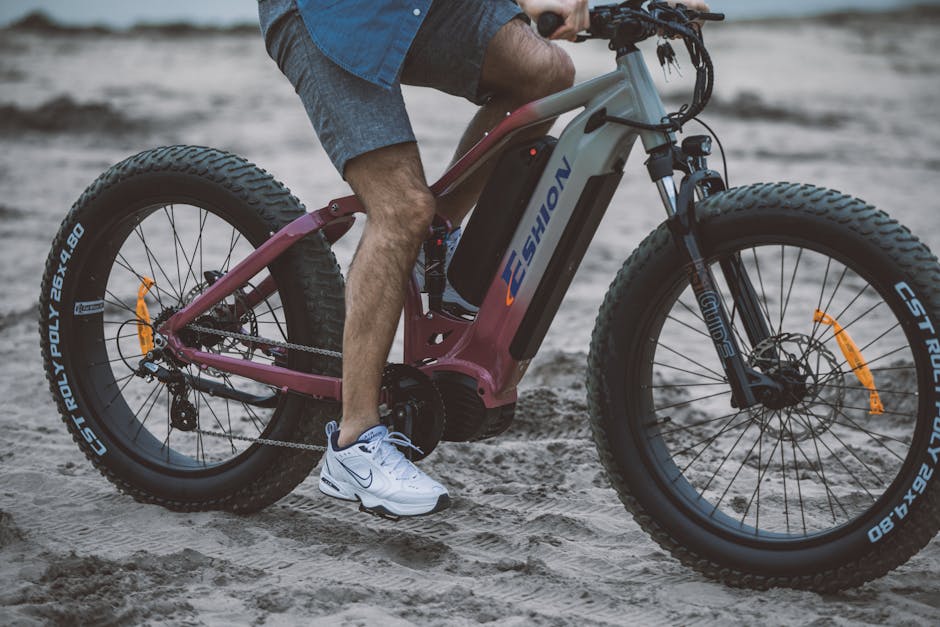
Si has estado abasteciendo componentes de bicicletas eléctricas durante algún tiempo, ya sabes que los códigos de tamaño de neumáticos se parecen a una sopa de letras. “24 pulgadas” es un diámetro nominal, pero el ajuste real depende completamente de lo que diga la etiqueta después de esos números. Ahí es donde entra ERT0.
ERT0 significa European Tire and Rim Technical Organization. Es el sistema de tamaño estandarizado que te dice exactamente si un neumático funcionará con tu radio. Un neumático de 24 pulgadas para bicicleta eléctrica llevará un código ERT0 como 47-507 o 50-507, donde el primer número es el ancho en milímetros y el segundo es el diámetro de asiento de la veta en milímetros. El “507” es la parte crítica: eso es lo que determina la compatibilidad mecánica con tu radio.
Aprendí esto a mi costa hace unos años. Pedí un envío al por mayor de “neumáticos de 24 pulgadas” para una flota de bicicletas de entrega urbanas, y la mitad eran 47-507 mientras que los motores necesitaban 50-507. El diámetro de asiento de la veta no coincidía. Esos neumáticos se quedaron en un almacén durante tres meses mientras resolvíamos la logística de devolución. Costó más que la diferencia de precio en el pedido original.
Para bicicletas eléctricas específicamente, el formato de 24 pulgadas es común en varias aplicaciones distintas: las bicicletas plegables usan 24 pulgadas porque el diámetro de rueda más pequeño permite un plegado de cuadro compacto; las bicicletas urbanas compactas lo usan por la misma razón; algunas bicicletas de carga usan ruedas traseras de 24 pulgadas con delanteras de 20 pulgadas para un centro de gravedad más bajo; y ciertos vehículos EV especializados del vecindario lo usan como formato estándar. El punto es que “24 pulgadas” solo te dice casi nada sobre el ajuste. Necesitas ERT0.
Cuando evalúo un neumático de 24 pulgadas para una aplicación de bicicleta eléctrica, las preguntas que hago son: ¿Coincide el ERT0 con la radio? ¿Cuál es la capacidad de peso considerando la masa agregada de un motor y una batería? ¿Es lo suficientemente fuerte el casco para manejar el perfil de torque de un motor central? ¿Y —prácticamente—, puedo obtener un suministro consistente en los volúmenes que necesito?
Tu capacidad de batería y configuración del motor también juegan un papel en la selección de neumáticos; si estás especificando un sistema completo de bicicleta eléctrica, el neumático debe manejar el peso de ese sistema de manera confiable. La última pregunta es más importante de lo que la mayoría de las guías de adquisición lo admite. Un neumático técnicamente perfecto que tu proveedor solo puede entregar en 200 unidades a la vez con un plazo de 12 semanas a menudo es peor que una alternativa ligeramente más resistente que fluye de manera confiable a través de tu cadena de suministro. Los operadores de flotas viven y mueren por la predecibilidad.
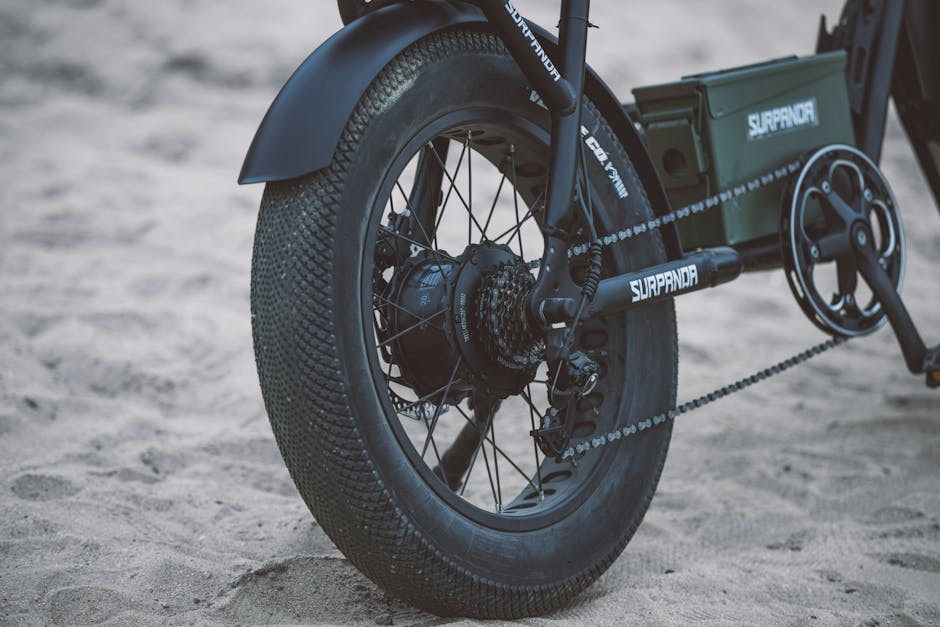
Tipos de neumáticos de 24 pulgadas: ¿Cuál necesita tu mercado?
No todos los neumáticos de 24 pulgadas son iguales; y más importante, no todos los neumáticos de 24 pulgadas sirven para el mismo cliente. Como comprador B2B, tu trabajo es emparejar el neumático con el caso de uso, no encontrar un neumático que “funcione para todo”. Ese neumático no existe, y cualquiera que te diga lo contrario está mintiendo o no ha operado una flota real.
Neumáticos de commuter y urbano
Para aplicaciones de entrega y commuter urbanas, lo que normalmente ves es un rango de anchos de 24×1.75 a 24×2.0. Estos neumáticos priorizan la resistencia a puncturas y la baja resistencia a la rodadura sobre texturas agresivas. Están diseñados para asfalto liso o ligeramente agrietado, son silenciosos y tienden a tener vidas de desgaste relativamente largas porque la composición es más dura.
Generalmente busco un mínimo de 60 TPI (hilos por pulgada) en el casco para uso de bicicleta eléctrica urbana. Un TPI más bajo significa un neumático más grueso y áspero que es más propenso a cortes y tiene una calidad de marcha más dura. Un TPI más alto —120 TPI o más en modelos premium— da un casco flexible que se adapta a imperfecciones en la carretera y reduce la vibración transmitida a través del cuadro. Para una bicicleta eléctrica con motor, quieres esa flexibilidad porque el motor ya está agregando peso y complejidad mecánica no suspendida.
Neumáticos de montaña y off-road
Los neumáticos de montaña de 24 pulgadas para bicicletas eléctricas son menos comunes que sus contrapartes de 26 y 27.5 pulgadas, pero existen —principalmente en el segmento de niños y bicicletas eléctricas de montaña juveniles, y en algunas aplicaciones especializadas de bicicletas gruesas. Si estás abasteciendo para una bicicleta eléctrica de montaña de 24 pulgadas, busca un neumático con textura agresiva multidireccional, paredes laterales reforzadas y un casco diseñado para funcionar a presión baja. El rango 24×2.0 a 24×4.0 cubre la mayoría de las configuraciones de bicicletas gruesas.
Una cosa que debo mencionar: el mercado de neumáticos para off-road en bicicletas eléctricas está evolucionando r.
Neumáticos gruesos de 24 pulgadas
El segmento de neumáticos gruesos ha crecido significativamente, impulsado por la popularidad de las bicicletas eléctricas gruesas para aplicaciones de playa y nieve. Un neumático de 24×3.0 a 24×4.8 en una radio ancha da flotación que permite que la bicicleta "planeé" sobre superficies blandas. En términos de abastecimiento, los neumáticos gruesos tienen un mayor contenido de materia prima (más caucho por unidad), por lo que los precios y márgenes son diferentes que los neumáticos de commuter estándar. También tienen requisitos específicos de anchura de radio; no puedes poner un neumático de 4.8 pulgadas en una radio estándar.
Neumático doblable vs. cuentas rígidas
Una distinción que surge con frecuencia en conversaciones de abastecimiento: cuentas doblables vs. cuentas de alambre rígidas. Las cuentas doblables usan fibras de Kevlar o aramida para crear una cuenta que se dobla, lo que reduce el volumen de envío y hace más eficiente la manipulación de inventario. Los neumáticos con cuentas de alambre rígido son más baratos de fabricar y ligeramente más robustos contra daños en las cuentas, pero son más difíciles de almacenar y enviar al por mayor.
Para la mayoría de aplicaciones de flotas, recomiendo cuentas doblables para neumáticos de 24×2.0 y superiores, especialmente si estás distribuyendo a través de canales minoristas donde las tiendas necesitan manejar el espacio de estantería y la rotación de inventario. El diferencial de costo típicamente es del 5-15% dependiendo de la marca y el volumen.
Principales 7 fabricantes de neumáticos de 24 pulgadas para bicicletas eléctricas en 2026
Aquí es donde debo tener cuidado con el equilibrio. Voy a recorrer a los principales actores en el mercado de neumáticos de 24 pulgadas para bicicletas eléctricas, y te doy mi opinión honesta sobre dónde se sitúa cada marca —incluyendo las limitaciones. Esta no es una lista de ganadores. Es un mapa de abastecimiento.
1. Kenda
Kenda es probablemente el neumático de 24 pulgadas más ampliamente abastecido en el mercado de gama baja a media para bicicletas eléctricas. Sus neumáticos están disponibles de manera consistente, la calidad es predecible, y para adquisiciones sensibles al precio son difíciles de superar. La línea de 24 pulgadas de Kenda cubre formatos de commuter, montaña y bicicletas gruesas.
La limitación con Kenda es que son un fabricante de alto volumen, y en la gama baja es posible obtener calidades inconsistentes entre lotes. He visto esto causar problemas para operadores de flotas que especifican Kenda para pedidos de gran volumen y luego reciben un lote que no cumple con la misma resistencia a puncturas que su pedido anterior. La solución es comprar en volúmenes de contenedor directamente de Kenda o sus distribuidores autorizados, no hacer pedidos puntuales desde múltiples canales de distribución.
2. Cheng Shin Rubber (CST)
Cheng Shin —operando bajo la marca CST en mercados occidentales— es uno de los mayores fabricantes de neumáticos que probablemente nunca hayas escuchado. Con sede en Taiwán, producen un gran volumen de neumáticos para muchas marcas occidentales principales bajo arreglos OEM. Su gama de 24 pulgadas para bicicletas eléctricas es extensa y son competitivos en precio para compradores de volumen medio.
Lo que aprecio de CST desde el punto de vista de la cadena de suministro es la calidad de la documentación —las hojas de especificaciones de productos son detalladas y proporcionan datos de prueba a nivel de lote para pedidos más grandes. La desventaja es que su presencia estética y de marketing en mercados occidentales es mínima, lo que puede importar si estás vendiendo a consumidores que se preocupan por la percepción de marca. Para programas B2B de marca blanca o marca propia, CST es un socio excelente.
3. Bafang
Bafang ocupa una posición interesante en el ecosistema de bicicletas eléctricas: son conocidos principalmente como fabricantes de motores y sistemas de transmisión, pero han expandido su línea a sistemas de componentes completos incluyendo neumáticos. Sus neumáticos de 24 pulgadas están diseñados específicamente para la integración con el motor, lo que significa que la compatibilidad con el motor está integrada en las especificaciones. Aprende más sobre la línea oficial de componentes de bicicleta eléctrica de Bafang.
Para compradores que abastecen paquetes completos de sistemas de transmisión de bicicleta eléctrica, los neumáticos de Bafang pueden simplificar la cadena de suministro consolidando relaciones de proveedores. La limitación es que la gama de neumáticos de Bafang es más estrecha que la de fabricantes de neumáticos dedicados, por lo que si necesitas una configuración altamente especializada, es posible que no los tengan.
4. Schwalbe
Schwalbe (marca alemana, parte del grupo Ralf Bohle) hace lo que considero la gama premium de neumáticos para bicicletas eléctricas. Su línea Marathon E Plus es ampliamente reconocida como uno de los neumáticos más duraderos y resistentes a puncturas disponibles para bicicletas eléctricas, y ellos diseñan explícitamente para compatibilidad con motor, capacidad de carga alta y larga vida útil. Consulta el catálogo oficial de neumáticos para bicicletas eléctricas de Schwalbe para especificaciones actuales.
La limitación honesta con Schwalbe es el precio. Al volumen mayor, normalmente estás pagando 2-3 veces lo que pagarías por productos Kenda o CST equivalentes. Para un operador de flota premium que apunte a un segmento de clientes de alta gama, la economía puede funcionar —los neumáticos Marathon E Plus duran significativamente más en servicio de entrega urbana, lo que puede reducir el costo total de propiedad. Para un operador orientado a presupuesto, Schwalbe puede ser aspiracional más que práctico.
5. Michelin
Michelin aporta su herencia de ingeniería de neumáticos automotrices al mercado de bicicletas eléctricas. Sus líneas Power Adventure y Power Cup cubren aplicaciones de bicicletas eléctricas incluyendo formatos de 24 pulgadas. La calidad del casco es excelente, las composiciones de caucho son sofisticadas y sus estándares de prueba ambiental y de seguridad son rigurosos.
Donde se encaja Michelin en el mercado es en el segmento medio a premium para consumidores que reconocen la marca de automóviles y bicicletas. Para compradores B2B, Michelin normalmente requiere cantidades mínimas de pedido más altas y tiene plazos de entrega más largos que los fabricantes asiáticos. Pero su soporte técnico y manejo de garantías son de calidad profesional.
6. Maxxis
Maxxis es mejor conocida en el mundo de las bicicletas de montaña, pero tienen una línea de neumáticos para bicicletas eléctricas cada vez más madura incluyendo formatos de 24 pulgadas. Sus tecnologías de casco EXO y DD (DoubleDown) son relevantes para aplicaciones de bicicletas eléctricas más pesadas. Para compradores que apuntan al segmento de rendimiento y off-road para bicicletas eléctricas, Maxxis vale la pena una mirada seria.
La cautela: Maxxis sirve principalmente el mercado de rendimiento/enduro, por lo que su gama de commuter o urbana de 24 pulgadas es más delgada que sus ofertas de 26 y 27.5 pulgadas. Si estás construyendo un catálogo que abarque múltiples tamaños de rueda, Maxxis puede requerir manejar múltiples relaciones de proveedores.
7. Innova
Innova es un actor menos conocido que incluyo aquí porque han estado ganando contratos OEM para fabricantes de bicicletas eléctricas, particularmente en el segmento de neumáticos gruesos de 24 pulgadas. Su propuesta de valor es un precio competitivo con calidad aceptable para aplicaciones de baja demanda.
No especificaría Innova para una flota comercial de alta millaje sin pruebas de campo extensivas primero. Pero para aplicaciones especiales de volumen bajo —bicicletas del campus, vehículos urbanos de baja velocidad— pueden ser una opción asequible.
Especificaciones de neumáticos de 24 pulgadas: Ancho, capas y coincidencia de terreno
Hablemos de especificaciones, porque es aquí donde la mayoría de los errores de compra ocurren. He visto a compradores de flotas elegir neumáticos basados solo en el precio, sin entender cómo interactúan el ancho, la clasificación de capas y la compatibilidad con terreno.
Ancho y compatibilidad con radio
El ancho del neumático y el ancho de la radio deben coincidir. La regla general es que el ancho interior de la radio debe ser aproximadamente del 40-60% del ancho inflado del neumático. Para un neumático 24×2.0 (aproximadamente 50 mm de ancho), necesitas una radio con un ancho interior de aproximadamente 20-30 mm. Usar un neumático demasiado estrecho para tu radio arriesgas el desasiento de la cuenta y una manejo deficiente. Usar un neumático demasiado ancho para tu radio hará que el casco sea inestable, lo que lleva a un desgaste irregular y un mayor riesgo de punctura.
En aplicaciones de bicicleta eléctrica, el peso agregado y la entrega de potencia hacen que la coincidencia correcta del ancho sea aún más crítica que en una bicicleta convencional. Un neumático que está en el límite con el ancho de la radio en una bicicleta a pedales se convierte en un problema de seguridad en una bicicleta eléctrica bajo torque del motor.
Capas y calificaciones de casco
Los neumáticos para bicicletas eléctricas usan varios sistemas de calificación. Lo más común que encontrarás:
- TPI (Hilos por Pulgada): TPI alto = casco más ligero y flexible (premium). TPI bajo = casco más pesado y más robusto (valor/para bicicletas eléctricas).
- Calificación de capas: En contextos de neumáticos gruesos, verás calificaciones de 4-capas, 6-capas o 8-capas inspiradas en estándares automotrices/ATV. Más capas = más resistente a puncturas pero más pesado y mayor resistencia a la rodadura.
- Calificaciones específicas para bicicleta eléctrica: Schwalbe, Continental y otras marcas premium han introducido sistemas de calificación específicos para bicicletas eléctricas que prueban la resistencia al torque, capacidad de carga y carrera a alta velocidad (la “e” en bicicleta eléctrica normalmente significa que el neumático ha pasado pruebas para velocidades hasta 50 km/h).
Para la mayoría de aplicaciones de entrega y commuter para bicicletas eléctricas urbanas, busco:
- Casco: mínimo 60 TPI
- Calificación para bicicleta eléctrica donde esté disponible
- Ancho: adaptado al aro y al caso de uso
- Índice de carga: como mínimo, verifique que la capacidad de carga del neumático exceda el peso total del vehículo cargado dividido por dos (ya que el peso se divide entre delante y detrás)
Matriz de decisión de terreno
Aquí tienes un marco práctico que uso para emparejar las especificaciones del neumático con el terreno — y llegamos a la cuestión del motor. Si estás usando un sistema de motor de rueda sin escobillas, tu perfil de torque es fundamentalmente diferente de un motor central, y eso afecta tu elección de carcasa más de lo que la mayoría de los compradores piensan.
| Terreno | Ancho recomendado | Patrón de banda | Rango de presión |
|---|---|---|---|
| Asfalto urbano liso | 24×1.75 a 24×2.0 | Planicé o filete superficial | 50-70 PSI |
| Urbano mixto (algunos astilleros) | 24×2.0 a 24×2.35 | Banda de filete ligera | 40-60 PSI |
| Caminos de grava | 24×2.0 a 24×2.5 | Filete o pequeños pernos | 30-50 PSI |
| Todo terreno/montaña | 24×2.1 a 24×2.6 | Perfiles multidireccionales | 20-40 PSI |
| Bicicleta de panza (arena/nieve) | 24×3.0 a 24×4.8 | Perfiles agresivos | 8-20 PSI |
El terreno donde sus vehículos clientes operan realmente determinará todo lo demás. Aquí es donde salir de la hoja de cálculo y recorrer realmente las rutas en bicicleta importa. He visto demasiados compradores especificar neumáticos para “uso urbano” sin definir si eso significa carriles de bicicleta lisos o rutas de entrega de última milla irregular. La especificación cambia drásticamente.
Tubo vs Tubeless: ¿Qué configuración de 24 pulgadas es la adecuada para tu e-bike?
Esta es la pregunta que más se hace con frecuencia por parte de operadores comerciales al pasar de bicicletas convencionales a e-bikes. La respuesta ha evolucionado significativamente en los últimos tres años.
Sistemas tradicionales de tubo
La mayoría de los neumáticos de e-bike de 24 pulgadas que hay en el mercado hoy en día son de tipo tubo — requieren un tubo interior separado instalado dentro del caso del neumático. Este sistema es más fácil de reparar en el campo, los tubos son baratos y universalmente disponibles, y las opciones de neumáticos son mucho más numerosas.
Para operaciones B2B, la ventaja práctica de los sistemas de tipo tubo es la simplicidad del mantenimiento. Cualquier mecánico puede cambiar un tubo en menos de cinco minutos con herramientas básicas. La reparación tubeless requiere sello, configuraciones de radios específicas y más capacitación especializada. Si su flota es mantenida por múltiples técnicos en diferentes ubicaciones, los sistemas de tipo tubo ofrecen una ventaja operativa significativa.
La desventaja es la resistencia a puncturas. Incluso con tubos resistentes a espinas o auto-sellantes, los sistemas de tipo tubo son más vulnerables a pinchazos que los sistemas tubeless correctamente configurados.
Sistemas listos para tubeless
Los neumáticos de 24 pulgadas compatibles con tubeless están disponibles cada vez más de las marcas principales. En un sistema tubeless, el neumático se ajusta firmemente contra la radio con una sella hermética, y llenas la cámara con sello líquido que sella automáticamente los pinchazos pequeños cuando ocurren. El sistema fue pioneerado en mountain biking y ha migrado a aplicaciones de e-bike porque los operadores comerciales comenzaron a demandarlo.
Los números son contundentes. En pruebas reales de flota, los sistemas tubeless bien mantenidos pueden reducir el tiempo de inactividad por puncturas en un 60-80% en comparación con los sistemas de tipo tubo en el mismo entorno operativo. Para una flota de entrega donde cada neumático pinchado cuesta dinero en mano de obra y entregas fallidas, eso es una ventaja significativa en costos totales de propiedad.
Pero aquí está la complicación: tubeless requiere hardware de radio específico. Tus radios deben ser compatibles con tubeless (lo que significa un diseño específico de la cama de la radio y configuración de vástago), y necesitas llevar sello e instrumentos de inyección para reparaciones en el campo. El sistema también requiere mantenimiento periódico — el sello se degrada con el tiempo y necesita renovarse, normalmente cada 3-6 meses dependiendo del clima.
Mi recomendación para flotas de e-bike de 24 pulgadas
Para la mayoría de las flotas comerciales de e-bike de 24 pulgadas, recomiendo un camino medio pragmático: usa neumáticos listos para tubeless en radios listas para tubeless, pero lleva un tubo como repuesto en el vehículo. Esto te da la ventaja de resistencia a puncturas de tubeless para operaciones diarias, manteniendo un camino de reparación simple como respaldo si encounteres un pinchazo catastrófico que el sello no puede manejar.
El único escenario donde recomendaría quedarse con tipo tubo puro es si tu operación de mantenimiento aún no está equipada para manejar tubeless — si tus técnicos no están capacitados, tus radios no son compatibles con tubeless, y tu sistema de inventario no puede acomodar la complejidad adicional. No adoptes tubeless solo porque es tendencia. Adóptalo cuando tus operaciones estén listas.
Guía de compra B2B: MOQ, escalas de precios y requisitos OEM
Ahora hablamos del lado comercial, porque las especificaciones técnicas solo importan si puedes obtener el producto de manera confiable y a un precio que haga funcionar tu negocio.
Cantidades mínimas de pedido (MOQ)
Las estructuras de MOQ para neumáticos de e-bike de 24 pulgadas varían significativamente por fabricante y por si estás comprando directo o a través de distribución:
- Fabricantes asiáticos (Kenda, CST, Maxxis Asia): MOQ de carga de contenedor típica 20ft = 1,000-2,000 unidades dependiendo del tamaño del neumático y empaquetado. Algunos distribuidores ofrecen contenedores mixtos de SKU a partir de 500-800 unidades totales.
- Fabricantes europeos (Schwalbe, Continental): MOQ típicamente más altos para pedidos directos, mínimo 500-1,000 unidades por SKU. Pedidos a través de la red de distribución pueden permitir cantidades por SKU más bajas con primas de precio.
- Programas OEM: Cargas completas de contenedor, típicamente 1x40ft = 2,500-4,000 unidades por SKU mínimo. Los programas OEM requieren un compromiso significativo y típicamente involucran cronogramas de desarrollo de 6-12 meses para especificaciones personalizadas.
Para la mayoría de los compradores B2B independientes que están comenzando, trabajar a través de un distribuidor en lugar de directamente con el fabricante te da flexibilidad en MOQ mientras accedes a precios competitivos. A medida que crecen los volúmenes, los programas de contenedor directo se vuelven viables y pueden reducir los costos unitarios en un 15-30%.
Escalas de precios
Basado en datos recientes de abastecimiento para neumáticos de e-bike de 24 pulgadas, aquí está el panorama aproximado del mercado mayorista:
- Gama de presupuesto (Kenda, CST modelos básicos, Innova): FOB Asia $4-8 por neumático al volumen de contenedor
- Gama media (Kenda premium, CST rendimiento, Bafang neumáticos específicos para e-bike): FOB Asia $8-15 por neumático al volumen de contenedor
- Nivel premium (Schwalbe Marathon E Plus, Michelin Power E, Continental RideTour): FOB Asia $18-35 por neumático en volumen de contenedor; precios para distribuidores en mercados occidentales típicamente $25-50 por neumático
Estas son cifras orientativas. La parametrización real depende de su volumen, condiciones de pago, si compra EXW, FOB, CIF o DDP, y las condiciones actuales de materias primas. Los precios de caucho fluctúan, y la parametrización de neumáticos los sigue con un retraso típico de 2-4 meses.
Siempre recomiendo solicitar precios FOB en al menos dos bases de incoterm antes de comprometerse con un pedido grande. Un neumático cotizado en $6 FOB Asia puede resultar más costoso en destino que un neumático cotizado en $12 CIF su puerto, dependiendo de las tasas de flete.
Programas OEM y Especificaciones Personalizadas
Si compra con volumen suficiente — generalmente 5.000+ unidades anuales entre SKUs — la mayoría de los fabricantes principales trabajarán con usted en especificaciones personalizadas. Esto podría incluir:
- Compuestos de banda customizados optimizados para su entorno operativo
- Configuraciones propietarias de carcaza o diseños de bead
- Personalización de marca (su logotipo, su marca, o etiqueta privada completa)
- Embalaje personalizado para distribución al por menor o para flotas
Los programas OEM requieren un horizonte de compromiso de 12-18 meses, tarifas de inversión en herramientas o molds (que se amortizan o reembolsan según el volumen), rigor en la aprobación de especificaciones antes de la producción, y términos de pago que favorecen al fabricante (a menudo depósito 30%, 70% antes del envío).
La ventaja del OEM es el control de márgenes y la diferenciación de marca. El riesgo es el compromiso de inventario. Una especificación incorrecta en un pedido OEM es costosa.
Términos de Pago y Moneda
La mayoría de los fabricantes asiáticos de neumáticos cotiza en USD y exige pago por T/T (30% depósito, 70% saldo antes del envío). L/C a la vista o D/P son posibles para relaciones establecidas. Tenga en cuenta el riesgo de tipo de cambio si compra en USD pero vende en EUR o GBP; se recomienda cobertura o incluir una contingencia por FX en sus precios.
Preguntas Frecuentes
P: ¿Qué es un neumático de 24 pulgadas en ERT0?
R: El sistema ERT0 expresa las dimensiones del neumático como anchura en milímetros seguida del diámetro de asiento de la cuenta en milímetros. Para un neumático de 24 pulgadas para bicicleta eléctrica, tamaños ERT0 comunes incluyen 47-507, 50-507, 54-507 y 62-507. El “507” es el diámetro de asiento de la cuenta — la medición crítica para la compatibilidad con el aro. Siempre coincida los códigos ERT0, no solo el tamaño nominal “24 pulgadas”.
P: ¿Son buenos los neumáticos de 24 pulgadas para bicicletas eléctricas?
R: Los neumáticos de 24 pulgadas son adecuados para aplicaciones específicas de bicicletas eléctricas, incluyendo bicicletas plegables, urbanas compactas, bicicletas eléctricas de carga (a menudo como ruedas traseras) y bicicletas de fat. El diámetro de 24 pulgadas ofrece ventajas en la geometría del cuadro para diseños compactos y en ciertas configuraciones de carga. La clave es coincidir la anchura del neumático, el índice de carga y la resistencia de la carcaza con el sistema de motor específico de su bicicleta eléctrica y su uso previsto.
P: ¿Cuál es la diferencia entre 24×1.75 y 24×2.0?
R: La diferencia es principalmente anchura y volumen. Un neumático 24×1.75 tiene aproximadamente 44 mm de anchura cuando está montado e inflado, mientras que un 24×2.0 tiene aproximadamente 50 mm. El neumático más ancho ofrece una absorción de vibraciones ligeramente mejor, menor resistencia a la rodadura en superficies imperfectas y mayor capacidad de carga. El neumático más estrecho tiene una resistencia a la rodadura marginalmente menor en superficies lisas y es más ligero. Para aplicaciones de bicicleta eléctrica con torque de motor, el 24×2.0 generalmente es la opción más versátil para uso urbano.
P: ¿Qué marcas fabrican neumáticos de 24 pulgadas para bicicletas eléctricas?
R: Principales fabricantes que producen neumáticos de 24 pulgadas para bicicletas eléctricas incluyen Kenda, Cheng Shin (CST), Bafang, Schwalbe, Michelin, Maxxis e Innova. Cada uno sirve diferentes segmentos de mercado — Kenda y CST para aplicaciones de presupuesto-medio, Schwalbe y Michelin para premium, Bafang para sistemas integrados de bicicletas eléctricas. La marca adecuada depende de su punto de precio, volumen y mercado objetivo.
P: ¿Cuánto cuesta al por mayor un neumático de 24 pulgadas?
R: La parametrización al por mayor para neumáticos de 24 pulgadas para bicicletas eléctricas oscila entre aproximadamente $4-8 por unidad para neumáticos de nivel básico en volumen de contenedor, $8-15 para opciones de medio nivel, y $18-35 para marcas premium como Schwalbe, todo basado en precios FOB Asia. El costo final varía significativamente según incoterm, tasas de flete, aranceles y su volumen de pedido. Siempre solicite precios en al menos dos bases de incoterm y factorice el costo total de destino más allá del precio unitario.
P: ¿Puedo usar un neumático de 24 pulgadas con un motor de rueda?
R: Sí, pero debe verificar que el neumático esté certificado para bicicleta eléctrica y que el índice de carga cumpla con los requisitos de su vehículo. Los motores de rueda colocan esfuerzos diferentes en los neumáticos que las configuraciones de rueda convencionales — el torque del motor se entrega directamente a la rueda, y el peso del motor añade masa no suspensa. Busque neumáticos específicamente etiquetados como compatibles con bicicletas eléctricas, y asegúrese de que el índice de carga exceda el peso total cargado de su vehículo por rueda.
Los precios varían según la región, cantidad de pedido y fabricante. Contacte directamente con proveedores para cotizaciones FOB. Las especificaciones de los neumáticos pueden variar entre lotes de producción. Siempre solicite muestras antes de pedidos al por mayor.



 English
  Spanish
  Portuguese
  Russian
  Arabic
  French
  Dutch
Dutch  German
  Danish
