

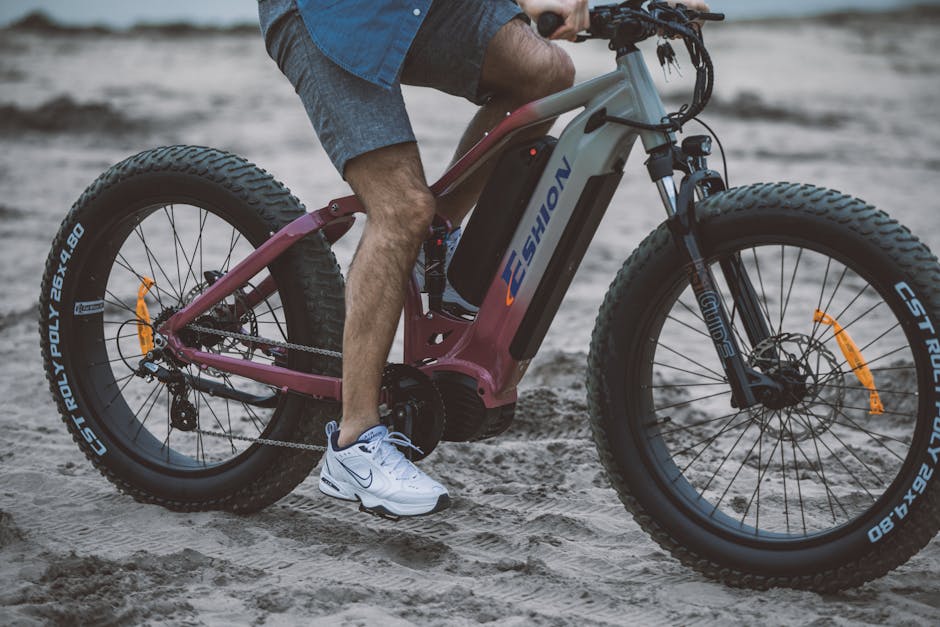
If you’ve been sourcing e-bike components for any length of time, you already know that tire size codes look like alphabet soup. “24-inch” is a nominal diameter — but the actual fit depends entirely on what the label says after those numbers. That’s where ERT0 comes in.
ERT0 stands for European Tire and Rim Technical Organization. It’s the standardized sizing system that tells you exactly whether a tire will work with your rim. A 24-inch e-bike tire will carry an ERT0 code like 47-507 or 50-507, where the first number is width in millimeters and the second is bead seat diameter in millimeters. The “507” is the critical part — that’s what actually determines mechanical compatibility with your rim.
I learned this the hard way a few years back. Ordered a bulk shipment of “24-inch tires” for a fleet of urban delivery bikes, and half of them were 47-507 while the motors needed 50-507. The bead seat diameter didn’t match. Those tires sat in a warehouse for three months while we sorted the return logistics. It cost us more than the price difference on the original order.
For e-bikes specifically, the 24-inch format is common in several distinct applications: folding e-bikes use it because the smaller wheel diameter allows a compact frame fold; compact urban e-bikes use it for the same reason; some cargo e-bikes use 24-inch rear wheels with 20-inch fronts for lower center of gravity; and certain specialized neighborhood EVs use it as a standard format. The point is, “24-inch” alone tells you almost nothing about fitment. You need ERT0.
When I’m evaluating a 24-inch tire for an e-bike application, the questions I ask are: Does the ERT0 match the rim? What’s the weight rating given the added mass of a motor and battery? Is the casing strong enough to handle the torque profile of a hub motor? And — practically — can I get consistent supply in the volumes I need?
Your battery capacity and motor configuration also play a role in tire selection — if you’re spec’ing a complete e-bike system, the tire must handle the weight of that setup reliably. The last question matters more than most procurement guides admit. A technically perfect tire that your supplier can only deliver 200 units at a time with a 12-week lead time is often worse than a slightly heavier-duty alternative that flows reliably through your supply chain. Fleet operators live and die by predictability.
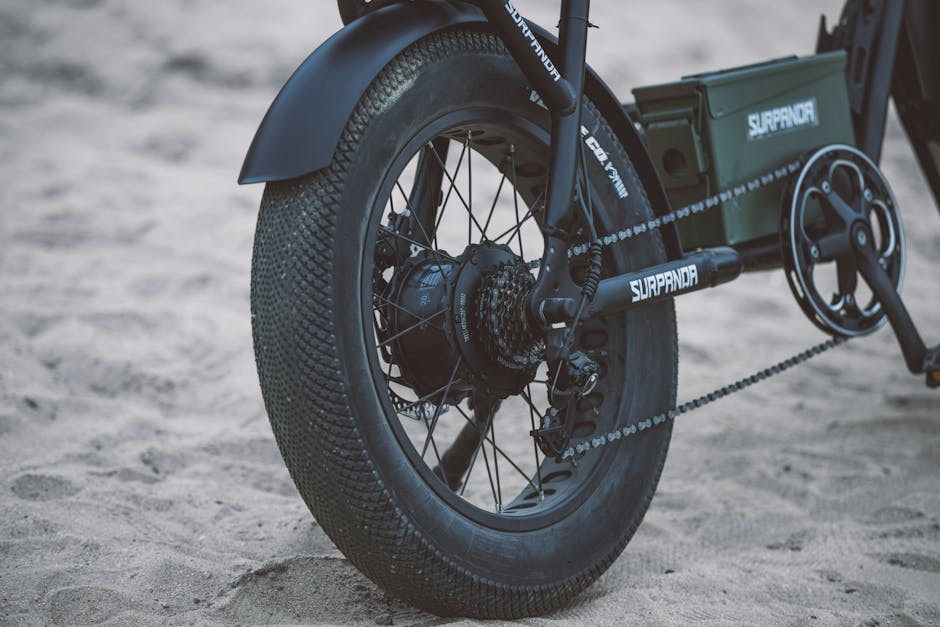
Types of 24-Inch Tires: Which One Does Your Market Need?
Not all 24-inch tires are created equal — and more importantly, not all 24-inch tires serve the same customer. As a B2B buyer, your job is to match the tire to the use case, not to find one tire that “works for everything.” That tire doesn’t exist, and anyone who tells you otherwise is either lying or hasn’t operated a real fleet.
Commuter and Urban Tires
For urban delivery and commuter applications, what you typically see is a 24×1.75 to 24×2.0 width range. These tires prioritize puncture resistance and low rolling resistance over aggressive tread. They’re designed for smooth or mildly cracked asphalt, they’re quiet, and they tend to have relatively long wear lives because the compound is harder.
I generally look for a minimum of 60 TPI (threads per inch) casing for urban e-bike use. Lower TPI means a coarser, heavier tire that’s more prone to cuts and has harsher ride quality. Higher TPI — 120 TPI or more on premium models — gives you a supple casing that conforms to road imperfections and reduces vibration transmitted through the frame. For an e-bike with a motor, you want that suppleness because the motor is already adding unsprung weight and mechanical complexity.
Mountain and Off-Road Tires
24-inch mountain tires for e-bikes are less common than their 26-inch and 27.5-inch counterparts, but they exist — primarily in the kids and youth mountain e-bike segment, and in some specialized fat bike applications. If you’re sourcing for a 24-inch e-mtb, look for a tire with aggressive multi-directional tread, reinforced sidewalls, and a casing designed for lower pressure running. The 24×2.0 to 24×4.0 range covers most fat bike configurations.
One thing I’ll flag: the off-road e-bike tire market is evolving rapidly, and the lines are blurring between “mountain bike” and “e-bike specific” designs. Traditional mountain bike tires often have lighter casings optimized for human-powered climbing. E-bike tires need to handle the motor’s instant torque delivery and higher overall system weight. Make sure whatever you’re specifying is e-bike rated — most major manufacturers now label e-bike compatible tires explicitly.
Fat Tire 24-Inch
The fat tire segment has grown significantly, driven by the popularity of e-fat bikes for beach and snow applications. A 24×3.0 to 24×4.8 tire on a wide rim gives you floatation that lets the bike essentially plane across soft surfaces. In terms of procurement, fat tires have higher raw material content (more rubber per unit), so pricing and margins look different than standard commuter tires. They also have specific rim width requirements — you can’t put a 4.8-inch tire on a standard rim.
Foldable vs. Rigid Bead
One distinction that comes up frequently in procurement conversations: foldable bead versus rigid wire bead. Foldable beads use Kevlar or aramid fibers to create a bead that folds, which reduces shipping volume and makes inventory handling more efficient. Rigid wire bead tires are cheaper to manufacture and slightly more robust against bead damage, but they’re harder to store and ship in bulk.
For most fleet applications, I recommend foldable beads for tires 24×2.0 and above, especially if you’re distributing through retail channels where stores need to manage shelf space and inventory turnover. The cost differential is typically 5-15% depending on brand and volume.
Top 7 Manufacturers of 24-Inch Tires for E-Bikes in 2026
Here’s where I need to be careful about balance. I’m going to walk through the major players in the 24-inch e-bike tire market, and I’ll give you my honest read on where each brand sits — including the limitations. This isn’t a ranked list of winners. It’s a sourcing map.
1. Kenda
Kenda is probably the most widely sourced 24-inch tire in the budget to mid-range e-bike market. Their tires are consistently available, the quality is predictable, and for price-sensitive procurement they’re hard to beat. Kenda’s 24-inch lineup covers commuter, mountain, and fat bike formats.
The limitation with Kenda is that they’re a high-volume manufacturer, and at the low end of their range you can get inconsistent quality between batches. I’ve seen this cause problems for fleet operators who spec Kenda for large-volume orders and then receive a batch that doesn’t meet the same puncture resistance as their previous order. The solution is to buy in container volumes directly from Kenda or their authorized distributors, not spot-purchase from multiple distribution channels.
2. Cheng Shin Rubber (CST)
Cheng Shin — operating under the CST brand in Western markets — is one of the largest tire manufacturers you’ve probably never heard of. Based in Taiwan, they produce a huge volume of tires for many major Western brands under OEM arrangements. Their 24-inch e-bike range is extensive and they’re competitive on price for mid-volume buyers.
What I appreciate about CST from a procurement standpoint is their documentation quality — product spec sheets are detailed and they provide batch-level testing data for larger orders. The tradeoff is that their aesthetic and marketing presence in Western markets is minimal, which can matter if you’re selling to consumers who care about brand perception. For B2B white-label or house-brand programs, CST is an excellent partner.
3. Bafang
Bafang occupies an interesting position in the e-bike ecosystem — they’re primarily known as a motor and drivetrain manufacturer, but they’ve expanded into complete component systems including tires. Their 24-inch tires are designed specifically for e-bike integration, which means motor compatibility is built into the spec. Learn more about Bafang’s official e-bike component lineup.
For buyers sourcing complete e-bike drivetrain packages, Bafang tires can simplify the supply chain by consolidating vendor relationships. The limitation is that Bafang’s tire range is narrower than dedicated tire manufacturers, so if you need a highly specialized configuration, they may not have it.
4. Schwalbe
Schwalbe (German brand, part of the Ralf Bohle group) makes what I consider the premium tier in e-bike tires. Their Marathon E Plus line is widely recognized as one of the most durable and puncture-resistant e-bike tires available, and they explicitly engineer for motor compatibility, high load ratings, and long service life. Check Schwalbe’s official e-bike tire catalog for current specifications.
The honest limitation with Schwalbe is price. At wholesale volumes, you’re typically paying 2-3x what you’d pay for equivalent Kenda or CST products. For a premium fleet operator targeting a high-end customer segment, the economics can work — the Marathon E Plus tires last significantly longer in urban delivery service, which can lower total cost of ownership. For a budget-oriented operator, Schwalbe may be aspirational rather than practical.
5. Michelin
Michelin brings their automotive tire engineering heritage to the e-bike market. Their Power Adventure and Power Cup lines cover e-bike applications including 24-inch formats. The casing quality is excellent, the rubber compounds are sophisticated, and their environmental and safety testing standards are rigorous.
Where Michelin fits in the market is the mid-to-premium segment for consumers who recognize the brand from cars and bicycles. For B2B buyers, Michelin typically requires higher minimum order quantities and has longer lead times than Asian manufacturers. But their technical support and warranty handling are professional-grade.
6. Maxxis
Maxxis is best known in the mountain bike world, but they have an increasingly mature e-bike tire line including 24-inch formats. Their EXO and DD (DoubleDown) casing technologies are relevant for heavier e-bike applications. For buyers targeting the performance and off-road e-bike segment, Maxxis is worth a serious look.
The caveat: Maxxis primarily serves the performance/enduro market, so their 24-inch commuter or urban lineup is thinner than their 26-inch and 27.5-inch offerings. If you’re building a catalog that spans multiple wheel sizes, Maxxis may require juggling multiple supplier relationships.
7. Innova
Innova is a lesser-known player that I include here because they’ve been quietly picking up OEM contracts for e-bike manufacturers, particularly in the 24-inch fat tire segment. Their value proposition is competitive pricing with acceptable quality for light-duty applications.
I wouldn’t spec Innova for a high-mileage commercial fleet without extensive field testing first. But for lower-volume specialty applications — neighborhood EVs, campus bikes, low-speed urban vehicles — they can be a cost-effective option.
24-Inch Tire Specifications: Width, Ply, and Terrain Match
Let’s talk specs, because this is where most procurement mistakes happen. I’ve seen fleet buyers choose tires based on price alone, without understanding how width, ply rating, and terrain compatibility interact.
Width and Rim Compatibility
Tire width and rim width must be matched. The general rule is that your rim inner width should be roughly 40-60% of the tire’s inflated width. For a 24×2.0 tire (approximately 50mm wide), you need a rim with an inner width of roughly 20-30mm. Run a tire that’s too narrow for your rim and you risk bead unseating and poor handling. Run a tire that’s too wide for your rim and the casing will be unstable, leading to uneven wear and increased puncture risk.
In e-bike applications, the added weight and power delivery make proper width matching even more critical than on a conventional bike. A tire that’s borderline on rim width on a pedal bike becomes a safety issue on an e-bike under motor torque.
Ply and Casing Ratings
E-bike tires use various rating systems. The most common you’ll encounter:
- TPI (Threads Per Inch): Higher TPI = lighter, more supple casing (premium). Lower TPI = heavier, more robust (value/e-bike).
- Ply rating: In fat tire contexts, you’ll see 4-ply, 6-ply, or 8-ply ratings borrowed from automotive/ATV standards. More plies = more puncture resistant but heavier and higher rolling resistance.
- E-bike specific ratings: Schwalbe, Continental, and other premium brands have introduced specific e-bike rating systems that test for torque resistance, weight capacity, and high-speed run (the “e” in e-bike typically means the tire has passed testing for speeds up to 50 km/h).
For most urban delivery and commuter e-bike applications, I look for:
- Casing: minimum 60 TPI
- E-bike rating where available
- Ширина: подходит под обод и назначение
- Индекс нагрузки: в минимальном случае, проверьте, что нагрузка на шину превышает полный вес вашего транспортного средства, делённый на два (поскольку вес распределён между передним и задним мостами)
Матрица решения по местности
Вот практическая методология, которую я использую для подбора параметров шин к местности — и вот к вопросу о моторе. Если вы используете настройку мотора без щёлчков, ваш профиль крейнтов фундаментально разный от mid-drive, и это влияет на ваш выбор каркаса более чем большинство покупателей понимают.
| Местность | Рекомендуемая ширина | Резина | Диапазон давления |
|---|---|---|---|
| Гладкая городская асфальтовая поверхность | 24×1,75 до 24×2,0 | Без резины или мягкая резина | 50–70 PSI |
| Смешанная городская (some трещины) | 24×2,0 до 24×2,35 | Лёгкая резина | 40–60 PSI |
| Гравийные дорожки | 24×2,0 до 24×2,5 | Резина или маленькая шиповка | 30–50 PSI |
| Внедорожный/горный | 24×2,1 до 24×2,6 | Многонаправленные шипы | 20–40 PSI |
| Fat bike (песок/снег) | 24×3,0 до 24×4,8 | Агрессивные шипы | 8–20 PSI |
Местность, по которой ваш клиенты реально используют свои транспортные средства, определит всё остальное. Вот здесь важно выйти из таблиц и прокатиться по маршрутам. Я видел слишком много покупателей, которые подбирают шины для “городского использования”, не определившись, что это значит — гладкие велосипедные полосы или труднодоступные маршруты доставки на последней миле. Спецификация меняется сильно.
Шина vs Без шпона: Какая конфигурация 24 дюймов для вашего электровелосипеда?
Это вопрос, который я чаще всего задаю операторам флотов при переходе с обычных велосипедов на электровелосипеды. Ответ значительно изменился за последние три года.
Традиционные системы с шпоном
Большинство шин 24 дюймов для электровелосипедов на сегодняшний день всё ещё являются системами с шпоном — им требуется отдельный внутренний шпон, установленный внутри ободной оболочки. Эта система проще в ремонте, шпоны дешевы и повсеместно доступны, а варианты шин намного больше.
Для операций B2B флотов практическое преимущество систем с шпоном — в простоте обслуживания. Любой механик может заменить шпон менее чем за пять минут базовыми инструментами. Ремонт без шпона требует силиконов, специфических конфигураций ободов и более специализированного обучения. Если ваш флот обслуживается несколькими техниками на разных местоположениях, системы с шпоном обеспечивают значительное операционное преимущество. несколькими техниками на разных местоположениях, системы с шпоном обеспечивают значительное операционное преимущество.
Минус в том, что ухудшен сопротивление пробитию. Даже с тонкостью-стойких или самозакрывающих шпонах, системы с шпоном уязвимы для пробитий по сравнению с правильно настроенными безшпонными системами.
Системы с готовностью к безшпонной эксплуатации
Шины 24 дюйма с готовностью к безшпонной эксплуатации всё чаще появляются от крупных брендов. В безшпонной установке шина плотно прилегает к ободу с бесшовным сепарированием, и вы заполняете камеру жидкостью-силиконом, которая автоматически закрывает мелкие пробития по мере их возникновения. Система была разработана для горных велосипедов и переехала на применение к электровелосипедам, потому что коммерческие операторы начали её требовать.
Цифры впечатляют. В реальном тестировании флотов хорошо поддерживаемые безшпонные системы могут снизить пробитие-связанное простои на 60-80% по сравнению с системами с шпоном в тех же условиях эксплуатации. Для флота доставки, где каждая пробития стоит деньги на зарплату и пропущенные доставки, это значительное преимущество общей стоимости владения.
Но вот сложность: безшпонная система требует специфического оборудования для ободов. Ваши ободы должны быть готовы к безшпонной эксплуатации (это означает определённый дизайн платформы обода и конфигурацию клапана), и вам нужно нести силикон и иглы для ремонта в полевых условиях. Система также требует периодического обслуживания — силикон со временем разлагается и требует обновления, обычно каждые 3–6 месяцев в зависимости от климата.
Мой рекомендуемый вариант для флотов 24-дюймовых электровелосипедов
Для большинства коммерческих флотов 24-дюймовых электровелосипедов я рекомендую прагматичный средний путь: используйте шинсы с готовностью к безшпонной эксплуатации на ободах с готовностью к безшпонной эксплуатации, но сохраняйте шпон как запас в транспортном средстве. Это даёт вам преимущество против пробитий без шпона в повседневной эксплуатации, сохраняя при этом простой резервный путь ремонта, если вы столкнётесь с катастрофической пробитией, которую не может закрыть силикон.
Единственный случай, когда я бы рекомендовал оставаться с чистыми системами с шпоном, это если ваша служба обслуживания ещё не оснащена для работы с безшпонными системами — если ваши техники не обучены, ваши ободы не совместимы с безшпонными, и ваша система инвентаризации не может учесть дополнительную сложность. Не переходите на безшпонные просто потому, что это модно. Переходите, когда ваша операция будет готова.
Руководство для B2B покупателей: MOQ, ценовые категории и требования к OEM
Теперь давайте поговорим о коммерческой стороне, потому что технические характеристики имеют значение только если вы можете поставить продукт надёжно и по цене, которая делает ваш бизнес выгодным.
Минимальные заказы количеством
Структура MOQ для шин 24 дюйма для электровелосипедов varies significantly by manufacturer and by whether you’re buying direct or through distribution:
- Азиатские производители (Kenda, CST, Maxxis Asia): Container-load MOQ typically 20ft = 1,000-2,000 units depending on tire size and packaging. Some distributors offer mixed-SKU 20ft containers starting at 500-800 units total.
- Европейские производители (Schwalbe, Continental): Typically higher MOQ for direct orders, minimum 500-1,000 units per SKU. Distributor network orders may allow lower per-SKU quantities with price premiums.
- Программы OEM: Full container loads, typically 1x40ft = 2,500-4,000 units per SKU minimum. OEM programs require significant commitment and typically involve 6-12 month development timelines for custom specifications.
For most independent B2B buyers starting out, working through a distributor rather than direct-to-manufacturer gives you flexibility on MOQ while still accessing competitive pricing. As your volumes grow, direct container programs become viable and can reduce unit costs by 15-30%.
Ценовые категории
Based on recent sourcing data for 24-inch e-bike tires, here’s the approximate wholesale pricing landscape:
- Бюджетная категория (Kenda, CST basic models, Innova): FOB Asia $4-8 per tire at container volume
- Средняя категория (Kenda premium, CST performance, Bafang e-bike specific): FOB Asia $8-15 per tire at container volume
- Премиум-уровень (Schwalbe Marathon E Plus, Michelin Power E, Continental RideTour): FOB Азия $18-35 за шину при объеме контейнера; оптовая цена в западных рынках составляет $25-50 за шину
Эти цифры носят ориентировочный характер. Фактическая цена зависит от объема заказа, условий оплаты, выбора Incoterms (EXW, FOB, CIF или DDP), а также текущих цен на сырье. Цены на резину колеблются, и цены на шины следуют за ними с задержкой в 2-4 месяца.
Я всегда рекомендую запросить FOB-цены по крайней мере на двух базах Incoterms перед заказом большого объема. Шина, указанная как $6 FOB Азия, может оказаться более дорогой после доставки, чем шина $12 FOB порта назначения, чем FOB Азия, в зависимости от тарифов на перевозки.
Программы OEM и настраиваемых спецификаций
Если вы закупаете в достаточном объеме — обычно 5000+ единиц в год по SKU — большинство производителей готовы сотрудничать с вами по индивидуальным спецификациям. Это может включать:
- Кастомные составы фасок, оптимизированные для вашей операционной среды
- Проприетарные конфигурации оболочек или дизайны ободных кольцев
- Индивидуальный брендирование (ваш логотип, их бренд или полная частная этикетка)
- Индивидуальная упаковка для розничной или флотской дистрибуции
Программы OEM обычно требуют 12-18 месячного периода зафиксирования спецификаций, платы за оснащение или пресс-формы (которые амортизируются или возвращаются при высоком объеме), жесткости при согласовании спецификаций перед производством, а также условий оплаты, выгодных для производителя (часто 30% аванс, 70% до отгрузки).
Преимуществом OEM является контроль над наценками и брендовая дифференциация. Риск — это обязательство по инвентарю. Неправильная спецификация в заказе OEM может быть очень дорогой.
Условия оплаты и валюты
Большинство азиатских производителей покрышек ценятся в долларах США и требуют оплаты по T/T (30% аванс, 70% до отгрузки). L/C на день или D/P возможны при наличии сложившихся отношений. Обращайте внимание на риск валютных переводов, если вы покупаете в долларах, но продаете в евро или фунтах — рекомендуется хеджинг или учет валютного риска в цене.
Часто задаваемые вопросы
Q: Что такое 24-дюймовая шина в системе ERT0?
A: Система ERT0 обозначает размеры шины в миллиметрах: ширина Followed by диаметр ободного места. Для 24-дюймовой шины электровела обычные размеры ERT0 включают 47-507, 50-507, 54-507 и 62-507. Цифры “507” обозначают диаметр ободного места — критическое измерение для совместимости с ободом. Всегда подбирайте коды ERT0, а не только ориентиральный размер “24 дюйма”.
Q: Подходит ли 24-дюймовая шина для электровела?
A: 24-дюймовые шины хорошо подходят для определенных приложений электровелов, включая складные велосипеды, компактные городские велосипеды, грузовые электровелы (часто как задние колеса) и фатбеки. Диаметр 24 дюйма обеспечивает преимущества в геометрии рамы для компактных конструкций и в некоторых конфигурациях грузов. Главное — подобрать ширину, нагрузку и прочность оболочка под конкретные требования вашего мотора и назначения.
Q: В чем разница между 24×1,75 и 24×2,0?
A: Разница в основном в ширине и объеме. Шина 24×1,75 при надувании составляет около 44 мм, а 24×2,0 — 50 мм. Более широкая шина обеспечивает лучшую поглощение вибраций, меньшее трение на неровностях и большую нагрузочную способность. Узкая шина имеет слегка меньшее трение на гладких дорогах и легче. Для электровелов с моторным моментом 24×2,0 обычно является более универсальным выбором для городских условий.
Q: Какие бренды производят 24-дюймовые шины для электровелов?
A: Крупные производители 24-дюймовых шин для электровелов включают Kenda, Cheng Shin (CST), Bafang, Schwalbe, Michelin, Maxxis и Innova. Каждый обслуживает разные сегменты рынка — Kenda и CST для бюджетно-средних, Schwalbe и Michelin для премиум-сегмента, Bafang для интегрированных систем электровелов. Правильный бренд зависит от ценовой точки, объема и целевой аудитории.
Q: Сколько стоит оптом 24-дюймовая шина?
A: Оптовая цена 24-дюймовых шин для электровелов колеблется от $4-8 за единицу для бюджетных моделей при объеме контейнера, $8-15 для средних и $18-35 для премиум-брендов, таких как Schwalbe, при FOB Азия. Конечная стоимость зависит от Incoterms, тарифов на перевозки, пошлин и объема заказа. Всегда запрашивайте цены по крайней мере на двух базах и учитывайте общую стоимость доставки, а не только цену за единицу.
Q: Могу ли я использовать 24-дюймовую шину с мотором в губке?
A: Да, но нужно убедиться, что шина имеет метку "для электровела" и ее индекс нагрузки соответствует требованиям вашего транспортного средства. Моторы в губках создают иные нагрузки на шины по сравнению с обычными колесами — момент мотора передается непосредственно в колесо, а вес мотора добавляет непрерывающую массу. Ищите шины с обозначением "совместимость с электровелом" и убедитесь, что индекс нагрузки превышает суммовую массу вашего транспортного средства на каждом колесе.
Цены различаются в зависимости от региона, количества заказа и производителя. Свяжитесь с поставщиками напрямую для FOB-цен. Спецификации шин могут отличаться между партиями производства. Всегда запрашивайте образцы перед массовыми заказами.



 English
  Spanish
  Portuguese
  Russian
  Arabic
  French
  Dutch
Dutch  German
  Danish
