

If you’ve been sourcing e-bike components for any length of time, you already know that tire size codes look like alphabet soup. “24-inch” is a nominal diameter — but the actual fit depends entirely on what the label says after those numbers. That’s where ERT0 comes in.
ERT0 stands for European Tire and Rim Technical Organization. It’s the standardized sizing system that tells you exactly whether a tire will work with your rim. A 24-inch e-bike tire will carry an ERT0 code like 47-507 or 50-507, where the first number is width in millimeters and the second is bead seat diameter in millimeters. The “507” is the critical part — that’s what actually determines mechanical compatibility with your rim.
I learned this the hard way a few years back. Ordered a bulk shipment of “24-inch tires” for a fleet of urban delivery bikes, and half of them were 47-507 while the motors needed 50-507. The bead seat diameter didn’t match. Those tires sat in a warehouse for three months while we sorted the return logistics. It cost us more than the price difference on the original order.
For e-bikes specifically, the 24-inch format is common in several distinct applications: folding e-bikes use it because the smaller wheel diameter allows a compact frame fold; compact urban e-bikes use it for the same reason; some cargo e-bikes use 24-inch rear wheels with 20-inch fronts for lower center of gravity; and certain specialized neighborhood EVs use it as a standard format. The point is, “24-inch” alone tells you almost nothing about fitment. You need ERT0.
When I’m evaluating a 24-inch tire for an e-bike application, the questions I ask are: Does the ERT0 match the rim? What’s the weight rating given the added mass of a motor and battery? Is the casing strong enough to handle the torque profile of a hub motor? And — practically — can I get consistent supply in the volumes I need?
Your battery capacity and motor configuration also play a role in tire selection — if you’re spec’ing a complete e-bike system, the tire must handle the weight of that setup reliably. The last question matters more than most procurement guides admit. A technically perfect tire that your supplier can only deliver 200 units at a time with a 12-week lead time is often worse than a slightly heavier-duty alternative that flows reliably through your supply chain. Fleet operators live and die by predictability.
Types of 24-Inch Tires: Which One Does Your Market Need?
Not all 24-inch tires are created equal — and more importantly, not all 24-inch tires serve the same customer. As a B2B buyer, your job is to match the tire to the use case, not to find one tire that “works for everything.” That tire doesn’t exist, and anyone who tells you otherwise is either lying or hasn’t operated a real fleet.
Commuter and Urban Tires
For urban delivery and commuter applications, what you typically see is a 24×1.75 to 24×2.0 width range. These tires prioritize puncture resistance and low rolling resistance over aggressive tread. They’re designed for smooth or mildly cracked asphalt, they’re quiet, and they tend to have relatively long wear lives because the compound is harder.
I generally look for a minimum of 60 TPI (threads per inch) casing for urban e-bike use. Lower TPI means a coarser, heavier tire that’s more prone to cuts and has harsher ride quality. Higher TPI — 120 TPI or more on premium models — gives you a supple casing that conforms to road imperfections and reduces vibration transmitted through the frame. For an e-bike with a motor, you want that suppleness because the motor is already adding unsprung weight and mechanical complexity.
Mountain and Off-Road Tires
24-inch mountain tires for e-bikes are less common than their 26-inch and 27.5-inch counterparts, but they exist — primarily in the kids and youth mountain e-bike segment, and in some specialized fat bike applications. If you’re sourcing for a 24-inch e-mtb, look for a tire with aggressive multi-directional tread, reinforced sidewalls, and a casing designed for lower pressure running. The 24×2.0 to 24×4.0 range covers most fat bike configurations.
One thing I’ll flag: the off-road e-bike tire market is evolving rapidly, and the lines are blurring between “mountain bike” and “e-bike specific” designs. Traditional mountain bike tires often have lighter casings optimized for human-powered climbing. E-bike tires need to handle the motor’s instant torque delivery and higher overall system weight. Make sure whatever you’re specifying is e-bike rated — most major manufacturers now label e-bike compatible tires explicitly.
Fat Tire 24-Inch
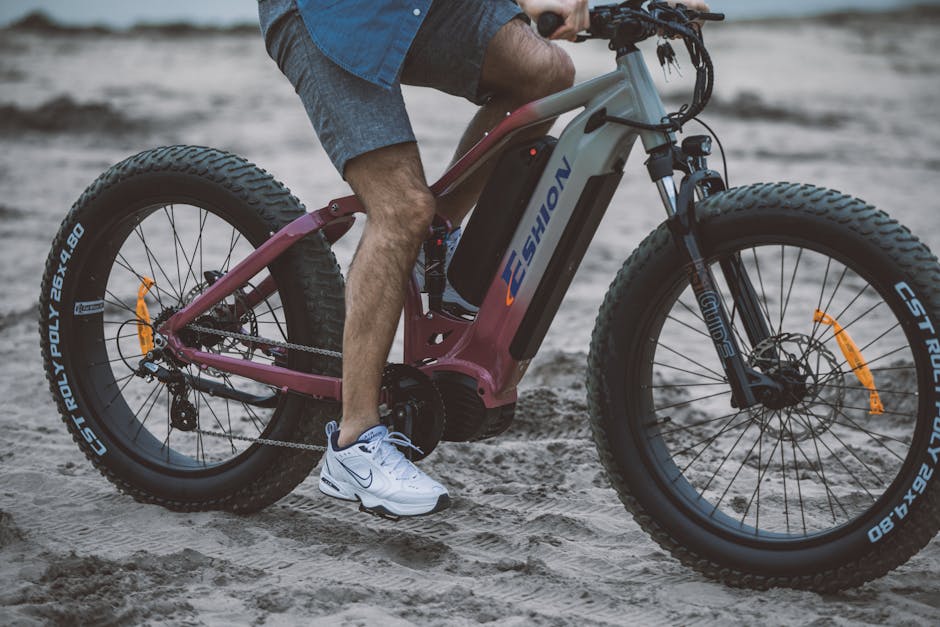
The fat tire segment has grown significantly, driven by the popularity of e-fat bikes for beach and snow applications. A 24×3.0 to 24×4.8 tire on a wide rim gives you floatation that lets the bike essentially plane across soft surfaces. In terms of procurement, fat tires have higher raw material content (more rubber per unit), so pricing and margins look different than standard commuter tires. They also have specific rim width requirements — you can’t put a 4.8-inch tire on a standard rim.
Foldable vs. Rigid Bead
One distinction that comes up frequently in procurement conversations: foldable bead versus rigid wire bead. Foldable beads use Kevlar or aramid fibers to create a bead that folds, which reduces shipping volume and makes inventory handling more efficient. Rigid wire bead tires are cheaper to manufacture and slightly more robust against bead damage, but they’re harder to store and ship in bulk.
For most fleet applications, I recommend foldable beads for tires 24×2.0 and above, especially if you’re distributing through retail channels where stores need to manage shelf space and inventory turnover. The cost differential is typically 5-15% depending on brand and volume.
Top 7 Manufacturers of 24-Inch Tires for E-Bikes in 2026
Here’s where I need to be careful about balance. I’m going to walk through the major players in the 24-inch e-bike tire market, and I’ll give you my honest read on where each brand sits — including the limitations. This isn’t a ranked list of winners. It’s a sourcing map.
1. Kenda
Kenda is probably the most widely sourced 24-inch tire in the budget to mid-range e-bike market. Their tires are consistently available, the quality is predictable, and for price-sensitive procurement they’re hard to beat. Kenda’s 24-inch lineup covers commuter, mountain, and fat bike formats.
The limitation with Kenda is that they’re a high-volume manufacturer, and at the low end of their range you can get inconsistent quality between batches. I’ve seen this cause problems for fleet operators who spec Kenda for large-volume orders and then receive a batch that doesn’t meet the same puncture resistance as their previous order. The solution is to buy in container volumes directly from Kenda or their authorized distributors, not spot-purchase from multiple distribution channels.
2. Cheng Shin Rubber (CST)
Cheng Shin — operating under the CST brand in Western markets — is one of the largest tire manufacturers you’ve probably never heard of. Based in Taiwan, they produce a huge volume of tires for many major Western brands under OEM arrangements. Their 24-inch e-bike range is extensive and they’re competitive on price for mid-volume buyers.
What I appreciate about CST from a procurement standpoint is their documentation quality — product spec sheets are detailed and they provide batch-level testing data for larger orders. The tradeoff is that their aesthetic and marketing presence in Western markets is minimal, which can matter if you’re selling to consumers who care about brand perception. For B2B white-label or house-brand programs, CST is an excellent partner.
3. Bafang
Bafang occupies an interesting position in the e-bike ecosystem — they’re primarily known as a motor and drivetrain manufacturer, but they’ve expanded into complete component systems including tires. Their 24-inch tires are designed specifically for e-bike integration, which means motor compatibility is built into the spec. Learn more about Bafang’s official e-bike component lineup.
For buyers sourcing complete e-bike drivetrain packages, Bafang tires can simplify the supply chain by consolidating vendor relationships. The limitation is that Bafang’s tire range is narrower than dedicated tire manufacturers, so if you need a highly specialized configuration, they may not have it.
4. Schwalbe
Schwalbe (German brand, part of the Ralf Bohle group) makes what I consider the premium tier in e-bike tires. Their Marathon E Plus line is widely recognized as one of the most durable and puncture-resistant e-bike tires available, and they explicitly engineer for motor compatibility, high load ratings, and long service life. Check Schwalbe’s official e-bike tire catalog for current specifications.
The honest limitation with Schwalbe is price. At wholesale volumes, you’re typically paying 2-3x what you’d pay for equivalent Kenda or CST products. For a premium fleet operator targeting a high-end customer segment, the economics can work — the Marathon E Plus tires last significantly longer in urban delivery service, which can lower total cost of ownership. For a budget-oriented operator, Schwalbe may be aspirational rather than practical.
5. Michelin
Michelin brings their automotive tire engineering heritage to the e-bike market. Their Power Adventure and Power Cup lines cover e-bike applications including 24-inch formats. The casing quality is excellent, the rubber compounds are sophisticated, and their environmental and safety testing standards are rigorous.
Where Michelin fits in the market is the mid-to-premium segment for consumers who recognize the brand from cars and bicycles. For B2B buyers, Michelin typically requires higher minimum order quantities and has longer lead times than Asian manufacturers. But their technical support and warranty handling are professional-grade.
6. Maxxis
Maxxis is best known in the mountain bike world, but they have an increasingly mature e-bike tire line including 24-inch formats. Their EXO and DD (DoubleDown) casing technologies are relevant for heavier e-bike applications. For buyers targeting the performance and off-road e-bike segment, Maxxis is worth a serious look.
The caveat: Maxxis primarily serves the performance/enduro market, so their 24-inch commuter or urban lineup is thinner than their 26-inch and 27.5-inch offerings. If you’re building a catalog that spans multiple wheel sizes, Maxxis may require juggling multiple supplier relationships.
7. Innova
Innova is a lesser-known player that I include here because they’ve been quietly picking up OEM contracts for e-bike manufacturers, particularly in the 24-inch fat tire segment. Their value proposition is competitive pricing with acceptable quality for light-duty applications.
I wouldn’t spec Innova for a high-mileage commercial fleet without extensive field testing first. But for lower-volume specialty applications — neighborhood EVs, campus bikes, low-speed urban vehicles — they can be a cost-effective option.
24-Inch Tire Specifications: Width, Ply, and Terrain Match
Let’s talk specs, because this is where most procurement mistakes happen. I’ve seen fleet buyers choose tires based on price alone, without understanding how width, ply rating, and terrain compatibility interact.
Width and Rim Compatibility
Tire width and rim width must be matched. The general rule is that your rim inner width should be roughly 40-60% of the tire’s inflated width. For a 24×2.0 tire (approximately 50mm wide), you need a rim with an inner width of roughly 20-30mm. Run a tire that’s too narrow for your rim and you risk bead unseating and poor handling. Run a tire that’s too wide for your rim and the casing will be unstable, leading to uneven wear and increased puncture risk.
In e-bike applications, the added weight and power delivery make proper width matching even more critical than on a conventional bike. A tire that’s borderline on rim width on a pedal bike becomes a safety issue on an e-bike under motor torque.
Ply and Casing Ratings
E-bike tires use various rating systems. The most common you’ll encounter:
- TPI (Threads Per Inch): Higher TPI = lighter, more supple casing (premium). Lower TPI = heavier, more robust (value/e-bike).
- Ply rating: In fat tire contexts, you’ll see 4-ply, 6-ply, or 8-ply ratings borrowed from automotive/ATV standards. More plies = more puncture resistant but heavier and higher rolling resistance.
- E-bike specific ratings: Schwalbe, Continental, and other premium brands have introduced specific e-bike rating systems that test for torque resistance, weight capacity, and high-speed run (the “e” in e-bike typically means the tire has passed testing for speeds up to 50 km/h).
For most urban delivery and commuter e-bike applications, I look for:
- Casing: minimum 60 TPI
- E-bike rating where available
- العرض: متطابق مع الحافة واستخدام الحالة
- فهرس الحمل: على الأقل، قم بتحقق من أن ترخيص حمل الإطار يتجاوز وزن المركبة المحملة بالكامل على نصفه (بما في ذلك أن الوزن يوزع بين الأمام والخلف)
مصفوفة قرار الارضية
إليك إطارًا عمليًا أستخدمه لتوافق مواصفات الإطار مع الارضية - وهذا يأتي إلى سؤال المحرك. إذا كنت تستخدم إذا كنت تستخدم, ، فمعلمات الدوران لديك مختلفة بشكل أساسي عن وسيطة المحرك، وهذا يؤثر على اختيار الغلاف أكثر مما يدركه معظم المشترين.
| ارضية | العرض الموصى به | نمط ال,xتراك | نطاق الضغط |
|---|---|---|---|
| اسطرلاب حضاري سلس | 24×1.75 إلى 24×2.0 | سليك أو فله رصيفي | 50-70 برجاء |
| اسطرلاب حضاري مخلط (بعض الشقوق) | 24×2.0 إلى 24×2.35 | نمط فله خفيف | 40-60 برجاء |
| طرق حجرية | 24×2.0 إلى 24×2.5 | فله أو كركم صغير | 30-50 برجاء |
| خارج الطرق/الجبال | 24×2.1 إلى 24×2.6 | كركم متعدد الاتجاهات | 20-40 برجاء |
| دراجة سمك الدهن (رمال/ثلج) | 24×3.0 إلى 24×4.8 | كركم عنيف | 8-20 برجاء |
الارضية التي سيعمل عليها مركبات عملائك ستحدد كل شيء آخر. هذا المكان حيث يكون من المهم أن تخرج عن الأوراق والبيانات وتقوم بالفعل بركوب المسارات. لقد رأيت كيف أن العديد من المشترين يحددون إطارات للاستخدام الحضاري دون تحديد ما إذا كان ذلك يعني مسارات دراجة حضارية سلسة أو طرق التسليم الأخيرة الصعبة. التخطيط يتغير بشكل كبير.
أنابوب مقابل غير موجهة للأنابوب: أي إعداد مناسب لدراجتك الكهربائية 24 بوصة؟
هذا السؤال هو الذي يُسأل عنه أكثر من غيره من قبل عاملي الموظفين خلال الانتقال من الدراجات التقليدية إلى الدراجات الكهربائية. تغيرت الإجابة بشكل ملحوظ في الثلاث سنوات الماضية.
الأنظمة التقليدية ذات الأنابيب
الغالبية العظمى لإطارات دراجة القهوة الكهربائية 24 بوصة الموجودة على السوق اليوم ما زالت ذات أنابيب - فهي تتطلب إطار داخلي منفصل يتم تثبيته داخل غلاف الإطار. هذا النظام أبسط في الإصلاح في الميدان، وتكلفة الأنابيب منخفضة ومتوفرة عالميًا، وخيارات الإطار أكثر عددًا.
بالنسبة لعمليات الأعمال B2B، فإن ال advantage العملي لأنظمة ذات الأنابيب هو بساطة الصيانة. أي فني يمكنه تغيير إطار في أقل من خمس دقائق بأدوات أساسية. إصلاح غير موجه للأنابيب يتطلب حشو السائل، وتصميم حفر خاص للحافة، والمزيد من التدريب الخاص. إذا كانت صيانة أسطولك تتم بواسطة فنيين متعددين في مواقع مختلفة, ، فإن أنظمة ذات الأنابيب توفر ميزة تشغيلية كبيرة.
الجانب السلبي هو مقاومة الثقب. حتى مع أطران مقاومة للخراطير أو ذات إغلاق ذاتي، فإن أنظمة ذات الأنابيب أكثر عرضة للوهق من النظام غير موجه للأنابيب المُعد بشكل صحيح.
الأنظمة المستعدة للأنابيب غير الموجهة
إطارات 24 بوصة متوافقة مع غير موجهة للأنابيب تتوفر بشكل متزايد من العلامات التجارية الكبرى. في إعداد غير موجه للأنابيب، يتم تثبيت الإطار بشكل محكم على الحافة مع إحكام مائي، ثم تملأ الفراغ بسائل حشو يغلق الثقوب الصغيرة تلقائيًا عند وقوعها. تم تطوير هذا النظام في رياضيات الجبال وانتقل إلى تطبيقات دراجة القهوة الكهربائية بسبب اقتناع المشغلين التجاريين به.
الأرقام مقنعة. في اختبارات الواقع الصناعي للأسطول، يمكن للأنظمة غير موجهة للأنابيب ذات الصيانة الجيدة أن تقلل من وقت التوقف بسبب الثقوب بنسبة 60-80% مقارنة بأنظمة ذات الأنابيب في البيئة نفسها. بالنسبة لأسطول التسليم حيث كل وهق يكلف المال في اللدائن وفقد التسليمات، فإن هذا يمثل ميزة كبيرة في التكلفة الإجمالية.
لكن هناك تعقيد: غير موجه للأنابيب يتطلب معدات حافة خاصة. يجب أن تكون حفرك متوافقة مع غير موجهة للأنابيب (وهذا يعني تصميم حافة خاص وتكوين سلك الصماء)، بالإضافة إلى حمل سائل الحشو وأدوات الحقن لإصلاحات الميدان. النظام يتطلب أيضًا صيانة دورية - تتدهور سوائل الحشو مع الوقت وتحتاج إلى تجديدها، عادة كل 3-6 أشهر اعتمادًا على المناخ.
توصيتي لأساطيل دراجة القهوة الكهربائية 24 بوصة
بالنسبة لمعظم أساطيل دراجة القهوة الكهربائية 24 بوصة التجارية، أوصي بطريقة وسيطة عملية: استخدم إطارات مستعدة للأنابيب غير الموجهة على حفر مستعدة للأنابيب غير الموجهة، ولكن احتفظ بإطار كاحتياطي في المركبة. هذا يمنحك ميزة مقاومة الثقوب للإطارات غير موجهة للأنابيب للعمليات اليومية، مع الحفاظ على مسار إصلاح بسيط كاحتياطي إذا واجهت إطارًا ثقبًا كبيرًا لا يتمكن الحشو من إغلاقه.
الفقط الحالة التي أوصي فيها بالبقاء على إطارات ذات الأنابيب فقط هي إذا لم تكن عملية الصيانة الخاصة بك غير مُعدة للتعامل مع الأنابيب غير الموجهة - إذا لم يتم تدريب فنيوك، وحفرك غير متوافقة مع الأنابيب غير الموجهة، ونظام المخازن الخاص بك لا يتسع للتعقيد الإضافي. لا تتبع أطران غير موجهة للأنابيب فقط لأنها Trend - اتبعها عندما تكون عملياتك جاهزة.
دليل المشتريات B2B: كميات الحد الأدنى، والشرائح الأسعار، والمتطلبات OEM
دعنا نتحدث عن الجانب التجاري، لأن المواصفات التقنية فقط تهم إذا كنت قادرًا على شراء المنتج بشكل موثوق وبسعر يجعل عملك يعمل.
كميات الحد الأدنى
بنيان كميات الحد الأدنى لإطارات دراجة القهوة الكهربائية 24 بوصة مختلف بشكل كبير حسب الشركة المصنعة وطريقة الشراء المباشرة أو من خلال التوزيع:
- الشركات الآسيوية (Kenda, CST, Maxxis Asia): كمية الحد الأدنى للحاوية 20 قدمًا = 1,000-2,000 وحدة اعتمادًا على حجم الإطار والتغليف. بعض الوكلاء يعرضون حاويات مخلطة 20 قدمًا تبدأ من 500-800 وحدة إجمالية.
- الشركات الأوروبية (Schwalbe, Continental): كميات الحد الأدنى أعلى عادةً للطلبات المباشرة، الحد الأدنى 500-1,000 وحدة لكل SKU. قد تسمح شبكة الوكلاء بكميات أقل لكل SKU بأسعار إضافية.
- برامج OEM: حاويات كاملة، عادة 1x40 قدم = 2,500-4,000 وحدة لكل SKU على الأقل. برامج OEM تتطلب التزامًا كبيرًا وتشمل غالبًا مهلًا تطويرية 6-12 شهرًا للتخصيصات المخصصة.
بالنسبة لمعظم مشتري B2B المستقلين الذين يبدأون، فإن العمل من خلال وكيل بدلاً من الشراء المباشر للشركة يمنحك مرونة في كميات الحد الأدنى مع الوصول إلى أسعار تنافسية. مع تزايد حجمك، تصبح برامج الحاويات المباشرة ممكنة ويمكن أن تقلل التكاليف الفردية بنسبة 15-30%.
الشرائح الأسعار
بناءً على البيانات الأخيرة للشراء الخاصة بإطارات دراجة القهوة الكهربائية 24 بوصة، إليك تخطيط التسعير التجاري التقريبي:
- الطبقة المنخفضة السعر (Kenda، CST القومية الأساسية، Innova): أسعار الظهر لآسيا $4-8 لكل إطار عند الحجم حاوية
- الطبقة المتوسطة (Kenda متميز، CST أداء، Bafang خاص دراجة القهوة الكهربائية): أسعار الظهر لآسيا $8-15 لكل إطار عند الحجم حاوية
- الطبقة المتميزة (سشوالبيه ماراثون إي بلاس، ميشيلان باور إي، كونتيننتال رايدتور): أسعار FOB آسيا $18-35 لكل إطار بحجم الحاوية؛ الأسعار للموزعين في الأسواق الغربية تتراوح بين $25-50 لكل إطار
هذه أرقام توجيهية. التسعير الفعلي يعتمد على حجم طلبك، وشروط الدفع، وما إذا كنت تشتري EXW أو FOB أو CIF أو DDP، بالإضافة إلى الظروف الحالية لأسعار المواد الخام. أسعار الإطارات تتغير مع أسعار المطاط بمتاخر 2-4 أشهر.
أنصح دائمًا بطلب أسعار FOB على الأقل على قاعدتين من شروط التسليم الدولية قبل الالتزام بطلب كبير. قد يكون إطار م quoted بسعر $6 FOB Asia أغلى تكلفة وصول من إطار $12 م quoted CIF ميناءك، حسب أسعار الشحن.
برامج OEM والمواصفات المخصصة
إذا كنت تشتري بحجم كافٍ - بشكل عام 5000+ وحدة سنويًا عبر مختلف الموديلات - سيتعاون معك معظم الشركات المصنعة الكبرى على المواصفات المخصصة. قد تتضمن هذه:
- مركبات أريكة مخصصة محسنة لبيئة التشغيل الخاصة بك
- تهيئات هيكلية خاصة أو تصاميم خواطر مخصصة
- علامات تجارية مخصصة (شعارك، أو علامتهم، أو علامة خاصة كاملة)
- عبوات مخصصة للتوزيع بالتجزئة أو للشاحنات
تتطلب برامج OEM الالتزام بنطاق زمني 12-18 شهر، ورسوم استثمار الأدوات أو القوالب (التي تُستهلك أو تُعاد المدفوعة بالحجم)، وثبات المواصفات قبل الإنتاج، وشروط الدفع التي تُفضل المصنع (غالبًا 30% دفعة مقدمة، 70% قبل الشحن).
ال advantage من OEM هو التحكم في الهوامش الربحية وتوحيد العلامة التجارية. والمخاطرة هي الالتزام بالمذكرة. حدوث مواصفات خاطئة في طلب OEM يكون مكلفة.
شروط الدفع والعملة
تعرض معظم الشركات المصنعة الآسيوية أسعارها بالدولار الأمريكي وتتوقع الدفع عبر التحويل البنكي (30% دفعة مقدمة، 70% قبل الشحن). يمكن استخدام الوثيقة الائتمانية أو D/P للعلاقات المنظمة. اتخذ بحذر من مخاطر تغيير العملات إذا كنت تشتري بالدولار وتبيع باليورو أو الجنيه الإسترليني - يُنصح بتغطية التغطية أو إضافة حافظ لتغيير العملات إلى الأسعار.
الأسئلة الشائعة
سؤال: ما هو الإطار ذو الحجم 24 بوصة في نظام ERT0؟
إجابة: يعبر نظام ERT0 عن أبعاد الإطار بعرض بالملمترات، ثم قطر دائرة الخواطر بالملمترات. بالنسبة لإطار الدراجة الكهربائية 24 بوصة، تتوفر أحجام ERT0 الشائعة بما في ذلك 47-507، 50-507، 54-507، و62-507. الرقم “507” هو قطر دائرة الخواطر - القياس الحاسم لتوافق الإطار مع العجلة. اتبع دائمًا أكواد ERT0، وليس فقط الحجم الواهم “24 بوصة”.
سؤال: هل الإطار ذو الحجم 24 بوصة مناسب للدراجة الكهربائية؟
إجابة: إطارات ذو الحجم 24 بوصة مناسبة لتطبيقات معينة من الدراجات الكهربائية، بما في ذلك الدراجات المطوية، والدراجات الحضارية الصغيرة، ودراجات الشحن الكهربائية (غالبًا كعجلات خلفية)، والدراجات السميكة. قطر 24 بوصة يوفر مزايا في تصميم الهيكل لتصاميم مضغوطة وفي بعض تهيئات الشحن. المفتاح هو مطابقة عرض الإطار ومعدل الحمل وقوة الهيكل إلى متطلبات الدراجة الكهربائية الخاصة بك واستخدامها المقصود.
سؤال: ما الفرق بين الإطار ذو الحجم 24×1.75 و24×2.0؟
إجابة: الفرق الأساسي هو العرض والحجم. عند تضخيمه وتشغيله، يبلغ العرض الكلي لإطار 24×1.75 حوالي 44 ملم، بينما يبلغ 24×2.0 حوالي 50 ملم. يوفر الإطار الأوسع تخزينًا أفضل للاهتزازات ومقاومة الاحتكاك الأقل على السطوح غير المثالية وقدرة حمل أعلى. أما الإطار الأضيق فيكون له مقاومة احتكاك أقل ذات قيمة طفيفة على السطوح المثالية وأخف وزن. بالنسبة لتطبيقات الدراجة الكهربائية ذات الروبور الخاص بالمحرك، فإن الإطار 24×2.0 هو الخيار الأكثر تعددًا للاستخدام الحضاري.
سؤال: أي العلامات التجارية تصنع إطارات الدراجة الكهربائية ذو الحجم 24 بوصة؟
إجابة: تشمل الشركات المصنعة الكبرى لإطارات الدراجة ذو الحجم 24 بوصة: كيندا، شنغهاي (CST)، بافانغ، شوالبيه، ميشيلان، ماكسيس، وإنوفيندا. كل منها يخدم قطاعات سوقية مختلفة - كيندا و CST للتطبيقات ذات السعر والوسيط، شوالبيه وميشيلان للجودة المتميزة، بافانغ للأنظمة المتكاملة للدراجة الكهربائية. العلامة التجارية المناسبة تعتمد على نقطة السعر، والحجم، والسوق المستهدف.
سؤال: كم سعر الإطار ذو الحجم 24 بوصة بالجملة؟
إجابة: تتراوح الأسعار الجملية لإطارات الدراجة الكهربائية ذو الحجم 24 بوصة من $4-8 للإطارات ذات الطبقة المنخفضة التكلفة بحجم الحاوية، $8-15 للخيارات المتوسطة، و$18-35 للعلامات المتميزة مثل شوالبيه، وجميعها بناءً على أسعار FOB آسيا. التكلفة الفعلية تتغير بشكل كبير حسب شروط التسليم، وأسعار الشحن، والرسوم الجمرانية، وحجم طلبك. اطلب دائمًا أسعار على الأقل على قاعدتين من شروط التسليم واحسب التكلفة الإجمالية بدلاً من السعر الفردي.
سؤال: هل يمكن استخدام إطار 24 بوصة مع محرك مركزي؟
إجابة: نعم، ولكن يجب التحقق من أن الإطار مؤهل للدراجة الكهربائية ومعدل الحمل يلبي متطلبات المركبة. تضعف محركات الترابط العروض الميتة للإطارات عن التركيبات التقليدية - فإن روبور المحرك يُسلّم مباشرة إلى العجلة، ووزن المحرك يضيف كتلة غير مرنة. ابحث عن إطارات م labeled على أنها متوافقة مع الدراجة الكهربائية، وتأكد من أن معدل الحمل أعلى من وزن المركبة المحمل بالكامل لكل عجلة.
الأسعار تختلف حسب المنطقة، وحجم الطلب، ومصنع الإطارات. اتصل بموردين مباشرة للحصول على عروض FOB. قد تتغير مواصفات الإطار بين عمليات الإنتاج. اطلب عينات دائمًا قبل الطلبات الكبيرة.



 English
  Spanish
  Portuguese
  Russian
  Arabic
  French
  Dutch
Dutch  German
  Danish
