
An Insider’s Guide: China’s Top 5 Fat Tire Electric Bike Manufacturers for B2B Partners
From the Factory Floor: Why Fat Tire E-Bikes Are Booming Hey folks, Leo Liang here. I’m writing this from Guangzhou, right in the middle of Clipclop’s daily chaos.
From the Factory Floor: Why Fat Tire E-Bikes Are Booming Hey folks, Leo Liang here. I’m writing this from Guangzhou, right in the middle of Clipclop’s daily chaos.
From the Factory Floor: Why Fat Tire E-Bikes Are Booming
Commercial partners can inspect our manufacturing infrastructure on our OEM/ODM E-Bike Manufacturing Facility page, review standard configurations on our CS01 Fat Tire & CS04 Commercial Utility Platforms, or directly request volume FOB terms via our Commercial Quote Request Portal (MOQ 20).
Hey folks, the ClipClop Engineering Team here. I’m writing this from Guangzhou, right in the middle of Clipclop’s daily chaos. One minute I’m arguing with engineers about torque curves, the next I’m on a late-night Zoom with distributors in Germany or the US. That’s just normal for me now. I’m not only into e-bikes as a product—I’m obsessed with making electric off-road bikes that actually work in real life and help our partners sell with confidence. And honestly, fat tire e-bikes are on fire right now.
If you’re reading this, chances are you’ve noticed the same thing I have. You might be a distributor, a retailer trying to level up, or a founder hunting for the right factory in China. Demand is there, but so is confusion. There are hundreds of manufacturers claiming they’re “the best.” I’ve seen how a great partner can lift a brand fast—and how a bad one can quietly kill it with delays, QC issues, and endless excuses.
So this article isn’t some copy-paste ranking. I’m sharing my own view, built from years of factory visits, supplier arguments, and real-world mistakes. I’ll walk through big names, volume monsters, flexible OEMs, and finally specialists. My goal is simple: help you understand who fits your business, not just who looks good on paper. Let’s get into it.
Download the 2026 ClipClop Factory Catalog (PDF)
Full e-bike specs, motor & battery options, MOQ, and container loading details.
The Big Picture: Learning from a Global Benchmark
Before judging Chinese manufacturers, I always think it’s smart to look at the global benchmark. There’s one company everyone compares themselves to, whether they admit it or not. Understanding how they operate helps you judge scale, systems, and limits—especially if your business needs massive output and brand recognition.
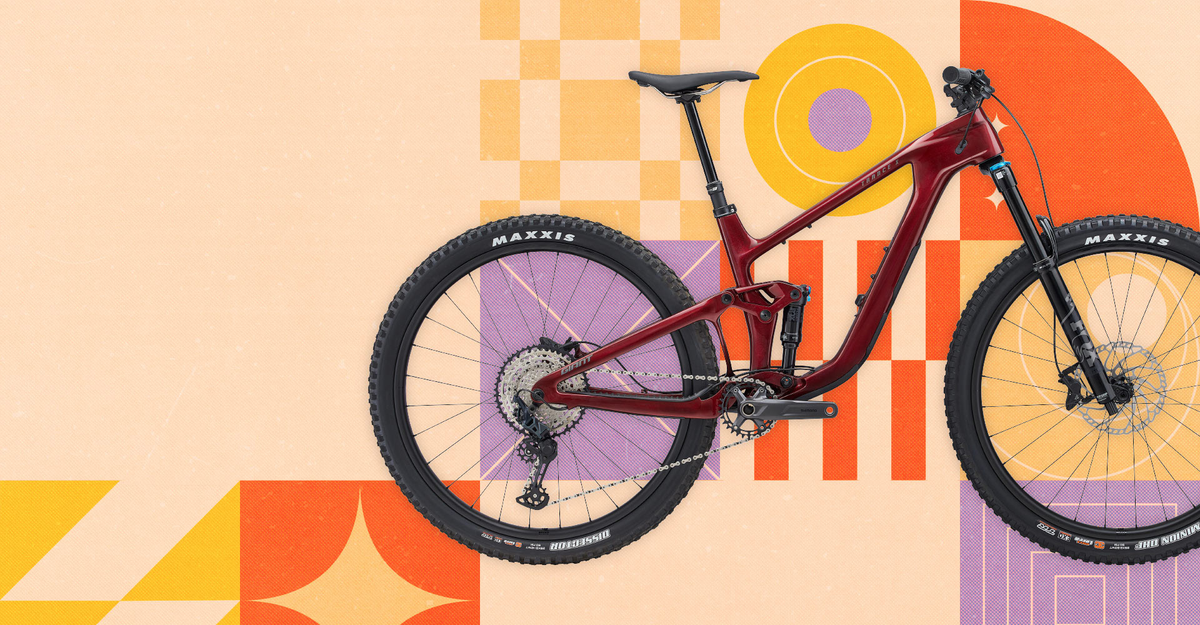
1. Giant Manufacturing Co. Ltd.
You really can’t talk about bike manufacturing without mentioning Giant. They’re based in Taiwan but run huge factories in mainland China, and yes, they’re the biggest bicycle manufacturer in the world. What always impresses me is their vertical integration. They don’t just assemble bikes—they control tubing, frames, and much of the process end to end. That level of control gives them consistency most factories can’t touch.
Strengths for B2B Partners:
If you’re a large distributor, Giant gives you instant credibility. Their OEM history with global brands proves they know what they’re doing. I’ve always felt their supply chain is one of the safest in the industry, especially when parts shortages hit smaller players hard. For risk-averse partners, that stability matters a lot.
Potential Considerations:
That said, Giant isn’t built for flexibility. Their system runs on volume, not experiments. Small batches or deep customization can be tough to push through. They focus mainly on their own dealer network, so private label opportunities usually require serious scale and patience. For smaller brands, that can be frustrating.
The Volume Players: Masters of Efficiency
China also has manufacturers that don’t come from traditional bicycle backgrounds. Many started with electric scooters or commuters and then scaled insanely fast. Their strength isn’t brand or design—it’s efficiency. For some business models, that’s exactly what you need.
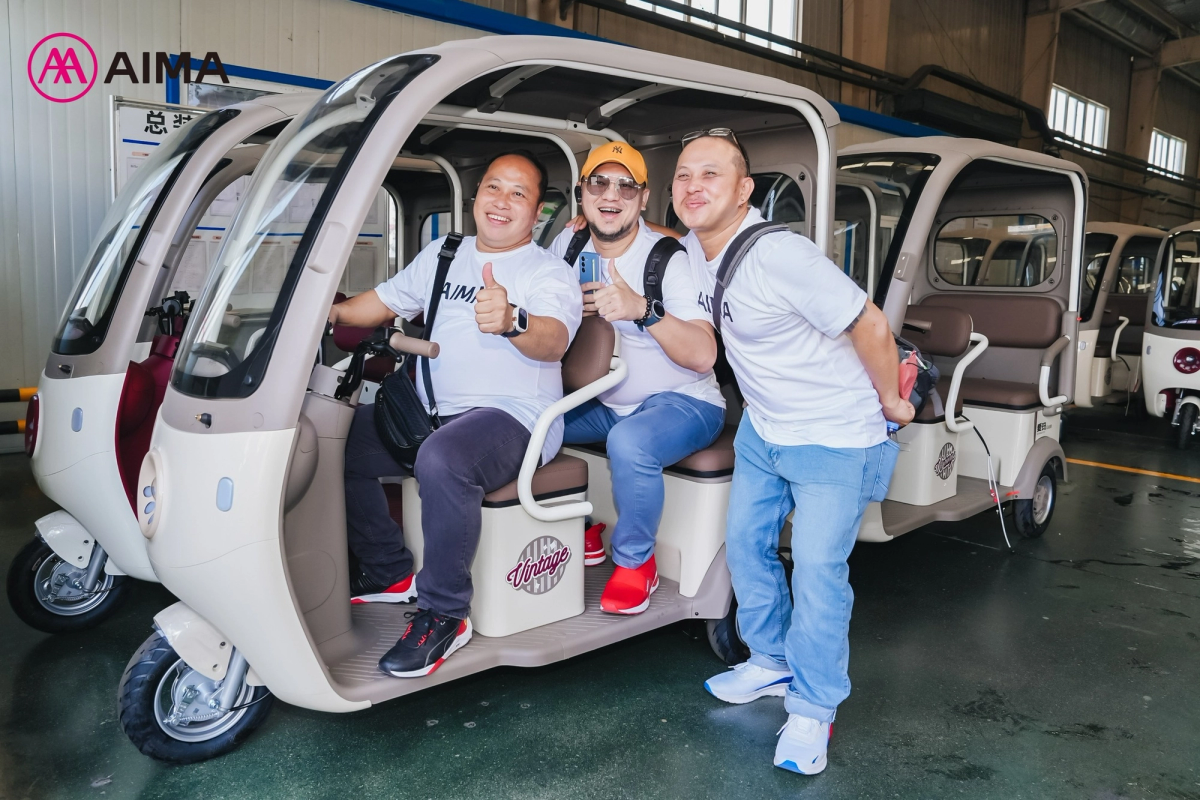
2. Aima Technology
Aima is massive in China’s domestic market. They produce millions of electric two-wheelers every year, which honestly still blows my mind. Their factories are built for speed and volume. If you’re supplying a big retail chain or a city fleet, Aima can deliver without blinking. Lately, I’ve seen them pushing hard into exports and showing up more at overseas trade shows.
Strengths for B2B Partners:
Aima shines when cost and volume are the priority. Their ability to hit competitive wholesale pricing is real, not marketing talk. They also know how to ship huge quantities efficiently, which sounds boring—but saves a lot of headaches when deadlines matter.
Potential Considerations:
Here’s the catch: performance isn’t their core DNA. Their fat tire models are usually for casual riders, not aggressive off-road use. If your customers expect high torque, serious suspension, and durability on rough terrain, you’ll probably feel limited working with them.
The OEM Specialists: Built for Brand Partners
This category is where many international buyers end up. These factories exist to build bikes for other brands. They’re used to specs, revisions, and client feedback—and that mindset matters more than people think.
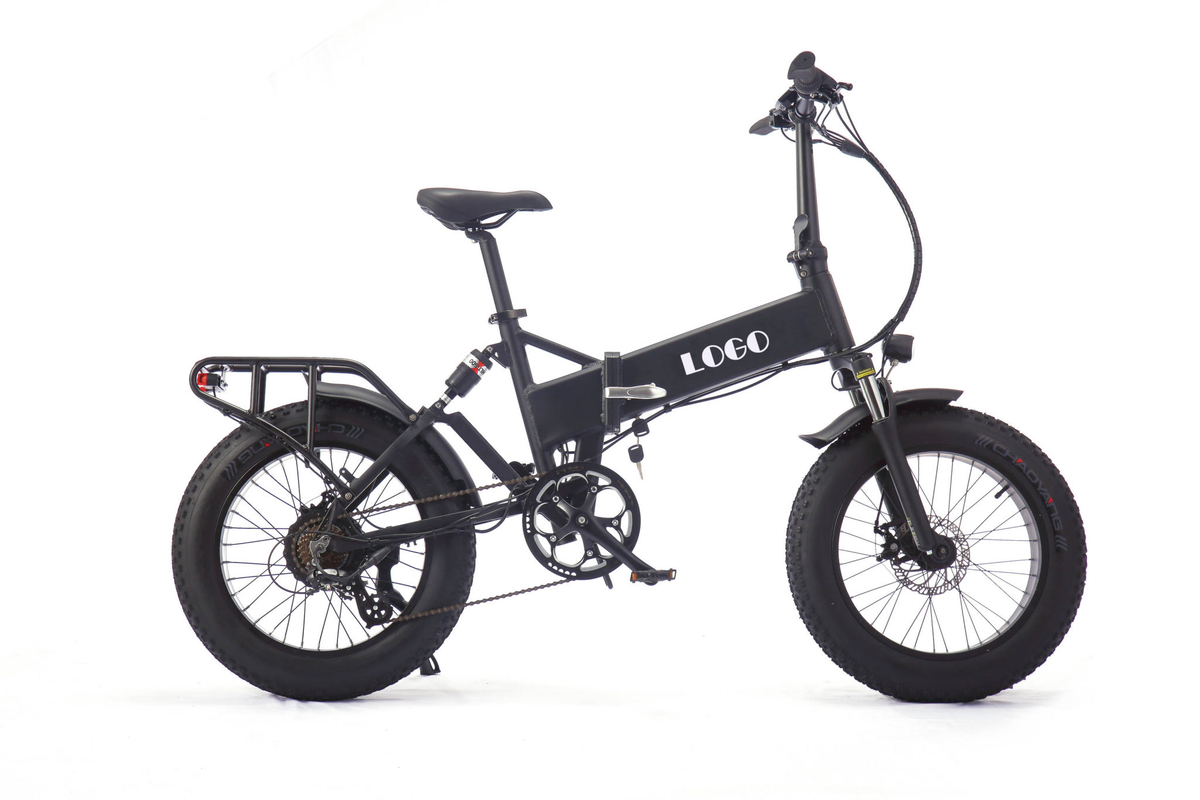
3. Omatic Tech
Omatic is a solid, no-drama OEM supplier in my book. They’ve built their reputation on flexibility and communication, which I always respect. Their catalog covers city bikes, commuters, and fat tire e-bikes, and they’re used to adjusting specs rather than pushing one fixed model. They understand how B2B relationships actually work.
Strengths for B2B Partners:
Customization is where Omatic does well. If you want to tweak components or branding without reinventing the wheel, they’re a good option. Their wide experience also means they have access to many component suppliers, which helps when shortages hit.
Potential Considerations:
Because they’re generalists, they may lack deep expertise in extreme off-road riding. I’d always recommend double-checking frame strength, motor tuning, and component durability if trails and rough use are your main selling points.
The Experienced Exporter: Value Meets Stability
Some factories survive because they understand foreign markets deeply. They know certifications, documents, and after-sales expectations—and that experience can save you time and money.
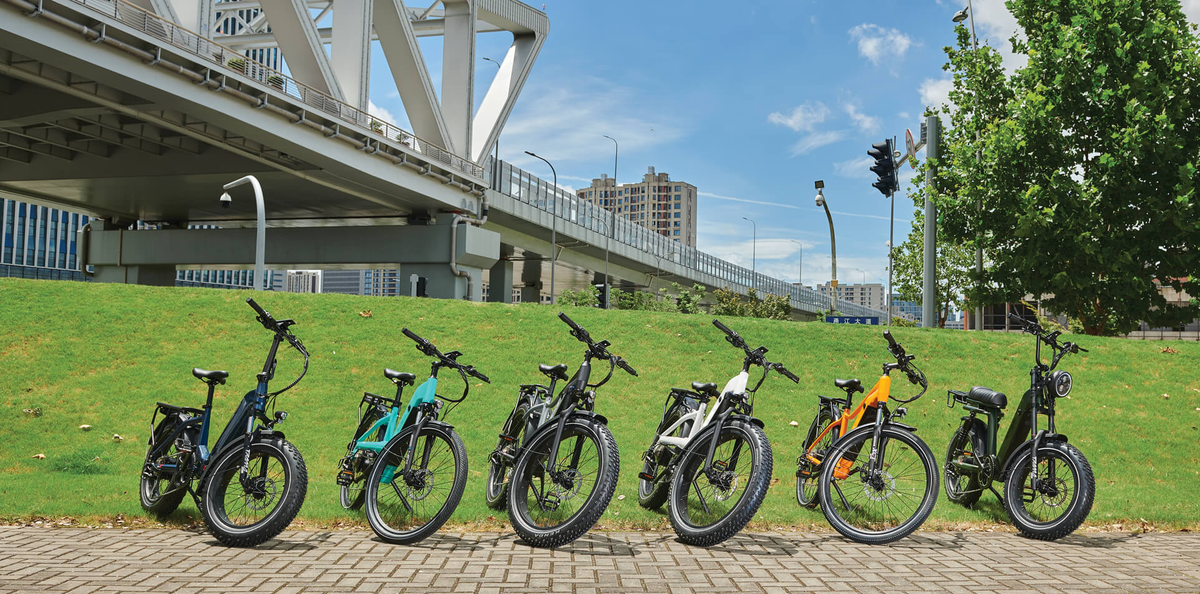
4. LeeBike (Ningbo Lvkang Vehicle Co., Ltd.)
LeeBike has been exporting e-bikes for close to twenty years, which shows. They’ve grown into a serious China-based electric bike factory with in-house frame welding and motor production. That vertical setup helps them balance cost and quality better than many mid-sized players. Their fat tire models are especially popular in their lineup.
Strengths for B2B Partners:
Their export experience makes life easier. They understand standards, paperwork, and compliance, which newer factories often mess up. Price-wise, they sit nicely in the mid-range, offering decent specs without pushing costs too high.
Potential Considerations:
LeeBike leans more toward ODM than deep OEM. You can brand their designs easily, but if you want a totally unique frame or proprietary features, you might hit limits faster than expected.
The Niche Expert: Built for Off-Road Performance
Now we get to specialists. These companies don’t chase volume or variety. They focus, obsess, and refine one niche. If your goal is performance and margins, this approach usually wins.
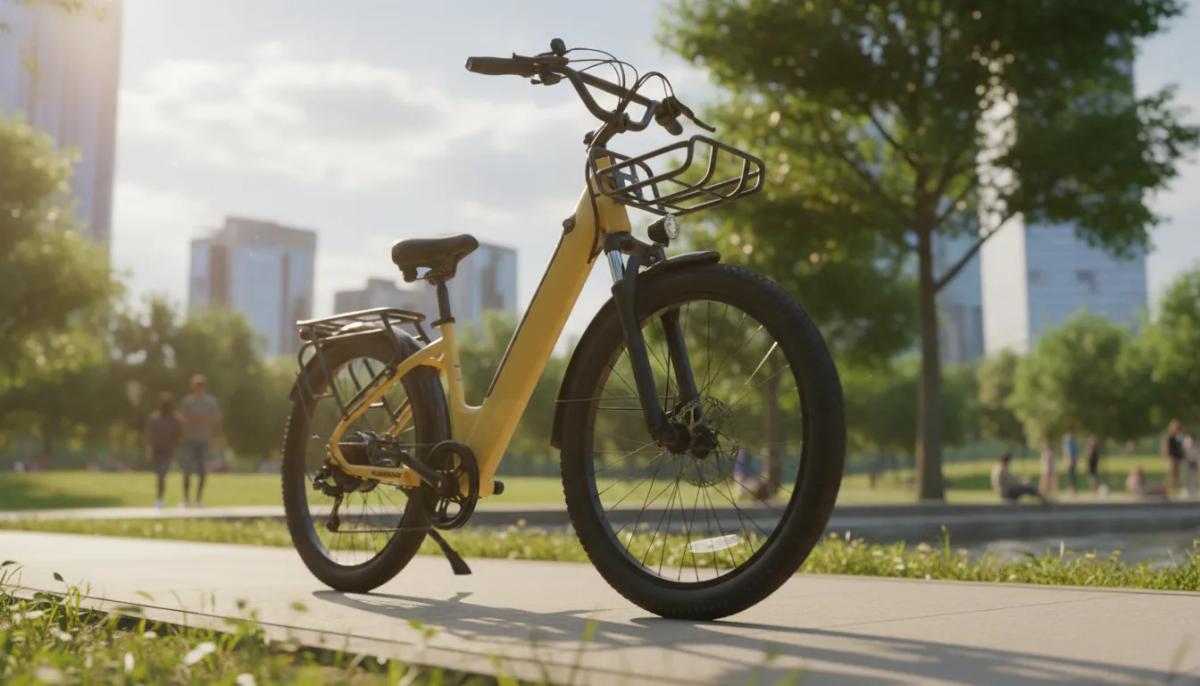
5. ClipClop (Guangzhou Clipclop E-bike Technology Co., Ltd.)
At ClipClop, we decided early not to chase everything. We focus relentlessly on precision-engineered electric off-road, fat tire, and heavy-duty cargo platforms for international B2B partners. Operating from a 25,000 m² modern manufacturing facility in Guangqing Industrial Park (Shijiao Town, Qingyuan) with R&D and design headquarters in Guangzhou, ClipClop delivers 10,000 complete e-bikes per month (120,000+ annually).
Rather than using generic catalog frames, our frames are fabricated from 6061-T6 aluminum with automated robotic laser welding and T4/T6 stress-relieving, certified under ISO 4210 and EN 15194 standards. Finished on an automated electrostatic powder-coating line exceeding 96-hour neutral salt spray corrosion tests, each unit undergoes 100% dynamometer bench testing for motor output, hydraulic brake pressure, and BMS cell balancing.
Our flagship off-road and fat-tire platforms include the dual-battery ClipClop L1 All-Terrain Fat Tire E-Bike, the versatile ClipClop Model M20F Folding Fat Tire Bike, and the rugged ClipClop Model M26 Mountain E-Bike. We empower distributors and brand founders with low MOQs starting at 10 units, full CE / UL 2849 compliance documentation, and 40HC container loading optimization.
ClipClop Off-Road & Fat Tire OEM/ODM Manufacturing Specs
Conclusion: There’s No “Best,” Only the Right Fit
After all this, one thing is clear: “best manufacturer” depends on your strategy. If you’re chasing huge volume at entry-level pricing, Aima might work. If you want flexibility across many models, Omatic or LeeBike make sense.
But if you’re serious about building a respected off-road e-bike brand—something riders trust on trails, sand, and backroads—you need a specialist. You need a partner who actually cares about performance.
That’s where we come in.
If you want to talk specs, OEM ideas, or just sanity-check your plan, reach out. We’re here to build real products with real partners, worldwide.
Q1: What is the difference between an OEM and an ODM "fat tire electric bike manufacturer," and which is right for me?
A: Great question, and it’s crucial to understand this! As an OEM e-bike manufacturer China (Original Equipment Manufacturer), we build to your exact specifications and designs. You bring the blueprint, and we bring it to life with precision manufacturing. This is ideal if you have a unique design or proprietary technology you want to implement. On the other hand, an ODM e-bike supplier (Original Design Manufacturer) offers pre-designed models that you can then brand as your own. Many businesses start with an ODM approach, like our popular Clipclop L2 model, and then add their branding, colors, and perhaps a few component tweaks. It's faster and often requires a lower e-bike MOQ (minimum order quantity). For businesses looking to establish a presence quickly, ODM is fantastic. For those aiming for true product differentiation and exclusivity, OEM offers greater control.
Q2: What are the typical MOQs for wholesale fat tire electric bikes from China, especially for specialized models like off-road e-bikes?
A: The e-bike MOQ is a significant factor for any B2B buyer. For standard, off-the-shelf ODM models, you might find MOQs starting as low as 20-50 units. However, for anything that requires customization—whether it's a specific paint scheme, component swap, or a full OEM design—the MOQ usually increases. For specialized electric off-road bike manufacturer services, like developing a custom frame or integrating unique electronics, MOQs typically start at a full container load, which can be anywhere from 100 to 200 units depending on the bike's size and packaging. It’s always best to Ask for MOQ & Lead Time directly for the specific configuration you have in mind.
Q3: How does Clipclop ensure its fat tire e-bikes comply with international standards like CE and EN15194 for the EU market?
A: Compliance isn't just a checkbox; it's fundamental to successful international trade. At Clipclop, being a CE certified e-bike manufacturer and ensuring EN15194 compliance for the EU market is a core part of our design and manufacturing process. Our engineering team is deeply familiar with these standards from the ground up. This means we carefully select components that meet safety regulations, implement robust testing protocols for electrical systems and battery safety (we can also provide e-bike battery MSDS documents), and ensure the overall construction of our bikes adheres to all legal requirements. This proactive approach means you can trust that your bikes will pass import inspections and be safe for your customers, whether you’re an e-bike importer supplier or a direct distributor.
Q4: What kind of support can I expect from Clipclop as an e-bike supplier for distributors, especially regarding after-sales service and spare parts?
A: We understand that selling e-bikes is a long-term commitment, not a one-off transaction. As an e-bike supplier for distributors, our support extends far beyond the factory floor. We offer a clear and fair e-bike warranty policy manufacturer that protects both you and your customers. We also strongly advocate for providing spare parts kits for e-bikes wholesale with your orders. This allows you to handle common maintenance and minor repairs quickly, keeping your customers happy and minimizing downtime. We also provide comprehensive technical documentation and are always available to answer technical queries. Building your brand means having a reliable partner, and that’s exactly what we aim to be.
Q5: When looking for a wholesale fat tire electric bikes supplier, what key performance indicators should I consider for the motor and battery systems?
OEM Fat-Tire Platform: Geometry & High-Torque Control
A: When sourcing wholesale fat tire electric bikes, the motor and battery are your performance heart. For motors, pay attention to rated power (Watts) and, crucially, torque (Nm). A higher torque figure, like the 70Nm on our Clipclop L2, indicates better climbing ability and acceleration, essential for off-road use. For batteries, look at Voltage (V) and Amp-hours (AH). Together, these determine the total energy capacity (Watt-hours, Wh). A higher Wh rating generally means a longer range per charge. Also, consider the charging time (Hours); faster charging is a convenience feature. Finally, inquire about the battery's Lithium-ion chemistry and the presence of a robust Battery Management System (BMS) for safety and longevity. Don't hesitate to Request Sample & Spec Sheet to verify these details.
Commercial Procurement & Fleet Sourcing with ClipClop
Deploying electric bicycle fleets or distributing private-label e-bikes requires a trusted manufacturing partner capable of consistent container-level production, robot-welded frame alignment, and rigorous batch QC. From our 25,000 m² factory in Qingyuan, Guangdong, ClipClop provides end-to-end OEM/ODM electric bike manufacturing services with an accessible MOQ of just 20 units per SKU. Every container order includes dedicated spare parts allocation (2% free warranty backup components), full international compliance documentation (EN 15194, UL 2849, UN38.3), and 15-day sample dispatch.
Ready to evaluate engineering samples for the CS01 Fat Tire & CS04 Commercial Utility Platforms or review container FOB volume pricing? Visit our Commercial RFQ Portal to submit your technical specifications, or speak directly with our engineering sales team via our B2B contact desk.
Download the 2026 ClipClop Factory Catalog (PDF)
Full e-bike specs, motor & battery options, MOQ, and container loading details.
More OEM field notes.
World's Top E-Bike Manufacturers 2026: B2B OEM/ODM Comparison, Factory Capacity & Tooling Lead Times
Importing E-Bikes to Argentina 2026: Sourcing Guide, SKD Kits & Dealership Margins
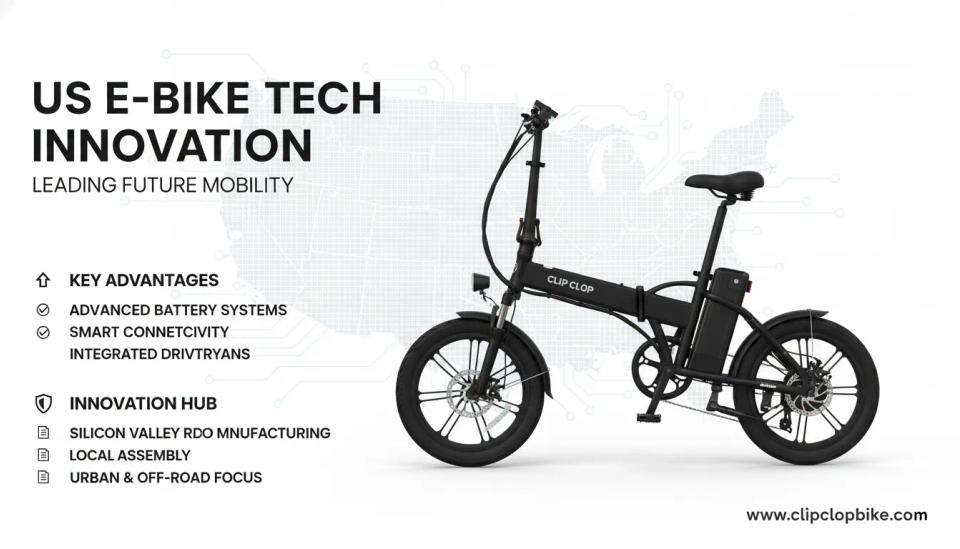
US E-Bike Technology Trends 2026: IoT Fleet Telematics, Smart BMS & Automatic Shifting
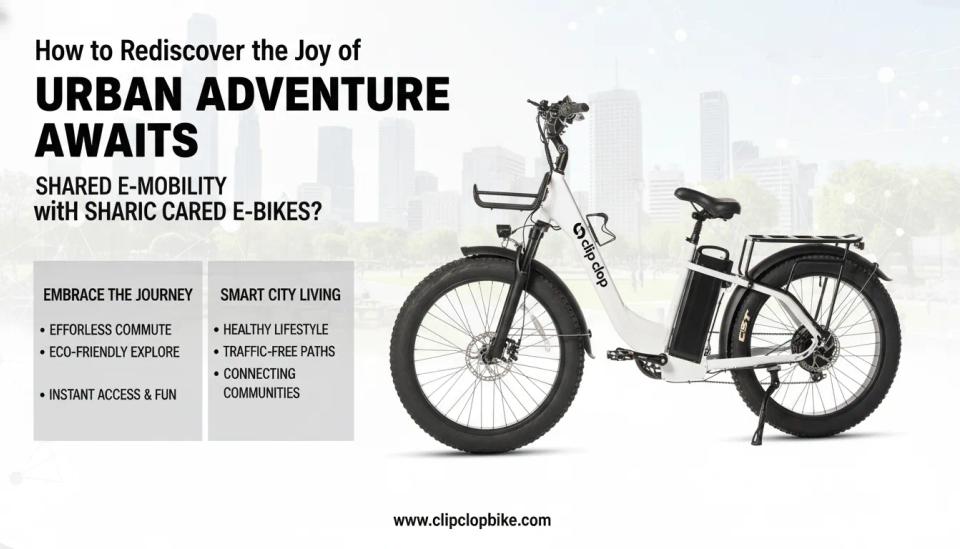
Shared E-Bike Fleet Sourcing: Turnkey IoT Telematics, Swappable Batteries & OEM Durability
Send your brief. We will field-note back.
Reply includes the feasibility view, sample cost, MOQ, and the next step for your project. We aim to respond within 48 hours.