


I’m Leo Liang, and I spend an unhealthy amount of time thinking about electric off-road bikes at ClipClop in Guangzhou. It’s not just a shift for me—I ramble about frames on our blog, in podcasts, and on social, probably way too often. After years of talks with distributors, rental managers, and OEM partners, one request keeps repeating: “Please don’t sell me problems.”
Motors and batteries grab the spotlight, I get it. But when your bikes have to survive real users, real terrain, and real daily abuse, the frame is the quiet boss. It decides how long the bike lasts, how safe it feels, and whether the ride stays consistent month after month. If the frame is wrong, everything else is kind of lipstick.
For B2B, a frame isn’t “a part,” it’s an asset you’re stuck living with. A cracked frame isn’t only a warranty ticket—it’s angry customers, downtime, and sometimes a scary safety moment. A solid frame, though, means fewer repairs, happier riders, and a cleaner ROI. That’s why I obsess over welds, tube profiles, and geometry like it’s personal.
Quick confession: I used to underestimate how much frame design hits the business side. A couple fleet operators and a few blunt bike YouTubers basically told me, “Stop chasing spec-sheet hero numbers—build something predictable.” That advice stuck. Now I watch failure patterns, I track service data, and I ask annoying questions until the answers stop sounding fuzzy.
Living in Guangzhou’s manufacturing hub makes this extra obvious. You can walk through factories and see the same bike “idea” built ten different ways, and only a few will survive hard use. The difference is usually not one magic part—it’s dozens of small choices stacked together: heat treatment discipline, jig accuracy, weld consistency, even how cable ports are reinforced.
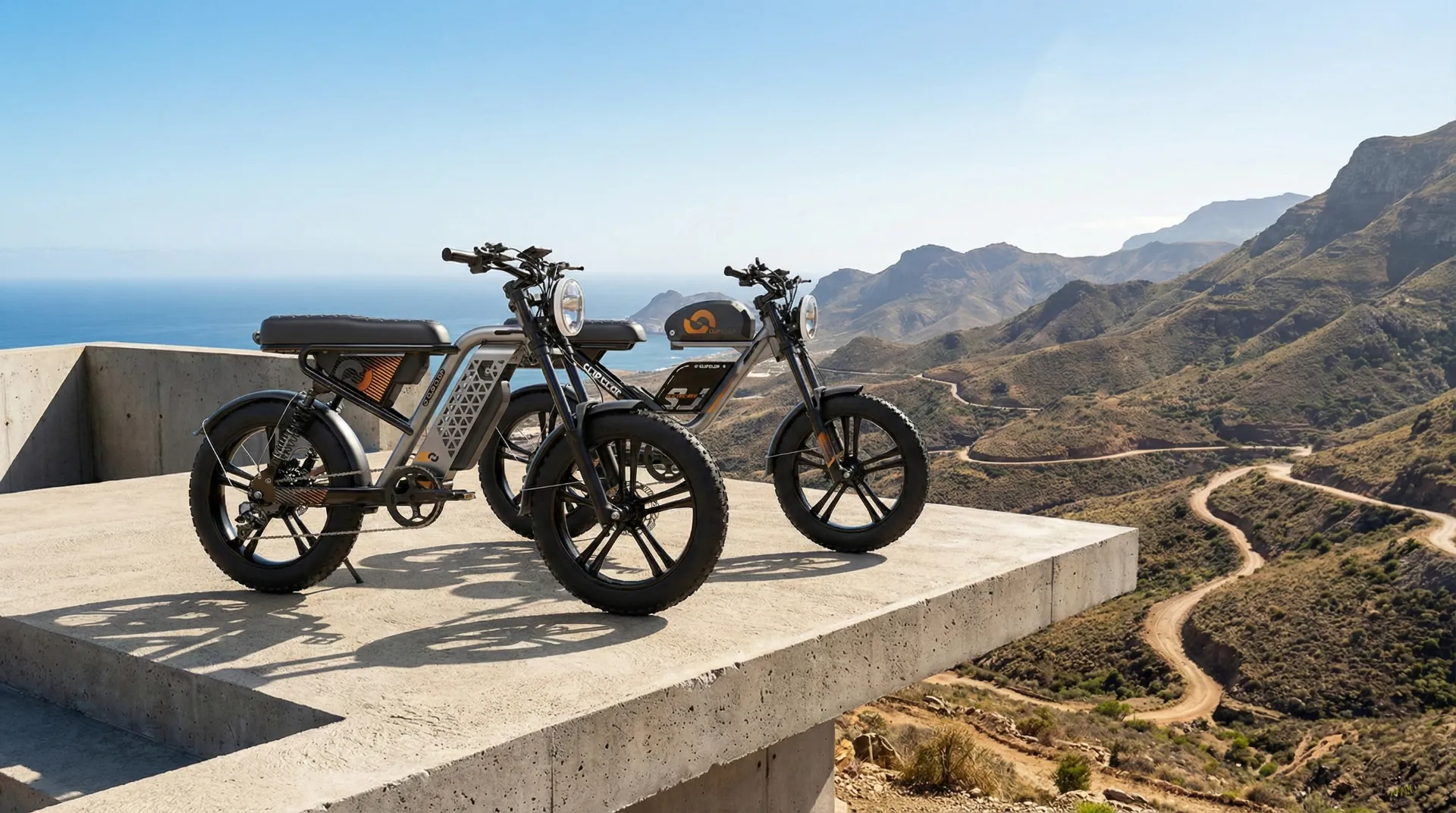
In this deep dive, I’m pulling back the curtain on what makes modern e-bike frames actually work. We’ll go past shallow specs and talk about material choice, structural design, and what happens in messy real life. I’ll share why 6061 aluminum (like we use on the ClipClop L1) stays popular, how hydroforming and butting help, and what a B2B buyer should demand before signing a PO.
I’m not trying to drown you in jargon. The goal is simple: help you pick a frame that protects your brand, keeps bikes in service, and feels good to ride for years. If you manage a fleet, you don’t need “cool”—you need “still running on Tuesday,” even after somebody curb-drops it like a stunt.
What Truly Defines a High-Performance B2B Bike Frame?
When people say “high performance,” retail buyers often mean fast and light. In B2B, I think performance is more like a three-legged stool: durability, weight, and cost-effectiveness. Make it too light and it cracks. Make it too heavy and riders complain, batteries drain faster, and your bikes feel lazy. The sweet spot is boring in a good way.
One painful topic that comes up with partners is unscheduled maintenance. A bike in the workshop isn’t earning money, and it’s not making customers smile either. The frame has to handle rider weight, constant motor torque, and the battery’s concentrated mass, all at once. If your frame can’t take repeated shocks, you’re basically buying downtime.
With e-bikes, torque is not a rounding error. On our ClipClop L1, we talk about 70Nm, and you can feel how it loads the chainstays and bottom bracket area. Add max loading cases like 160kg/350lbs, plus potholes, curb drops, and rental “oops” moments, and weak designs show up fast. Reliability becomes the real feature.
What separates a truly good B2B frame is predictability over its whole service life. That comes from a holistic approach: choose the right alloy, shape tubes intelligently, weld consistently, and then test like you don’t trust yourself. A few frame-analysis bloggers I follow keep repeating: “Design for fatigue, not just static load.” I’m with them.
Also, performance for fleets includes “how it fails.” A frame that gives warning signs—paint cracks near welds, slowly loosening mounts—lets you intervene. A frame that fails suddenly is a liability. So I look for designs that spread stress and avoid sharp transitions, because those are the places fatigue likes to party.
One more thing I look at: the “weight you can afford.” If the frame is heavy, riders push more motor assist, batteries cycle harder, and you end up swapping packs sooner. If the frame is too light, you pay in cracks. So I try to set a realistic target weight, then protect it with smart tube shaping and proper testing, not wishful thinking.
My practical buyer tip: insist on proof, not vibes. Ask for test reports, ask about heat treatment, and ask what failure modes they’ve seen in the field. Tell your team to log incidents—bent dropouts, cracked paint near welds, weird noises—because patterns show up if you actually track them. It’s boring, but it saves money.
Aluminum Alloy Frames: The Workhorse of the E-Bike Industry?
There’s a reason most quality e-bikes end up on aluminum alloy frames. Steel can be tough and cheap, carbon can be light and fancy, but aluminum hits a sweet middle: good performance, scalable manufacturing, and a cost that doesn’t destroy fleet math. For B2B, that balance matters more than bragging rights.
In the 6000 series, 6061 aluminum is basically the default “serious” choice, and it’s what we use on the ClipClop L1. The mix—aluminum with magnesium and silicon—gives solid mechanical properties and weldability. Weldability is a bigger deal than people think, because a frame is only as strong as its joints.
The real trick is heat treatment. After welding, the material’s properties aren’t at their best yet, and in the T4-ish state the strength is just okay. When you run proper T6 tempering—solution heat treat plus artificial aging—you shift the grain structure and get a big jump in strength and hardness. That strength-to-weight ratio is the point.
For B2B buyers, the benefits are direct. Aluminum frames are far more affordable than carbon in volume, and the supply chain is mature, so you’re not gambling on weird lead times. Aluminum also tends to dent rather than fail catastrophically, which makes inspections more straightforward. In rental ops, “easy to spot damage” is underrated.
Another practical upside: repair and assessment are usually simpler. A lot of regions have shops that can evaluate aluminum damage quickly, and some damage is obvious enough to pull bikes from service without debate. Compare that to carbon, where you might need specialist checks. Fleet managers tell me “speed of decision” matters almost as much as strength.
A blogger tip I like: do a “visual plus sound” check during maintenance. Look for paint cracking around weld toes, and lightly tap tubes to listen for odd changes after a crash. It’s not a lab test, but it’s a cheap habit. Pair that with a good finish, and aluminum stays a tough, pragmatic workhorse.
If you’re comparing suppliers, ask them to name the exact alloy and temper, not just “aluminum.” Some people mix terms loosely, and that’s how expectations get weird. Also, check the heat-treatment control: time, temperature, and batch tracking. The good factories will show you records without acting offended, because they know consistency is the whole game.
Is a Carbon Fiber E-Bike Frame Worth the Investment for Your Business?
Carbon fiber is tempting, I get it. It can be crazy light, stiff where you want it, and surprisingly comfortable because it damps vibration. The layup process lets engineers tune stiffness in different zones—stiff near the bottom bracket, a bit more forgiving near the rear. For racing or premium consumer bikes, those gains can matter.
But in most B2B scenarios—rental fleets, rough distribution channels, mixed-user environments—the cost hits hard. Carbon frames can be multiple times the price of a comparable aluminum frame, and that multiplies painfully when you’re buying in bulk. I always ask: does the weight saving pay you back in fewer issues or higher revenue?
Durability and maintenance are the bigger red flags for me. Carbon can be strong in the directions it’s designed for, but sharp impacts or crushing forces can cause delamination or fractures that aren’t obvious. A rock strike on a downtube or a bike falling onto a sharp edge can create hidden damage, and hidden damage is the worst kind.
Repairs are also tricky. Carbon repair can be specialized, expensive, and sometimes not worth it. If your bikes get handled by lots of users, you’ll need stricter inspection routines. Some fleet-focused YouTubers say: “If you can’t assess damage fast, you’ll either run risky bikes or over-retire frames.” Both options hurt.
Where carbon can make sense: controlled programs. Think high-end guided tours, premium memberships, or performance rentals where you can charge enough to justify the frame cost and also enforce handling rules. In those cases, carbon’s ride feel becomes part of your product. But you have to run it like a premium program, not a free-for-all.
So my blunt take: for most commercial fleets, a high-quality aluminum frame wins on total cost of ownership. If you still want carbon, build a damage protocol: train staff, document impacts, do regular close inspections, and pull suspect frames immediately. And yeah, price that risk into your business model instead of ignoring it.
One angle that gets missed: resale and perception. Carbon can look premium, which helps marketing, but one bad viral “cracked carbon rental” story can hurt fast. If you run carbon, consider insurance, deposits, and strict user rules, and be ready to retire frames early. It’s not “wasteful,” it’s risk management, even if it feels painful.
How Does Structural Design Impact E-Bike Durability and Rider Experience?
Material is only step one; design is where frames either shine or embarrass themselves. I’ve ridden aluminum bikes that feel sharp and controlled, and I’ve ridden “fancy” bikes that feel vague because the structure is wrong. It’s a game of millimeters and degrees, and riders notice it even if they can’t explain it.
Two manufacturing tools we lean on are hydroforming and butting. Hydroforming uses high-pressure fluid to push aluminum tubing into complex shapes inside a mold. That’s how you get head tubes that flare for stiffness or downtubes that fit a battery cleanly without becoming weak noodles. Done well, it’s efficiency, not decoration.
Butting is about varying wall thickness: thicker where stress concentrates (often near welds), thinner where you’re mostly carrying load with less stress. Done right, it saves weight without sacrificing strength where it matters. Done poorly, it creates thin weak spots that crack early. I’ve seen that in the wild, and it’s always a bad day.
E-off-road bikes add special stress because motor torque loads the frame in ways normal bikes don’t. The chainstays, bottom bracket shell, and linkage areas take a beating. Plus, the battery and motor change the center of gravity, so geometry has to compensate—head angle, wheelbase, reach, even seat tube angle. Riders feel it immediately.
Small design details also decide long-term happiness: how the battery mount is supported, whether weld access is clean, if cable ports have reinforcement, and if there are stress risers near cutouts. A few teardown bloggers literally say “follow the holes,” because badly reinforced cutouts become crack starters. I don’t love hearing that, but it’s true.
A practical blogger-style tip: treat geometry as part of your “durability” budget. A stable bike that tracks well gets crashed less. So, ask for geometry charts and compare them to your terrain—rocky trails, city curbs, beach sand, whatever. If the bike is twitchy, it’s going to get dropped more, guaranteed.
On the build side, I’m picky about weld zones and reinforcements. The heat-affected zone around welds is where problems love to start, so good joint prep and consistent TIG work matters. I also like designs that avoid huge gussets everywhere—those can hide stress issues. Better is smooth load paths, clean fit-up, and repeatable welding.
Why Is Corrosion Resistance a Non-Negotiable for E-Bike Fleets?
Total cost of ownership isn’t just parts and labor; it’s also weather, salt, mud, and time. Fleets live outside a lot—coastal air, rainy seasons, winter roads with salt—so corrosion sneaks up on you. And it’s not just ugly paint bubbles. Corrosion can weaken material and mess with safety.
Aluminum has natural corrosion resistance because it forms a thin oxide layer in air, which is a nice built-in shield. But that layer isn’t invincible. Scratches, acidic grime, and harsh environments can break it down. That’s why relying on “raw aluminum is fine” is a risky bet if your bikes live in real weather.
So you need a serious protective finish. The two common options are powder coating and anodizing. Powder coat is what we use: electrostatically apply powder, then cure it, and you get a thick, even layer that resists chips and fading better than basic paint. It’s basically armor for daily abuse.
Anodizing is different—it’s an electrochemical process that builds a harder oxide layer that becomes part of the metal. It can be thinner than powder coat, but it’s very tough and doesn’t peel the same way. Either way, the key is coverage and consistency, especially around welds, edges, and mounting points.
One thing people forget: corrosion isn’t only on the frame tubes. Hardware matters. Mixed metals can cause galvanic corrosion, especially with salty water around. I’ve seen steel bolts seize into aluminum threads and turn simple service into a mess. Use proper coatings, washers, and anti-seize where it’s appropriate, and you’ll thank yourself later.
My maintenance note (learned from salty-air rental operators): rinse bikes, don’t just “wipe them.” After beach use or salted roads, do a quick low-pressure rinse, then dry around joints and mounting points. Also inspect drain holes and internal cable ports, because trapped water is sneaky. This routine keeps frames looking decent longer.
If you want to be extra nerdy (in a good way), ask about finish thickness and adhesion testing. Cheap coating can look fine on day one, then chip and let corrosion creep under it. Some operators even do simple “scratch and tape” checks on sample frames, plus periodic inspections near bottle bosses and mounts. It’s small work that prevents big regret.
Navigating Frame Specifications: What Do B2B Buyers Need to Know?
Spec sheets can feel like a wall of numbers, but a few metrics really matter for B2B. Frame sizing is one of them. If you’re renting bikes, you need a range of sizes so more riders fit safely and comfortably. Look for clear data like seat tube length, top tube length, and standover height, not vague “S/M/L” only.
A supplier that takes B2B seriously should give you a proper geometry chart, and not hide it. Use that chart to map sizes to rider heights, then test it with real humans. I’ve seen fleets buy “one size fits all” and deal with constant complaints. Fit issues become safety issues fast, and returns get expensive.
Compatibility standards are another headache if you ignore them. Check head tube standard (tapered vs straight), bottom bracket type (BSA threaded vs PressFit), and rear dropout spacing. If the frame uses odd proprietary standards, you’ll suffer later when sourcing parts. For fleets, “common parts” equals “faster repairs.”
Then match the frame to terrain. Geometry tells you the intent: slacker head angles around 65–67 degrees usually mean more stability on descents, while steeper (68+ degrees) often feels better for climbing and cross-country. Also check tire clearance, suspension compatibility, and mounts. Our L1, for example, is built for 20”×4.0 fat tires.
Documentation matters too, and it’s not sexy. Ask for part numbers, spare recommendations, and a clear BOM. If every tiny piece is custom and undocumented, your mechanics will hate you later. I’ve heard bloggers call this “maintenance debt,” and it’s a real thing—small part chaos becomes big downtime when you scale.
Here’s my simple buyer checklist: demand the geometry chart, demand the standards list, and demand the max loading rating with a real test basis. Then ask, “What happens when this gets abused?” Product-review folks say to look for wide tire clearance and robust battery mounts because those points fail a lot in rentals. They’re not wrong.
I also like when frames have clear labeling or QR codes for parts and sizes. Sounds minor, but when you’ve got 50 or 500 bikes, it helps your team pull the right replacement fast. Standardize spare hangers, bolts, and small mounts, and keep a tiny inventory. The blogger advice here is simple: “Make servicing boring.”
How Do We Test and Guarantee Frame Strength at ClipClop?
In B2B, trust is currency, and I don’t think trust should be “please believe us.” At ClipClop, we treat frame strength as measurable, not poetic. The process starts before welding, in the design phase, where we run Finite Element Analysis (FEA) on 3D models and try to break them virtually first.
In FEA, we simulate messy loads: heavy riders landing jumps, motor torque twisting the rear triangle, and fatigue cycles that mimic long-term riding. The goal isn’t to make the strongest frame ever; it’s to find weak zones early so we can reinforce smartly without adding dumb weight everywhere. That balance is the job.
Then we move to physical testing. Our frames and complete bikes go through tests aligned with international safety standards like ISO 4210, and those machines are not gentle. We run fatigue tests—horizontal and vertical—so the frame sees repeated forces like real pedaling and impact. We also do impact tests with a weighted striker.
I’ll be honest: these tests aren’t glamorous to watch, but they expose truth fast. If a design has a bad stress concentration, it shows up as cracks near welds or deformation in key areas. That feedback loops into the next iteration. This is why I tell partners to ask suppliers: “What tests, how many cycles, and what failures?”
Testing is only half; process control is the other half. Even a good design can fail if welding is inconsistent or heat treatment drifts. So we care about jigs, weld procedures, and batch checks. Some factories do visual inspection only; the better ones use more systematic checks and keep records. Consistency is the real flex in manufacturing.
Some partners ask me about inspection methods, so I’ll say it plainly: visual checks are necessary but not enough. Depending on the program, you might want dye-penetrant checks on weld samples, alignment checks on jigs, and hardness or temper verification if you’re serious. You don’t need aerospace-level testing, but you do need repeatability you can trust.
For partners—distributors, rental operators, brands—this kind of validation reduces risk. It cuts warranty claims, lowers liability exposure, and protects your brand reputation. If you’re evaluating suppliers, don’t just ask for a certificate; ask for the story behind it. A good factory can explain what they changed after tests failed.
The Future of E-Bike Frames: Innovations on the Horizon?
Rammeteknologien står ikke stille, og ærligt talt kan jeg lide det. Aluminium og carbon dominerer i dag, men nye materialer dukker konstant op. Magnesiumlegeringer får opmærksomhed, fordi de kan være lettere end aluminium og dæmpe vibrationer godt. Der arbejdes også med termoplastiske kompositter, der muligvis er mere genanvendelige og slagfastere end traditionelt carbon.
En kæmpe trend er en dybere integration af elektronik. Klodsede eksterne batterier føles langsomt forældede. Flere mærker designer nedre rør, der indeholder batterier internt, hvilket forbedrer beskyttelsen, giver et renere udseende og ofte sænker tyngdepunktet. Men det er ikke gratis: Du skal have smart formgivning og forstærkning, så hulrummet ikke svækker rammen.
Når motorerne bliver mindre, vil integrationen omkring bottensættet og kæderør også blive tættere. Det kan forbedre balance, men det øger også designkompleksiteten og kan gøre vedligeholdelse sværere, hvis det gøres dårligt. Nogle tech-bloggere siger konstant: “Design til vedligeholdelsesvenlighed, ikke kun æstetik.” Jeg er enig med dem – flåder har brug for hurtige udskiftninger.
Jeg tror også, vi vil se flere modulære ideer: aftagelige batteri-“pods”, standardiserede mountinger og måske endda integrerede sensorer, der logger stød eller stresscyklusser. Det lyder nørdet, men hvis det hjælper med at forudsige fejl og planlægge vedligeholdelse, er det praktisk. Flådeoperatorer sporer allerede dæk og bremsesmer; rammer kan være det næste.
Og ja, bæredygtighed vil få større betydning. Aluminium er relativt genanvendeligt, og termoplastiske kompositter kan forbedre reparationsevne og genanvendelse sammenlignet med ældre carbon-systemer. For flåder er “grøn” ikke kun marketing – det er bortskaffelsesomkostninger, udskiftningscyklus og om dele kan genbruges. Jeg tror, vinderne vil være designs, der først varer længere, og derefter er lettere at genanvende.
For B2B-partnere hjælper det med at følge disse trends med at undgå at købe ind i døde designs. Vores job som producent er at teste nye ideer uden at falle for hype. Vi forsker i næste-generations rammer, der integrerer elektronik bedre, holder vægten fornuftig og stadig overlever kommerciel misbrug. Hvis den ikke kan klare udlejning, er det ikke innovation, det er et ansvar.
Call to Action
Din flådes ydeevne starter med fundamentet. Hvis du vælger cykler til distribution, udlejning eller dit eget mærke, og du vil tale rammespecifikationer, konfigurationer eller tilpassede behov, så kontakt os. Vi er ClipClop – en producent og eksportør fokuseret på elektriske off-road cykler – og vi støtter partnere ende-til-ende, fra tekniske spørgsmål til komplette køretøjsløsninger.
Når du sender mig en besked, medbring de reelle detaljer: terræn, cyklist-sammensætning, dagligt kilometerantal, opbevaringsforhold og hvordan dit serviceteam arbejder. Jeg hjælper dig med at oversætte det til ramprioriteter – materiale, geometri, finish, standarder – uden at foregive, at der findes ét “perfekt” svar for alle. Det er ofte afvejninger, og det er okay.
Hvis du vil have en hurtigere start, kan vi arbejde fra dit målpris, dine must-have specifikationer (som dækstørrelse, momentniveau, last) og dine branding-behov, og derefter bygge et praktisk forslag deromkring. Målet er simpelt: en flåde, der holder ud, er profitabel og sikker, ikke en flåde, der ser fantastisk ud i en brochure og kollapser efter seks måneder.
Hvis du kun husker nogle få ting fra alt dette, så lad det være disse: køb til træthedsliv, ikke til et showroom-foto; hold standarder fælles så dele er lette; og beskyt rammen mod korrosion som om det er et batteri, ikke en dekoration. Det er den mindset-ændring, jeg ønskede jeg havde lært tidligere, og det er det, der holder flåder rolige.
Og hvis du lige nu laver leverandørsammenligninger korrekt, prøv denne hurtige vane: sæt tre rammer op, kør den samme tjekliste og score dem på samme måde hver gang. Tjek justering, kig på svejsningsensartethed, inspicér batterimountingens støtte, bekræft hærdningsgrad og finishmetode, og læs derefter testhistorien. Konsistens slår mavefornemmelse, selv når maven er høj.
Frequently Asked Questions (FAQ)
Q1: Hvad er den største forskel mellem en 6061- og en 7005-aluminiumlegeringsramme?
A: Begge er fremragende materialer til en B2B cykelramme. Den primære forskel ligger i deres legeringselementer og varmebehandling. 6061 aluminiumslegering (med magnesium og silicium) er kendt for sin fremragende svejseevne og formbarhed, hvilket gør den alsidig og omkostningseffektiv. 7005-aluminium (med zink) kan opnå en lidt højere trækstyrke efter naturlig ældning efter svejsning, men kan være mere udfordrende at arbejde med. Til overordnet elcykelholdbarhed og værdi er 6061 ofte det foretrukne valg til stor-skalaproduktion.
Q2: Hvor meget påvirker rammevægten egentlig en elcykels ydeevne?
A: Selvom en letvægtskonstruktion er fordelagtig, er dens indflydelse lidt anderledes på en elcykel sammenlignet med en traditionel cykel. Motorens assistance udjævner anstrengelsen ved at accelerere en tungere cykel. Alligevel forbedrer en lettere ramme stadig håndteringen, hvilket gør cyklen mere vendevenlig og lettere at manøvrere, især på stier eller i snævre byrum. Det gør også cyklen lettere at løfte og transportere. Endnu vigtigere for B2B indikerer en lettere, optimeret ramme ofte et mere avanceret strukturelt design og bedre fremstilling.
Q3: Er en aluminiumlegeringsramme egnet til brug i kyst- eller fugtige områder?
A: Absolut, forudsat at den har en passende beskyttende coating. Aluminiums iboende korrosionsbestandighed er en stor fordel. Når den kombineres med en højkvalitet pulvercoating eller anodiseret finish, er en aluminiumslegeringsrammen aluminiumlegeringsramme.
ekstraordinært velegnet til fugtige eller kystmiljøer og tilbyder overlegen levetid og lavere vedligeholdelse sammenlignet med en stålramme, der er meget mere modtagelig for rust.
Q4: Kan en buler aluminiumlegeringsramme repareres? aluminiumslegeringsrammen A: I modsætning til carbonfiber, som kan lide svært at opdage mikrorevner, er skader på en aluminiumlegeringsramme. typisk synlige som en buling eller bøjning. Mindre bulinger er ofte kun kosmetiske og kompromitterer ikke.
rammestyrken
. Dog bør større bulinger, revner eller bøjninger, især nær en svejsning, undersøges professionelt. Selvom nogle specialiserede reparationer er mulige, er udskiftning af rammen ofte den sikreste fremgangsmåde for betydelige skader, især i et kommercielt brugsscenarie.
med en "dobbelt-rør" eller "forstærket nedre rør" for at kompensere for mangel på et øverste rør og forhindre "rammesving".
- ISO 4210: Q5: Hvorfor er rammegeometri lige så vigtig som materialet?.
- “A: Rammegeometrien bestemmer, hvordan cyklen passer til cyklisten og hvordan den opfører sig på stien eller vejen. Den påvirker alt fra stabilitet ved høj fart og klatreeffektivitet til cyklistkomfort og tillid. Selv de bedste materialer kan resultere i en dårligt kørende cykel, hvis geometrien er fejlbehæftet. For B2B-anvendelser sikrer det at få geometrien ret, at en bredere vifte af kunder vil have en positiv og sikker oplevelse, hvilket er afgørende for succes med udlejningsflåder og for mærkets omdømme.“Den internationale sikkerhedsstandard for cykler, som beskriver testmetoder for rammer og andre komponenter. Detaljer kan findes på hjemmesiden for International Organization for Standardization (iso.org).“A: Rammegeometrien bestemmer, hvordan cyklen passer til cyklisten og hvordan den opfører sig på stien eller vejen. Den påvirker alt fra stabilitet ved høj fart og klatreeffektivitet til cyklistkomfort og tillid. Selv de bedste materialer kan resultere i en dårligt kørende cykel, hvis geometrien er fejlbehæftet. For B2B-anvendelser sikrer det at få geometrien ret, at en bredere vifte af kunder vil have en positiv og sikker oplevelse, hvilket er afgørende for succes med udlejningsflåder og for mærkets omdømme.“".
- “A: Rammegeometrien bestemmer, hvordan cyklen passer til cyklisten og hvordan den opfører sig på stien eller vejen. Den påvirker alt fra stabilitet ved høj fart og klatreeffektivitet til cyklistkomfort og tillid. Selv de bedste materialer kan resultere i en dårligt kørende cykel, hvis geometrien er fejlbehæftet. For B2B-anvendelser sikrer det at få geometrien ret, at en bredere vifte af kunder vil have en positiv og sikker oplevelse, hvilket er afgørende for succes med udlejningsflåder og for mærkets omdømme.“Materialer til cykelrammer”: En akademisk oversigt over almindelige materialer brugt i cykelfremstilling, ofte diskuteret i materialevidenskabelige tidsskrifter og af ingeniørressourcer som Cambridge University Engineering Departments online materialedatabase.Fatigue Design of Aluminium Components and Structures.



 English
  Spanish
  Portuguese
  Russian
  Arabic
  French
  Dutch
Dutch  German
  Danish
