
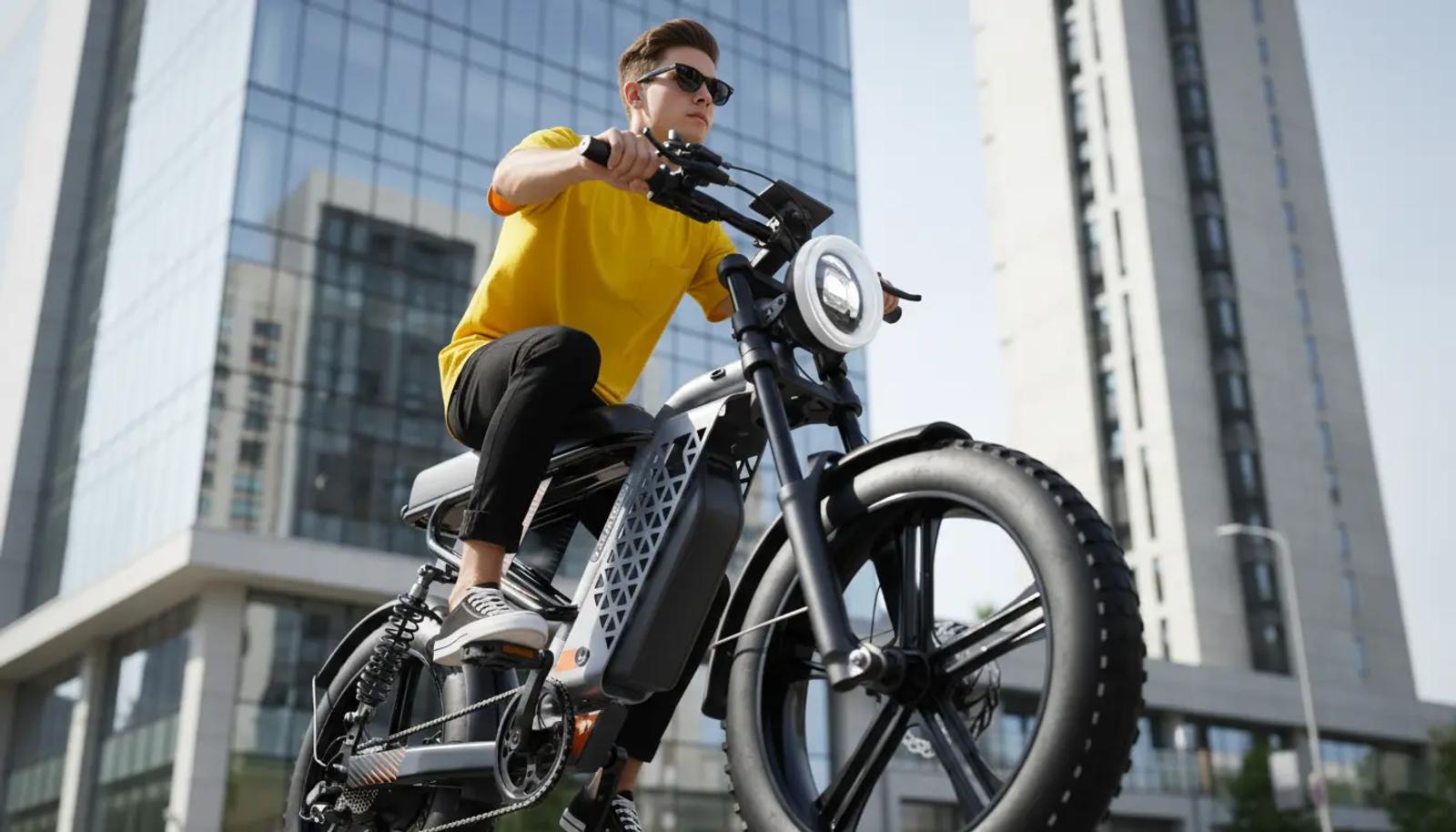
B2B Electric Bike Sourcing Guide 2026: OEM Specifications, FOB Pricing & Margins
Hello all, my name is Leo Liang. Years of my life have been spent hearing the hum of electric motors and the unbridled beauty of off-road terrain.
Hello all, my name is Leo Liang. Years of my life have been spent hearing the hum of electric motors and the unbridled beauty of off-road terrain.
The Definitive B2B E-Bike Sourcing Guide 2026: Fleet Architectures, Wholesale Margins & Factory QC
Factory Direct Sourcing & OEM/ODM Manufacturing with ClipClop
Commercial partners can inspect our manufacturing infrastructure on our OEM/ODM E-Bike Manufacturing Facility page, review standard configurations on our CS01 Fat Tire & CS04 Commercial Utility Platforms, or directly request volume FOB terms via our Commercial Quote Request Portal (MOQ 20).
Selecting commercial electric bicycles for enterprise distribution, leasing, or delivery fleets requires balancing rider ergonomics, powertrain durability, and aftermarket parts availability. In 2026, wholesale buyers must prioritize standardized modular electrical systems, verified UL 2849 / EN 15194 certifications, and high-efficiency container packing densities to maintain retail distributor margins above 38%.
At ClipClop's 25,000 m² factory in Qingyuan, our OEM/ODM product matrix covers all core commercial segments: L1 step-through urban commuters, M20F folding utility bikes, and CS01 heavy-duty cargo platforms. With over 120,000 units annual capacity, we deliver custom branding, localized compliance documentation, and flexible 50-unit sample runs for global partners.
| Commercial Segment | Frame Architecture | Powertrain / Battery | Container Load (40HQ) | Target Commercial Market |
|---|---|---|---|---|
| Urban Commuter & Rental | ClipClop L1 Step-Through | 48V 250W/500W + 15Ah Integrated | 180 Units (SKD Packed) | Corporate Fleets & City Rental |
| Compact Fleet & Last-Mile | ClipClop M20F Folding | 48V 500W + 14Ah Seatpost | 240 Units (Folded Carton) | Delivery Fleets & Trunk Commuters |
| Heavy Logistics Cargo | ClipClop CS01 Longtail | 48V 750W + Dual 15Ah (1440Wh) | 85 Units (Reinforced Box) | Commercial Postal & Food Logistics |
The motor is more than a power source, but rather the way in which that power is used. In the B2B universe, these read efficiency, riding experience, and maintenance. For most commercial uses, particularly those that expose bikes to varied terrain or payloads, high-torque motor is most important. Torque expressed in Newton-meters (Nm) defines how fast the bike can accelerate from a standstill and how well it can handle ascents—both essential in delivery operations or tour operation. The ClipClop L1, for instance, is fitted with a motor that delivers 70Nm of torque. This implies that regardless of an abundance of weight or on an incline, the bike provides smooth, consistent assistance without having to struggle. The power rating, expressed in some form other than watts, is another measurement that is crucial. While a 250W motor can get by just fine with easy city riding, the 750W motor provides the oomph needed for more demanding tasks and prevents the motor from being ridden flat out constantly, extending the life of the motor significantly. A hub motor compared to a mid-drive motor also impacts performance and maintenance. While mid-drives have excellent balance, high-end hub motors are more sealed and require less drivetrain upkeep, a huge benefit to fleet managers. Being aware of these nuances is key to having a motor that is going to be a solid, reliable heart for your entire fleet.
Cracking the Code on Battery Technology for Optimum Uptime and ROI
The battery is the gas tank for any electric vehicle. In a commercial setup, battery performance directly affects your operating range, daily uptime, and finally, your top line. Voltage (V), amp-hours (Ah), and the resulting watt-hours (Wh) are the specifications to keep an eye on since this indicates overall energy capacity. Our ClipClop L1 comes equipped with a 48V 15Ah lithium battery, which equals 720Wh. This ability provides a real-world range of 30-60KM per charge depending on terrain and assist level used. For a hire operation, it means a bike can handle several short-term hires before needing to be recharged. For a delivery fleet, it means a rider can get through a shift without worrying about running out of range. The battery chemistry matters too. Lithium-ion remains the norm in the industry due to energy density and lifespan. It's essential to ensure the battery pack contains high-quality cells from a proven manufacturer. Next, consider charging logistics. An easily removable battery, like that of the L1, is a big advantage for fleet operation. It offers a spot to charge batteries in one location with the bikes themselves still in place, and this enables a quick flip to deliver near-continuous operation. A 5-hour charging time equates to batteries being fully charged overnight and ready for work the next day.
The Unsung Hero: Why Frame and Build Quality Matter for Longevity
A good motor and good battery are useless if the frame that holds them together gives way. The frame is the foundation of the e-bike, and for B2B applications, it must be extremely strong. The choice of material is the initial important consideration. We construct our frames from 6061 Aluminum Alloy, a standard in its field for having an excellent strength-to-weight ratio coupled with corrosion resistance.12 This is perfect for fleets that have to work in various climates, ranging from seaside towns that have salty air to rain-soaked city centers. The "T6" that you may see with 6061 aluminum is a special heat treating procedure that strengthens and toughens it significantly.2 Other than the material, weld quality and overall geometry play a significant factor in how long and safe the bike will be. You want to see smooth, even welds as they reflect good quality workmanship. The frame also needs to be constructed to handle a great deal of weight. The ClipClop L1, for instance, features a top load of 160kg (350lbs) and can thus easily support any kind of rider or even light cargo application. Elements like internal cable routing not only contribute to making the bike appear tidier but also assist in protecting cables from damage, reducing future maintenance needed. Never underestimate the worth of a well-built frame; it is the foundation of a reliable, long-term commercial e-bike.
What terrain will your e-bikes dominate?
Placing the e-bike's specification in its intended environment is perhaps the most critical part of the selection process. A bike designed for smooth city roads will not last long on uneven trails or construction sites. In comes components like tires and suspension. For off-road use, fat tires, such as the 20" x 4.0 fat tires on the ClipClop L1, are a revelation. They offer an increased contact area with the ground, providing better grip and stability on loose terrain such as gravel, sand, or even snow. Their adaptability makes them ideal for resort rentals, park patrols, or any company venturing out of ideal urban grids. The greater volume of air in fat tires also has a natural cushioning action, reducing small bumps and vibration for a smoother ride even without fancy suspension systems. For truly rugged terrain, a quality front suspension fork will be needed to absorb greater impacts and maintain rider control. By considering the main operating terrain with care, you can select a bike that doesn't just ride better but also wears less, saving your long-term maintenance expenses.
Safety and Compliance: Protecting Your Riders and Your Business
Safety is not an amenity in a B2B environment; it's a fundamental requirement that protects your users, your business image, and your bottom line. A commercially operated fleet of e-bikes must have reliable safety features. As mentioned, hydraulic disc brakes are a necessary feature in their guaranteed and powerful braking in all climatic conditions, a significant factor where riders with varying levels of experience are involved. A complete complement of lights, such as a high-intensity headlight, rear indicator taillights, and wheel reflectors, also enhances safety visibility, especially for fleets riding early morning, late evening, or heavy traffic situations. Our ClipClop L1 offers everything necessary to give the rider maximum safety visibility. On top of that, all local regulations applying are required. This includes compliance with e-bike speed regulations by class and ensuring that all parts are safety approved, either CE or UL. Having a manufacturer who understands and complies with these global standards spares you the headache of severe legal and monetary repercussions. An accident-free fleet equals a successful fleet, and investing in such paramount safety features is a long-term investment in your company's viability.
Customization and Scalability: Not a Supplier, but a Genuine Partner
Your business is unique, and your e-bike fleet needs to be so too. One-size-fits-all approaches never work in the B2B space. That's why customizing your fleet means so much. Your actual manufacturing partner should be able to collaborate with you to create the customized e-bikes to suit your needs. This could be as simple as painting the frames in your company's colors and logo for easier identification. Or it could involve more complex changes, such as gearing adjustment or reprogramming of the controllers for limiting top speed for safety or regulatory compliance. For example, Shimano 7-speed derailleur on L1 offers reliability, but based on individual operational needs, alternative gearing can be analyzed. The ability to scale your fleet as your business does is equally important. The right supplier must be able to deal with low volume early orders and high volume rollouts. Look for a partner willing to be transparent about their process and invest the time to work with you to create a long-term plan. This cooperative approach ensures that your e-bike fleet can evolve and grow with your company.
Why After-Sales Support is a Dealbreaker for Fleet Purchases
The experience with your e-bike supplier should not end when you complete the sale. To a B2B purchaser, satisfactory after-sales support is perhaps as important as the quality of the bikes themselves. Once you have an e-bike fleet in operation with frequent usage, downtime translates to lost income. You require a supplier who is able to offer timely technical support, troubleshooting, and easily available spare parts. Prior to making a big purchase, inquire from prospective suppliers regarding their policy on warranty, their procedure for processing claims, and the average lead time for essential spare parts such as batteries, controllers, and motors. A manufacturer with in-depth industry experience will understand the value in this and have a robust support system in place. ClipClop views our B2B customers as long-term partners. We provide full technical details, direct contact with our technical team, and a streamlined process for spare parts fulfillment. This commitment to support keeps your fleet running, generating value for your business seven days a week. Remember that the initial cost of purchasing is only a small percentage of the total cost of ownership; quality after-sales support is what truly protects your investment over time.
Call to Action:
Finding the ideal electric bike fleet is a critical choice, but you don't have to make it in isolation. If you need information on model selection, configuration, or specific needs for your business, our experts are here to help. We are experts in manufacturing and exporting electric off-road motorcycles with full supply chain solutions to distributors, wholesalers, and brand partners. Discuss with us how we can propel your business. Contact us now to schedule a consultation or factory tour.
References:
- CYKE Bikes. (2025, May 21). Bike Frame Material Explained: 6061 Aluminum Alloy. Retrieved from https://www.cykebikes.com/blogs/news/bike-frame-material-explained-6061-aluminum-alloy
- Shapes by Hydro. (2021, June 9). What aluminium alloys are best for bicycle frames? Retrieved from https://www.hydro.com/en/aluminium/products/extruded-products/tubes/what-aluminium-alloys-are-best-for-bicycle-frames/
ClipClop Manufacturing Standards & Build Quality
Looking for verified B2B e-bike manufacturing? Check out our ClipClop CS04 Long-Tail Mid-Drive Cargo Bike and our ClipClop C1 Step-Through Fleet Commuter, backed by factory-direct warranties and flexible 10-unit MOQ.
- Upway. (2025, February 26). 2025 E-Bike Trends: What Every Rider Needs to Know. Retrieved from https://upway.co/blogs/news/2025-ebike-trends-what-every-rider-needs-to-know?srsltid=AfmBOoraDR__qnkEX6K7-13VzDwzeRkkGMceKUGWRCknh3_P9jnx_kSf
Commercial Procurement & Fleet Sourcing with ClipClop
Deploying electric bicycle fleets or distributing private-label e-bikes requires a trusted manufacturing partner capable of consistent container-level production, robot-welded frame alignment, and rigorous batch QC. From our 25,000 m² factory in Qingyuan, Guangdong, ClipClop provides end-to-end OEM/ODM electric bike manufacturing services with an accessible MOQ of just 20 units per SKU. Every container order includes dedicated spare parts allocation (2% free warranty backup components), full international compliance documentation (EN 15194, UL 2849, UN38.3), and 15-day sample dispatch.
Ready to evaluate engineering samples for the CS01 Fat Tire & CS04 Commercial Utility Platforms or review container FOB volume pricing? Visit our Commercial RFQ Portal to submit your technical specifications, or speak directly with our engineering sales team via our B2B contact desk.
More OEM field notes.
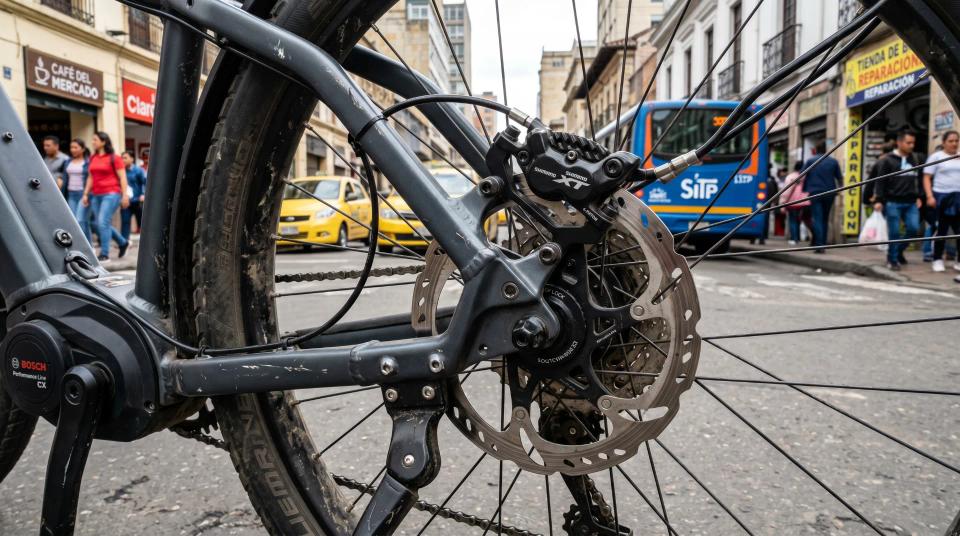
Commercial E-Bike Hydraulic Brakes: Heat Dissipation, 4-Piston Calipers & Mountain Fleets
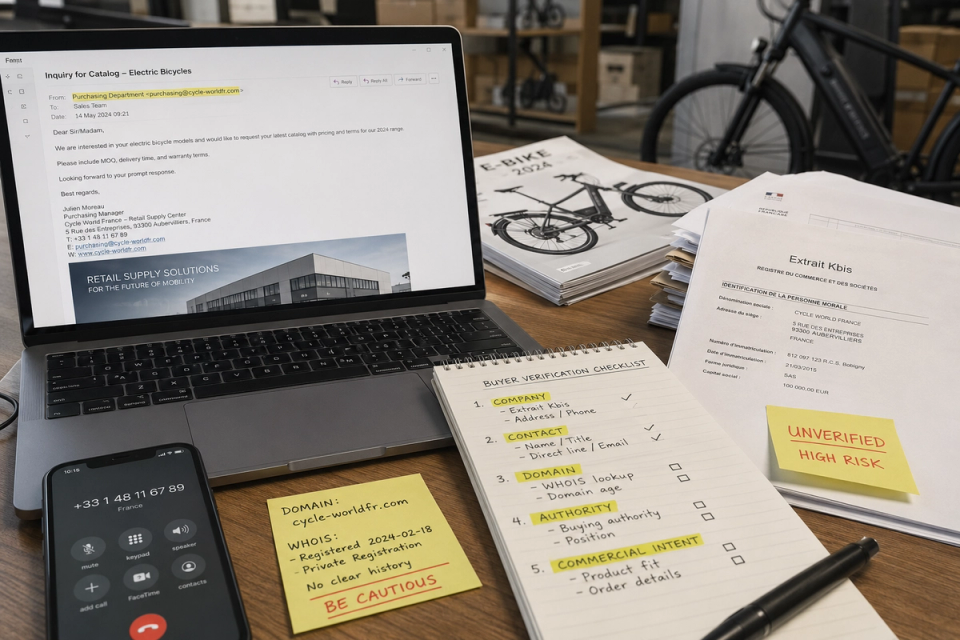
How We Verify B2B Buyers: A Case Study in Preventing Procurement Fraud & Impersonation
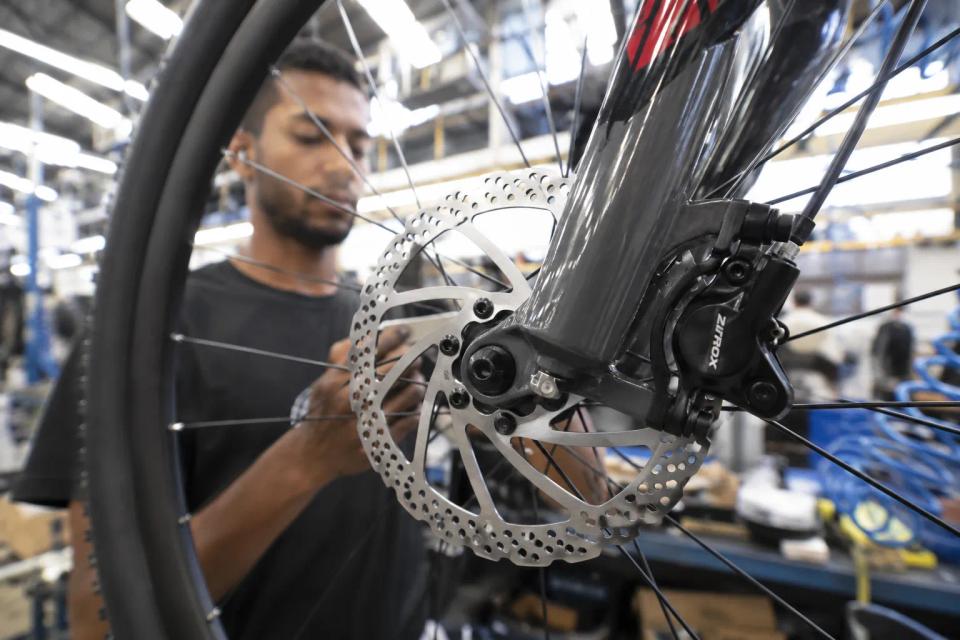
E-Bike Frame Sourcing for Brazil: Corrosion-Resistant 6061-T6 Aluminum for Tropical Fleets
Send your brief. We will field-note back.
Reply includes the feasibility view, sample cost, MOQ, and the next step for your project. We aim to respond within 48 hours.