


I’m Leo Liang, and I run around in the shared e-bike world all day. At ClipClop, I don’t think of us as “just an e-bike brand.” I see us as the people who build the messy, real hardware that makes city travel feel lighter. I’ve been in electric mobility long enough to watch attitudes change in real time.
What used to be a normal commute now feels kind of brutal. Traffic noise, constant stop-and-go, and that silly parking hunt can drain the fun out of a city before you even arrive. I used to accept that as “just city life,” but honestly, it’s friction we can remove. Shared electric bikes are one of the cleanest ways I’ve seen to do it.
And yeah, it’s a quiet revolution. No fireworks, no big speeches. Just two wheels, a smart battery, and an app that gets people moving. When a rider glides past a jammed taxi line, you can almost see the mood shift. That’s the part that keeps me excited about this space.
Most of my daily calls are with distributors, fleet operators, and city planners. For them, shared e-bikes aren’t a cute gadget or a weekend hobby. They’re a business tool, and they sit right in the middle of sustainable urban travel plus “smart city” planning. If the system works, it creates revenue and makes streets feel more human.
The “last mile” problem is where shared e-bikes really earn their keep. You know the gap: train station to office, bus stop to campus, parking lot to apartment. When that gap is annoying, people default to cars or ride-hails. When it’s smooth, a city can cut congestion and emissions without preaching at anyone.
So in this article I’m going to pull the curtain back a bit. Not just the glossy vision stuff, but the practical side: durability decisions, powertrain choices, IoT realities, and the boring ops details that actually decide if a fleet survives. A lot of mobility bloggers keep saying “design for operations,” and I agree—test, measure, fix, repeat.
This is bigger than tech specs, though. For me it’s also about reconnecting with the city itself. Riding is a different way of paying attention—smells, little streets, street art, random conversations at crosswalks. You’re not sealed behind glass, and you don’t feel like a passenger in your own neighborhood.
I also like how shared bikes change who gets to participate. A normal bike can feel intimidating if you’re older, if you haven’t ridden in years, or if your city has hills that laugh at you. With electric assist, the “nope” factor drops fast. I’ve seen people go from skeptical to smiling in one ride.
And for ClipClop, the role is simple but not easy: be the manufacturing partner that makes this work at scale. We build the bikes and the fleet-ready configurations that operators can actually maintain. If the hardware isn’t reliable, the nicest app in the world won’t save the project. I’ve learned that the hard way.
Why Are Cities Falling in Love with Shared E-Bikes?
Cities are changing their priorities, even if the politics and budgets move slowly. More places want cleaner air, less noise, and streets that don’t feel like car storage. Shared electric bikes fit that goal without asking everyone to become a hardcore cyclist. They’re accessible, and they’re kind of fun, which matters more than people admit.
I’ve noticed something else: shared e-bikes make “trying” easy. People don’t need to own gear, lock up a personal bike, or commit to a full lifestyle change. They just scan, ride, and figure it out. That low commitment is why the adoption curve can be surprisingly fast when the bikes are placed well and the pricing feels fair.
The electric assist is the big unlock. Hills stop being a deal-breaker, and longer distances stop feeling like punishment. That means cycling becomes realistic for a wider range of riders—different ages, different fitness levels, different schedules. Inclusivity isn’t a buzzword here; it’s literally what grows ridership and keeps utilization healthy.
I’ve heard planners describe shared e-bikes as “public transport glue,” and that’s a good phrase. When the bikes connect cleanly with buses and trains through a bike share app, you solve the annoying gaps. Riders can step off a train and finish the trip in minutes instead of waiting, walking, or calling a car.
Some cities go station-based, some go dockless, and both can work if you design the rules honestly. Dockless is flexible, but it needs clear parking zones and enforcement, or it turns into sidewalk clutter. Station-based is tidier, but you have to place stations where people actually end trips. Operators should map demand first, then deploy.
That shift matters for traffic. Fewer short car trips means fewer bottlenecks, especially at peak hours. It also means less pressure to build parking everywhere, which is basically the least joyful use of city space. If you’ve ever watched a city redesign a street and add bike parking zones, you can feel the place breathe.
On the environmental side, the math is pretty direct. Every shared e-bike trip that replaces a car trip cuts CO2 emissions and lowers noise pollution. It’s not a magical fix for everything, but it’s a meaningful lever that cities can pull quickly. Operators also like that it’s visible progress, not just a report nobody reads.
Noise is the sneaky benefit people don’t talk about enough. A street with fewer short car trips feels calmer even before air quality stats catch up. That calmer vibe helps cafés, parks, and sidewalk life, which is basically the “urban joy” part of the title. If you want public support, show the everyday benefits, not only CO2 numbers.
From my manufacturing angle, I see it as enabling a greener shift city by city. We’re not only shipping bikes; we’re shipping a tool that helps municipalities hit climate targets and helps riders get around with less stress. And if you track the data properly—mode shift, trip length, peak zones—you can make the case even stronger next budget cycle.
What Makes a Shared E-Bike Different from a Personal One?
When a partner comes to us and says “we want a fleet,” I usually slow them down right away. A shared e-bike is not a consumer bike with a sticker slapped on it. It’s a working asset that has to survive public use all day, every day, with minimal downtime. If it’s fragile, the business model collapses fast.
In the shared world, the bike sees everything: rain, heat, careless parking, rough curbs, and sometimes straight-up abuse. So the design philosophy changes. You prioritize durability, security, and serviceability over shiny features. A lot of fleet bloggers say “build for the worst user, not the best one,” and that’s blunt but true.
Anti-vandal design starts with boring choices that add up. We use tamper-proof bolts on key components because missing parts are a real thing in public fleets. We route cables internally inside the frame because exposed wires get pulled, cut, or snagged. And we lean on puncture-resistant tires to reduce the easy failures that eat technician time.
Weather resistance is another make-or-break point. The motor and the integrated IoT box need to handle real rain, splash, and even pressure washing. That’s why a high IP rating—like IP67—matters in shared deployments. I’ve seen fleets with lower protection ratings spend months chasing intermittent faults that only appear after storms.
The other problem is cleaning. Fleets get pressure washed, wiped down, and sometimes “cleaned” by someone with the wrong chemicals. If seals, connectors, and cable routing aren’t designed for that reality, the bike might look fine while the electronics slowly die. Building for maintenance and cleaning is part of building for uptime.
Then there’s the heavy-duty frame. Shared bikes usually use reinforced 6061 aluminum alloy frames, designed and tested for more stress than a normal retail bike sees. It’s not glamorous, but it’s what keeps the fleet from turning into a pile of cracked welds. Reliability is basically the prettiest feature in a sharing business.
Security is also different at fleet scale. A personal rider might accept a simple lock and a little risk. A fleet can’t. You need tracking, alarms, visible deterrence, and parts that aren’t easy to strip for resale. I’m not saying you can prevent every theft, but you can make the bike a bad target and reduce losses to something manageable.
Component selection follows the same logic: pick parts that last and that don’t demand constant babying. A high cycle battery that can handle thousands of charge-discharge cycles while keeping solid capacity is critical for fleet economics. If battery health falls off a cliff, your operating cost quietly explodes.
Maintenance has to be simple in the field. Wear items like brake pads and chains should be standardized, easy to access, and quick to swap. The tech needs to finish the job fast and move on, not sit there fighting weird proprietary parts. I always tell partners to document their maintenance process early and keep spare kits ready.
One more practical tip: standardize your fleet as much as you can, especially early on. Mixed models and mixed components feel “flexible,” but they confuse technicians and blow up inventory. Start with a tight spec, run it, learn, then upgrade. It’s boring advice, but it’s exactly the kind that keeps operations from turning into chaos.
That’s the dividing line I’ve seen again and again. Industrial-grade engineering creates a fleet that earns revenue and gets used. A “consumer bike in disguise” creates constant maintenance headaches, and the customer support line never stops ringing. It sounds harsh, but it’s the difference between scaling and stalling.
Powering the Fleet: What’s Under the Hood of a Modern Shared E-Bike?
At the core, it’s the powertrain: motor plus battery. Those two parts shape the ride feel, the range, and whether you stay inside local e-bike rules. For B2B buyers, knowing the options isn’t optional—it’s how you match the product to the city, the terrain, and the operator’s workflow. I’m allergic to one-size-fits-all thinking here.
Operators sometimes obsess over peak speed, but I think consistency matters more. A predictable assist curve, stable braking, and low noise make riders feel safe, especially first-timers. If the first ride feels sketchy, people churn. So when we spec motors and controllers, we talk about smoothness and reliability, not just watts on paper.
Different markets push you in different directions. Flat cities can prioritize efficiency and smooth assist. Hilly cities need torque and stable thermal performance. And some places are strict about speed limits and classification rules, so you have to design to comply. A fleet that breaks local rules is a fleet that gets parked.
Motor selection is a big decision, so we usually talk through standards first. For the EU, efficient 250W brushless geared motors are common, aligned with the 25 km/h speed limit and EN15194 requirements. That setup gives a quiet, friendly ride that most riders can handle, and it keeps compliance headaches lower.
In markets like the United States, you often need more muscle. That’s where 350W, 500W, and even 750W options come in, especially if the city has steep grades or heavier rider loads. Higher power can also support higher local speed classes, like 20 mph in some contexts. Still, power without reliability is just heat, so we focus on durability.
Heat management is a real concern in hot climates and steep cities. Controllers, motors, and battery packs all need sensible thermal design, or performance drops and faults rise. It’s not sexy, but it’s worth asking about. If a supplier can’t explain their thermal approach, that’s usually a red flag for fleet use.
Battery choices drive the operator’s daily reality. A typical configuration—like what you might see in a popular C3-style model—could be a 48V 15Ah lithium pack, giving a real-world range around 60–80 km per charge depending on conditions. Real-world range matters more than lab numbers, because ops teams live in the real world.
If the city has longer trips or you want fewer service runs, higher capacity cells like 20Ah can make sense. But the biggest operational unlock, in my opinion, is a swappable battery system. When technicians can swap a depleted pack on-site, the bike stays on the street and keeps earning. Less downtime, less labor, more availability.
Swappability also changes your staffing model. Instead of hauling bikes to a charging hub, you can run smaller teams that do planned routes and quick exchanges. That saves time, but it only works if the locks, battery latch, and connectors are designed for thousands of swaps. A sloppy swap mechanism turns into broken housings and angry riders.
We also don’t cut corners on documentation and shipping safety. Battery packs should use quality cells and meet standards like UN38.3, with MSDS paperwork ready. That stuff isn’t “marketing”; it’s what gets your shipment through logistics smoothly and keeps your risk profile sane. Operators who ignore it usually pay later.
I also like to talk about battery health tracking early. A decent BMS plus basic analytics can tell you which packs are aging faster and why. Then you can rotate inventory, avoid sudden range complaints, and plan replacements before they become emergencies. It’s one of those “quiet ROI” moves that experienced operators swear by.
Can These Bikes Truly Withstand the Rigors of Public Use?
If you run a shared fleet, your nightmares are downtime and replacement cost. So the question I get constantly is, “How do I know the bikes will last?” I get it—promises are cheap. Proof is what matters. And you can’t really scale on hope alone, sadly.
When I’m talking to a new operator, I often recommend doing a small pilot first and being a bit ruthless with measurement. Track downtime per bike, parts failure rates, and average trips per day, then compare different configurations. Bloggers in shared mobility love saying “let the data argue,” and I’m with them. Feelings don’t pay for spare parts.
This is why we obsess over testing, quality assurance, and certification, even when it’s boring and expensive.
It starts with the frame and the way it’s built. We typically use 6061 aluminum alloy because it balances strength, weight, and corrosion resistance well for shared use. But materials alone don’t guarantee anything. In fleet life, the road becomes your lab, so we build like the bike will be stressed every single day.
We also watch tolerances and assembly detail, because small gaps become big failures after months of vibration. Connectors loosen, bolts walk out, and cheap fasteners corrode. So we prefer validated torque settings, thread-lock where appropriate, and parts that pass vibration testing. It’s not glamour engineering, but it’s fleet engineering.
Fatigue testing is one of the big ones. You simulate thousands of kilometers over rough surfaces and uneven loads, because public fleets don’t ride on perfect roads. Corrosion testing matters too, especially for coastal or humid climates where bikes get eaten alive. If you don’t plan for that environment, your fleet ages twice as fast.
Quality management systems are the next layer. Following ISO 9001 processes helps keep weld quality, component fit, and assembly steps consistent across large production batches. Consistency sounds dull, but it’s how you avoid “this month’s bikes are great, next month’s are weird.” Operators hate surprises.
Traceability helps, too. Serial numbers for key components, batch records, and clear documentation make warranty and troubleshooting less painful. When something fails in the field, you want to know whether it’s a one-off, a batch issue, or a usage pattern. Without traceability, everyone just argues and guesses, and the fleet keeps bleeding.
Certifications are where this commitment becomes visible and verifiable. For Europe, CE and EN15194 are key. For North America, UL 2849 matters for electrical system safety. It’s not just paperwork; it’s a signal that the bike is designed to be safe and legally compliant in the target market, which protects both operators and riders.
Compliance is also about avoiding shutdowns. If regulators ask questions, you want test reports, certification copies, and clear labeling ready. The operator who can answer quickly looks professional, and the operator who can’t sometimes gets paused or fined. I’ve seen projects lose momentum from paperwork delays alone, which is such a preventable way to fail.
Warranty also plays into trust, because it forces you to be honest about durability. A typical approach is covering the frame for 3–5 years, and the motor and battery for 1–2 years. That gives operators a more predictable cost of ownership. And yes, it also pushes us to keep improving the parts that fail fastest.
How Does Smart Technology Transform a Bike into a Business Asset?
A shared e-bike isn’t just metal and a motor. It’s a connected device inside a larger system, and that connection is what turns it into a business asset. For operators, smart tech is the control center: rentals, access, location tracking, maintenance alerts, and data that helps them make decisions. Without that layer, it’s basically a bike rack.
For riders, smart tech is also about confidence. They want to see battery level, pricing, and where they can park without getting charged extra. They want the unlock to work the first time. So when we talk “IoT,” I keep reminding teams to design the experience for the average user, not the engineer. Reliability in the app flow equals trust.
The brain is the integrated IoT unit. We usually spec connectivity like GPS for location, GSM or 4G for real-time communication, and Bluetooth for direct phone interaction. That combination supports remote unlocking, vehicle diagnostics, and geofenced zones where the service is allowed to operate. In practice, geofencing is how you keep order in the chaos.
Remote diagnostics are another underrated win. If the bike can report faults, low battery, or unusual behavior, you can schedule maintenance instead of waiting for a rider complaint. It’s a simple shift: you move from reactive to proactive. Operators who do this well usually run leaner teams and still keep availability high.
Lock options matter more than casual riders realize. We can integrate smart locks that immobilize the bike, or use robust rear wheel locks, all controlled through the IoT module and the bike share app. The lock isn’t just security—it’s also how you enforce parking behavior and close out rentals cleanly.
Firmware updates matter too. Shared fleets live for years, and software bugs happen. OTA updates let operators patch issues, improve battery reporting, or tune assist behavior without pulling every bike into a workshop. Just make sure the update process is controlled and tested. A bad rollout can brick a fleet faster than vandalism.
A big point here is flexibility. Many operators already have software platforms or preferred IoT vendors, and they don’t want to rebuild everything from scratch. Our hardware is designed with an open architecture mindset, meaning we support third-party IoT providers and provide full API integration support. Plug in, connect, and keep your existing workflow.
For integration, APIs are only half the story. You also need clear documentation, version control, and a support channel when something breaks at midnight. I’ve learned to value boring things like logs and error codes. They turn a scary “the fleet is down” moment into a fixable ticket, and that keeps operator confidence intact.
That open approach saves time and money, and it reduces tech risk. Instead of spending months building a new platform, you integrate the bikes into what you already trust. Whether the operator uses a big-name backend or a custom one, we work with their technical team to validate communication, test edge cases, and avoid nasty rollout surprises.
From Blueprint to Pavement: The Manufacturing Journey of a Shared Fleet
A shared mobility idea sounds simple until you try to deploy hundreds or thousands of bikes that actually survive. That’s where the manufacturing partner becomes a real strategic choice. At ClipClop, we’re a manufacturer with our own factory, not a trading company. That difference matters because it means we control production, quality checks, and process improvements directly.
We also control how prototypes are built and revised. Early samples aren’t about perfection; they’re about discovering what will break in real use. We encourage partners to ride them hard, leave them outside, and let technicians service them. Then we iterate. Fleet products get better through ugly feedback, not through pretty slides.
Direct control shows up in small details that add up. It affects raw material sourcing, welding consistency, component matching, assembly workflow, and final inspection. When you rely on layers of middlemen, communication gets fuzzy and accountability gets weird. For fleets, “fuzzy” usually turns into downtime, and downtime turns into lost revenue.
On the capacity side, we’re built for scale. With multiple production lines and skilled staff, monthly output can reach several thousand units depending on configuration. And because we’ve spent years focused on shared mobility demands, we don’t treat fleet features like an afterthought. Durability choices, serviceability, and IoT readiness are baked in from the start.
Quality control checkpoints are part of that “baked in” approach. Incoming inspection, in-process checks, and final inspection each catch different problems. Operators don’t always ask about QC, but they should. If a supplier can’t describe their QC flow, that’s risky. You’re buying a system, not a single bike.
Partnership models are also part of the manufacturing story. OEM projects let us build to your exact specs. ODM projects let you start from our proven designs and customize branding and key options. If you want to optimize shipping and local assembly costs, we can provide CKD and SKD kits too. Operators often underestimate how much this can help in certain markets.
Packaging and labeling also matter more than people expect. Clear carton markings, protected components, and consistent documentation make receiving and assembly faster. If you ship CKD or SKD, good packing prevents damage and missing parts. Those small headaches add up, especially when you’re trying to launch on a tight schedule.
End-to-end service is the goal. We work with partners from concept and design, through prototyping and testing, into mass production and global logistics. Our engineers talk with your team about practical choices—hydraulic versus mechanical brakes, frame material, lock type, battery workflow—so the final setup matches budget and operational realities.
What Does a Successful Partnership for a Shared Mobility Project Look Like?
Launching a shared e-bike fleet is a logistics puzzle, not just a bike purchase. A healthy partnership needs transparency, reliable delivery, and support that lasts past shipment day. We try to act like a strategic partner because we’ve seen how projects fail when the supplier disappears after the invoice is paid. Operators need a long-term relationship, not a one-time sale.
Support can include training, too. Maintenance teams need manuals, videos, and quick reference guides. Even better, they need a simple parts naming system so orders don’t become a guessing game. I’ve watched teams waste weeks on misunderstandings like “which brake lever is this?” so now I push for clear part lists from day one.
Our shipments have gone to operators across Europe, North America, and Asia, and the use cases vary a lot. Some are private operators, some are municipalities, some are university campuses. That variety teaches you to respect local rules and local riding behavior. What works in one city might need tweaks in another.
For example, some cities demand stronger theft deterrence, while others care more about weatherproofing. Some places need heavier-duty wheels because of bad roads, and some need lighter bikes because of stairs and tight storage. That’s why flexibility in spec matters, but so does staying disciplined. Customization should solve a real problem, not create complexity for no reason.
Commercial clarity upfront saves everyone pain later. We keep MOQ flexible—often starting around 50 or 100 units—so pilots are possible without crazy risk. For pricing, we aim for transparency, like an FOB range around USD 480–650 depending on configuration. Custom logos, colors, or packaging can add cost, so we spell that out early.
Payment and timing also need to be straightforward. Standard terms like T/T or L/C are common, and lead time planning should be real: about 7–10 days for samples and 30–45 days for bulk orders in many cases. If you’re planning a city launch date, build in buffers for shipping, customs, and local assembly.
On warranty workflow, I think transparency is key. Define what evidence is needed for a claim, how parts get replaced, and what the timeline looks like. If claims are unclear, operators get frustrated and start hoarding parts “just in case.” Clear rules reduce panic. A calm operator team tends to run a calmer fleet, and riders feel that.
After-sales support is where partnerships become real. We keep spare parts systems ready and often include a pre-packed spare parts kit in the first shipment for common maintenance needs. Shipping can go by sea freight or air depending on urgency, and packaging can be cartons or pallets. Manuals and online support help maintenance teams get up to speed faster.
I also recommend setting a simple KPI set early: availability rate, average rides per bike per day, maintenance cost per kilometer, and battery replacement forecast. Those numbers tell you whether the fleet is healthy. They also help when you go to investors or municipalities for expansion funding. Numbers make the conversation simpler.
Are You Ready to Launch Your City’s Next Mobility Revolution?
At this point we’ve covered the guts of it: powertrain choices, durability engineering, smart tech, and the manufacturing and logistics reality. When these pieces come together, a shared e-bike fleet can reshape how people move, and it can also be a solid business. Sustainable urban travel isn’t a far-off dream anymore—it’s happening, and the growth runway is still big.
If you’re starting from zero, don’t try to launch “perfect.” Launch stable. Run a pilot, gather rider feedback, fix parking behavior, tune pricing, and adjust your service zones. Then scale. The projects I admire most didn’t win because they had the fanciest tech; they won because they executed the basics relentlessly.
So the real question isn’t “if.” It’s when you launch, and who you trust to build with you. In my view, choosing the right partner is the most important decision in the whole project. You need people who understand sharing economics, public-use abuse, compliance rules, and the unglamorous details of shipping and spare parts.
That’s exactly where ClipClop focuses. We mix e-bike product know-how with B2B manufacturing experience, and we build fleets that are meant to live outdoors and get used hard. The goal isn’t just “cool tech.” The goal is a commercially viable system that rides well, stays online, and keeps operators sane.
Whether you’re writing a municipal tender, planning a pilot, or scaling an existing operation, we’re ready to support the process. We can share configurations, IoT options, spare parts planning, and the manufacturing timeline in a way that’s practical. Let’s put your vision on the street and make city travel feel a little more joyful.
If you want, we’ll also share a simple rollout checklist so your launch doesn’t get derailed by tiny things.
If you already have a platform, great—we’ll integrate. If you don’t, we’ll still help you think through what you actually need on day one versus what can come later. Shared mobility gets complicated fast, so I try to keep early phases focused: safe bikes, stable connectivity, clear rules, and a maintenance plan that doesn’t collapse when demand spikes.
Take the Next Step Towards Building Your Fleet
Don’t just read about the future—build it with intent. As a manufacturer and export partner in electric mobility, we support shared fleet operators, distributors, and global brands with end-to-end solutions. That means not only bikes, but also the options and documentation that keep deployment smooth and legal across markets.
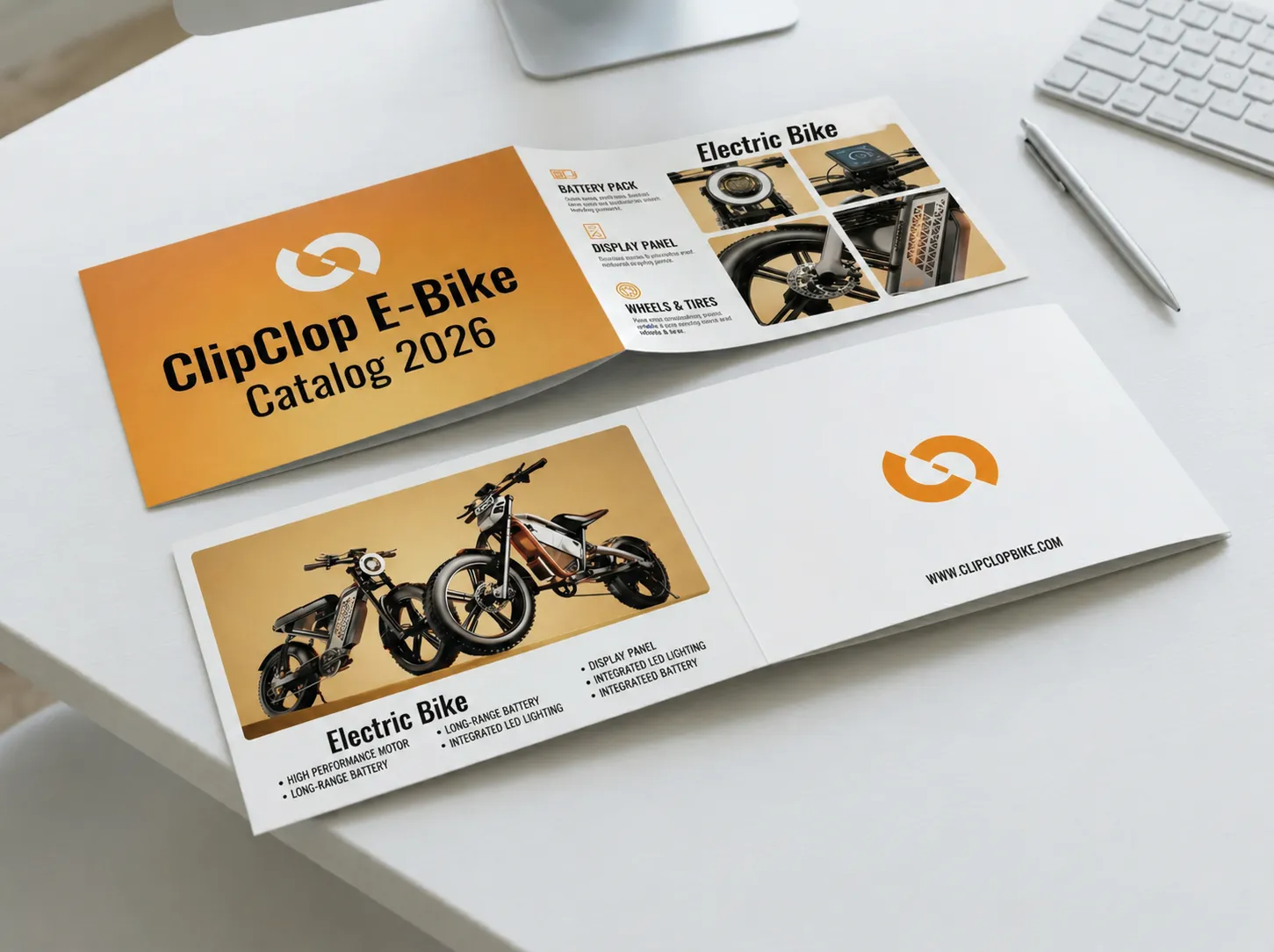
If you’re ready to move, contact our team for a full fleet quotation, a product catalog with IoT options, and a B2B proposal tailored to your project. We’ll talk through specs, compliance, and operational workflow, then turn that plan into hardware you can actually deploy. That’s the whole point.
And if you’re still unsure, I’m not offended. Shared fleets are a serious investment, and you should poke holes in every assumption. Ask for test reports, ask about IP ratings, ask about spare parts, and ask how fast support responds. The right questions upfront can save you a year of pain later, which is a trade I’ll take anytime.
Frequently Asked Questions (FAQ)
Q1: What is the typical Minimum Order Quantity (MOQ) for a customized shared e-bike fleet?
Our MOQ is flexible to support various project sizes, typically starting at 50-100 units. This allows new operators to launch pilot programs and established companies to place large-scale orders. We recommend contacting our team to discuss the specifics of your project.
Q2: Can your shared e-bikes integrate with our existing third-party IoT and fleet management software?
Absolutely. This is one of our core strengths. Our e-bikes are designed with an open architecture to be platform-agnostic. We provide API support and work directly with your technical team to ensure seamless integration with your existing bike share app and backend systems, including those from major IoT providers.
Q3: What certifications do your e-bikes have for international markets like the EU and North America?
Our products are manufactured to meet stringent international standards. Key certifications include CE and EN15194 for the European market, and we design our systems to be compliant with UL 2849 for electrical safety in North America. Battery packs are certified under UN38.3 for safe transport.
Q4: What is the estimated lifespan of the batteries used in your shared e-bikes, and what is your warranty policy?
We use High cycle batteries designed for the demands of shared use, typically rated for 800-1000 full charge cycles while retaining ~80% of their original capacity. Our standard warranty is 1-2 years on the battery and motor, and 3-5 years on the frame, providing a clear and reliable framework for your investment.
Q5: Do you provide after-sales support and spare parts for fleet maintenance?
Yes, comprehensive after-sales support is a cornerstone of our B2B partnerships. We offer a full catalog of spare parts and typically provide a customized spare parts kit with your initial order. Our team provides ongoing technical support, maintenance manuals, and training to ensure your fleet’s uptime is maximized.
References:
- McKinsey & Company: “The future of micromobility: Ridership and revenue after a crisis” – An in-depth analysis of the micromobility market trends and future outlook.
- SAE International: “SAE J2847/3_202010: Communication between Plug-in Vehicles and Utility Grid for Reverse Power Flow” (as an example of technical standards, though UL 2849 is more direct for e-bikes) or more directly, information on the UL 2849 standard from UL Solutions.
- National Association of City Transportation Officials (NACTO): “Shared Micromobility in the U.S.” – Reports and data on the state of shared mobility in American cities, providing real-world context and operational data.



 English
  Spanish
  Portuguese
  Russian
  Arabic
  French
  Dutch
Dutch  German
  Danish
