


Hoi, Leo Liang hier. Ik ben al jarenlang rond elektrische off-road fietsen, deels omdat ik een fan ben van trails, en deels omdat het letterlijk mijn dagelijkse werk is bij ClipClop in Guangzhou. Ik spreek dagelijks met dealers, verhuurbedrijven en OEM-partners, dus ik zie hoe één “kleine” specificatiekeuze rustig kan beslissen of een B2B-programma wint of geld verliest.
De e-mail die ik het meest krijg, gaat altijd over de motor: “Leo, naaf- of middenaandrijving?” Ik begrijp waarom – deze ene beslissing raakt rijgevoel, service-tijd, reserve-onderdelenplanning en je ROI. En jawel, er is geen universeel antwoord. Als iemand je vertelt dat het er wel is, verkoopt hij waarschijnlijk maar één optie.
Wat ik hier deel is geen lab-teardown of een specificatielijst-flex. Het is meer een strategienotitie, gebaseerd op trailtests in Guangdong, data van partnerparken en veel direct feedback vanrijders die geen moeite hebben met jargon. Ik probeer de technologie minder wazig te maken, zodat je de juige aandrijving kunt kopen of bouwen voor je businessmodel.
We praten over echte zaken: hoe vermogen zich op steile klimmen manifesteert, wat het eerst breekt bij mishandeling van fietsen, en welke details rustig veiligheid en klantreviews veranderen. Sommige bloggers die ik volg, herhalen steeds: “ride it, log it, fix it fast” – dus ik zal dat ook doen. Of je nu bergverhuur of city-sharing doet, de aandrijvingskeuze is stap één. Laten we aansluiten.
Wat is het echte verschil tussen naaf- en middenaandrijvingsmotoren voor e-fietsen?
Op het eenvoudigste niveau is het locatie. Een naafmotor zit in de naaf van de voor- of (vaker) achterwiel, en drijft dat wiel rechtstreeks aan. Het is als een zelfstandige duw precies waar de band de grond raakt. Omdat het vermogen niet via de ketting en versnellingen hoeft te lopen, kan de totale opstelling eenvoudiger zijn, met minder interacties in de aandrijving.
Die eenvoudigheid telt in B2B. Minder verbindingen betekent meestal minder vreemde storingen, en een serviceteam trainen is makkelijker. Ik heb verhuurbedrijven zien houden van naafsysteem omdat ze een wiel kunnen wisselen, connectoren controleren en een fiets snel weer inzetten. De afweging is dat trappen en motorvermogen niet altijd “in sync” zijn, dus het gevoel kan wat... mechanisch zijn.
Een middenaandrijvingsmotor zit bij de trapas, eigenlijk waar de pedalen het frame ontmoeten. Hij draait het wiel niet rechtstreeks. In plaats daarvan voegt hij vermogen toe aan de trapkrans, zodat de ketting en versnellingen van de fiets zowel je beenkracht als het motormoment dragen. Dat klinkt complexer (want dat is het), maar het betekent ook dat de motor de versnellingen kan “gebruiken” zoals een rijder dat doet.
Dit versnellingshefboom-effect is het grote verschil. Als je in een lage versnelling gaat voor een helling, help je niet alleen je benen – je laat de motor ook draaien in een gelukkiger toerentalbereik. In de praktijk klimmen middenaandrijvingsfietsen vaak soepeler en voelen meer “fiets-achtig”, vooral bij een goede controller-tuning. Veel reviewers zeggen eigenlijk: schiften alsof het erop aankomt, en de motor beloont je.
Voor een plat toeristenpark zijn naafmotoren de praktische keuze: goedkoper in bulk, makkelijker uit te leggen en meestal prima voor lichte hellingen. Maar als je gefundeerde bergtoeren of high-performance verhuur verkoopt, wordt middenaandrijving bijna onontbeerlijk. Betere efficiëntie bij klimmen, betere balans en een premium uitstraling die rijders opmerken. Je merkperceptie krijgt een klap als klanten steeds zeggen “het worstelde”.”
Naaf- vs. Middenaandrijvingsmotor: Op-een-keer Vergelijking voor B2B-vlotten
| Kenmerk | Naafmotor | Mid-Drive Motor |
| Plaatsing | In het midden van de voor- of achterwiel. | Laag en gecentreerd in het frame van de fiets, bij de trapas. |
| Vermogensafgifte | Drijft het wiel rechtstreeks, aan, onafhankelijk van de versnellingen van de fiets. | Drijft de trapkrans, aan, en gebruikt de bestaande versnellingen van de fiets voor optimale efficiëntie. |
| Rijgevoel | Kan aanvoelen als ‘geduwd’ of ‘getrokken’. Vermogen kan abrupt zijn bij cadantiesensoren. | Naadloos en intuïtief, als een verlenging van de eigen kracht van de rijder, vooral bij koppelsensoren. |
| Gewicht & Handling | Onbalans, hoog ongelaste massa. Kan negatief invloed hebben op ophanging en tractie. | Gecentreerd en laag zwaartepunt. Biedt superieure balans, wendbaarheid en voorspelbaar handling. |
| Klimmen | Kan worstelen op steile, aanhoudende klimmen omdat het buiten zijn optimale toerental werkt. Minder efficiënt. | Uitstekend. Gebruikt de versnellingen van de fiets om in een efficiënt toerentalbereik te blijven, en levert hoog effectief moment. |
| Slijtage aandrijving | Minimaal effect op ketting, cassette en trapbladen. | Verhoogt slijtage van aandrijvingsonderdelen omdat het hoog moment door hen heen transmitt. |
| Onderhoud | Een lekke band vervangen kan complexer zijn vanwege motorbedrading. | Banden wisselen is zo eenvoudig als bij een niet-elektrische fiets. |
| Typische sensor | Wordt vaak gecombineerd met een eenvoudigere Cadantiesensor. | Bijna uitsluitend gecombineerd met een geavanceerde Kruissensor. |
| Ideaal B2B-toepassingsgebied | Het beste voor platte stedelijke omgevingen, budgetgerichte verhuur en lichte commutervlotten. | Essentieel voor berg/off-road gebruik, heuvelachtig terrein, performance-verhuur en premium toepassingen. |
| Initiele kosten | Over het algemeen lager, het een budgetvriendelijke optie maakt voor massale vlooten. | Over het algemeen hoger, het geavanceerde technologie en integratie weerspiegelt. |
Hoe beïnvloedt motorplaatsing off-roadrijgedrag en onderhoud?
Bij ruw terrain is gewichtsplacering geen klein detail—het verandert alles. Met een achterhubmotor stopt u een chunky massa (vaak 3–6 kg) in het achterwiel. Dat is niet-gedempt gewicht, wat betekent dat het niet op dezelfde manier wordt gedempt als framegewicht. Op wortels en stenen kan het wiel meer kraken en de grond slechter volgen, wat minder grip en een ruwere rijgedrag kan beteken.
Dat gripverlies is geen “pro-rijdende klacht.” Nieuwe huurders voelen het ook, ze beschrijven het anders: “het glijdt,” “het voelt gevaarlijk,” “het is moeilijk te controleren.” Ook vallen er flessen. Een platvloerig plaatsen op een hubmotorachterwiel betekent vaak het ontkoppelen van kabels, omgaan met ashardware en het opnieuw plaatsen zonder draadpijn. Dat neemt downtime, en downtime eten vloetomzet.
Mid-drive draamt de rijgedrag om. De motormassa zit laag en gecentreerd in het frame, waar u je centrum van zwaartekracht wilt hebben. Het fietsen voorspelbaar en voelt minder staart-zwaar, en zowel voor- als achterdemping kunnen nader werken als ontworpen. Als rijdende een fiets “geplaant” voelen, is dit een van de redenen. Bij lose hellingen kan die stabiliteit crashes voorkomen.
Onderhoudsmatig is mid-drive niet “gratis.” Omdat de motor kracht door de ketting, cassette en kettingrad stuurt, moeten deze delen sneller versleten zijn dan bij veel hubsetup's. Fleetbeheerders moeten meer ketting- en cassettevervanging plannen. Maar mijn mening: kettingen en cassettes zijn standaard, globaal beschikbaar en snel te vervangen. Een dood hubmotor kan beteken dat een hele wiel/motorassembly moet worden vervangen, en dat is niet altijd leuk voor de onderdeelketen.
Het pakken van de cijfers: Wat betekenen torque- en wattwaarden echt?
Leverancierscatalogi houden van cijfers: 250W, 500W, 750W, plus torque zoals 70Nm. Watt is “hoeveel werk over tijd,” vergelijkbaar met horsepower. Een 250W-systeem is vaak de straatwettelijke dak in Europa en andere regio's, dus het is gemaakt voor zachte assist. 500W voelt prikkerig voor pendelen en lichte paden. Bij 750W zit u in ernstig off-roadgebied.
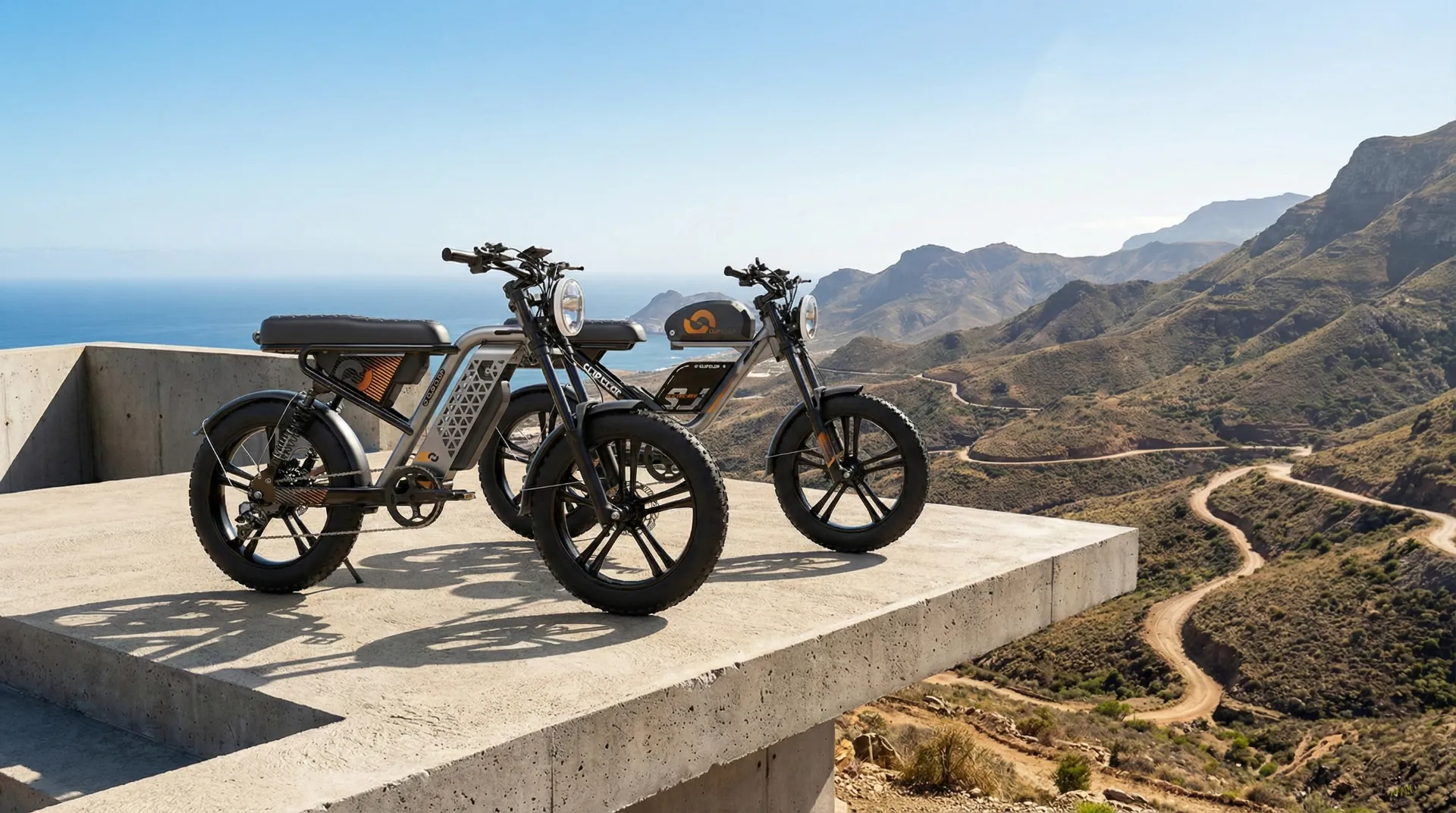
We gebruiken een 750W-setup op onze ClipClop L1, en u voelt het in de versnelling en hoe het snelheid behoudt op steile hellingen. Voor touroperators in heuvelige gebieden is dit geen luxe-feature—it is wat klanten van neerstappen weerhoudt. Toch zou ik nooit een koper vragen naar watts alleen. Hoge watten zien goed uit op papier en kunnen desaliter in de verkeerde tuning teleurstellen.
Torque (Nm) is het “kracht,” de rotatieve kracht die u wegduwt en u steil, technisch klimmen houdt. U kunt redelijk watt hebben maar laag torque en eindigen met een fiets die snel op vlakke grond maar traag op heuvels is. Voor B2B-off-road of nutswezen is torque vaak de metriek waar ik meer om ga omdat het starten, lastafhandeling en rijdende vertrouwen direct beïnvloedt.
Daarom voelt een 70Nm-systeem anders dan een lager-torque-setup, zelfs als het watt er gelijk uit ziet. Het kan starten op een helling met een zwaardere rijder of lading zonder drama, wat belangrijk is voor huurwaar waar u geen keuze heeft in uw klanten. Negeer ook de controller niet. Die is het “brein” van de e-bike, en goede partners tunen het: smoothe levering voor veiligheid, of agressieve prik voor prestatie, of snelheidsbeperking om lokale regels te match.
De sensor Showdown: Waarom torque vs. cadence alles verandert.
Sensors zijn overrated, maar ze zijn basically de vertaler tussen rijder en motor. De basisoptie is een cadencesensor: het detecteert krukrotatie, en zodra u trapt, zet het motor aan op een vooraf ingestelde assistienniveau. Het is eenvoudig en goedkoop, waarom u het overal ziet. Maar het is ook soort van binary—trappen equals kracht, stoppen equals uit.
Dat aan/uit-gevoel kan vreemd zijn. Sommige cadencesystemen stoten wanneer ze aanzetten, en ze kunnen een moment blijven duwen na het stoppen van trappen. Bij technische paden is dat irritant; voor onervaren rijdenden kan het ongemakkelijk en zelfs gevaarlijk zijn. Ik heb eerste keer huurders zien panikeren toen de fiets “blijft rijden” voor een sekonde. Bloggers zeggen vaak “test lage-snelheidscontrole,” en dit is precies waarom.
Torque-sensors zijn de natuurlijke optie. Ze meten hoe hard u op de pedalen drukt en schalen motorassistenzie proportionaal. Lichte druk geeft lichte hulp; een krachtige duw triggert een krachtige reactie. Wanneer het goed is gedaan, voelt het alsof u plotseling sterke benen heeft, niet alsof u een scooter vastgeschroefd hebt. Dit is de goudstandaard voor veel mid-drive-systemen.
Voor prestatiehuur en geleide tours is torque-sensing een veiligheidsfunctie en een comfortfunctie. Rijdende kunnen kracht voelen, houden grip op losse oppervlakken en vermijden plotselinge schokken in bochten of hellingen. Vanuit het bedrijfszicht, ja, torque-sensors kosten meer op voorhand, maar ze brengen zichzelf terug in minder klachten, betere beoordelingen en minder “die fiets heeft me geschrokken” verhalen.
Er is ook een efficiëntieaspect. Torque-sensing levert kracht vaak alleen als de rijder het echt vraagt, dus kan de range verbeteren vergeleken met een slecht getunde cadencesetup dat kracht afblaast zodra de kruken draaien. Meer range betekent meer uptime, minder laadknelpunten en minder fietsen in de achterkamer. Als uw operatie leeft op strakke omzettingen, stopt dit detail als “prettig” en begint het operationeel te zijn.
Beyond the Motor: Waarom uw e-bike-frame de onbekende held is.
Motoren krijgen alle aandacht, maar de frame is het onderdeel dat overleeft (of niet) duizenden mijlen gemengde rijdenden en gemengde mishandelingen. Voor B2B-vlooten is frameintegriteit non-negotiable omdat failures zowel veiligheidsnachtmerken als financiële loodsen zijn. Meeste kwaliteits e-bikes gebruiken aluminiumlegieren omdat ze sterkte, gewicht en kosten redelijk balancieren.
Maar niet alle aluminium is gelijk. Veel hogerprestatiearmen gebruiken 6061-aluminiumlegiering, en we gebruiken het ook in ClipClop-modellen. Het wordt gewaardeerd om sterkte, werkbaarheid en corrosiebestendiging—belangrijk als uw fietsen in de buurt van de kust of in nat klimaat leven. Ik zeg altijd tegen kopers: vraag de fabrikant welk legiering ze werkelijk gebruiken, niet alleen “aluminium” als een vaag etiket.
Proces is ook belangrijk. Hydroforming (gebruik van hoogdrukvocht om buisjes te vormen) laat merken waar u stijfheid wilt hebben, zoals de hoofdstang en onderste frame, terwijl het gewicht redelijk blijft. En wiertekwaliteit is een grote indicatie. Rein, consistente wieden beteken meestal sterke verbindingen en betere QC. Ik heb “arme uitziende wieden” sneller gezien worden “duurde garantie-eisen” dan mensen verwachten.
Voor fleetfit zijn geometrie en matenrange praktische details, geen marketingguf. Een huur- of abonnementsvloot moet een breed scala rijdendenhoogtes dekken, dus S/M/L-opties mogen. Geometrie verandert rijgedrag: agressieve trailgeometrie voelt anders dan geruststellingende stadswieler. Onze L1 gebruikt een robuust 6061-frame gericht op stabiliteit en controle, en ondersteunt tot 160kg/350lbs, wat meer rijdenden veilig kan bedienen.
Powering Your Operations: Battery Capacity, Range, and Management
In commercieel gebruik is de batterij basically uw brandstoflogistiek. Capaciteit wordt gemeten in wattuur (Wh), wat spanningen maal ampèreuren is. Dus een 48V 15Ah-pack is 720Wh (48 × 15). Bij de ClipClop L1 is deze grootte daar voor een reden: langer huur, minder midagchardes, meer tijd om geld te verdienen in plaats van op een oplader te staan.
Range claims zoals “30–60 km” moeten altijd als een weervoorspelling worden behandeld—nuttig, maar niet garandeert. Terrain, rijdergewicht, assistniveau, banddruk en zelfs wind spelen een rol. In echte vlooten wilt u een buffer, geen marketing-best-case. Een goede blogger-tip is “track real range by route,” zodat u opladen en swap-plannen rondom wat werkelijk gebeurt, niet wat de brochure zegt.
Celkwaliteit binnen de batterij is belangrijk voor veiligheid en langdurige waarde. Betrouwbare packs gebruiken vaak cellen van Samsung, LG of Panasonic omdat ze capaciteit beter bewaren over meer laadcycli en meestal betrouwbardere veiligheidskenmerken hebben. Een armere, ongefigureerde pack kan kosten besparen, maar ik heb ze snel zien verdampen onder zware huurgebruik—en de slechtste casus is thermische gebeurtenissen, wat niemand wilt.
Battery management is ook werkstroom. Zijn de batterijen verwijderbaar? Verwijderbare packs laten u opladen off-bike en opladen stapelen in een kleinere ruimte, wat goud is voor fleetoperaties. Laadtijd is ook belangrijk: onze 720Wh-pack vult volledig binnen ongeveer 5 uur, wat overnacht omzetting ondersteunt. En ja, wees geduldig met een solide BMS; het beschermt tegen overladen, overontlading en overhitting, en het verlengt pack-lifetime.
Essential Components for Safety and Performance: Brakes and Suspension
Voor B2B-vlooten is veiligheid geen slogan—it is een kostenpost en een reputatierisico. Met zwaardere en snellere e-bikes moeten remmen ernstig zijn. Hydraulische cilindersremmen zijn de standaard voor kwaliteits off-roadsetup's omdat ze meer remkracht en betere modulatie bieden dan mechanische kabelsystemen. Dat rempedaalgevoel consistentie helpt rijdende met controle in plaats van paniekaanklapken.
Demping is belangrijk voor comfort en controle, vooral off-road. Een redelijke vork sluimert hits van stenen en wortels, houdt de voorwielband op de grond en verbetert steuringsaccuraatheid. Reis vertelt intentie: ongeveer 120mm past ruwere mountainpaden, terwijl ~100mm een slimme balans kan zijn voor gemengte terrain of nutswezen. Mijn praktische advies is simpel: koop vorken die u kunt onderhouden en reserves kunt bronnen voor.
Andere delen beïnvloeden rustig bruikbaarheid. Een betrouwbare schakeling zoals een Shimano 7-speed helpt rijdende de juiste versnelling vinden en laat de motor efficiënt werken. Dikke banden—zoals de 20″×4.0-setup op de L1—voegen meer grip en stabiliteit toe op zand, sneeuw, grind en lose grond, plus ze voorzien een beetje “passieve demping.” En verlichting is niet optioneel: headlight, achtersein en reflectoren houden gebruikers zichtbaar in echte omstandigheden.
Making the Smart Choice: A Sourcing Checklist for Your B2B E-Bike Fleet
Na al het technische gesprek, begint de aankoofdecisie nog steeds met uw gebruikssituatie. Wie bedient u—mountaintrailriders, stadstourist, bedrijfschauffeurs, bezorgingsteams? Terrain is de snelste manier om keuzes te filteren. Een hubmotor die volledig geschikt is in een platte stad kan een dagelijkse klachtenmachine worden in steile steden. Ik hou de scherpe vergelijking: Amsterdam is niet San Francisco.
Vervolgens bouwt u een spec-checklist op die gaat voorbij “motor type.” Kijk naar batterijWh en celmerken, eist hydraulische cilindersremmen en verify frame materiaal en constructiekwaliteit. Beslis over sensortype: torque-sensors kosten meer maar voelen meestal veiliger en premium. Plan ook onderhoud: mid-drives eten drivetrains sneller, dus budget kettingen en cassettes als verbruikers, geen verrassingen.
Ten slotte evalueert u de leverancier, niet alleen de fiets. Een goede B2B-partner handelt als een consultant: ze stellen vragen, delen data en helpen u dingen af te stemmen. Kunnen ze controllerinstellingen aanpassen, uw branding toevoegen en reserveonderdelen laten stromen? Wat dekt de garantie werkelijk en hoe snel reageren ze? De armste eenheidsprijs kan de meest kostbare optie worden als downtime stijgt en beoordelingen dalen.
Hub vs mid-drive kiezen is een strategische beslissing, geen forumdiscussie. Als u plaatsing, torque, sensoren, frames, batterijen en veiligheidscomponenten begrijpt, kunt u een vloot bouwen die betrouwbaar en echt prettig om te rijden is. Dat zicht zich in minder ongelukken, gelukkigere klanten en betere langdurige winstgevendheid. Dat is de doel, als je van mij af zit.
Als u wilt praten over specificaties, vlootconfiguratie of OEM-aanpassing, neem contact op. We specialiseren ons in fabricage en exporteren van elektrische off-roadfietsen, en we ondersteunen dealers, groothandelaars en merkpartners met eind-to-eindservices—van technische advies tot volledige voertuillossingen. Ik help liever uit te specificeren dan voor altijd op te lossen.
Als u nu aan het zoeken bent en u een tweede oog wilt hebben bij de specificaties, ping ons gewoon. Breng uw terrain, rijderprofiel en lokale regels mee, en we helpen u de motor, sensor, batterij en veiligheidsdelen kiezen zonder te raden. Ik help liever een snelle, eerlijk gesprek vooraf dan om te zien dat uw vloot in reprijsmodus zit. Ja—contacteer ons vandaag nog.
Frequently Asked Questions (FAQ)
Q1: Voor een huurvloot in een erg heuvelig stadje is de keuze tussen mid-drive vs hubmotor echt belangrijk?
A1: Absoluut. Dit is een scenario waar een mid-drive motor mid-drive aanzienlijk overtuigt. Een mid-drivemotor benut de versnellingen van de fiets, waardoor het in zijn optimale vermogensgebied blijft zitten en consistente, efficiënte kracht voor het klimmen van steile heuvels kan leveren. Een hubmotor, vooral een direct-drive, kan op langdurige, steile stijgingen zwemmen en overhitten, wat leidt tot slechte prestatie en eventuele schade. De balansgewogen gewichtsverdeling van een mid-drive maakt de fiets ook veiliger en stabieler op afdalen.
Q2: Zijn hubmotoren minder betrouwbaar dan mid-drive-motoren?
A2: Niet noodzakelijk minder betrouwbaar, maar ze hebben verschillende onderhoudsuitdagingen. Geparkeerde hubmotoren zijn meestal robuust en self-contained. Echter, als er een falen is, vaak moet de hele wielassembly worden vervangen. Een mid-drive motor mid-drive stelt meer spanning op de ketting en cassette, wat betekent dat deze delen vaker moeten worden vervangen. Echter, deze zijn standaard fietsdelen die gemakkelijk te vervaardigen en vervangen zijn. De keuze hangt af van of u preferereert om te dealen met standaard kettingonderhoud of de mogelijke complexiteit van een meer complexe wiel/motorvervanging.
Q3: Kan een 250W mid-drivemotor krachtiger zijn dan een 500W hubmotor?
A3: In bepaalde situaties, ja. Hoewel de 500W hubmotor een hogere piekvermogen heeft, kan een 250W mid-drive motor mid-drive met hoge torque (bijv. 85Nm) krachtiger voelen bij starten van stilstand of klimmen van een steile heuvel. Dit komt doordat de mid-drive-torque via de versnellingen van de fiets vermenigvuldig wordt, een superieure kracht biedt bij lage snelheden. De hubmotor zou een hogere topsnelheid kunnen hebben op vlakke grond, maar de mid-drive wint in een heuvelwedstrijd.
Q4: Wat is de grootste fout die B2B-kopers maken bij het kiezen van een e-bike gebaseerd op de motor?
A4: De meest gebruikelijke fout is om alleen op het maximale watt te focussen terwijl torque, sensortype en integratie met het overall bike-design genegeerd worden. Een high-wattage-motor gekoppeld aan een basis cadencesensor en een slecht gemasmeerde frame zal een slechte rijervaring bieden vergeleken met een fiets met een lager wattage-motor die een high-quality torque-sensor en een goed ontworpen chassis heeft. Als een B2B e-bike koper, moet u zich richten op de kwaliteit van de rijervaring en langdurige duurzaamheid, wat een veel beter return on investment zal opleveren.
Q5: Hoe beïnvloedt de controller de prestatie van hub- en mid-drive-motoren?
A5: De controller is het brein van de e-bike en speelt een grote rol in het vormgeven van de motorpersoonlijkheid. Controller-instellingen bepalen hoe snel de kracht wordt geleverd (de versnellingscurve), het maximale stroom dat de motor kan trekken en de topsnelheid. Voor B2B-toepassingen kunnen we controllerinstellingen aanpassen om verschillende modi te creëren—bijvoorbeeld een “eco”-modus voor maximale range en een “turbo”-modus voor maximale prestatie. Dit stelt bedrijven in staat de prestaties van de fiets aan te passen aan hun specifieke behoeften, of het gaat om regelcompliantie, het verlengen van batterijlevensduur over een huurdag, of het bieden van een spannende ervaring voor tourklanten.
Referenties:
- Bosch E-Bike Systems. (n.d.). Aandrijving: De kracht van binnenuit. Bosch. Opgehaald van https://www.bosch-ebike.com/en/products/drive-unit
- Shimano STEPS. (z.j.). Elektrische fietsystemen & onderdelen. Shimano. Opgehaald van https://bike.shimano.com/en-NA/home.html
- Park Tool. (z.j.). Naafonderhoud en afstelling. Park Tool. Opgehaald van https://www.parktool.com/en-us/blog/repair-help/hub-overhaul-and-adjustment (Geeft context over de complexiteit van de naaf).



 English
  Spanish
  Portuguese
  Russian
  Arabic
  French
  Dutch
Dutch  German
  Danish
