


Hallo, ik ben Leo Liang van ClipClop in Guangzhou, en ik breng de meeste dagen door met praten over elektrobikes, containers en spreadsheets met mensen over de hele wereld. Een volledige container fietsen bestellen is niet hetzelfde als een telefoon kopen bij Amazon—het gaat om echtgeld, echter risico en veel bewegende delen. Dus ik begrijp volledig waarom mensen de hele processen wants zich minder mysterieus willen voelen.
Over de jaren heb ik gesprekken gehad met dealers, huuroperators en merkeigenaren, en dezelfde onderwerpen komen terug: “Is mijn geld veilig?”, “Wordt de productie op tijd afgerond?”, “Wat betaal ik eigenlijk voor?”. Je koopt geen fietsen; je zet een gok op je bedrijf. Dat is ook hoe ik het zie, dus ik neem dit serieus.
Daarom houd ik van het stap voor stap door de bestel- en betaalstroom leggen. Ik wil dat je ziet hoe de delen samenhangen—cashflow, factoryschedule, shipping timelines—zonder een trade finance degree te hoeven hebben. Veel van de sourcing bloggers die ik volg zeggen “maak het proces saai en voorspelbaar”, en ik ben hier ook mee. Saai is goed als het jouw geld is.
In deze gids leg ik uit hoe we van je eerste bericht tot een container ClipClop-fietsen in onze fabriek gaan. Ik zal uitleggen hoe de offerte werkt, waarom de proforma factuur belangrijk is, wat onze T/T- en L/C-voorwaarden zijn, en wat er daadwerkelijk gebeurt tussen je aanbetaling en de eindbetaling. Denk aan het praten met de factory guy direct, zonder de zware corporate taal.
Hoe start ik eigenlijk een grote bestelling?
| Stap | Fase / Actie | Sleuteldokument of Uitkomst |
| 1 | Inquiry & Needs Analysis | We bespreken uw specifieke zakelijke behoeften (bijv. dealervoorraad, huurflotte) en modelvereisten. |
| 2 | Quotation Preparation | Ons team voorbereidt een gedetailleerde Price Quotation gebaseerd op uw volume en specificaties. |
| 3 | Order Finalization | U bevestigt de eindkwantiteit, specificaties en eventuele OEM-merkeisen. |
| 4 | Proforma Invoice (PI) Issuance | We delen een formele Proforma Invoice uit die alle voorwaarden vastleggt en betaalgegevens bevat. |
Een grote bestelling starten bij ons is niet ingewikkeld. Het “officiële proces” begint met een simpel gesprek. Je kunt me via onze website bereiken, mij op LinkedIn DM sturen of ons op een beursstandpunt vinden. Waar je ook contact mee opneemt, stap één is altijd hetzelfde: ik probeer in te schatten wat voor soort bedrijf je bouwt en wat de rol van onze fietsen is.
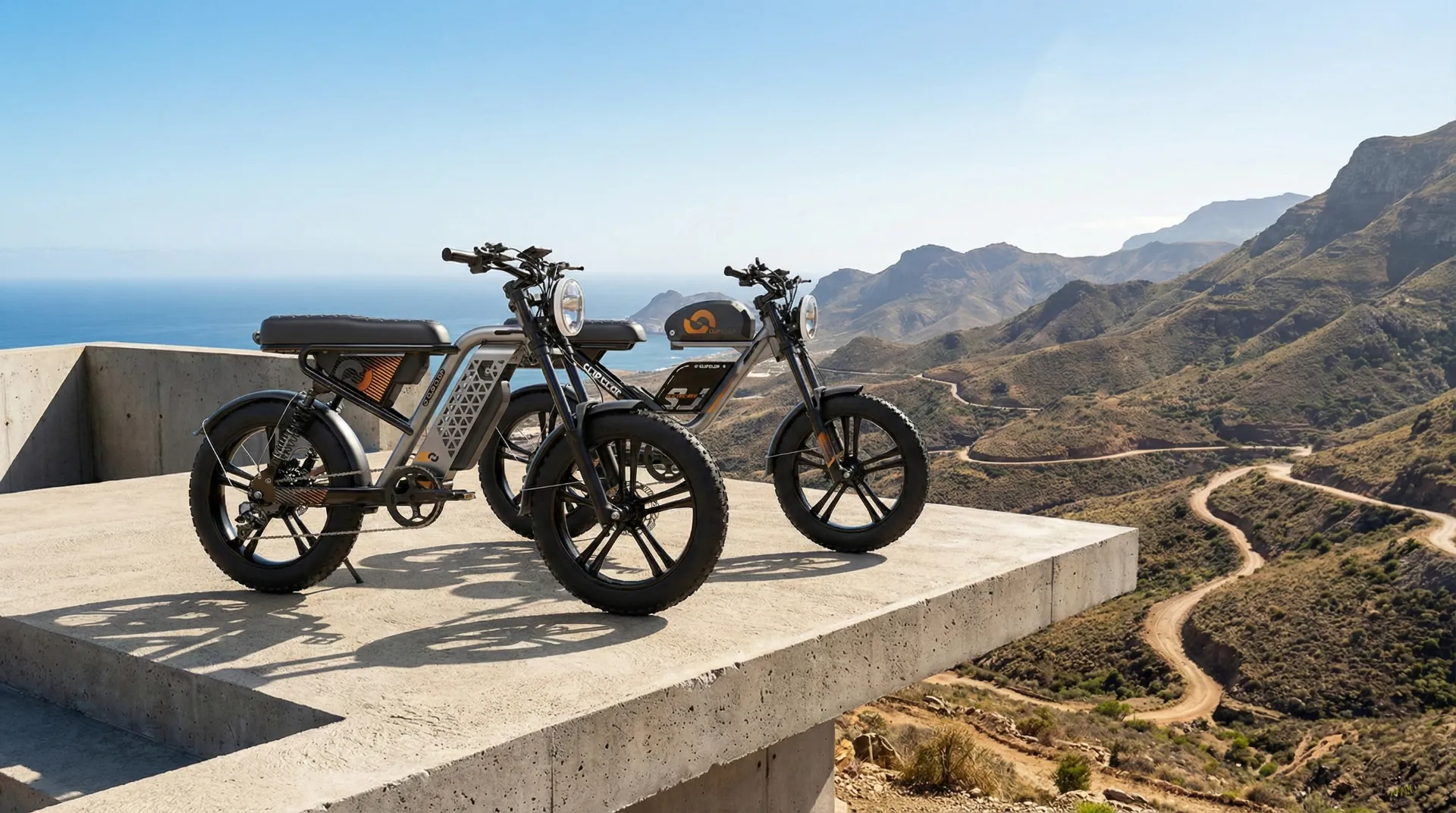
Sommige mensen komen als dealers die een helder product voor hun vitrine willen, meestal onze L1-model met de 48V 750W brushless motor. Andere draaien huur- of tourflottes en hebben iets robusts nodig met een 6061 aluminumen frame dat turisten kan aankleven. Je situatie vormt alles wat daarna volgt—aantal, specificaties, en soms ook betaalvoorwaarden.
Een ding dat ik heb geleerd door sourcing YouTubers te volgen: stel vroeg veel basisvragen, het spaart hoofdpijn later. Ik stel vaak vragen naar waar je de fietsen zult verkopen of huur, op welk terrain je klanten rijden, wat je prijsrange is, en hoe snel je eerste zending wilt. Het voelt als een lang gesprek, maar het houdt verrassingen op de later te minimaliseren.
From Chat to Quotation
Once I’ve got a clear picture of your needs, our team prepares a proper price quotation. This is not just a single number thrown over the wall. It’s a breakdown: unit price based on quantity, any customization costs, and an early estimate for shipping and logistics. I want you to be able to show it to your partners or finance team without having to translate my thinking.
A lot of experienced importers say, “If the quotation looks vague, run.” I actually agree with that advice. So we try to make the quotation as specific as possible—model codes, battery capacity, motor power, basic packaging details, even rough lead times. It’s your first tool for planning profit, retail price, and cash requirements.
If anything in the quotation doesn’t feel right—maybe you want to test different quantities, tweak spec, or compare shipping options—you just tell me. I’d rather adjust things three or four times at this stage than fix them after the proforma invoice is issued. Small changes now are cheap; changes after production starts can get painful for everyone.
Locking in the Order Details
When you’re happy with the quotation and ready to move forward, we start “locking in” the details. This is where we confirm exact quantities, model versions, and key specs like the 20″ × 4.0 fat tires for all-terrain setups, battery size, and whether you want OEM branding on the frame or packaging. This is also when we talk about realistic delivery windows.
Some buyers like to follow a trick many B2B bloggers suggest: they write down all the agreed points in one email—models, color, logo position, voltage, packaging requirements—and ask me to double-check. I actually love when people do that because it makes sure we’re reading the same “script” before we go formal. It reduces the chance of “oh, I thought we agreed on…” later.
Once everything is confirmed, we issue a Proforma Invoice (PI). This is where the order becomes serious but still before real money moves. The PI includes our company and bank details, the exact product description, the prices, and the agreed payment and shipping terms. For us, it’s the official starting point for preparing production. For you, it’s the document you use to get internal approvals and plan the payment.
What Is a Proforma Invoice and Why Should I Care?
If you’re new to international trade, “proforma invoice” sounds like something invented just to make things complicated. I felt the same when I first entered this industry. But it’s actually a very practical tool: a formal draft of the deal before real money and goods move. Think of it as the “we both agree on this, right?” document.
In simple terms, the proforma invoice is our written promise: “These are the bikes we’ll build, at this price, under these terms.” It comes before the commercial invoice and before shipment. Some trade bloggers like to call it “the zero-th invoice” because it fixes all the critical points—product, quantity, price, Incoterms, and payment terms—before you commit your funds. That’s exactly how I look at it too.
How the PI Protects You
The PI spells out the models you’re buying, like the L1 folding fat tire e-bike, and key specs: 48V 15Ah lithium battery, Shimano 7-speed drivetrain, hydraulic disc brakes, and so on. It also clearly shows the total amount, currency, deposit and balance structure, plus our company information. It forces both of us to see the full picture in one place, not scattered in chat messages.
One piece of advice I see from a lot of importing bloggers is: don’t be shy about asking for changes on the proforma invoice. I really agree. If the wording isn’t clear or something doesn’t match your understanding, we tweak it. It’s much cheaper to fix the PI than to fix a whole container of bikes later. The PI is your chance to freeze the details before you send money.
Why Banks and Customs Like It Too
The PI isn’t just for us. In many cases, you’ll also need it for your banking and admin stuff. If you want to open a Letter of Credit (L/C), your bank will usually ask for the proforma invoice as part of their checklist. Some buyers also use it when applying for financing or for pre-approval with their internal finance teams.
In certain countries, customs or import authorities may even ask for the PI when you apply for import licenses or when they want an early view of what’s coming in. So this one document quietly supports a lot of background tasks on your side. When you sign off on the PI, it’s basically the green light: “Okay, Leo, let’s move ahead with this order.” From there, we jump into deposit and production.
How Do Your B2B Payment Terms Work?
Let’s talk about the part everyone worries about first: money. When you’re wiring tens of thousands of dollars across the world, you want to know exactly how the payment terms work and what the risk looks like on both sides. I completely understand that—if I were in your shoes, I’d ask the same questions.
Our standard setup is pretty typical for international manufacturing: we use T/T (Telegraphic Transfer, basically a bank wire). The usual structure is 30% as a deposit and 70% balance before shipment. Most buyers I speak with have seen this model before, especially if they already work with factories in China or other manufacturing countries.
Why 30% / 70% Is Set Up That Way
The 30% deposit is what allows us to actually start production confidently. We use it to book raw materials—6061 aluminum alloy frames, batteries, motors, tires, and all the smaller components that people don’t think about until they’re missing. It’s your way of saying “I’m serious,” and our way of saying “okay, we’ll commit our factory resources to your order instead of someone else’s.”
We only ask for the remaining 70% when your bikes have passed our quality checks and are ready to ship. At that point, you’re no longer paying for a promise; you’re paying for finished goods waiting in our warehouse. Some supply-chain bloggers recommend asking for production photos or short videos at this stage, and I’m totally fine with that—we can share what’s happening at the line so you feel comfortable releasing the balance.
Payment Terms for Sample Orders
For sample orders, the structure changes a bit. To keep things fast and simple, we usually do 100% payment in advance. That way we don’t waste time going back and forth for a small amount, and we can jump straight into preparing your sample unit. For the L1 or similar models, we usually ship samples in about 7–15 working days, depending on current production load.
This gives you a chance to ride the bike yourself: feel the 70Nm of torque, check the welding quality, test how the brakes behave downhill, and see how the bike survives your local roads. A lot of bloggers who review e-bikes always say, “Don’t buy a big batch without touching the product at least once,” and honestly, I think that’s pretty solid advice.
For larger, long-term partners who place high-value orders, we can also discuss using L/C instead of T/T. It adds more bank involvement and a bit more paperwork, but it can give both sides another layer of comfort for big ticket deals. I’ll explain the difference in more detail next.
T/T vs L/C – What’s the Difference, Really?
If you’re new to international trade, all the acronyms can feel like alphabet soup—T/T, L/C, B/L, and so on. But at the core, T/T and L/C are just two different ways to handle payment and risk. Once you understand how they work, choosing the one that fits you becomes much less stressful.
T/T (Telegraphic Transfer) is simply a bank wire. Your bank sends money directly to our bank, using the details on the proforma invoice. It’s fast, relatively cheap in fees, and pretty straightforward. That’s why it’s our go-to method for most orders and why a lot of importers prefer it once they trust the supplier.
When T/T Makes Sense
With T/T, we stick to the 30% deposit, 70% balance structure. You pay the 30% so we can start production. Then, after we show that goods are ready, you pay the 70% before shipment. Most trade bloggers will tell you this is the “standard” rhythm for regular B2B manufacturing, especially when both sides want to move quickly and keep banking costs down.
The trust part is important here. If we’re working together for the first time, you might want extra reassurance: sample orders first, video calls, factory photos, maybe even a third-party inspection. I’m used to this and I don’t take it personally. Actually, I see it as a good sign—you’re treating your business seriously. Once we’ve done one or two smooth orders, T/T usually feels a lot more comfortable.
When a Letter of Credit Is Better
A Letter of Credit (L/C) is a more formal structure where your bank guarantees payment to us, but only if we present certain documents that match the agreed terms. Typically this means we must show the Bill of Lading, Commercial Invoice, Packing List, and sometimes other documents, all matching the L/C conditions exactly. Only then does the bank release the money.
This setup reduces risk on both sides. You know your bank won’t release funds until the goods have actually shipped, and we know your bank is standing behind the payment as long as we follow the rules. The trade-off is complexity and cost: banks charge fees, and both of us have to be careful about the wording. Many trade finance bloggers say L/Cs make the most sense for very large orders or for long-term supply contracts. That’s also how we usually treat them.
What Happens After I Pay the Deposit?
Once your deposit lands in our account, things start moving quickly on our side. I know sending the first 30% can feel like a big step, so I want to be very clear about what happens next. You’ll get two main things from us right away: a payment receipt and an official order confirmation.
The receipt is simple—it confirms we received your deposit and links it to your specific PI or order number. The order confirmation is more detailed. It restates the key information: the models we’re producing for you, total quantity, basic spec summary, and the estimated production timeline. For most bulk orders, lead time sits in the 25–45 working day range, depending on complexity and season.
Turning Your Order Into a Production Plan
Internally, your order goes into our production schedule. That means purchasing team, workshop supervisors, and quality control all see your project and timeline. We start by locking in raw materials: 6061 aluminum alloy frames, battery cells, motors, tires, and all the smaller components that people don’t think about until they’re missing.
Een tip die ik heb gezien van een paar supply chain bloggers is: “vraag altijd aan de fabriek wat de knelpunt is.” Eerlijk gezien, is dat een goede vraag. Soms is het batterijcelules, soms is het frameverf capaciteit, soms is het scheepvaartruimte tijdens de piekseizoens. Als ik jou iets kan vertellen over wat we nauwlettend in de gaten houden voor je bestelling, dan weet je waar de timing misschien strak zit.
We openen de communicatie als je bestelling in de planning staat. Als je OEM-logos of speciale kleuren hebt aangevraagd, krijg je vaak updates op die sleutelstappen - zoals wanneer monsters van de gedrukte logo klaar zijn of wanneer de eerste geverfde frames rollen. Ik wil niet dat jij daar zitten te twijfelten of er iets gebeurt.
Wat gebeurt er tussen de aanbetaling en de eindbetaling?
Dit midden deel is waar je ideeën om echte fietsen worden, dus laten we het een beetje uitvouwen. Na aankoop van materiaal start de frameproductie. Frames worden geweldigd, daarna hitte behandeld om de juiste sterkte te krijgen. Daarna gaan ze door opperbehandeling en verf, volgens de kleuren en het design dat we overeenkwamen. Hier begint je merk echt zichtbaar op het metaal.
Als de frames klaar zijn, gaan we over tot assemblage. Onze technici monteren de 20 inch × 4.0 dikke veerbanden als je de all-terrain setup gekozen hebt, installeren de Shimano aandrijving, plaatsen de hydraulische cilinderremmen en verbinden het elektrische systeem - motor, controller, accu, de draadloosheid. Elke station richt zich op een specifiek deel van de bouw, en we gebruiken jigs en gereedschap om de uitlijning consistent te houden.
Kwaliteitscontrole onderweg
We wachten niet tot het einde om alles te controleren. Onderdelen worden gecontroleerd bij aankomst; assemblages worden gecontroleerd op meerdere stappen; en elke klaar gebrachte fiets gaat door functionele testen. We testen motoroutput, accuprestatie, remrespons en schakeling. Schroeven worden opgeslagen volgens specificaties. Als iets niet klopt, gaat de fiets niet naar de verpakking.
Veel logistieke en sourcing bloggers herinneren kopers eraan: “vraag bewijs van QC, niet alleen beloften.” Persoonlijk denk ik dat dat redelijk is. Als je wilt, kunnen we foto's of korte clips van de productie of eindteststapjes sturen. Soms nemen we zelfs een snelle video van een medewerker die een van je eenheden in de testruimte rijdt, om te tonen hoe het gedrag is.
Klaar voor verzending
Als we dichter bij het einde van de productie komen, beginnen we de documenten voor te bereiden die je later nodig hebt: de Commercial Invoice en de Packing List. Daarnaast worden de klaar gebrachte fietsen zorgvuldig verpakt in exportkarton. Voor onze L1-modelen is elk exemplaar verpakt in een karton van ongeveer 144 × 34 × 86 cm, met een bruto gewicht van ongeveer 48 kg. De verpakking is ontworpen om zeevervoer en ruw gehandicap te overleven.
Als elke eenheid in je bestelling de eindinspectie heeft doorstaan en is verpakt, sturen we een formele notice dat de goederen klaar zijn. Deze update komt met de finale Commercial Invoice en Packing List, zodat je details kunt controleren die aanpassen zijn aan je verwachtingen. Het is ook het signaal dat we dichter bij de eindstap 70% staan.
Hoe betaal ik de eindbetaling 70% en krijg ik de eindfactuur?
Als je bestelling volledig is geproduceerd en klaar voor verzending, ontvang je een “Ready for Shipment” bericht van ons. Dit is meer dan een snel e-mail; het bevat de finale Commercial Invoice en Packing List. Dit is het moment waar veel kopers een screenshot maken voor hun interne financieel/afrekeningsteam, want nu zijn de cijfers definitief en gekoppeld aan echte, klaar gebrachte goederen.
De Commercial Invoice is anders dan de proforma. De PI was de “plan”; de Commercial Invoice is de officiële en rechtsgeldige rekening, gebruikt voor douane en je boekhouding. Hij toont de exacte hoeveelheden die zullen worden geshipt, modelnamen, eenheidsprijzen, totale waarde, en vermeldt duidelijk de 30% aanbetaling die al is betaald, plus het resterende 70% saldo.
Controle van de einddetails
Naast de factuur geeft de Packing List het logistieke beeld: hoeveel kartonnen, netto en bruto gewicht, en afmetingen. Dit is wat je logistieke team gebruikt bij het plannen van ruimte in de container en het bereken van bepaalde kosten. Veel handel- en logistieke bloggers raden aan de Commercial Invoice en Packing List vooraf te controleren voordat je de balansbetaling doet, en ik vind dat slim. Als er iets niet klopt, corrigeren we het voor je de resterende financiële middelen overmakt.
Zodra alles goed is op je side, regel je de 70% balansbetaling via T/T met dezelfde bankgegevens als voorheen. Als de financiële middelen aankomen, issueert ons financieel team een eindbetalingbewijs dat bevestigt dat je bestelling volledig is betaald. Ik stuur dit graag ook met een bevestiging dat de transportorganisatie begint, zodat je weet dat het proces naar de logistieke fase is verplaatst.
Van fabriek naar haven
Na volledige betaling, boeken we de container en plannen we laden. Ons team houdt de exportdouaneafhandeling in China en coördineert met je freight forwarder (of onze, afhankelijk van wat we overeenkwamen - FOB, CFR, etc.). Als de container is geladen en het schip is vertrokken, issueert de shippinglijn de Bill of Lading (B/L).
We sturen dan de volledige documentenset: de B/L, Commercial Invoice, Packing List, en eventueel andere overeenkomende documenten. Dit zijn de documenten die jij of je agent gebruikt om de douane af te rekenen en de goederen op te halen. Op dit moment zijn je fietsen letterlijk op zee, op weg naar je magazijn of havenstad.
Welke documenten krijg ik eigenlijk uit dit alles?
Paperwork is niet spannend, maar het is super belangrijk in intern handel. Het bewijst eigendom, zorgt voor tevreden boekhouders en maakt het leven van douanemedewerkers gemakkelijker. Ik probeer de documentstroom zo net en voorspelbaar mogelijk te houden. Van de eerste chat tot de eind levering, is er een duidelijke volgorde van papieren die je verzamelt.
In de vroege fase krijg je de Price Quotation, je eerste blik op kosten en opties. Zodra we de details bevestigen, sturen we de Proforma Invoice. Als je de 30% aanbetaling betaalt, issueeren we een aanbetalingbewijs, en daarna een Order Confirmation die de productieplan en geschatte leadtime vastlegt. Deze documenten zijn perfect voor interne goedkeuring, budgetplanning en om je team te laten samenwerken.
Einddocumenten voor verzending en boekhouding
Na productie en de eindbetaling 70%, ontvang je de belangrijkste export- en financiële documenten. De Commercial Invoice is je officiële rekening van ons - dit is wat je boekhouding aanklikt als aankoop. De eindbetalingbewijs toont dat je 100% van de bestelling hebt betaald, wat nuttig is voor financieren en audits.
De Packing List is je kaart van de fysieke zending: kartonhoeken, gewichten en afmetingen. Je logistieke team gebruikt dit veel. De Bill of Lading (B/L) is eigenlijk je titel op de goederen en is cruciaal voor douaneafhandeling en inwinning bij de bestemming. Zonder hem zijn de fietsen mogelijk aangekomen, maar zijn ze vastgeschakeld in het systeem.
Veel handel- en logistieke bloggers zeggen: “houd al deze in een gedeelde map met duidelijke namen,” en ik stem daarin in. Als je herhaalde bestellingen plaatst, maken oude PIs, Commercial Invoices en B/Ls makkelijk te vinden de processen soepeler - vooral als je accountant of douanebroker vragen heeft.
We proberen al onze documenten duidelijk etiketted en op tijd te sturen, zodat je niet hoeft te aanvragen terwijl je forwarder ook aanvragen doet. Als je ooit kopieën of zachte versies voor je systeem nodig hebt, laat het ons weten - ik preferereer een document opnieuw te sturen dan zien dat je goederen vastzitten bij douane vanwege iemand die een PDF verloren heeft.
Afsluiting – een echte partnership bouwen, geen transactie
Bij ClipClop zie ik een grote bestelling niet als een eenmalige verkoop. Als we dit goed samen doen, is dit gewoon de eerste container van veel. Daarom zorg ik voor transparantie in bestelling, betaling en documentatie. Als het proces duidelijk en voorspelbaar voelt, kun je je focussen op marketing, klantervaring en schaling van je bedrijf, in plaats van je zorgen over wat er in de fabriek gebeurt.
We specialiseren ons in elektrische off-road- en dikke bandfietsen, maar wat we echt proberen te bieden is een stabiele grondslag voor je merk: consistente kwaliteit, eerlijke communicatie, en een proces dat je onnodige stress niet oplevert. Ik lees veel sourcing- en handelsblogs en probeer de eenvoudige, praktische advies daaruit te implementeren: snel reageren, dingen opschrijven, en fouten erkennen wanneer ze optreden.
Als je nog steeds uit probeert te vinden welke modellen passen bij je markt, hoe je een vloot configureert voor huur, of welke OEM-opties passen bij je merk, aarzel dan niet om contact op te nemen. We kunnen je situatie samen bekijken, door technische details en een plan bespreken dat zowel je budget als je groeidoelen ondersteunt.
Als exporteraar gevestigd in Guangzhou, werken we vaak met distributeurs, groothandelaars en merkpartners wereldwijd. Van technische ondersteuning tot volledige voertuillossingen, proberen we je één-stop-partner op de manufactuur kant te zijn. Als je klaar bent, stuur me een bericht en zullen we een persoonlijke prijsaanbieding en roadmap voor je eerste - of volgende - ClipClop-container opstellen. Laten we iets vast bouwen.
Frequently Asked Questions (FAQ)
Q1: Wat is de minimale bestelhoeveelheid (MOQ) voor een grote bestelling?
Onze MOQ voor groothandelse B2B-bestellingen wordt doorgaans verhandeld op basis van het specifieke model en het niveau van personalisatie dat nodig is. We streven naar flexibiliteit om bedrijven van alle groottes te ondersteunen, van groeiende zaakhouders tot grote schaalgrote huurfloten. Neem contact met ons op met je specifieke behoeften, en we kunnen een gedetailleerde offerte leveren en discussiëren welk MOQ geschikt is voor onze partnership.
Q2: Kan ik de elektrische fietsen personaliseren met mijn eigen merk (OEM)?
Absoluut. We bieden uitgebreide OEM-diensten aan voor grote bestellingen. Dit omvat aangepaste framekleuren, aanbrengen van je bedrijfslogo en merkdecalken, en zelfs specifieke onderdeelconfiguraties om de vereisten van je markt te vervullen. Ons team werkt nauw met je samen om een product te creëren dat uniek is voor jou, terwijl de high-performance-standaarden van ClipClop behouden blijven. bulk bestellingen.. bulk bestellingen.
Q3: Hoe wordt de verzending geregeld, en zijn de kosten hieraan inbegrepen?
De verzending wordt meestal vastgesteld op FOB (Free On Board) Guangzhou of Shenzhen voorwaarden, wat betekent dat de prijs die we opstellen voor de goederen is die klaar zijn voor laden aan de haven. We kunnen echter een gedetailleerde CIF (Cost, Insurance, and Freight) offerte leveren die de verzendkosten naar je dichtstbijnde haven bevat. We werken met betrouwbare freight forwarders om je elektrische fietsaankoop professioneel en efficiënt af te handelen. Alle logistieke en kosten zijn duidelijk uitgeschreven in de proforma factuur.
Q4: Wat is de productietijd voor een typische grote bestelling?
Voor een standaard grote bestelling, is onze productietijd ongeveer 25-45 werkdagen na ontvangst van je 30% aanbetaling. Deze tijd kan licht variëren afhankelijk van de bestelgrootte, modelcomplexiteit en het niveau van personalisatie dat nodig is. We geven een nauwkeuriger tijdplan in je officiële orderbevestiging en houden je up-to-date over de voortgang.
Q5: Wat voor garantie en after-sales ondersteuning biedt u aan B2B-klanten?
We staan vast achter de kwaliteit van onze producten. Al onze elektrische fietsen komen met een uitgebreide fabrikantengarantie die de frame, motor, accu en andere belangrijke onderdelen dekt tegen fabricagefouten. Als B2B-partner heb je directe toegang tot ons technisch ondersteunings team voor eventuele probleemoplossingen en een gestroomlijnd proces voor het bestellen van reserveonderdelen om effectief service te kunnen bieden aan je klanten en je floten te kunnen onderhouden. Bouwen van een duurzame partnership betekent ondersteunen voordat de verkoop is gebeurd.
Referenties:
- International Trade Administration, U.S. Department of Commerce. “Pro Forma Invoice.” trade.gov.
- Skydo. “Payment Terms in Export: TT, DP, DA & Best Practices.” skydo.com.
- Investopedia. “What Is a Pro Forma Invoice? Required Information and Example.” investopedia.com.

 English
  Spanish
  Portuguese
  Russian
  Arabic
  French
  Dutch
Dutch  German
  Danish
