
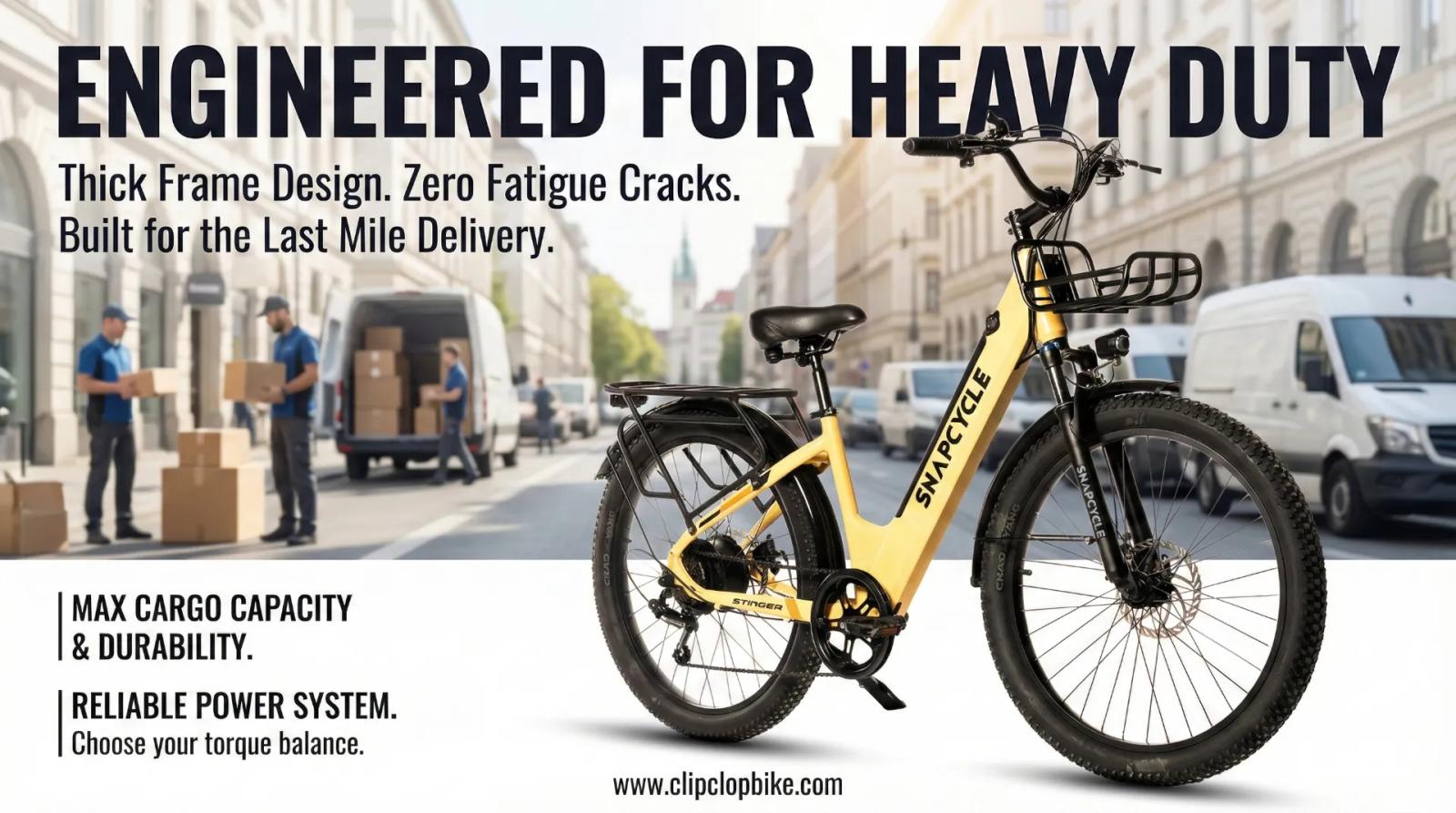
Lastelcykel Rammetykkelse: Konstruktiv Optimering til 200kg+ Erhvervsnyttelast
Optimer designet af heavy-duty ladcykelstel for at forhindre udmattelsesrevner. Kontakt ClipClop for stærk, industriel ladcykelstel-teknik.
Optimer designet af heavy-duty ladcykelstel for at forhindre udmattelsesrevner. Kontakt ClipClop for stærk, industriel ladcykelstel-teknik.
Urban logistics er i fuld gang, og gods cykler er bliver arbejdet som om de skyldte noget penge. For distributører og flådeoperatører er rammefejl ikke en “lille sag” – de er den hurtigste måde at omdanne ROI til “RIP” på. Hos Guangzhou ClipClop Technology Co., Ltd behandles vægdtolerancen som en virkelig ingeniørkule, ikke en krydsboks.
Erhvervspartnere kan inspicere vores produktionsfaciliteter på siden om OEM/ODM Elcykel Fabriksanlæg, gennemgå standardkonfigurationer på vores CS04 Heavy-Duty Commercial Cargo & Delivery Platform, eller direkte anmode om FOB-containervilkår via vores Erhvervs Tilbudsportal (MOQ 20).
Hvis du vurderer en tung gods elektisk cykel OEM, skal du ikke blive distraeret af farbe, dekaler eller fancy fotos. Det, der faktisk afgør levetid, er skjult inden i rørerne: tykkelseskonsistens, smart styrke og rene overgange i højbelastede zoner. Jeg er ClipClop Engineering-teamet, og jeg har set for mange “ser-solidt” rammer sprække simpelthen fordi tykkelsesoptimering blev ignoreret der, hvor det virker.
En ramme, der er for tynd, vil træde hurtigt, især omkring hovedrør, pedalhus og bagskærm. En ramme, der er for tynd overalt? Gratuler – du har bygget en tank, der dræper batteri, reducerer afstand og måske alligevel sprække ved ting, fordi stivhed bliver til en fiende. Målet er den ideelle balance: stærk der, hvor belastning koncentreres, og lettere der, hvor det ikke gør.
Hvorfor tykkelseskonsistens er sjælen i langlevning
Når ingeniører siger “konsistens”, betyder vi, at rørets væg ikke hemmeligt spiller skjult. En tynd fleks ved en ting kan advere som en spærge “startpakke”. I virkelige flåder er det, hvordan hårfinne spærker pludselig dukker op – så vokser de, så ødelæger de din uge.
En alvorlig producent holder tight vægdtolerance (ofte inden for ±0.1 mm) fordi welding varmere ikke behandles ligeværdigt på tynde og tykke dele. Tynde områder varmer op hurtigere, skubbes mere og låser mikrostresses ind. Senere gør vibrationer og stopog-start-kobling det resten. Det er ikke drama – det er fysik, der er ræd.
Her er en nem måde at tænke sig, hvor tykkelse spiller mest rolle i en handelsgodsramme:
| Rammezone (høj belastning) | Hvad det lider i virkeligheden | Praktisk tykkelsesstrategi | Hvorfor det hjælper |
|---|---|---|---|
| Hovedrør + styrebryg | Bremsning + styre leverage + forside belastnings tvist | Gepuffret eller stærkt hovedrør, tykkere ved lager | Forhindrer ovale formationer og spærge initiation |
| Pedalhusforbindelse | Topbøjningsmoment + pedal/motor kobling | Lokal tynding + glatte overgange | Reducerer stivhedsmismatch ved forbindelser |
| Baggeknæpper + kædestænger | Motorkobling (f.eks. 48V 500W hub) + kurvestik | Dobbelvægge sektioner + styrkeplader | Stopper spærker ved ting på knæpperne |
| Langhalset lås spine | Låseeffekt fra baglast | Bokssektion + kalibreret vægdtykkelse | Forbedrer torsionsstivhed uden “overbygning” |
Hos ClipClop ligger primære belastningsmedlemmer typisk mellem 2,5–3,5 mm, med bevidst variation afhængigt af geometri. Denne variation er målet – fordi uniform tykkelse overalt normalt er en genvej, ikke en løsning.
Download ClipClop Fabrikskatalog 2026 (PDF)
Komplette elcykel-specifikationer, motor- og batterivalg, MOQ og containerlastningsdetaljer.
Den ideelle balance: at balance vægt og styrke
Mennesker spørger mig, “Skal vi bare gøre hele rammen tyndere?” Jeg forstår det – simpelt føles sikkert. Men i design af tungdags gyds cykelramme er “mere metal” som at hænge tre vinterjakker i Singapore: du er beskyttet, men du lider uden grund.
Ekstra vægt belaster batteri- og motor systemet, især i stopog-start ruter. På vores C1 opsætning (48V 500W hubmotor, 48V 12,8Ah lithiumbatteri) er afstanden optimeret omkring 40–65 km. Tilføj unødvægtig rammemasse og du føler afstands faldet i virkeligheden – fordi fysik sender altid regningen.
En smartere tilgang er taperet rør: tyndere ved ting (sig ~3,5 mm), tyndere mod centrum (ned til ~2,0 mm) for at tillade kontrolleret fleks. Denne lille fleks hjælper med at absorbere vejrsag, så ting ikke tager hver ramme som en bokskæmpe.
I træls begærer vi os mindre om “vil det bøje en gang?” og mere om “vil det overleve 50.000 lærde bump?” Gyds cykler lever i gentagelse. Pøllehus har ikke hygge – de kommer bare forbi.
Tingning: hvor godt ramme lever eller dør
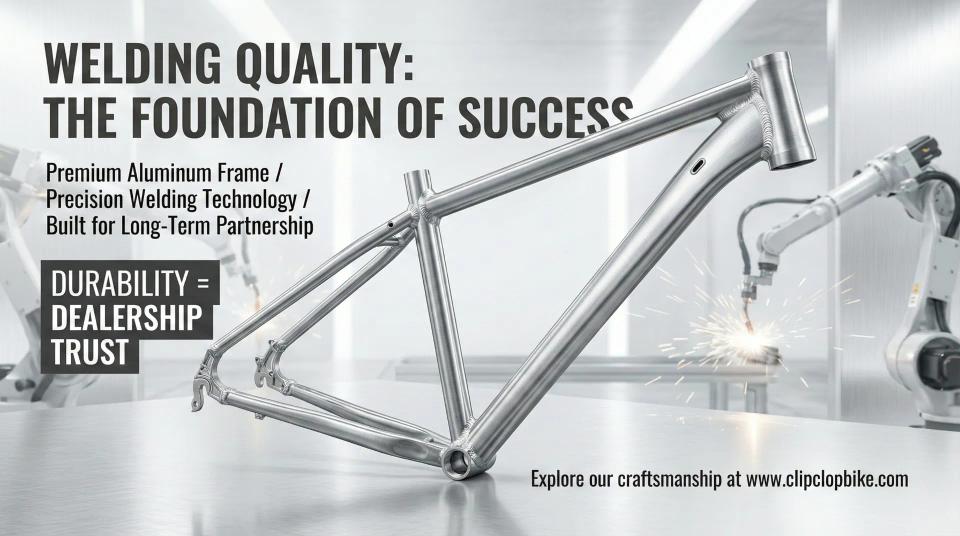
Tingning er det afgørende øjeblik. Du kan have perfekte tegninger og premiumleger, så ødelæger du alt med en dårlig pibe. Den klassiske fejlplads er tingets toe: hvis det er underkutet, har du effektivt reduceret vægdtykkelsen lige der, hvor belastning koncentreres. Det er som at invitere træls spærging til frodig mad.
For højbelastede forbindelser giver TIG-tingning bedre kontrol over varmeindtastning på aluminiumlegering 6061. Det betyder, fordi varme påvirket zoner (HAZ) er virkelige – aluminium bliver blødt ved tingning, og hvis du ikke håndterer proces og efterbehandling, sender du en ramme, der er klokken svagere end meningen.
Vi foretrækker også dobbelpass-tingning på nøgleforbindelser: første pass for gennembrengning, anden pass for en smoother, bredere fillet. Målet er at reducere spærge risici – skarpe geometriske kanter, hvor kræfter “pakket op.” Glade overgange er ikke kun dejlige; de er også beskytter.
Og ja, eftertingning betyder noget. Hvis en leverandør springer korrekt løsning og aldering (almindeligt diskuteret som trin tilbage til T6-niveau) over, kan træls levetid falde kraftigt. Hvis en leverandør bliver forsvarskraftig, når du spørger om eftertingning, er det… ikke et godt tegn.
Spændingsfordeling: hvor spærker faktisk starter
Gyds rammer springer ikke i midten af en nem rørsektion. De springer der, hvor geometri ændres, belastninger drejer og stivhedsmismatch sker. I en langhal designs skaber baglast en bøjnings moment, der fokuserer spænding ved pedalhus og langs “ryggen” på cyklen.
En almindelig fejl er at tinge en tynd rør til en tynd rør uden en gradvist overgang. Det er en stivhedsklippe. Den tynde rør bliver til en opvaskning, og træls spærker begynder lige ved tingslinjen – netop der, hvor du ikke vil se uventet.
For forsidebelastede gyds cykelramme-design er styrebryg og hovedområde udsat for multidirektionale belastninger – vægt + styre kobling + bremsning. Vi foretrækker gepuffrede hovedrør for denne grund: gepuffring kan skabe lokal tyndelse der, hvor lager sidder, mens andre områder holdes lettere. Det er som at sætte panser der, hvor piler rammer, i stedet for overalt.
Vi tester også for “virkelighed”, ikke "udstillingens liv". En 140 kg belastning, der sidder stille, er ét problem. En 140 kg belastning, der rammer en 5 cm kurv med 25 km/t, er den virkelige skurk. Spændingsanalyse skal reflektere denne skurk, ellers er det kun en fancy sommerfuglhistorie.
Hvorfor 6061 aluminium fortsætter med at vinde i handels gyds
Stål vs. aluminium debat kan blive emotional hurtigt, som fodboldkampe. Men for handels gyds elekters, holder 6061 aluminium det som en arbejdstung, fordi det balancerer styrke/vægt og er højt formbart til avanceret formgivning.
Hydroforming og smart rørformgivning giver dig mulighed for at forbedre levetid uden blindt at øge tyndelsen. Ovalisere for lateral stivhed, runde for vertikal fleks, og styrk lokalt der, hvor belastninger topper. Geometri er en cheat code – lovlig, etisk og højt anbefalet.
Aluminum har en finit træls levetid, så design og tyndelsesoptimering er ikke valgfri. Måden at “vinde” med aluminum på er ved at kontrollere spænding, glatte overgange og holde produktion konsistent. Når det er gjort korrekt, skubber du træls spærge langt ud over den praktiske servicelevetid for gyds cykel.
Korrosionsmodstand er også vigtig for eksportmarkeder. 6061’s oxideagtighed plust korrekt overfladebehandling (som kvalitetspowderbeslag) hjælper med at holde rammer stabile i fugtige kystområder og sludderrige vintervejebedingelser. Rammer kæmper ikke kun med belastninger – de kæmper med vejr.
Kvalitetssikring: hvordan man verificerer tyndelsestolerance uden at gætte
Hvis du køber i skala, har du brug for bevis, ikke stemninger. Glade ting ser dejlige ud, men “usynlig kvalitet” er, hvad der redder flåder: vægdtolerance, råmaterialer sporbarhed og forbindelsesinspektion.
I vores anlæg bruger vi ultralyde tynddybdessning for at prøve rør per batch før tingning. Hvis en rør falder uden for spec, den “går ikke bare i gang.” Den afvises. Denne strikkenhed er, hvordan du forhindrer tyndespots, der senere bliver til spærge oprinder.
For B2B købere bedes der om:
- Råmaterialcertifikater for 6061 (tensionsevne, udstraktion, batch-ID'er)
- Tingningsproceduredokumentation (proces type, parametre, jig kontrol)
- Inspektionsevidens (ultralyde tynddybdessning, dye pensel på ting)
- Eventuelt stressanalyseopsummeringer (FEA varmelejlighedsidentifikation og dækning)
Vi observer også symmetri. Hvis en kæste er tyndere end den anden, kan cyklen advere mærkeligt under bremsning – især med stærke systemer som hydrauliske bremser – og skabe asymmetriske belastninger, der accelerationer træls på én side. Det er sluttedelen af et problem, der begynder som “huh, det føles mærkeligt” og slutter som “hvorfor er det spærget?”
Hvad der kommer nu inden for gyds cykelrammeingeniørsning
Belastninger stiger, afstandsforventninger stiger og byer bliver tættere – så skal rammer blive smartere, ikke kun tungere. Nye legmer (inklusive stærkere aluminiumfamilier) og hybride strukturer undersøges for at holde vægt ned, mens træls performance forbedres.
En tendens, jeg observerer tæt, er integreret sensorskning: spændingsmålere integreret i rammer for at spore overbelastede begivenheder og markere tidlige advarselsignaler. For flåder er det spektakulært – vedliggørelse bliver proaktiv i stedet for reaktiv. Ingen mere at lære om skade kun efter noget springer på gaden.
Modulære platforme får også opmærksomhed: standardiserede kernrammer med udvekselbare forside eller bagmoduler. Når det er gjort korrekt, kan højere volumen på kritiske dele forbedre proceskontrol, hvilket forbedrer konsistens, hvilket forbedrer levetid. Det er træls produktionslogik – og det virker.
Konklusion og Tekniske Retningslinjer
En bæredygtig gyds cykelramme bygges ikke ved tilfælde. Den bygges ved at kontrollere vægdtolerance, håndtere tingekvalitet, glatte spændingsovergange og validerer design med virkelige belastningsantagelser. De “skjulte detaljer” afgør, om din flåde kører i årer eller triller ind i garanti-kaos.
Hvis du vælger gyds cykler, planlægger konfigurationer eller kilder OEM/ODM løsninger, er du velkommen til at kontakte os. Vi supporterer forhandlere, wholesalere og brandpartnere med enhedsløsne tjenester – fra teknisk alignment til komplet køreløsning. Besøg clipclopbike.com for at starte samtalen.
Ofte stillede spørgsmål & udvidet læsning
Q: Hvorfor foretrækker ClipClop Aluminium 6061-T6 til lastrammer? A: 6061-T6 giver den bedste balance mellem trækstyrke, svejseevne og korrosionsbestandighed. Selvom 7005 er stærkere, er det mere tilbøjeligt til stresskorrosionsrevner, hvis det ikke er varme-behandlet perfekt, hvilket gør 6061 til et mere pålideligt valg til masseproduceret Design af robust last-e-bike ramme.
Q: Hvordan påvirker vægtykkelsen batteriets rækkevidde? A: Hver 500g, der tilføjes til rammevægten, øger let den energi, der kræves til acceleration. Ved at bruge Optimering af lastcykelrammetykkelse, reducerer vi parasitvægt, hvilket tillader 48V 12.8AH lithiumbatteri to provide a longer Rækkevidde per opladning.
Q: Kan jeg tilpasse rammetykkelsen til specifikke robuste industrielle anvendelser? A: Ja. Som en førende Robust elektrisk lastcykel OEM, tilbyder vi tilpassede vægtykkelseskonfigurationer til specialiserede industrielle anvendelser, og sikrer, at din flotte opfylder specifikke sikkerhedsfaktorer for ekstreme lastforhold.
References
- International Journal of Fatigue - Structural Integrity of Bicycle Frames
- Aluminium Federation - 6061 Alloy Technical Specifications
- Shimano Commercial Logistics Solutions - E-bike Drive Units
ClipClop fremstillingsstandarder og byggekvalitet
Explore our commercial and fleet platforms engineered for heavy duty duty-cycles: ClipClop CS01 Commercial Cargo E-Bike, the versatile ClipClop CS04 Long-Tail Utility, and ClipClop L1 Fleet Commuter, backed by direct factory wholesale pricing and comprehensive warranty support.
Kommercielt Indkøb & Flådeforsyning med ClipClop
Udrulning af elcykelflåder eller distribution af private-label cykler kræver en pålidelig produktionspartner, der sikrer stabil containerproduktion, robotsvejset stelpræcision og streng batch-kvalitetskontrol. Fra vores 25.000 m² fabrik i Qingyuan leverer ClipClop komplette OEM/ODM elcykel fremstillingsydelser med en overkommelig MOQ på blot 20 enheder pr. model. Hver containerordre inkluderer dedikerede reservedele (2% gratis garanti-komponenter), fuld international overensstemmelsesdokumentation (EN 15194, UL 2849, UN38.3) samt afsendelse af prøver inden for 15 dage.
Klar til at vurdere tekniske prototyper for CS04 Heavy-Duty Commercial Cargo & Delivery Platform eller forhandle beskyttede forhandlervilkår? Kontakt ClipClops ingeniørteam via vores B2B Erhvervs Tilbudsportal for et detaljeret containertilbud og en produktionsplan.
Download ClipClop Fabrikskatalog 2026 (PDF)
Komplette elcykel-specifikationer, motor- og batterivalg, MOQ og containerlastningsdetaljer.
Flere OEM-feltnotater.
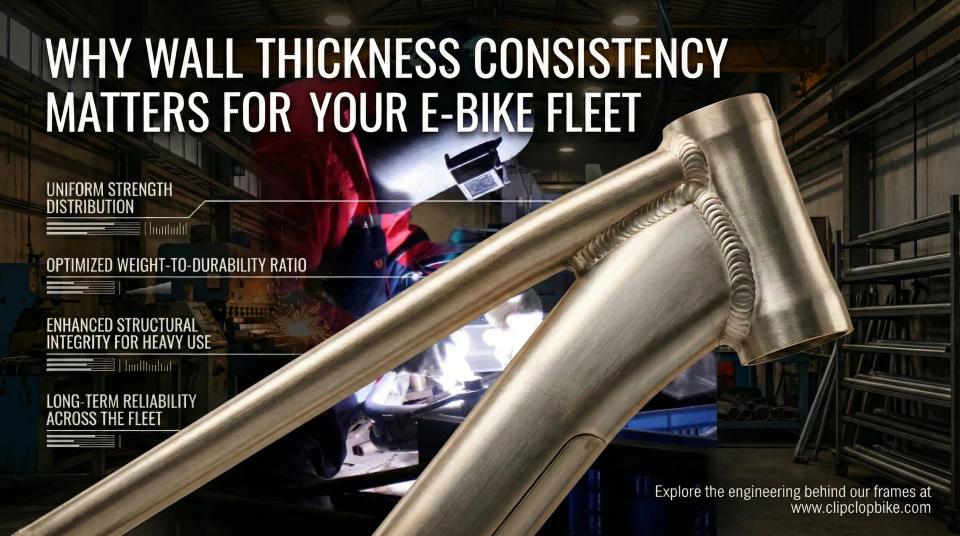
Vægtykkelsestolerancer i Elcykelrammer: Ekstrudering, Hydroforming & Kvalitetskontrol
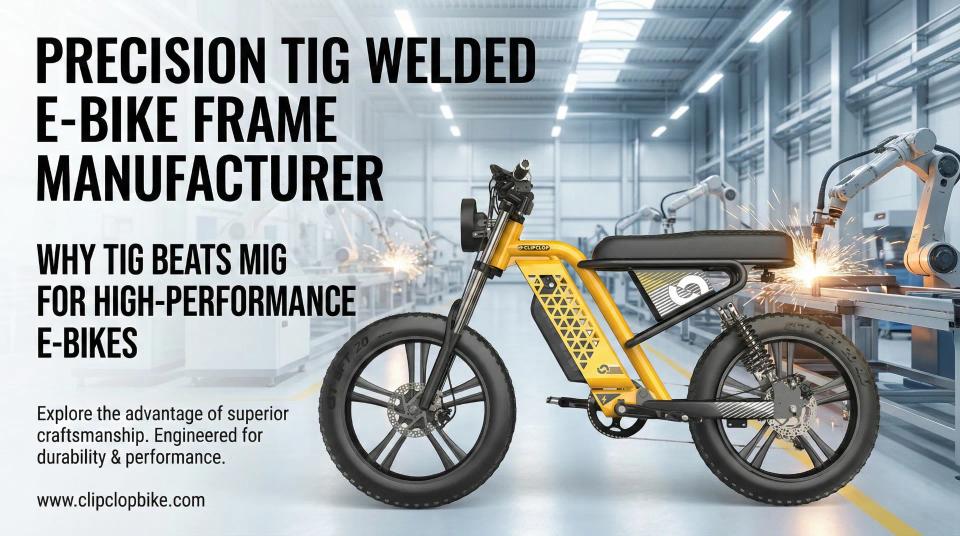
Præcisions TIG-Svejsede Elcykelrammer: Fabrikskvalitet vs Robot-MIG-Svejsning
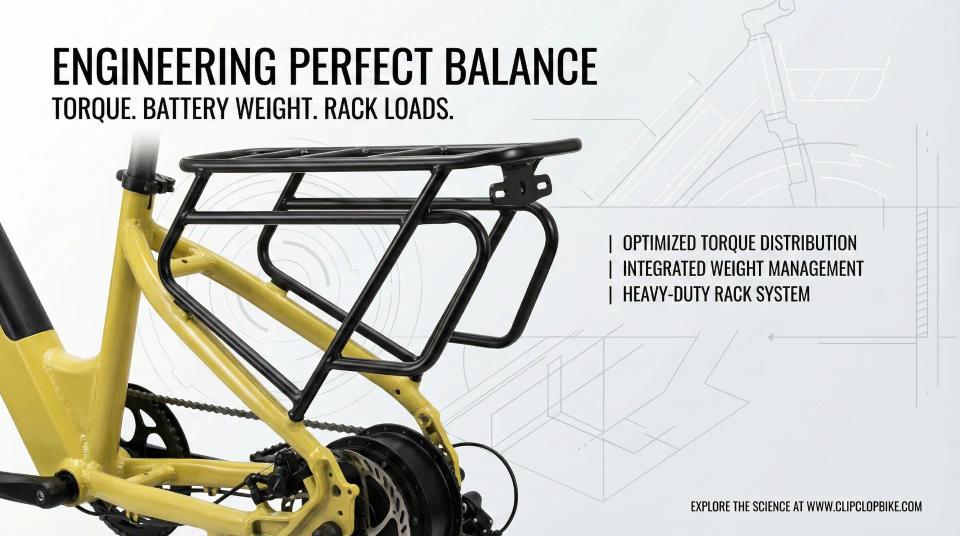
Heavy-Duty Lastelcykel-Design: Momentfordeling, Dobbeltbatteri & 200kg Bagagebærer
Ikke-destruktiv prøvning (NDT) og kvalitetskontrol: penetrant, ultralyd og saltspraytests
Send jeres brief. Vi svarer med et teknisk notat.
Svaret omfatter gennemførlighed, prøveomkostninger, MOQ og næste skridt for jeres projekt. Vi svarer inden for 48 timer.