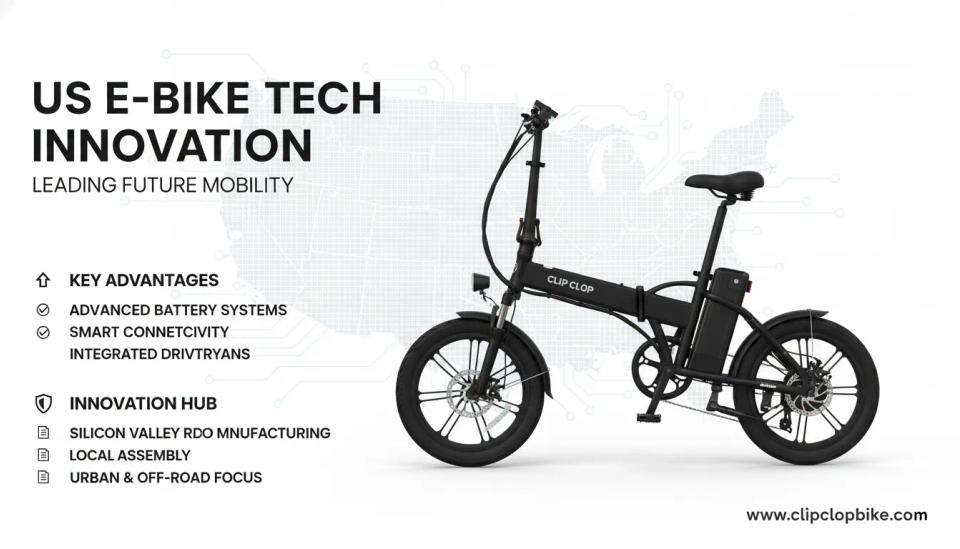
Hey, Leo Liang here again. I’ve been living in the electric off-road world for years now – not just at Clipclop Bike, but as that guy who’s always asking dealers way too many questions at trade shows. I’ve talked with distributors, shop owners, and rental bosses from Hamburg to Los Angeles, and the same headache keeps coming up: the global market is huge, messy, and kind of confusing. The big question is never simply “what’s new?” It’s almost always, “Which e-bikes should I actually stock if I don’t want to burn cash?” My honest answer these days isn’t a magic model number – it’s a mindset and a method: proper B2B market segmentation.
Once you really accept that a rider in rural America doesn’t think like a commuter in Amsterdam, everything starts to click. The bike that feels “perfect” in Texas might be useless in a tight Dutch city street. So instead of staring at one huge global market and guessing, I like to slice it into smaller, more understandable regions – each with its own habits, rules, and growth paths. A lot of smart B2B people I follow say the same thing: segmentation isn’t about fancy PowerPoints; it’s about risk control. Ordering the wrong container means money sitting on a rack for months. Getting the right mix for local demand means faster turnover, happier dealers, and a brand that looks like it “gets” the market.
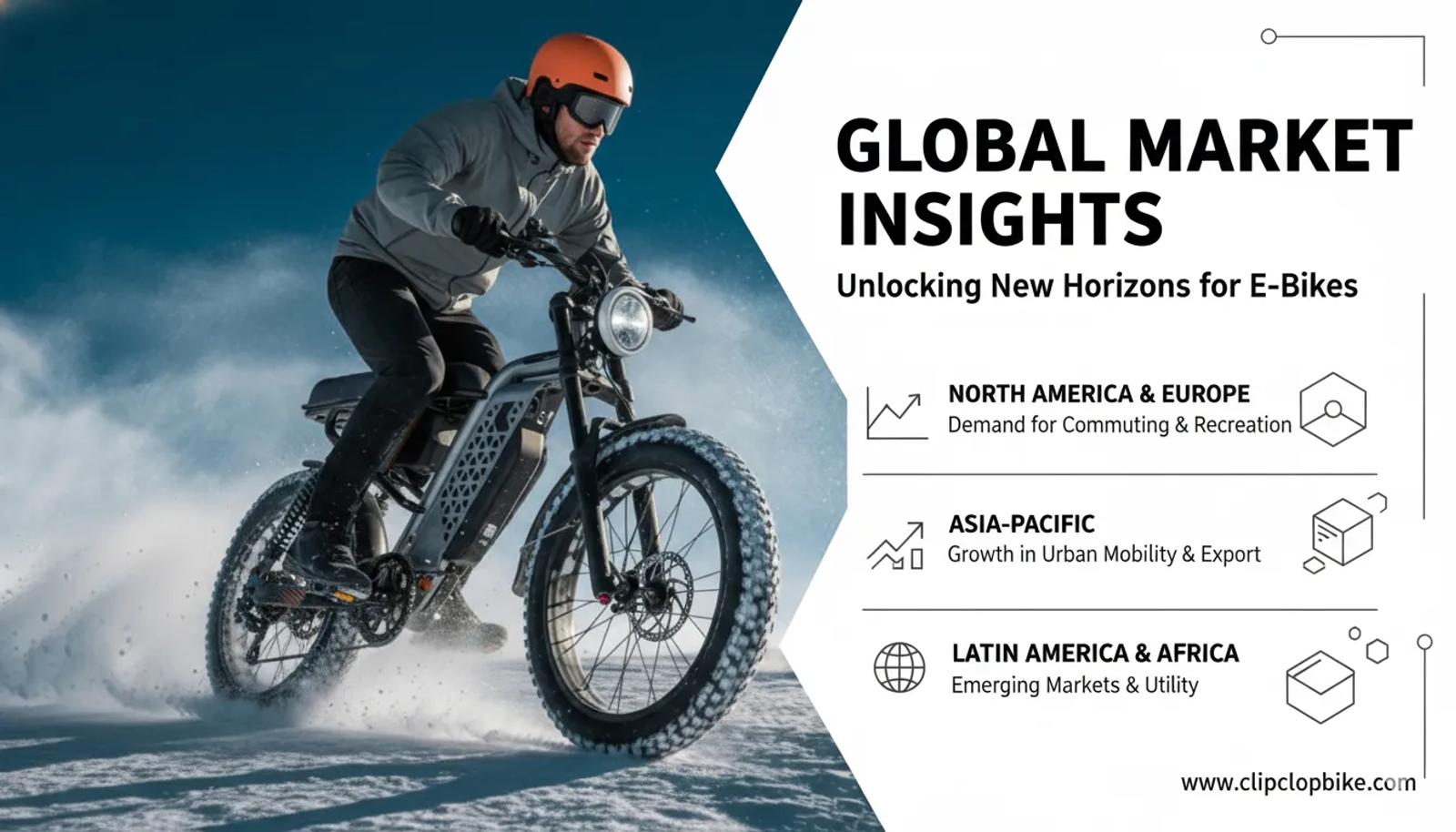
In this article I want to walk you through how we think about this at Clipclop, using real conversations and data we’ve collected over the years. I’m not trying to impress anyone with theory; I’m trying to give you the guide I wish someone had handed me at the beginning. We’ll go into how Europe behaves like a mature but complicated powerhouse, why North America feels like the “wild west of watts,” and how Asia-Pacific is packed with very different but fast-growing pockets. By the end, my goal is that you’ll be able to look at your target markets and say, “OK, I know what specs actually make sense here,” and build a lineup that talks directly to the customers you care about.
Why Bother with Regional Segmentation Anyway?
In the B2B e-bike game, “think global, act local” isn’t just a nice slogan you stick in a presentation; it’s how you protect your inventory budget from painful mistakes. When I say “regional segmentation,” I just mean breaking down the big world pie according to geography, culture, regulations, and economic reality. Some bloggers call it “zooming in on real riders, not just spreadsheets,” and I like that. For a distributor or a fleet buyer, this isn’t academic homework – it’s the most practical way to de-risk every container you order.
Let me give you a simple example. Imagine you ship a container of high-powered, throttle-heavy e-bikes into Germany because they’re selling great in the US. On paper it might look exciting – big motors, fat margins. In real life? You quickly hit a wall, because local rules strongly favor pedal-assist pedelecs with 250W nominal power and 25 km/h assist limits. Now you’re stuck with inventory that’s pushing the edge of what’s allowed or just flat-out wrong for the channel. That’s a very avoidable, very expensive problem that smart segmentation helps you dodge.
So what do we do instead? We start by matching product specs to what the market actually expects. I like to list out the boring but crucial stuff: What’s the terrain like – flat city streets or steep, rocky trails? What’s the main use – daily commuting, weekend fun, or hardcore adventure? What does the law say about motor power and speed? Are there local subsidies pushing people toward certain price points or categories? When you answer these questions seriously, you stop buying “cool” bikes and start building targeted inventories. A foldable fat tire model like our Clipclop L2, with its 20″*4.0 fat tires and solid 160kg/350lbs max load, is a monster hit with RV owners and adventure tourists in North America. In a tight old-town European city, though, it’s more of a niche toy than a mainstream seller.
At Clipclop, we basically built our whole B2B cooperation model on this kind of thinking. We don’t just push a catalog across the table and say “choose something.” When a potential partner comes to us, the first thing we talk about is their region – who they’re selling to, what local rules look like, and how customers actually use the bikes. From there, we play with configurations together: sometimes it’s dialing motor power up or down, sometimes it’s switching battery capacity, sometimes it’s bundling racks, lights, and fenders because the market loves “ready-to-ride” packages. This kind of joint tuning takes a bit more time, but it’s what turns a simple purchase into a long-term partnership where the bikes actually move.
Europe Up Close: Why the “Mature” E-Bike Market Needs Fine Tuning
People often tell me, “Europe is the most mature e-bike market, right? So I’ll just bring in a good pedelec and I’m done.” Honestly, that way of thinking is how you get into trouble. Europe looks like one clean block on a map, but from a B2B angle it’s a patchwork of countries, each with its own way of riding, living, and regulating. The one thing that does tie most of it together, though, is the EN 15194 standard. It basically sets the rules for “L1e-A” pedelecs: 250W nominal motor output and 25 km/h assist cut-off. Because of this, pedal-assist systems with good torque sensors absolutely dominate the mainstream demand.
If you’re targeting Europe, compliance and quality are the two non-negotiables you end up talking about again and again. A lot of the partners I work with there aren’t asking for crazy power; they’re asking for bikes that feel refined but still fit the legal box. That’s where frame and component quality quietly decide whether you win or lose. For example, a frame built from 6061 Aluminum Alloy hits a sweet spot: strong, reasonably light, and resistant to corrosion – things that matter a lot when riders are using the bike daily in the rain, salt, or city grime. Higher-powered bikes with 750W motors do exist, but they’re usually thrown into the Speed Pedelec (L1e-B) bucket, which means type approval, insurance, and helmets. Those models form a smaller but interesting niche in places like Switzerland and Belgium, where long-distance commuters are ready to jump through extra hoops for more speed.
What many new B2B buyers underestimate is how different riding scenarios are within Europe itself. Take the Netherlands and Denmark: flat, bike-obsessed, and crazy about reliable cargo and commuter e-bikes. There, solid racks, integrated lights, and low-maintenance drivetrains are what move the needle. Jump over to alpine areas in Austria or Switzerland and the picture shifts completely: e-MTBs for rental fleets and tourism are booming, and people care a lot more about suspension quality, hydraulic disc brakes, and frame toughness. So a smart European distributor doesn’t buy “one bike for Europe.” They build a segmented plan: maybe city-focused commuters and cargo bikes for urban shops, plus a separate range of durable e-MTBs for mountain and holiday hotspots.
North America: The “Wild West of Watts” and What That Means for Stocking
If Europe is defined by careful rules and tidy standards, North America feels like the loud, slightly chaotic cousin that loves power and flexibility. When I talk with US and Canadian dealers, they constantly bring up how much freedom they have compared to Europe – and also how that freedom can be a bit overwhelming. Most regions follow some version of the three-class system, which you probably know by now, but it’s worth laying out again in simple terms.
Class 1 bikes are pedal-assist only, with assistance cutting off at around 20 mph. Class 2 adds a throttle, also typically capped at 20 mph on motor-only power. Class 3 goes back to pedal-assist, but with a higher assist limit, usually around 28 mph, and often treated like an S-Pedelec. This framework opens the door to much higher motor powers and more playful configurations. That’s why a model like our Clipclop L2, with a 48V 750W brushless motor and optional throttle, is such a flexible workhorse here – you can tune it to fit different classes, depending on the rules and how the dealer wants to position it.
This extra wattage isn’t just about making the spec sheet look cool. The terrain and lifestyle in North America really do justify it. Think of the steep streets in San Francisco, long climbs in Colorado, or mixed-use gravel and forest trails that weekend riders love. For many riders, especially those hauling gear or heavier body weight, a torquey setup is not a luxury; it’s almost mandatory. That’s why numbers like 70Nm of torque on the L2 resonate so well – dealers can literally point to a hill outside the shop and say, “Yes, this will get you up there without walking.”
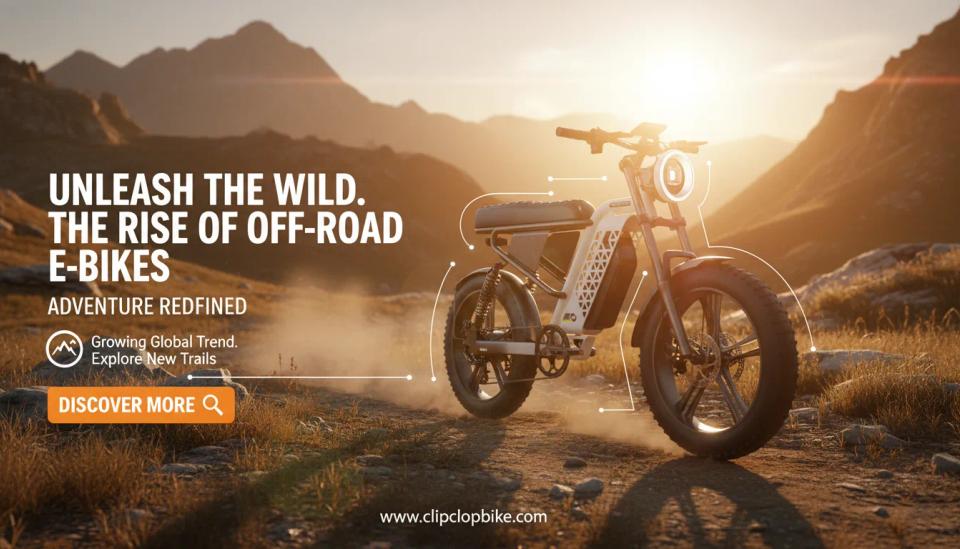
The real B2B challenge in North America isn’t “are we allowed to sell this?” but “who exactly are we selling this to?” The user base is wildly diverse. Urban commuters want something reliable, visible, and not too bulky. Trail riders want something that can take hits and still feel fun on weekends. Hunters and fishers care about range, off-road grip, and carrying capacity – this is where 20″*4.0 fat tires start to shine on rough paths, mud, or snow. Then you have the RV and van-life crowd, who are obsessed with foldable, compact bikes that still pack serious power.
A lot of bloggers who specialize in the US market say the same thing: pick platforms that can serve multiple niches instead of trying to juggle 20 different SKUs. That’s why folding fat tire e-bikes are so attractive for distributors – one model can speak to commuters, campers, and casual off-roaders if you spec it right. The basics still matter, though: sturdy 6061 Aluminum Alloy frames and decent-capacity batteries like 48V 18.2AH packs. If the bike can’t deliver real-world range and reliability, no amount of “multi-use” marketing will save it.
APAC: One Region, Many Very Different Stories
Asia-Pacific, or APAC, is where a lot of people I talk to get both excited and nervous. On a map it’s one big label, but on the ground it’s packed with completely different economies, cultures, and use cases. You’ve got mature leisure markets like Australia and New Zealand, and then you’ve got fast-growing, very practical markets across Southeast Asia where e-bikes are closer to daily tools than weekend toys. If you try to apply a “one model fits all APAC” strategy, you’ll probably end up confusing everybody, including yourself.
In Australia, for example, the vibe often feels closer to North America. Riders want fun, capable machines for trails, coastal paths, and weekend trips. E-MTBs and fat tire bikes with 750W motors and solid-range batteries fit that lifestyle nicely. People there are willing to pay for performance, and they care a lot about handling and stability. If you’re a distributor in that space, you might prioritize full-suspension or hardtail e-MTBs with punchy motors and rugged components because your customers are hammering these bikes on rough ground, not just cruising short city hops.
Shift your eyes to crowded Southeast Asian cities and the picture changes almost completely. Here, e-bikes are often used as workhorses: commuting to jobs, running deliveries, and providing cheaper, cleaner mobility options. Riders are more sensitive to price, maintenance cost, and durability than to top speed bragging rights. So instead of chasing the biggest motor number, you look for frames that handle daily abuse, simple drivetrains, and reliable brakes. A little extra motor wattage is nice, but not if it pushes the bike out of reach for the real target buyers.
For B2B importers and distributors trying to grow in APAC, the keyword I keep coming back to is “flexibility.” Regulations shift from country to country, and even city to city. That’s why working with a manufacturer who understands customization is such a big advantage. At Clipclop, we often adjust motor wattage, battery size, or even frame style for different APAC partners. One project might be focused on building a fleet for food delivery riders in Bangkok, where uptime and low operating cost are the main focus. Another might be tuned for high-end adventure tourism in places like Queenstown, where guests want a “wow” experience and are less sensitive to price. Same basic technology, but very different configurations.
Global E-Bike Market Snapshot: A B2B Comparison
| Recurso / Consideração | Europe Market | North America Market | Asia-Pacific (APAC) Market |
| Regulatory Landscape | Strict: Primarily EN 15194. Pedelecs limited to 250 W motor, 25 km/h assist. No throttle. | Flexible: 3-Class system. Allows up to 750W+ motors, throttles (Class 2), and higher speeds (Class 3). | Highly Varied: A patchwork of national regulations. Requires country-by-country compliance. |
| Dominant Motor Demand | 250 W (nominal) with sophisticated torque sensors. | 750W. is the popular standard, with demand for higher power. | Mixed: Lower wattage for urban utility, higher for leisure markets (e.g., Australia). |
| Caso de Uso Primário | Commuting, trekking, and mountain tourism. Emphasis on efficiency and integration into daily life. | Recreation, utility (hunting/hauling), adventure, and commuting. Emphasis on power and versatility. | Diverse: Urban commuting/delivery in developing nations; leisure/trail riding in developed nations. |
| Popular E-Bike Types | City/commuter bikes, trekking bikes, high-end e-MTBs for rental fleets. | Fat tire e-bikes, folding e-bikes for RVs, powerful commuter/utility models. | Cost-effective city bikes, delivery e-bikes, and recreational e-MTBs. |
| Key B2B Focus | Sourcing compliant, high-quality bikes. Navigating nuanced national preferences. | Catering to diverse niches with versatile, powerful products. Highlighting durability (Liga de Alumínio 6061). | Offering customizable solutions to adapt to disparate regulations and use cases. |
| Subsidy Impact | High. National and municipal subsidies are a major sales driver, often targeting specific bike types. | Moderate but growing. Localized (city/state) rebates create powerful, sudden demand spikes. | Emerging. Less of a factor currently but has high potential for future market growth. |
Rules, Red Tape, and How They Quietly Shape Your Lineup
A lot of new players in the e-bike business think regulations are just this annoying wall they have to climb over. I look at them a bit differently now. For anyone selling globally, the rulebook is actually one of the main forces shaping what bikes you should even think about building or buying. If you ignore it, you’re basically gambling your inventory against a system you can’t control. As a B2B partner, your biggest risk isn’t usually that your bikes are “bad” – it’s that they’re technically wrong for the rules where you’re trying to sell them.
We already talked about Europe’s EN 15194 standard, and it really does define the heart of the mainstream pedelec market over there: 250W motors, 25 km/h assisted speed, plus a big focus on efficiency, torque sensing, and lighter frames. That set of rules naturally pushes product design toward smooth, well-integrated urban and trekking bikes. Over in the US, the three-class system is way more forgiving, allowing 750W or even 1000W motors in some cases and letting you run throttle-on-demand for Class 2 bikes. That difference alone explains a lot of the “feeling” gap when you ride a typical European commuter versus a typical American fat tire bike.
The smart move for B2B buyers is not to fight these rules, but to align with them. Practically, that means finding or demanding platforms that can be adapted for different legal frameworks with minimal headaches. One thing we do at Clipclop is design base models that can be configured as needed: the same frame and general layout can be limited to 250W and 25 km/h for a German partner, then shipped with a 750W motor and up to 51 km/h top speed for a US distributor where the local rules allow that. It takes more engineering work up front, but it makes everyone’s life easier later because you’re not reinventing the wheel for every region.
Subsidies, Rebates, and the Invisible Hand Pushing Demand
One thing that doesn’t get talked about enough in B2B conversations is how government money quietly shapes what sells and when. Subsidies, tax credits, and local incentive programs can flip a market almost overnight. If you’re not watching these moves, you can easily misjudge demand or miss great opportunities. I’ve seen dealers suddenly run out of stock just because a city launched a new rebate and the phones started ringing off the hook.
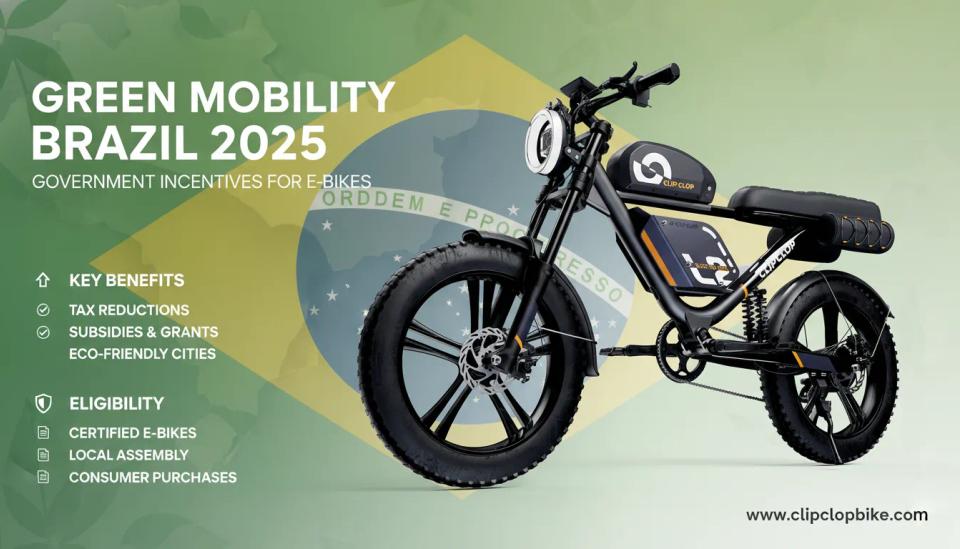
In Europe, a lot of countries treat e-bike incentives as part of their climate and traffic strategies. France is a classic example – there have been programs where you get a nice “bonus” for scrapping an old car and switching to an e-bike instead. Italy has also run attractive schemes. These programs aren’t just about cheap bikes; they usually come with conditions, like certified batteries or certain safety standards. From a B2B point of view, that means you really want to work with manufacturers who take compliance seriously, because being “almost eligible” for a subsidy is basically the same as being disqualified.
On the other side of the Atlantic, the federal picture in the US has been more up and down, but states and cities are stepping in. Denver’s e-bike rebate program is the case everyone likes to quote: every time they opened a new round, the funds disappeared in minutes because people rushed to grab the discount. The pattern is pretty clear: when a decent rebate shows up, people suddenly move from thinking about an e-bike to actually buying one, especially for commuting and daily use. Models with integrated lights, racks, and durable 6061 Aluminum Alloy frames fit really well here because they look like serious transport tools, not just weekend toys.
Portanto, se você está tomando decisões B2B, o acompanhamento de incentivos não deve ser uma reflexão tardia. Deve estar lado a lado com sua previsão de vendas e roteiro de produtos. Quando você sabe, por exemplo, que um programa local recompensa fortemente bicicletas de comutação em uma determinita faixa de preço, pode concentrar seus pedidos nessas configurações e estar preparado quando a onda chegar. Não se trata de correr atrás de cada subsídio; trata-se de alinhar seu estoque com os programas que realmente correspondem ao seu mercado e aos seus pontos fortes.
Transformando Insights em Bicicletas: Compatibilizando Especificações com Casos de Uso Reais
Certo, então você analisou a Europa, América do Norte, APAC, o cenário legal e a montanha-russa de incentivos. O último passo – e, honestamente, aquele que mais importa para o seu resultado final – é transformar tudo isso em um plano de compras real. É aqui que você para de pensar no nível macro e começa a compatibilizar componentes reais com ciclistas reais. Uma e-bike não é apenas “uma bicicleta”; é um motor, um quadro, uma bateria, pneus e uma série de escolhas menores que precisam se adequar aos seus usuários-alvo.
Comece pelo motor. Nos mercados europeus de comutação fortemente regulamentados, um motor de 250W combinado com um bom sensor de torque parece ser o padrão ouro. Os ciclistas não precisam voar; precisam de uma bicicleta que responda de forma natural e funcione silenciosamente dentro dos limites legais. Para o público norte-americano ávido por potência, um motor brushless de 48V 750W faz muito mais sentido, pois oferece a potência e a capacidade de subida que as pessoas esperam, seja para lazer ou para transportar mantimentos e equipamentos. Já vi muitas lojas tentarem empurrar modelos subpotentes em regiões montanhosas dos EUA, e isso geralmente termina com clientes decepcionados e muitas devoluções.
A escolha do quadro é outra área onde você não pode simplesmente copiar e colar. Pessoalmente, sou fã dos quadros de Liga de Alumínio 6061 porque equilibram durabilidade, peso e custo de uma forma que funciona em muitas categorias: bicicletas de comutação, trilha, até mesmo modelos dobráveis com pneus largos. Para parceiros, é interessante construir diferentes linhas com o mesmo material de quadro fundamental e manter a manutenção e as peças de reposição mais simples. É uma decisão tediosa no papel, mas compensa quando você está lidando com questões de serviço no mundo real mais tarde.
Bateria e pneus podem parecer secundários à primeira vista, mas é onde os ciclistas realmente sentem as limitações da bicicleta. Nos grandes subúrbios dos EUA ou em ambientes off-road, pacotes de alta capacidade como 48V 18.2AH são quase necessários. Esse tipo de bateria pode fornecer uma autonomia realista de 30–60KM dependendo do uso, o que ajuda a reduzir a “ansiedade de autonomia” e suporta coisas como viagens de caça, passeios em trilhas ou longos deslocamentos. Em uma cidade europeia compacta, por outro lado, os ciclistas podem preferir algo mais leve e barato porque seus trajetos diários são mais curtos e recarregar não é um grande problema. O mesmo vale para os pneus: pneus largos 20″*4.0 são fantásticos para areia, neve e terrenos mistos, e são um forte argumento de venda em mercados orientados para aventura. Mas se você está mirando em quem vai de bicicleta ao escritório em Amsterdã, pneus mais estreitos e eficientes provavelmente os servirão melhor.
A conclusão para parceiros B2B é esta: não encomende apenas “bicicletas legais”. Encomende combinações específicas de motores, quadros, baterias e pneus que façam sentido para a forma como seus clientes realmente pedalam. Trabalhe com fornecedores que oferecem opções em vez de prendê-lo a uma especificação rígida. É assim que você transforma um contêiner de e-bikes em um conjunto de soluções reais, e não apenas em números de estoque.
Vamos Conversar Como Parceiros, Não Apenas Compradores e Vendedores
No final das contas, navegar pelo mercado global de e-bikes não é sobre memorizar todas as leis ou tendências. É sobre ter as pessoas certas ao seu lado e uma forma clara de pensar sobre sua própria região. O que compartilhei aqui é basicamente a versão condensada de inúmeras chamadas, visitas a fábricas e histórias de “o que deu errado?” que revendedores tiveram a gentileza de compartilhar comigo ao longo dos anos.
Se você ainda está descobrindo quais modelos se encaixam no seu mercado, ou quer ajustar a potência do motor, baterias ou acessórios para sua região-alvo, estou sempre aberto para conversar mais. Na Clipclop, nosso foco é construir e exportar bicicletas elétricas off-road e utilitárias com parceiros B2B reais em mente. Oferecemos um serviço completo para distribuidores, atacadistas e parceiros de marca – desde suporte técnico aprofundado e consultoria de configuração até soluções completas de veículos que podem ir direto para sua loja ou frota.
Portanto, se este artigo despertou dúvidas, ou você está olhando para seu próximo contêiner e se sentindo um pouco inseguro, entre em contato com nossa equipe. Vamos nos sentar – mesmo que seja apenas por uma videoconferência – analisar sua região, seus clientes e seus objetivos, e construir algo que realmente se encaixe. Prefiro muito mais ajudá-lo a escolher a linha certa agora do que ouvir depois que um depósito está cheio de bicicletas que não saem. Vamos crescer isso de forma inteligente e sustentável, juntos.
Perguntas Frequentes (FAQ)
Q1: Qual é a principal diferença nas regulamentações de e-bikes entre a Europa e a América do Norte?
A principal diferença está na potência do motor e na permissão do acelerador. O mercado europeu de e-bikes segue amplamente o padrão EN 15194, que limita os pedelecs padrão a uma potência contínua nominal de 250W e uma velocidade assistida de 25 km/h, sem acelerador permitido. Em contraste, a demanda na América do Norte é moldada por um sistema de três classes onde motores de até 750W. (ou até mais) são comuns, e as e-bikes Classe 2 permitem explicitamente assistência por acelerador até 20 mph.
Q2: Por que a segmentação de mercado B2B é tão crítica para distribuidores de e-bikes?
A segmentação de mercado B2B é vital porque ajuda os distribuidores a evitar erros de estoque custosos. Estocar e-bikes de alta potência com acelerador em um mercado com forte regulamentação, como a Alemanha, levaria a produtos invendáveis. Por outro lado, oferecer apenas pedelecs de baixa potência nos EUA perderia um grande segmento do mercado. Uma segmentação eficaz garante que seu mix de produtos esteja perfeitamente alinhado com as tendências regionais, regulamentações e expectativas do consumidor locais, maximizando vendas e ROI.
Q3: As e-bikes com pneus largos são um bom investimento para todos os mercados?
Embora as e-bikes com pneus largos sejam incrivelmente versáteis, sua demanda varia regionalmente. Elas são extremamente populares na América do Norte por sua capacidade todo-terreno, atraindo desde ciclistas de praia até caçadores. Elas também têm um nicho forte em áreas turísticas na Europa e APAC para aluguel. No entanto, em centros urbanos densos focados na eficiência do deslocamento, pneus mais estreitos são frequentemente preferidos. Sua decisão deve ser baseada em uma análise clara do seu Cenários de aplicação.
mercado-alvo específico.
Q4: Como a escolha do material do quadro, como a Liga de Alumínio 6061, afeta a posição de mercado da bicicleta? Liga de Alumínio 6061 O quadro é a espinha dorsal da e-bike. Usar um material de alta qualidade como a.
Liga de Alumínio 6061
O sinaliza um compromisso com durabilidade, desempenho e longevidade. É um argumento de venda chave para clientes exigentes e clientes B2B, como operadores de frotas de aluguel, que precisam de bicicletas confiáveis que possam suportar uso intensivo. Posiciona o produto na faixa média a alta, acima das alternativas mais baratas com quadro de aço, justificando um melhor ponto de preço e reforçando a qualidade da marca. Q5: Que impacto os subsídios governamentais têm nas minhas decisões de compra B2B? O impacto dos subsídios. pode ser um catalisador poderoso para a.
Referências:
- demanda por bicicletas elétricas . Como comprador B2B, você deve monitorar de perto os programas de incentivo em sua região. Se um governo local lançar um desconto para e-bikes de comutação, você deve aumentar proativamente seu estoque de modelos que se encaixam nessa descrição (por exemplo, bicicletas com luzes integradas, para-lamas e bagageiros). Alinhar seu estoque com esses programas pode levar a um crescimento de vendas significativo e rápido.
- CONEBI (Confederação da Indústria Europeia da Bicicleta) – Para estatísticas e relatórios do mercado europeu.
- PeopleForBikes – Para dados de mercado, tendências e informações de defesa de interesses da América do Norte.