
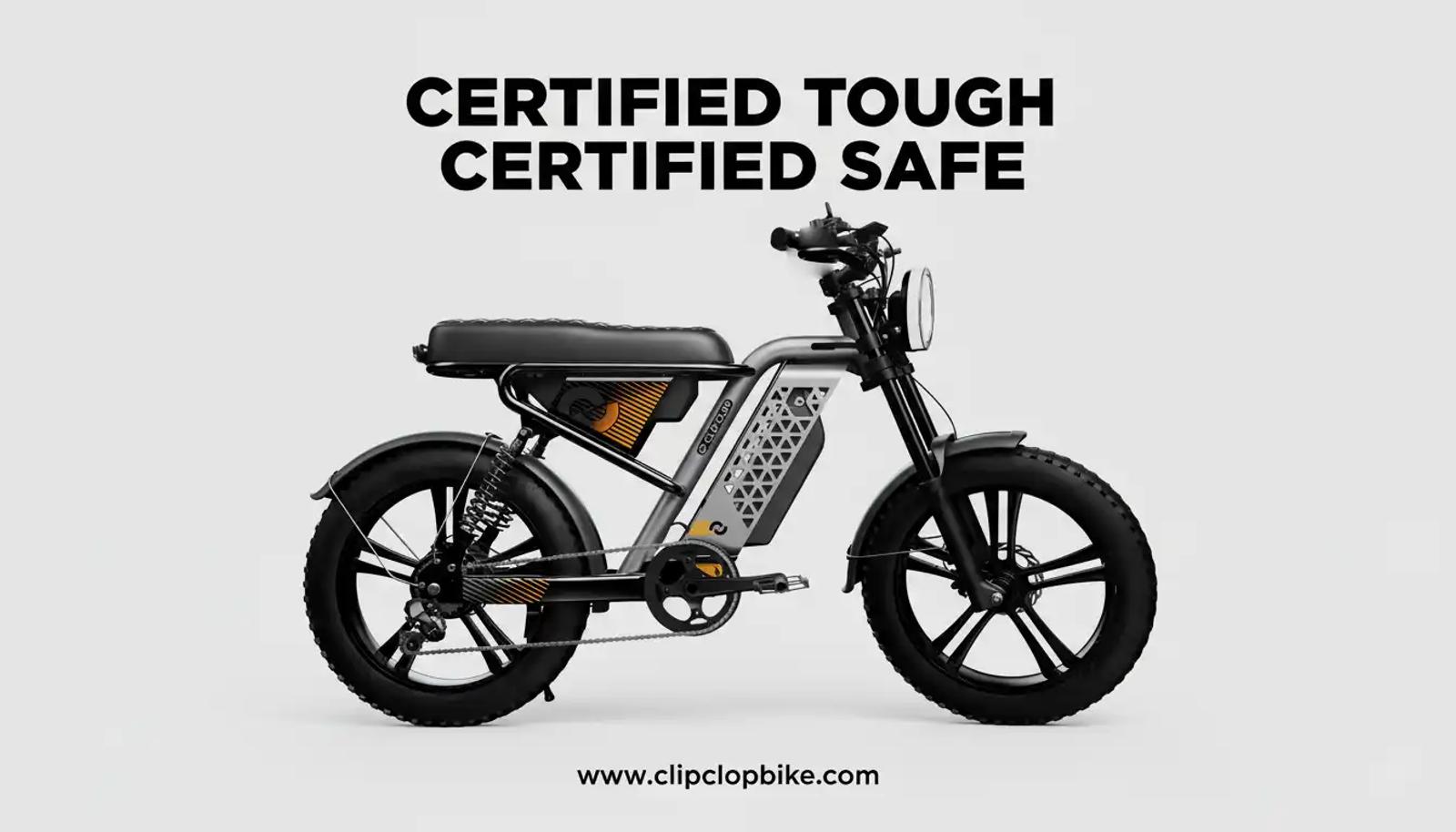
EN 15194: основа стандартов CE для e-bike
Ориентируйтесь в правилах ЕС для электровелосипедов: безопасность, качество, B2B-стандарты. Закупайте сертифицированные e-bike.
Ориентируйтесь в правилах ЕС для электровелосипедов: безопасность, качество, B2B-стандарты. Закупайте сертифицированные e-bike.
Здравствуйте, меня зовут Лео Лян.
Коммерческие партнеры могут ознакомиться с нашими производственными мощностями на странице Завод по производству электровелосипедов OEM/ODM, изучить стандартные конфигурации на странице CS01 Fat Tire & CS04 Commercial Utility Platforms, или напрямую запросить условия FOB контейнерных поставок через наш Портал коммерческих запросов цен (MOQ 20).
Рад снова встретиться со всеми вами в нашем блоге ClipClop. Для тех, кто со мной не знаком: я работаю в команде ClipClop — энергичного бренда электрических внедорожных велосипедов из Гуанчжоу. Это не просто работа, эта индустрия — моя страсть. Я провожу свои дни в глубинах мира технологий и дизайна электровелосипедов, и, что самое важное, помогаю нашим B2B-партнёрам — дистрибьюторам, оптовикам и операторам прокатных парков — находить идеальные электровелосипеды для их рынков. Делиться тем, чему я научился, в нашем блоге, подкастах и каналах в социальных сетях — это очень вдохновляющий опыт. Сегодня я хотел бы поговорить о теме, которая абсолютно необходима, но для многих наших международных партнёров может быть очень запутанной с точки зрения простоты: о сертификации электровелосипедов по CE.
Разобраться в нормативных требованиях Европейского Союза — задача не из лёгких, особенно когда вы закупаете продукцию за пределами собственных границ. Возможно, вы задаётесь вопросами: «Что именно представляет собой этот знак "CE"? Почему он так критически важен для моего бизнеса? И как я могу быть уверен, что велосипеды, которые я отправляю за рубеж, действительно соответствуют требованиям?» Именно на эти вопросы мы и сделаем ответ простым. Это не просто галочка в форме соответствия; речь идёт об обеспечении безопасности, предоставлении качества и построении надёжного бренда, которому доверяют ваши клиенты. В ClipClop мы живём и дышим этими стандартами. Для нас они не препятствия, а реальные строительные блоки превосходного, надёжного и безопасного электрического внедорожного велосипеда. В этой статье я проведу вас по основным концепциям сертификации CE, разберу ключевые технические стандарты и объясню, как это влияет на всё — от работы двигателя до безопасности аккумулятора. Моя цель — дать вам детали и уверенность, необходимые для принятия информированных закупочных решений и процветания на высококонкурентном европейском рынке.
Раскрывая суть знака CE: это больше, чем просто наклейка
Для любой компании, экспортирующей электровелосипеды в Европейскую экономическую зону (EЭЗ), знак CE — самый важный знак из всех, что вы когда-либо видели. Это декларация производителя о том, что продукт соответствует всем применимым требованиям ЕС по безопасности, охране здоровья и защите окружающей среды. Считайте это паспортом вашего продукта, позволяющим ему законно продаваться и свободно перемещаться по 30 странам EЭЗ. Но давайте уточним: это не сторонняя сертификация качества, такая как, например, UL-листинг в США.12 Процесс получения знака CE — это процесс самосертификации. Это возлагает огромную ответственность на производителя — таких ребят, как мы в ClipClop, — чтобы гарантировать, что каждый отдельный компонент и конструктивная особенность соответствуют применимым директивам и стандартам.
Процесс нанесения знака CE на электровелосипед пошагов. Он начинается с определения применимых директив ЕС. Для электровелосипеда наиболее значимой является Директива о машинах и механизмах 2006/42/EC, поскольку электровелосипед — это машина со встроенной системой электропривода.3 Директива определяет существенные требования по охране здоровья и безопасности (EHSR) для машин. Директива по электромагнитной совместимости (EMC) 2014/30/EU также важна. Она обеспечивает, чтобы электронные компоненты велосипеда, а именно контроллер двигателя и система управления батареями (BMS), не создавали помех другому электронному оборудованию и сами не были подвержены помехам. Директива по низковольтному оборудованию (LVD) 2014/35/EU может применяться и к внешнему зарядному устройству. Наконец, Директива по радиооборудованию (RED) 2014/53/EU вступает в игру, если электровелосипед содержит беспроводные функции, например возможность Bluetooth для приложения. Компания должна провести тщательное тестирование на соответствие, создать исчерпывающее Техническое досье со всей конструкторской и тестовой документацией и, наконец, подписать Декларацию соответствия ЕС. Это юридически обязывающий документ, заявляющий, что продукт — например, наша модель ClipClop с широкими шинами и бесщёточным двигателем 48V 750W — соответствует всем этим директивам.
Скачать заводской каталог ClipClop 2026 (PDF)
Полные характеристики электровелосипедов, варианты двигателей и аккумуляторов, MOQ и данные по загрузке контейнеров.
Краеугольный камень соответствия: понимание EN 15194
В то время как директивы формируют широкую правовую базу, техническое «как именно» обеспечить соответствие электровелосипеда лежит в гармонизированном европейском стандарте: EN 15194. Это конкретный стандарт для «электронных велосипедов с педальным приводом», или EPAC (Electronically Power Assisted Cycles). Если электровелосипед изготовлен в соответствии с требованиями EN 15194, он считается соответствующим Директиве о машинах и механизмах. Для наших B2B-клиентов понимание ключевых параметров этого стандарта жизненно важно для гарантии того, что вы импортируете легальный и безопасный продукт для рынка ЕС. Два ключевых условия EN 15194: помощь двигателя должна предоставляться только тогда, когда велосипедист крутит педали, и должна отключаться при достижении скорости 25 km/h (15,5 mph).25 Максимальная продолжительная номинальная мощность двигателя не должна превышать 250 ватт.
Вы можете посмотреть на характеристики нашей модели ClipClop с бесщёточным двигателем 48V 750W и максимальной скоростью 51 km/h и задаться вопросом, как это вписывается в уравнение. Это ключевое разграничение для глобального рынка. Описанная модель сконфигурирована для таких рынков, как США, где законодательство вроде 16 CFR Part 1512 допускает более высокие пределы мощности и скорости.2 Однако для наших дистрибьюторов и партнёров в ЕС мы производим и настраиваем наши велосипеды так, чтобы они точно соответствовали ограничениям EN 15194 по 250W продолжительной мощности и скорости 25 km/h. Часто это достигается через конфигурацию прошивки контроллера двигателя, которая может ограничивать подачу мощности и скорость до установленного законом предела. Стандарт также охватывает широкий спектр критически важных функций безопасности — от торможения и прочности рамы до безопасности электрических систем и требований к освещению, — чтобы гарантировать целостный подход к защите райдера.
Почему прочная рама и надёжная конструкция так важны?
Стандарт EN 15194 уделяет огромное внимание механической целостности электровелосипеда, и на это есть очень веская причина. Электрический двигатель добавляет мощность, скорость и вес и подвергает раму и компоненты значительно большим нагрузкам, чем стандартный велосипед. Особенно в случае электрических внедорожных велосипедов, с которыми мы работаем, рассчитанных на пересечённую местность — горные трассы, лесные тропы и неровный рельеф. Стандарт основан на ISO 4210 по механическим испытаниям велосипедных компонентов, но с более высокими требованиями к повышенным нагрузкам EPAC. Это включает усталостные испытания рамы, вилки и руля, чтобы продемонстрировать, что они способны выдержать тысячи циклов нагружения до разрушения.
Мы используем алюминиевый сплав 6061 в рамах ClipClop. Этот материал выбран за его превосходное соотношение прочности к весу, коррозионную стойкость и длительный срок службы — качества, важные как для нормативов безопасности, так и для высокопроизводительной езды. Наши рамы также проходят конечно-элементный анализ (FEA) до начала производства, чтобы выявить и усилить потенциальные точки напряжения. Такой уровень детализации гарантирует, что наши велосипеды с максимальной нагрузкой 160kg/350lbs выдерживают нагрузки, создаваемые различными райдерами и условиями эксплуатации. Для B2B-покупателя приверженность производителя использованию высококачественных материалов и надёжных методов строительства — это мгновенный индикатор его приверженности безопасности и долговечности продукта. Велосипед, проходящий эти строгие механические испытания, не только соответствует стандарту, но и оказывается более прочным — а значит, меньше гарантийных случаев и довольных клиентов для вашего бизнеса.
Каковы требования к электрической системе и безопасности аккумулятора?
Сердце любого электровелосипеда — его электрическая система, и именно здесь сертификация CE особенно строга. Цель — минимизировать риск возгорания, поражения электрическим током и сбоев системы. Стандарт EN 15194 описывает конкретные требования к аккумулятору, двигателю и контроллеру. Вся электрическая система, включая провода и разъёмы, должна быть сконструирована так, чтобы безопасно выдерживать электрическую нагрузку и быть пылевлагозащищённой, как правило, с уровнем защиты не ниже IPX4. Одна из ключевых требуемых функций безопасности — электрическое отключение при торможении, обеспечивающее автоматическое прекращение помощи двигателя в момент, когда райдер нажимает на тормоз.3 Это критически важная функция безопасности, предотвращающая давление мотора на тормоза, которое в противном случае может привести к опасным для жизни ситуациям.
Наша модель ClipClop оснащена мощным литиевым аккумулятором 48V 15AH. Для соответствия CE эти аккумуляторы и зарядные устройства должны пройти специальные испытания безопасности. Система управления батареями (BMS) — это «интеллект» аккумулятора, защищающий его от перезарядки, чрезмерного разряда, коротких замыканий и перегрева. Кроме того, сами аккумуляторы должны быть испытаны по стандартам вроде EN 50604-1.2 Это делает их безопасными против теплового разгона и других опасностей. Они также должны иметь знак CE и соответствовать Директиве по низковольтному оборудованию и Директиве по электромагнитной совместимости. Для наших партнёров этот уровень контроля — гарантия того, что продаваемый вами продукт безопасен. Недавние случаи инцидентов с пожарами, вызванными некачественными литий-ионными аккумуляторами, сделали потребителей и регуляторов как никогда бдительными. Выбор моделей электровелосипедов с одобренной CE и полностью проверенными, соответствующими требованиям электрическими компонентами — это не просто вопрос соблюдения закона, это вопрос защиты ваших клиентов и репутации вашего бизнеса.
Как ограничения мощности и скорости двигателя влияют на разные сценарии езды?
Как мы уже установили, стандарт ЕС конкретно ограничивает EPAC до 250W продолжительной номинальной мощности и скорости с электроприводом 25 km/h. Хотя это ограничение по сравнению с двигателями 750W и более высокими скоростями, используемыми в других регионах, это норматив, разработанный для обеспечения безопасного сосуществования электровелосипедов с обычными велосипедами в общей инфраструктуре, такой как велодорожки. Поворот сюжета — в понятии «продолжительная номинальная мощность». Это мощность, которую двигатель может обеспечивать в течение 30 минут без перегрева. Большинство совместимых двигателей могут выдавать пиковую мощность кратковременно — например, при разгоне или подъёме на крутой склон. Это даёт мгновенный и приятный отклик без нарушения норматива. Наши двигатели, например, даже в версии 250W способны выдавать высокий крутящий момент — такой как 70Nm у нашей модели, — что критически важно для проходимости и преодоления подъёмов.
Именно здесь в игру вступают сценарии использования и применения. Сертифицированный CE электровелосипед 250W отлично подходит для очень широкого спектра применений — от прогулочной езды и городских поездок до туризма и лёгкого бездорожья. Для прокатных парков в европейских туристических местах такие велосипеды предоставляют безопасный, удобный и юридически соответствующий способ для клиентов исследовать местность. Для публичной продажи они предлагают продукт, не требующий водительских прав, страховки и регистрации — такой же простой во владении и использовании, как обычный велосипед. Хотя в ЕС встречаются версии с более высокой мощностью, широко известные как Speed Pedelecs (S-Pedelecs), это мопедо-подобные транспортные средства под гораздо более строгим контролем и регулированием, включая обязательные шлемы, страховку и типовое одобрение. Для большинства B2B-применений приоритет универсального и всеобъемлющего EPAC, соответствующего EN 15194, — наиболее разумный курс.
Почему тормоза, фары и отражатели так важны?
Моторизованный велосипед требует тормозной системы значительно более мощной и надёжной, чем стандартный велосипед. Стандарт EN 15194 устанавливает минимальные требования к эффективности торможения в сухих и мокрых условиях. Вот почему вы заметите, что все наши совместимые высококачественные электровелосипеды, включая модели ClipClop, оснащены лучшими тормозными системами. Мы применяем гидравлические дисковые тормоза, которые обеспечивают гораздо большую тормозную мощность, лучшую модуляцию и более стабильную работу в любых погодных условиях по сравнению с механическими дисковыми или ободными тормозами. Это критически важный элемент безопасности, особенно для более тяжёлого внедорожного велосипеда с шинами 20"*4.0 fat, который несёт больший импульс.
Видимость — ещё один базовый элемент безопасности электровелосипедов, охватываемый стандартом. Правильное освещение и отражатели — не дополнительная опция; это стандартные функции безопасности. Совместимый с CE электровелосипед должен быть оснащён передней фарой, задним фонарём и отражателями на колёсах и педалях. Наши велосипеды оснащены полным комплектом освещения: передней фарой, задними сигнальными огнями и колёсными отражателями в стандартной комплектации. Это позволяет райдеру быть замеченным и видеть самому, значительно снижая вероятность аварий, особенно в тёмное время суток. Для прокатного сервиса предоставление велосипедов с интегрированным надёжным освещением — важное преимущество и фактор безопасности для клиентов. Для дистрибьюторов это одна проблема меньше для конечного пользователя, добавляющая ценность и целостность продукту. Это не приятные мелочи; это фундаментальные функции безопасности, которыми добросовестный производственный партнёр никогда не пожертвует.
Выбор правильного электровелосипеда под вашу бизнес-модель
Как B2B-компания, ваша цель — приобрести продукт, который не только отвечает потребностям вашего целевого рынка, но и дополняет вашу бизнес-модель — будь то розница, прокат или оптовая перепродажа. Понимание характеристик применительно к различным сценариям использования критически важно. Например, прочная на вид рама из алюминиевого сплава 6061, максимальная грузоподъёмность 160kg/350lbs с широкими шинами 20"*4.0 fat отлично подходит для прокатных операций на приморских или горных туристических объектах. Такие характеристики обеспечивают долговечность при постоянном использовании и универсальность на разном рельефе — от песка и троп до мощёных улиц. Переключатель Shimano 7-speed обеспечивает надёжность и простоту обслуживания — ещё один фактор для прокатного парка.
Для оптовика, работающего с любителями outdoor и приключений, сочетание высокомоментного двигателя (даже в его версии 250W для ЕС) и прочной рамы — настоящая точка продаж. Наличие гидравлических дисковых тормозов и запаса хода на одной зарядке (30–60KM) с литиевым аккумулятором 48V 15AH привлечёт покупателей, ориентированных на производительность и надёжность на трассах. Время зарядки около 5 часов — ещё одна черта, которую ценят потребители. Когда вы работаете с таким производителем, как ClipClop, мы можем сотрудничать с вами, чтобы сконфигурировать велосипед — от настроек мощности двигателя до отдельных компонентов — именно так, как требуют нормативы вашего рынка и предпочтения ваших клиентов. Это и есть образец успешных B2B-отношений в индустрии электровелосипедов.
Как проверить соответствие и работать с надёжным поставщиком
Как убедиться, что импортируемый вами электровелосипед действительно соответствует CE? Всё сводится к должной осмотрительности и работе с надёжным, прозрачным поставщиком. Всегда запрашивайте копию Декларации соответствия ЕС на конкретную приобретаемую модель. Ваш отчёт должен чётко содержать реквизиты производителя, номер модели продукта, директивы, которым он соответствует, и применённые гармонизированные стандарты (напр., EN 15194). Также стоит запросить Техническое досье. Возможно, вам не придётся читать его целиком, но готовность производителя обсудить его содержимое и предоставить соответствующие протоколы испытаний — показатель того, что он надёжен и стоит за своим продуктом.
Ищите поставщика, который не рассматривает соответствие как формальную головную боль, а как часть комплексной процедуры обеспечения качества. В дополнение к конечному продукту в ClipClop мы привержены тому, чтобы наша цепочка поставок и производственный процесс в целом были ориентированы на соответствие этим строгим стандартам. Мы понимаем, что ставки высоки для наших B2B-торговых партнёров. Партия, застрявшая на таможне из-за отсутствия документов, или отзыв из-за несоответствия могут стать катастрофой для компании. Поэтому мы проектируем наши электровелосипеды как соответствующие требованиям с самого начала. Выбирая партнёра с производственными знаниями и пониманием тонкостей европейского регулирования, вы покупаете не просто электровелосипед, а инвестируете в душевное спокойствие и залог долгосрочного успеха в Европе.
Надеюсь, этот пошаговый анализ дал вам более глубокое понимание и осознание сертификации CE и её ключевой важности для индустрии электровелосипедов. Это сложный вопрос, но он находится в самом центре обеспечения безопасности, качества и доступа к рынку.
Если у вас есть дополнительные вопросы о выборе правильных электрических внедорожных велосипедов, их настройке под ваш конкретный рынок или о кастомных OEM-решениях — без колебаний обращайтесь. Мы — ClipClop, специалисты по производству и экспорту высококлассных электрических внедорожных велосипедов. Мы предоставляем комплексное решение для дистрибьюторов, оптовиков и брендов-партнёров — от технической поддержки до готовых транспортных решений. Давайте построим успешное партнёрство вместе.
Источники:
- Tern Bicycles. (n.d.). E-Bike Certifications—The Ones That Really Matter for Your Safety. Retrieved from https://www.ternbicycles.com/en/explore/product-safety/e-bike-certifications-ones-really-matter-your-safety
- Westwood Sourcing. (n.d.). EN 15194: Standard for electric bicycles (e-bike). Retrieved from https://www.westwoodsourcing.com/blog/producten-13/en-15194-standard-e-bikes-106
- ACT LAB. (2023, June 14). EN 15194. Retrieved from https://act-lab.com/bicycle-e-bike-testing-2/
Стандарты производства и качество сборки ClipClop
Discover our factory-direct OEM/ODM e-bike solutions: ClipClop L1 All-Round E-Bike, the versatile ClipClop M26 Mountain Platform, and ClipClop OEM/ODM Customization Services, backed by direct factory wholesale pricing and comprehensive warranty support.
Оптовые закупки и поставки для коммерческих флотов с ClipClop
Развертывание корпоративных флотов электровелосипедов и дистрибуция техники под собственной торговой маркой требуют надежного производственного партнера, обеспечивающего стабильный выпуск контейнерных партий, роботизированную сварку рам и строгий многоступенчатый контроль качества. На заводе площадью 25 000 м² в Цинъюане ClipClop предоставляет комплексные услуги производства электровелосипедов OEM/ODM с доступным MOQ от 20 единиц на артикул. Каждый контейнерный заказ включает гарантированный фонд запасных частей (2% бесплатных гарантийных компонентов), международные сертификаты (EN 15194, UL 2849, UN38.3) и отправку образцов за 15 дней.
Готовы протестировать инженерные образцы для платформ CS01 Fat Tire & CS04 Commercial Utility Platforms или обсудить эксклюзивные дистрибьюторские условия в регионе? Свяжитесь с инженерной группой ClipClop через наш Коммерческий портал B2B запросов для получения расчета контейнерной партии и производственного графика.
Скачать заводской каталог ClipClop 2026 (PDF)
Полные характеристики электровелосипедов, варианты двигателей и аккумуляторов, MOQ и данные по загрузке контейнеров.
Другие отчёты OEM с производства.
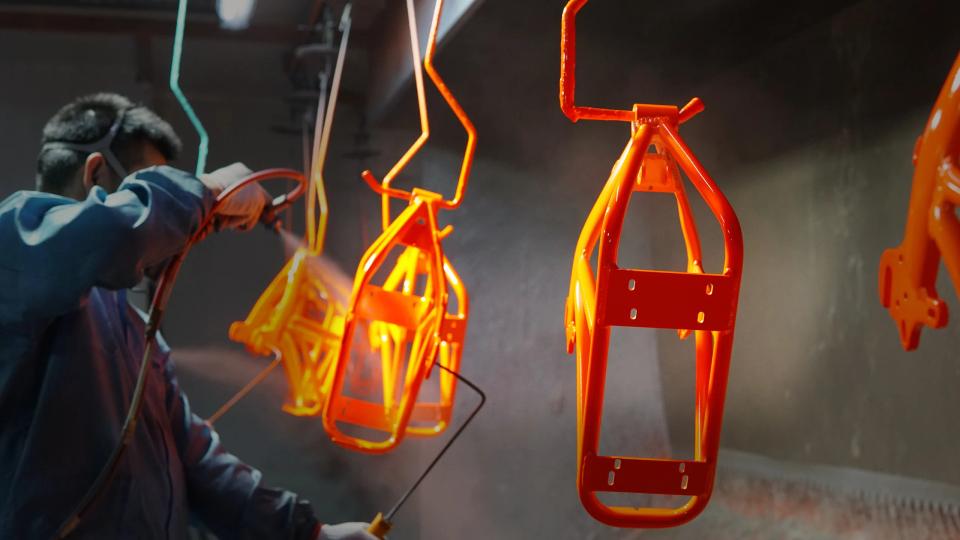
Мощные фэтбайки электровелосипеды: моторы 750W/1000W для оптовых импортеров
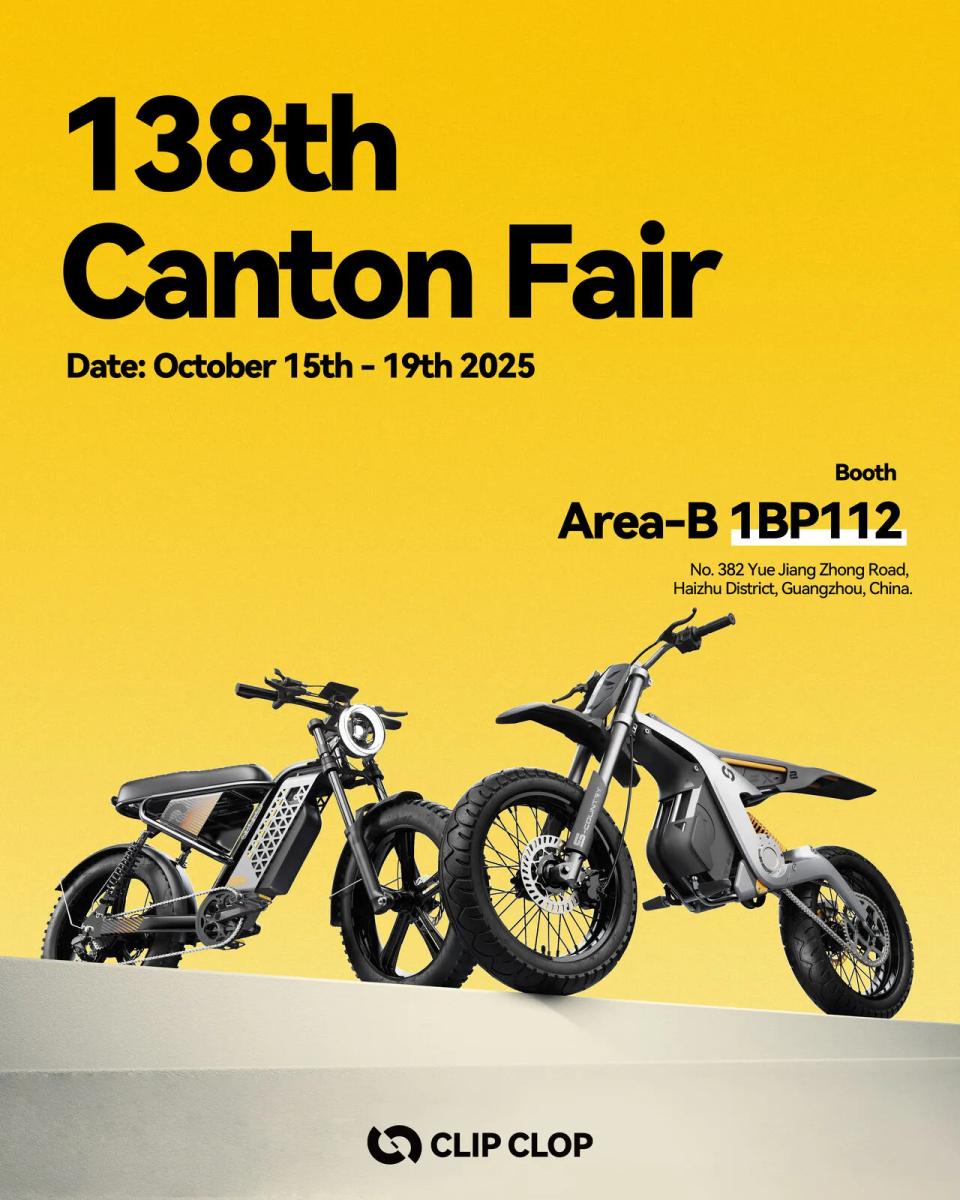
Завод электровелосипедов из Китая на Кантонской ярмарке 2026: стенд OEM и тесты
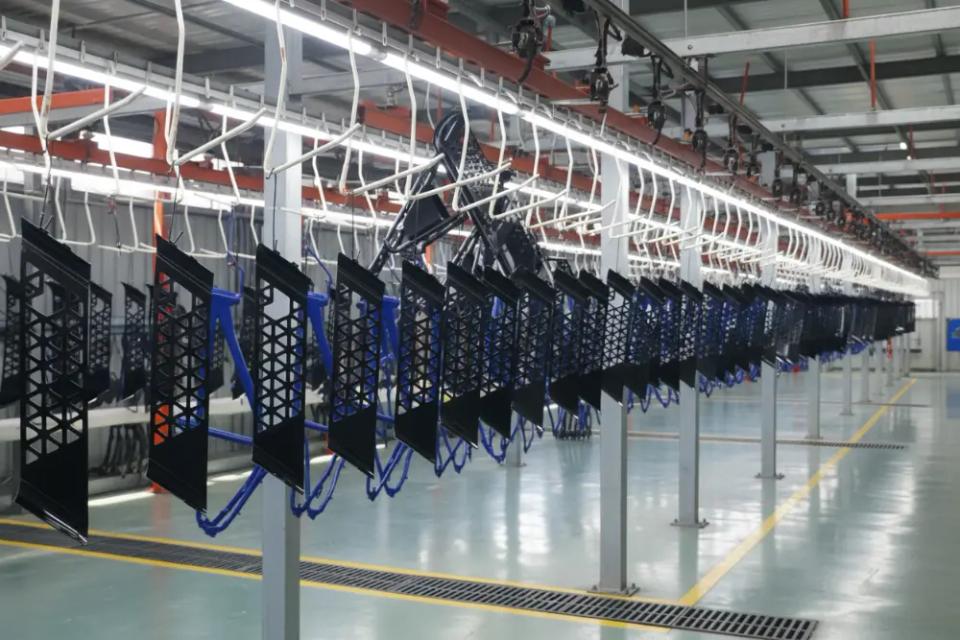
Горные электровелосипеды оптом: стандарты геометрии, кареточные моторы и маржа

Проверка покупателей B2B: защита от мошенничества и поддельных контрактов
Отправьте ваш бриф. Мы подготовим технический ответ.
Ответ включает оценку осуществимости, стоимость образца, MOQ и следующие шаги по проекту. Отвечаем в течение 48 часов.