

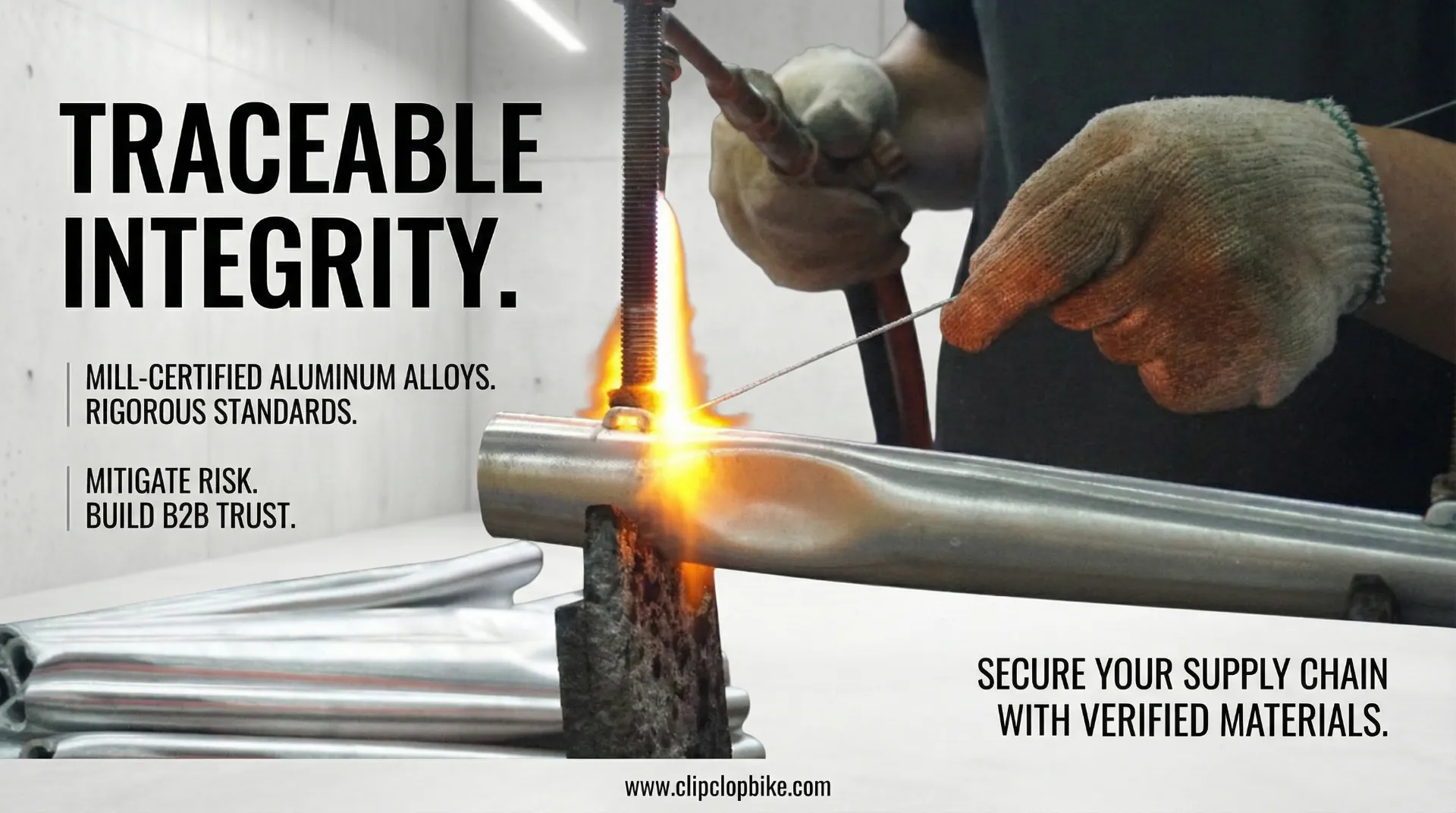
When I’m buying bulk inventory (of helping a partner do it), I don’t treat it like “just another container.” It’s risk management with a price tag. If you’re sourcing 20″ aluminum alloy 6061 frames, you’re not really buying “metal.” You’re buying the safety and structure of something that can roll at 25–55 km/h, in real traffic, with real riders. And yeah… if you don’t have a verified Mill Certificate Aluminum report, you’re kind of guessing. You won’t truly know if that frame is going to crack under stress until the worst moment—after it’s already in someone’s hands. That lack of transparency is a huge pain for serious B2B buyers, because liability and warranty claims don’t care about your purchase price.
At ClipClop, I’ve learned that “it comes from a good factory” is not a real guarantee. It’s a vibe, not proof. Professional importers want documents: chemical composition, mechanical properties, traceable batch info. That’s where material traceability in ebike frame production becomes the boring-but-important backbone of a supply chain you can actually defend. It means every unit in your container can be traced back to a specific raw aluminum melt. Less panic later, more peace of mind now.
Standardization is basically the only way to scale globally without constant quality headaches. A Mill Test Certificate (MTC) is like the metal’s birth certificate. It confirms the 6061-T6 aluminum meets standard requirements for tensile strength and yield strength. And if you’re selling 750W or 1000W motor ebikes, torque is not a small detail—it’s constant stress. If the metal is substandard, your motor mount points or head tube can fail. That’s not “a minor defect,” that’s an accident waiting to happen.
I’ll put my name on this: My name is Leo Liang, and I’ve spent years at ClipClop making sure our frames (and stuff like 48V 15AH lithium battery mounts) are backed by real documentation, not marketing talk. We don’t just assemble parts. We manage a technical ecosystem, and heat number tracking is mandatory. That transparency is a big reason partners trust us long term—because when they sell an L1 model, it’s built on verified industrial material, not mystery alloy roulette.
Understanding the Real Value of a Mill Test Certificate
An MTC is not “just paperwork.” In practice, it’s a legal and technical guarantee issued by the manufacturer. For ebike distributors, it provides two things that matter a lot: Chemical Analysis en Mechanical Properties for the aluminum alloy 6061 used in the frame.
This document tells you if the aluminum has the right percentages of magnesium and silicon (super important for stability and welding quality). Without it, you’re basically gambling in the “scrap metal” zone. Some low-cost factories use secondary aluminum with impurities that can lead to brittle welds. And when your ebike has a 20*4.0 fat tire setup for off-road use, vibration isn’t gentle—it’s relentless. A verified mill certificate helps confirm the frame can handle dynamic loads without quietly growing fatigue cracks that later explode into a reputation problem.
Another thing people don’t talk about enough: MTCs help during customs checks and insurance audits. In many EU and North American markets, proving compliance with safety standards isn’t optional—it’s tied to product liability insurance and how regulators view you. If you can link an ebike frame serial number to the original mill report, you’re showing due diligence. It’s basically your “I did my homework” shield.
And don’t skip the heat treatment section. For 6061, hitting T6 temper matters for hardness and real strength. The certificate usually lists aging time and temperature, which helps you avoid frames that are too soft. On heavier-duty 500W–750W bikes, you need rigidity to reduce things like speed wobble. If you demand an MTC, you’re making sure your brochure specs match physical reality, not wishful thinking.
Also, warranty handling gets cleaner. If a batch shows a repeating defect, the MTC helps you narrow down whether the issue started with the raw material supplier or the welding process. This level of traceability is one of those “quiet advantages” that separates a serious brand from a white-label importer who’s always reacting instead of controlling the process.
The Difference Between EN 10204 3.1 and 3.2 (And Why You Should Care)
When people say “mill certificate,” you’ll often see EN 10204 come up, especially in Europe. The difference between 3.1 en 3.2 matters for B2B procurement.
A 3.1 certificate is issued by the mill’s quality department (separate from production). It’s the most common requirement for commercial ebike frames, including electric mountain bike builds. In real life, it’s usually the sweet spot: strong assurance, reasonable cost, workable lead time.
A 3.2 certificate adds third-party inspection—an external agency like SGS or TÜV validates tests and signs it alongside the mill. It’s the highest trust level, sure, but honestly it can be overkill for standard 6061 frames unless you’re doing something extreme (military-grade projects, aerospace-style compliance, that kind of world).
Certification level affects cost and lead time. For most high-volume distribution, at least EN 10204 3.1 should be non-negotiable. It reduces substitution risk too, which is a real fear for international buyers: the factory quietly swaps in a cheaper alloy to save money. A proper 3.1 report is built around the statement of compliance—confirming that the exact batch delivered matches the order requirements.
A tip I’ve heard from a few procurement bloggers (and I agree): ask the factory very directly, “Can you provide an EN 10204 3.1 certificate for the 6061 aluminum?” That one sentence signals you’re not a newbie chasing the lowest price. You’re setting a culture of accountability. At ClipClop, we actually like those questions, because our traceability protocols are designed to meet and exceed these expectations.
Heat Numbers: The “DNA Code” Behind Real Traceability
If you remember one concept, make it the Heat Number. It’s basically the most important code in metal fabrication. Every time a mill melts a new batch of aluminum, that melt gets a unique heat number. That number should travel with the material through production—stamped, recorded, tracked—so traceability actually works.
For distributors, the heat number is what lets you trace a finished bike back to the day the metal was cast. If a customer in the US reports a frame failure, we can check the heat number on that frame and cross-reference it with our mill certificate files. Then we can see if other bikes from the same heat are in your inventory. That’s how you do “surgical recalls” instead of recalling thousands of units and burning cash for no reason.
Inside ClipClop production, we keep strict heat number logs. When 6061 tubes arrive, QC verifies the stamp against the MTC. During cutting and welding for the L1 model, we work hard not to mix batches. This detail becomes even more important with high-power systems like 1000W drives, where physical stress is higher and mistakes get punished.
A lot of B2B buyers confuse “batch numbers” with heat numbers. They’re not the same. A batch could include metal from multiple heats. If one heat had too much iron contamination (making it brittle), you need to know exactly which frames are affected. If a factory can’t show you how they track heat numbers on the shop floor, the “mill certificate” they send might be a placeholder document. I hate saying it, but it happens.
How I Verify a Material Test Certificate Without Overcomplicating It
In global trade, paper quality and product quality don’t always match. So verifying an MTC is a skill worth building.
First, I check whether the heat number on the certificate matches what’s marked on the raw materials or internal QC tags. If it doesn’t match, the certificate is useless for traceability. Full stop.
Then I look for the mill stamp, the signature of an authorized inspector, and contact details for the mill or testing lab. And yes, you can actually email the mill with the certificate number to confirm it’s real. Some industry bloggers always push this “verify at the source” habit—do it. It feels annoying at first, but it saves you later.
Another red flag: generic photocopy vibes, no batch-specific data, no real measurement ranges. A real MTC should list tensile strength, yield strength, elongation—numbers that look like real lab output, not perfect round “marketing numbers.” Real tests have small variations within standard limits.
I also look closely at chemical composition. For 6061, 6061, magnesium should typically land around 0.8% to 1.2%. If the certificate shows values outside that, it’s not true 6061, and weld strength can suffer. This is where you can vet suppliers with the calm confidence of an engineer, even if you’re “just the business guy.”
Finally, consider the mill’s reputation. Better mills often have digital portals for certificate verification. And when your supply chain is built on reputable mills plus real traceability records, your exported ebikes become assets—not liabilities.
Why 6061 Aluminum Needs Traceability More Than People Think
6061 is the industry sweet spot: performance, weight, weldability. But because it’s popular, it’s also a target for mislabeling and lazy substitutions. And because 6061 depends heavily on correct T6 treatment, traceability matters even more—without the MTC, you don’t know if it was properly aged. You might end up with a frame that’s too soft for a 750W application and only discover it after field failures.
I’m biased, but for the L1 model with 20*4.0 fat tires, we rely on predictable 6061 properties to deliver stability on both streets and rough trails. The alloy is responsive (great when done right), but unforgiving when impurities show up. That’s why we obsess over documentation.
From a sales angle, 6061 is also marketable. Customers recognize it as a quality signal. If you can hand dealers a material test certificate, it becomes a sales tool. They can prove the bike isn’t “random metal,” it’s traceable, engineered material. That kind of detail supports premium pricing without you sounding like you’re just hyping things up.
Also, ESG is creeping into procurement. More clients in the EU and US ask about aluminum carbon footprint and whether it’s primary or recycled content. Some mill certificates include that sourcing info. This traceability data is becoming part of future-proof business, not just quality control.
How to Build Traceability Into Your Ebike Procurement Strategy
If you want traceability, start at the Purchase Order. Put it in writing: MTC to EN 10204 3.1 is required for every batch. Don’t leave it as a casual “please provide.” Make it a deliverable. At ClipClop, we integrate this into workflow so the docs move alongside frames through welding, painting, and QC.
When the bikes arrive, do spot checks: match serial numbers (or QC tags) to MTC logs. This closes the loop. If you run a rental fleet or high-volume distribution, this paperwork becomes your best defense against liability. It proves you have a system.
Digitalization is the next step. We’re moving toward QR codes on frames linking to digital mill certificates and assembly QC reports. That’s where the market is going. Professional buyers don’t want to wait days for a factory to “find the file.” They want instant access.
En train uw team alstublieft. Verkopers moeten kunnen uitleggen waarom gehard 6061 ertoe doet en waarom geverifieerde herkomst een echt voordeel is. Als een dealer vraagt waarom uw fietsen duurder zijn dan een goedkopere concurrent, wijst u op traceerbaarheid en documentatie. U verandert een technische eis in een concurrentievoordeel.
Een leverancier kiezen die documentatie als een kernwaarde beschouwt
Dit is het menselijke aspect, en het telt. U heeft een leverancier nodig die traceerbaarheid als een waarde ziet, niet als een verplichting. Sommige fabrieken beloven MTC's, vertragen dan, of erger, leveren onder druk twijfelachtige documenten. Een echte partner levert molencertificaten proactief omdat hij trots is op zijn toeleveringsketen en verwerkingsnormen.
Ik heb merken zien struikelen omdat ze een besparing van $5 op frames achterna gingen en het toeleveringsrisico negeerden. Het is pijnlijk, en het is vermijdbaar. Vraag leveranciers: “Houdt u een traceerbaarheidslogboek bij voor elk frameserienummer?” Als ze antwoorden “we kunnen het proberen”, is dat een rode vlag. U wilt een duidelijk “ja”, plus bewijs dat ze het dagelijks doen.
De fabriek van ClipClop in Guangzhou is gebouwd rond die mentaliteit. We combineren moderne componenten—LCD-schermen, hydraulische schijfremmen—met een terug-naar-de-basis respect voor materiaalwetenschap. Want de basis van de fiets is het frame, en het frame is het metaal, en het metaal moet exact zijn wat het beweert te zijn.
Uiteindelijk bepaalt uw leverancierskeuze de toekomst van uw merk. Als u minder verrassingen, minder terugroepingen en minder late-night “wat ging er mis”-gesprekken wilt, begin dan met traceerbaarheid en molencertificaten. Het is niet glamoureus, maar het is hoe u in het spel blijft—en groeit. En als u wilt bespreken hoe we het voor het L1-model doen, ik ben Leo Liang, en ik sta voor die gesprek.
Frequently Asked Questions (FAQ)
V: Kan ik een Molencertificaat krijgen voor een bestelling die al is verzonden? A: Het is veel moeilijker om een MTC achteraf op te halen als de fabriek geen Heat Number logboek bijhield. Bij ClipClop registreren we deze data tijdens de productie, zodat onze B2B-partners altijd de Materiaal Traceerbaarheid Ebike Frame documenten voor hun specifieke batches kunnen aanvragen.
V: Is 6061 aluminium beter dan 7005 voor ebike frames? A: Beide zijn uitstekend, maar 6061 aluminium is algemener omdat het makkelijker te lassen is en zeer betrouwbaar is wanneer het wordt ondersteund door een correct Molencertificaat Aluminium en T6-harding. Voor de meeste 20″ fat tire ebikes, biedt 6061 de beste balans tussen gewicht en sterkte.
V: Wat moet ik doen als de MTC-data niet overeenkomt met de prestaties van het frame? A: Dit suggereert een fout in het hardingsproces of een frauduleus certificaat. Dit is waarom samenwerken met een transparante partner zoals ClipClop essentieel is. We leveren verifieerbare EN 10204 3.1 rapporten om ervoor te zorgen dat de fysieke fiets overeenkomt met de technische documentatie.
V: Dekkt het MTC ook de motor en accu? A: Nee, een MTC is specifiek voor metalen. Voor een complete B2B-configuratie-oplossing, leveren we aparte certificering voor de 48V 15AH lithiumbatterij (zoals UN38.3) en de motor (CE/EN15194), waarmee de hele fiets conform is.
Referenties:
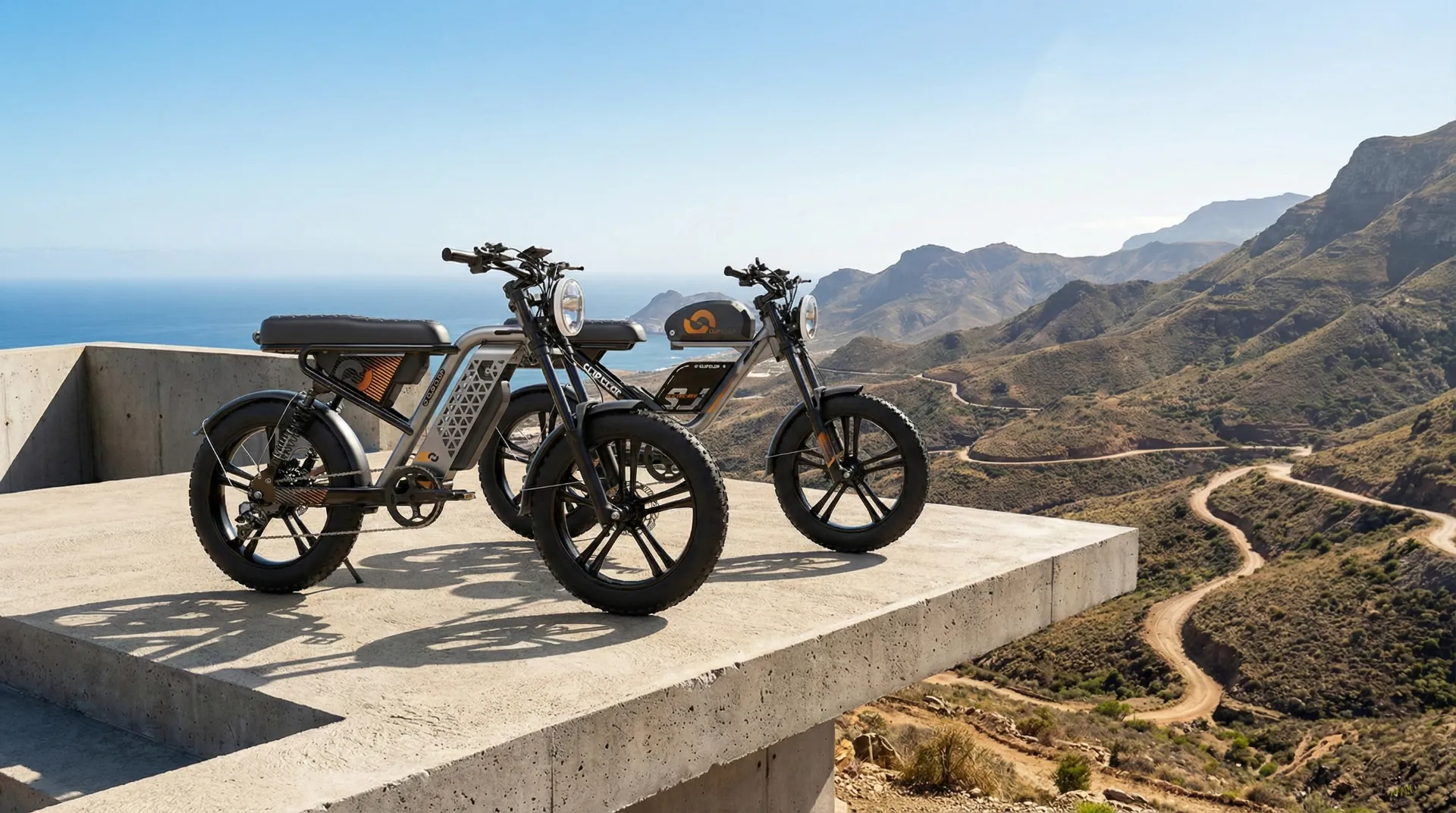



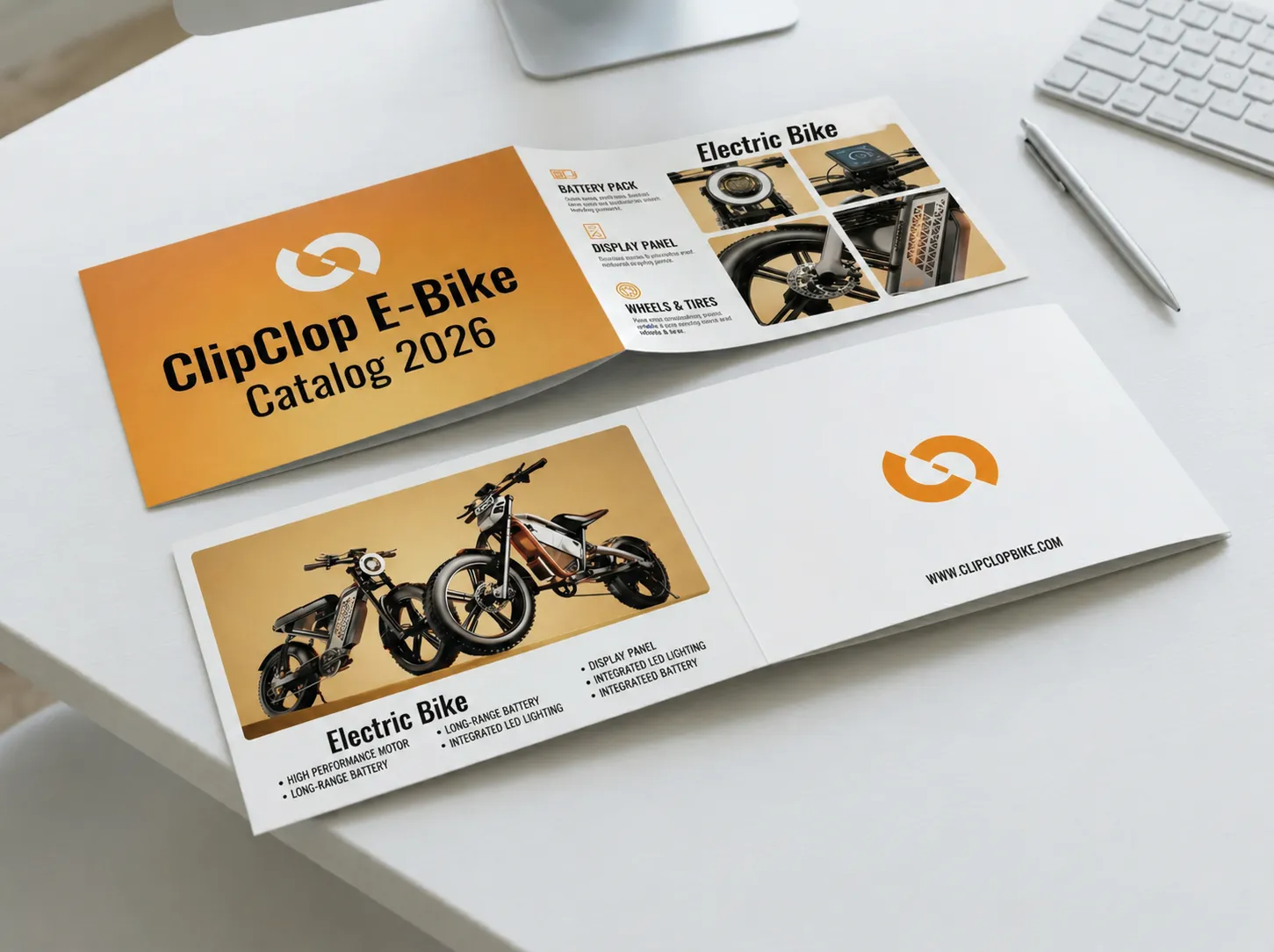
 English
  Spanish
  Portuguese
  Russian
  Arabic
  French
  Dutch
Dutch  German
  Danish
