

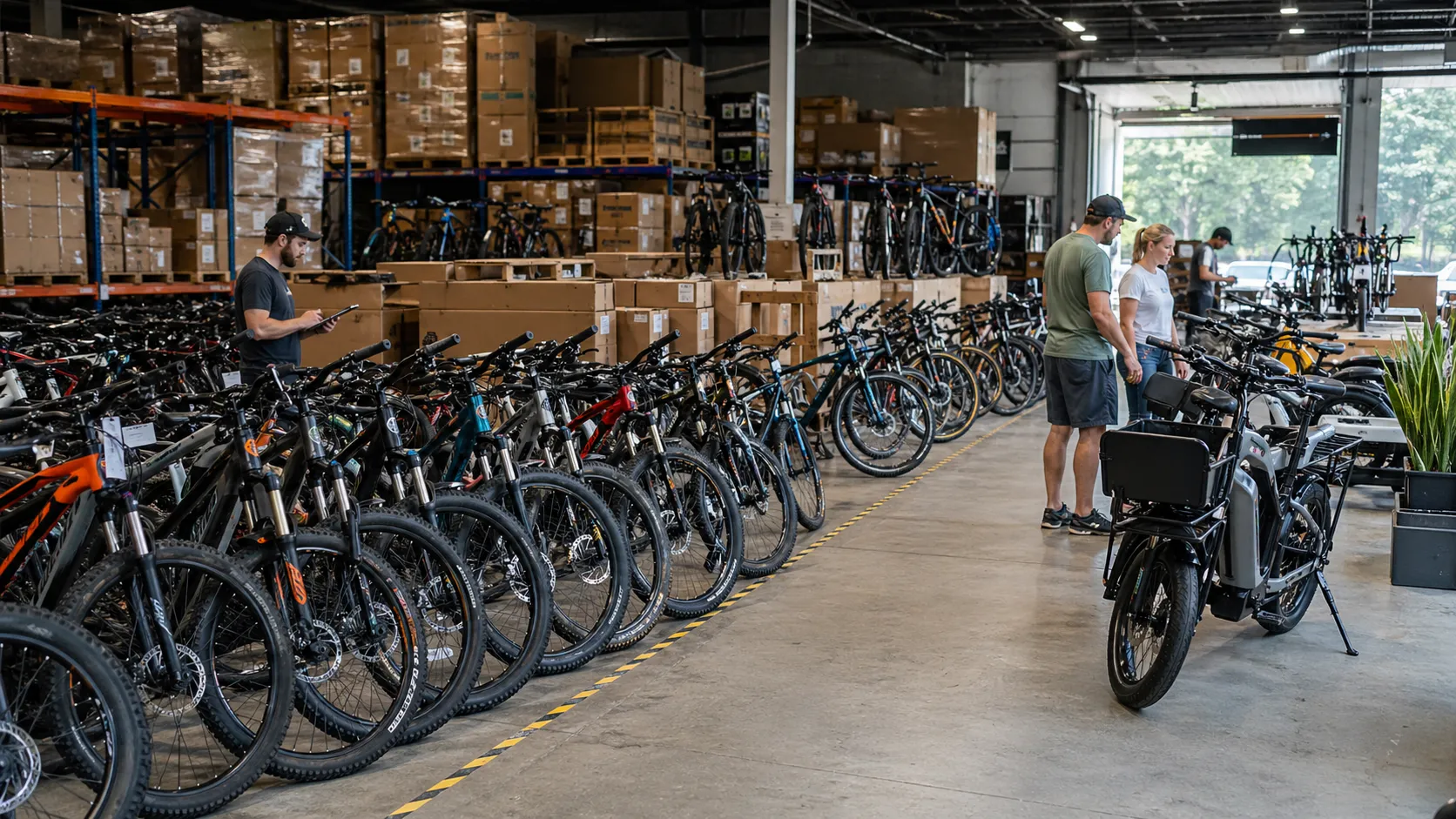
لم يعود قطاع البicycle industry يتعامل مع نفس الأزمة الناجحة للمخازن التي شهدها في 2022 و 2023. وبدخول 2026، أصبحت المشكلة أكثر تحديداً: ما إذا كان العلامات التجارية والوكلاء والموزعون قادرين على إعادة بناء دورات الطلب المنضبطة بينما تظل الطلبات، والهوام، والظروف الإقليمية غير متوافقة.
تتعرض مستويات المخازن للتوازن، لكن ثقة الوكلاء وإنفاق المستهلكين وربحية العلامات التجارية لم تتعافَ بالكامل. بالنسبة لوكلاء وموزعي الدراجات الكهربائية، فإن 2026 هي أقل من مجرد عام تعافي ببساطة؛ بل هي عام إعادة توزيع للسوق.
**أبرز النقاط الرئيسية**
- تراجع الأزمة الناجحة للمخازن في 2022–2023، لكن السوق لم يعد يعود إلى دورة النمو القديمة.
- يظل مشاركة ركوب الدراجات في الولايات المتحدة قوية، لكن الشراء retail أصبح أكثر انتقائية.
- أظهرت بيانات إسبانيا لعام 2025 سوقاً أكثر استقراراً بعد الوباء، مع دعم الدراجات الكهربائية للمبيعات ذات القيمة الأعلى.
- أظهرت نتائج شيمانو لعام 2025 أن استقرار المبيعات لا يعني بالضرورة تعافي الربح.
- بالنسبة للوكلاء والموزعين، فإن أ safest استراتيجية في 2026 هي المخازن الأصغر والأسرع في التحرك مع وجود بطاريات موثوقة وقطع غيار موثوقة ودعم فني واضح بعد البيع.
**لم يتلاش الأزمة الناجحة للمخازن، بل تغيرت**
تفسر بيانات المخازن لعام 2023 مدى شدة مشكلة تجاوز المخازن، لكنها لم تعد تعبر عن القصة الكاملة في 2026. **تقارير PeopleForBikes عن حالة الصناعة لعام 2025**, ، وقد اقترح قادة الصناعة أن نسب المخازن إلى المبيعات كانت في النهاية تتحرك إلى النزواح إلى الأسفل، مع توقعات لعام 2026 كأحد أكثر سنوات المخازن توازناً منذ قبل الوباء.
ولكن هذا لا يعني أن الصناعة قد تعافت بالكامل. لقد تغيرت المشكلة. يطلب الوكلاء المزيد من النفس الواقعية بعد أن ذاقوا الخسارة من تجاوز المخازن، وتحاول العلامات التجارية حماية الهوام بعد سنوات من الخصومات، ولا يزال المستهلكون يركبون لكنهم يأخذون قرارات الشراء بانتقائية أكبر.
**المشاركة قوية، لكن الشراء أكثر انتقائية**
في الولايات المتحدة، ليس المشاركة نقطة الضعف. **دراسة مشاركة ركوب الدراجات في الولايات المتحدة لعام 2024**, ، والتي نُشرت في 2025، وجدت أن 112 مليون أمريكي – أي 35% من البشر يبدأون من عمر 3 سنوات – ركبوا الدراجة على الأقل مرة واحدة في 2024، وهي أعلى معدل مشاركة منذ بدء الدراسة في 2014. كما زادت مشاركة الشباب من 49% إلى 56%.
ليس المشاركة بالضرورة طلب استبدال. شخص يركب مرة أو مرتين في الشهر جزء من قاعدة المشاركة، لكن ذلك لا يعني أنه سيشتري دراجة جديدة كل عام. المشكلة هي الفجوة بين الركوب والشراء. قد يركب المزيد من الناس، لكن العديد من المستهلكين يؤجلون شراء الاستبدال، ويُمددون استخدام دراجاتهم التي اشتروها خلال موجة الوباء، أو ينفقون بانتقائية أكبر على الإصلاحات والإكسسوارات وتحديثات الدراجات الكهربائية.
هذا الاختلاف يهم الوكلاء الذين يخططون للمخازن، وأيضاً الموزعين الذين يقررون أي نماذج يجب إدخالها إلى السوق.
**إسبانيا توضح سوقاً أكثر انتظاماً بعد الوباء**
إسبانيا مفيدة لأنها توضح سوقاً بعد الوباء لم يعد يتهاوى من حيث الوحدات، على الرغم من أن ضغط الإيرادات ما زال موجوداً. وفقاً لـ **AMBE و Cofidis**، فإن قطاع الدراجات في إسبانيا حقق 2.177 مليار يورو في الإيرادات في 2025، بانخفاض 5.9% عن 2024، بينما انخفضت مبيعات الوحدات بنسبة 0.7% إلى 1,093,478 وحدة. تهم هذه المزيجة: ضغط الإيرادات موجود، لكن تراجع الطلب على الوحدات قد تراجع بشكل كبير. **أمbe و Cofidis**, ، إسبانيا القطاع الذي حقق 2.177 مليار يورو في الإيرادات في 2025، بانخفاض 5.9% عن 2024، بينما انخفضت مبيعات الوحدات بنسبة 0.7% إلى 1,093,478 وحدة.
تظل الدراجات الكهربائية مهمة من الناحية الهيكلية. في إسبانيا، شكلت الدراجات الكهربائية 21.5% من وحدات الدراجات المباعة و35.2% من قيمة مبيعات الدراجات في 2025. في الدراجات الحضرية، كانت الترقيمة أقوى، حيث شكلت 55.4% من الدراجات الحضرية التي بُعثنت الكهربائية. هذا يشير إلى أن السوق ليس مجرد يتقلص، بل يتحول إلى فئات أعلى قيمة وأكثر تخصيصاً.
توضح بيانات إسبانيا لماذا متوسط السعر يهم. بلغ متوسط السعر للدراجة المباعة في إسبانيا 1,281.71 يورو في 2025، وذلك بدعمه من النماذج وسيطة وعالية المستوى ومن الدراجات الكهربائية. هذا يشير إلى أن السوق ليس فقط عن بيع المزيد من الوحدات، بل عن بيع مزيج المنتجات الصحيح.
توضح البيانات الإسبانية أن التوازن لا يعني بالضرورة نمو الحجم. قد يعني أيضاً مزيجاً أفضل للمنتجات وسعراً متوسطياً أعلى ومساهمة أقوى من الدراجات الكهربائية.
**شيمانو توضح لماذا استعادة المبيعات لا تعادل استعادة الهوام**
شيمانو ليست علامة تجارية دراجات كاملة، لكن نشاطها في القطع البدنية يعتبر مؤشراً مفيداً للسلسلة التوريدية، حيث إنه يعكس الطلب من الشركات المصنعة للدراجات والموزعين وقنوات القطع البدنية. **نتائج شيمانو لعام 2025** توضح لماذا تبقى قصة الاستعادة معقدة. ارتفعت إيرادات الشركة الكلية بنسبة 3.4% على أساس سنوي إلى 466.243 مليار ين بشكل سنوي، بينما ارتفع نشاط القطع البدنية للدراجات بنسبة 2.7% إلى 354.972 مليار ين. ومع ذلك، انخفضت إيرادات الشركة المتناثرة بنسبة 20.9% إلى 42.841 مليار ين، مما يوضح أن استقرار المبيعات لا يعني بالضرورة استعادة الهوام.
هذا إشارة مهمة للموزعين: قد يتعافى رقم المبيعات الصحيح، لكن لا يعني بالضرورة أن الاقتصاديات لدى الوكلاء أفضل. إذا استمرت الخصومات أو ضغط الصرف أو تكاليف الضمان أو المخازن البطيءة العالية، يمكن للإيرادات أن تتعافى بينما تبقى جودة الربح ضعيفة.
في حالة **شيمانو حول الظروف في مبيعات الدراجات الكاملة retail**, ، تظل الظروف غير متوافقة. كانت أوروبا لديها مبيعات retail قوية للدراجات الكاملة، لكنها ما زالت تحمل مخازن مرتفعة نسبياً. كانت أمريكا الشمالية لديها مبيعات retail ضعيفة، على الرغم من كون المخازن على مستويات مناسبة. ظل الصين أكثر صعوبة، مع تراجع الطلب على الدراجات الطرقية ومبيعات retail الضعيفة وارتفاع المخازن. بالنسبة للموزعين والوكلاء، هذا يعني أن 2026 ليست مجرد دورة استعادة عالمية واحدة. يجب أن يكون اختيار المنتجات والطلب الإقليمي أكثر أهمية من الإعجاب العام.
**الدراجات الكهربائية ما زالت مهمة، لكن اختيار الفئات أكثر أهمية**
بالنسبة للموزعين، القضية الرئيسية ليست ما إذا كانت الدراجات الكهربائية ما زالت مهمة، بل أي فئات الدراجات الكهربائية التي يمكن دعمها بشكل ربحي. في العديد من الأسواق، تكون الدراجات الكهربائية الحضرية والمرتكزة على التنقل والدراجات الجبلية ذات المواصفات الأفضل أسهل في التموضع عندما تأتي مع شهادات واضحة ودعم قطع غيار موثوق وتعامل ضمان موثوق. لمزيد من المعلومات، انظر دليلنا حول **كيفية اختيار مورد الدراجات الكهربائية**. **كيفية اختيار مورد الدراجات الكهربائية**.
الrisk الأكبر هو اختيار منتج لا يمكن دعمه بعد الشحن: شهادات بطاريات غير واضحة، عرضات غير قياسية، مورد محكم غير موثوق، تواصل ضمان ضعيف، أو لا يوجد خطة لقطع الغيار. قد تجذب الدراجات الكهربائية الرخيصة ذات العلامة التجارية الضعيفة المستهلكين الحساسين للسعر، لكنها تخلق مخاطر أكبر عندما يكون الدعم بعد البيع أو وثائق البطارية أو قطع الغيار غير واضحة. تعلم المزيد عن **متطلبات شهادة بطارية الدراجات الكهربائية**. **متطلبات شهادة بطارية الدراجات الكهربائية**.
البيانات الإسبانية – حيث شكلت الدراجات الكهربائية 35.2% من قيمة مبيعات الدراجات من إجمالي 21.5% من وحدات الدراجات المباعة – توضح إمكانات الهوام عندما تتم مطابقة المنتجات الصحيحة مع السوق الصحيح.
**ما الذي يجب على الوكلاء والموزعين مراقبته في 2026**
بالنسبة للموزعين والوكلاء، الدرس واضح: ليس المخزون الأرخص دائماً هو الأكثر أماناً. يمكن أن يبدو المخزون الزائد جذاباً من حيث الأرقام، لكن الدراجات ذات سنة الطلب القديمة أو شهادات البطارية غير الواضحة أو دعم قطع الغيار الضعيف أو التواصل الفني السيء بعد البيع يمكن أن تتحول المخازن المخفضة الثمن إلى مخاطر بطيئة الحركة.
| **المنطقة** | **ما الذي يجب ألّن في 2026** | **ما الذي يجب تجنبه** | **لماذا يهم** |
|---|---|---|---|
| **المخازن** | **طلبات أصغر وأسرع في التحرك** | **مخازن متوقعة كبيرة** | **تحمي سيولة النقد** |
| **الدراجات الكهربائية** | **بطاريات موثوقة، مكونات موثوقة، قطع غيار واضحة** | **عبوات بطارية غير معتمدة، مصدر غير واضح** | **تقلل مخاطر الضمان والامتثال** |
| **مزيج المنتجات** | **دراجات كهربائية حضرية، حالات الاستخدام للشحن، نماذج متوسطة إلى عالية المستوى** | **SKU منخفضة السعر عشوائية بدون دعم للصيانة بعد البيع** | **تحسن معدل التحويل** |
| **اختيار المورد** | **مصنع موثوق، وثائق، استجابة ضمان** | **أقل سعر دون تتبع** | **تقلل المخاطر طويلة الأجل** |
| **دعم الوكلاء** | **قوائم القطع، الدلائل، التواصل التقني** | **عقلية شحنة واحدة** | تحسين الطلبات المتكررة |
نقاط مراقبة 2026 لمستوردي الدراجات الكهربائية
- مخاطر سياسة البريد الصغيرة والرسوم الجمرانية في الولايات المتحدة: انتهاء معاملة "إعفاء الواردات ذات القيمة المنخفضة" تؤثر على الشحنات ذات القيمة المنخفضة ونماذج التوصيل مباشرة للمستهلك، بينما يمكن أن تؤثر مراجعات الرسوم الجمرانية الأخرى أيضًا على الدراجات والدراجات الكهربائية والهياكل والمكونات. يجب على المستوردين فصل مخاطر التوصيل عبر البريد الصغير المباشر عن التخطيط لتكاليف الواردات عبر الحاويات B2B.
- وثائق البطارية والشاحن: يجب على المستوردين إعداد وثائق السوق المستهدف مثل UN38.3 للنقل، ووثائق السلامة للبطارية IEC/EN 62133 أو المعادلات المكافئة، وملفات الامتثال للشواحن، والمتطلبات الخاصة بالسوق مثل UL 2849 / UL 2271 حيث يتطلب ذلك.
- تمثيل نقدي للوكلاء: من المرجح أن يتجنب الوكلاء الذين تعرضوا للخسارة بسبب ازدحام المخازن العادة العودة إلى الطلبات المسبقة الكبيرة. كلما زادت المرونة في كميات الطلب الأ minimum وشروط التسليم حسب الاتفاق، زاد أهمية ذلك عن خصوم الحجم.
- توفر قطع الاحتياط: يقوم العملاء بشكل متزايد بتقييم المشتريات بناءً على قدرة شراء قطع البدل، والوحدات المتحكمة، والعرضات، والبطاريات بعد البيع.
- تقسيم المنتجات التطلعات: أ safest inventory هو المنتج الذي له استخدام واضح، وثائق كاملة، وصول موثوق لقطع الاحتياط، وخطة تسويق واقعية.
الخاتمة
ليس ببساطة أن القطاع الخاص للدراجات في 2026 يتعافى من أزمة المخازن. بل إنه يعيد بناء حول سوق أكثر انضباطًا. ما زال المشاركة قويًا، وما زالت الدراجات الكهربائية تدعم الفئات ذات القيمة الأعلى، وتتحسن مستويات المخازن. لكن النموذج القديم – دفع كميات كبيرة إلى القنوات وتوقع امتصاص الطلب – لم يعد ينطبق.
بالنسبة للمستوردين الذين يخططون للطلبات في 2026، يجب أن تركز مراجعة الموردين على الوثائق، وسلامة البطارية، وتوفر قطع الاحتياط، ودعم ما بعد البيع، والتخطيط الواقعي للطلب. السوق لم يعد يكافئ الحجم من أجله، بل يكافئ الموردين الذين يتبعون استراتيجية محفوفة بالانضباط. إذا كنت تقيم موردين جديدين، فـ شراء الدراجات الكهربائية بالجمل و تصنيع OEM/ODM الصفحات توضح ما نهتم به في شركة كليبكلوب.
الأسئلة الشائعة
هل القطاع الخاص للدراجات لا يزال في أزمة المخازن في 2026؟
انتهت أزمة المخازن الحادة في 2022-2023 معظمها. بحلول منتصف 2025، عادت نسب المخازن إلى المبيعات إلى مستويات طبيعية، ومن المتوقع أن يكون 2026 عام موازنة للمخازن. ومع ذلك، ما زال السوق غير متساوي بسبب أن ثقة الوكلاء، والإنفاق على المستهلك، والهوامش الخاصة بالعلامات التجارية لم تتعافَ بشكل كامل.
لماذا تكون مبيعات الدراجات غير متساوية إذا كانت مشاركة الرياضيين قوية؟
المشاركة والشراء مقياسان مختلفان. قد يكون المزيد من الناس يركضون، لكن العديد من المستهلكين يؤجلون شراء الدراجات البديلة، أو يمددون استخدام الدراجات التي اشتروها أثناء موجة الذروة، أو ينفقون بشكل انتقائي أكبر على الإصلاحات والملحقات وترقية الدراجات الكهربائية.
ما الذي يجب على المستوردين البحث عنه في موردي الدراجات الكهربائية في 2026؟
ركز على استقرار المورد، والشهادات الكاملة، وتوفر قطع الاحتياط، ودعم ما بعد البيع، والكميات الأقل منطقية، على الرغم من أقل سعر الوحدة. السوق يتحرك نحو منتجات ذات قيمة أعلى ودعم أفضل، ويتجنب الوكلاء المخاطر غير المضمونة لما بعد البيع.
كيف أداء سوق الدراجات في إسبانيا في 2025؟
حقق قطاع الدراجات في إسبانيا 2.177 بليون يورو في الإيرادات في 2025، بانخفاض 5.9% عن 2024، مع انخفاض الوحدات بنسبة 0.7% إلى 1,093,478 وحدة. شكلت الدراجات الكهربائية 21.5% من وحدات الدراجات و35.2% من قيمة مبيعات الدراجات، مع بلوغ الدراجات الكهربائية الحضرية 55.4% من الإلكترونيات. كانت السعر المتوسط 1,281.71 يورو، مما يشير إلى تحول نحو منتجات ذات قيمة أعلى.
ماذا تعلمنا من نتائج شيمانو في 2025 عن السوق العالمي للدراجات؟
ارتفعت مبيعات مكونات الدراجات في شيمانو 2.7% إلى 354.972 مليار ين، لكن انخفضت الإيرادات التشغيلية في القطاع 20.9% إلى 42.841 مليار ين. كانت الظروف الإقليمية غير متساوية: أظهرت أوروبا طلبًا قويًا لكن مخازن عالية، وأمريكا الشمالية طلبًا ضعيفًا لكن مخازن مناسبة، وشنغهاي تحديات صعبة مع مخازن عالية. هذا يوضح أن استقرار المبيعات لا يعني بالضرورة استعادة الهوامش.
هل يجب على مستوردي الدراجات الكهربائية شراء المخازن المخفضة السعر في 2026؟
يمكن أن تكون المخازن المخفضة السعر مفيدة فقط عندما تكون المنتجات لها وثائق بطارية واضحة، وتوفر قطع احتياط، ومكونات مستقرة، وإمكانية التسويق الواقعية. قد تتحول المخازن القديمة من سنة الطلب إلى أكثر تكلفة مما يجب، إذا كانت الشهادات غير واضحة أو العرضات منتهية أو وحدات التحكم غير متوفرة أو الدعم الضماني ضعيف.
مصادر وملاحظات البيانات
تستخدم هذه المقالة البيانات الصناعية العامة من 2024 إلى 2026، بما في ذلك التقارير المالية:
- PeopleForBikes 2024 دراسة مشاركة الرياضيات في الولايات المتحدة, ، المنشورة في 2025
- PeopleForBikes 2025 تقرير الحالة الصناعية
- AMBE / Cofidis 2025 بيانات سوق الدراجات في إسبانيا
- النتائج المالية المجمعة لشيمانو FY2025
- Bicycle Retailer & Industry News و Cycling Industry News تقارير السوق
تتغير شروط السوق حسب البلد، والفئة المنتجة، وقنوات البيع، والبيئة التنظيمية. يجب على المستوردين التحقق من الشهادات والرسوم الجمرانية والامتثال لمتطلبات السوق المستهدفة قبل وضع الطلبات.
تم كتابة هذه المقالة بواسطة ليو ليانغ من شركة غوانغتشو كليبكلوب تكنولوجي للتجارة الدولية. ليو يعمل في مبيعات وتوريد الدراجات الكهربائية الدولية، ولديه خبرة عملية في مقارنة مواصفات المنتجات، والتواصل مع المناديب، ومناقشات الطلب العيني، وتقييم تهيئة الدراجات الكهربائية للأسواق العالمية.



 English
  Spanish
  Portuguese
  Russian
  Arabic
  French
  Dutch
Dutch  German
  Danish
