
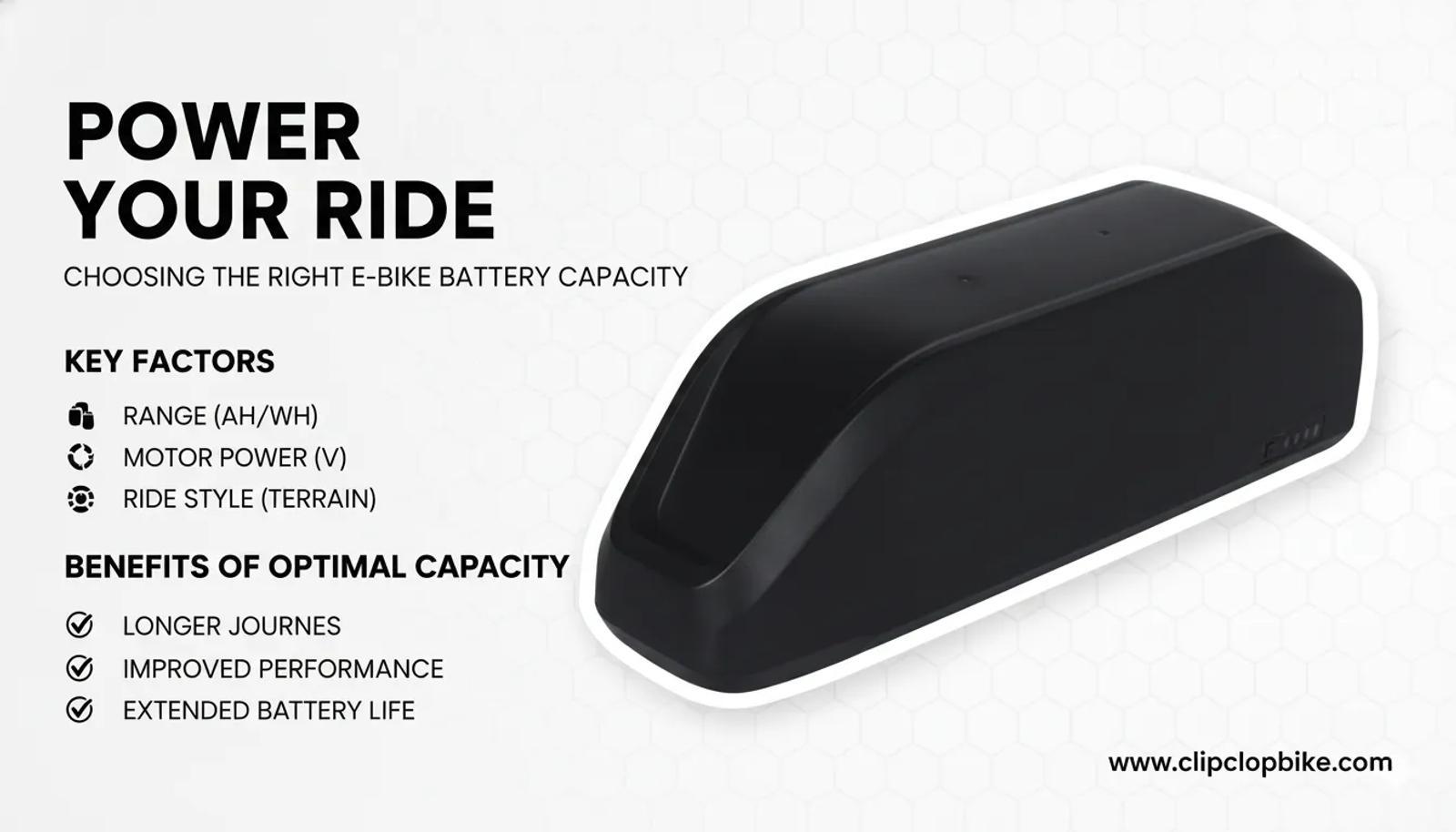
Baterías de Litio para E-Bikes: Celdas Samsung/LG/EVE, BMS Inteligente y UL 2271
Elija la batería de e-bike adecuada para su negocio. Cubre capacidad (Wh/Ah), autonomía y seguridad para distribuidores B2B. Contáctenos para asesoría experta.
Elija la batería de e-bike adecuada para su negocio. Cubre capacidad (Wh/Ah), autonomía y seguridad para distribuidores B2B. Contáctenos para asesoría experta.
Llevo años metido en el mundo de las e-MTB y las e-bikes off-road en ClipClop en Guangzhou, hablando cada semana con dealers, distribuidores y operadores de flotas de renta de todo el mundo. Cuando entramos a una llamada o chateamos en LinkedIn o Twitter, la conversación casi siempre regresa a una cosa: la batería.
Los socios comerciales pueden inspeccionar nuestra infraestructura de producción en nuestra página de Instalaciones de Fabricación de E-Bikes OEM/ODM, evaluar configuraciones estándar en nuestro CS01 Fat Tire & CS04 Commercial Utility Platforms, o solicitar directamente términos FOB por contenedor en nuestro Portal de Solicitud de Cotización Comercial (MOQ 20).
Es curioso, porque desde afuera la gente se emociona con motores, cuadros y pantallas fancy. Pero si hablas lo suficiente con gerentes de flota o dealers serios, te das cuenta de que la batería es la verdadera jefa. Controla la autonomía, la experiencia de rodada, el uptime y, con honestidad, un gran pedazo de tu utilidad y de tu nivel de dolor de cabeza. Es el núcleo de la satisfacción del cliente, ya sea que vendas o rentes.
Mucha gente todavía piensa: «Más grande es mejor, solo dame el número más alto». Entiendo por qué; el empuje de marketing es fuerte. Pero en la realidad, elegir la capacidad de batería es más como armar un business case de verdad. Estás intercambiando costo, peso, tiempo de carga y escenarios de uso real. Si te pasas o te quedas corto, o sangras margen o te ahogas en quejas.
Esta guía sale directo de las trincheras: cientos de llamadas con dealers, proyectos piloto con flotas, más lo que veo compartido por blogueros de la industria y reviewers de YouTube que prueban estas bicis en el mundo real. No intento impresionarte con teoría perfecta. Solo quiero quitar la paja y ayudarte a tomar decisiones que calcen con cómo ruedan realmente tus clientes y cómo corre realmente tu operación.
Vamos a recorrer cómo funcionan realmente los watt-hours, por qué el voltaje importa más de lo que la mayoría de las fichas técnicas explican, y cómo el terreno, los hábitos del ciclista y los niveles de asistencia destrozan las claims «oficiales» de autonomía. También hablaremos de seguridad del BMS, vida de ciclos, certificaciones UL y algunas tendencias que veo venir y que cambiarán en silencio tu roadmap de producto en los próximos años.
Mi objetivo es simple: cuando termines esto, deberías sentirte confiado para empujar contra claims vagas de proveedores, hacer preguntas más afiladas y armar configuraciones de bici que le queden a tu segmento como anillo al dedo. Porque cuando tus elecciones de batería se alinean con la realidad de tus clientes, todo lo demás del negocio se vuelve más fácil: menos devoluciones, menos correos enojados, más pedidos recurrentes.
Por qué la capacidad de la batería es la primera gran decisión que hay que acertar
Cuando un cliente entra a un showroom o scrollea una app de renta, la primera pregunta «seria» es casi siempre: «¿Hasta dónde llega?». Por lo general no pregunta por voltaje, celdas o C-rate. Solo quiere saber si la bici sobrevivirá su rodada. Esa pregunta simple apunta directo a la capacidad de la batería, medida en watt-hours (Wh).
Para compradores B2B, sin embargo, el «rango» no es un claim de marketing de una línea. Se trata de emparejar la batería con un caso de uso claro. Una bici de delivery que se desgasta subiendo colinas durante 6 horas en una ciudad densa es completamente distinta de una bici turística relajada que rueda por un camino plano de playa. Si eliges una sola capacidad e intentas venderla a ambos, alguien va a decepcionarse y dejar reseñas negativas.
La ansiedad de autonomía es real. Los ciclistas nuevos en especial se alteran cuando la barra baja más rápido de lo que esperan. Si esto pasa una y otra vez, se convierte en ratings de 1 estrella, quejas a tus socios y carga extra para tu equipo de soporte. Muchos blogueros que prueban flotas de renta hablan de esto: dicen cosas como «las specs dicen X km, pero en la vida real me salieron tal vez la mitad». Esa brecha erosiona la confianza muy rápido.
También está el lado financiero aburrido pero crucial. Las baterías de mayor capacidad usan más celdas. Más celdas significan mayor costo de BOM, packs más pesados y más presión en tu cash flow cuando estás ordenando 200 o 500 bicis de un jalón. Un pequeño bump, como +$50 por pack, se convierte en $25,000 sobre 500 unidades. Eso no es feria. Así que «capacidad máxima» no siempre es la jugada inteligente.
Tu verdadero target es la optimización, no los bragging rights. Quieres suficientes Wh para cubrir cómodamente tu escenario de uso promedio con un margen de seguridad, pero no tantos como para cargar peso y costo innecesarios que nadie usa de verdad. A menudo me siento con socios y literalmente mapeamos: longitud típica del viaje, terreno, perfil del ciclista y patrón de rotación, y de ahí sacamos un rango de capacidad en vez de adivinar.
La capacidad también impacta las operaciones. Para socios de renta y hospitalidad, una batería más grande puede ser tanto bendición como dolor de cabeza. Por un lado, un pack de 700–800Wh puede cubrir fácilmente un día completo de rentas sin swaps. Por el otro, ese mismo pack puede tardar 8–9 horas en cargarse por completo con un cargador estándar de 2A, lo que puede matar tu flexibilidad si las bicis regresan tarde.
Toma un ejemplo simple. Si una batería de 500Wh tarda aproximadamente 5–6 horas con un cargador básico, subir a 750Wh sin mejorar tu setup de carga significa más «tiempo muerto» por bici. Por eso en ClipClop no solo te aventamos un número de capacidad; intentamos diseñar contigo una solución de potencia completa, incluyendo amperaje del cargador, calendarios de carga y tal vez flotas escalonadas.
Nuestra M14, por ejemplo, corre una batería 36V 10.4Ah, que se sienta en ese punto dulce para flotas urbanas que necesitan rotación rápida y peso manejable. No es flashy en el papel comparado con algunos packs monstruo, pero para terreno plano a moderado y viajes cortos a medianos, da ese equilibrio de costo, autonomía y conveniencia de carga que a los clientes B2B de verdad les importa.
Descargar Catálogo de Fábrica ClipClop 2026 (PDF)
Especificaciones completas de e-bikes, opciones de motor y batería, MOQ y detalles de carga de contenedores.
Decodificando los números: watt-hours, amp-hours y volts sin el rollo
Las fichas técnicas de baterías pueden parecer sopa de letras si no estás acostumbrado: Ah, V, Wh, a veces C-rate, y un montón de nombres de marca. Déjame simplificar los tres números a los que realmente necesitas poner atención: amp-hours (Ah), volts (V) y watt-hours (Wh). Una vez que entiendes cómo se conectan, puedes leer cualquier ficha técnica con más confianza que la mayoría de los reps de ventas.
Piensa en los amp-hours (Ah) como el tamaño del tanque. Te dicen cuánta carga puede contener teóricamente la batería. Los volts (V) son un poco como la presión en un sistema de agua, o el «empuje» detrás de la energía. Los sistemas de mayor voltaje pueden entregar potencia con más eficiencia y mantener al motor más contento, sobre todo al subir o acelerar. Por eso ves plataformas comunes como 36V, 48V y 52V.
El número que más importa para la autonomía son los watt-hours (Wh). Esto es básicamente la «energía total» y es simplemente Volts × Amp-hours. Así que si ves 36V 10.4Ah, puedes multiplicar: 36 × 10.4 = 374.4Wh. Si otra bici tiene 48V 10Ah, eso es 480Wh. Mismo ballpark de Ah, pero el sistema 48V en realidad almacena más energía y, en igualdad de condiciones, ofrece más autonomía.
Muchos blogueros que prueban múltiples bicis una tras otra dicen lo mismo: ignora el marketing de Ah y checa Wh primero. Estoy de acuerdo. Si un proveedor no deja de gritar «¡15Ah! ¡17Ah!» pero mantiene el voltaje bajo, puedes terminar con una batería pesada que no llega tan lejos de verdad. Se ve grande en el catálogo pero underperforms en el mundo real. Wh te da la comparación manzana a manzana.
El voltaje también afecta la sensación de rodada. Los setups de mayor voltaje (como 48V o 52V) a menudo dan una respuesta más punchy, mejor soporte en subidas pronunciadas y menos estrés en el sistema a cargas altas. Por eso los ciclistas serios de e-MTB y los operadores de cargo tienden a gravitiar hacia esas plataformas. Quieren ese torque extra y esa resiliencia cuando la bici se empuja duro día tras día.
Cuando estás armando un lineup, recomiendo pensar en tiers. Una plataforma 36V, como nuestra M14, es ideal para bicis de ciudad y commute sensibles al costo, donde el peso ligero y la simplicidad importan más que la fuerza bruta. Luego reservas sistemas 48V o 52V para flotas off-road, delivery y cargo que necesitan fuerte desempeño en colinas y mayor capacidad de carga. Un tamaño no le queda a todos.
Además, cuando revisas propuestas de proveedores, siempre checa cómo presentan sus números. Si destacan Ah pero entierran el voltaje o Wh en la letra chica, esa es una bandera roja. Un socio transparente listará V, Ah y Wh con claridad y estará dispuesto a discutir trade-offs. Si evaden esas preguntas, usualmente es una señal de que venden por hype, no por ingeniería.
Cómo el terreno, el peso del ciclista y el nivel de asistencia destrozan las claims de autonomía «ideales»
Si alguna vez comparaste el rango del brochure con lo que realmente obtuviste en una rodada, ya sabes la verdad: esos números oficiales son escenarios best-case. Los fabricantes usualmente prueban bajo condiciones muy amigables: ciclista ligero, ruta plana, sin viento en contra, temperatura templada, nivel de asistencia más bajo, velocidad constante. La vida real casi nunca se ve así, especialmente para flotas comerciales.
El mayor asesino de energía es subir. Ir cuesta arriba en una colina pronunciada puede comer tres o cuatro veces más potencia que rodar en plano. Así que si tus mercados principales son ciudades montañosas o regiones de montaña, no puedes solo tomar el rango anunciado y asumir que se sostiene. Necesitas empezar con más Wh o ser muy honesto con los clientes sobre qué esperar cuando van constantemente arriba y abajo.
El peso del ciclista y la carga útil son las siguientes grandes variables. Un ciclista de 200 lb con mochila y tal vez 20–30 lb de cargo drenará la batería de forma notablemente más rápida que un ciclista de 140 lb sin nada en el rack. Los servicios de delivery, en particular, golpean duro este problema. Corren bicis pesadas, patrones de stop-and-go, y a menudo ruedan a asistencia más alta para ahorrar tiempo. El rango cae rápido en ese escenario.
Algunos blogueros y reviewers ahora usan calculadoras de rango o herramientas de simulación real, y creo que es un movimiento inteligente. Como dealer, puedes hacer algo similar al hablar con clientes B2B: mete peso promedio del ciclista, terreno típico y setting de asistencia preferido para dar una banda de rango realista, no un número de fantasía. Te hace ver como un consultor, no solo como un vendedor.
El nivel de asistencia es otro factor enorme que los ciclistas subestiman. La mayoría de las e-bikes de hoy ofrecen múltiples modos: eco, normal, sport, turbo o similares. Les digo a los socios de forma muy directa: si los usuarios se sientan en turbo todo el tiempo, pueden fácilmente cortar a la mitad o más del rango máximo comparado con eco. Eso no es un defecto; es solo física. La asistencia alta quema Wh rápido.
Para nuestra M14, por ejemplo, somos claros en que el rango en modo eco con pedaleo activo puede ser muy decente para commute de ciudad. Pero si alguien rueda mayormente con throttle o asistencia máxima, el rango efectivo se encoge mucho. Les decimos a los socios de renta que capaciten al staff para explicar esto en el check-out: «Usa modos más altos para colinas o ráfagas cortas, no para toda la rodada». Es un script simple que evita muchas llamadas de avería a mitad de camino.
Entre más honesto seas de antemano sobre estas variables, menos quejas y chargebacks tendrás que lidiar después. Muchos operadores de flota me han dicho que aprecian a los dealers que «under-promise y over-deliver» en vez de al revés. Especialmente en la era de las reseñas en redes sociales, gestionar expectativas de autonomía es una de las formas más fáciles de proteger tu marca.
El guardián invisible: por qué un BMS sólido es innegociable
El rango y la potencia son divertidos de platicar, pero la parte que me mantiene despierto de noche es la seguridad. La pieza más importante dentro de cualquier batería de e-bike no son las celdas en sí; es el Battery Management System, o BMS. No lo puedes ver desde afuera, pero es básicamente el cerebro y el guardaespaldas del pack. Si es barato o está mal diseñado, estás sentado sobre un problema potencial.
El BMS monitorea cada grupo de celdas y controla la carga y la descarga. Protege el pack de sobrecarga (que puede llevar a fuga térmica), sobredescarga (que daña las celdas de forma permanente), sobrecorriente, cortocircuitos y temperaturas extremas. Cuando algo sale mal, un buen BMS interviene y corta la potencia o apaga el sistema antes de que los problemas pequeños se vuelvan grandes.
Para ahorrar unos dólares, algunos fabricantes de bajo nivel recortan aquí. Usan componentes débiles, firmware flojo o saltan pruebas adecuadas. Puede funcionar bien un rato, pero a lo largo de meses de uso pesado en una flota, el estrés se acumula. No siempre ves los riesgos hasta que un pack se hincha, falla temprano o, en el peor de los casos, se sobrecalienta. Y en ese punto, es tu reputación la que recibe el golpe, no solo la de ellos.
Una feature clave de un BMS de calidad es el balanceo de celdas. Durante la carga y la descarga, las celdas individuales nunca envejecen exactamente igual. Se desvían un poco. Con el tiempo, esa desviación crea desbalance. El BMS trabaja constantemente para mantener todas las celdas dentro de una ventana de voltaje segura. Si no lo hace, algunas celdas se sobrecargan, otras se subutilizan, y la vida de ciclos efectiva cae. El pack envejece más rápido y de forma más desigual.
Como dealer o distribuidor, no solo estás vendiendo una bici; estás aceptando responsabilidad en cierta medida. La conciencia pública de los incendios de iones de litio ha crecido mucho, especialmente en Norteamérica y Europa. Reguladores y compañías de seguros están poniendo atención. Aquí es donde certificaciones como UL 2271 (pack de batería) y UL 2849 (sistema completo de e-bike) entran como protección real de negocio, no solo como badges de marketing.
Muchos blogueros y reviewers tech enfocados en seguridad ahora checan activamente estas certificaciones y llaman la atención a marcas que no las tienen. Eso influye en los compradores más de lo que algunos se dan cuenta. Si tu lineup incluye sistemas certificados, estás alineado con hacia dónde va el mercado: reglas de seguridad más estrictas, códigos de construcción y requisitos de plataformas por ciudades y grandes organizaciones.
En ClipClop ponemos un esfuerzo serio en el diseño y las pruebas del BMS porque sabemos que un incidente puede destruir años de confianza. Para nuestros socios, queremos que puedan decir: «Sí, este sistema ha sido probado bajo estándares de seguridad reconocidos», y realmente decirlo en serio. Eso te da una posición mucho más fuerte al hablar con compradores corporativos, hoteles o cadenas de renta que se preocupan por la gestión de riesgos.
Longevidad e inversión: entendiendo la vida de ciclos y la degradación
Toda batería, incluso la mejor, es un consumible. Perderá capacidad con el tiempo. Pero hay una diferencia enorme entre un pack que dura 300 ciclos y uno que te da de forma confiable 800–1,000 ciclos bajo uso similar. Para una flota de uso pesado que carga a diario, esa diferencia es básicamente la línea entre una vida útil de un año y una de tres años. Eso es masivo en términos de costo total de propiedad.
La vida de ciclos usualmente se define como cuántos ciclos completos de carga-descarga puede pasar una batería antes de que su capacidad baje a alrededor del 80% de su valor original. Los packs de alta calidad que usan celdas de nombres como Samsung, LG o Panasonic a menudo caen en el rango de 500–1,000 ciclos si se tratan de forma razonable. Las celdas más baratas y sin nombre pueden llegar solo a 300–500 ciclos, a veces menos bajo uso duro.
Si das un paso atrás y miras esto como un pure business case, se vuelve muy claro. Una batería «barata» que necesita reemplazo después de un año porque no puede retener suficiente carga no es realmente barata. Pagas de nuevo por el pack, pierdes ingresos cuando la bici está down, y gastas mano de obra swappeando y manejando reclamaciones de garantía. Los operadores de flota notan esto; tal vez no conozcan cada spec, pero sienten el dolor en sus presupuestos.
Por eso siempre animo a los dealers a hablar abiertamente de marcas de celdas y vida de ciclos esperada. Algunos blogueros ya hacen esto en sus reviews de teardown y dicen cosas como «Nice, usaron celdas de marca aquí, así que espero buena longevidad». Puedes usar ese tipo de lenguaje en tus conversaciones de venta también. Posiciónalo como una inversión en uptime, no como una feature de lujo.
La velocidad de degradación de la batería también depende mucho de cómo se trata el pack. Ahí es donde tu educación postventa puede crear valor real a cero costo extra. Reglas simples ayudan mucho: no guardes baterías en un auto caliente o un cobertizo helado; evita dejarlas en el cargador por días; y si vas a almacenar bicis por una temporada, mantén la batería alrededor de 40–60% de carga, no totalmente llena ni vacía.
Algunos creadores de contenido en línea ya publican «checklists de cuidado de batería» para ciclistas. Puedes adaptar este concepto como una guía de una página para tus clientes B2B. Ponle tu logo, inserta unos tips concretos e inclúyela con cada pedido. Es un toque pequeño que ayuda a tus socios a mantener sus baterías sanas por más tiempo y, al mismo tiempo, ata tu marca a la confiabilidad y al pensamiento de largo plazo.
En corto, no dejes que la conversación se quede en el precio de entrada. Jala a tus clientes a una perspectiva de costo total en el tiempo. Cuando ven que un pack un poco más caro con mayor vida de ciclos y mejor cuidado puede ahorrarles miles más adelante, la spec más alta de pronto se ve como la elección inteligente y segura, no como un upsell.
Forma y función: baterías integradas vs. removibles en el mundo real
El diseño de la batería no es solo de números; también se trata de dónde y cómo se sienta la batería en la bici. Los dos grandes estilos que verás son baterías integradas (in-tube) y packs externos removibles. Ambos tienen pros y contras claros. Elegir el correcto depende mucho de quién usa la bici y de cómo cargan y almacenan día a día.
Las baterías integradas se esconden dentro del tubo inferior, dando un look limpio, casi stealth. A muchos ciclistas les encanta esto porque la bici no grita «e-bike». También ayuda con la distribución de peso y protege el pack de golpes directos, suciedad y clima. Para e-MTBs de alta gama y commuters premium, este look y feel puede ser un gran argumento de venta. Se siente moderno y ordenado.
Sin embargo, los packs integrados pueden ser menos convenientes para muchos escenarios B2B. Piensa en habitantes de departamentos que no pueden arrastrar toda la bici a su sala, u hoteles que quieren que los huéspedes dejen las bicis abajo pero que el staff lleve las baterías adentro a cargar. En estos casos, una batería fácilmente removible es mucho más práctica. Menos fricción, menos excusas para no cargar.
Para flotas de renta, los packs removibles a menudo son un must. A los operadores les encanta poder sacar una batería agotada, meter una cargada y mandar la bici de regreso de inmediato. Esa capacidad de «hot-swap» mantiene alta la utilización. Imagina una tarde de fin de semana ajetreada: no quieres bicis sentadas inútiles por horas solo porque la única forma de cargarlas es enchufar toda la bici y esperar.
Al armar tu catálogo, usualmente sugiero ofrecer ambos estilos si tus volúmenes lo permiten. Usa baterías integradas para tu segmento consumer o enthusiast impulsado por estilo, donde la estética y el diseño del cuadro importan mucho. Usa packs removibles para flotas corporativas, servicios de delivery y socios de renta que se preocupan más por el uptime y la logística que por cables escondidos.
Nuestra ClipClop M14 usa una batería removible montada en el cuadro que es fácil de acceder, lo cual funciona genial para flotas urbanas y usuarios B2B mixtos. Al mismo tiempo, también fabricamos modelos con sistemas totalmente integrados dirigidos a socios que apuntan a ciclistas de trail y mercados enthusiast. La lógica es simple: queremos que cada formato de bici resuelva un problema diario específico para un tipo específico de usuario.
Cuando no estés seguro de qué dirección recomendar a un cliente, solo haz una pregunta muy simple: «¿Dónde va a dormir la bici, y dónde se va a cargar la batería?». La respuesta a eso usualmente te dice si necesitan packs removibles o pueden vivir felices con diseños integrados.
Emparejando potencia con pavimento: recomendaciones de capacidad para escenarios B2B comunes
Vamos a lo concreto y traduzcamos toda esta teoría a situaciones reales con las que probablemente lidias. Distintas aplicaciones B2B necesitan distintas estrategias de batería. Intentar cubrir todo con una sola capacidad es como intentar vender un solo talle de zapato a cada cliente. Se ve ordenado en tu lista de precios pero se desmorona en la práctica.
Escenario uno: un campus corporativo grande. Los empleados usan e-bikes para moverse entre edificios, tal vez 1–3 millas por viaje, mayormente plano, con horarios de trabajo predecibles. Las bicis usualmente descansan en docking stations o racks con corriente cerca. En este caso, un pack masivo de 750Wh es overkill. Un setup de 350–400Wh, como un sistema 36V 10.4Ah, es más que suficiente, mantiene la bici más ligera y reduce el costo por unidad.
Escenario dos: un operador de tours e-MTB en un parque nacional con terreno montañoso y técnico. Los clientes ruedan 20–30 millas por tour, a menudo con subidas largas y pedaleo menos eficiente. La ansiedad de autonomía aquí es implacable. Si a alguien se le muere la batería a la mitad, se vuelve una pesadilla de soporte y arruina su experiencia. Para este tipo de uso, usualmente recomiendo 600–800Wh emparejado con un sistema 48V fuerte.
Sí, el costo de entrada es mayor, y las bicis pueden ser más pesadas. Pero a cambio obtienes desempeño sólido bajo carga, suficiente buffer para días fríos o ciclistas más fuertes, y menos rescates de emergencia en el trail. Muchos reviewers serios que prueban tours e-MTB destacan esto: las baterías under-specced son la forma más rápida de malas reseñas y solicitudes de reembolso.
Escenario tres: food delivery en una ciudad densa de terreno mixto. Estos ciclistas necesitan un rango decente, aceleración fuerte y uptime consistente, pero la empresa es muy sensible al costo. Un pack de 500Wh a menudo es el punto dulce aquí. Puede soportar un turno típico si se empareja con un uso inteligente de la asistencia, y no infla el precio y el peso tanto como packs más grandes.
Para repartidores que viven en departamentos, una batería removible es casi innegociable. Estacionan la bici en un pasillo o abajo, agarran el pack y lo suben a cargar a su cuarto. Para dueños de flota, tener un pequeño pool de baterías de repuesto también ayuda; pueden rotar packs y mantener las bicis moviéndose incluso cuando unas cuantas baterías están cargando o en revisión.
Cuando trabajo con dealers en propuestas, usualmente mapeamos las horas diarias de rodada del cliente, la longitud promedio del viaje, el perfil de terreno y el patrón de carga, y luego elegimos una banda de capacidad en vez de perseguir el número más grande. De esa forma, cuando tu cliente pregunta «¿Por qué esta batería?», puedes responder con lógica muy específica en vez de «porque es lo que teníamos».
Blindando tu negocio a futuro: tendencias clave de baterías y certificaciones a vigilar
La tech de baterías de e-bike no es estática; evoluciona en silencio pero de forma constante en el fondo. Si quieres que tu línea de producto se mantenga competitiva los próximos 3–5 años, vale la pena poner atención a unas cuantas tendencias de las que ya hablan blogueros, ingenieros y dealers early-adopter. Posicionarte por delante de estas curvas puede hacer que tu catálogo se sienta «moderno» por más tiempo.
Primero, la densidad energética está mejorando. Eso significa más Wh empaquetados en el mismo o menor tamaño y peso. Con el tiempo, esto te permitirá ofrecer bicis con el mismo rango de hoy pero notablemente más ligeras, o bicis con más rango a aproximadamente el mismo peso. Los clientes tal vez no citen «densidad energética», pero sienten la diferencia en el manejo y la portabilidad.
Segundo, las baterías y los BMS se vuelven más inteligentes y más conectados. Verás más sistemas que hablan con apps de smartphone vía Bluetooth u otros protocolos, mostrando datos detallados de salud, stats de uso e incluso advertencias predictivas. Para gerentes de flota, esto es una mina de oro: pueden detectar packs débiles antes de que fallen, rastrear qué bicis trabajan más duro y planear mantenimiento en vez de reaccionar a averías.
Algunos blogueros y reviewers orientados a la tech ya destacan estas features de «smart battery» como pros mayores, especialmente para flotas. Espero que esto se vuelva normal en unos años, no solo un add-on premium. Así que cuando evalúes nuevos proveedores, pregunta qué están haciendo en el lado de software de sus sistemas de batería, no solo los números de hardware.
Tercero, las regulaciones de seguridad seguirán endureciéndose. Ya hablamos de UL 2271 y UL 2849. Espero que estándares regionales y códigos de construcción sigan empujando en esta dirección, especialmente en mercados donde el uso de e-bikes está explotando. Elegir socios que de forma proactiva persigan o superen estos estándares ahora te ahorrará mucho dolor cuando las reglas alcancen más adelante.
Alinear tu marca con un fabricante que se toma en serio la certificación no es solo evitar problemas legales. Envía una señal clara a los clientes: no estás recortando esquinas para afeitar unos dólares del precio. Estás jugando el juego largo, enfocado en confiabilidad, seguridad y alianzas estables. Ese tipo de posicionamiento es difícil de copiar.
Configuremos baterías que de verdad le queden a tu negocio
Al final del día, una e-bike solo es tan buena como el sistema de potencia detrás de ella. Equivócate con la batería y estarás peleando quejas de autonomía, downtime y costos de reemplazo. Acertarla y la bici se vuelve una herramienta silenciosa y confiable que hace felices a tus clientes y más fluidas tus operaciones.
Si actualmente no estás seguro de qué capacidad, plataforma de voltaje o diseño de batería le queda mejor a tu segmento —ya sea flotas de renta, movilidad corporativa, servicios de delivery o tours off-road—, con gusto lo recorro contigo. Ya hemos visto la mayoría de estos patrones en ClipClop y ayudado a socios a ajustar specs antes de que los problemas aparecieran en campo.
Ya sea que estés especificado tu primer batch o actualizando una línea de producto existente, podemos sentarnos, mirar tu terreno, tipo de ciclista, presupuesto y realidad de carga, y luego elegir una solución de batería que tenga sentido en vez de solo seguir tendencias. Desde la química de celdas y el diseño del BMS hasta certificaciones e infraestructura de carga, podemos ir tan profundo como quieras.
ClipClop no intenta ser solo otra fábrica enviando cajas. Nuestro enfoque está en bicicletas eléctricas off-road y orientadas al desempeño, pero nuestro soporte cubre el panorama completo: consultoría técnica, personalización OEM y asesoría práctica de rollout. Si este tipo de alianza suena útil para tu negocio, contáctanos y veamos cómo podemos potenciar juntos tu siguiente etapa de crecimiento.
Preguntas frecuentes (FAQ)
P1: ¿Cuál es la diferencia real entre un sistema de batería de e-bike 36V, 48V y 52V?
R: La principal diferencia está en la potencia y la eficiencia de la entrega de energía. Un sistema 36V es excelente para bicis ligeras, de entrada y de commute, ofreciendo una rodada suave y eficiente en terreno más plano. Un sistema 48V es el estándar de la industria para muchas e-bikes de rango medio a alto, especialmente electric mountain bikes, aportando más torque para subir colinas y una aceleración más rápida. Un sistema 52V es una opción premium que ofrece una ligera ventaja de desempeño sobre los sistemas 48V, entregando aún más potencia y a veces una eficiencia ligeramente mejor, haciéndolo popular entre los enthusiasts de performance. Para fines B2B, los sistemas 36V y 48V cubren la vasta mayoría de las necesidades comerciales.
P2: ¿Cuánto cuesta una batería de e-bike de reemplazo?
R: El costo de una batería de e-bike de reemplazo puede variar de forma significativa, típicamente desde $300 hasta más de $900. El precio depende de varios factores, incluyendo la capacidad de la batería (Wh), el voltaje, la marca de las celdas usadas (p. ej., Samsung, LG, Panasonic), la complejidad del BMS y si es un diseño integrado o externo. Como dealer, es crucial factorizar este costo de reemplazo a largo plazo al asesorar a tus clientes, enfatizando que una inversión inicial más alta en una batería de calidad con mayor vida de ciclos puede llevar a un menor costo total de propiedad.
P3: ¿Podemos usar una batería de terceros en sus e-bikes ClipClop?
R: Recomendamos fuertemente no usar baterías de terceros que no estén específicamente aprobadas por nosotros. La batería, el BMS, el controlador y el motor de una e-bike están diseñados como un sistema integrado. Usar una batería incompatible puede llevar a mal desempeño, daño a los componentes eléctricos y, lo más importante, crear riesgos significativos de seguridad, incluyendo peligros de incendio. También anulará la garantía del fabricante. Para todas tus necesidades de flota, proveemos baterías de reemplazo certificadas y totalmente compatibles para asegurar desempeño óptimo y seguridad del BMS.
P4: ¿Qué significa el rating de impermeabilidad IP para una batería?
R: El rating IP (Ingress Protection) mide qué tan bien la carcasa de la batería protege los componentes internos de sólidos (como polvo) y líquidos (como agua). Por ejemplo, nuestra M14 tiene un rating de impermeabilidad de la bici de IPX5. La 'X' significa que no ha sido calificada para ingreso de polvo, y el '5' significa que está protegida contra chorros de agua de baja presión desde cualquier dirección. Esto es generalmente suficiente para rodar bajo la lluvia. Un rating más alto, como IPX6 o IPX7, indicaría aún mayor protección contra chorros potentes o incluso inmersión temporal. Para clientes en regiones con lluvias fuertes, un rating IP más alto es una feature valiosa a buscar.
P5: ¿Cómo puedo estimar con precisión el rango para la ubicación específica de mi flota de renta?
R: La forma más precisa es combinar una calculadora de rango por carga con pruebas en el mundo real. Usa una calculadora en línea como punto de partida, metiendo la temperatura promedio local, el terreno primario (montañoso, plano, mixto) y un peso promedio estimado del ciclista. Luego, haz una prueba de campo. Toma una bici completamente cargada de tu pedido potencial y haz que alguien ruede una ruta típica de renta, usando una mezcla de niveles de asistencia. Estos datos prácticos son la información más valiosa que puedes tener y te permitirán dar a tus clientes estimaciones de rango altamente confiables, que es una parte clave de una buena asesoría de dealer.
Referencias
- Bosch eBike Systems. (n.d.). Range Assistant. Retrieved from https://www.bosch-ebike.com/en/service/range-assistant
- UL Standards. (n.d.). UL 2849 - Standard for Electrical Systems for eBikes. Retrieved from https://www.ul.com/services/e-bikes-certificationevaluating-and-testing-ul-2849
- EBIKE24 Magazine. (2023). E-bike battery guide: All you need to know about the power source. Retrieved from https://www.ebike24.com/blog/choosing-the-right-battery
Estándares de fabricación y calidad de ensamble de ClipClop
Discover our factory-direct OEM/ODM e-bike solutions: ClipClop L1 All-Round E-Bike, the versatile ClipClop M26 Mountain Platform, and ClipClop OEM/ODM Customization Services, backed by direct factory wholesale pricing and comprehensive warranty support.
Adquisición Comercial y Suministro de Flotas con ClipClop
El despliegue de flotas de bicicletas eléctricas o la distribución de e-bikes de marca privada requiere un socio de fabricación confiable, capaz de ofrecer producción continua a escala de contenedor, alineación de cuadro soldada por robots y riguroso control de calidad por lote. Desde nuestra fábrica de 25,000 m² en Qingyuan, Guangdong, ClipClop ofrece servicios completos de fabricación de e-bikes OEM/ODM con un MOQ accesible de solo 20 unidades por SKU. Cada orden de contenedor incluye asignación dedicada de refacciones (2% de componentes gratuitos para respaldo de garantía), documentación completa de cumplimiento internacional (EN 15194, UL 2849, UN38.3) y despacho de muestras en 15 días.
¿Listo para evaluar muestras de ingeniería para las plataformas CS01 Fat Tire & CS04 Commercial Utility Platforms o solicitar términos de distribución territorial protegidos? Contacte al equipo de ingeniería de ClipClop mediante nuestro Portal de Cotizaciones Comerciales B2B para recibir un presupuesto detallado de contenedor y calendario de producción.
Descargar Catálogo de Fábrica ClipClop 2026 (PDF)
Especificaciones completas de e-bikes, opciones de motor y batería, MOQ y detalles de carga de contenedores.
Más notas de campo OEM.
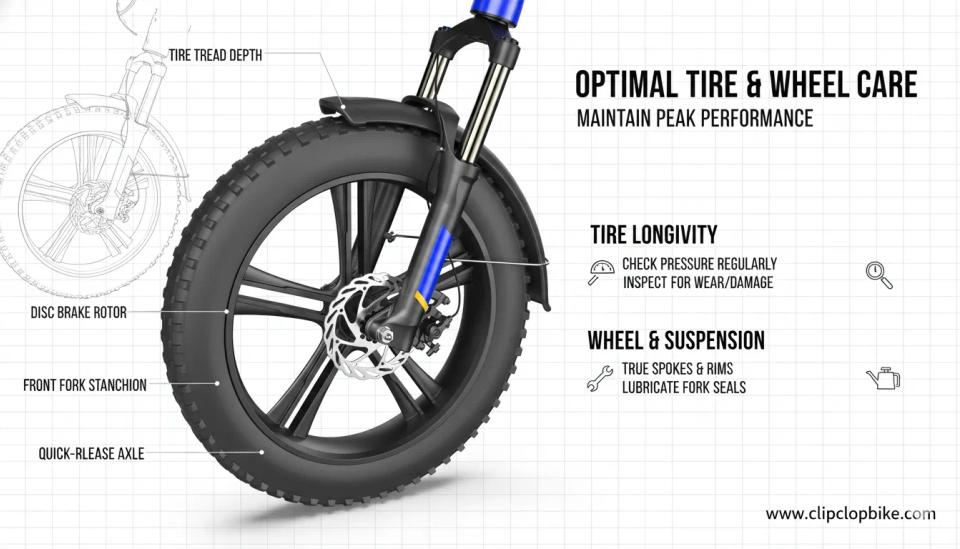
Mantenimiento de ruedas y neumáticos de e-bikes de llantas gruesas: consejos reales
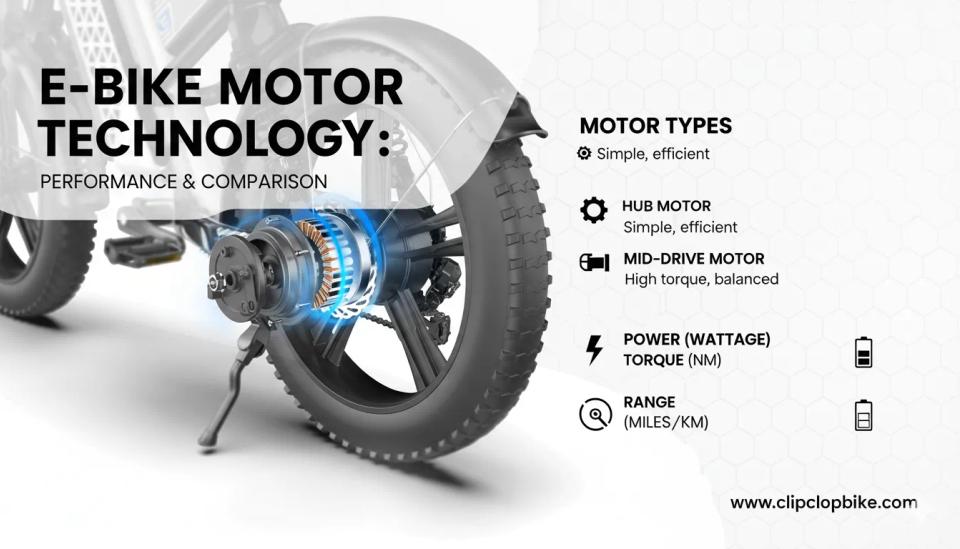
Motores de Maza para Delivery Urbano: Confiabilidad, Reducción de TCO y Mantenimiento
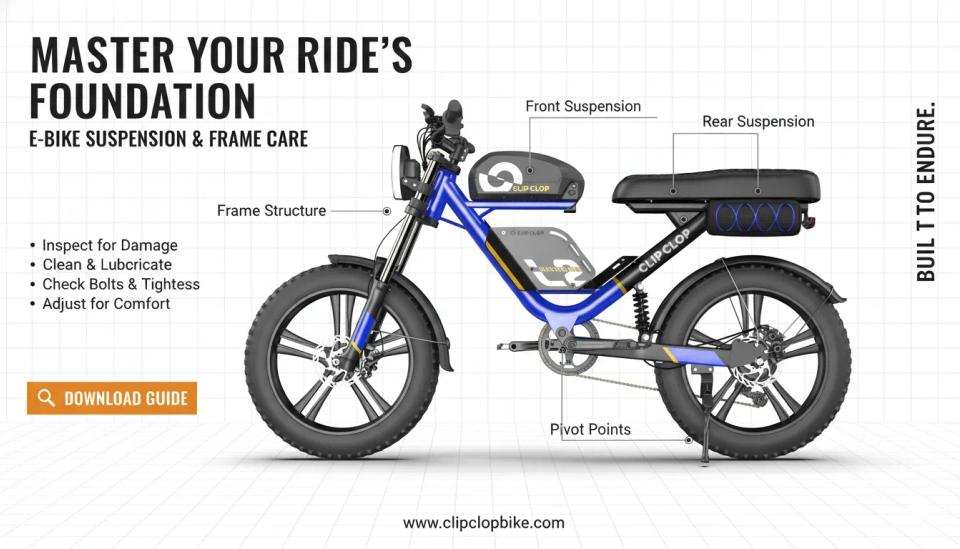
Mantenimiento de Suspensión y Cuadro en E-Bikes: Retenes y Reducción de TCO
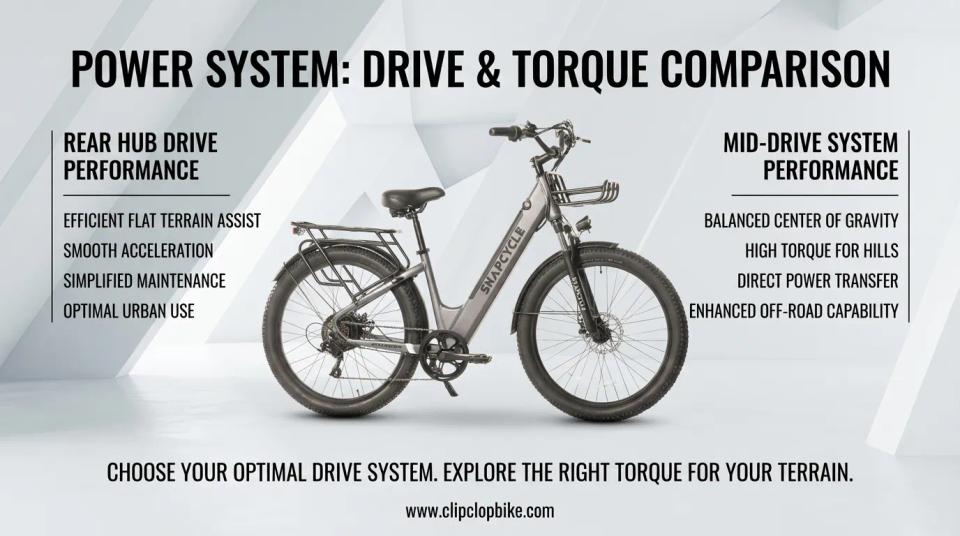
Motores Centrales para Carga Pesada y eMTB: Multiplicación de Torque y Subidas
Envíe su brief. Le responderemos con un informe técnico.
La respuesta incluye viabilidad, costo de muestra, MOQ y los siguientes pasos para su proyecto. Respondemos en 48 horas.