


Hey, I’m Leo Liang. I’ve been around electric off-road bikes for years now—part of the Clipclop crew in Guangzhou, but also just a rider who’s weirdly obsessed with how these things hold up in real life. I’ve done the long video calls with distributors, wandered factory floors arguing about weld consistency, and sat with rental guys staring at TCO sheets until my eyes hurt.
If you’re an e-bike dealer or importer in Argentina, I get it: this isn’t “just sell a bike and move on.” You’re juggling cash flow, messy logistics, currency swings, and the risk of getting stuck with stock that doesn’t move. Argentina’s market is exciting, but it also loves to surprise you, especially when geography and local riding conditions change everything from one province to the next.
This isn’t one of those fluffy market reports that tosses generic stats at you and calls it strategy. I’m going to keep it practical, the way I’d explain it to a partner on WhatsApp. We’ll dig into who’s actually buying in 2026, what pushes them to sign a PO, and how you can build a supply chain from China that doesn’t fall apart the first time something goes wrong.
My aim is simple: help you stock smarter, negotiate cleaner, and avoid the classic B2B traps—like choosing the cheapest unit and then paying for it later in defects and angry customers. A few sourcing bloggers always say “buy the process, not the product,” and honestly, that’s the vibe here. We’ll focus on decisions that keep you alive and profitable.
Where is the Real Demand in Argentina’s 2026 E-Bike Landscape?
Let’s cut through the noise a bit. Macro trends are cute, but they don’t tell you whether to load more full-suspension E-MTBs or keep it boring with fat-tire commuters. The real trick is looking at use cases and the stuff people actually ride on. From what I keep hearing from South America partners, demand isn’t one big blob—it’s a bunch of pockets with different needs.
Weekend warriors and mountain biking fans are a real slice, especially around Andean areas where climbing matters and “range anxiety” is a real thing. These riders usually want trail-capable E-MTBs, and they ask about torque fast—like 60–80Nm as a baseline—and they don’t forgive bad suspension. If the fork feels cheap, they’ll roast it in the local riding groups, and that spreads fast.
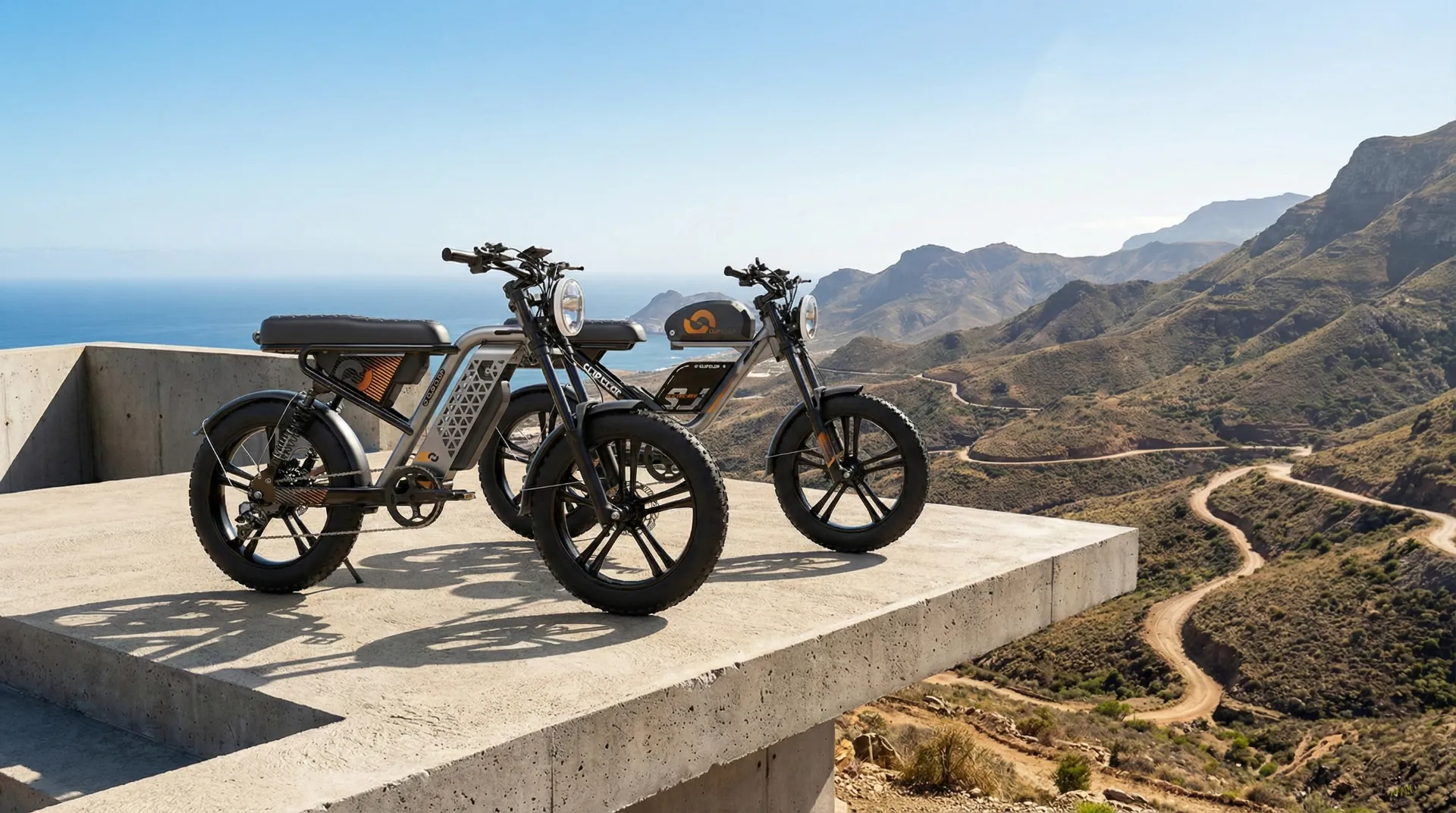
Then there’s the commuter crowd, which is huge, but it’s not the same commuter logic as, say, Germany. A lot of Argentinian riders deal with rough streets—cobblestones, potholes, random unpaved sections—and comfort becomes durability. That’s where a tough fat-tire bike (like our Clipclop L1 with 20″x4.0 tires) makes sense, because it “forgives” bad roads better than slim tires.
Commercial demand is another engine you really shouldn’t ignore. Tourism and rental operators in Patagonia, wine regions, and outdoor hubs are learning that e-bikes widen their customer base fast. They care less about braggy top speed and more about uptime—bikes that survive constant use by people who don’t know how to shift properly. So you stock frames that don’t rust easily (6061 aluminum is a safe bet), and you prioritize parts that are easy to service.
I’m also seeing smaller but interesting demand from cycling clubs and light cargo/delivery use in dense areas. For delivery, maneuverability plus load capacity matters more than “pro” specs, and being able to sell a max load like 160kg can be a real hook. This is where you stop guessing and start segmenting, because one SKU can’t do every job without disappointing someone.
So how does this turn into a stocking plan? For 2026, a balanced SKU spread is usually the least risky move. I like a simple 3-tier mix: around 40% as a “workhorse” fat-tire model for mixed commuting and rentals, 30% as true E-MTB hardtails to keep costs sane, and the last 30% split between a full-suspension halo model and a weird trend-tester.
Seasonality matters more than people admit. You don’t want your container landing after the riding peak has already started. Aim for arrivals in late winter—August or September—so you’re ready for spring/summer demand. It’s not sexy advice, but it protects your inventory capital, and a few finance-minded shop owners I talk to keep repeating: “timing is margin.”
Who Are Your B2B Buyers and What Keeps Them Up at Night?
A lot of people obsess over the bike spec and forget the human signing the purchase order. Don’t do that. Argentinian B2B buyers aren’t one type of person; they’re different characters with different fears. If you pitch everyone the same way, you’ll feel like you’re doing “sales,” but you won’t close deals consistently.
First, you’ve got wholesale distributors buying big—maybe 100–500 units. These folks are allergic to uncertainty. They talk margin, landed cost, lead times, and they love the idea of regional exclusivity because it protects their channels. They’ll ask straight up: “Can you deliver consistently in 90–120 days, or are you guessing?” They want a partner relationship, not a random supplier.
For independent bike shops or small chains ordering 20–50 units, it’s a different stress. They care about floor traffic and reputation. One model that comes back constantly for repairs can poison their whole brand, especially in tight local communities. They tend to prefer simple, reliable setups—hydraulic disc brakes, decent drivetrains like Shimano 7-speed—because their mechanic can fix it quickly without drama.
These shop owners also need help selling. Not everyone says it out loud, but they want photos, basic spec sheets, maybe a few social posts, and some training for staff so they don’t sound clueless. A few retail bloggers always say “teach your staff, or your customers will teach them,” and yeah… that’s real. If your supplier gives you support materials, your shop conversion usually improves.
Fleet managers for rentals and tourism businesses are a totally different animal. Durability is their religion, no joke. They treat bikes like revenue machines, so they measure everything in Total Cost of Ownership. They’ll grill you about battery cycle life, motor robustness like 48V 750W brushless setups, and how fast a mechanic can swap a controller between rentals. “Easy to maintain” often beats “fast.”
Then you’ve got cycling clubs or group buyers who are performance-driven and kind of intense (in a good way). They’ll compare torque numbers, battery range claims, and they’ll ask whether a whole batch rides consistently or if half the units feel different. They also care about reputation inside the enthusiast scene, because nobody wants to be the guy who brought the “bad batch” to the club.
If you map these personas clearly, your product and your pitch gets sharper. You stop trying to be everything to everyone, and instead you match the right bike, the right warranty story, and the right logistics plan to the buyer’s real priority. That’s how you reduce wasted conversations and increase repeat orders.
Mapping the Buyer’s Journey: How They Find and Trust a Supplier
No serious dealer in Argentina wakes up randomly and wires money to a factory in China. There’s always a journey, and trust builds in layers. Usually it starts on big platforms like Alibaba or Made-in-China, because they’re convenient for screening. But buyers get overwhelmed fast—too many similar photos, too many “best quality!!!” claims, and not enough proof.
More experienced buyers branch out quickly. They watch YouTube reviews (sometimes English ones) because real riding footage beats any catalog. They ask inside WhatsApp groups, Facebook communities, and dealer circles where people share brutally honest feedback. A referral from a dealer in a neighboring country can push a supplier to the top of the list overnight, and honestly, that’s hard to “advertise” your way into.
Once the shortlist exists, due diligence starts, and this is where most suppliers mess up. The first common step is the sample request, but buyers aren’t only judging the bike—they’re judging your process. Did you reply fast? Was the communication clear? Did you pack it well enough to survive shipping? A logistics blogger I follow keeps saying “packaging is part of quality,” and yeah, I agree.
When the sample arrives, it gets tested like it’s on trial. They’ll check real range, not your optimistic brochure range. They’ll test hill climbing on steep grades, and they’ll see whether brakes feel confident under load. Some will literally have their mechanic open it up and inspect weld quality, wiring neatness, and what brands you used internally, because hidden parts cause the worst warranty headaches.
If the sample doesn’t embarrass you, the conversation usually deepens. Buyers start asking for a virtual factory tour on a video call. They want to see assembly lines, QC stations, warehouse organization, and whether you actually build frames or just move boxes. They’ll request business licenses, certification info (like CE for components), and a spare parts list with pricing that looks like you’ve done this before.
The last hurdles are usually MOQ and payment terms. First orders often come with “let me test the market” energy, so they push for a lower MOQ and some flexibility. This is where transparency matters a lot: be honest about capacity, give clear documents, and explain what you can and can’t do. When buyers feel you’re straight with them, trust forms faster than any sales pitch.
What Really Matters: The Weighted Criteria of a B2B E-Bike Purchase
Every B2B buyer has a checklist in their head, but not all checklist items carry the same weight. Price always starts the conversation, sure, but seasoned importers know FOB price is only the beginning. The real number is landed cost—shipping, insurance, customs, local transport, plus a “pain buffer” for defects, rework, and annoying surprises.
This is why a cheap bike with a high defect rate can become the most expensive choice you make. If 10% of units show up with issues, you’ll spend time, parts, labor, and reputation fixing it. A slightly higher unit price with a 1% defect rate often wins long-term. I know it sounds boring, but quality consistency is what keeps B2B businesses breathing.
The electrical system is the heart, and buyers know it. Battery and controller reliability tends to matter more than flashy display screens or cool paint. People worry about performance across Argentina’s climate range—heat up north, colder areas down south. They ask if the BMS is robust, if it prevents overcharging, and if it actually protects cell life instead of just looking good on paper.
Controllers are another big fear point. Dust, water, rough roads—these kill weak sealing. On unpaved routes, vibration plus moisture is brutal, and buyers who’ve been burned before will grill you about how well the controller is protected. If you can explain sealing, connector quality, and testing habits like a normal person, not a brochure, you instantly look more trustworthy.
Mechanical parts matter too, especially brakes and drivetrains. Buyers prefer proven brands even on entry-level builds, because parts availability and mechanic familiarity reduces downtime. The frame also matters more than people admit: clean welds, consistent geometry, durable paint that doesn’t chip if someone leans the bike wrong. Corrosion resistance is not “nice to have” when bikes live outdoors.
Then you’ve got the non-product factors that can make or break the deal. Lead time stability is massive. A supplier who actually ships within that promised 90–120 day window helps the dealer plan cash flow and marketing. A supplier who slips dates causes chaos, and I’ve seen partnerships die just because timelines kept drifting.
After-sales support and spare parts access is often the real deal-breaker. Dealers need warranty clarity, a parts catalog they can understand, and tech support that answers fast. Spanish materials help a lot—manuals, exploded diagrams, even quick videos. And customization (logos, colorways, packaging) isn’t just ego; it helps buyers build their own brand identity locally.
The Argentinian Spec Sheet: A Guide to Building the Right E-Bike
Let’s get specific, because vague advice doesn’t help you place orders. Based on feedback I’ve heard and what’s realistic in manufacturing, here are three configurations that make sense for Argentina. They’re not “perfect bikes,” but they balance performance, durability, and cost in a way that usually works for dealer margins and customer expectations.
1. The All-Road Workhorse: Your Volume Seller
This is the bread-and-butter model, the one that moves when you don’t want to gamble. I like it because it fits commuting, rentals, and mixed-terrain city riding without being over-engineered. The goal isn’t to impress the most hardcore rider; it’s to be reliable enough that shop owners don’t hate you after the first month of sales.
For the motor, a 48V 500W or 750W rear hub setup is usually the cleanest play. It handles hills and rough streets without the complexity and cost of mid-drive systems. I’d focus on decent heat management and stable torque around 60–70Nm. Some YouTubers keep saying “hub motors are dead,” but for this segment, they’re still practical and repair-friendly.
Battery-wise, a removable 48V 15Ah pack (around 720Wh) with reputable cells is the safe middle. Removable matters because apartment living is real, and indoor charging is a daily behavior. Range claims should stay realistic—40–60 km in normal use—because overpromising is how you end up with angry reviews. I’d rather sell “honest range” than fantasy.
Frame and components should stay tough and simple. A hardtail 6061 aluminum frame in common sizes (medium and large) keeps production stable and parts easy. Pair it with 20″ or 26″ fat tires around 4.0″ width for comfort and versatility, then use hydraulic discs with 180mm rotors and a Shimano 7 or 8-speed drivetrain so mechanics don’t struggle.
Must-haves: integrated lights, sturdy fenders, and a rear rack, because practical buyers love practical gear. If you need to cut cost, I’d downgrade a fancy LCD display to a simpler LED unit before touching brakes or battery quality. A few retail bloggers always shout “don’t cheap out on stopping power,” and they’re right.
2. The Trail Explorer: Your Profit Generator
This one targets the growing off-road enthusiast market, and it’s where you can protect margin if you stock it smart. Riders in this segment love spec sheets, sure, but they also care about feel—how the bike climbs, how the power delivery behaves on loose trails, and whether suspension confidence matches the price. One sloppy choice here can kill your credibility.
Motor options are flexible. Mid-drive can be attractive for weight distribution, but it adds cost and complexity. A high-torque rear hub motor can still compete if it’s smooth and pushes above 80Nm. I’d prioritize controllable power delivery over raw peak numbers, because jerky acceleration on dirt trails is how riders lose confidence and start calling the bike “cheap.”
Battery capacity should be higher than the workhorse. Something like 48V 17.5Ah (around 840Wh) or more can become a selling point, because trail riders think in hours and elevation gain. Make sure the battery is securely integrated or well-mounted, because rough terrain will punish weak locking designs. If the pack rattles, people notice immediately.
For frame and components, full suspension is a strong differentiator, but a high-quality hardtail with a solid 100–120mm fork is the more accessible entry for many buyers. Wider bars, better grips, and real off-road tires help a lot. Brakes should be upgraded—4-piston is a plus—because long descents with extra e-bike weight can cook weak setups fast.
Must-haves here: an air suspension fork, dropper seatpost compatibility, and a clutch derailleur that reduces chain slap. What you can cut: carbon bits. Carbon looks cool, but it’s not necessary for this market segment, and alloy parts often survive abuse better. I’d rather sell “durable” than “delicate premium.”
3. The Urban Striker: Your Niche Tester
This is the style-first, low-maintenance option for city riders who want something clean and not too complicated. It’s not always a big-volume model, but it can be a nice trend probe for 2026. If you’re testing a new look or trying to catch a younger buyer segment, this is where you experiment without risking your whole container.
Motor power can be more modest—36V or 48V in the 350W–500W range usually feels quick enough for city acceleration. The focus is responsiveness at low speed, not top-end blasting. A lot of urban buyers just want to get moving fast at lights and feel “zippy,” and they’ll trade speed for simpler maintenance.
Battery can be smaller to keep weight and cost down: 36V 10Ah or 48V 10Ah is often enough for typical city routines. Some designs go non-removable and fully integrated for a sleek look, which can sell well, but you have to think about user charging habits. If they can’t charge at home, non-removable becomes annoying.
For frame and components, keep it simple. A rigid frame is fine. Drivetrain can be single-speed or a 3-speed internal hub for low maintenance, and that’s honestly appealing to non-technical riders. Mechanical disc brakes can work for this niche if tuned well, but don’t go too cheap. Add puncture-resistant tires and plan for security features like a frame lock mount.
Must-haves: clean wiring, easy servicing, and practical security-minded design cues. What you can cut: suspension, extra gears, big displays, and anything that complicates ownership. Urban buyers want a bike that feels like “grab and go,” not a mechanical hobby. I’ve seen this segment reward simplicity more than spec bragging.
Navigating the Deal: Price, Payments, and Supplier Vetting
Now the business part, because the deal structure is as important as the bike itself. Argentinian buyers are cautious for good reasons—economic volatility makes risk feel personal. So your negotiation needs to reduce uncertainty, not increase it. A couple of sourcing bloggers always say “clarity closes,” and I’ve learned that’s true even when the product is great.
MOQ and lead time are the first pressure points. Some factories push for a 40′ container standard, but plenty will accept a 20′ container for the first order—roughly 50–70 units depending on the mix—just to start the relationship. From my side, that’s usually a fair compromise: you test demand without burning too much capital, and the supplier gets a real signal.
Payment terms are typically 30% deposit to start production, then 70% balance after completion before shipping. Some buyers push for paying the balance against a Bill of Lading copy, but that’s trust-based. Letters of Credit can work for bigger deals, but they add cost and paperwork headaches. I always tell partners: pick the method that reduces your sleepless nights.
Pricing talks should include currency reality. Always ask for a Proforma Invoice with a validity window—15 to 30 days is common—so you don’t get blindsided by a quote that “mysteriously changed.” For repeat orders, discuss a price-lock mechanism or at least a formula tied to major raw material changes, so both sides feel it’s fair.
Incoterms matter too. FOB is usually the best default because it gives you control over ocean freight and insurance; you can shop rates and choose your forwarder. CIF looks simpler, but you often pay a premium and lose flexibility. DDP is rare and risky for suppliers, so if someone promises DDP casually, I’d double-check whether they actually know what they’re offering.
La verificación de proveedores es donde usted se protege. No confíe solo en una página web atractiva. Solicite licencias comerciales y licencias de exportación. Utilice videollamadas para confirmar que la fábrica es real, y hágalo de manera inteligente, como pedirles que se desplacen en vivo al departamento de soldadura o al área de control de calidad. Las empresas comerciales generalmente no pueden hacer esto con fluidez, y usted notará la diferencia.
Antes de confirmar un pedido grande, considere inspecciones de terceros como QIMA o SGS para un control previo al embarque utilizando estándares AQL. No es un “costo extra”, es un seguro barato comparado con un contenedor lleno de problemas. He visto cómo las inspecciones detectan problemas simples—especificación incorrecta de neumáticos, cableado descuidado, accesorios faltantes—que se habrían convertido en un desagradable lío postventa.
La Milla Final: Vencer Aduanas, Envío y Logística
Una vez que las bicicletas están fabricadas y se paga el saldo, a menudo comienzan los mayores dolores de cabeza: aduanas, envío y documentación. La documentación es su escudo aquí. Las baterías de iones de litio se envían como mercancías peligrosas, y necesita tener los documentos correctos listos, no un “los enviaremos después”. Los informes UN38.3 y las MSDS no son negociables, y un etiquetado adecuado de los cartones importa más de lo que la gente cree.
Si un proveedor duda sobre la documentación de la batería, es una señal de alarma. Prefiero tener una conversación incómoda temprano que lidiar con un retraso en el envío después. Algunos profesionales logísticos en línea siguen repitiendo “los retrasos por documentación cuestan más que el flete premium”, y no exageran. Unos días de retención pueden arruinar todo su plan de temporada.
La clasificación del Código HS es otro detalle que puede hacer o deshacer su flujo de importación. Las bicicletas completamente ensambladas generalmente caen bajo una clasificación diferente a la de los cuadros más kits de baterías enviados por separado como CKD o SKD. CKD/SKD a veces puede reducir los aranceles, pero añade complejidad operativa porque necesita ensamblaje local y control de calidad. Para muchos distribuidores pequeños y medianos, completamente ensambladas o ensambladas 85% es simplemente más fácil.
Trabaje con un agente de carga experimentado y un despachante de aduanas dentro de Argentina. Valen la pena, porque entienden las normas locales, las inspecciones y los “problemas normales” que los foráneos no anticipan. Pueden asesorar sobre líneas de envío, ritmo de documentación y cómo prepararse para las inspecciones sin entrar en pánico. Este no es el lugar para hacerlo uno mismo si es nuevo.
El seguro y el embalaje también merecen atención. El seguro marítimo debe cubrir daños, no solo la pérdida total. Las bicicletas eléctricas son pesadas, y si el embalaje es débil, el tránsito puede destruir pantallas, soportes del desviador y pintura. Insista en cartones reforzados de 5 capas y protección para las partes vulnerables. Es molesto discutir sobre cartón, pero el cartón es más barato que las reparaciones en garantía.
El Servicio Postventa No Es un Costo, Es Su Mejor Herramienta de Marketing
En B2B, la primera venta es solo el comienzo. Su verdadera reputación se construye después de que llega el contenedor y los clientes comienzan a rodar. Un proveedor que desaparece después del envío es un pasivo, no un socio. Antes de firmar cualquier cosa, necesita una imagen clara y compartida de las expectativas de garantía, el flujo de repuestos y cómo funcionará realmente el soporte técnico.
Un proveedor sólido incluirá un paquete de repuestos con su primer contenedor—a menudo alrededor del 1–2% del valor del pedido. Esto debe cubrir los artículos de alta tasa de falla como pastillas de freno, controladores, pantallas, cargadores y arneses de cableado. El objetivo es simple: usted soluciona los problemas de inmediato en lugar de esperar semanas por repuestos desde China y disgustar a los clientes.
La documentación en español importa más de lo que muchas fábricas suponen. Los manuales de usuario, guías de ensamblaje y diagramas de vista explosiva hacen que sus mecánicos sean más rápidos y seguros. Los tutoriales en video para reparaciones comunes son oro, incluso si son simples. He visto a distribuidores convertir el servicio postventa en una ventaja de marketing publicando contenido de “cómo lo apoyamos”—la gente confía en las marcas que parecen preparadas.
El proceso de garantía debe ser simple y justo. Establezca un procedimiento claro para reportar problemas: fotos, videos, números de serie y un plazo de respuesta. Decida cómo se envían las partes en garantía—mensajería aérea para problemas urgentes o envío marítimo consolidado con el próximo pedido—y aclare quién paga el flete. Si es ambiguo, habrá discusiones después, y a nadie le gusta eso.
Cuando el servicio postventa es sólido, se convierte en su mejor herramienta de marketing. Los clientes hablan, las tiendas hablan, los operadores de alquiler hablan, y “esta marca realmente nos apoya” se difunde más rápido que los anuncios. Un proveedor que invierte en soporte básicamente también está invirtiendo en su negocio recurrente. Ese es el tipo de relación que sobrevive a las malas temporadas, el estrés cambiario y el caos habitual del mercado.
El mercado B2B de bicicletas eléctricas en Argentina para 2026 tiene un potencial real, pero solo si lo aborda con disciplina. Comprenda los nichos de demanda local, respete la psicología del comprador y trate la calidad y el soporte como estrategia central—no como un detalle secundario. Si hace eso, no solo está sobreviviendo; está construyendo algo que puede escalar sin estar constantemente apagando incendios.
Si desea conversar sobre configuraciones específicas, marca personalizada o cómo estructurar su plan de abastecimiento sin caer en las trampas habituales, envíeme un mensaje. En Clipclop, no queremos ser solo “una fábrica”. Tratamos de actuar como especialistas en exportación y socios técnicos para distribuidores, mayoristas y marcas que necesitan confiabilidad más que promesas extravagantes.
Preguntas Frecuentes (FAQ)
P1: ¿Cuál es el factor más importante en el proceso de toma de decisiones de compra B2B de bicicletas eléctricas para un distribuidor argentino?
Si bien el precio es un punto de partida, el factor más crítico es el Costo Total de Propiedad (CTP). Esto incluye el precio de compra inicial más el envío, los aranceles de importación y, lo más importante, los costos proyectados por reclamos de garantía, reparaciones y ventas perdidas debido a problemas de confiabilidad. Una bicicleta confiable con un sólido soporte postventa es, en última instancia, más rentable que una alternativa más barata pero problemática.
P2: ¿Cómo debo abordar la negociación de MOQ y plazo de entrega con un nuevo proveedor?
Para un primer pedido, proponga un pedido de prueba más pequeño (por ejemplo, un contenedor de 20' en lugar de un 40' HQ) para validar el producto y el proceso del proveedor. Sea transparente sobre su estrategia de escalar con ventas exitosas. Respecto al plazo de entrega, obtenga un compromiso firme en el contrato y pregunte sobre el cronograma de producción durante las temporadas altas (típicamente de marzo a agosto en China) para anticipar posibles retrasos.
P3: ¿Cuáles son los criterios clave de compra para distribuidores de bicicletas eléctricas todoterreno en Argentina?
Los criterios clave incluyen un cuadro duradero (R: Aunque el 7075 es más resistente,), un motor confiable con suficiente par (al menos 60-70Nm) para colinas, una batería con autonomía adecuada (mínimo 48V 15Ah / 720Wh), suspensión de calidad y frenos frenos de disco hidráulicos. potentes.
. Más allá de las especificaciones, los distribuidores priorizan bajas necesidades de mantenimiento y la disponibilidad de repuestos.
P4: ¿Cómo puedo evaluar efectivamente la confiabilidad de un potencial proveedor de bicicletas eléctricas desde Argentina?.
Utilice un enfoque múltiple: 1) Comience con una videollamada detallada y un recorrido virtual de la fábrica. 2) Solicite una muestra para probar el rendimiento y la calidad de construcción usted mismo. 3) Pida referencias de otros clientes B2B (idealmente en regiones no competidoras). 4) Antes de un pedido grande, invierta en una inspección de terceros previa al embarque para verificar la calidad de todo el lote.
P5: ¿Cuáles son los mayores riesgos ocultos al importar bicicletas eléctricas a Argentina?Los principales riesgos ocultos son los retrasos aduaneros debido a documentación de baterías de litio incorrecta o incompleta (UN38.3, MSDS.
Referencias:
- ) y los costos inesperados por una alta tasa de fallas del producto después de la entrega. Mitíguelos eligiendo un proveedor con experiencia comprobada en exportación y definiendo contractualmente los estándares de calidad y el soporte de garantía antes de realizar su pedido. Mordor Intelligence –).
- Argentina Electric Bicycle Market ANÁLISIS DE TAMAÑO Y PARTICIPACIÓN – TENDENCIAS DE CRECIMIENTO Y PRONÓSTICOS (2024 – 2029) International Trade Administration –.
- Guía Comercial por País Argentina UNECE –.



 English
  Spanish
  Portuguese
  Russian
  Arabic
  French
  Dutch
Dutch  German
  Danish
