
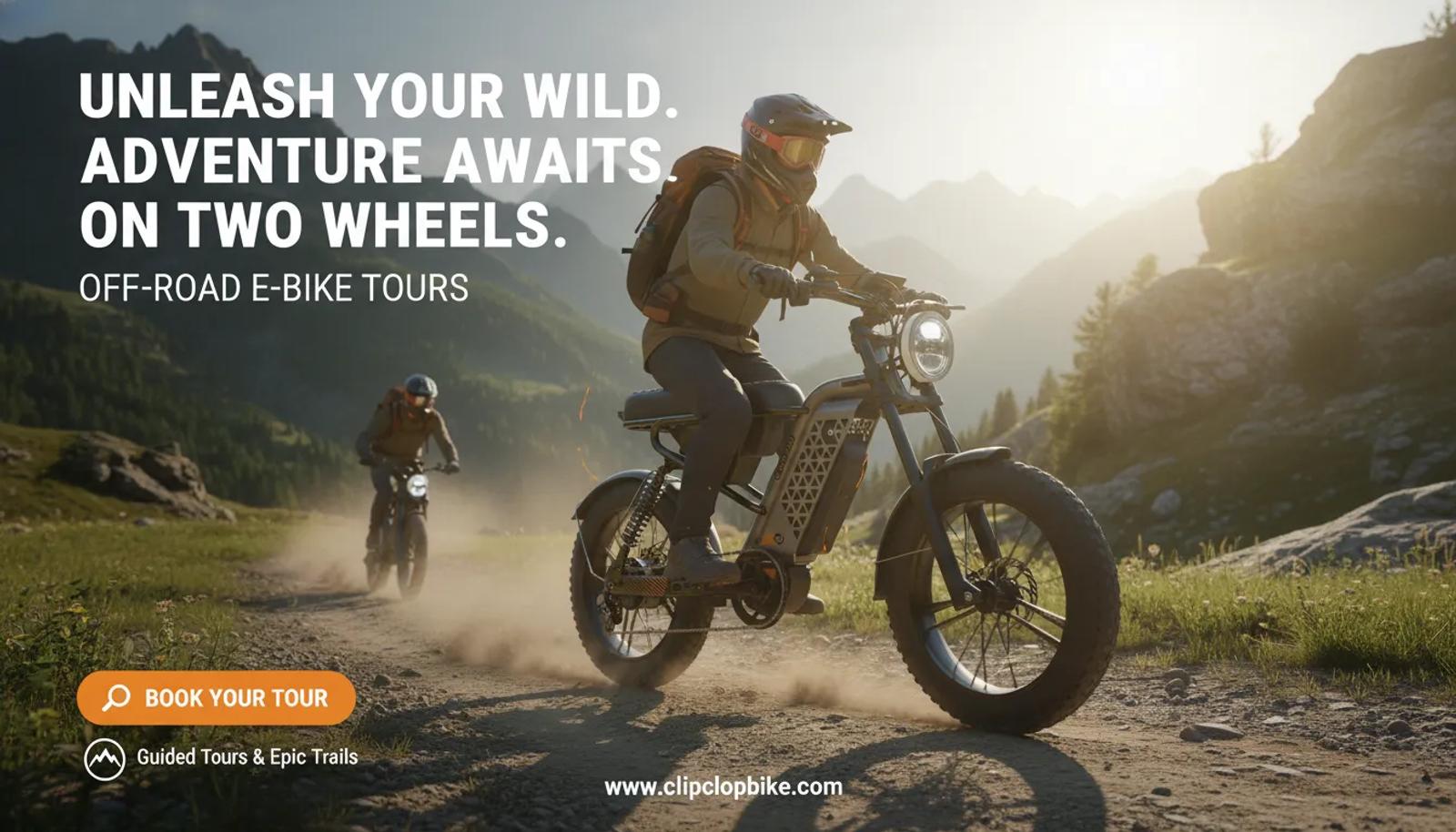
دراجات كهربائية للجولات والتأجير: متانة تجارية، شحن سريع وصيانة منخفضة
أطلق جولات E-Bike جبلية مربحة مع دليل B2B الكامل. تعرف على كيفية اختيار أسطول مغامرات E-Bike المناسب لأقصى عائد.
أطلق جولات E-Bike جبلية مربحة مع دليل B2B الكامل. تعرف على كيفية اختيار أسطول مغامرات E-Bike المناسب لأقصى عائد.
أنا ليو ليانغ من ClipClop.
يمكن للشركاء التجاريين فحص بنيتنا التحتية الصناعية عبر صفحة منشأة تصنيع الدراجات الكهربائية OEM/ODM، ومراجعة التكوينات القياسية عبر M20 Enduro eMTB & L1 Pro Dual-Suspension Platforms، أو طلب شروط تسليم الحاويات FOB مباشرة عبر بوابة طلب عروض الأسعار التجارية (الحد الأدنى 20 وحدة).
لقد كنت حرفيًا أعيش داخل عالم الدراجات الكهربائية للطرق الوعرة منذ سنوات الآن. ليس فقط في المصنع في قوانغتشو، بل خارجًا على المسارات، أختبر الأشياء وأكسرها ثم أصلحها مرة أخرى. من خلال العمل مع شركاء من جميع أنحاء العالم، أرى باستمرار التحول الكبير نفسه: لم يعد الأمر يتعلق فقط بالمكان الذي يركب فيه الناس، بل بكيفية ركوبهم.
وبصراحة، الدراجات الإلكترونية الجبلية في وسط ذلك التحول تمامًا. دراجات eMTB ليست مجرد ألعاب جديدة لامعة؛ إنها مثل المفتاح الرئيسي لمشغلي الجولات وأعمال التأجير. تصبح المزيد من المسارات ممكنة، ويمكن لمزيد من الناس الانضمام، وتصبح التجارب أكبر، لكنها تظل آمنة وقابلة للتحكم. وهذا يعني أيضًا مزيدًا من طرق الربح من نفس الجبل.
مع مرور الوقت، تحدثت مع الكثير من مشغلي الجولات ورؤساء التأجير ومديري المنتجعات - عادةً بعد يوم طويل عندما يكون الجميع متعبين لكنهم لا يزالون يتحدثون عن العمل. صداعهم متشابه جدًا: يحتاجون دراجات تصمد أمام الاستخدام اليومي الخشن، ولا تعيش في الورشة، ولا تزال تتيح لمبتدئ تام الاستمتاع بوقت رائع بجانب ذلك الراكب فائق اللياقة في المجموعة.
بمعنى آخر، أعمالك في الهواء الطلق تنجح أو تفشل بناءً على الأجهزة التي تضعها تحت عملائك. لذا فإن هذا المقال بالكامل هو وضع كل ما أعرفه في مكان واحد - نوع من المخطط العملي لبناء أسطول جولات أو تأجير eMTB الذي يربح المال فعلاً، وليس التوتر. أنا أتجاوز أوراق المواصفات الجميلة وأتحدث عن الأشياء المهمة يوم ثلاثاء في موسم الذروة: البطاريات، والسلامة، والصيانة، وجميع الأنظمة الصغيرة خلف الكواليس.
في ClipClop لا نرى أنفسنا حقًا "كمورد فحسب". أفضل التفكير فينا كفريق عملياتك الأكثر ميلاً للاهتمام الذي يصادف أنه يصنع دراجات كهربائية للطرق الوعرة. الهدف بسيط جدًا: الدراجات التي تشتريها يجب أن تتحول إلى أصولك الأكثر قيمة، وليس كومة من المشاكل. لذلك دعونا نمر معًا عبر القرارات الرئيسية.
لماذا تغير الدراجات الإلكترونية سياحة المغامرات بهذه السرعة
من وجهة نظري، الدراجة الإلكترونية للمغامرات ربما تكون أكبر تغيير في السياحة الخارجية في السنوات العشر الأخيرة. إنها تغير تمامًا من يمكنه الانضمام إلى ركوب جبلي. فجأة، الراكب القوي في العائلة لا يحتاج إلى الانتظار عند كل زاوية، والشخص الذي "لم يمارس الرياضة منذ زمن" لا يشعر بأنه يبطئ الجميع.
فكر في كل الناس الذين اعتادوا قول لا لركوب الجبال: العائلات ذات اللياقة المتباينة، المسافرون الأكبر سنًا الذين ما زالوا يريدون مشاركة شيء رائع مع أطفالهم، فرق المكاتب التي تريد نشاطًا ممتعًا لكن لا تريد سرًا المعاناة على المنحدرات. مع المساعدة بالدواسة، تتحول المنحدرات الكبيرة من "مستحيل" إلى "حسنًا، دعنا نجرب". كثير من مدوني السفر يقولون الشيء نفسه: اخفض الحاجز، ويحجز الناس فجأة.
من الجانب التجاري، هذا ذهب. عندما يستطيع المزيد من الناس إكمال المسار فعلاً، يمكنك إما تشغيل مجموعات أكثر في اليوم أو تمديد المسار ليكون أكثر إمتاعًا مناظر ولا يُنسى. كلا الاتجاهين يعني أنك تتقاضى مقابل قيمة أكثر. لقد رأيت مشغلين يوسعون خيارات جولاتهم فقط لأن الدراجات الإلكترونية جعلت الحلقات الأكثر قسوة واقعية للراكبين العاديين.
عامل المتعة في دراجات eMTB ضخم أيضًا. يعود الراكبون إلى القاعدة بوجوه متربة وابتسامات عملاقة، قائلين لبعضهم "لم أكن أعتقد أنني أستطيع تسلق ذلك المنحدر". تلك الذروة العاطفية تتحول إلى تقييمات من خمس نجوم، ومنشورات على إنستغرام، وتوصيات شفهية. أنت لم تعد تبيع ركوب دراجة - أنت تبيع قصة يريد الناس روايتها.
لكن هنا المشكلة: لا يمكنك فتح كل هذا بمجرد شراء بعض الدراجات الإلكترونية العشوائية من موقع. الأسطول التجاري ليس نفس عدد قليل من دراجات الهواية. هذه الدراجات أدوات عمل. يجب أن تكسب قوتها كل يوم. لذا فإن المتانة، وسهولة الخدمة، والتصميم الملائم للراكب مهمة أكثر بكثير من أجزاء السباقات خفيفة الوزن للغاية أو الهندسة المتقنة التي يلاحظها فقط الراكبون المتشددون.
دراجة الأسطل المخصصة للأغراض التجارية يجب أن تصمد أمام التأجير المستمر، والانهيار العرضي، وجميع أنواع الطقس، ولا تزال تشعر بالأمان والقابلية للتنبؤ للراكب التالي. هذا العقل - معاملة كل دراجة كأصل منتج للدخل - هو من أين يبدأ المشغلون الجادون.
تحميل كتالوج مصنع ClipClop لعام 2026 (PDF)
المواصفات الكاملة للدراجات الكهربائية، خيارات المحرك والبطارية، الحد الأدنى للطلب (MOQ) وتفاصيل تحميل الحاويات.
ما الذي يجعل دراجة مغامرات إلكترونية رائعة لأسطول تأجير؟
عندما تبني أسطول eMTB، أنت لا "تشتري دراجات" بمعنى المستهلك. أنت تختار أدوات ستحمل علامتك التجارية كل يوم. أهدافك الرئيسية بسيطة: يجب أن تكون متينة وموثوقة ورخيصة بما يكفي لتشغيلها بحيث ترى ربحًا في نهاية الموسم فعلاً.
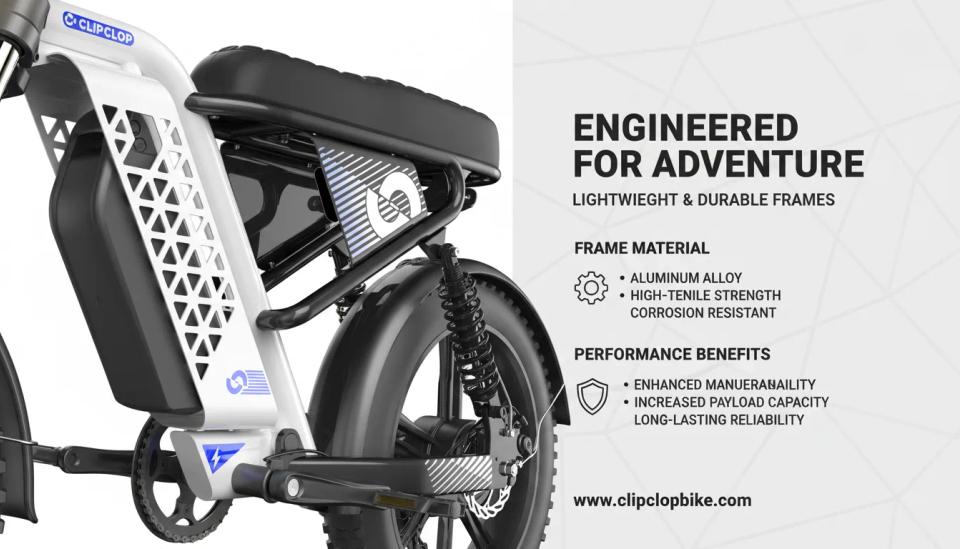
لذا فإن الخيار الكبير الأول هو الإطار. نحن نبني موديلاتنا التي تركز على الأسطول حول إطار من سبائك الألومنيوم 6061. هناك سبب يجعل الكثير من العلامات التجارية الجادة تتمسك بهذه المادة. إنها قوية بما يكفي للتعامل مع الاستخدام الثقيل، ولها مقاومة تآكل ممتازة للبيئات الرطبة والممطرة والساحلية، وتكلفة فعالة بما يكفي لأن تنمية أسطولك لا تكسر ميزانيتك.
في الحياة الحقيقية، هذا يعني قلقًا أقل بشأن الإطارات التي تتعب أو تصدأ بعد بضع مواسم. الكثير من أصحاب المتاجر الذين أتحدث معهم يقولون الشيء نفسه: يفضلون إطار "حصان العمل" الذي يمكنهم الوثوق به على واحد غريب يوفر بضعة جرامات لكنه يعطيهم قلقًا في كل مرة يميل فيها مبتدئ الدراجة.
ثم نصل إلى قلب الدراجة: المحرك. هناك نقاش لا ينتهي على الإنترنت - محرك العجلة مقابل المحرك المركزي، كم واط، كم عزم. بالنسبة لمعظم عمليات الجولات والتأجير التي تتعامل مع تضاريس مختلطة وقدرات راكبين مختلطة، محرك العجلة القوي والمتنين خيار ذكي جدًا.
في موديلاتنا الرئيسية نستخدم محرك عجلة بدون فرش بقدرة 48 فولت 750 واط ينتج حوالي 70 نيوتن متر من العزم. ببساطة، هذا قوة كافية لدفع الراكبين على منحدرات شديدة بدون دراما، لكن النظام يظل ميكانيكيًا بسيطًا. لا تحتاج إلى خدمة معقدة للغاية مثل بعض المحركات المركزية الراقية، وهذا ربح ضخم عندما تكون ورشتك مشغولة بالفعل.
كثير من أصحاب الأساطيل الذين أعرفهم يريدون فقط محركات "تستمر في السحب ولا تشتكي". هذا الإعداد يفعل ذلك. إنه يعطي الراكبين ذلك الشعور بالخارق عندما يتسلقون، خاصة أولئك الذين عادةً يكرهون التلال. إذا شعر أضعف راكبك بالقوة والتحكم، فإن ديناميكية مجموعتك بأكملها تتحسن.
الشيء التالي الذي أنظر إليه دائمًا هو الاستقرار والثقة. لهذا السبب نحدد إطارات الدهون 20" × 4.0" في كثير من موديلات الأسطول. هذه الإطارات الواسعة تخلق رقعة تلامس كبيرة على الأرض، مما يعني مزيدًا من الجر ومزيدًا من التسامح على الأتربة الرخوة أو الرمل أو الحصى أو حتى الثلج الخفيف.
بالنسبة للراكبين الجدد، إطارات الدهون هذه مثل بطانية الأمان. تتدحرج فوق الجذور والصخور الصغيرة بسلاسة أكثر، وتهدئ من التعامل مع الدراجة. مع إعداد تعليق متين، تبدو الرحلة أقل عصبية، أكثر مثل "طفو فوق المطبات" بدلاً من "قتال مع المسار". بعض المؤثرين الذين يختبرون أساطيل التأجير يقولون ذلك دائمًا: إذا شعرت الدراجة بالاستقرار، يسترخي الناس ويستمتعون بالمنظر.
أسطول eMTB التجاري: تحليل المواصفات والأثر التجاري
| المكون / الميزة | المواصفة الموصى بها (معيار ClipClop) | لماذا يهم لعملية B2B الخاصة بك (الأثر التجاري) |
| مادة الإطار | إطار من سبائك الألومنيوم 6061 | متانة عالية وطول عمر: يتحمل سوء الاستخدام اليومي للتأجير. توسعة فعالة من حيث التكلفة: يسمح بتوسيع الأسطول بأسعار معقولة. مقاومة التآكل: يقلل الصيانة في المناخات المتنوعة. |
| نظام المحرك | محرك بدون فرش بقدرة 48 فولت 750 واط مع عزم 70 نيوتن متر | تسلق التلال بسهولة: يضمن تجارب عملاء إيجابية على أي تضاريس. موثوقية عالية: يقلل الأعطال الميكانيكية ووقت التعطل. جاذبية واسعة: قوة يمكن الوصول إليها لجميع مستويات اللياقة. |
| نظام البطارية | بطارية ليثيوم 48 فولت 15 أمبير ساعة (مدى 30-60 كم) | مدى جولة كافٍ: يكمل معظم مسارات الجولات بشحنة واحدة. يمكن لوجستيات فعالة: أساس لنظام تبديل البطاريات المربح، مما يزيد الإيرادات اليومية. |
| نظام الفرامل | فرامل قرصية هيدروليكية | سلامة الراكب القصوى: قوة توقف فائقة في جميع ظروف الطقس. تقليل المسؤولية: يخفض المخاطر التشغيلية. زيادة ثقة الراكب: يشعر العملاء بمزيد من الأمان والتحكم. |
| الإطارات | إطارات دهون 20" × 4.0 | أقصى استقرار: يعزز ثقة الراكبين المبتدئين. قدرة على جميع التضاريس: يزيد تنوع الجولات التي يمكنك تقديمها. راحة محسنة: ينعم المسارات الوعرة، مما يحسن تجربة الركوب. |
| نظام نقل الحركة | Shimano 7 سرعات | موثوقية مثبتة: نظام حصان عمل يقلل المشكلات على المسار. توفر الأجزاء عالميًا: يبسط الصيانة والإصلاحات، مما يقلل وقت التعطل. تكلفة ملكية منخفضة. |
| سعة التحميل | أقصى تحميل 160 كجم / 350 رطل | يلبي جمهورًا أوسع: يستوعب المزيد من العملاء المحتملين. يقلل الإيرادات المفقودة: يقلل الحاجة إلى رفض العملاء بسبب قيود الوزن. |
حل معادلة القوة والمدى بشكل صحيح
إذا كنت تشغل جولات دراجات إلكترونية جبلية، تصبح إدارة البطارية بسرعة لغز الخدمات اللوجستية الرئيسي. نفاد الطاقة في منتصف جولة؟ هذا ليس مجرد إحراج؛ إنه كارثة كاملة لثقة العميل وسلامته. لذلك يجب بناء العملية بأكملها حول طاقة مستقرة وقابلة للتنبؤ.
بالنسبة لمعظم الإعدادات التجارية التي رأيتها، تعد بطارية ليثيوم 48 فولت 15 أمبير ساعة أساسًا متينًا جدًا. في الاستخدام الحقيقي، هذا عادةً يعطي حوالي 30-60 كم من المدى لكل شحنة. هذا أكثر من كافٍ لجولات نصف يوم مع هامش مريح، حتى لو استخدم الراكبون مستويات مساعدة أعلى أو كان المسار يحتوي على بعض المنحدرات الصعبة.
لكن هنا شيء يقلل كثير من المشغلين الجدد من تقديره: امتلاك بطارية كبيرة هو نصف القصة فقط. اللعبة الحقيقية هي كيف تنظم الشحن والتبديل. إذا كانت دراجاتك عالقة على الشواحن لخمس ساعات في منتصف اليوم، فأنت حرفيًا تشاهد المال ينام.
ما أوصي به عادةً - ويوافق عليه كثير من المشغلين ذوي الخبرة - هو الاحتفاظ ببطارية احتياطية واحدة على الأقل لكل دراجتين. لذا إذا كان لديك عشر دراجات إلكترونية، فأنت تهدف إلى خمس بطاريات إضافية على الأقل جاهزة على رف الشحن.
التدفق يبدو هكذا: تعود الجولة، يبدل المرشدون البطاريات المنخفضة بأخرى مشحونة بالكامل، والدراجات تصبح جاهزة فورًا للمجموعة التالية. تذهب البطاريات المستخدمة إلى محطة شحن واضحة التسمية. إذا تم بشكل صحيح، هذا النظام يتيح لك تشغيل جولات متتالية والضغط على إيرادات أكثر بكثير من كل دراجة في يوم واحد.
لجعل هذا سلسًا حقًا، تحتاج إلى قليل من الانضباط. درب المرشدين على مراقبة مستويات البطارية أثناء الركوب، واقترح أوضاع مساعدة أقل على الأقسام المسطحة أو السهلة، وتحدث إلى المجموعة عن توفير الطاقة بطريقة ودية. فكر في الأمر كجزء من سرد القصة، وليس قاعدة مملة.
أيضًا، قم بإعداد منطقة الشحن الخاصة بك كمكتب "بطارية" مصغر: رفوف منظمة، تسميات واضحة، تهوية مناسبة، وممارسات آمنة من الحريق. بعض المشغلين يسجلون حتى دورات وصحة كل بطارية حتى يتمكنوا من التخطيط للاستبدالات مبكرًا بدلاً من المفاجأة في منتصف الموسم. معاملة البطاريات كأصول أساسية قابلة للتبديل هو ما يفصل الإعداد العادي عن عملية جولات احترافية.
تعليق يصمد موسمًا كاملاً من راكبين مختلفي القدرة
إذا أنهيت يومًا ما ركوبًا طويلاً وعنيفًا على دراجة معدة بشكل سيئ، فأنت تعرف مدى أهمية التعليق. بالنسبة لأساطيل التأجير، يجب أن يقوم التعليق بشيئين في نفس الوقت: جعل الركوب يشعر بالراحة والتحكم، ولا ينهار بعد بضعة أشهر من سوء الاستخدام.
صدامات الهواء المتطورة ذات التعديلات الكثيرة رائعة للدراجات الشخصية، لكن في سياق التأجير يمكن أن تكون مبالغة وهشة بعض الشيء. لأساطيل B2B، أميل عادةً إلى شوكات الملف المتينة أو شوكات أبسط بنابض هوائي أسهل في الخدمة وأكثر تسامحًا إذا نسي شخص ما ضبطها تمامًا.
الهدف واضح: يجب أن يمتص التعليق الضربات الصغيرة والثرثرة حتى لا يتعرض الراكبون للضرب ويفقدون الثقة. عندما تشعر الدراجة بالثبات وليس التوتر، يسترخي الناس أكتافهم، وينظرون إلى الأمام، ويستمتعون فعليًا بالمسار. بعض يوتيوبرز جولات الدراجات يذكرون المشغلين دائمًا: "إذا كانت أيدي عملائك تؤلمهم في منتصف الطريق، فلن يعودوا".
عادة صغيرة واحدة تصنع فرقًا كبيرًا هي فحص وضبط ترهل التعليق تقريبًا قبل كل جولة. لا يجب أن يكون مشروع علم. مجرد اختبار ارتداد سريع وضبط بسيط يساعد الدراجة على الجلوس في الجزء الصحيح من سفرها لوزن كل راكب.
هذه الخطوة الصغيرة تحسن الجر، وتحافظ على التصاق العجلات بالأرض، وتقلل تلك اللحظات المقلقة حيث تشعر الدراجة وكأنها تريد الانزلاق بعيدًا. أقول دائمًا للمرشدين: استخدموا وقت الإعداد للدردشة مع الراكبين، وشرح ما تفعلونه، وبناء الثقة.
اختيار مكونات التعليق من علامات تجارية معروفة وموثوقة ميزة كبيرة أخرى. الوحدات المختومة عالية الجودة قد تكلف أكثر قليلاً مقدمًا، لكنها توفر عليك من وقت التعطل المستمر والأعطال المفاجئة. دراجة عالقة في الورشة بصدمات منفجرة لا تجني لك أي مال.
لذا بالنسبة لي، الاستثمار في تعليق متين ليس "ترقية لطيفة"؛ إنه جزء أساسي من إبقاء أسطولك يتحرك ومراجعاتك إيجابية.
أساسيات السلامة والقانون التي لا يمكنك تجاهلها
في سياحة المغامرات، السلامة ليست شعار تسويقي - إنها الشيء الذي يستند إليه عملك بأكمله. حادث خطير واحد يمكن أن يلغي سنوات من العمل الجيد. لذلك أبدأ دائمًا بالفرامل.
على موديلاتنا للطرق الوعرة نصر على فرامل القرص الهيدروليكية. مقارنة بالأنظمة الميكانيكية، الهيدروليكيات تمنحك قوة توقف أقوى، وتحكمًا أكثر سلاسة، وأداء أكثر اتساقًا بكثير في الغبار والمطر والطين - أيًا كان ما يلقيه المسار عليك. للانحدارات الشديدة، هذا التحكم الإضافي غير قابل للتفاوض.
لكن الأجهزة الجيدة وحدها لا تصنع جولة آمنة. عاداتك في التشغيل مهمة بنفس القدر. يجب أن تبدأ كل جولة بإيجاز سلامة حقيقي، وليس مجرد لحظة "وقّع هنا" سريعة. يجب أن يوضح المرشدون للراكبين مستويات المساعدة، وكيف يتصرف المحرك، وكيف يبدلون مع Shimano 7 سرعات، والأهم من ذلك، كيف يفرملون بشكل صحيح.
أحب أن أرى المرشدين يشرحون آداب المسار الأساسية أيضًا: كيفية التباعد في المجموعة، وكيفية المناداة بالعوائق، وكيفية تجاوز المتنزهين بأدب. بعض قادة الجولات ذوي الخبرة يقومون حتى بحلقة تدريب صغيرة بالقرب من القاعدة حتى يشعر الراكبون بالدراجة في بيئة منخفضة الضغط قبل الالتزام بالمسار الرئيسي.
بالإضافة إلى ذلك، يجب أن تفهم تمامًا قواعدك المحلية. المناطق والمتنزهات المختلفة تعامل الدراجات الإلكترونية بشكل مختلف، غالبًا بناءً على واط المحرك وفئة الدراجة الإلكترونية (الفئة 1 أو 2 أو 3). ركوب فئة خاطئة من الدراجة الإلكترونية على مسار محظور يمكن أن يعني غرامات، ومديري أرض غاضبين، أو حتى فقدان تصريحك.
الحركة الذكية هي التحدث مع السلطات المحلية وجمعيات المسار مبكرًا. اطرح الأسئلة، وأظهر لهم مواصفات أسطولك، وكن شفافًا. بهذه الطريقة تضع عملك كشريك محترم، وليس شخصًا يحاول التحايل على القواعد. كثير من مديري الأراضي منفتحون أكثر على الدراجات الإلكترونية عندما يرون المشغلين يتحملون المسؤولية.
جعل إدارة الأسطول والصيانة أقل إيلامًا
إذا كان هناك شيء واحد يريده كل مشغل تأجير، فهو هذا: مزيد من الوقت مع الدراجات على المسار ووقت أقل مع الدراجات مقلوبة في الورشة. لذا تبدأ إدارة الأسطول الذكية في مرحلة الشراء.
اختر دراجات مبنية بأجزاء قياسية ومتوفرة على نطاق واسع. على سبيل المثال، نظام نقل الحركة Shimano 7 سرعات بسيط ومتين وسهل الحصول على أجزاء له في أي مكان في العالم تقريبًا. لا تريد أن تكون عالقًا في منتصف الموسم في انتظار أسابيع لبعض المكونات الملكية الغريبة التي يبيعها مورد واحد فقط.
ثم ابني روتين صيانة والتزم به. لا تلمس الدراجة فقط عندما يكون شيء ما مكسورًا بشكل واضح. يمكن أن تكون الفحوصات اليومية سريعة: ضغط الإطارات، الفرامل، تشحيم السلسلة، البراغي. الفحص الأسبوعي يمكن أن يكون أعمق - تآكل القطع، تمدد نظام نقل الحركة، عمل التعليق، أي أصوات غير عادية.
كثير من المشغلين الجيدين يحتفظون بسجل أو سجل رقمي لكل دراجة. يبدو مملًا، لكنه مفيد جدًا. يمكنك رؤية متى تم تغيير السلسلة آخر مرة، وأي دراجة تحتاج دائمًا إلى اهتمام إضافي، ومتى يحين وقت طلب الأجزاء قبل أن تفشل. إصلاح المشكلات الصغيرة مبكرًا أرخص بكثير من إنقاذ دراجة مكسورة في منتصف الطريق أعلى الجبل.
خدعة أخرى لتسهيل حياتك هي اختيار دراجات تناسب نطاقًا واسعًا من الراكبين. أقصى حمل مرتفع، مثل 160 كجم / 350 رطلًا، يعني أنك نادرًا ما تضطر إلى قول "آسف، ليس لدينا دراجة لك". هذا مهم، سواء للإيرادات أو لجعل الناس يشعرون بالترحيب.
القابلية للتعديل السريع مهمة أيضًا. إذا كنت تستطيع تعديل ارتفاع السرج ووضعية المقبض بسرعة، يمكنك تجهيز مجموعة كاملة والبدء في التحرك دون إضاعة نصف ساعة. بعض صانعي المحتوى الذين يراجعون إعدادات الجولات يشيرون دائمًا إلى نفس الشيء: بداية سلسة تحدد نغمة الركوب بأكمله.
باختصار، الدراجات السهلة الاستخدام وسهلة الخدمة، بالإضافة إلى روتين صيانة بسيط لكنه متسق، يزيلان الكثير من التوتر من إدارة الأسطول.
ما الذي يبدو عليه "حل مشغل الجولات" الحقيقي
امتلاك مجموعة من الدراجات الجيدة رائع، لكنه ليس القصة كاملة. يعني حل مشغل الجولات الحقيقي أن المورد الخاص بك يعمل كشريك أكثر من كونه شاحن صندوق.
بالنسبة لي، يشمل ذلك الدعم الفني طويل الأجل، والإمداد الموثوق بقطع الغيار، والمشورة الصادقة بناءً على ما نراه حول العالم. أفضل أن أناقش خطط المسار وأحجام المجموعات والمناخ، ثم أقترح الإعداد المناسب، بدلاً من دفع الموديل الأغلى فقط.
على جانب الأجهزة، دراجة الأسطول المثالية متوازنة: جذابة بما يكفي ليشعر العملاء بالإثارة عندما يرونها، لكنها مبنية بشكل زائد في الأماكن الصحيحة لتظل في الخدمة. مجموعة إضاءة متكاملة - المصباح الأمامي، وإشارات الذيل الخلفية، وعاكسات العجلات - مثال جيد. لا تبدو لطيفة فحسب؛ إنها تتيح لك تقديم رحلات شروق الشمس أو غروبها بأمان والامتثال للقواعد المحلية.
شاشة واضحة وبسيطة للأوضاع الكهربائية ومستويات PAS هي تفصيل صغير لكنه قوي آخر. إذا كان بإمكان الراكبين فهم الواجهة في عشر ثوان، يقضون وقتًا أقل في طرح الأسئلة والمزيد من الوقت في الركوب فعلاً. كثير من مدونات فيديو السفر يتحدثون عن هذا: الضوابط المربكة تقتل الجو.
بالنسبة لنا في ClipClop، يعني الحل الكامل أننا نفكر في دورة عملك بأكملها: من تخطيط الأسطول الأول، عبر موسم الذروة، إلى الصيانة خارج الموسم. نريدك أن تشعر أنه يمكنك مراسلتنا حول أي شيء - من "أي قطع غيار يجب أن أخزنها؟" إلى "هل يمكن لهذا المسار العمل ببطارياتنا الحالية؟"
راحة البال هذه جزء من المنتج، حتى لو لم تظهر كبند في الفاتورة.
قياس وتنمية عائد الاستثمار الخاص بك
في نهاية اليوم، كل مشغل أتحدث معه يعود إلى نفس السؤال: "هل هذا الأسطول يجلب لنا المال فعلاً؟" عائد الاستثمار ليس فقط عن مدى رخص أو غلاء الدراجات في البداية؛ بل عن مدى كفاءة عملها لك بمرور الوقت.
الاستخدام المرتفع هو الرافعة الكبيرة الأولى. أسطول مبني على إطارات ألومنيوم 6061 متينة ومحركات بدون فرش 48 فولت 750 واط موثوقة يمكنه تشغيل المزيد من الجولات مع وقت تعطل أقل. اجمع ذلك مع نظام تبديل بطاريات ذكي وفجأة لديك دراجات تقوم برحلات متعددة مربحة في اليوم بدلاً من رحلة واحدة فقط.
الرافعة الثانية هي التكلفة التشغيلية. اختيار أجزاء مثبتة مثل فرامل القرص الهيدروليكية ونظام نقل الحركة Shimano 7 سرعات يحافظ على تكاليف الصيانة طويلة الأجل في حدود المعقول. المكونات "السباقية" خفيفة الوزن قد تبدو أنيقة في الصور، لكن في استخدام التأجير يمكن أن تكون هشة ومكلفة لإبقائها حية.
الصيانة الاستباقية تلعب أيضًا دورًا مباشرًا في عائد الاستثمار. إذا استبدلت السلاسل والقطع الصغيرة ومواد التآكل حسب الجدول، تتجنب الأعطال الكبيرة التي تأكل أيامًا كاملة من الإيرادات وتصعّب موظفيك. دراجة جيدة الصيانة تشعر بالسلاسة والهدوء، يلاحظها العملاء - حتى لو لم يعرفوا بالضبط لماذا أعجبتهم تلك الدراجة أكثر.
وأخيرًا، هناك تجربة العميل. محرك قوي يحول المنحدرات الشديدة إلى شيء ممتع بدلاً من مخيف، إطارات دهون 20" × 4.0" مستقرة تجعل الناس يشعرون بالأمان، وإعداد تعليق مريح - كل ذلك يظهر لاحقًا كمراجعات وإحالات وحجوزات متكررة.
ببساطة: دراجات أفضل وأنظمة أفضل تقود قصصًا أفضل. القصص الأفضل تقود أعمالًا أكثر. هذا محرك عائد الاستثمار الخاص بك.
الخاتمة
سياحة المغامرات للطرق الوعرة تنمو بسرعة، والدراجات الإلكترونية الجبلية في مركز ذلك النمو تمامًا. إذا كنت تفكر في دخول هذا الفضاء - أو توسيع ما لديك بالفعل - فإن أذكى خطوة هي اتخاذ قرارات جيدة في البداية جدًا، بدءًا من أسطولك.
إذا كنت تريد الدردشة حول الدراجات الإلكترونية التي تناسب تضاريسك، وكيفية تكوين البطاريات لطول جولتك، أو نوع الإعداد المخصص الذي قد يناسب سوقك، يسعدني دائمًا التحدث. هذا حرفيًا ما نفعله كل يوم.
نحن ClipClop، نركز على تصميم وتصنيع وتصدير الدراجات الكهربائية للطرق الوعرة. بالنسبة للوكلاء وتجار الجملة وشركاء العلامات التجارية، نحاول جعل الأمور بسيطة: مكان واحد لأجهزة متينة، ودعم فني، وحلول جاهزة للمسارات.
إذا كنت مستعدًا لبناء أو ترقية أعمال مغامرات eMTB الخاصة بك، فلنكتشف ذلك معًا.
الأسئلة الشائعة (FAQ)
س1: ما هي قوة المحرك المثالية لأسطول جولات الدراجات الإلكترونية الجبلية؟
لأسطول جولات متعدد الاستخدامات يلبي نطاقًا واسعًا من مستويات لياقة الراكبين وتضاريس متنوعة، محرك في فئة 750 واط مع عزم جيد (حوالي 70 نيوتن متر أو أكثر) خيار ممتاز. يوفر طاقة كافية للمنحدرات الصعبة دون أن يكون مخيفًا للمبتدئين، مقدمًا توازنًا مثاليًا بين الأداء وإمكانية الوصول.
س2: كم عدد البطاريات الاحتياطية التي نحتاجها فعلاً لعملية تأجير eMTB الخاصة بنا؟
قاعدة جيدة الإبهام لـ لوجستيات تبديل البطاريات الفعالة هي امتلاك بطارية احتياطية واحدة مشحونة بالكامل لكل دراجتين في أسطولك النشط. هذا يتيح لك تشغيل جولة صباحية، وتبديل البطاريات فورًا لجولة بعد الظهر، ويكون المجموعة الأولى من البطاريات تشحن وجاهزة لليوم التالي، مما يزيد وقت تشغيل أسطولك.
س3: هل يمكن لموديل دراجة واحد، مثل واحدة بإطارات دهون 20"، أن يلبي حقًا كلاً من المبتدئين والراكبين الأكثر خبرة؟
بالتأكيد. المفتاح هو التنوع. الدراجة ذات إطار من سبائك الألومنيوم 6061 المتين، والمحرك القوي، وإطارات الدهون 20"4.0 التي تمنح الثقة تعمل كمنصة ممتازة. بالنسبة للمبتدئين، الاستقرار والقوة توفر دفعة ثقة كبيرة. بالنسبة للراكبين الأكثر خبرة، المتعة الخالصة وقدرة دراجة الدهون الإلكترونية على الرمل أو الحصى أو المسارات التقنية تقدم تجربة فريدة وممتعة، مما يجعلها خيارًا رائعًا لمجموعة ذات قدرات مختلطة.
س4: ما هي أهم نقاط الصيانة التي يجب فحصها يوميًا على دراجة مغامرات تأجير إلكترونية؟
الفحوصات اليومية حاسمة للسلامة وطول العمر. قبل كل ركوب، يجب على موظفيك إجراء فحص "ما قبل الإقلاع" بما في ذلك: 1) ضغط الإطارات، 2) وظيفة الفرامل (التأكد من ثبات شعاع الذراع وقوة التوقف)، 3) مسحة سريعة وتشحيم للسلسلة، و4) فحص بصري لأي براغي أو مكونات فضفاضة. هذا الفحص البسيط الذي يستغرق خمس دقائق يمكن أن يمنع الغالبية العظمى من المشكلات الميكانيكية على المسار.
المراجع:
- PeopleForBikes - "قوانين الدراجة الإلكترونية: دليل ولاية بولاية" - مورد شامل لفهم المشهد القانوني المعقد لاستخدام الدراجة الإلكترونية في الولايات المتحدة.
- BikeRadar - "محرك العجلة مقابل المحرك المركزي: أيهما أفضل لدراجتك الإلكترونية؟" - مقارنة تقنية تقدم رؤى قيمة حول إيجابيات وسلبيات تقنيات المحرك المختلفة.
- Singletracks.com - "كيفية بدء أعمال تأجير دراجات الجبال" - مقال موجه للصناعة يقدم نصائح عملية حول الجوانب التشغيلية لتشغيل خدمة تأجير الدراجات.
معايير التصنيع وجودة البناء في مصنع ClipClop
Explore our rugged all-terrain and trail platforms: ClipClop M26 Mountain E-Bike, the versatile ClipClop Model M20F Folding Fat-Tire, and ClipClop L1 High-Power Commuter, backed by direct factory wholesale pricing and comprehensive warranty support.
المشتريات التجارية وتوريد الأساطيل مع ClipClop
يتطلب نشر أساطيل الدراجات الكهربائية أو توزيع دراجات العلامات التجارية الخاصة شريك تصنيع موثوقًا قادرًا على توفير إنتاج متسق بمستوى الحاويات، ومحاذاة الهياكل الملحومة بالروبوت، ومراقبة صارمة لجودة الدفعات. من مصنعنا الذي يمتد على مساحة 25,000 متر مربع في تشينغيوان، غوانغدونغ، تقدم ClipClop خدمات تصنيع الدراجات الكهربائية OEM/ODM بحد أدنى للطلب يبلغ 20 وحدة فقط لكل منتج. يتضمن كل طلب حاوية تخصيصًا مخصصًا لقطع الغيار (2% قطع غيار مجانية لدعم الضمان)، ووثائق الامتثال الدولية الكاملة (EN 15194, UL 2849, UN38.3)، وإرسال العينات في غضون 15 يومًا.
هل أنت مستعد لتقييم عينات هندسية لمنصات M20 Enduro eMTB & L1 Pro Dual-Suspension Platforms أو طلب حقوق توزيع حصرية لمنطقتك؟ تواصل مع الفريق الهندسي في ClipClop عبر بوابة عروض الأسعار التجارية B2B لتلقي تسعير مفصل للحاويات والجدول الزمني للإنتاج.
تحميل كتالوج مصنع ClipClop لعام 2026 (PDF)
المواصفات الكاملة للدراجات الكهربائية، خيارات المحرك والبطارية، الحد الأدنى للطلب (MOQ) وتفاصيل تحميل الحاويات.
المزيد من الملاحظات الميدانية لـ OEM.
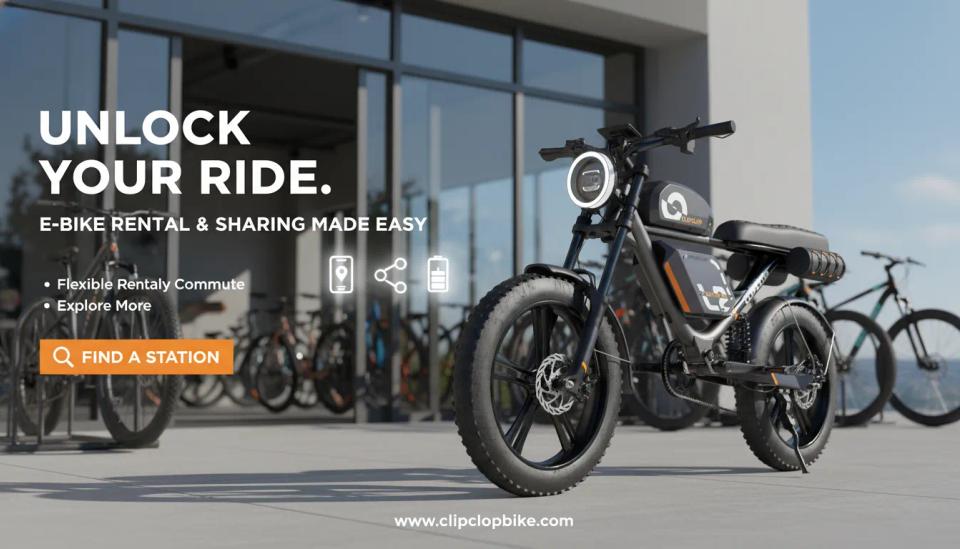
توريد أساطيل تأجير ومشاركة الدراجات الكهربائية: أجهزة IoT وحساب TCO
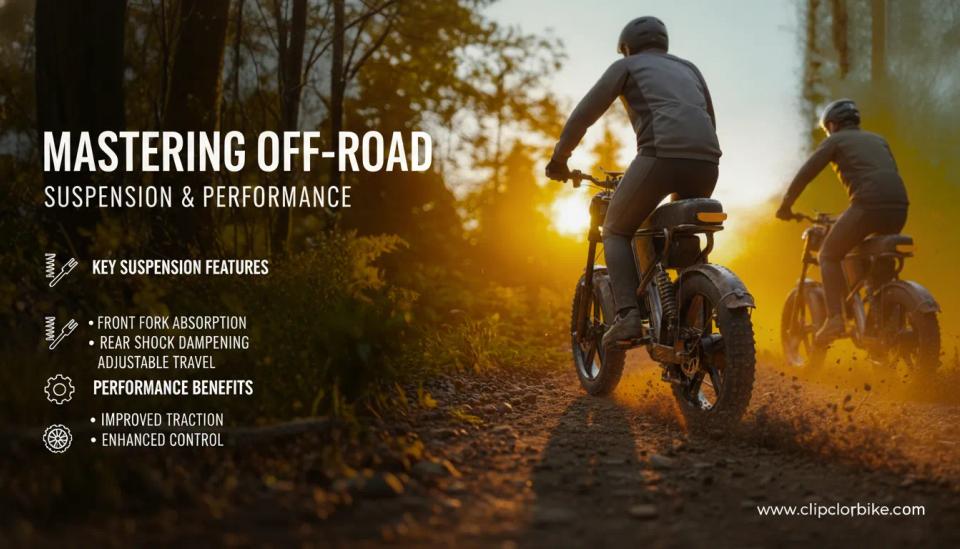
أنظمة التعليق في E-Bike للطرق الوعرة: ما يجعلها رائعة لـ B2B
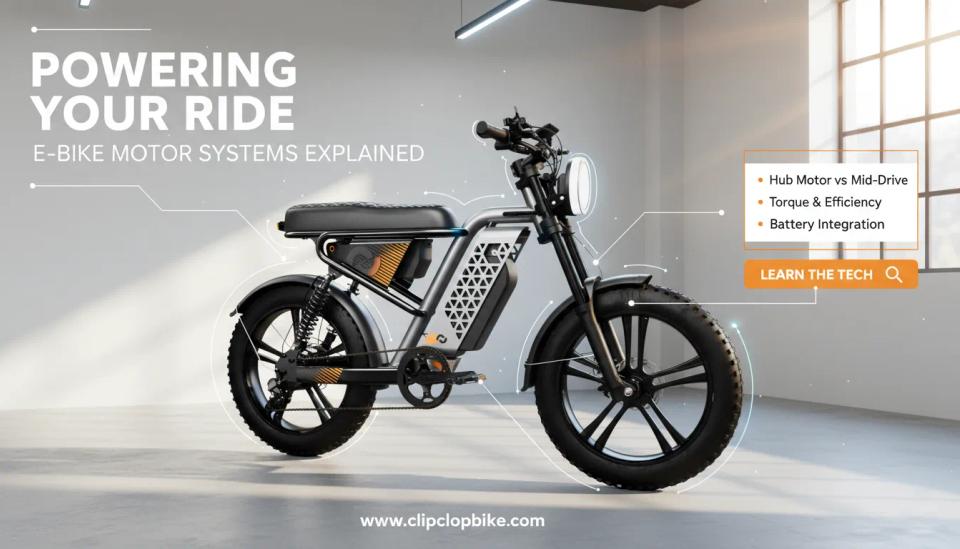
هندسة إلكترونيات الدراجات الكهربائية: بروتوكول CAN-Bus، حساسات العزم والحماية الحرارية
تحليل العناصر المحدودة (FEA) في تصميم هياكل الدراجات: محاكاة 100,000 دورة ISO 4210
أرسل موجزك. سنرد بتقرير فني ميداني.
يتضمن الرد تقييم الجدوى وتكلفة العينة والحد الأدنى للطلب (MOQ) والخطوة التالية لمشروعك. نهدف للرد خلال 48 ساعة.