
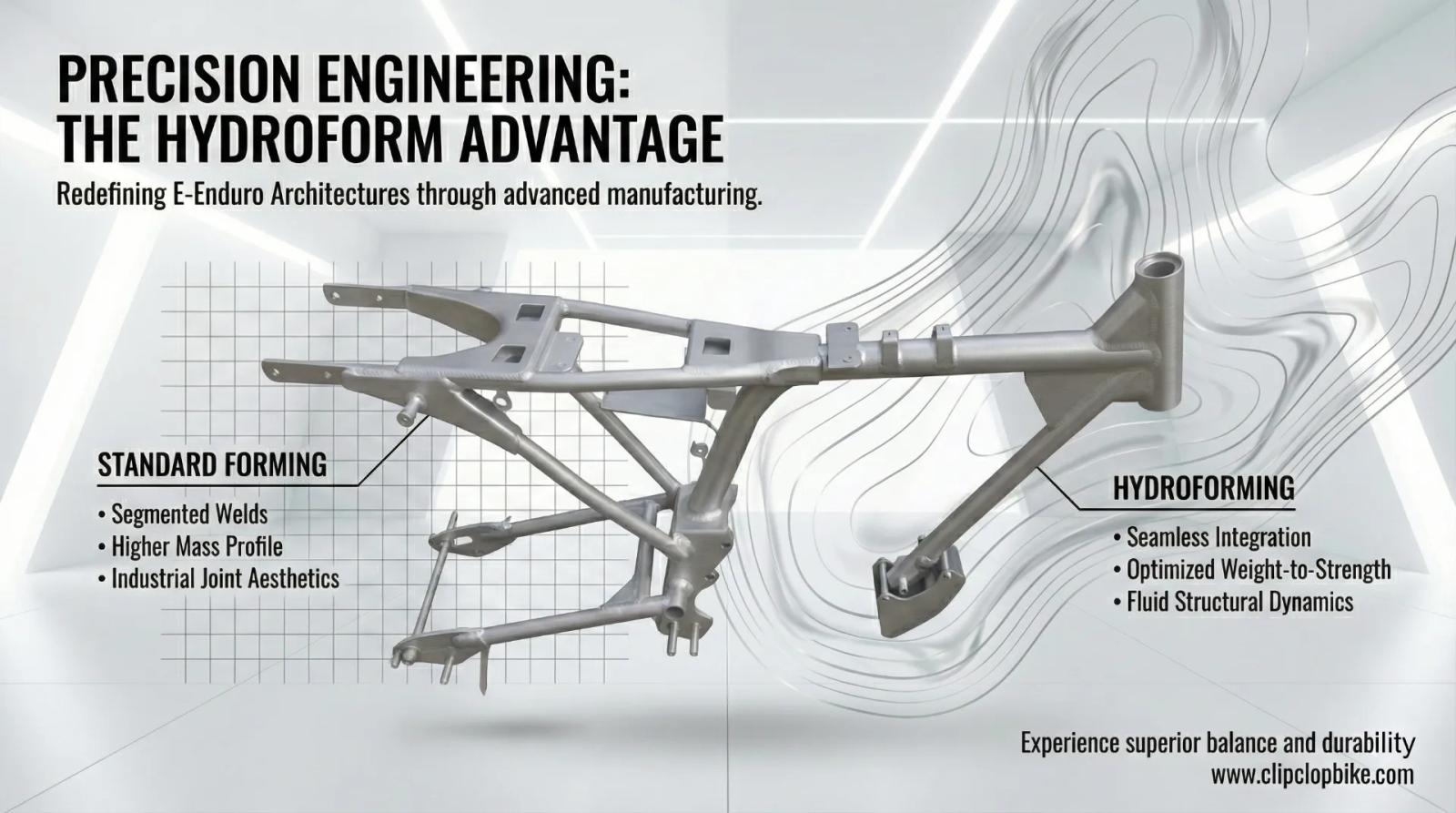
استراتيجية الشراء: التشكيل المائي مقابل التشكيل التقليدي
اختر إطارات E-Bike مكوّنة بالتشكيل المائي لتعزيز قيمة العلامة التجارية. استكشف سبائك 6061 وتوفير الوزن والقوة الهيكلية لنجاح B2B.
اختر إطارات E-Bike مكوّنة بالتشكيل المائي لتعزيز قيمة العلامة التجارية. استكشف سبائك 6061 وتوفير الوزن والقوة الهيكلية لنجاح B2B.
ملاحظات الشراء السريع (كيف اختارها في الواقع)
يمكن للشركاء التجاريين فحص بنيتنا التحتية الصناعية عبر صفحة منشأة تصنيع الدراجات الكهربائية OEM/ODM، ومراجعة التكوينات القياسية عبر CS01 Fat Tire & CS04 Commercial Utility Platforms، أو طلب شروط تسليم الحاويات FOB مباشرة عبر بوابة طلب عروض الأسعار التجارية (الحد الأدنى 20 وحدة).
إذا كنت أشتري لخط سيارات كهربائية متميزة موجهة إلى الولايات المتحدة أو أوروبا، فأعتمد عادةً على التشكيل بالهيدروفورمينغ. الهيكل يبدو أكثر نظافة، ويدعم البطاريات المدمجة وتوجيه الكابلات الداخلية، وتلك “الموود” الحديثة تساعد في تحديد السعر. الناس يشتري بالعين أولاً. مزعج، لكنه صحيح.
إذا كنت أشتري للمخازن الوظيفية أو المشيئين المبتدئين أو السيارات الحضارية ذات الميزانيات الضيقة، فأعتمد على التشكيل التقليدي (أنابيب دائرية/مستطيلية). إنه أبسط وأسهل في الصيانة، وغالباً ما يأتي مع أوقات إنتاج أسرع. لا مشاكل.
بالنسبة للمشاريع الخارجية عالية الأداء - مثل ClipClop L1 بالخرسانة 6061 والمناطق المهيدرفورمة - لا أحب أن أتخذ مخاطر. محركات عالية القوة 750 واط أو 1000 واط تدور الهيكل. التشكيل بالهيدروفورمينغ يساعد على الحفاظ على الثبات دون تحويل الدراجة إلى خزان مقوى.
لماذا يحدد التشكيل بالهيدروفورمينغ مظهر الدراجة الكهربائية الحديثة
عندما يدخل أحد المتاجر، يلاحظ تدفق الهيكل قبل أن يلاحظ مواصفات المحرك. التشكيل التقليدي محصور: انحناءات بسيطة، قطرات ثابتة، خطوط أساسية. التشكيل بالهيدروفورمينغ يستخدم مائية عالية الضغط لتوسيع الخرسانة في القالب، حيث يمكن للأنابيب أن تتغير بسلاسة وتبدو متعمدة.
بالنسبة لمشتري المواد الخام (B2B)، هذا يترجم إلى تمييز العلامة التجارية. عدم تشكيل الجناح السفلي يخفي بطارية 48 فولت 15 أمبير أحسن من النابيب الدائرية. وعندما يتكبر الجناح عند الرأس ثم يضيق نحو الوراء، يقرأ العملاء أنه “مصمم”. بعض مدوني الدراجات يقولون: عرض الدمج، التخلص من الفوضى، والظهور بسرعة حتى عند الوقوف. أضف إلى ذلك: لا تتطرق شيئاً - النظافة أفضل من الغرابة.
توجيه الكابلات الداخلية هو أيضاً فائدة كبيرة. التشكيل بالهيدروفورمينغ يتيح لك تشكيل نقاط الدخول في الهيكل، حيث لا تعلق الكابلات في الظهر. هذا يقلل الفوضى البصرية ويحمي الإلكترونيات من العوامل الخارجية مثل الطقس والارتداد. لقد رأيت منتجرين يرفعون الهوامش ببساطة لأن الدراجة تبدو متميزة على الرف.
بالإضافة إلى ذلك، تصميم الرأس المتدهور يصبح أسهل بالنسبة للقوالب غير المتدهورة. في الدراجات الكهربائية ذات علبة التروس، الثبات الأمامي مهم جداً. غالباً ما تحتاج الأنابيب التقليدية إلى لوحات مقوية إضافية لتحقيق أهداف القوة، وتصبح الخطوط مليئة بالفوضى. التشكيل بالهيدروفورمينغ يبني القوة في شكل النابيب ويحافظ على تنظيف الجانب الأمامي.
تحميل كتالوج مصنع ClipClop لعام 2026 (PDF)
المواصفات الكاملة للدراجات الكهربائية، خيارات المحرك والبطارية، الحد الأدنى للطلب (MOQ) وتفاصيل تحميل الحاويات.
الأسباب التقنية التي يمكن أن تكون بالهيدروفورمينغ أفضل (ليس دائماً، لكن غالباً)
يتم توضيح العملية ببساطة: وضع نابيب من 6061 أو 7005 في القالب، ثم إضافة مائية بضغط يمكن أن يتجاوز 10,000 رطل، حيث يتم توسيع النابيب ليتوافق مع القالب. بالمقارنة مع الضغط الميكانيكي، أنت أقل عرضة لخلق نقاط رقيقة أو شقوق مايكروية عند منحنيات الانحناء. الثبات هو الهدف.
تلك الثبات تهم عند إضافة محرك كبير. مع تحميل الدوران 750 واط إلى 1000 واط، يرى الهيكل توتراً جاداً. التشكيل بالهيدروفورمينغ يساعدني في إنشاء منطقة علبة التروس الكبيرة ومنطقة تثبيت المحرك المتصلة، ولا تبدو مجمعة. قلص الانحناء، قلص الصرير، قوة نقل أفضر. على الأقل هذا ما أراه في الاختبارات وملاحظات الضمان.
التشكيل التقليدي يمكن أن يكون جيداً أيضاً، خاصة مع الأنابيب المتقطعة، لكنه لا يتمكن بسهولة من إنشاء أشكال غير دائرية معقدة. مع التشكيل بالهيدروفورمينغ، يمكنني تغيير نابيب من مستطيلة عمودية (للمقاومة في تردد القيادة) إلى مستطيلة أفقية (لتخفيف تأثير الاهتزازات على الطرق). إنه مثل ضبط مشاعر الركوب دون إضافة مكونات إضافية.
الوفورات الأكبر أيضاً تساعد في أجزاء البطارية المدمجة. إذا كان الهيكل دقيقاً إلى حد 0.1 ملم، فإن القفل والختم يتصلان بشكل صحيح، وتقلل شكاوى بخصوص اهتزاز البطارية - واحدة من تلك “المشاكل الصغيرة” التي تتطور بسرعة إلى مشكلة دعم عملاء.
سؤال الوزن: الخفة مفيدة، لكن لا تعبث بها
التشكيل بالهيدروفورمينغ يمكن أن يقلل وزن الهيكل بنسبة 10 إلى 15 بالمائة مقارنة بهيكل تقليدي من نفس القوة، غالباً من خلال تحسين سماكة الجدر وإزالة المواد الزائدة. هذا جيد للشحن، ويمكن أن يحسن الrange قليلاً لأن المحرك يتحرك بحركة أقل.
لكنني لن أتصور كل راكب يشعر بفرق 300 غرام في دراجة كهربائية تأتي بالفعل ببطارية ومحرك ثقيلين. معظم المشيئين لن يشعر بذلك. مشتري البتقاطع والتجزئة يهتمان بذلك، لأن الوزن مقياس نظيف للتسويق. “24 كغ” يبدو أفضل من “25 كغ”، وبأسلوب مباشر.
الأهم من الوزن هو “الوزن الموجه”. التشكيل بالهيدروفورمينغ يجعل من السهل تغليف البطارية في الموقع الأدنى وتشكيل مناطق القيادة المنخفضة أو تثبيت الدفع المركزي، حيث يبدو الدراجة متوازنة. في النماذج خارجية، هذه الاستقرارية هي في الواقع السلامة.
في ClipClop، أفضل 6061 خرسانة للهيكل المهيدرفورم ل L1 لأنه يوازن بين القوة وقابلية اللحام وقابلية التشكيل. بعض سلاسل 7000 يمكن أن تكون أخف، لكنها أكثر تصلباً وأصعب في التشكيل إلى أشكال معقدة. أفضل أن أشحن صلباً وليس هشاً.
ال durability وعمر الإجهاد (حيث تختفي تكاليف الضمان)
الهيكل التقليدي يمكن أن يكون صامداً جداً، لكنه غالباً ما يكون له نقاط تركيز توتر إضافية: انحناءات صلبة، لوحات دمج إضافية، أضرار. كل مكان من هذه النقاط هو مكان يمكن أن يبدأ الإجهاد إذا سقطت الجودة.
الهيكل المهيدرفورم ينتقل التوتر عبر هندسة أكثر نظافة. في الدراجات الكهربائية، اهتزاز المحرك على مدى آلاف الكيلومترات يمكن أن يخلق إجهاداً مايكرويا. بنية مستمرة أكثر من ذلك يتعامل مع ذلك بشكل أفضل. مشغلي القرنبيل يلاحظون هذا: الصلابة أفضل للهيكل قد تعني 3 إلى 4 سنوات من الخدمة بدلاً من استبدال الهيكل بعد استخدام ثقيل لمدة أقل من سنتين.
الهيكل 6061 L1 مهدرفورم بعد ذلك يتم تتبعه (T6)، وهذا يساعد على استعادة والحفاظ على القوة. هذا مهم عندما يقفز الركاب على الأرضيات أو يمرون بطرق صخرية ويحتاجون إلى أن تبقى الهندسة صحيحة.
التآكل also real، خاصة في المناطق الساحلية أو الماطرة. أوجه الدمج يمكن أن تحتوي على رطب وتبدأ في تقشير الطلاء. الانتقالات المهيدرفورمة النظيفة ترحل الماء والطين بسهولة أكبر. ليست مثالية، لكنها مفيدة.
التكلفة، الأدوات، ووقت الإنتاج (الجزء المأسف)
الهيكل المهيدرفورم يكلف أكثر للإنتاج. الأدوات لتصميم هيكل واحد يمكن أن تتراوح بين 5000 إلى 15000 دولار، لذا التشكيل بالهيدروفورمينغ يعني غالباً 500 إلى 1000 وحدة سنوياً. وإلا فإن تكلفة الأدوات تكون مأساة.
كمشتري، يمكنك اختيار هيكل مهيدرفورم عام (تكلفة مقدمة أقل)، أو تمويل تصميم OEM مخصص للحصول على الحصانة. مدوني الدراجات يحبون قول “امتلك خطك البصري”، ونعم - إذا كان سوقك مزدحم، فإن الحصانة يمكن أن تكون ميزة حقيقية.
التكلفة الواحدة غالباً ما تكون أعلى بنسبة 15 إلى 25 بالمائة من التقليدي. السر هو مقارنته بارتفاع البيع بالتجزئة. إذا أضاف التشكيل بالهيدروفورمينغ، على سبيل المثال، 30 دولاراً في المصنع لكنه يدعم 150 دولاراً أعلى في البيع بالتجزئة بسبب الظهور المتكامل والتميز، فإن العائد على الاستثمار واضح.
وقت الإنتاج يمكن أن يكون أطول أيضاً. التشكيل بالهيدروفورمينغ يضيف خطوات وفحصاً صارماً للتأكد من أن سماكة الجدر ضمن الحدود. غالباً ما أخبر العملاء بأن يخططوا لحوالي 10 إلى 14 يوماً إضافياً لمشاريع مهيدرفورمة عالمية.
عندما أختار النهج الهيكلي
التشكيل بالهيدروفورمينغ يعني أكبر فائدة لركاب “الجناح النهاري” والمشيئين التقنيين الذين يعاملون الدراجة كمعدات وكحالة. يريدون لحامات نظيفة، خطوط بطارية مدمجة، وتوجيه كابلات داخلية. في أسواق الولايات المتحدة والاتحاد الأوروبي، هذه الميزات تصبح متوقعة بسرعة.
التشكيل التقليدي ينتصر لبرامج الدراجات المشتركة، والشحنات ذات التكلفة المنخفضة، والمناطق ذات الإصلاح الكبير. البساطة مهمة: الأنابيب القياسية أسهل في الإصلاح محلياً، وأرخص بكثير بعد الضرر، وصامدة للاستخدام المتواصل. مدونو الشحنات يقولون دائماً: قياساً، بسيطاً، أصلاح سريعاً. أنا أتفق.
بالنسبة للخارج، يعتمد. يمكن لدراجة شاطرة ثقيلة أن تعيش مع أنابيب تقليدية. دراجة مسار أداء مع فرق تعليق ومحرك عالي القوة؟ سأدفع التشكيل بالهيدروفورمينغ للثبات الأمامي ومقاومة الانحناء، خاصة في الجناح السفلي.
الدراجات القابلة للطي هي فئة أخرى مناسبة للتشكيل بالهيدروفورمينغ. يجب أن يكون القوس الرئيسي قوياً عند المقبض وواضحاً بالقرب من الدواب. التشكيل بالهيدروفورمينغ يسمح لك بتوسيع حيث يتركز التوتر وتضييق حيث يحتاج الراكب مساحة. إنه واحد من تلك المواقف “لا يمكنك محاكبتها باستخدام نابيب دائرية”.
لماذا اختار ClipClop 6061 خرسانة ل L1
تستخدم L1 إطاراً من 6061 خرسانة بقطر 20 بوصاة لأنه العمل الحاركي في الصناعة: لحام جيد، قوي بعد T6، وموثوق لحمل بطارية ثقيلة 48 فولت 15 أمبير. البناء مختلط من قصد - تهديرفورمينغ في المناطق عالية الضغط مثل الجناح السفلي ورأس الهيكل، والتشكيل التقليدي في المثلث الوراء للحفاظ على التكلفة المنافسة.
الإطارات الكبيرة تدفع بالتصميم. مع إطارات 20 بوصاة 4.0 بوصاة، غالباً ما تحتاج الأنابيب التقليدية إلى انحناءات قاسية لتجاوز المطاط، ويمكن أن تصبح نقطة ضعف. التشكيل بالهيدروفورمينغ يسمح لك بتشكيل أو تضمين الجناح الخلفي لتجاوز الإطارات مع الحفاظ على السماكة حيث يهم الأمر، مما يقلل انحناء الهيكل عند القيادة.
بما أن الأجزاء المهيدرفورمة دقيقة، يمكن توجيه أوصال الفرامل بشكل جيد، مما يوفر الوقت في الإنشاء. إنه ليس مبهراً، لكنه يقلل التكلفة من اليد العاملة ويحسن الجودة خارج العلبة.
الخاتمة: كيف أقفل أمر الشراء
أعتبر التشكيل بالهيدروفورمينغ الجسر بين “الدراجة” و“المركبة”. إذا أردت التحرك من الدراجات البسيطة إلى المنتجات ذات العلامة التجارية، فإن التشكيل بالهيدروفورمينغ يدعم ذلك القصة: دمج، ثبات، تصميم حديث، قيمة مدركة أفضر.
إذا كانت استراتيجيتك مركزة على السعر، فإن التشكيل التقليدي لا يزال قوياً وصادقاً. لكن إذا كنت تتطلع إلى القطاع المتميز - أو تحتاج إلى أن تتميز في موجة اجتماعية مزدحمة - فإن التشكيل بالهيدروفورمينغ هو أداة تسويقية وهندسية قوية.
قائمتي العملية: حدد عملاءك المستهدفين، اختر النهج الهيكلي الذي يتوافق معه، وأكد سماكة الجدر ونوع الخرسانة، ولا تتخلى عن تفاصيل الفحص لتوفير يوم. إذا أردت استكشاف التشكيل بالهيدروفورمينغ OEM، يمكن لفريق ClipClop مساعدتك في التخطيط والاختبار والتنفيذ الجاهز للتصدير لأسواق مختلفة، من التركيبات الصارمة في الاتحاد الأوروبي إلى بناءات الخارج عالية القوة في الولايات المتحدة.
الأسئلة الشائعة والقراءة الإضافية
سؤال: هل التشكيل بالهيدروفورمينغ مخصص للخرسانة؟ إجابة: بينما يتم استخدامه على نطاق واسع في سبائك الألومنيوم 6061, ، يمكن استخدام التشكيل بالهيدروفورمينغ للخرسانة، على الرغم من أنه نادر في الصناعة البيكية بسبب الوزن وتكلفته. لا يتم استخدامه أبداً للخيط الكربوني، الذي يستخدم عملية تشكيل مختلفة تماماً.
سؤال: هل التشكيل بالهيدروفورمينغ يؤثر على عملية اللحام؟ إجابة: لا، ولكنه يتيح ل اللحامات المتدهورة and smoother junctions, which can actually make the welding process more consistent and reduce the "Heat Affected Zone" (HAZ) around the joints.
سؤال: ما هو الحد الأدنى المتوقع لإطار مهيدرفورم مخصص؟ إجابة: بالنسبة لتصميم جديد تماماً يتطلب قالباً مخصصاً، الحد الأدنى المتوقع هو 300-500 وحدة.. However, ClipClop offers "Open Mold" options for smaller orders.
سؤال: هل يمكن الحصول على إطار مهيدرفورم لمحرك 1000 واط؟ إجابة: بالطبع. في الواقع، نوصي بذلك. القوة العالية ل محرك 1000 واط تتطلب الثبات الإضافي الذي يوفره الجناح السفلي المهيدرفورم لمنع تدوير الهيكل تحت التسارع الثقيل.
المراجع
- التعاون الألماني: https://www.aluminum.org/ (الخبرة في معايير 6061/7005)
- المنظمة الدولية للأيزو: https://www.iso.org/standard/66326.html (متطلبات السلامة للدراجات ISO 4210)
- موقع ClipClop الرسمي: https://clipclopbike.com/ (مواصفات المنتج وحلول الأعمال بين الشركات)
معايير التصنيع وجودة البناء في مصنع ClipClop
Discover our factory-direct OEM/ODM e-bike solutions: ClipClop L1 All-Round E-Bike, the versatile ClipClop M26 Mountain Platform, and ClipClop OEM/ODM Customization Services, backed by direct factory wholesale pricing and comprehensive warranty support.
المشتريات التجارية وتوريد الأساطيل مع ClipClop
يتطلب نشر أساطيل الدراجات الكهربائية أو توزيع دراجات العلامات التجارية الخاصة شريك تصنيع موثوقًا قادرًا على توفير إنتاج متسق بمستوى الحاويات، ومحاذاة الهياكل الملحومة بالروبوت، ومراقبة صارمة لجودة الدفعات. من مصنعنا الذي يمتد على مساحة 25,000 متر مربع في تشينغيوان، غوانغدونغ، تقدم ClipClop خدمات تصنيع الدراجات الكهربائية OEM/ODM بحد أدنى للطلب يبلغ 20 وحدة فقط لكل منتج. يتضمن كل طلب حاوية تخصيصًا مخصصًا لقطع الغيار (2% قطع غيار مجانية لدعم الضمان)، ووثائق الامتثال الدولية الكاملة (EN 15194, UL 2849, UN38.3)، وإرسال العينات في غضون 15 يومًا.
هل أنت مستعد لتقييم عينات هندسية لمنصات CS01 Fat Tire & CS04 Commercial Utility Platforms أو طلب حقوق توزيع حصرية لمنطقتك؟ تواصل مع الفريق الهندسي في ClipClop عبر بوابة عروض الأسعار التجارية B2B لتلقي تسعير مفصل للحاويات والجدول الزمني للإنتاج.
تحميل كتالوج مصنع ClipClop لعام 2026 (PDF)
المواصفات الكاملة للدراجات الكهربائية، خيارات المحرك والبطارية، الحد الأدنى للطلب (MOQ) وتفاصيل تحميل الحاويات.
المزيد من الملاحظات الميدانية لـ OEM.
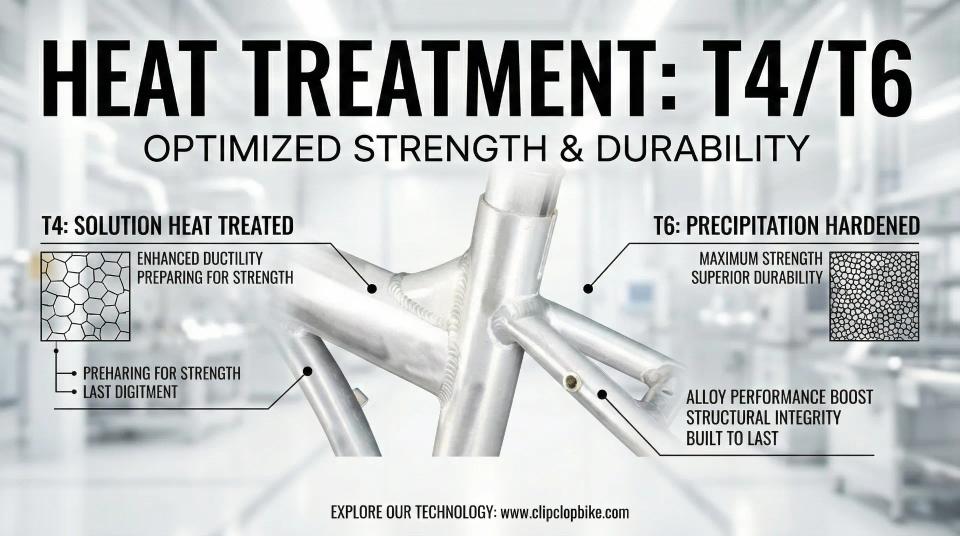
المعالجة الحرارية T4 مقابل T6 لهياكل الألومنيوم: إجهاد الخضوع، صلابة وبستر ومعيار ISO 4210
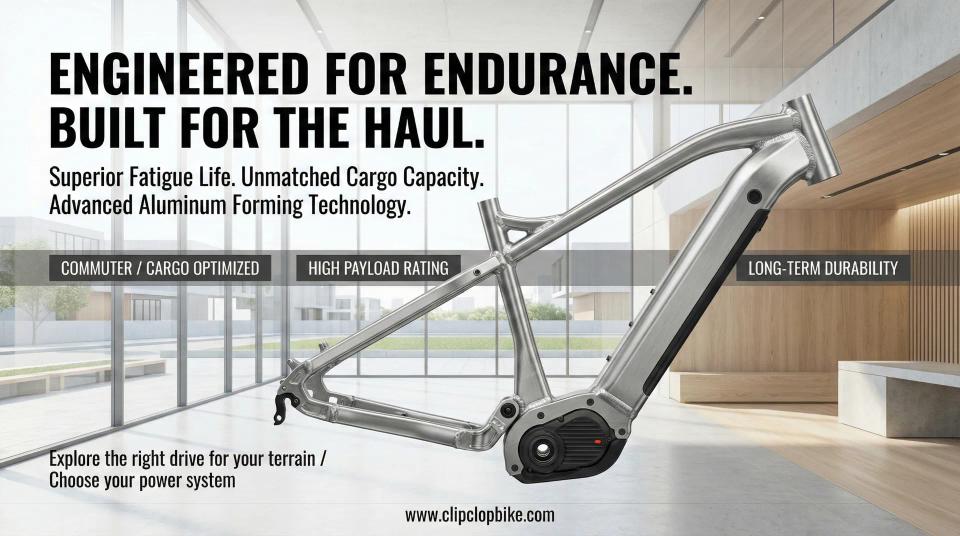
هياكل ألمنيوم بالتشكيل الهيدروليكي للدراجات الكهربائية: اختبارات الإجهاد ISO 4210
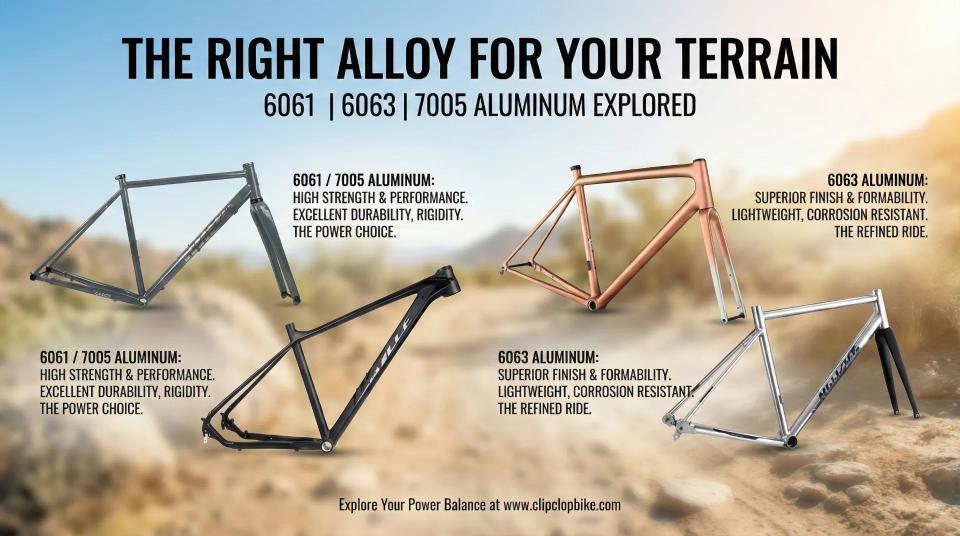
سبائك إطار E-Bike: ما يحتاج التجار لمعرفته عن 6061 و6063 و7005
هياكل دراجات كهربائية مخصصة بالتشكيل الهيدروليكي: تكاليف القوالب وإنتاج OEM (MOQ 20)
أرسل موجزك. سنرد بتقرير فني ميداني.
يتضمن الرد تقييم الجدوى وتكلفة العينة والحد الأدنى للطلب (MOQ) والخطوة التالية لمشروعك. نهدف للرد خلال 48 ساعة.