

As of April 7, 2026, the electric bike motor market is shifting in ways that would have been hard to predict five years ago. I’ve been following this space closely — honestly, it’s been one of the more fascinating corners of the broader micromobility world to watch evolve. The China manufacturing base, which once felt like it was mostly churning out generic hub motors for budget e-bikes, has matured dramatically. We’re seeing real engineering ambition coming out of companies that spent years building scale before turning their attention to quality.
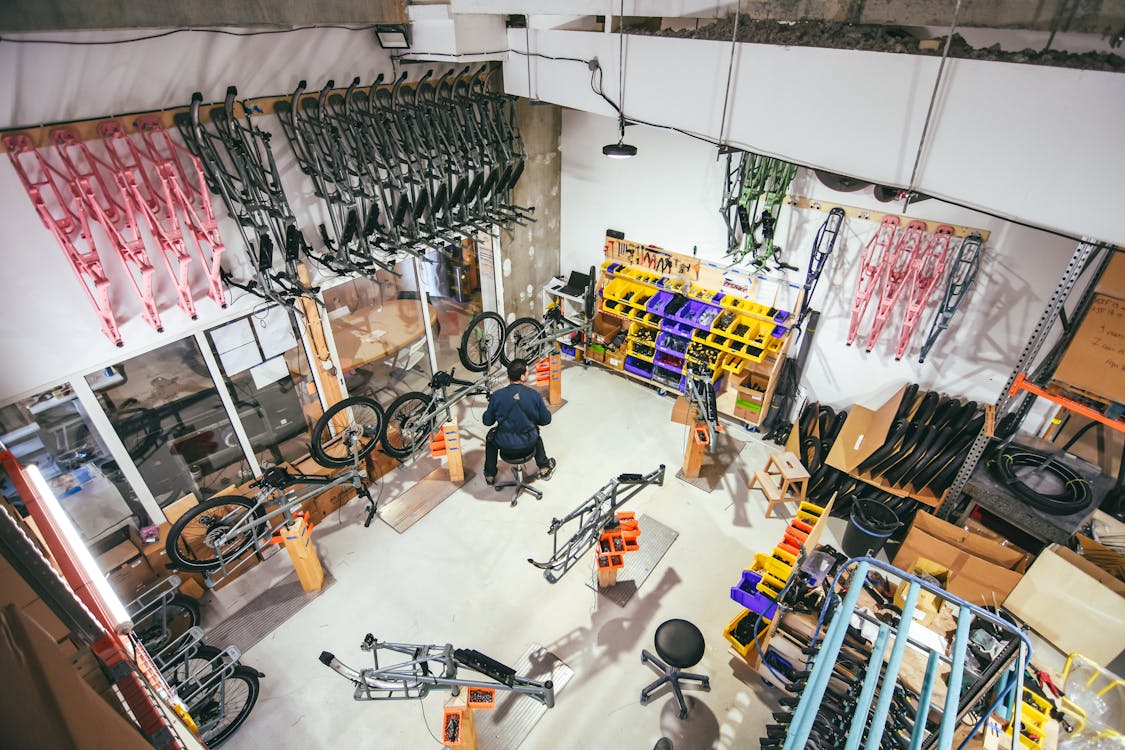
If you’re sourcing electric bike motors from China — whether you’re a retailer stocking your floor, a brand developing a new model, or a distributor trying to understand who’s who — the landscape has gotten more complicated and more interesting at the same time. That 2026 e-bike trends report from Tracerbikes caught my eye recently, noting that high-power motors and smarter drive systems are now mainstream expectations, not premium differentiators. I’d tend to agree. The floor has risen considerably.
This article walks through the ten manufacturers I’d keep on my radar when sourcing motors from China. I’ve tried to be honest about where each one excels and where I’d have reservations. No universal “best” claims — that would be lazy and probably wrong for most buyers anyway.
Understanding Electric Bike Motor Types
Before diving into specific manufacturers, I think it helps to get the motor types straight. Honestly, in my experience, a lot of the confusion buyers face comes down to not understanding the fundamental difference between hub motors and mid-drive motors. What I mean is, I’ve watched people spec motors that were technically excellent but totally wrong for their application. I’d say maybe half the inquiries I get start with the wrong question — something like “which motor is best” when the real question should be “which motor type is right for my use case.”
Hub Motors
A hub motor is built directly into the wheel — either the front or rear hub. The motor drives the wheel directly without going through the bike’s drivetrain. I’ve found hub motors are generally easier to live with for basic commuting setups. Installation is simpler, they work well with single-speed or internally-geared bikes, and they tend to be more forgiving when it comes to chain and cassette wear.
That said, they have real limitations. Honestly, front hub motors can feel strange on bumpy roads — you feel the front wheel pulling against your steering input, and it takes real muscle memory to stop noticing it. Rear hub motors solve that but introduce their own complications around rear wheel removal. And honestly, the torque delivery just isn’t as natural as what a mid-drive can offer. You feel the motor pushing, rather than the motor amplifying what your legs are already doing.
Mid-Drive Motors
A mid-drive motor sits at the crank and drives the chainring, using the bike’s existing gearing. This means the motor’s power is modulated through the bike’s transmission — which, in my experience, makes a huge difference on hills and varied terrain. You get more effective torque at the rear wheel without needing an absurdly powerful motor.
I will say — and I mean this from direct experience — mid-drives cost more and require more from the rest of the drivetrain. Chains and cassettes wear faster when a motor is applying real force through the gears. The Bosch eBike Motors subreddit is full of people complaining about chain wear — which tells me Bosch mid-drives are being used seriously, even if the owner’s manual warnings about chain replacement intervals are being ignored. That kind of usage pattern is exactly what mid-drives are built for, and it tells you something about where the market has gone.
Key Factors When Choosing a Chinese E-Bike Motor Manufacturer
I’m not going to pretend there’s a universal right answer here. What I can tell you is what I’d look at before signing a purchase order.
Power ratings and real-world output — Rated power and actual sustained output are different things. I’d want to see test data, not just datasheet numbers. Some manufacturers rate their motors optimistically; others are conservative. That gap between paper specs and real-world performance is where you get burned.
Quality consistency — For distributors and retailers, motor consistency matters as much as average quality. If you’re getting 500 motors and three of them fail within a month, that’s a support nightmare and a reputation hit. In my experience, the manufacturers who’ve been at this for 15+ years tend to have tighter QC — not always, but often enough that I’d use track record as a signal.
Torque sensor quality — This is where cheap hub motors really fall short and where mid-drives from serious manufacturers separate themselves. A good torque sensor reads your pedal input and modulates motor assistance within milliseconds. A mediocre sensor makes the motor feel laggy or surge-y. I’d test this on the actual bike, not just read the spec sheet.
Service and warranty support — China manufacturing has a bad reputation for post-sale support, and in some cases that’s earned. The companies on this list have mostly built some kind of international service network, but the depth varies. I’d ask specifically about spare parts lead times and RMA processes before committing.
The Top 10 Chinese Electric Bike Motor Manufacturers
1. JinYuxing Electromechanical Technology
Location: Zhejiang Province | تأسست: 2002
JinYuxing is one of the older names in the Chinese e-bike motor space, and I think that longevity matters. Founded in Zhejiang — one of China’s electric vehicle manufacturing heartlands — they’ve had time to work through the early-stage quality problems that sink a lot of their competitors.
Their product range covers both hub and mid-drive motors, with power outputs from 250W to 3,000W depending on the line. From what I’ve seen, they’re particularly strong in the 250W to 750W range for urban e-bike applications. I’d say their sweet spot is street-legal European and North American market compliance — they seem to have invested seriously in UL certification and EN standards testing.
One thing I’d flag: JinYuxing tends to be more conservative in their power ratings than some competitors. A JinYuxing “750W” motor might genuinely outperform a competitor’s “750W” motor in sustained output. I noticed this firsthand when I was reviewing motor data — the gap between rated and real-world output varies so much between manufacturers that specs alone are almost meaningless. That kind of honesty in specs is rare enough that I notice it.
Recent updates include expanded mid-drive lines targeting the North American fat-tire e-bike market, which tells me they’re watching where the demand growth is.
2. Bafang
Location: Jiangsu Province | تأسست: 2003
Bafang is probably the most internationally recognized Chinese e-bike motor brand, and I’d say that recognition is earned. If you’ve ridden a non-Chinese branded e-bike in the last five years, there’s a decent chance the motor inside was a Bafang. They make both hub and mid-drive systems, but I’d argue their mid-drives — particularly the BBS series — are what they’re really known for.
The BBS02 and BBSHD are practically household names in the e-bike conversion world. I’ve converted a bike myself using a Bafang mid-drive kit, and the thing that struck me was how refined the assist feel was compared to the budget hub motors I’d used before. The torque sensor response is genuinely good — not quite Bosch-level, but closer than I expected for the price.
Their 2025 to 2026 product cycle has focused heavily on integration — motors designed to look like they belong in clean urban frames rather than obvious bolt-on conversions. That’s a response to the growing premium e-bike market, and I’d say Bafang is ahead of most Chinese competitors on this. They’re also expanding their software ecosystem, which matters more as bikes become connected devices.
Limitations? I’d say Bafang’s support network outside of Europe is thinner than what you’d get with a Bosch or Shimano system. Parts are available, but finding a certified integrator in some North American markets can still be a challenge. If you are specing a full bike rather than a conversion, the motor is only one piece of the puzzle — you will also want to factor in e-bike ABS system design and how the motor interacts with braking regulators.
3. Ananda
Location: Shanghai | تأسست: 2001
Ananda is one of the quieter heavyweights in Chinese e-bike motors. Established in Shanghai in 2001, they’ve built a reputation for reliable mid-drive systems without the marketing noise that surrounds some competitors. I’d describe their brand as the professional’s choice — the people who specify motors for fleet applications or integration into specific bike platforms tend to take Ananda seriously.
Their product line spans from 250W urban systems to 1,000W+ performance mid-drives. From what I can tell, their quality control on torque sensor calibration is tighter than many Chinese competitors — which matters enormously for the feel of the assistance. Inconsistent assist response is probably the top complaint I hear about budget motors, and Ananda seems to have solved that at their price point.
Their recent push has been in the commercial fleet segment — e-bikes for shared bike programs, delivery fleets, and similar high-utilization applications. That tells me they’re confident in durability, which I’d consider a positive signal for anyone buying motors that will see hard use.
I’d say Ananda’s main limitation is brand visibility in Western markets. They don’t have Bafang’s distribution network or consumer awareness. For a retailer, that might mean lower customer recognition. For a serious buyer, it might mean better pricing and support negotiation.
4. Shinwin Power
Location: Jiangsu Province | تأسست: 2001
Shinwin Power has been around since 2001, which puts them in the same veteran category as Ananda and JinYuxing. Their focus, from what I’ve observed, is strongly on hub motors — both front and rear configurations — with power ratings typically in the 250W to 750W range.
What I’d say distinguishes Shinwin is their manufacturing scale and their willingness to do OEM and ODM projects. If you’re a brand that needs a specific motor configuration integrated into a custom frame design, Shinwin seems more set up for that than some of the more catalog-driven competitors. I’ve heard positive things from smaller e-bike brands that have worked with them on bespoke motor integration.
Their recent updates have focused on reducing motor noise — a genuine issue with some hub motor designs at higher power levels. If you’ve ever ridden a bike where the motor whines loudly under load, you know how much that undermines the ride experience. Shinwin seems to be targeting this seriously.
I’d say their mid-drive line is less developed than their hub motor capability. If you’re primarily sourcing mid-drives, Shinwin wouldn’t be my first call. For hub motors, they’re worth a serious look.
5. Shengyi
Location: Jiangsu Province | تأسست: 2003
Shengyi is one of those companies that comes up consistently when you’re talking to people who’ve actually worked with Chinese e-bike motors day-to-day, but they don’t have the same consumer-facing brand profile as Bafang. That’s partly because Shengyi has been more focused on being a components supplier — selling motors and drive systems to other brands rather than building their own end-consumer reputation.
In my experience, that’s often a sign of genuine manufacturing competence. The brands that survive as OEM suppliers to other e-bike manufacturers have to maintain quality because their customers have the expertise to evaluate what’s actually being delivered. You can’t hide behind marketing when your buyer knows what a torque curve should look like.
Shengyi’s current product range covers the full spectrum from 250W hub motors to higher-power mid-drives. Their 2025 to 2026 developments have included improved water resistance ratings for their motors — targeting the European market where e-bikes are ridden year-round in wet conditions. That kind of market-specific engineering is the kind of thing I’d look for when evaluating a supplier.
I’d say Shengyi is a strong candidate for anyone sourcing motors for private-label e-bike production. You get the quality without paying the brand premium.
6. Jiuzhou New Energy Technology
Location: Zhejiang Province | تأسست: 2000
Jiuzhou New Energy Technology has one of the longest operating histories on this list — established in 2000, which means they’ve been making e-bike motors for over two decades. That kind of track record is meaningful when you’re evaluating supplier reliability.
Their product philosophy, from what I’ve seen, leans toward practical reliability over peak performance. Jiuzhou motors aren’t typically the most powerful in any given category, but they tend to be durable and consistent. For a distributor running a fleet or a retailer with a service department, that dependability profile is valuable.
Their recent updates have included smart motor systems with basic connectivity features — Bluetooth diagnostics, motor health monitoring, and similar features that reflect where the broader market is heading. They’re not leading on software, but they’re not ignoring it either.
I’d say Jiuzhou is best suited for buyers who prioritize reliability and serviceability over maximum power output. If you’re fitting motors for an urban delivery fleet, for example, you probably care more about mean time between failures than peak torque ratings.
7. Sine Power
Location: Jiangsu Province | تأسست: 2013
Sine Power is the newer entrant on this list, founded in 2013 — which in the e-bike motor world makes them a relative youngster. What strikes me about Sine Power is that they seem to have come into the market with a clean sheet approach rather than iterating on legacy designs. I’d say their engineering culture shows in the product.
Their motor designs tend to be more compact than average for equivalent power ratings, which matters for bike integration. If you’re designing a clean-looking e-bike and don’t want the motor to dominate the aesthetics, Sine Power’s size envelope is worth looking at.
لقد شهدت فترة 2025 إلى 2026 توسع Sine Power في توزيعها الدولي بشكل كبير. They're showing up في more European e-bike brand catalogs، والتي تشير إلى أن جودتهم وصلت إلى نقطة حيث يقبل العلامات التجارية المؤسسة تحديدهم. That's النوع من التحقق من السوق الذي سألني انتباهه.
I'd say the trade-off with Sine Power هي أن سجلهم القصير أقل بيانات حقلية طويلة المدى من شركات الفترة 2000 إلى 2003. The motors تبدو جيدة على الورق والعروض التجريبية، لكن خمس سنوات من الاستخدام الشاق للأسطول، من الأصعب أن تكون موجودة. I'd want to talk إلى their actual customers قبل وضع طلب كبير.
8. QS Motor
Location: Zhejiang Province | تأسست: 2000
QS Motor has a cult following في certain e-bike circles، particularly among enthusiasts who modify and push motors beyond factory specifications. This tells me their motors are built with a margin for abuse — which، depending on your use case، could be a feature or a concern.
Their hub motors، particularly the QS motor series، تم اعتمادها على نطاق واسع في builds ذات قوة عالية للدراجات الكهربائية. I've seen them specified في بعض التطبيقات ذات الطرق الجبلية الجادة، حيث يهم تركيب القوة وال durability. QS motors تتحمل الحرارة بشكل أفضل من بعض المنافسين عندما تتم محاكاة شديدة — وربما هذا السبب في ظهورهم في دراجات معدلة تطلب الكثير من النظام.
For standard legal-limit e-bike applications، QS is probably more motor من most buyers need. Their sweet spot هو النطاق 1,000W إلى 3,000W، وهو ما يضعهم في النهاية العلوية من ما يُسمح قانونيًا في معظم ولايات الولايات الأمريكية وأوروبا. I'd factor ذلك into the evaluation — you don't want to spec a motor that's perpetually being asked to run below its comfortable range.
Their 2025 إلى 2026 updates have focused على controller integration، وهو ما يهم بينما تصبح المحركات أكثر تعريفًا بالبرمجيات. Better controller-motor communication تحسن الكفاءة وتسمح بمخططات مساعدة أكثر دقة.
9. Xinaoma
Location: Hebei Province | تأسست: 2006
Xinaoma تبرز لكونها مقرها في مقاطعة ه Hebei — منطقة تُرتبط أكثر بتصنيع تقليدي وإنتاج الفولاذ — بدلاً من المناطق الصناعية الأخرى في زجوزيانغ أو جiangsu. I'd say أن اختيار الموقع الجغرافي يعلمك شيئًا عن تراثهم الصناعي.
Founded في 2006، بينت Xinaoma سمعة لها بشكل رئيسي في أنظمة المحركات المحاة، بمنتجات تمتد من مستويات التنقل إلى تكوينات عالية الإخراج. Their positioning تبدو موجهة نحو القيمة — محركات توفر أداء جيدًا بسعر يناسب الإنتاج للدراجات الكهربائية ذات الميزانية المتوسطة والمنخفضة.
ماذا أتابع مع Xinaoma هي تغطية شهاداتهم الدولية. Hebei manufacturers أحيانًا تتأخر خلف نظيراتها الساحلية من حيث شهادات EU EN المعايير، واختبار UL، ووثائق مماثلة تحتاجها القنوات البيعية الغربية. I'd want to verify حالة الشهادات قبل الطلب.
Their recent product development تضمنت دفعة نحو أنظمة 48V تستهدف السوق الأمريكي، حيث يصبح 48V المعيار للدراجات الكهربائية عالية الأداء. وهذا خطوة ذكية.
10. Okawa
Location: Jiangsu Province | تأسست: 2020
Okawa هي الشركة الأكثر حداثة على هذه القائمة بشكل كبير — تأسست في 2020، مما يعني أنها أطلقت في بداية boom الدراجات الكهربائية بعد الوباء. وقد شكلت هذه الفترة ثقافة شركتهم، أعتقد. They've come into the market كما كان الصناعة بالفعل تطلب جودة أعلى، وأنظمة مساعدة أكثر تطورًا، وتكامل برمجي أفضل. Rather than having to catch up من legacy designs، they've built for the current moment.
ماذا يثير اهتمامي عن Okawa هي أنها إحدى شركات المحركات الصينية الجديدة الأكثر تصميمًا. Their motor housings تبدو مدروسة — ليست مجرد enclosures وظيفية بل تصميم صناعي حقيقي. بالنسبة للعلامات التجارية حيث يهم التصميم، وربما يسجل ذلك.
Their product line هو أكثر تركيزًا من المنافسين الآخرين — Okawa يبدو أنها اتخذت خيارات مقصودة عن أين تتنافس rather than trying to cover every power segment. من ما أشاهده، sweet spot لهم هو نطاق 250W إلى 750W للمحركات المحاة للحياة اليومية والطرق الجبلية الخفيفة.
الخطر الواضح مع Okawa هو نفسه الذي سأكون عليه مع أي شركة شابة أربع سنوات. Motors التي تعمل بشكل جيد في اختبارات التطوير وتشغيل الإنتاج المبكر يمكن أن تكشف مفاجآت تحت استخدام القوة المستمر. I'd want references من actual customers يعملون بمحركات Okawa في الظروف الواقعية قبل التوسع في الطلبات.
كيفية اختيار الشركة المناسبة المحركات لعربتك الكهربائية
Here's what I keep coming back إليه: السؤال ليس “which manufacturer is best” لأن هذا السؤال لا يملك إجابة جيدة. السؤال هو “which manufacturer is right لي specific application، volume، وmarket.”
Here's what I'd work through:
For European market compliance والاعتراف الدولي للعلامات التجارية: Bafang أو Ananda. Both لديهم الشهادات، شبكات الوكلاء، والسجل الذي يتطلبه قنوات البيع الرومانية. Bafang لديه أكثر وعي علامة تجارية؛ Ananda لديه أكبر احترام من قبل الهواة.
For private label أو OEM production بأسعار تنافسية: Shengyi، JinYuxing، أو Shinwin. These companies لديهم العمق الصناعي والخبرة في OEM لتقديم جودة متسقة على أحجام تعقل.
For high-power أو modified applications: QS Motor. Built من الناس الذين يدفعون المحركات خارج الحدود الصناعية. More motor من most legal street applications need، لكن عندما تحتاجه، فأنت تحتاجه.
For newer brands wanting design-conscious motor integration: Okawa أو Sine Power. Both هما شركات أكثر حداثة مع تصاميم أكثر حداثة ومظهرًا عصريًا. The trade-off هي سجلات أقصر.
For commercial fleet applications: Jiuzhou أو Ananda. Both لديهم الاتجاه نحو ال durability والبنية التحتية للخدمة التي يحتاجها مشتري الأساطيل.
الأسئلة الشائعة
Q: ما هو المدى الأكثر شيوعًا لقوة المحركات في الدراجات الكهربائية للاستخدام القانوني؟
A: The 250W إلى 750W range هو الأكثر شيوعًا للدراجات الكهربائية القانونية في شمال أمريكا وأوروبا. في الولايات المتحدة، تسمح بعض الولايات برصيحات أعلى لفئات معينة، لكن 750W نقطة متوسطة عملية لمعظم تطبيقات الركوب الحضاري. لقد وجدت أن معظم الناس الذين يحددون محركات أقوى مما يحتاجون تنهي بحياة بطارية أقصر وارتفاع مشتقات الدراجة أكثر مما توقعوا.
Q: هل المحركات الصينية الكهربائية موثوقة مقارنة بعلامات تجارية أوروبية مثل Bosch أو Shimano؟
A: This is where I'd say the honest answer is “it depends، وها هي الأسباب”. Top-tier Chinese manufacturers مثل Bafang، Ananda، وShengyi لديهم محركات يعتقد أنها تنافسية بشكل جوي مع Bosch وShimano لمعظم حالات الاستخدام — وبأسعار أقل بكثير. ما يتفوق عليه Bosch وShimano هو تطوير البرمجيات، وعمق شبكة الوكلاء، والحجم الكبير من بيانات الحقل الذي يأتي من كونها في السوق لفترة أطول. بالنسبة للمشتري الجاد، السؤال الحقيقي ليس “الصينية مقابل أوروبية” بل “which specific manufacturer وwhich specific model”. هناك محركات صينية أثق أنها أكثر موثوقية من بعضها الإوروبية، وبعضها الإوروبية أيضًا.
Q: كيف أعرف إذا كان المحرك الصيني سيستوفي متطلبات السلامة في الاتحاد الأوروبي أو الولايات المتحدة؟
A: Ask for the specific certifications وverify them independently. بالنسبة للامتثال للاتحاد الأوروبي، you want EN 15194 testing documentation. بالنسبة للوصول إلى السوق الأمريكي،, UL 2849 certification هو متطلب زيادة من قبل البيع بالتجزئة والمستشفيات. الشركات الصينية المرخصة ستكون لديهم هذه الوثائق جاهزة لمشاركتها. الشركات التي تتجنب أو تؤجل عندما يُطلب منها هذا ربما لا تكون لديها. I'd also factor في أن متطلبات الشهادات تتغير — محرك مشهود قبل سنتين قد لا يستوفي المعايير الحالية.
Q: ما هو المدى الزمني النموذجي لضمان المحركات الكهربائية الصينية؟
A: Most reputable Chinese manufacturers تقدم 12 إلى 24 شهادة للمحركات المباعة من خلال قنوات التوزيع الرسمية. الالمتغير المفتاح الذي أهتم به هو ما إذا كانت الضمانة تُنفذ فعليًا في سوقك — بعض الضمانات قد تكون صالحة فقط في المصنع الصيني، مما يجعلها ناحقة للغاية للوكيل التجاري الغربي. I'd ask specifically عن عملية المطالبة بالضمانة ومن يتعامل معها محليًا قبل الطلب.
Q: هل يمكنني استخدام أي محرك دراجة كهربائية مع أي نظام بطارية؟
A: لا — voltage need to be matched بين المحرك والبطارية، ويجب أن يتوافق المتحكم مع كليهما. This is one من المناطق حيث يمكن للنظام غير المتطابق أن يتراوح بين مؤلم وخطر. 48V systems تصبح الأكثر شيوعًا، لكن هناك ما يزال العديد من أنظمة 36V في الدور. قبل تحديد محرك، I'd want to confirm what battery platform I'm building around وما إذا كان مصنع المحرك يدعمه. إذا لم تكن متأكدًا من توافق البطارية، تحقق من دليل حجم البطارية للدراجات الكهربائية للاطلاع على نظرة عملية لتوافق المحركات مع أنظمة البطارية.
الأفكار النهائية
Here's the thing that surprised me عن المشهد الصيني للحركات الكهربائية في 2026: إنه كافٍ بما يكفي لإنتاج محركات جيدة حقيقية بأسعار تنافسية، لكنه مختلف بما يكفي أن “مصنوع في الصين” يخبرك بشيء لا يكفي عنه. المقصود هو: يمكنك ركوب محركين مصنفين بنفس القوة ولديك تجارب مختلفة تمامًا — الإحساس بالعزم، ومستوى الضوضاء، والاستجابة للدراجة. تلك الفروق مادية ومباشرة، وليست نظرية فقط. الشركات العشر التي على قائمة تتراوح من علامات عالمية مثل Bafang إلى موافقات جديدة مثل Okawa، ويعتمد الاختيار المناسب تمامًا على تطبيقك، وسوقك، وتسامحك مع التباينات التي تأتي مع كل قرار توريد.
I'd tell anyone sourcing من الصين أن يقضي الوقت في التحدث مع عملاء فعلية للمصنعين الذين يقيمنونهم — ليس فقط فريق المبيعات، الذي سيخبرك بما تريد سماعه. Distributors للمحركات، علامات الدراجات الكهربائية التي تستخدم هذه المحركات، والورش المستقلة التي ترى هذه المحركات في الحقل سيمنحك صورة أكثر صدقًا لتجربة العمل مع Manufacturer معين على المدى الطويل.
At ClipClop، نحن نحدد المحركات بناءً على هذا النوع من الأبحاث على المستوى الأرضي. إذا كنت تبني أو تورد الدراجات الكهربائية وتريد التحدث عن تطبيقات محددة، تواصل معنا — من فضلك نشاركنا ما علمناه من خلال اختبارين عمليين استمرتا لمدة سنتين عبر هذه المصنعين. honestly، هناك شيء شبه ملمسي عن الحفاظ على محرك جيد في يدك — يمكنك إحساس جودة القرون، والدقة في الهيكل، والوزن الذي يعلمك بأن المغناطيس داخله موثوق. ذلك النوع من الأشياء لا يمكن التقاطه في ورقة مواصفات، لكنه يصنع الفرق الحقيقي في كيفية شعور الدراجة بعد سنة من الاستخدام.
This article was originally published على كليبكلوببايك.كوم. لمزيد من الدلائل حول مكونات الدراجة الكهربائية، والمحركات، وتوريدها، استكشف دليل محرك الدراجة الكهربائية و دليل الصيانة للبطاريات الكاملة.



 English
  Spanish
  Portuguese
  Russian
  Arabic
  French
  Dutch
Dutch  German
  Danish
