
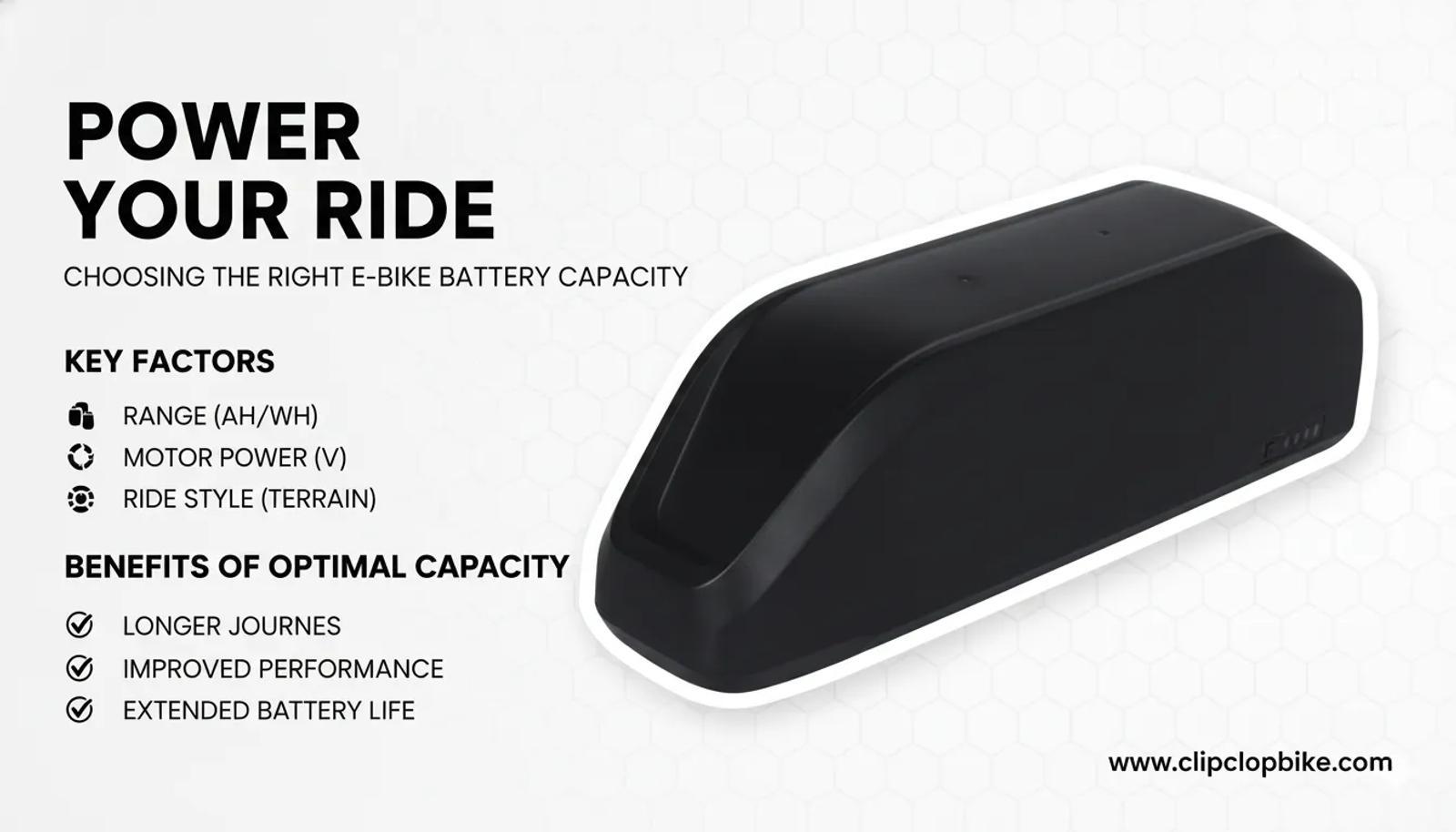
Аккумуляторы для электровелосипедов: ячейки Samsung/LG/EVE, умная BMS и UL 2271
Выберите правильный аккумулятор для бизнеса электровелосипедов: ёмкость (Wh/Ah), запас хода, безопасность для B2B-дилеров.
Выберите правильный аккумулятор для бизнеса электровелосипедов: ёмкость (Wh/Ah), запас хода, безопасность для B2B-дилеров.
Я уже много лет в теме электро-MTB и внедорожных электровелосипедов в ClipClop в Гуанчжоу — каждую неделю общаюсь с дилерами, дистрибьюторами и операторами прокатных парков со всего мира. Когда мы созваниваемся или переписываемся в LinkedIn и Twitter, разговор почти всегда возвращается к одному: аккумулятору.
Коммерческие партнеры могут ознакомиться с нашими производственными мощностями на странице Завод по производству электровелосипедов OEM/ODM, изучить стандартные конфигурации на странице CS01 Fat Tire & CS04 Commercial Utility Platforms, или напрямую запросить условия FOB контейнерных поставок через наш Портал коммерческих запросов цен (MOQ 20).
Забавно, потому что снаружи все восторгаются моторами, рамами и красивыми дисплеями. Но если вы достаточно долго поговорите с менеджерами парков или серьёзными дилерами, вы поймёте, что настоящий хозяин положения — аккумулятор. Он определяет запас хода, ощущения от езды, время безотказной работы и, честно говоря, значительную долю вашей прибыли и уровня головной боли. Это ядро клиентской удовлетворённости — и в продаже, и в прокате.
Многие до сих пор думают: «Чем больше — тем лучше, дайте мне максимальную цифру». Я понимаю, маркетинговое давление сильное. Но в реальности выбор ёмкости аккумулятора больше похож на грамотный бизнес-кейс. Вы балансируете между ценой, весом, временем зарядки и реальными сценариями использования. Если вы промахнётесь вверх или вниз, вы либо теряете маржу, либо утопаете в рекламациях.
Это руководство родилось прямо из реальной работы: сотни звонков с дилерами, пилотные проекты с парками плюс то, что делятся индустриальные блогеры и YouTube-обзорщики, тестирующие эти велосипеды в реальных условиях. Я не пытаюсь впечатлить вас идеальной теорией. Я хочу убрать шелуху и помочь вам принимать решения, соответствующие тому, как реально катаются ваши клиенты и как реально работает ваш бизнес.
Мы разберём, как на самом деле работают ватт-часы, почему напряжение значит больше, чем объясняет большинство спецификаций, и как рельеф, привычки райдера и уровни ассистента ломают «официальные» цифры запаса хода. Поговорим также о безопасности BMS, ресурсе циклов, UL-сертификации и о трендах, которые, как я вижу, тихо изменят вашу продуктовую стратегию в ближайшие несколько лет.
Моя цель проста: к концу этого документа вы должны уверенно оспаривать расплывчатые заявления поставщиков, задавать более точные вопросы и собирать конфигурации велосипедов, которые идеально ложатся на ваш сегмент. Потому что когда ваш выбор аккумулятора совпадает с реальностью ваших клиентов, всё остальное в бизнесе становится проще: меньше возвратов, меньше гневных писем, больше повторных заказов.
Почему ёмкость аккумулятора — это первое важное решение, которое нужно принять правильно
Когда клиент заходит в шоурум или листает приложение проката, первый «серьёзный» вопрос почти всегда: «Насколько далеко он уедет?» Обычно не спрашивают про напряжение, ячейки или C-rate. Просто хотят знать, переживёт ли велосипед их поездку. Этот простой вопрос прямо указывает на ёмкость аккумулятора, измеряемую в ватт-часах (Wh).
Для B2B-покупателей «запас хода» — это не строчка маркетингового заявления. Это вопрос правильного соответствия аккумулятора сценарию использования. Курьерский велосипед, штурмующий холмы 6 часов в плотном городе, — это совсем не то же, что расслабленный туристический велосипед, катящий по плоской пляжной набережной. Если вы возьмёте одну ёмкость и попытаетесь продать её обоим, кто-то обязательно разочаруется и оставит негативный отзыв.
Тревога из-за запаса хода — это реальность. Новички особенно паникуют, когда индикатор падает быстрее, чем они ожидали. Если это повторяется снова и снова, это превращается в оценки 1 звезда, жалобы вашим партнёрам и дополнительную нагрузку на вашу службу поддержки. Многие блогеры, тестирующие прокатные парки, говорят об этом одно и то же: «по паспорту X km, а в жизни я получил от силы половину». Этот разрыв очень быстро подрывает доверие.
Есть ещё скучная, но критичная финансовая сторона. Аккумуляторы большей ёмкости используют больше ячеек. Больше ячеек — выше стоимость BOM, тяжелее батареи и больше нагрузка на ваш денежный поток, когда вы заказываете 200 или 500 велосипедов за раз. Небольшой скачок, скажем +$50 на батарею, превращается в $25 000 на 500 единиц. Это уже не мелочь. Поэтому «максимальная ёмкость» — не всегда разумный ход.
Ваша реальная цель — оптимизация, а не рекорды. Вам нужно достаточно Wh, чтобы комфортно покрывать типичный сценарий с запасом, но не настолько много, чтобы таскать лишний вес и затраты, которые никому реально не нужны. Я часто сажусь с партнёрами и буквально раскладываю: типичная длина поездки, рельеф, профиль райдера и схема ротации — а потом считаю нужный диапазон ёмкости, а не угадываю.
Ёмкость бьёт и по операционке. Для партнёров в прокате и гостиничном бизнесе аккумулятор большего размера может быть одновременно благом и головной болью. С одной стороны, батарея на 700–800Wh легко обеспечит целый день проката без подмены. С другой — та же батарея будет заряжаться 8–9 часов со стандартным зарядником 2A, что может убить вашу гибкость, если велосипеды возвращаются поздно.
Возьмём простой пример. Если батарея 500Wh заряжается примерно 5–6 часов с базовым зарядником, переход на 750Wh без апгрейда зарядной инфраструктуры означает большее «мёртвое время» на велосипед. Поэтому в ClipClop мы не просто называем вам цифру ёмкости — мы стараемся вместе с вами спроектировать полноценное решение по питанию, включая ток зарядного устройства, графики зарядки и, возможно, поэтапное обновление парка.
Наша модель M14, например, идёт с аккумулятором 36V 10.4Ah — это та золотая середина для городских парков, которым нужны быстрая оборачиваемость и управляемый вес. На бумаге она не выглядит эффектно по сравнению с какими-нибудь монстр-паками, но для плоского и умеренно пересечённого рельефа и поездок средней дальности она даёт именно тот баланс стоимости, запаса хода и удобства зарядки, который реально важен для B2B-клиентов.
Скачать заводской каталог ClipClop 2026 (PDF)
Полные характеристики электровелосипедов, варианты двигателей и аккумуляторов, MOQ и данные по загрузке контейнеров.
Расшифровываем цифры: ватт-часы, ампер-часы и вольты без воды
Спецификации аккумуляторов могут выглядеть как алфавитный суп, если вы к ним не привыкли: Ah, V, Wh, иногда C-rate и пачка имён брендов. Упрощу три цифры, на которые вам действительно нужно смотреть: ампер-часы (Ah), вольты (V) и ватт-часы (Wh). Когда вы поймёте, как они связаны, вы будете читать любую спецификацию увереннее большинства продавцов.
Представьте ампер-часы (Ah) как объём бака. Они показывают, сколько заряда аккумулятор теоретически вмещает. Вольты (V) — это аналог давления в водопроводе или «напора» энергии. Системы с более высоким напряжением отдают мощность эффективнее и меньше нагружают мотор, особенно на подъёмах и разгонах. Поэтому вы и видите распространённые платформы 36V, 48V и 52V.
Цифра, которая больше всего важна для запаса хода, — ватт-часы (Wh). Это, по сути, «общая энергия», и она просто равна «Вольты × Ампер-часы». Поэтому если вы видите 36V 10.4Ah, перемножайте: 36 × 10.4 = 374.4Wh. Если другой велосипед идёт с 48V 10Ah, это 480Wh. Ah примерно одного порядка, но 48V-система фактически запасает больше энергии и, при прочих равных, даёт больший запас хода.
Многие блогеры, тестирующие несколько велосипедов подряд, говорят одно и то же: игнорируйте маркетинг по Ah и в первую очередь смотрите Wh. Я согласен. Если поставщик продолжает кричать «15Ah! 17Ah!», но держит напряжение низким, вы можете получить тяжёлую батарею, которая реально далеко не уезжает. В каталоге она выглядит крупной, но в жизни проигрывает. Wh даёт «честное» сравнение «яблоки к яблокам».
Напряжение влияет и на ощущения от езды. Высоковольтные конфигурации (48V или 52V) часто дают более резкий отклик, лучшую поддержку на крутых подъёмах и меньшую нагрузку на систему при высоких токах. Поэтому серьёзные e-MTB-райдеры и операторы карго-велосипедов тяготеют именно к этим платформам. Им нужны этот дополнительный крутящий момент и запас прочности, когда велосипед нагружают изо дня в день.
При формировании линейки я рекомендую мыслить «ступенями». Платформа 36V — как у нашей M14 — идеальна для чувствительных к цене городских и коммутинговых велосипедов, где лёгкость и простота важнее грубой силы. А 48V или 52V стоит приберечь для внедорожных, курьерских и карго-парков, которым нужны уверенная динамика на холмах и серьёзная грузоподъёмность. Один размер на всех не работает.
Также, когда вы просматриваете предложения поставщиков, всегда смотрите, как они подают цифры. Если они выделяют Ah, а напряжение или Wh прячут в сносках мелким шрифтом — это красный флаг. Прозрачный партнёр честно укажет V, Ah и Wh и будет готов обсуждать компромиссы. Если он уклоняется от этих вопросов, это обычно знак, что продают на хайпе, а не на инженерии.
Как рельеф, вес райдера и уровень ассистента убивают «идеальный» запас хода
Если вы когда-либо сравнивали брошюрный запас хода с тем, что получили в реальной поездке, вы уже знаете правду: эти официальные цифры — сценарии «в лучшем случае». Производители обычно тестируют в очень благоприятных условиях: лёгкий райдер, плоский маршрут, без ветра, мягкая температура, минимальный уровень ассистента, ровная скорость. Реальная жизнь почти никогда так не выглядит, особенно для коммерческих парков.
Главный пожиратель энергии — подъёмы. Заехать на крутой холм может стоить в три-четыре раза больше мощности, чем катить по ровному. Поэтому если ваши ключевые рынки — холмистые города или горные регионы, вы не можете просто взять рекламный запас хода и считать, что он сработает. Нужно стартовать с более высокого Wh или быть с клиентами честными насчёт того, что их ждёт при постоянных спусках-подъёмах.
Вес райдера и полезная нагрузка — следующие крупные переменные. Райдер под 200 фунтов с рюкзаком и грузом ещё 20–30 фунтов посадит батарею заметно быстрее, чем 140-фунтовый райдер без поклажи. Курьерские службы особенно сильно упираются в эту проблему. Тяжёлые велосипеды, режим «старт-стоп», частый высокий ассистент ради экономии времени — запас хода в этом сценарии падает стремительно.
Некоторые блогеры и обзорщики сейчас используют калькуляторы запаса хода или инструменты для моделирования реальных условий — и я считаю, что это умный ход. Как дилер, вы можете делать то же самое при разговорах с B2B-клиентами: подставить средний вес райдера, типичный рельеф и предпочитаемый уровень ассистента — и дать реалистичный диапазон, а не фантастическую цифру. Это делает вас консультантом, а не просто продавцом.
Уровень ассистента — ещё один огромный фактор, который райдеры недооценивают. Большинство современных электровелосипедов предлагают несколько режимов: eco, normal, sport, turbo или похожие. Я говорю партнёрам прямо: если пользователь сидит в turbo всё время, он легко может «срезать» половину и более от максимального запаса хода относительно eco. Это не дефект, это физика. Высокий ассистент быстро сжигает Wh.
Для нашей M14, например, мы честно говорим, что запас хода в режиме eco при активном педалировании может быть очень приличным для городских поездок. Но если человек в основном едет на ручке газа или максимальном ассистенте, реальный запас хода заметно сокращается. Мы просим партнёров по прокату обучать персонал объяснять это при выдаче: «Используйте высокие режимы на подъёмах или коротких рывках, а не всю поездку». Простой скрипт, который снимает массу звонков по поломкам в пути.
Чем честнее вы с самого начала по поводу этих переменных, тем меньше жалоб и возвратов получите позже. Многие операторы парков говорили мне, что ценят дилеров, которые «обещают меньше, а делают больше», а не наоборот. Особенно в эпоху отзывов в соцсетях управление ожиданиями по запасу хода — один из самых простых способов защитить ваш бренд.
Невидимый страж: почему качественный BMS — это не предмет для торга
Запас хода и мощность — это весело, но то, что не даёт мне спать спокойно, — это безопасность. Самый важный элемент внутри любого аккумулятора электровелосипеда — не сами ячейки, а система управления батареей — BMS. Снаружи её не видно, но по сути это мозг и телохранитель батареи. Если она дешёвая или плохо спроектирована, вы сидите на потенциальной проблеме.
BMS следит за каждой группой ячеек и управляет зарядом и разрядом. Она защищает батарею от перезаряда (который может привести к тепловому разгону), чрезмерного разряда (повреждающего ячейки безвозвратно), перегрузки по току, коротких замыканий и экстремальных температур. Когда что-то идёт не так, хорошая BMS вмешивается и отключает питание или систему до того, как мелкая проблема станет большой.
Чтобы сэкономить несколько долларов, некоторые производители нижнего эшелона экономят именно здесь. Они используют слабые компоненты, небрежную прошивку или пропускают нормальные испытания. Какое-то время всё может работать, но за месяцы тяжёлой эксплуатации в парке стресс накапливается. Вы не всегда видите риски, пока батарея не вздуется, не выйдет из строя раньше срока или, в худшем случае, не перегреется. И тогда удар приходится по вашей репутации, а не только по их.
Ключевая функция качественной BMS — балансировка ячеек. В процессе заряда и разряда отдельные ячейки стареют немного по-разному, постепенно «уплывая». Со временем это «уплывание» создаёт дисбаланс. BMS постоянно работает, чтобы удерживать все ячейки в безопасном диапазоне напряжений. Если этого не происходит, одни ячейки перегружаются, другие недоиспользуются, и эффективный ресурс падает. Батарея стареет быстрее и неравномернее.
Как дилер или дистрибьютор, вы продаёте не просто велосипед — вы в определённой степени принимаете на себя ответственность. Информированность общества о пожарах с литий-ионными батареями сильно выросла, особенно в Северной Америке и Европе. Регуляторы и страховые компании обращают на это внимание. Именно здесь сертификации вроде UL 2271 (аккумуляторная батарея) и UL 2849 (полная система электровелосипеда) становятся реальной деловой защитой, а не просто маркетинговыми значками.
Многие блогеры и техно-обзорщики, сфокусированные на безопасности, теперь активно проверяют наличие этих сертификатов и «продают» бренды, у которых их нет. Это влияет на покупателей сильнее, чем некоторые думают. Если в вашей линейке есть сертифицированные системы, вы двигаетесь в направлении, куда идёт рынок: более строгие правила безопасности, строительные нормы и требования площадок со стороны городов и крупных организаций.
В ClipClop мы вкладываем серьёзные усилия в проектирование и тестирование BMS, потому что знаем: один инцидент может уничтожить годы доверия. Для наших партнёров нам важно, чтобы вы могли сказать «да, эта система протестирована на соответствие признанным стандартам безопасности» — и это была правда. Это даёт вам куда более сильную позицию в разговорах с корпоративными закупщиками, отелями и сетями проката, для которых важен риск-менеджмент.
Ресурс и инвестиция: разбираемся в циклах и деградации
Любой аккумулятор, даже самый лучший, — расходный материал. Со временем он теряет ёмкость. Но между батареей, которая держит 300 циклов, и той, что надёжно даёт 800–1 000 циклов в сопоставимых условиях, огромная разница. Для тяжело нагруженного парка с ежедневной зарядкой эта разница — по сути граница между годом и тремя годами рабочей жизни. А это уже совсем другая совокупная стоимость владения.
Ресурс обычно определяют как количество полных циклов заряда-разряда, которое батарея выдерживает до падения ёмкости примерно до 80% от исходной. Высококачественные батареи на ячейках от брендов вроде Samsung, LG или Panasonic обычно дают 500–1 000 циклов при аккуратной эксплуатации. У более дешёвых noname-ячеек — лишь 300–500, а иногда и меньше при жёстких условиях.
Если посмотреть на это как на чистый бизнес-кейс, всё становится очень прозрачно. «Дешёвая» батарея, которую нужно менять через год, потому что она уже не держит заряд, на самом деле не дешёвая. Вы снова платите за батарею, теряете выручку, пока велосипед стоит, и тратите трудозатраты на замену и обработку гарантийных случаев. Операторы парков это чувствуют; они могут не знать каждой спецификации, но боль в бюджете ощущают.
Поэтому я всегда советую дилерам открыто говорить о брендах ячеек и ожидаемом ресурсе. Некоторые блогеры уже делают это в своих «разборных» обзорах: «Хорошо, здесь использованы брендовые ячейки, так что жду долгого срока службы». Вы можете использовать похожие формулировки и в продажах. Преподносите это как инвестицию в бесперебойность, а не премиум-фичу.
Скорость деградации батареи также сильно зависит от того, как с ней обращаются. Здесь ваше послепродажное обучение может создавать реальную ценность без дополнительных затрат. Несколько простых правил дают большой эффект: не храните батареи в раскалённой машине или промёрзшем сарае; не оставляйте их на зарядке на несколько дней подряд; при сезонном хранении держите заряд около 40–60%, а не полный или пустой.
Некоторые авторы контента уже публикуют «чек-листы ухода за батареей» для райдеров. Вы можете адаптировать эту идею в виде одностраничного руководства для своих B2B-клиентов. Поставьте на него свой логотип, добавьте несколько конкретных советов и вложите в каждую поставку. Это небольшая деталь, которая помогает партнёрам дольше сохранять батареи здоровыми и одновременно связывает ваш бренд с надёжностью и долгосрочным мышлением.
Короче говоря, не сводите разговор только к стартовой цене. Переводите клиентов в плоскость совокупной стоимости за период. Когда они видят, что чуть более дорогая батарея с лучшим ресурсом и правильным уходом сэкономит им тысячи в перспективе, более высокая спецификация внезапно выглядит разумным, безопасным выбором, а не навязыванием доплаты.
Форма и функция: встроенные и съёмные батареи в реальном мире
Дизайн батареи — это не только цифры, но и то, где и как батарея размещена на велосипеде. Два основных типа, которые вы встретите, — встроенные (в нижнюю трубу) и внешние, съёмные. У обоих вариантов есть явные плюсы и минусы. Правильный выбор сильно зависит от того, кто использует велосипед и как заряжает и хранит его день ото дня.
Встроенные батареи спрятаны в нижней трубе и дают чистый, почти «невидимый» силуэт. Многим райдерам это нравится, потому что велосипед не кричит «я — электровелосипед». Это ещё и помогает распределению веса и защищает батарею от прямых ударов, грязи и непогоды. Для топовых e-MTB и премиальных коммутеров этот внешний вид и ощущение могут быть серьёзным аргументом в продаже. Смотрится современно и аккуратно.
Однако встроенные батареи могут быть менее удобны во многих B2B-сценариях. Подумайте о жильцах квартир, которые не могут затащить целый велосипед в комнату, или об отелях, где гости оставляют велосипеды внизу, а персонал забирает батареи на зарядку. В таких случаях легко снимаемая батарея куда практичнее. Меньше трения, меньше отговорок не зарядить.
Для прокатных парков съёмные батареи часто обязательны. Операторы любят возможность снять севшую батарею, поставить заряженную и сразу отправить велосипед обратно. Эта «горячая замена» держит загрузку высокой. Представьте себе загруженный выходной: вам не нужно, чтобы велосипеды часами стояли бесполезно только потому, что единственный способ зарядить их — воткнуть целый байк в розетку и ждать.
При формировании каталога я обычно советую предлагать оба варианта, если позволяют объёмы. Используйте встроенные батареи для сегмента, ориентированного на стиль и энтузиастов, где эстетика и дизайн рамы играют большую роль. Съёмные — для корпоративных парков, курьерских служб и прокатных партнёров, которым важнее время безотказной работы и логистика, чем спрятанные кабели.
Наша ClipClop M14 использует устанавливаемую на раму, легко снимаемую батарею с простым доступом — это отлично работает для городских парков и смешанных B2B-пользователей. Одновременно мы делаем и модели с полностью интегрированными системами для партнёров, целящих в трейловых райдеров и энтузиастов. Логика проста: каждый формат велосипеда должен решать конкретную ежедневную задачу конкретного типа пользователя.
Когда вы не уверены, какое направление рекомендовать клиенту, задайте один простой вопрос: «Где велосипед будет ночевать и где будет заряжаться батарея?» Ответ на него обычно сразу подсказывает, нужен ли клиенту съёмный формат или встроенный дизайн их полностью устроит.
Подбираем мощность под асфальт: рекомендации по ёмкости для типовых B2B-сценариев
Давайте перейдём к конкретике и переведём всю эту теорию в реальные ситуации, с которыми вы, вероятно, сталкиваетесь. Разным B2B-приложениям нужны разные аккумуляторные стратегии. Пытаться закрыть всё одной ёмкостью — это как пытаться продавать один размер обуви всем клиентам. На прайс-листе красиво, а на практике разваливается.
Сценарий первый: крупный корпоративный кампус. Сотрудники перемещаются между корпусами на электровелосипедах, поездки 1–3 мили, в основном по ровному, в стабильные рабочие часы. Велосипеды обычно отдыхают на стойках или у парковок с доступной розеткой. Здесь монстр-батарея на 750Wh — это избыточно. 350–400Wh, как система 36V 10.4Ah, более чем достаточно: велосипед легче, а стоимость за единицу ниже.
Сценарий второй: оператор e-MTB-туров в национальном парке с холмистым, техничным рельефом. Клиенты ездят по 20–30 миль за тур, часто длинные подъёмы, не самое эффективное педалирование. Тревога из-за запаса хода здесь безжалостна. Если у кого-то посреди маршрута сядет батарея, это превращается в кошмар поддержки и портит впечатление. Для такого использования я обычно рекомендую 600–800Wh в паре с серьёзной системой 48V.
Да, стартовая цена выше и велосипеды могут быть тяжелее. Но взамен вы получаете стабильную динамику под нагрузкой, достаточный запас для холодных дней и крупных райдеров и заметно меньше аварийных эвакуаций с тропы. Многие серьёзные обзорщики e-MTB-туров подчёркивают именно это: недоспецифицированные батареи — самый быстрый путь к плохим отзывам и возвратам.
Сценарий третий: доставка еды в плотном городе со смешанным рельефом. Этим райдерам нужен приличный запас хода, сильное ускорение и стабильное время безотказной работы, но компания очень чувствительна к стоимости. 500Wh здесь часто оказывается золотой серединой. Этого хватает на типичную смену при грамотном использовании ассистента, и это не так сильно раздувает цену и вес, как более крупные батареи.
Для курьеров, живущих в квартирах, съёмная батарея практически обязательна. Они паркуют велосипед в коридоре или внизу, берут батарею и поднимают к себе в комнату на зарядку. Для владельцев парка небольшой пул запасных батарей тоже помогает: можно ротировать их и держать велосипеды в строю, пока несколько батарей заряжаются или проходят проверку.
Когда я работаю с дилерами над предложениями, мы обычно раскладываем суточные часы езды клиента, среднюю длину поездки, профиль рельефа и схему зарядки — а затем выбираем диапазон ёмкости, а не гонимся за максимальной цифрой. Так, когда ваш клиент спрашивает «почему именно эта батарея?», вы отвечаете очень конкретной логикой, а не «потому что она у нас была».
Подстраиваемся под будущее: ключевые тренды и сертификации в аккумуляторах
Технология аккумуляторов для электровелосипедов не стоит на месте — она тихо, но уверенно эволюционирует за кулисами. Если вы хотите, чтобы ваша линейка оставалась конкурентоспособной ближайшие 3–5 лет, стоит обратить внимание на несколько трендов, о которых уже говорят блогеры, инженеры и продвинутые дилеры. Позиционирование «впереди» этих трендов продлит «современный» вид вашего каталога.
Во-первых, растёт плотность энергии. Это означает больше Wh в том же или меньшем объёме и массе. Со временем это позволит вам предлагать велосипеды с тем же запасом хода, что и сегодня, но заметно легче — или с большим запасом хода при сопоставимом весе. Покупатели могут не произносить слово «энергоплотность», но они почувствуют разницу в управляемости и портативности.
Во-вторых, аккумуляторы и BMS становятся умнее и связаннее. Вы увидите всё больше систем, которые общаются с приложениями на смартфоне по Bluetooth или другим протоколам и выдают подробные данные о состоянии, статистике использования и даже прогнозные предупреждения. Для менеджеров парков это золотая жила: они могут выявлять слабые батареи до отказа, отслеживать, какие велосипеды работают жёстче всех, и планировать обслуживание, а не реагировать на поломки.
Некоторые техно-ориентированные блогеры и обзорщики уже выделяют эти функции «умной батареи» как серьёзные плюсы, особенно для парков. Я думаю, через несколько лет это станет нормой, а не премиальной опцией. Поэтому, оценивая новых поставщиков, спрашивайте, что они делают на софтверной стороне своих аккумуляторных систем, а не только на «железе».
В-третьих, регулирование безопасности продолжит ужесточаться. Мы уже говорили про UL 2271 и UL 2849. Я ожидаю, что региональные стандарты и строительные нормы будут продолжать движение в этом направлении, особенно на рынках, где использование электровелосипедов взрывным образом растёт. Выбор партнёров, которые уже сейчас стремятся к этим стандартам или превосходят их, убережёт вас от большой боли, когда регулирование догонит.
Союз вашего бренда с производителем, который серьёзно относится к сертификации, — это не только про снижение юридических рисков. Это понятный сигнал клиентам: вы не срезаете углы ради нескольких долларов с цены. Вы играете вдолгую, сфокусированы на надёжности, безопасности и стабильных партнёрствах. Такое позиционирование сложно скопировать.
Давайте подберём аккумулятор, который действительно подойдёт вашему бизнесу
В конечном счёте, электровелосипед так же хорош, как и его силовая система. Если с аккумулятором промахнётесь — будете воевать с жалобами на запас хода, простоями и затратами на замену. Если выбрать правильно — велосипед становится тихим, надёжным инструментом, который делает ваших клиентов счастливее, а вашу операционку — ровнее.
Если сейчас вы не уверены, какая ёмкость, какая платформа напряжения или какой формат батареи лучше всего подойдут вашему сегменту — будь то прокатные парки, корпоративная мобильность, курьерские службы или внедорожные туры, — я готов пройти этот путь вместе с вами. В ClipClop мы уже видели большинство таких сценариев и помогали партнёрам корректировать спецификации ещё до того, как проблемы проявлялись в поле.
Неважно, комплектуете ли вы первую партию или обновляете существующую линейку — мы можем сесть, посмотреть на ваш рельеф, тип райдера, бюджет и реальную картину зарядки — и выбрать разумное решение по батарее, а не просто следовать трендам. От химии ячеек и архитектуры BMS до сертификации и зарядной инфраструктуры — мы готовы идти на ту глубину, которая вам нужна.
ClipClop не стремится быть «ещё одним заводом, который отгружает коробки». Наш фокус — электровелосипеды для бездорожья и высокой производительности, но наша поддержка охватывает всю картину: технические консультации, OEM-кастомизация и практические советы по развёртыванию. Если такое партнёрство кажется вам полезным для бизнеса — свяжитесь с нами, и посмотрим, как мы можем вместе запитать ваш следующий этап роста.
Часто задаваемые вопросы (FAQ)
В1: В чём реальная разница между аккумуляторными системами 36V, 48V и 52V?
О: Главное отличие — в мощности и эффективности отдачи энергии. Система 36V отлично подходит для лёгких велосипедов начального уровня и городских моделей, обеспечивая плавную и эффективную езду по относительно ровной местности. Система 48V — отраслевой стандарт для многих электровелосипедов среднего и высокого класса, особенно e-MTB, давая больше крутящего момента для подъёмов и более быстрый разгон. Система 52V — премиальный вариант, дающий небольшой прирост производительности относительно 48V: ещё больше мощности и иногда чуть лучшая эффективность, что популярно среди продвинутых пользователей. Для B2B-целей систем 36V и 48V закрывает подавляющее большинство коммерческих задач.
В2: Сколько стоит замена аккумулятора электровелосипеда?
О: Стоимость замены может сильно варьироваться — обычно от $300 до $900 и выше. Цена зависит от ряда факторов, включая ёмкость (Wh), напряжение, бренд использованных ячеек (например, Samsung, LG, Panasonic), сложность BMS, а также того, встроенная или внешняя конструкция. Для дилера критически важно учитывать эти затраты на замену в долгосрочной перспективе при консультировании клиентов: подчёркивайте, что более высокие начальные инвестиции в качественную батарею с большим ресурсом циклов дают меньшую совокупную стоимость владения.
В3: Можно ли использовать сторонний аккумулятор на ваших электровелосипедах ClipClop?
О: Мы настоятельно не рекомендуем использовать сторонние аккумуляторы, не одобренные нами напрямую. Аккумулятор, BMS, контроллер и мотор электровелосипеда проектируются как единая система. Несовместимая батарея может привести к плохой производительности, повреждению электроники и, что самое важное, серьёзным рискам для безопасности вплоть до пожара. Это также аннулирует заводскую гарантию. Для любых нужд вашего парка мы предоставляем сертифицированные и полностью совместимые сменные аккумуляторы, обеспечивая оптимальную производительность и безопасность BMS.
В4: Что означает класс пылевлагозащиты IP для аккумулятора?
О: Класс IP (Ingress Protection) показывает, насколько корпус аккумулятора защищает внутренние компоненты от твёрдых частиц (например, пыли) и жидкостей (например, воды). Например, наш M14 имеет класс защиты от воды IPX5. Буква «X» означает, что защита от пыли не оценивалась, а «5» означает защиту от струй воды низкого давления с любого направления. Этого обычно достаточно для поездок под дождём. Более высокий класс (IPX6 или IPX7) говорит о ещё большей защите — от мощных струй или даже кратковременного погружения. Для клиентов из регионов с сильными дождями более высокий IP — полезный аргумент при выборе.
В5: Как точно оценить запас хода для конкретной локации моего прокатного парка?
О: Самый точный способ — сочетать калькулятор запаса хода на одну зарядку с реальными полевыми тестами. Используйте онлайн-калькулятор как стартовую точку, подставив среднюю местную температуру, основной рельеф (холмистый, ровный, смешанный) и оценочный средний вес райдера. Затем проведите полевой тест: возьмите полностью заряженный велосипед из потенциальной партии и попросите кого-то проехать типичный прокатный маршрут с миксом уровней ассистента. Эти практические данные — самая ценная информация, которую вы можете получить, и она позволит давать клиентам высоконадёжные оценки запаса хода — что является важной частью грамотного дилерского консультирования.
Источники
- Bosch eBike Systems. (n.d.). Range Assistant. Retrieved from https://www.bosch-ebike.com/en/service/range-assistant
- UL Standards. (n.d.). UL 2849 - Standard for Electrical Systems for eBikes. Retrieved from https://www.ul.com/services/e-bikes-certificationevaluating-and-testing-ul-2849
- EBIKE24 Magazine. (2023). E-bike battery guide: All you need to know about the power source. Retrieved from https://www.ebike24.com/blog/choosing-the-right-battery
Стандарты производства и качество сборки ClipClop
Discover our factory-direct OEM/ODM e-bike solutions: ClipClop L1 All-Round E-Bike, the versatile ClipClop M26 Mountain Platform, and ClipClop OEM/ODM Customization Services, backed by direct factory wholesale pricing and comprehensive warranty support.
Оптовые закупки и поставки для коммерческих флотов с ClipClop
Развертывание корпоративных флотов электровелосипедов и дистрибуция техники под собственной торговой маркой требуют надежного производственного партнера, обеспечивающего стабильный выпуск контейнерных партий, роботизированную сварку рам и строгий многоступенчатый контроль качества. На заводе площадью 25 000 м² в Цинъюане ClipClop предоставляет комплексные услуги производства электровелосипедов OEM/ODM с доступным MOQ от 20 единиц на артикул. Каждый контейнерный заказ включает гарантированный фонд запасных частей (2% бесплатных гарантийных компонентов), международные сертификаты (EN 15194, UL 2849, UN38.3) и отправку образцов за 15 дней.
Готовы протестировать инженерные образцы для платформ CS01 Fat Tire & CS04 Commercial Utility Platforms или обсудить эксклюзивные дистрибьюторские условия в регионе? Свяжитесь с инженерной группой ClipClop через наш Коммерческий портал B2B запросов для получения расчета контейнерной партии и производственного графика.
Скачать заводской каталог ClipClop 2026 (PDF)
Полные характеристики электровелосипедов, варианты двигателей и аккумуляторов, MOQ и данные по загрузке контейнеров.
Другие отчёты OEM с производства.
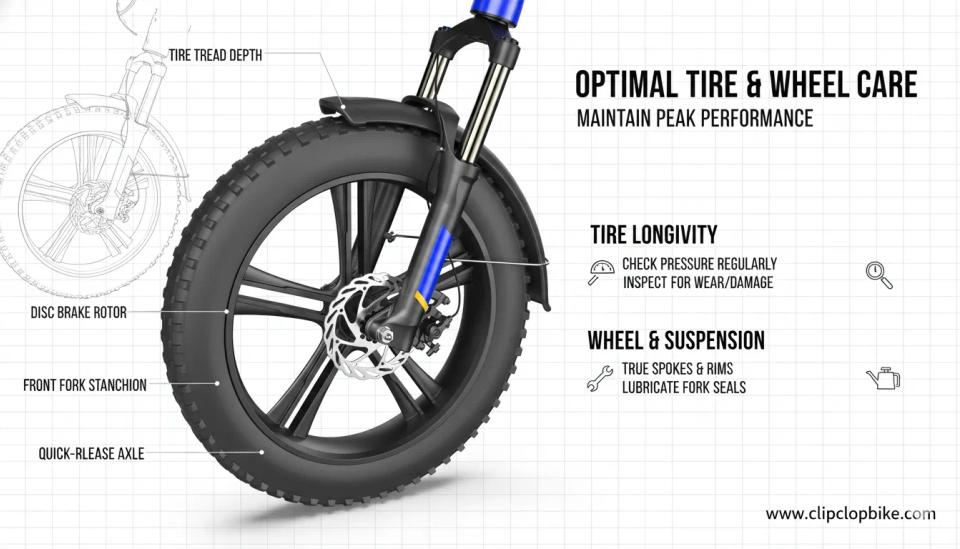
Обслуживание fat-tire e-bike: колёса и шины
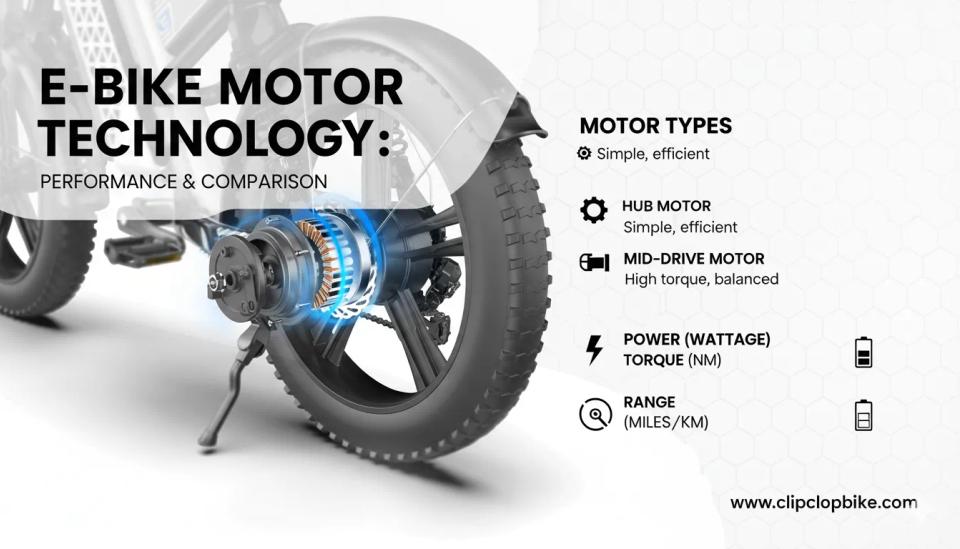
Мотор-колеса для курьерских электровелосипедов: надежность, TCO и простота ремонта
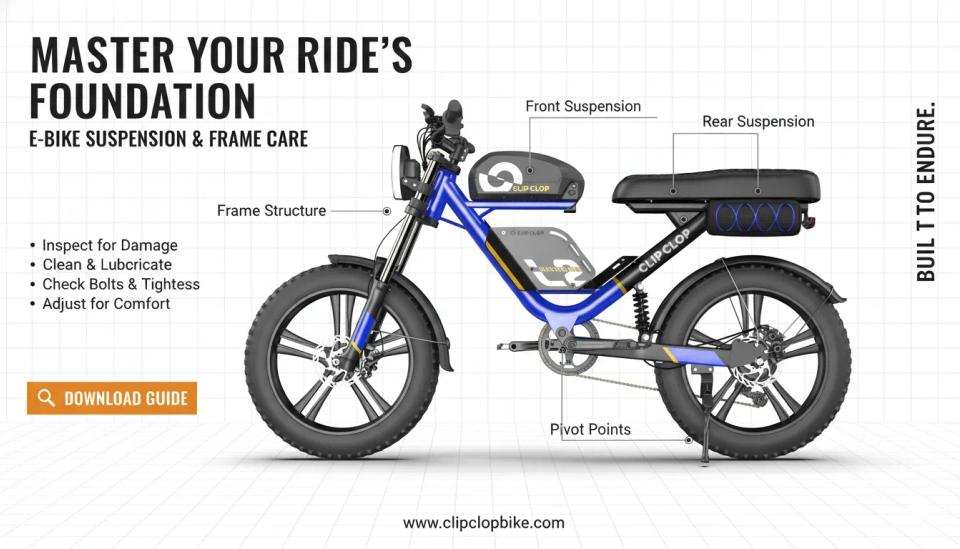
Обслуживание подвески и рам электровелосипедов: сальники вилок и снижения TCO
Кареточные моторы для тяжелых грузовых электровелосипедов и eMTB: крутящий момент
Отправьте ваш бриф. Мы подготовим технический ответ.
Ответ включает оценку осуществимости, стоимость образца, MOQ и следующие шаги по проекту. Отвечаем в течение 48 часов.