
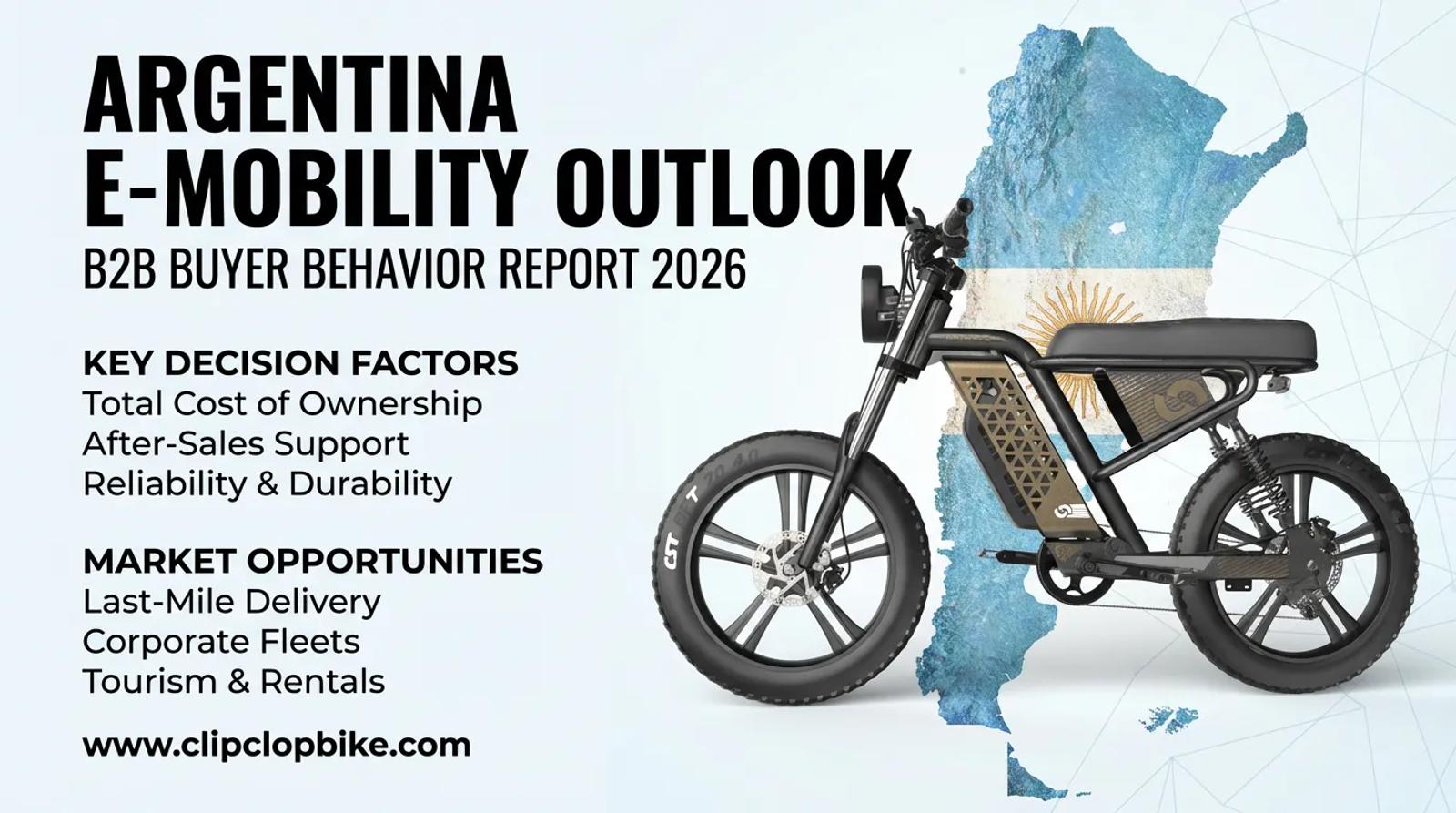
Импорт электровелосипедов в Аргентину 2026: гид по закупкам, машинокомплекты SKD
Раскройте потенциал рынка B2B электровелосипедов Аргентины 2026: решения покупателей B2B, характеристики и закупки для прибыли дилера.
Раскройте потенциал рынка B2B электровелосипедов Аргентины 2026: решения покупателей B2B, характеристики и закупки для прибыли дилера.
Привет, я Лео Лианг. Я уже много лет работаю с электрическими внедорожными велосипедами — составляю команду Clipclop в Гуандуне, но также просто Rider, который странно одержим, как эти вещи выдерживают реальную жизнь. Я провёл длинные видеозвонки с дистрибьюторами, бродил по цехам, спорил о согласованности сварки, сидел с арендаторами, смотревшими на листы TCO, пока мне не болели глаза.
Коммерческие партнеры могут ознакомиться с нашими производственными мощностями на странице Завод по производству электровелосипедов OEM/ODM, изучить стандартные конфигурации на странице CS01 Fat Tire & CS04 Commercial Utility Platforms, или напрямую запросить условия FOB контейнерных поставок через наш Портал коммерческих запросов цен (MOQ 20).
Если вы дилер или импортер электровелосипедов в Аргентине, я это понимаю: это не “просто продай велосипед и забудь”. Вы сочетаете денежные потоки, хаотичную логистику, валютные колебания и риск застрять с товаром, который не продается. Рынок Аргентины захватывает, но он также любит удивлять, особенно когда география и местные условия езды меняют всё от провинции к провинции.
Это не те «флуффи» отчёты о рынке, которые бросают вам обобщённые статистики и называют это стратегией. Я сохраню практичность, как будто объясняю это партнёру в WhatsApp. Мы разберём, кто именно покупает в 2026 году, что заставляет их подписать PO, и как построить цепочку поставок из Китая, которая не рухнет, как только что-то пойдёт не так.
Моя цель проста: помочь вам правильно закупать, договариваться чище и избегать классических B2B ловушек — например, выбрать самый дешёвый товар и потом платить за дефекты и злых клиентов. Некоторые блоггеры про закупки всегда говорят “покупай процесс, а не продукт”, и честно говоря, это и есть настроение здесь. Мы сосредоточимся на решениях, которые сохранят вас живым и прибыльным.
Где реальный спрос на ландшафте e-bike Аргентины в 2026?
Давайте немного проветрим шум. Макротренды забавны, но они не скажут вам, стоит ли загружать больше велосипедов с полной подвеской E-MTB или полагаться на простые городские велосипеды с широкими шинами. Настоящий секрет — смотреть на сценарии использования и то, что люди реально едут на них. По слухам из южноамериканских партнёров спрос — не один большой конгломерат, а куча карманов с разными потребностями.
Любители выходного отдыха и горных лыжников — это реальная ниша, особенно в андских районах, где важна подъёмная мощность и “тревога из-за диапазона” — вещь реальная. Эти райдеры обычно хотят велосипеды E-MTB с подвеской, и они быстро спрашивают о крутящем моменте 60–80 Нм как о базовом значении, и они не прощают плохую подвеску. Если вилка чувствует себя дешево, они раскритикуют это в местных группах единцев, и это быстро распространяется.
Затем есть коммутерная тусовка, которая большая, но не такая, как, скажем, в Германии. Много аргентинских райдеров сталкиваются с грубыми улицами — бордюрами, ямами, случайными неасфальтированными участками, и комфорт становится прочностью. Вот тут правильный велосипед с широкими шинами (как наш Clipclop L1 with 20"x4.0 шины) имеет смысл, потому что они «прощают» плохие дороги лучше, чем узкие шины.
Коммерческий спрос — ещё один мотор, который нельзя игнорировать. Туристические операторы и арендаторы в Патагонии, винодельческих регионах и outdoor-хабах быстро понимают, что электровелосипеды увеличивают их клиентскую базу. Им важнее скорость, чем «фуршпанковая» максимальная скорость, и они заботятся о «времени безостановочной работы» — велосипедах, которые выдерживают постоянное использование людьми, которые не знают, как правильно переключать скорость. Поэтому вы закупаете рамы, которые не ржавчаты легко (6061 алюминий — безопасный выбор), и вы делаете акцент на деталях, которые легко обслуживаются.
Я также вижу меньший, но интересный спрос со стороны велосипедных клубов и лёгкой грузовой доставки в плотных районах. Для доставки важнее манёвренность и грузоподъёмность, чем “профессиональные” характеристики, и способность продавать максимальную нагрузку, например 160 кг, может быть сильным аргументом. Здесь вы перестаёте угадывать и начинаете сегментировать, потому что один SKU не справится с каждой задачей без разочарования.
Как это превращается в план закупок? Для 2026 года обычно наименьший риск — сбалансированное распределение SKU. Мне нравится простой 3-уровневый смешанный вариант: около 40% как “работающая лошадка” модель с широкими шинами для смешанных поездок и аренды, 30% как настоящие E-MTB с жёсткой подвеской, чтобы сохранить стоимость, и последние 30%, разделённые между полной подвеской и экспериментальной моделью для проверки трендов.
Сезонность важнее, чем люди признают. Вы не хотите, чтобы контейнер прибыл после начала пиковой езды. Стремитесь к поставкам в конце зимы — в августе или сентябре, чтобы быть готовыми к весенне-летним продажам. Это не эксклюзивный совет, но он защищает ваши капиталы на складе, и несколько владельцев магазинов, с которыми я общаюсь, постоянно повторяют: “время — это маржа”.”
Скачать заводской каталог ClipClop 2026 (PDF)
Полные характеристики электровелосипедов, варианты двигателей и аккумуляторов, MOQ и данные по загрузке контейнеров.
Кто ваши B2B покупатели и что их беспокоит?
Много людей увлечены спецификациями велосипедов и забывают о человеке, подписывающем покупательное поручение. Не делайте этого. B2B покупатели в Аргентине — не один тип человека; это разные персоны с разными страхами. Если вы продавец одинаково подходите ко всем, вы почувствуете себя в процессе “продаж”, но не закроете сделки согласованно.
Во-первых, оптовые дистрибьюторы, которые покупают массово — может быть, 100–500 единиц. Эти люди аллергичны к неопределённости. Они говорят о наценке, затраченной стоимости, сроках поставки и любят идею региональной эксклюзивности, потому что это защищает их каналы. Они будут прямо спрашивать: “Вы можете доставлять стабильно в 90–120 дней, или вы угадываете?” Они хотят партнёрских отношений, а не случайного поставщика.
Для независимых веломагазинов или маленьких цепочек, заказывающих 20–50 единиц, характерна другая стресс. Они заботятся о притоке клиентов и репутации. Одна модель, которая часто возвращается на ремонт, может испортить их всю марку, особенно в узких местных сообществах. Они предпочитают простые, надёжные установки — гидравлические тормоза дисковые, приемлемые трансмиссии, например Шимано 7 скоростей, потому что их механик может починить быстро, без драмы.
Владельцам магазинов также нужно помочь продавать. Не все говорят об этом открыто, но они хотят фотографий, базовых спецификаций, возможно, нескольких социальных постов и обучения персонала, чтобы они не звучали незнающе. Несколько блоггеров про ритейл всегда говорят “обучай персонал, или клиенты научат их”, и да… это правда. Если ваш поставщик предоставляет материалы для поддержки, ваша конверсия в магазине обычно повышается.
Менеджеры по эксплуатации для арендаторов и туристических предприятий — это совсем другой тип человек. Прочность — их религия, без шуток. Они относят велосипеды как к машинам для заработка, поэтому измеряют всё по полной стоимости владения. Они будут допрашивать вас о долговечности батарей, мощности мотора 48V 750W бесщёточного привода и скорости замены контроллера между арендами. “Лёгко обслуживать” часто выгоднее, чем “быстро”.”
Затем есть велосипедные клубы или групповые покупатели, которые ориентированы на производительность и весьма напряжённые (в хорошем смысле). Они сравнивают крутящие моменты, заявления о диапазоне батарей и спрашивают, будет ли вся партия ездить согласованно или если половина единиц будет чувствовать себя по-разному. Они также заботятся о репутации в сообществе энтузиастов, потому что никто не хочет быть тем, кто привёз “плохую партию” в клуб.
Если вы чётко картируете эти персонажей, ваша продукт и подход становятся острее. Вы перестаёте пытаться угодить всем, и вместо этого вы подбираете правильный велосипед, правильную историю гарантии и логистическую программу для реальной цели покупателя. Это как вы reduces wasted conversations and increase repeat orders.
Mapping the Buyer's Journey: How They Find and Trust a Supplier
Ни один серьёзный дилер в Аргентине не просыпается случайно и переводит деньги на завод в Китае. Всегда есть путь, и доверие строится слоями. Обычно это начинается на крупных платформах, таких как Alibaba или Made-in-China, потому что это удобно для отбора. Но покупатели быстро теряются — слишком много похожих фотографий, слишком много “лучшее качество!!!” заявлений, и мало доказательств.
Опытные покупатели быстро выходят наружу. Они смотрят видеообзоры на YouTube (иногда английские), потому что реальные кадры езды сильнее, чем любой каталог. Они спрашивают в группах WhatsApp, сообществах Facebook, кругах дилеров, где люди делятся честными отзыми. Рекомендация дилера из соседнего города может поднять поставщика на вершину списка над ночь, и честно говоря, это сложно “зарекламировать”.
Когда появляется короткий список, начинается дедукция, и вот где большинство поставщиков ошибаются. Первый шаг — запрос образца, но покупатели судят не только о велосипеде — о вашем процессе. Ответили ли вы быстро? Была ли коммуникация чёткой? Упаковали ли вы его достаточно надёжно, чтобы выдержать перевозку? Блоггер про логистику, которого я читаю, всегда говорит: “упаковка — это часть качества”, и да, я согласен.
Когда образец прибывает, его тестируют, как на суде. Они проверят реальный диапазон, а не оптимистичный диапазон из буклета. Они протестируют подъём на крутых склонах и убедятся, что тормоза чувствуют себя уверенно под нагрузкой. Некоторые будут открывать ремонтника и осматривать сварку, проводку и бренды, использованные внутри, потому что скрытые детали вызывают самые большие проблемы с гарантией.
Если образец не сочитает вас внешне, разговор обычно углубляется. Покупатели начинают просить виртуальный обзор фабрики на видеозвонке. Они хотят увидеть конвейеры сборки, станции КП, организацию склада и понять, вы строите рамы или просто пересыпаете коробки. Они попросят лицензии, информацию о сертификации (например, CE для компонентов) и список запасных частей с ценами, которые выглядят, как будто вы это делаете уже давно.
Последние препятствия обычно связаны с МОЗ и условиями оплаты. Первые заказы часто приходят с энергией “давайте проверим рынок”, поэтому они тянутся за более низким МОЗ и гибкости. Здесь важна прозрачность: будьте честны о мощности, предоставляйте чёткие документы и объясняйте, что вы можете и чего не можете делать. Когда покупатели чувствуют, что вы с ними честны, доверие формируется быстрее, чем любая продажная презентация.
Что действительно важно: взвешенные критерии B2B покупки электровелосипеда
У каждого B2B покупателя есть чеклист в голове, но не все пункты одинаково важны. Цена всегда начинает разговор, конечно, но опытные импортеры знают, что FOB-цена — только начало. Реальное число — это затраченная стоимость — расходы на морскую доставку, страховку, таможню, местную доставку плюс “пауза комфорта” для дефектов, переделки и неприятных сюрпризов.
Именно поэтому дешёвый велосипед с высоким процентом дефектов может стать самым дорогим выбором, который вы сделаете. Если 10% единиц прибудет с проблемами, вы потратите время, запчасти, рабочую силу и репутацию на их исправление. Немного выше цена за единицу с 1% процентом дефектов часто выигрывает в долгосрочной перспективе. Я знаю, это скучно, но качественная последовательность — это то, что держит B2B бизнес дышащим.
Электрическая система — это сердце, и покупатели знают об этом. Надёжность батарей и контроллера важнее, чем яркие экраны или красивая краска. Люди беспокоятся о производительности в диапазоне климатов Аргентины — жара вверху, холод внизу. Они спрашивают, насколько BMS прочный, предотвращает ли он перезарядку и действительно ли защищает жизнь элементов, а не просто выглядит хорошо на бумаге.
Контроллеры — ещё один большой пункт страха. Пыль, вода, грубые дороги — это убивают слабое герметичное исполнение. На неасфальтированных маршрутах вибрация плюс влага — это мощное напоржавливание, и покупатели, которые были поджарены раньше, будут допрашивать вас о том, насколько хорошо защищён контроллер. Если вы можете объяснить герметичность, качество разъёмов и привычки тестирования, как обычный человек, а не буклет, вы мгновенно выглядите более доверенно.
Механические детали тоже важны, особенно тормоза и трансмиссии. Покупатели предпочитают проверенные бренды даже на входящих моделях, потому что доступность запчастей и знакомство механиков снижают простои. Рама тоже важнее, чем кажется: чистые сварки, согласованная геометрия, долговечная краска, которая не чернеится, если кто-то случайно опустит велосипед. Износостойкость — это не “пожалуйста”, когда велосипеды живут на улице.37. Затем выделены не продуктовые факторы, которые могут сделать или сломать сделку. Стабильность сроков поставки огромна. Поставщик, который действительно отгружает в обещанные 90–120 дней, помогает дилеру планировать денежные потоки и маркетинг. Поставщик, который откладывает даты, вызывает хаос, и я видел, как партнёрства гибнут просто потому, что сроки постоянно сдвигались.
Послепродажа поддержка и доступ к запасным частям часто являются настоящим критерием сделки. Дилерам нужна чёткая гарантия, каталог запчастей, который они могут понять, и техподдержка, которая отвечает быстро. Русскоязычные материалы помогают сильно — инструкции, развёрнутые схемы, даже короткие видео. И кастомизация (логотипы, цветовые решения, упаковка) не только эго; это помогает дилерам создавать местные брендовые идентичности.
Аргентинская специфика: руководство по созданию правильного электровелосипеда.
Давайте будем конкретны, потому что общие советы не помогают вам сделать заказ. На основе обратной связи, которую я услышал, и реалий производства вот три конфигурации, которые имеют смысл для Аргентины. Они не «идеальные велосипеды», но они балансируют производительность, прочность и стоимость так, как обычно работает для дилерских наценок и ожиданий клиентов.
1. Универсальный работник: ваш объёмный продавец.
Это модель, на которую можно полагаться, когда вы не хотите рисковать. Мне нравится, потому что она подходит для городских поездок, аренды и смешанных дорожных условий без излишней сложности. Цель — не впечатлить самого экстремального райдера, а быть достаточно надёжной, чтобы владельцы магазинов не ненавидели вас после первого месяца продаж.
Для мотора обычно чистый вариант — это 48V 500W или 750W задний губрик. Он справляется с подъёмами и грубыми улицами без сложности и затрат mid-drive систем. Я бы сосредоточился на приемлемом управлении нагревом и стабильном крутящем моменте 60–70 Нм. Некоторые авторы YouTube все время говорят «губрики мертвы», но для этого сегмента они всё ещё практичны и дружелюбны для ремонта.
По батареям — съёмный блок 48V 15А (около 720Wh) с проверенными элементами — безопасная середина. Съёмная важна, потому что квартирное проживание реальность, и зарядка.
По батарее съёмный пакет 48V 15Ah (около 720Wh) с проверенными ячейками — безопасная середина. Съёмность важна: жизнь в квартире реальна, а зарядка в помещении — ежедневная привычка. Заявления о запасе хода должны оставаться реалистичными — 40–60 км при обычном использовании: завышенные обещания приводят к злым отзывам. I’d rather sell “honest range” than fantasy.
Frame and components should stay tough and simple. Хардтейл-рама из алюминия 6061 в ходовых размерах (medium и large) держит производство стабильным, а запчасти — простыми. Pair it with 20" or 26" fat tires around 4.0" ширины для комфорта и универсальности, затем гидравлические диски с роторами 180 мм и трансмиссия Shimano 7 или 8 скоростей — чтобы механикам не было мучительно.
Обязательное: интегрированный свет, прочные крылья и задний багажник — практичные покупатели любят практичную оснастку. Если нужно срезать стоимость, я бы сначала упростил fancy LCD-дисплей до более простого LED-блока, прежде чем трогать тормоза или качество батареи. Некоторые ритейл-блогеры постоянно кричат «не экономьте на тормозной силе» — и они правы.
2. The Trail Explorer: Your Profit Generator
This one targets the growing off-road enthusiast market, and it’s where you can protect margin if you stock it smart. Райдеры в этом сегменте любят spec sheets, конечно, но им также важны ощущения: как велосипед едет в гору, как отдаётся мощность на сыпучих тропах и соответствует ли уверенность подвески цене. One sloppy choice here can kill your credibility.
Motor options are flexible. Mid-drive может быть привлекателен по распределению веса, но добавляет стоимость и сложность. Высокомоментный задний hub-мотор всё ещё может конкурировать, если он плавный и даёт выше 80Nm. Я бы приоритезировал контролируемую отдачу мощности над сырыми пиковыми цифрами: рывковый разгон на грунтовых тропах — как раз то, из-за чего райдеры теряют уверенность и начинают называть велосипед «дешёвым».”
Battery capacity should be higher than the workhorse. Something like 48V 17.5Ah (около 840Wh) или больше может стать продающим аргументом: трейловые райдеры думают часами и набором высоты. Убедитесь, что батарея надёжно интегрирована или хорошо закреплена: жёсткий рельеф накажет слабые конструкции замков. If the pack rattles, people notice immediately.
По раме и компонентам full suspension — сильный дифференциатор, но качественный хардтейл с солидной вилкой 100–120 мм — более доступный вход для многих покупателей. Более широкий руль, лучшие грипсы и настоящие внедорожные шины сильно помогают. Тормоза стоит апгрейдить — 4-поршневые в плюс: длинные спуски с дополнительным весом e-bike быстро «варят» слабые комплекты.
Обязательное здесь: воздушная амортизационная вилка, совместимость с dropper seatpost и переключатель с clutch, снижающий удары цепи. What you can cut: carbon bits. Карбон выглядит круто, но для этого рыночного сегмента он не обязателен, а сплавные детали часто лучше переживают жёсткую эксплуатацию. I’d rather sell “durable” than “delicate premium.”
3. The Urban Striker: Your Niche Tester
This is the style-first, low-maintenance option for city riders who want something clean and not too complicated. Это не всегда модель больших объёмов, но может быть хорошим пробником тренда на 2026. Если вы тестируете новый внешний вид или пытаетесь поймать более молодой сегмент покупателей — здесь можно экспериментировать, не рискуя всем контейнером.
Мощность мотора может быть скромнее — 36V или 48V в диапазоне 350W–500W обычно ощущается достаточно шустро для городского разгона. Фокус — на отзывчивости на низкой скорости, а не на «взрыве» максималки. Многие городские покупатели просто хотят быстро трогаться на светофорах и чувствовать «zippy» — и готовы обменять скорость на более простое обслуживание.
Батарея может быть меньше, чтобы снизить вес и стоимость: 36V 10Ah или 48V 10Ah часто достаточно для типичных городских маршрутов. Некоторые дизайны делают батарею несъёмной и полностью интегрированной ради sleek-вида — это может хорошо продаваться, но нужно думать о привычках зарядки пользователя. Если дома зарядить нельзя, несъёмная батарея становится раздражающей.
For frame and components, keep it simple. A rigid frame is fine. Трансмиссия может быть single-speed или 3-скоростной планетарной втулкой для низкого обслуживания — и это, честно, привлекательно для нетехничных райдеров. Механические дисковые тормоза могут работать в этой нише, если хорошо настроены, но слишком дёшево идти не стоит. Добавьте шины с защитой от проколов и заложите security-функции вроде крепления frame lock.
Обязательное: чистая проводка, простое обслуживание и практичные security-ориентированные решения в дизайне. Что можно срезать: подвеску, лишние передачи, большие дисплеи и всё, что усложняет владение. Городские покупатели хотят велосипед в духе «взял и поехал», а не механическое хобби. Я видел, как этот сегмент вознаграждает простоту сильнее, чем хвастовство характеристиками.
Navigating the Deal: Price, Payments, and Supplier Vetting
Now the business part, because the deal structure is as important as the bike itself. Аргентинские покупатели осторожны по веским причинам: экономическая волатильность делает риск личным. Поэтому ваши переговоры должны снижать неопределённость, а не увеличивать её. Некоторые sourcing-блогеры всегда говорят «ясность закрывает сделку» — и я убедился, что это верно даже когда продукт отличный.
MOQ and lead time are the first pressure points. Некоторые заводы давят на стандарт 40' контейнера, но многие примут 20' для первого заказа — примерно 50–70 единиц в зависимости от микса — просто чтобы начать отношения. С моей стороны это обычно честный компромисс: вы тестируете спрос, не сжигая слишком много капитала, а поставщик получает реальный сигнал.
Условия оплаты обычно: 30% депозит для старта производства, затем 70% остаток после завершения перед отгрузкой. Некоторые покупатели давят на оплату остатка против копии Bill of Lading, но это уже на доверии. Letters of Credit могут работать для более крупных сделок, но добавляют стоимость и головную боль с документами. Я всегда говорю партнёрам: выбирайте метод, который снижает количество бессонных ночей.
Pricing talks should include currency reality. Всегда просите Proforma Invoice с окном действия — 15–30 дней обычно — чтобы вас не застало врасплох предложение, которое «загадочно изменилось».» Для повторных заказов обсудите механизм фиксации цены или хотя бы формулу, привязанную к крупным изменениям сырья, чтобы обе стороны чувствовали справедливость.
Incoterms matter too. FOB обычно лучший дефолт: он даёт контроль над океанским фрахтом и страховкой; вы можете сравнивать ставки и выбирать форвардера. CIF выглядит проще, но часто вы платите премию и теряете гибкость. DDP редко и рискованно для поставщиков: если кто-то casually обещает DDP, я бы перепроверил, понимают ли они, что предлагают.
Проверка поставщиков — это ваша защита. Не доверяйте просто красивому сайту. Запрашивайте бизнес-лицензии и экспортные лицензии. Используйте видеозвонки, чтобы подтвердить реальность фабрики, и делайте это грамотно — например, просите их в реальном времени пройти в цех сварки или зону контроля качества. Торговые компании обычно не могут сделать это плавно, и вы почувствуете разницу.
Перед подтверждением крупного заказа рассмотрите возможность третьесторонних инспекций, таких как QIMA или SGS, для предотгрузочной проверки по стандартам AQL. Это не “дополнительные расходы”, а дешёвая страховка по сравнению с контейнером проблем. Я видел, как инспекции выявляли простые недочёты — несоответствие шин, неаккуратную проводку, отсутствующие аксессуары, — которые превратились бы в неприятный послепродажный хаос.
Финальный этап: Преодоление таможни, доставки и логистики
Как только велосипеды собраны, а баланс оплачен, часто начинаются главные головные боли: таможня, доставка и документооборот. Документация здесь — ваш щит. Литий-ионные аккумуляторы перевозятся как опасный груз, и вам нужны правильные документы готовы, а не “отправим позже”. Отчёты UN38.3 и паспорта безопасности (MSDS) — обязательны, а правильная маркировка коробов важнее, чем кажется.
Если поставщик колеблется с документацией на аккумуляторы — это тревожный сигнал. Я предпочитаю некомфортный разговор на раннем этапе, чем задержку поставки позже. Некоторые логисты в сети повторяют: “задержки из-за документов обходятся дороже премиальной фрахтовой ставки”, и они не преувеличивают. Несколько дней простоя могут разрушить весь ваш сезонный план.
Классификация по ТН ВЭД (HS Code) — ещё одна деталь, которая может сделать или сломать ваш импортный поток. Полностью собранные велосипеды обычно попадают под другую категорию, чем рамы и комплекты аккумуляторов, отправляемые отдельно как CKD или SKD. CKD/SDK иногда могут снизить пошлины, но добавляют операционную сложность, так как требуется местная сборка и контроль качества. Для многих мелких и средних дилеров полностью собранные или 85% собранные варианты просто проще.
Работайте с опытным экспедитором и таможенным брокером внутри Аргентины. Они того стоят, потому что понимают местные правила, проверки и “обычные проблемы”, которые не видят со стороны. Они могут посоветовать по судоходным линиям, срокам документооборота и подготовке к проверкам без паники. Это не место для DIY, если вы новичок.
Страхование и упаковка тоже заслуживают внимания. Морское страхование должно покрывать повреждения, а не только полную потерю. Электровелосипеды тяжёлые, и если упаковка слабая, транспортировка может уничтожить дисплеи, кронштейны переключателей и краску. Настаивайте на усиленных 5-слойных коробах и защите уязвимых деталей. Ссориться из-за картона надоедливо, но картон дешевле гарантийного ремонта.
After-Sales is Not a Cost, It's Your Best Marketing Tool
В B2B первая продажа — только начало. Ваша реальная репутация формируется после прибытия контейнера, когда клиенты начинают кататься. Поставщик, который исчезает после отгрузки, — это ответственность, а не партнёр. Преже чем что-либо подписывать, вам нужно чёткое общее понимание гарантийных ожиданий, потока запчастей и того, как техническая поддержка будет работать на самом деле.
Надёжный поставщик включит комплект запчастей в ваш первый контейнер — обычно около 1–2% от стоимости заказа. Это должно покрывать детали с высоким процентом отказов: тормозные колодки, контроллеры, дисплеи, зарядные устройства и жгуты. Цель проста: вы решаете проблемы немедленно, а не ждёте недели запчастей из Китая и не разочаровываете клиентов.
Испаноязычная документация важнее, чем многие фабрики предполагают. Руководства пользователя, инструкции по сборке и схемы взрыва делают ваших механиков быстрее и увереннее. Видеоуроки по типовым ремонтам — золото, даже если они простые. Я видел, как дилеры превращали послепродажку в маркетинговое преимущество, публикуя контент “как мы вас поддерживаем” — люди доверяют брендам, которые выглядят подготовленными.
Гарантийный процесс должен быть простым и честным. Установите чёткую процедуру сообщения о проблемах: фото, видео, серийные номера и срок ответа. Решите, как будут отправляться гарантийные запчасти — авиаэкспрессом для срочных случаев или консолидированной морской поставкой со следующим заказом — и уточните, кто платит фрахт. Если это неясно, позже будут споры, и это никому не нравится.
Когда послепродажное обслуживание сильное, оно становится вашим лучшим маркетинговым инструментом. Клиенты говорят, магазины говорят, арендные операторы говорят, и “этот бренд нас действительно поддерживает” распространяется быстрее рекламы. Поставщик, который инвестирует в поддержку, по сути инвестирует и в ваши повторные заказы. Это те отношения, которые переживают плохие сезоны, валютный стресс и обычный рыночный хаос.
Аргентинский B2B-рынок электровелосипедов в 2026 году имеет реальный потенциал, но только если подойти к нему с дисциплиной. Поймите локальные ниши спроса, уважайте психологию покупателей и относитесь к качеству и поддержке как к основной стратегии — не как к побочной детали. Если вы так сделаете, вы не просто выживаете; вы строите нечто, что может масштабироваться без постоянного тушения пожаров.
Если хотите обсудить конкретные конфигурации, кастомный брендинг или как структурировать ваш план закупок, не попадая в обычные ловушки, напишите мне. В Clipclop мы не хотим быть просто “фабрикой”. Мы стараемся действовать как экспортные специалисты и технические партнёры для дилеров, оптовиков и брендов, которым нужна надёжность больше, чем красивые обещания.
Часто задаваемые вопросы (ЧЗВ)
Вопрос 1: Какой самый важный фактор в процессе принятия решений о покупке электровелосипеда для аргентинского дилера в B2B?
Хотя цена — отправная точка, самым критическим фактором является Общая стоимость владения (TCO). Это включает начальную цену покупки плюс доставку, импортные пошлины и, что самое важное, прогнозируемые расходы на гарантийные случаи, ремонт и потерю продаж из-за проблем с надёжностью. Надёжный велосипед с сильной послепродажной поддержкой в конечном итоге прибыльнее, чем более дешёвая, но проблемная альтернатива.
Вопрос 2: Как подходить к переговорам по MOQ и срокам поставки с новым поставщиком?
For a first order, propose a smaller test order (e.g., 20' контейнер вместо 40' HQ) для валидации продукта и процесса поставщика. Будьте прозрачны в стратегии масштабирования при успешных продажах. По срокам поставки зафиксируйте твёрдое обязательство в контракте и спросите о производственном графике в пиковые сезоны (обычно март–август в Китае), чтобы предвидеть возможные задержки.
Вопрос 3: Каковы ключевые критерии покупки для дилеров внедорожных электровелосипедов в Аргентине?
Ключевые критерии включают прочный рама (алюминиевый сплав 6061), надёжный мотор с достаточным крутящим моментом (минимум 60-70 Нм) для холмов, аккумулятор с адекватным запасом хода (минимум 48V 15Ah / 720Wh), качественную подвеску и мощные гидравлические дисковые тормоза. Помимо спецификаций, дилеры приоритизируют низкие потребности в обслуживании и доступность запчастей.
Q4: Как эффективно оценить надёжность потенциального поставщика e-bike из Аргентины?
Используйте комплексный подход: 1) Начните с детального видеозвонка и виртуального тура по фабрике. 2) Закажите образец, чтобы самим протестировать производительность и качество сборки. 3) Запросите рекомендации от других B2B-клиентов (желательно в неконкурирующих регионах). 4) Перед крупным заказом инвестируйте в третьестороннюю предотгрузочную инспекцию, чтобы проверить качество всей партии.
Вопрос 5: Каковы самые большие скрытые риски при импорте электровелосипедов в Аргентину?
Основные скрытые риски — это таможенные задержки из-за некорректной или неполной документации на литиевые аккумуляторы (UN38.3, MSDS) и непредвиденные расходы из-за высокого процента брака после поставки. Смягчите это, выбрав поставщика с подтверждённым опытом экспорта и договорно зафиксировав стандарты качества и гарантийную поддержку до размещения заказа.
Ссылки:
- Mordor Intelligence - Argentina Electric Bicycle Market SIZE & SHARE ANALYSIS - GROWTH TRENDS & FORECASTS (2024 - 2029).
- International Trade Administration - Argentina Country Commercial Guide.
- UNECE - Regulations on the transport of dangerous goods (for lithium battery guidelines).
Стандарты производства и качество сборки ClipClop
Оптовые закупки и поставки для коммерческих флотов с ClipClop
Развертывание корпоративных флотов электровелосипедов и дистрибуция техники под собственной торговой маркой требуют надежного производственного партнера, обеспечивающего стабильный выпуск контейнерных партий, роботизированную сварку рам и строгий многоступенчатый контроль качества. На заводе площадью 25 000 м² в Цинъюане ClipClop предоставляет комплексные услуги производства электровелосипедов OEM/ODM с доступным MOQ от 20 единиц на артикул. Каждый контейнерный заказ включает гарантированный фонд запасных частей (2% бесплатных гарантийных компонентов), международные сертификаты (EN 15194, UL 2849, UN38.3) и отправку образцов за 15 дней.
Готовы протестировать инженерные образцы для платформ CS01 Fat Tire & CS04 Commercial Utility Platforms или обсудить эксклюзивные дистрибьюторские условия в регионе? Свяжитесь с инженерной группой ClipClop через наш Коммерческий портал B2B запросов для получения расчета контейнерной партии и производственного графика.
Скачать заводской каталог ClipClop 2026 (PDF)
Полные характеристики электровелосипедов, варианты двигателей и аккумуляторов, MOQ и данные по загрузке контейнеров.
Другие отчёты OEM с производства.
Топ-5 китайских производителей e-bike с толстыми шинами
Электровелосипеды для шеринга: IoT-телематика, сменные батареи и антивандальность
Мировые производители электровелосипедов 2026: B2B-сравнение заводов OEM/ODM, мощностей и сроков
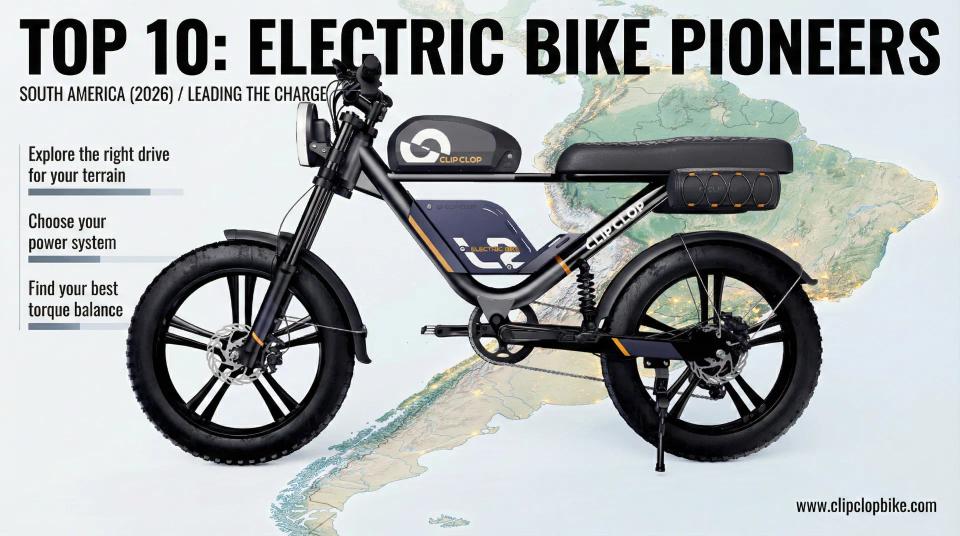
Топ-10 производителей e-bike в Южной Америке 2026
Отправьте ваш бриф. Мы подготовим технический ответ.
Ответ включает оценку осуществимости, стоимость образца, MOQ и следующие шаги по проекту. Отвечаем в течение 48 часов.