


Hello everyone, Leo Liang here from ClipClop. I’m based in Guangzhou, and yeah—we build electric off-road bikes, but I don’t really think of it as “just manufacturing.” To me, it’s more like engineering a ride feeling and then helping partners sell that feeling under their own name. I talk with dealers, distributors, and rental fleet folks worldwide, and the same question keeps popping up: how do you stand out when everyone sells “similar” bikes?
Honestly, creating a real brand identity in the e-bike space can feel messy at the start. A lot of partners tell me they’re worried about quality slipping, MOQs being too high, or the whole factory-from-far-away thing turning into chaos. They’re basically asking for a private label e-bike supplier who doesn’t hide behind vague promises. That’s where I put our energy. Your brand is a promise, and my job is to give you a tough, high-performance canvas—a custom electric bike that carries your name and doesn’t embarrass you later.
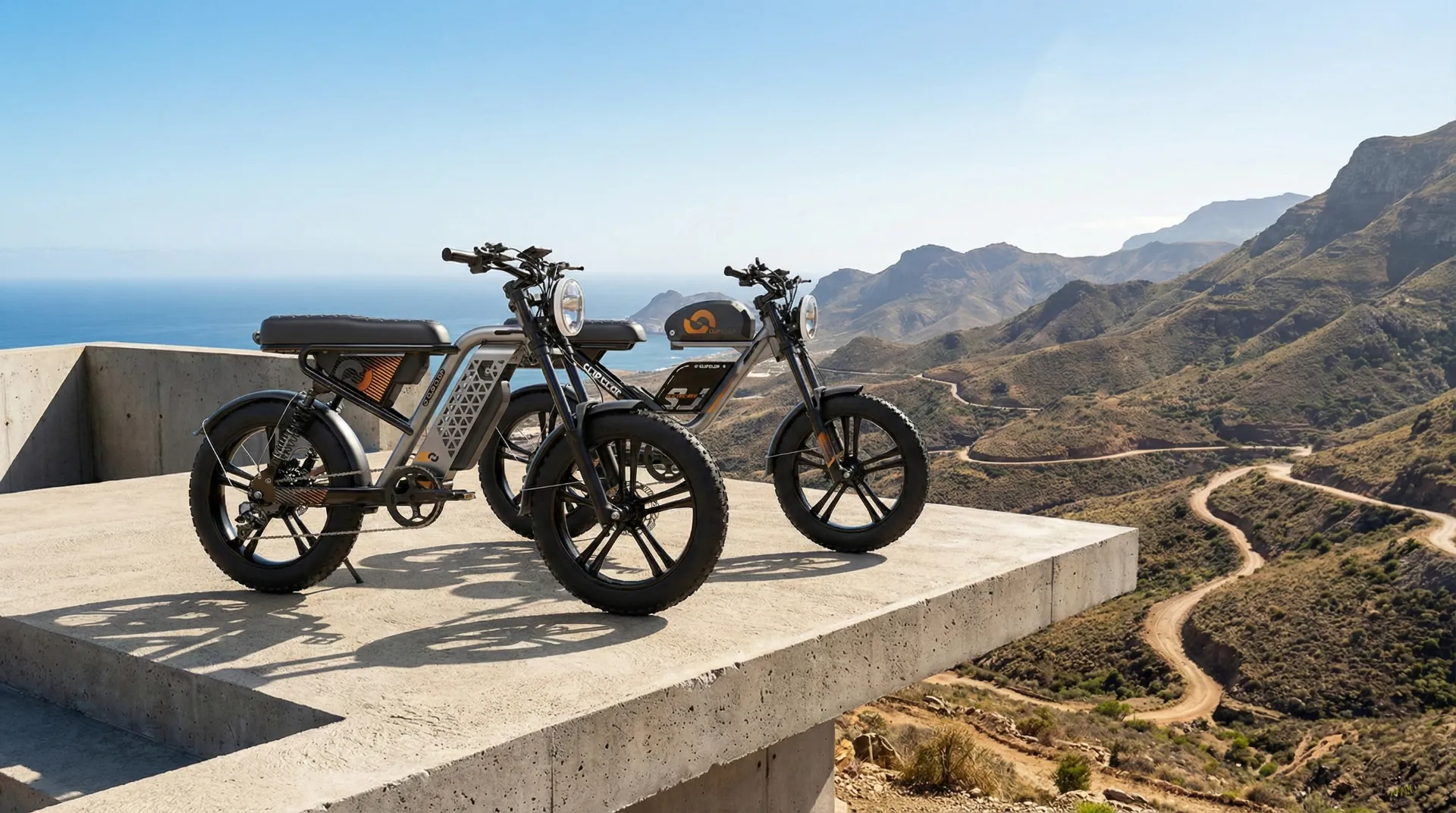
This guide comes straight out of those real conversations and our B2B work. It’s for the dealer trying to launch a private label line, the distributor who wants exclusivity, and the rental operator who needs a fleet that looks like their fleet. I’ll walk through dealer branding options, from simple OEM logo printing to deeper customization. My aim is to help you use OEM partnerships in a smart way and turn a solid product like our ClipClop L2 into something that grows your brand.
¿Por qué elegir una bicicleta eléctrica de marca blanca para su negocio?
If you’re selling in a market full of “me too” models, brand identity isn’t optional—it’s survival. A private label e-bike strategy gives you the biggest advantage: you build a tu brand, not somebody else’s. Every unit sold stacks up awareness, trust, and repeat customers for you—not the factory’s name. And yeah, you also get more control over pricing, which is where profit actually lives.
The second win is real differentiation. You stop being the shop that sells the same few catalog bikes as everyone nearby. With a partner like ClipClop, you can shape a custom electric bike around what your customers actually want. Bloggers always say “own a niche—don’t chase everyone,” and I agree: tweak colors, spec the right components, add the right accessories, and suddenly your bike isn’t replaceable.
One benefit people weirdly ignore: supply chain stability. When you work directly with the manufacturer, you get more transparency, better forecasting, and fewer nasty surprises. In a B2B branding partnership, you’re not a random order number in a giant brand’s backlog—you’ve got an actual communication line. For rental fleets especially, consistency matters for maintenance routines, spare parts planning, and keeping every rider’s experience uniform.
¿Cuáles son los componentes principales de la personalización de bicicletas eléctricas?
When you start a custom electric bike project, it helps to know what can realmente be tailored without turning your plan into a science experiment. The frame is the core, the “skeleton,” and it’s usually the first place we start. At ClipClop we focus on 6061 Aluminum Alloy frames because it’s a good balance: strong, not crazy heavy, and it handles corrosion well—important for off-road abuse. From geometry to sizing specs, this is where performance identity begins.
Then comes the visual identity—because customers buy with their eyes before they buy with logic. Finishes and graphics are where OEM logo printing becomes the loudspeaker for your brand. We can match Pantone colors, choose matte vs glossy vs metallic vibes, and place logos across the frame, battery casing, or motor cover so it looks intentional, not like an afterthought. Small detail, big impact.
After that, performance tuning is where you can quietly outclass competitors. Sure, a strong base like a 48V 750W brushless motor with 70Nm torque matters, but the “feel” comes from the full setup. Tires, handlebars, touchpoints like grips and saddles—those can be branded and selected for your audience. I like thinking of the 48V 18.2AH battery and Shimano 7-speed as a platform you can “package” differently to create a signature ride.
Navegando por el proceso de impresión y aplicación de logotipos OEM
Once you’ve got a brand vision, the next step is turning it into something physical on the bike. OEM logo printing sounds simple, but the difference between “premium” and “cheap” is usually execution. We start by getting your logo rules clear—dimensions, exact Pantone codes, placement preferences, and what you absolutely don’t want. Then our design team makes digital mockups so you can see it before anything touches metal.
For 6061 aluminum frames, high-quality vinyl decals are the most common option because they’re flexible, durable, and cost-effective. Modern decals handle UV exposure and moisture way better than people assume, which matters for off-road bikes. The application process still needs patience: surface prep, cleaning, alignment, and bubble-free application so it doesn’t look “sticker-ish.” If you want a more premium route, paint stencils or laser etching can lock branding into the finish.
Also, don’t stop at the down-tube logo. Good brand customization is about touchpoints. Consider the battery casing, motor hub, smaller components, even wheel rims if you want a more complete look. And don’t forget the unboxing moment—packaging and documentation matter more than most people admit. We can help with custom manuals, warranty cards, and branded cartons so the experience feels cohesive and professional from day one.
Cómo adaptar las especificaciones de la bicicleta eléctrica para su mercado objetivo
A private label e-bike that only looks different is a missed opportunity. The smart move is matching the build to your customers’ reality—their terrain, laws, habits, and pain points. Our ClipClop L2 is a strong base (48V 750W motor, 20”x4.0 fat tires), but the configuration should reflect where it’s used. Mountain regions? Focus on torque and climbing-friendly gearing. Coastal rental fleets? Prioritize corrosion resistance and stable range from the 48V 18.2AH battery (about 30–60km depending on conditions).
Start with terrain and usage scenarios, always. Trail riders care about suspension behavior and hydraulic disc brake feel. Urban riders care about visibility, safety, and compliance—headlights, rear signal taillights, reflectors, all those practical details matter. The blogger advice I actually like is: “sell the problem you solve, not the specs you list.” So we look at what your market complains about—range anxiety, weak braking, unreliable parts—and build around that.
You can also create tiers to widen your reach. A “standard” model based on proven L2 specs, plus an “upgraded” version with higher-end components for demanding riders, is often a clean strategy. Depending on local rules, you can offer different motor ratings, larger battery capacities, or upgraded suspension forks. When you bundle features thoughtfully, your lineup feels planned, not random, and it becomes easier to explain value to different customer budgets.
Comprendiendo las cantidades mínimas de pedido y los plazos de producción
MOQs and timelines are the questions I hear the most, especially from dealers trying private label for the first time. It’s a fair worry: inventory investment is real money sitting in boxes. At ClipClop, we try to keep entry paths realistic. Big, deep custom projects need higher volumes because tooling and setup costs don’t disappear, but simpler dealer branding options—like OEM logo printing and color changes on our L2—can be done with more accessible MOQs.
Depth of customization drives MOQ, plain and simple. Custom logo + selected colors on an existing 6061 frame is one thing; new frame geometry is a whole different beast with engineering, tooling, and testing costs. What I often recommend is a phased approach: start smaller with cosmetic branding to test the market, then scale into deeper customization after you see sales data and hear customer feedback. It’s less risky and feels way more controllable.
Lead time planning is where people either look professional—or panic at the last minute. The timeline usually includes design approval, sourcing materials, frame fabrication and painting, assembly, QC, packaging, and shipping. Cosmetic-custom orders might run around 8–12 weeks, while heavier OEM work can go longer. We try to stay transparent with schedules and updates so you can plan launches, marketing pushes, and customer promises without guessing.
Control de calidad: Protegiendo la reputación de su marca
If your logo is on the bike, your reputation is on the line. That’s not dramatic—that’s just reality. So quality control isn’t some “nice feature,” it’s the base layer of private label success. A reliable custom electric bike means fewer warranty headaches, better reviews, and happier customers who recommend you. Our QC system covers everything from incoming inspection to final pre-shipment testing.
It starts with components. We work with trusted suppliers (like Shimano), but we still check incoming parts because “trusted” doesn’t mean “never fails.” We pay extra attention to critical systems: the 48V 750W motor consistency, the 48V 18.2AH battery capacity tests, and performance checks that catch weird variance early. The 6061 alloy frame also gets weld and dimensional checks before paint ever happens.
During assembly, we follow protocols and build in multiple checkpoints. That means verifying torque specs, drivetrain alignment, brake responsiveness—details that are boring until they’re not. Before packing, every bike goes through a final inspection and functional testing, including a simulated ride check for assist modes, throttle response, and overall behavior. We document the process so what leaves the factory with your logo actually meets the standard you’re selling.
Cómo funciona el proceso de colaboración de marca B2B
A B2B branding partnership shouldn’t feel like gambling. We’ve refined our process to keep it collaborative, predictable, and not full of mystery. It begins with a real consultation where we listen and dig into your brand vision, your market, your spec requirements, and your goals. I’d rather spend more time here than fix misunderstandings later. We’ll map dealer branding options—from simple logos to a deeper custom electric bike plan.
Next is design + quotation. Based on your needs, we create a clear proposal: recommended specs (like the 48V 750W motor setup, 6061 frame), branding mockups, OEM logo printing placements, and color schemes. The quote includes per-unit cost, MOQ, and lead time estimates. I’m not a fan of hidden fees, and we avoid that kind of stuff. You should know what you’re paying for, upfront.
Then comes sampling, which I consider the “trust-building” step. Most partners want a physical prototype before committing to full production, and that makes total sense. We produce a sample identical to what mass production will follow. You test build quality, ride feel, and branding accuracy in real life. After sample approval, we start mass production and keep you updated through manufacturing and QC until the shipment is ready.
Construyendo una asociación a largo plazo para el crecimiento
At ClipClop, we don’t think private label is a one-and-done transaction. It’s more like the start of a long collaboration where we help you grow market share over time. We support beyond shipment by providing technical specs, product photos, and documentation that helps you sell and market properly. The bike is the product, but the whole support package is what makes you look like a serious brand.
After-sales support is a big deal in real operations, especially for dealers and rental fleets. You need spare parts access and technical answers without slow back-and-forth chaos. We keep inventory for components used in your builds—controllers, battery packs, and all the small parts people forget until something breaks. When you have a question or need replacements, our team aims to respond fast and solve it cleanly. That stability helps you protect customer satisfaction.
And yeah, the market evolves fast, so the partnership should evolve too. We keep watching new tech: improved displays, different motor ratings, newer battery cell options, and other upgrades that might fit your product line. If a trend makes sense for your audience and your regulations, we’ll flag it and work with you on a practical update path. Growing together beats restarting from scratch every season.
Llamado a la acción
Want to build your own electric off-road bike brand without getting stuck in the usual OEM confusion? If you’ve got questions about model selection, configuration, branding depth, or what’s realistic for your market, reach out. We’re experienced manufacturers and exporters in the electric off-road bicycle space, and we offer one-stop services—from technical support to complete vehicle solutions—for dealers, wholesalers, and brand partners worldwide.
Preguntas Frecuentes (FAQ)
Q1: What is the typical minimum order quantity (MOQ) for a private label e-bike order?
The MOQ can vary significantly based on the level of customization. For basic dealer branding options, like adding your logo and choosing a custom color for an existing model like our ClipClop L2, the MOQ is generally more accessible for small to medium-sized businesses. For deep brand customization, such as creating a unique frame design, the MOQ will be higher due to the costs of new tooling and engineering. We recommend contacting us directly to discuss your specific project for a precise quotation.
Q2: Can I customize components other than the frame and logo?
Absolutely. Creating a truly custom electric bike involves tailoring the specifications to your market. Beyond the frame, we can customize components such as tires (different treads for various terrains), saddles, grips, handlebars, and even certain performance parts. We can work with you to select a component package that aligns with your brand’s positioning and price point.
Q3: How do you ensure the quality of a custom-branded e-bike?
As your private label e-bike supplier, our reputation is tied to yours. We implement a multi-stage quality control process that begins with inspecting all incoming components and raw materials, continues with in-line checks during assembly, and concludes with a comprehensive final inspection and road test for every single bike before it is packaged. This ensures every e-bike that carries your brand name meets the highest standards of safety and performance.
Q4: What is the lead time for a typical OEM logo printing and customization order?
The lead time for a private label e-bike order is typically between 8 to 12 weeks from the confirmation of the final design and sample approval. This timeline includes material sourcing, production, quality control, and packaging. More complex projects may require additional time, but we provide a detailed schedule and transparent updates throughout the entire process.
Q5: What kind of after-sales support do you offer for B2B branding partners?
We offer comprehensive after-sales support to ensure the long-term success of your brand. This includes providing a full inventory of spare parts for your custom models, offering technical assistance and troubleshooting support from our expert team, and honoring our manufacturer’s warranty on core components. Our goal is to be a reliable partner you can count on well after your initial order is delivered.
Referencias:
- Reid Bikes OEM | Private Label Bike Brand & Manufacturing. (n.d.). Reid Bikes PL. Retrieved from https://oem.reidbikes.com/
- Fabricación Personalizada de Bicicletas Eléctricas y Soluciones OEM para Marcas. (s.f.). Cemoto. Recuperado de https://cemoto.en.made-in-china.com/
- Innovaciones B2B en Bicicletas Eléctricas: Transformando la Industria de Fabricación de Componentes para Bicicletas. (28 de octubre de 2024). Anvil. Recuperado de https://www.anvil.tw/en/news-detail/e-bike-innovations-b2b/
 English
  Spanish
  Portuguese
  Russian
  Arabic
  French
  Dutch
Dutch  German
  Danish
