

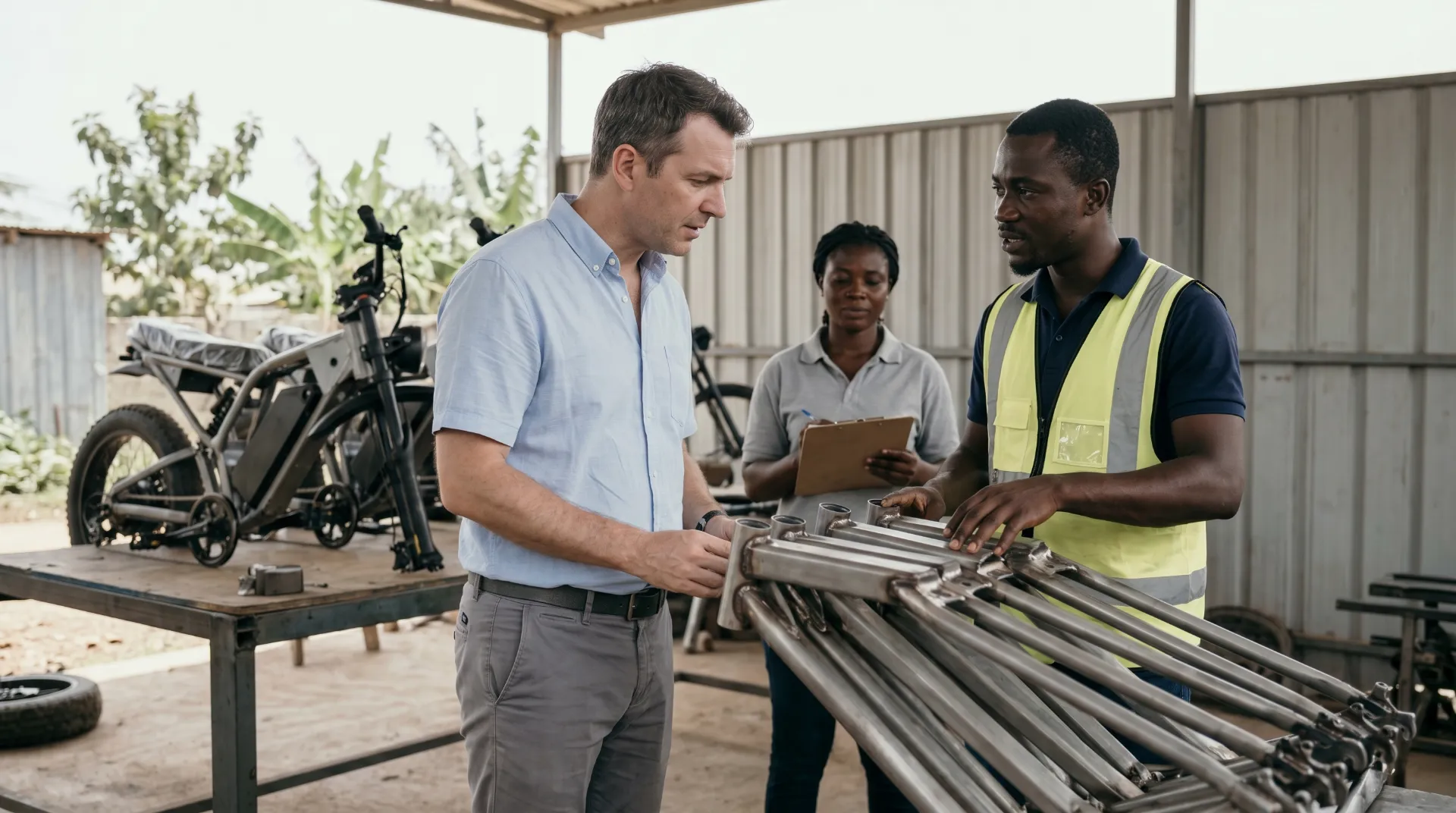
Ce qu'il faut vérifier en premier par les acheteurs OEM
Avant d'évaluer des fournisseurs individuels, parcourez cette liste de vérification :
- Capacité de production réelle — non pas le chiffre sur le site web, mais ce que l'usine peut produire en 30/60/90 jours
- Documents de certification vérifiés — CE, ISO 9001, ou équivalent, avec les rapports d'essai réels consultables indépendamment
- Minimums de commande (MOQ) et leur négociabilité pour une première commande pilote
- Délai de livraison depuis le dépôt jusqu'à la prêt à expédier, et ce qui se passe si ce délai est dépassé
- Disponibilité et coût des échantillons, ainsi que la chronologie des échantillons par rapport à la production
La présentation la plus soignée d'un fournisseur n'est rarement la plus sûre. Un diaporama poli avec des rendus visuels peut cacher des informations floues sur l'usine. Demandez le fiche technique, le fichier de conformité, et au moins une référence d'un acheteur non mentionné sur le site du fournisseur.
Comparaison des capacités des fournisseurs
Wahu
Wahu est une entreprise ghanéenne conçant et manufacturant des vélos électriques pour le marché africain. Le Wahu Urban — page produit liste un cadre en aluminium léger, une autonomie de 80 km, et un freinage régénératif. Le modèle Wahu Delivery ajoute une capacité de stockage supplémentaire pour les acheteurs commerciaux. Les deux modèles supportent le Wahu PowerStation, une unité de charge solaire assistée.
L'intégration de la charge solaire est conçue pour les régions où l'électricité réseau est instable. Avant de considérer cela comme un avantage, confirmez si votre marché cible dispose d'une infrastructure solaire comparable — sinon, cette fonction devient un quirk régional plutôt qu'un avantage pratique.
Point de contrôle de procurement : Wahu a présenté ses solutions de mobilité lors du Sommet africain de l'économie verte 2024 à Nairobi. Cette visibilité institutionnelle est un point de données — elle ne remplace pas la capacité de production vérifiée ou la documentation sur les marchés d'exportation. La question clé pour les acheteurs européens ou nord-américains : peuvent-ils fournir une documentation CE spécifique au modèle, ou seulement des certificats au niveau de la marque ? Vérifiez la réclamation ISO 9001 directement via le répertoire public ISO avant d'accepter qu'elle s'applique aux commandes d'exportation.
Golden Horse
Golden Horse est basée à Accra et produit des produits de mobilité électrique haute performance. Le GH-01 est listé comme modèle de trajet quotidien avec un moteur à couple élevé et une batterie de longue durée de vie. Le GH-Cargo est spécifié pour les opérations de livraison avec un cadre supportant 100 kg de charge utile et une zone de chargement étendue. Un système de double batterie permet aux conducteurs d'échanger les batteries sans attendre la charge — en théorie, cela double l'autonomie, bien que les performances réelles sous charge commerciale continue dépendent de la qualité de la batterie et des conditions ambiantes.
Le suivi GPS IoT est livré avec le vélo et se connecte à une application de gestion de flotte, ce que les opérateurs de flottes commerciales souhaitent généralement. La dépendance en couverture cellulaire est une contrainte pratique dans les zones rurales que les acheteurs devraient tester avant de s'engager dans de grandes commandes.
Point de contrôle de procurement : Golden Horse a mentionné une expansion en Afrique de l'Ouest et de l'Est dans les médias commerciaux ghanéens — les interviews basées à Accra sont disponibles via des publications locales. Les affirmations de capacité de production dans les documents marketing doivent être vérifiées contre la production réelle. Demandez spécifiquement des rapports d'essai tiers couvrant les normes d'exportation EU ou US, pas seulement la conformité du marché africain. Le vrai problème est la maturité de la documentation : un certificat suffit pas — les acheteurs ont besoin du rapport d'essai correspondant à chaque numéro de modèle.
Solar Taxi
Solar Taxi opère autour de l'intégration de l'énergie solaire — vélos, voitures, et tricycles chargés via des infrastructures solaires. Le SolarBike 100 est listé comme modèle de trajet urbain avec un cadre léger et un moteur efficace. Le Solar Delivery Bike ajoute un grand support arrière et une batterie élargie pour les opérations commerciales.
Des stations de charge solaire stratégiquement situées dans les zones urbaines et rurales sont leur différenciateur d'infrastructure. Leur système de gestion de flotte cloud permet aux opérateurs de surveiller les vélos en temps réel, ce qui est utile pour les opérateurs de flottes gérant plusieurs unités dans des zones avec une infrastructure électrique stable.
Point de contrôle de procurement : Avant de considérer l'infrastructure solaire comme un point de vente, confirmez si les vélos peuvent se charger via une prise électrique conventionnelle sans panneaux solaires. Si le marché cible manque d'une infrastructure solaire comparable, l'avantage d'autonomie s'évapore. La certification UN38.3 pour les batteries au lithium est obligatoire pour les expéditions internationales — confirmez si Solar Taxi dispose de cette documentation prête pour l'exportation, pas seulement pour l'utilisation domestique au Ghana. Si le fournisseur ne peut pas produire les résultats d'essai UN38.3, les expéditions de batteries vers la plupart des destinations internationales feront l'objet de saisies douanières.
Kofa
La différenciation technique de Kofa réside dans la technologie d'échange de batterie : les conducteurs échangent une batterie épuisée contre une batterie chargée complètement dans une station Kofa, éliminant le temps d'attente de charge. Le Swapbike et le Kofa Cargo sont tous deux construits autour de ce modèle. Leur application affiche les stations d'échange proches, la santé de la batterie, et les données de performance du vélo.
Le modèle de station d'échange fonctionne lorsque la densité des stations est suffisante. Dans les zones où le réseau est encore en construction, les utilisateurs ressentent la même anxiété d'autonomie que les conducteurs de vélos classiques — plus l'incertitude quant à la disponibilité d'une station proche avec une batterie chargée.
Point de contrôle de procurement : Kofa a annoncé un partenariat avec l'Autorité nationale du pétrole du Ghana et a reçu un investissement de la Global Energy Alliance for People and Planet (GEAPP) en 2023. Le partenariat est vérifiable — croisez-le avec les couvertures de nouvelles de cette période. La question opérationnelle est plus simple : la station d'échange réseau couvre-t-elle réellement votre géographie cible avec une densité suffisante pour un usage commercial fiable ? Un vélo avec échange de batterie nécessite que le réseau d'échange soit une option pratique, pas théorique. Global Energy Alliance for People and Planet (GEAPP) dans 2023. Le partenariat est vérifiable — croisez-le avec les couvertures de nouvelles de cette période. La question opérationnelle est plus simple : la station d'échange réseau couvre-t-elle réellement votre géographie cible avec une densité suffisante pour un usage commercial fiable ? Un vélo avec échange de batterie nécessite que le réseau d'échange soit une option pratique, pas théorique.
ClipClop Vélo Électrique
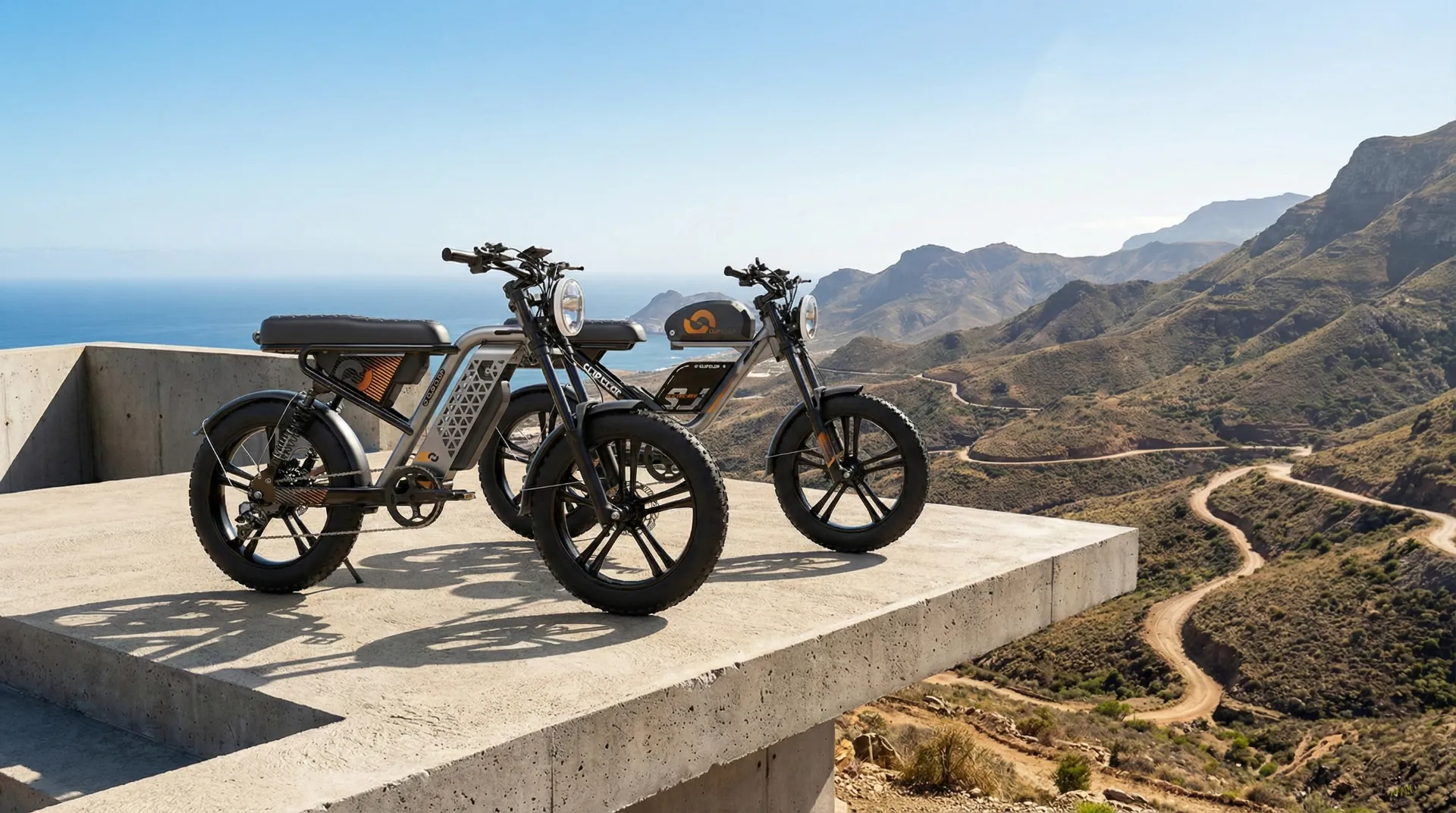
ClipClop E-Bike est un fabricant de vélos électriques basé à Guangzhou, servant les acheteurs de gros et OEM internationaux. Contrairement aux marques ci-dessus, qui servent principalement les marchés africains régionaux, ClipClop est conçu spécifiquement pour l'exportation — avec une documentation, un emballage, et une logistique déjà structurés pour les flux de travail d'approvisionnement internationaux.
La gamme de produits couvre les vélos électriques pliables, les modèles tout-terrain à grosse bande, et les configurations de trajet quotidien. Les spécifications incluent des moteurs brushless de 250W à 750W selon le modèle, des systèmes intelligents de gestion de batterie (BMS), et des cadres en alliage d'aluminium. La connectivité Bluetooth pour le suivi du trajet est listée comme standard sur la plupart des modèles. La série de vélos pliables — y compris la ligne pliable ClipClop — figure parmi les configurations les plus commandées par les acheteurs internationaux, compte tenu de l'efficacité du conteneur et de la portabilité du dernier kilomètre.
Pour les acheteurs évaluant ClipClop spécifiquement :
- La documentation CE, FCC, et RoHS est incluse par défaut avec chaque fichier produit — pas disponible sur demande après coup, mais préparée en tant que partie du paquet d'exportation standard
- Les puissances des moteurs et les capacités de batterie sont listées par modèle sur les pages produits, croisées avec les spécifications des produits expédiés
- ClipClop a une trace d'exportation établie en Allemagne, au Royaume-Uni, aux États-Unis, en Australie, et dans l'Asie du Sud-Est — vérifiable via des références d'acheteurs dans ces marchés
- L'équipe d'exportation fournit des mises à jour de production et une documentation photo à chaque étape avant l'expédition, répondant à une préoccupation courante des acheteurs concernant la visibilité sur la fabrication à distance
- Les commandes pilotes commencent à 5 unités par modèle — inférieur à la plupart des minimums de fabricants établis pour une évaluation initiale
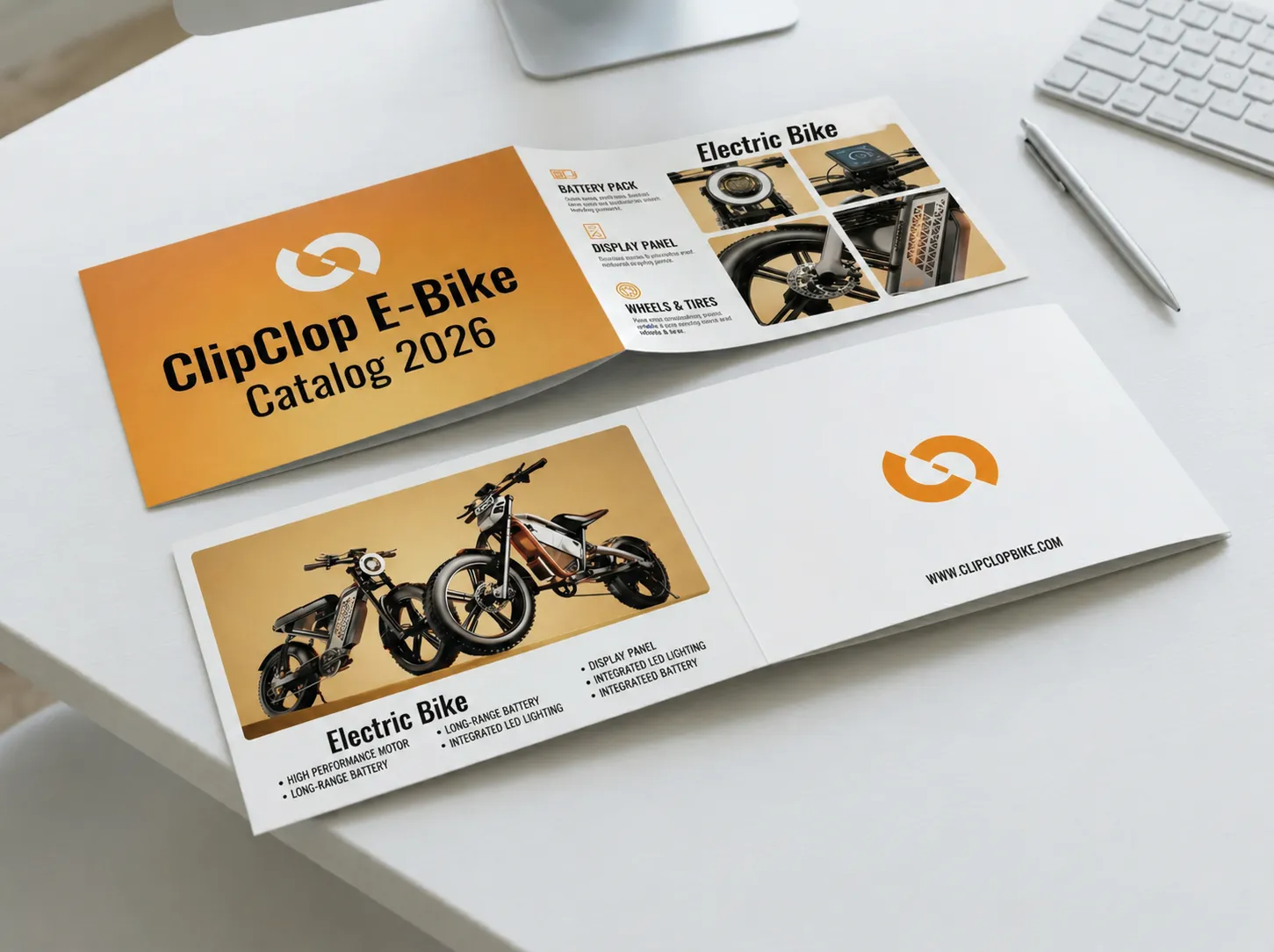
Point de contrôle de procurement : L'avantage de documentation pour ClipClop est que les fichiers de conformité sont préparés, pas assemblés sur demande. Pour les acheteurs dont la priorité est d'arriver au marché sans porter le fardeau complet de la vérification de conformité en interne, cette différence pratique est la principale distinction. Le catalogue complet de produits avec spécifications publiées est disponible en ligne, et l'équipe d'exportation peut partager le paquet de documentation de conformité avant tout engagement d'achat.
Commerce, délais et compromis de prix
La plupart des petits fabricants ghanéens commencent à 10–50 unités par modèle pour les premières commandes. Les grandes marques avec une infrastructure d'exportation peuvent avoir des minimums plus élevés ou offrir des quantités réduites pour les premières commandes pilotes — demandez toujours un tableau de prix progressif avant d'accepter que le MOQ publié est fixe.
Le délai de production typique est de 30–60 jours pour les modèles standards, avec 7–21 jours supplémentaires pour le fret maritime selon le port de destination. Les composants de charge solaire ou les systèmes d'échange de batterie peuvent allonger significativement le délai.
Les modèles de trajet urbain se situent généralement entre $400–$900 par unité au MOQ. Les modèles de chargement avec des ratings de charge utile étendus tendent vers $700–$1,400. Ce sont des fourchettes indicatives — une quotation formelle liée à votre configuration et volume spécifiques est le seul nombre qui compte.
Les éléments de coût que les acheteurs sous-estiment le plus souvent : les cycles de remplacement de batterie, les droits de douane d'importation dans le pays d'destination, et les frais de test de conformité CE ou FCC si la documentation n'est pas préalablement fournie. Compromettre sur la documentation de conformité pour un prix unitaire plus bas est une erreur courante. Un envoi rejeté ou un retard douanier coûte plus que l'économie par unité.
Checklist de conformité et QA
Avant de signer tout accord d'achat avec un fournisseur de vélos électriques ghanéen, vérifiez indépendamment les éléments suivants :
- Sécurité de la batterie: UN38.3 — obligatoire pour les expéditions internationales de batteries au lithium ; sans cela, des saisies douanières sont probables
- Rapports d'essai du moteur et du contrôleur: À partir d'un laboratoire indépendant reconnu, pas auto-certifié par le fabricant
- Documentation de marquage CE: Obligatoire pour les marchés EU et UK ; Guide de la Commission européenne est la norme de référence
- Rating IP: Pour la résistance à l'eau et à la poussière si les vélos sont commercialisés pour un usage tous temps météo
- Tests de charge et d'essai de frame: Requis pour les modèles de fret à la charge utile vendue
- Lorsque les partenaires B2B demandent, nous sommes prêts à envoyer des copies des certificats pertinents pour examen. Si un fournisseur s'énerve ou devient défensif lorsque vous posez des questions sur les certifications, c'est généralement un signal d'alarme. Certains blogueurs en approvisionnement suggèrent même de faire de la vérification des certificats une partie de votre liste de contrôle d'intégration standard pour les nouvelles usines. Je pense que c'est une habitude très pratique à intégrer dans votre processus.: Vérifiez directement via le le répertoire public ISO — ne pas accepter une copie PDF comme suffisante
Demandez trois unités d'échantillon pour des tests indépendants avant de vous engager sur une commande de production. Tout fournisseur qui refuse ou retarde cette demande mérite une seconde examination.
Lorsque les acheteurs internationaux pivotent vers des fournisseurs autres que ceux du Ghana
Après avoir travaillé à travers le paysage des vélos électriques du Ghana, un modèle cohérent émerge dans les décisions d'achat. Les acheteurs OEM internationaux — particulièrement ceux qui ciblent l'Europe, l'Amérique du Nord, l'Asie du Sud-Est ou le Moyen-Orient — ont tendance à rencontrer les mêmes points de friction :
- Maturité de la documentation: Les fabricants basés au Ghana ont principalement construit une infrastructure de conformité pour le marché africain. La documentation destinée aux exportations (CE UE, FCC US, rapports d'essai spécifiques par modèle) est souvent disponible sur demande mais rarement préparée pour les acheteurs internationaux — le acheteur supporte plus de travail de vérification
- Variété de modèles: Les fabricants ghaniens tendent à optimiser pour des cas d'utilisation locaux ou régionaux spécifiques. Les acheteurs internationaux qui sourceraient pour des marchés divers ont souvent besoin de spécifications de modèles plus large que ce que les fabricants locaux sont conçus pour servir
- Prêt pour la certification: Des rapports d'essai pré-vérifiés et spécifiques aux modèles réduent le risque et le délai d'acheteur. Lorsque cela n'est pas préparé, l'équipe interne de l'acheteur supporte la charge de conformité
- Prévisibilité des délais: La production basée au Ghana pour les exportations implique des chaînes de logistique plus longues et une infrastructure de fret moins établie par rapport aux fabricants avec une expérience active d'exportation
- Expérience d'exportation: Les fabricants avec des distributions établies dans les marchés UE, US et Asie du Sud-Est ont déjà résolu les questions de documentation et de logistique que les nouveaux acheteurs exportation devraient affronter depuis zéro
Non, tous les acheteurs qui rencontrent ces points de friction ne changent pas de fournisseurs. Certains acheteurs privilégient fortement le positionnement sur le marché africain suffisamment pour absorber le travail de vérification supplémentaire. D'autres disposent de la capacité interne de conformité pour travailler avec des packages de documentation qui sont proches mais pas entièrement prêts pour l'exportation.
La décision dépend généralement de ce que l'acheteur optimise. Si la priorité est de se mettre sur le marché rapidement avec une friction de conformité minimale, les acheteurs ont tendance à regarder vers l'Est. Si la priorité est le branding sur le marché africain local ou des partenariats d'infrastructure régionaux, les fournisseurs du Ghana conservent des avantages réels.
Sourcering des Vélos Électriques dep Chine : À quoi ressemble l'alternative
Pour les acheteurs qui décident que les exigences de documentation, de délais et de vérification ci-dessus l'emportent sur les avantages régionaux du sourcing au Ghana, l'alternative pratique est les fabricants chinois avec une infrastructure d'exportation établie.
La comparaison ne porte pas sur la géographie qui est objective de mieux en soi — elle porte sur quelle chaîne d'approvisionnement convient au marché cible de l'acheteur, à sa capacité de conformité et à ses délais. Un acheteur qui sourcera pour une distribution en Afrique de l'Ouest avec des partenariats locaux existants a des critères différents de celui qui sourcera pour la vente au détail UE sans équipe de conformité interne.
Si la décision est de consulter des fabricants d'exportation chinois, la liste de vérification de diligence raisonnable évolue :
- Demandez des rapports d'essai CE, FCC et RoHS spécifiques au modèle — pas des certificats de marque
- Vérifiez la participation aux salons commerciaux (Canton Fair, Hong Kong Electronics Fair) contre les records d'exposition réels
- Confirmez si le fabricant a une distribution existante dans le marché cible — ce qui valide à la fois la conformité du produit et l'infrastructure de support après vente
- Demandez des échantillons de production avec expédition internationale organisée avant de s'engager sur des commandes de volume
- Confirmez les puissances moteur et spécifications de batterie contre les produits expédiés réels, pas les documents marketing
Les acheteurs qui souhaitent un chemin direct vers un fabricant chinois avec ces éléments pré-résolus peuvent contacter l'équipe d'exportation de ClipClop E-Bike. ClipClop est un fabricant de vélos électriques basé à Guangzhou servant les acheteurs de gros et OEM internationaux, avec une distribution documentée en Allemagne, au Royaume-Uni, aux États-Unis, en Australie et en Asie du Sud-Est. La documentation de conformité — CE, FCC, RoHS — est incluse par défaut avec chaque fichier de modèle, pas disponible sur demande après coup. Les commandes pilotes commencent à 5 unités par modèle. Parcourez le catalogue complet des modèles ou demandez le package de documentation pour votre marché cible spécifique.
Questions fréquemment posées
Q : Comment vérifier qu'un certificat CE est réellement valide pour le modèle que je commande ?
Un certificat CE lié à une marque ou à une famille de produit n'est pas la même chose qu'un rapport d'essai spécifique au modèle. Demandez au fournisseur le numéro réel du rapport d'essai et croisez-le avec la base de données UE du marquage CE où possible. Le rapport d'essai devrait lister le numéro de modèle exact, la puissance du moteur, la capacité de la batterie et la vitesse de roulement du produit spécifique commandé. Si le fournisseur ne peut fournir qu'un certificat de marque sans rapport d'essai correspondant, la documentation est incomplète pour les exportations. Q : La certification UN38.3 de batterie est-elle suffisante pour les expéditions internationales de batteries ?.
UN38.3 est l'exigence de base pour l'expédition de batteries lithium-ion par avion et par mer internationalement. Cependant, ce n'est pas suffisant seul pour l'entrée sur le marché. Les expéditions destinées à l'UE nécessitent également un marquage CE conformément au Règlement sur les batteries ; les expéditions vers les États-Unis peuvent nécessiter des tests de conformité supplémentaires selon le marché final. Traitez UN38.3 comme nécessaire mais pas suffisant — confirmez le package de conformité complet requis pour votre pays de destination spécifique.
Q : Quand un modèle d'échange de batterie a-t-il du sens opérationnel ?.
Les modèles d'échange de batterie comme ceux de Kofa sont pratiques lorsque le réseau de stations d'échange est suffisamment dense pour garantir l'accès pendant les heures de fonctionnement commerciales. La question à poser n'est pas si le réseau existe — c'est si le réseau couvre vos itinéraires de livraison spécifiques et votre géographie opérationnelle à la densité nécessaire. Si la carte des stations d'échange montre des stations toutes les 5 km dans votre zone cible, le modèle peut fonctionner. Si la densité des stations est concentrée dans des corridors spécifiques, l'hypothèse opérationnelle échoue. Les opérateurs sans accès à un réseau d'échange dense ne devraient pas traiter les vélos à échange de batterie comme adaptés à leur contexte.
Q : Quels coûts de landed (coûts de port d'entrée) les acheteurs internationaux novices sous-estiment-ils le plus ?.
Le prix unitaire est généralement le plus petit poste dans un achat international. Les postes fréquemment omis : frais de tests tiers indépendants ($4 000–$8 000 par modèle pour la certification CE/FCC si non gérée à l'avance), expédition internationale ($300–$800 par conteneur de 20 pieds selon la destination), droits de douane et frais de dédouanement locaux dans le pays de destination, cycles de remplacement de batteries pendant le cycle de vie du produit, et le coût interne de l'équipe de gestion des problèmes de qualité à travers une chaîne d'approvisionnement distante. Une estimation complète des coûts de port d'entrée devrait inclure tous ces éléments avant de comparer les devis des fournisseurs.
Q : La participation d'un fournisseur à des salons commerciaux est-elle un signal de qualité fiable ?.
La participation aux salons commerciaux — Canton Fair, Hong Kong Electronics Fair, événements équivalents — indique que le fabricant a un historique d'exportation et a été vérifié par les organisateurs de l'événement. C'est un point de données utile mais pas une garantie de qualité. Croisez la participation aux salons contre les records d'exposants de l'événement. Les signaux plus fiables restent : résultats des tests d'échantillons, documentation de conformité vérifiée, et acheteurs de référence dans le marché cible qui ne sont pas nommés sur le site web du fournisseur.
Sources et Vérification supplémentaire.
Site officiel de Wahu :
- wahu.me Site officiel de Solar Taxi :
- solartaxi.co Site officiel de Kofa et partenariat GEAPP :
- kofa.co Catalogue de produits ClipClop E-Bike et documentation d'exportation :
- Norme de test UN38.3 pour les batteries : clipclopbike.com
- Résumé officiel UNECE Répertoire public ISO 9001 de vérification :
- Répertoire en ligne ISO Guide CE pour les vélos électriques et automobiles :
- Sourcering des Vélos Électriques dep Ghana Commission européenne
Cet article a été rédigé par Leo de la Guangzhou Clipclop Technology Co. Ltd.



 English
  Spanish
  Portuguese
  Russian
  Arabic
  French
  Dutch
Dutch  German
  Danish
