
Top 10 E-Bike-Motorhersteller in China (2026)
Entdecken Sie die 10 besten E-Bike-Motorfabriken Chinas – von Bafang bis QS Motor. Factory-Sourcing-Guide für US- und UK-Händler und Großhändler.
Entdecken Sie die 10 besten E-Bike-Motorfabriken Chinas – von Bafang bis QS Motor. Factory-Sourcing-Guide für US- und UK-Händler und Großhändler.
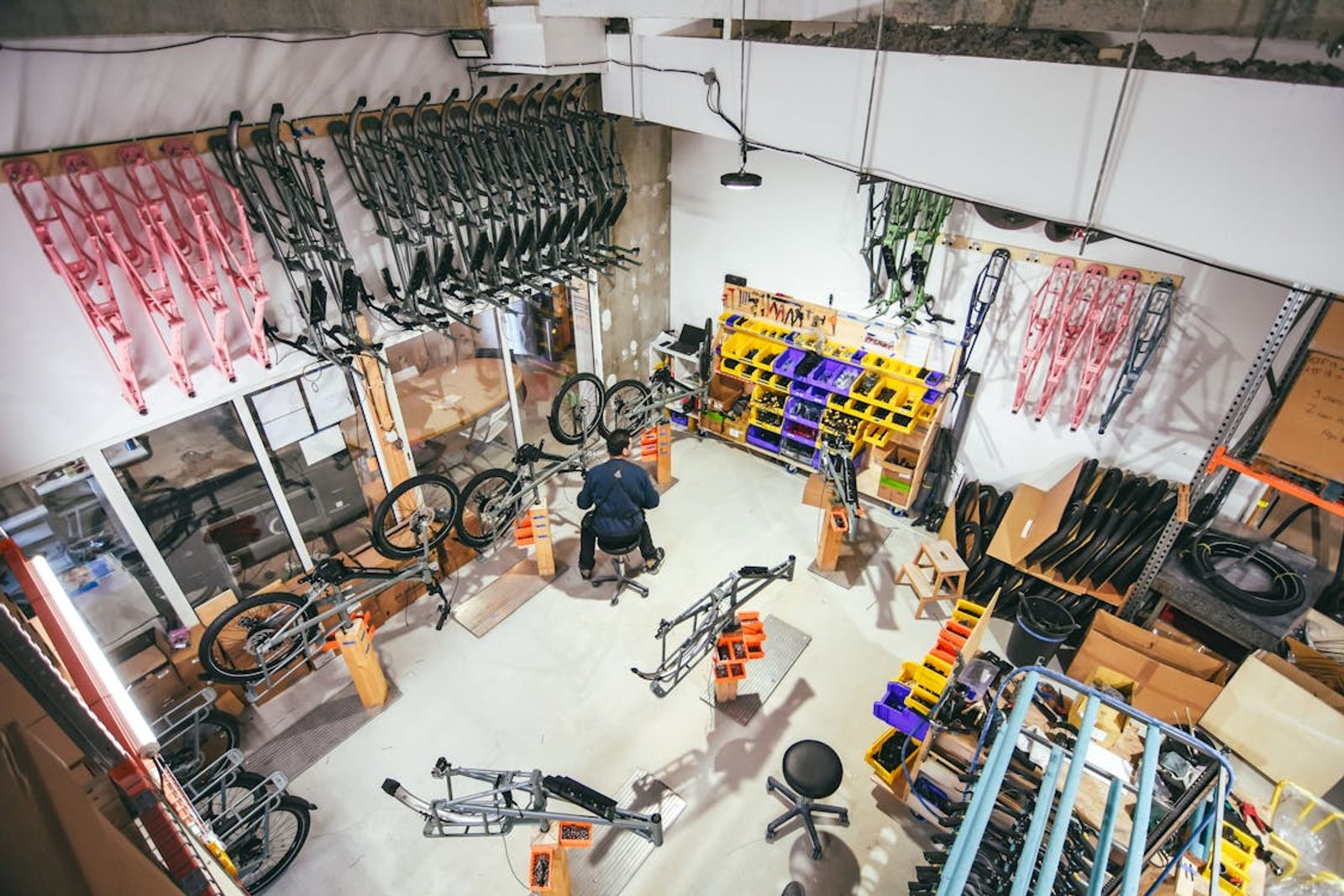
Als OEM/ODM-Hersteller mit einer Monatsproduktion von 10.000 kompletten E-Bikes auf 25.000 m² im Guangqing Industrial Park (Shijiao, Qingyuan) betrachtet ClipClop den Motorenmarkt nicht als Außenstehender, sondern als aktiver Tier-1-Systemintegrator.
Geschäftspartner können unsere Produktionsinfrastruktur auf unserer Seite für OEM/ODM E-Bike Fertigungsstätte einsehen, Standardkonfigurationen auf unserer CS01 Fat Tire & CS04 Commercial Utility Platforms prüfen oder direkt FOB-Konditionen für Container über unser B2B-Angebotsportal (MOQ 20) anfragen.
OEM-Beschaffungsmitteilung: Komplette E-Bike-Integration mit Tier-1-chinesischen Motoren
Von Komponentenbeschaffung zu kompletter turnkey-OEM-Fertigung
Für internationale Fahrradmarken, regionale Händler und Flottenbetreiber führt der Kauf von losen Motoren zu komplexen Engpässen in der Lieferkette. Eine Partnerschaft mit einem zertifizierten turnkey-Hersteller wie ClipClop, der nach ISO 9001 zertifiziert ist, liefert vollständig montierte, individuell gestaltete E-Bikes mit Werksspreisen FOB Guangzhou und dedizierter Containerlogistik. Unsere Produkte bestehen aus hochwertigen Materialien wie Cr-Mo und 6061-T6 und werden in 40HC-Containern geliefert. Der TCO ist bei unseren Produkten besonders günstig.
ClipClop Werkskatalog 2026 herunterladen (PDF)
Vollständige E-Bike-Spezifikationen, Motor- und Batterieoptionen, MOQ und Containerbeladungsdetails.
Von Komponentenbeschaffung zu kompletter turnkey-OEM-Fertigung
Für internationale Fahrradmarken, regionale Händler und Flottenbetreiber führt der Kauf von losen Motoren zu komplexen Engpässen in der Lieferkette. Eine Partnerschaft mit einem zertifizierten turnkey-Hersteller wie ClipClop, der nach ISO 9001 zertifiziert ist, liefert vollständig montierte, individuell gestaltete E-Bikes mit Werksspreisen FOB Guangzhou und dedizierter Containerlogistik. Unsere Produkte bestehen aus hochwertigen Materialien wie Cr-Mo und 6061-T6 und werden in 40HC-Containern geliefert. Der TCO ist bei unseren Produkten besonders günstig.
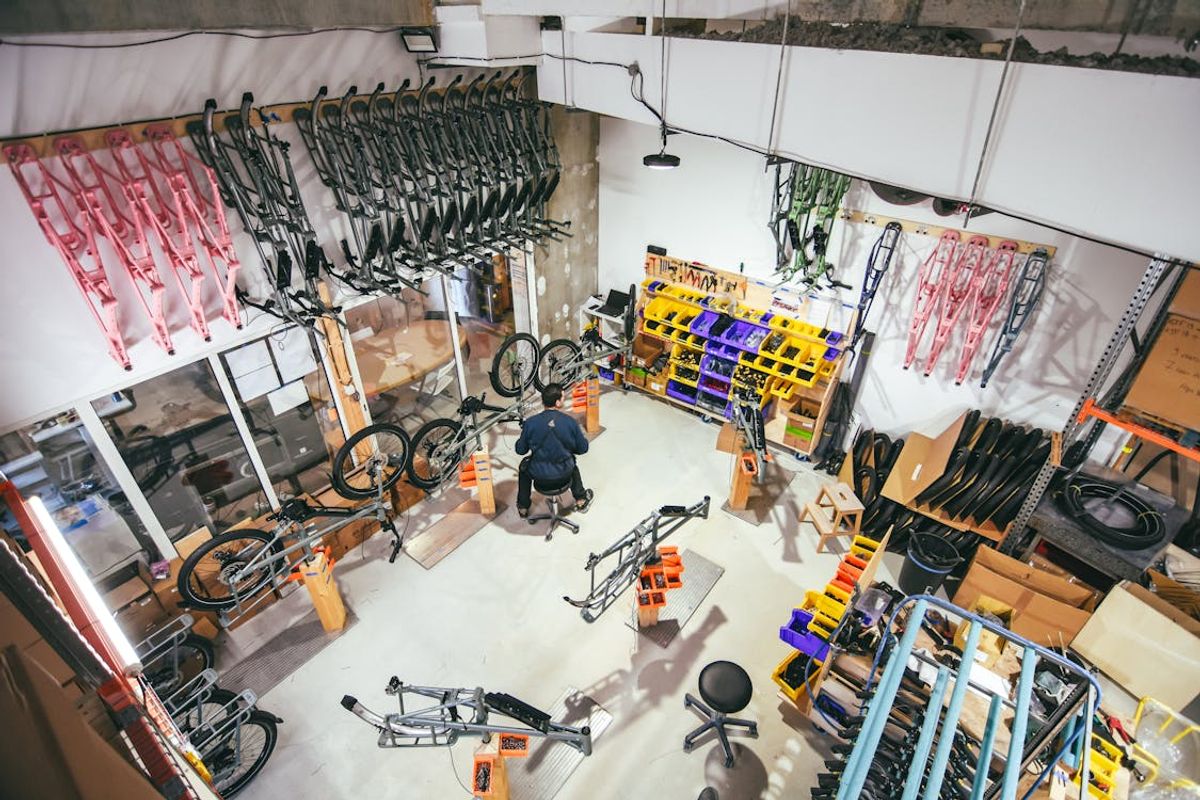
Die Wahl des richtigen Motorenlieferanten erfordert mehr als den Blick ins Datenblatt. In unseren Prüflaboren und Fertigungslinien unterziehen wir jede Motor-Controller-Kombination einem 100%igen Prüfstandslauf unter Last. Dabei analysieren wir das Dauer- und Spitzendrehmoment, thermische Belastungsgrenzen sowie die CAN-Bus-Protokollabstimmung zur Einhaltung der europäischen EN 15194 (250W Nenndauerleistung) und der US-Klassen 1–3.
Dieser Artikel stellt die zehn Hersteller vor, die ich beim Sourcing von Motoren aus China auf dem Schirm haben würde. Ich habe versucht, ehrlich zu sein, wo jeder einzelne glänzt und wo ich Bedenken hätte. Keine allgemeingültigen „Bester"-Behauptungen — das wäre faul und für die meisten Käufer ohnehin falsch.
E-Bike-Motortypen verstehen
Bevor wir uns die einzelnen Hersteller ansehen, hilft es meiner Meinung nach, die Motortypen sauber einzuordnen. Ehrlich gesagt entsteht ein Großteil der Verwirrung, mit der Käufer zu kämpfen haben, aus dem fehlenden Verständnis des grundlegenden Unterschieds zwischen Nabenmotoren und Mittelmotoren. Was ich meine: Ich habe erlebt, wie Leute Motoren spezifiziert haben, die technisch hervorragend, aber für ihren Einsatzzweck völlig falsch waren. Ich schätze, bei rund der Hälfte meiner Anfragen lautet die Ausgangsfrage schon falsch — irgendetwas in der Art von „Welcher Motor ist der beste?", während die eigentliche Frage lauten müsste: „Welcher Motortyp passt zu meinem Anwendungsfall?"
Nabenmotoren
Ein Nabenmotor ist direkt in das Rad integriert — entweder in die Vorderrad- oder die Hinterradnabe. Der Motor treibt das Rad direkt an, ohne über den Antriebsstrang des Rads zu laufen. Meiner Erfahrung nach sind Nabenmotoren bei einfachen Pendler-Setups im Alltag unkomplizierter. Die Montage ist einfacher, sie funktionieren gut mit Ein-Gang-Rädern oder Rädern mit Nabenschaltung, und sie verzeihen Verschleiß an Kette und Kassette eher.
Allerdings haben sie echte Grenzen. Ehrlich gesagt: Vorderradnabenmotoren fühlen sich auf holprigen Straßen seltsam an — man spürt, wie das Vorderrad gegen die Lenkbewegung zieht, und man braucht echtes Muskeltraining, bis es nicht mehr auffällt. Hinterradnabenmotoren lösen dieses Problem, bringen aber eigene Komplikationen beim Hinterradausbau mit sich. Und ehrlich gesagt ist die Drehmomentabgabe einfach nicht so natürlich wie bei einem Mittelmotor. Man spürt, wie der Motor drückt, statt dass er das, was die Beine ohnehin tun, verstärkt.
Mittelmotoren
Ein Mittelmotor sitzt an der Kurbel und treibt das Kettenblatt an, wobei er die vorhandene Schaltung des Rads nutzt. Dadurch wird die Motorleistung durch das Getriebe des Rads moduliert — was meiner Erfahrung nach an Steilen und in wechselndem Gelände einen gewaltigen Unterschied macht. Man bekommt mehr effektives Drehmoment am Hinterrad, ohne einen absurd starken Motor zu benötigen.
Ich sage es offen — und meine das aus direkter Erfahrung — Mittelmotoren kosten mehr und fordern den übrigen Antriebsstrang stärker. Ketten und Kassetten verschleißen schneller, wenn ein Motor ernsthafte Kraft über die Gänge überträgt. Das Bosch eBike Motors subreddit ist voll von Leuten, die sich über Kettenverschleiß beschweren — was mir zeigt, dass Bosch-Mittelmotoren tatsächlich ernsthaft genutzt werden, auch wenn die Warnungen im Handbuch zu den Wechselintervallen ignoriert werden. Genau für solche Nutzungsmuster sind Mittelmotoren gebaut, und es verrät einiges darüber, wohin sich der Markt entwickelt hat.
Wichtige Faktoren bei der Wahl eines chinesischen E-Bike-Motorherstellers
Ich werde nicht so tun, als gäbe es eine allgemeingültige richtige Antwort. Was ich Ihnen sagen kann, ist, worauf ich achten würde, bevor ich einen Kaufauftrag unterschreibe.
Nennleistung und tatsächliche Ausgangsleistung — Nennleistung und tatsächliche Dauerleistung sind zwei verschiedene Paar Schuhe. Ich würde Testdaten sehen wollen, nicht nur Datenblattwerte. Manche Hersteller bewerten ihre Motoren optimistisch, andere konservativ. Genau in dieser Lücke zwischen Papier-Spezifikation und realer Leistung wird man verbrannt.
Qualitätskonstanz — Für Distributoren und Händler ist die Konstanz der Motoren ebenso wichtig wie die Durchschnittsqualität. Wenn Sie 500 Motoren beziehen und drei davon innerhalb eines Monats ausfallen, ist das ein Support-Albtraum und ein Reputationsschaden. Meiner Erfahrung nach haben Hersteller mit 15+ Jahren Historie tendenziell eine straffere Qualitätskontrolle — nicht immer, aber oft genug, um die bisherige Leistung als Signal zu werten.
Qualität des Drehmomentsensors — Hier trennen sich günstige Nabenmotoren ernsthaft von Mittelmotoren seriöser Hersteller. Ein guter Drehmomentsensor erfasst Ihre Tretleistung und moduliert die Motorunterstützung im Millisekundenbereich. Ein mittelmäßiger Sensor lässt den Motor träge oder ruckartig wirken. Das würde ich am realen Rad testen, nicht nur am Datenblatt ablesen.
Service- und Garantieunterstützung — Die chinesische Fertigung hat einen schlechten Ruf beim After-Sales-Support, und manchmal ist der verdient. Die Unternehmen auf dieser Liste haben überwiegend ein internationales Servicenetzwerk aufgebaut, wobei die Tiefe variiert. Ich würde vor einer Bindung konkret nach Lieferzeiten für Ersatzteile und RMA-Prozessen fragen.
Die Top 10 der chinesischen E-Bike-Motorhersteller
1. JinYuxing Electromechanical Technology
Standort: Provinz Zhejiang | Gegründet: 2002
JinYuxing gehört zu den älteren Namen im chinesischen E-Bike-Motorsegment, und ich finde, diese Beständigkeit ist relevant. Gegründet in Zhejiang — einer der Hochburgen der chinesischen Elektrofahrzeugfertigung — hatten sie Zeit, die Anfangsschwierigkeiten in der Qualität zu durchlaufen, an denen viele Wettbewerber scheitern.
Das Produktsortiment deckt sowohl Naben- als auch Mittelmotoren ab, mit Leistungsbereichen je nach Linie von 250 W bis 3.000 W. Nach allem, was ich gesehen habe, sind sie besonders stark im Bereich 250 W bis 750 W für städtische E-Bike-Anwendungen. Ihr Sweet Spot ist die Konformität mit den europäischen und nordamerikanischen Märkten — sie scheinen ernsthaft in UL-Zertifizierung und EN-Standardprüfungen investiert zu haben.
Ein Punkt, den ich hervorheben würde: JinYuxing ist bei den Leistungsangaben tendenziell konservativer als manche Wettbewerber. Ein JinYuxing-„750 W"-Motor kann in der Dauerleistung einen „750 W"-Motor eines Wettbewerbers tatsächlich übertreffen. Das ist mir bei der Auswertung von Motordaten unmittelbar aufgefallen — die Lücke zwischen Nennwert und realer Ausgangsleistung variiert zwischen Herstellern so stark, dass reine Datenblätter fast bedeutungslos sind. Diese Art von Ehrlichkeit bei den Spezifikationen ist selten genug, dass sie mir auffällt.
Zu den jüngsten Entwicklungen gehört der Ausbau der Mittelmotorenlinien, die auf den nordamerikanischen Fat-Tire-E-Bike-Markt zielen — was mir zeigt, dass sie das Nachfragewachstum aufmerksam verfolgen.
2. Bafang
Standort: Provinz Jiangsu | Gegründet: 2003
Bafang ist wohl die international bekannteste chinesische E-Bike-Motormarke, und ich finde, dieser Ruf ist verdient. Wenn Sie in den letzten fünf Jahren ein E-Bike ohne chinesische Marke gefahren sind, stand der Motor darin mit guter Wahrscheinlichkeit von Bafang. Sie stellen sowohl Naben- als auch Mittelmotorsysteme her, aber ich würde sagen, ihre Mittelmotoren — insbesondere die BBS-Serie — sind das, wofür sie wirklich bekannt sind.
Die Modelle BBS02 und BBSHD sind in der E-Bike-Umbauwelt praktisch ein Begriff. Ich habe selbst ein Rad mit einem Bafang-Mittelmotor-Kit umgebaut, und was mich beeindruckt hat, war die Verfeinerung des Unterstützungsgefühls im Vergleich zu den günstigen Nabenmotoren, die ich vorher genutzt hatte. Das Ansprechverhalten des Drehmomentsensors ist wirklich gut — nicht ganz auf Bosch-Niveau, aber näher als ich für den Preis erwartet hätte.
Im Produktzyklus 2025 bis 2026 lag der Fokus stark auf Integration — Motoren, die so gestaltet sind, dass sie in saubere urbane Rahmen passen, statt wie offensichtliche Anbauumrüstungen zu wirken. Das ist eine Reaktion auf den wachsenden Premium-E-Bike-Markt, und ich finde, Bafang ist hier den meisten chinesischen Wettbewerbern voraus. Sie bauen außerdem ihr Software-Ökosystem aus, was umso wichtiger wird, je vernetzter die Bikes werden.
Grenzen? Ich würde sagen, dass Bafangs Supportnetz außerhalb Europas dünner ist als bei einem Bosch- oder Shimano-System. Ersatzteile sind verfügbar, aber einen zertifizierten Integrator in manchen nordamerikanischen Märkten zu finden, kann immer noch eine Herausforderung sein. Wenn Sie ein komplettes Bike spezifizieren statt eines Umbaus, ist der Motor nur ein Teil des Puzzles — Sie sollten auch das E-Bike-ABS-Systemdesign und das Zusammenspiel des Motors mit den Bremsreglern berücksichtigen.
3. Ananda
Standort: Shanghai | Gegründet: 2001
Ananda gehört zu den leiseren Schwergewichtern im Bereich chinesischer E-Bike-Motoren. 2001 in Shanghai gegründet, haben sie sich einen Ruf für zuverlässige Mittelmotorsysteme erarbeitet — ohne das Marketing-Rauschen, das manche Wettbewerber umgibt. Ich würde die Marke als die Wahl der Profis beschreiben — wer Motoren für Flottenanwendungen oder die Integration in bestimmte Bike-Plattformen spezifiziert, nimmt Ananda in der Regel ernst.
Die Produktlinie reicht von 250-W-Urbansystemen bis hin zu Mittelmotoren mit 1.000 W und mehr. Soweit ich es beurteilen kann, ist ihre Qualitätskontrolle bei der Kalibrierung der Drehmomentsensoren straffer als bei vielen chinesischen Wettbewerbern — was für das Ansprechverhalten der Unterstützung enorm wichtig ist. Inkonsistentes Unterstützungsverhalten ist wahrscheinlich die häufigste Beschwerde, die ich über Billigmotoren höre, und Ananda scheint das in seiner Preisklasse gelöst zu haben.
Der jüngste Vorstoß zielt auf das gewerbliche Flottensegment — E-Bikes für Bike-Sharing-Programme, Lieferflotten und ähnliche Anwendungen mit hoher Auslastung. Das zeigt mir, dass sie bei der Haltbarkeit selbstbewusst sind, was ich als positives Signal für alle werten würde, die Motoren für harte Einsätze beschaffen.
Ich würde sagen, Anandas Hauptgrenze ist die Markensichtbarkeit in westlichen Märkten. Sie haben weder Bafangs Vertriebsnetz noch dessen Verbraucher-Awareness. Für einen Händler kann das eine geringere Markenbekanntheit bei den Kunden bedeuten. Für einen ernsthaften Käufer kann das bessere Preise und Verhandlungsspielraum beim Support bedeuten.
4. Shinwin Power
Standort: Provinz Jiangsu | Gegründet: 2001
Shinwin Power existiert seit 2001 und gehört damit in dieselbe Veteranenkategorie wie Ananda und JinYuxing. Der Fokus liegt, soweit ich es beobachten konnte, klar auf Nabenmotoren — sowohl Front- als auch Heckkonfigurationen — mit Leistungsbereichen typischerweise von 250 W bis 750 W.
Was Shinwin aus meiner Sicht unterscheidet, ist ihre Fertigungsskala und ihre Bereitschaft, OEM- und ODM-Projekte umzusetzen. Wenn Sie als Marke eine bestimmte Motorkonfiguration in ein individuelles Rahmendesign integrieren müssen, scheint Shinwin besser darauf eingestellt zu sein als einige der eher katalogorientierten Wettbewerber. Ich habe Positives von kleineren E-Bike-Marken gehört, die mit ihnen an maßgeschneiderten Motorintegrationen gearbeitet haben.
Die jüngsten Updates konzentrieren sich auf die Reduzierung der Motorgeräusche — ein echtes Problem bei manchen Nabenmotor-Designs bei höheren Leistungsstufen. Wer schon einmal ein Rad gefahren ist, dessen Motor unter Last laut fiept, weiß, wie stark das das Fahrerlebnis untergräbt. Shinwin scheint dieses Thema ernsthaft anzugehen.
Ich würde sagen, dass ihre Mittelmotoren-Linie weniger ausgereift ist als ihre Nabenmotoren-Kompetenz. Wenn Sie hauptsächlich Mittelmotoren beschaffen, wäre Shinwin nicht meine erste Wahl. Bei Nabenmotoren lohnt sich ein genauer Blick.
5. Shengyi
Standort: Provinz Jiangsu | Gegründet: 2003
Shengyi ist eine jener Firmen, die immer wieder auftauchen, wenn man mit Leuten spricht, die tagtäglich mit chinesischen E-Bike-Motoren arbeiten — die aber nicht das konsumentengerichtete Markenprofil von Bafang haben. Das liegt teilweise daran, dass Shengyi sich stärker als Komponentenlieferant positioniert hat — sie verkaufen Motoren und Antriebssysteme an andere Marken, statt eine eigene Endkunden-Reputation aufzubauen.
Meiner Erfahrung nach ist das oft ein Zeichen echter Fertigungskompetenz. Marken, die als OEM-Lieferanten für andere E-Bike-Hersteller überleben, müssen Qualität liefern, weil ihre Kunden das Know-how haben, das Gelieferte wirklich zu bewerten. Man kann sich nicht hinter Marketing verstecken, wenn der Käufer weiß, wie eine Drehmomentkurve aussehen sollte.
Shengyis aktuelles Sortiment deckt das gesamte Spektrum ab, von 250-W-Nabenmotoren bis hin zu stärkeren Mittelmotoren. Die Entwicklungen 2025 bis 2026 umfassten verbesserte Wasserdichtigkeitswerte für die Motoren — ausgerichtet auf den europäischen Markt, wo E-Bikes ganzjährig bei Nässe gefahren werden. Diese Art marktspezifischer Entwicklung ist genau das, worauf ich bei der Bewertung eines Lieferanten achte.
Ich würde Shengyi als starken Kandidaten für alle einschätzen, die Motoren für Private-Label-E-Bike-Produktion beschaffen. Man bekommt Qualität, ohne den Markenaufschlag zu zahlen.
6. Jiuzhou New Energy Technology
Standort: Provinz Zhejiang | Gegründet: 2000
Jiuzhou New Energy Technology hat eine der längsten Betriebshistorien auf dieser Liste — gegründet im Jahr 2000, was bedeutet, dass sie seit über zwei Jahrzehnten E-Bike-Motoren bauen. Eine solche Historie ist bei der Bewertung der Lieferantenzuverlässigkeit von Bedeutung.
Die Produktphilosophie ist, soweit ich es sehe, eher auf praktische Zuverlässigkeit als auf Spitzenleistung ausgerichtet. Jiuzhou-Motoren sind in ihrer jeweiligen Kategorie in der Regel nicht die stärksten, aber sie sind tendenziell langlebig und konsistent. Für einen Distributor mit einer Flotte oder einen Händler mit Serviceteam ist dieses Verlässlichkeitsprofil wertvoll.
Zu den jüngsten Updates gehören intelligente Motorsysteme mit grundlegenden Konnektivitätsfunktionen — Bluetooth-Diagnose, Motorzustandsüberwachung und ähnliche Features, die die Richtung des Gesamtmarkts widerspiegeln. Bei Software führen sie nicht, ignorieren das Thema aber auch nicht.
Ich würde sagen, Jiuzhou eignet sich am besten für Käufer, die Zuverlässigkeit und Wartbarkeit über maximale Leistung stellen. Wenn Sie etwa Motoren für eine urbane Lieferflotte konfigurieren, ist Ihnen die mittlere Zeit zwischen Ausfällen wahrscheinlich wichtiger als Spitzen-Drehmomentwerte.
7. Sine Power
Standort: Provinz Jiangsu | Gegründet: 2013
Sine Power ist der neuere Eintrag in dieser Liste, 2013 gegründet — was in der Welt der E-Bike-Motoren sie zu einem relativen Neuling macht. Was mich an Sine Power beeindruckt, ist, dass sie offenbar mit einem Clean-Sheet-Ansatz auf den Markt gekommen sind, statt auf Legacy-Designs zu iterieren. Ich würde sagen, ihre Ingenieurkultur spiegelt sich im Produkt wider.
Ihre Motorausführungen sind bei vergleichbaren Leistungswerten tendenziell kompakter als der Durchschnitt, was für die Bike-Integration wichtig ist. Wenn Sie ein sauberes E-Bike-Design entwickeln und nicht wollen, dass der Motor die Optik dominiert, ist das Bauvolumen von Sine Power einen Blick wert.
Im Zeitraum 2025 bis 2026 hat Sine Power seinen internationalen Vertrieb deutlich ausgebaut. Sie tauchen in mehr europäischen E-Bike-Markenkatalogen auf, was darauf hindeutet, dass ihre Qualität einen Punkt erreicht hat, an dem etablierte Marken bereit sind, sie zu spezifizieren. Das ist die Art von Marktvalidierung, auf die ich achte.
Der Trade-off bei Sine Power ist, dass die kürzere Historie weniger langfristige Felddaten bedeutet als bei Herstellern der Ära 2000 bis 2003. Die Motoren sehen auf dem Papier und in Demos gut aus, aber auf fünf Jahre harte Flottennutzung kann ich weniger verweisen. Ich würde vor einer Großbestellung mit tatsächlichen Kunden sprechen wollen.
8. QS Motor
Standort: Provinz Zhejiang | Gegründet: 2000
QS Motor hat in bestimmten E-Bike-Kreisen eine Kult-Anhängerschaft, vor allem bei Enthusiasten, die Motoren über die Werksspezifikationen hinaus modifizieren und pushen. Das zeigt mir, dass diese Motoren mit einer Marge für Missbrauch gebaut werden — was, je nach Anwendungsfall, ein Feature oder ein Problem sein kann.
Ihre Nabenmotoren, insbesondere die QS-Motor-Serie, sind in Hochleistungs-E-Bike-Bauten weit verbreitet. Ich habe sie in ziemlich ernsten Offroad-E-Bike-Anwendungen gesehen, wo die Kombination aus Leistung und Haltbarkeit zählt. QS-Motoren kommen mit Hitze besser zurecht als einige Wettbewerber, wenn sie hart gefordert werden — wahrscheinlich der Grund, warum sie in modifizierten Bikes auftauchen, die dem Antriebsstrang viel abverlangen.
Für standardmäßige legal-limitierte E-Bike-Anwendungen ist QS wahrscheinlich mehr Motor, als die meisten Käufer brauchen. Ihr Sweet Spot ist der Bereich 1.000 W bis 3.000 W, der im oberen Ende dessen liegt, was in den meisten US-Bundesstaaten und europäischen Ländern straßenzugelassen ist. Das sollten Sie in die Bewertung einbeziehen — man will keinen Motor spezifizieren, der ständig unterhalb seines Wohlfühlbereichs betrieben wird.
Die Updates 2025 bis 2026 konzentrierten sich auf die Controller-Integration, was wichtig wird, je softwaredefinierter die Motoren werden. Eine bessere Controller-Motor-Kommunikation verbessert den Wirkungsgrad und ermöglicht feiner abgestimmte Unterstützungskennlinien.
9. Xinaoma
Standort: Provinz Hebei | Gegründet: 2006
Xinaoma sticht hervor, weil das Unternehmen in der Provinz Hebei ansässig ist — einer Region, die eher für traditionelle Fertigung und Stahlproduktion bekannt ist — statt in den naheliegenderen E-Bike-Fertigungsclustern in Zhejiang oder Jiangsu. Ich würde sagen, diese geografische Wahl verrät einiges über die Fertigungstradition.
2006 gegründet, hat sich Xinaoma vor allem im Bereich der Nabenmotorsysteme einen Ruf erarbeitet, mit einem Produktsortiment, das das gesamte Leistungsspektrum vom Pendler-Level bis hin zu höherleistungsfähigen Konfigurationen abdeckt. Die Wettbewerbspositionierung scheint auf Wert zu setzen — Motoren, die solide Leistung zu einem Preisniveau liefern, das für Budget- und Mid-Range-E-Bike-Produktion funktioniert.
Worauf ich bei Xinaoma achten würde, ist ihre internationale Zertifizierungsabdeckung. Hersteller aus Hebei liegen bei der EU-EN-Standard-Zertifizierung, UL-Prüfungen und ähnlicher Dokumentation, die westliche Distributoren benötigen, manchmal hinter ihren Küstenwettbewerbern zurück. Ich würde den Zertifizierungsstatus vor einer Bestellung überprüfen wollen.
Die jüngste Produktentwicklung umfasst einen Vorstoß in 48-V-Systeme, die auf den nordamerikanischen Markt zielen, wo 48 V für höherleistungsfähige E-Bikes zunehmend zum Standard wird. Ein sinnvoller Marktschritt.
10. Okawa
Standort: Provinz Jiangsu | Gegründet: 2020
Okawa ist mit deutlichem Abstand das neueste Unternehmen auf dieser Liste — 2020 gegründet, also genau zu Beginn des postpandemischen E-Bike-Booms. Dieses Timing hat die Unternehmenskultur geprägt, denke ich. Sie kamen auf den Markt, als die Branche bereits höhere Qualität, feiner abgestimmte Unterstützungssysteme und bessere Softwareintegration verlangte. Statt Legacy-Designs aufholen zu müssen, haben sie für die aktuellen Anforderungen gebaut.
Was mir an Okawa auffällt: Sie gehören zu den designbewussteren der neueren chinesischen Motorhersteller. Ihre Motorgehäuse wirken durchdacht — nicht nur funktionale Verkleidungen, sondern echtes Industriedesign. Für E-Bike-Marken, denen die Ästhetik wichtig ist, dürfte das registriert werden.
Die Produktlinie ist fokussierter als bei den meisten Wettbewerbern — Okawa scheint bewusste Entscheidungen getroffen zu haben, wo man konkurrieren will, statt jedes Leistungssegment abdecken zu wollen. Soweit ich es sehe, liegt ihr Sweet Spot im Bereich 250 W bis 750 W Mittelmotoren für urbane und leichte Offroad-Anwendungen.
Das offensichtliche Risiko bei Okawa ist dasselbe wie bei jedem vier Jahre alten Motorunternehmen: begrenzte Felderfahrung. Motoren, die in Entwicklungstests und frühen Produktionsläufen gut funktionieren, können bei anhaltender Flottennutzung Überraschungen offenbaren. Ich würde vor einer Skalierung der Bestellungen Referenzen von tatsächlichen Kunden mit Okawa-Motoren unter realen Bedingungen einholen wollen.
Den richtigen Hersteller für Ihr E-Bike-Geschäft wählen
Worauf ich immer wieder zurückkomme: Die Frage lautet nicht „Welcher Hersteller ist am besten?", weil diese Frage keine gute Antwort hat. Die Frage lautet: „Welcher Hersteller passt zu meiner konkreten Anwendung, meinem Volumen und meinem Markt?"
Das wäre meine Vorgehensweise:
Für EU-Marktkonformität und internationale Markenbekanntheit: Bafang oder Ananda. Beide haben die Zertifizierungen, die Händlernetze und die Historie, die europäische Vertriebskanäle verlangen. Bafang hat mehr Markenawareness, Ananda mehr Respekt bei Enthusiasten.
Für Private-Label- oder OEM-Produktion zu wettbewerbsfähigen Preisen: Shengyi, JinYuxing oder Shinwin. Diese Unternehmen verfügen über die Fertigungstiefe und die OEM-Erfahrung, um konsistente Qualität in Volumina zu liefern, die für Private-Label-Programme Sinn ergeben.
Für Hochleistungs- oder modifizierte Anwendungen: QS Motor. Gebaut für Leute, die Motoren über die Werksgrenzen hinaus pushen. Mehr Motor, als die meisten legalen Straßenanwendungen brauchen — aber wenn man ihn braucht, braucht man ihn.
Für neuere Marken, die eine designbewusste Motorintegration wünschen: Okawa oder Sine Power. Beide sind jüngere Unternehmen mit Clean-Sheet-Designs und zeitgemäßer Produktästhetik. Der Trade-off ist eine kürzere Historie.
Für gewerbliche Flottenanwendungen: Jiuzhou oder Ananda. Beide bringen die Haltbarkeitsorientierung und die Serviceinfrastruktur mit, die Flottenkäufer benötigen.
Häufig gestellte Fragen
F: Was ist die gängigste E-Bike-Motorleistung für den straßenzugelassenen Gebrauch?
A: Der Bereich von 250 W bis 750 W ist bei straßenzugelassenen E-Bikes in Nordamerika und Europa am verbreitetsten. In den USA erlauben einige Bundesstaaten höhere Leistungen für bestimmte Klassifikationen, aber 750 W ist ein praktischer Sweet Spot für die meisten urbanen Fahrten. Ich habe festgestellt, dass die meisten Leute, die stärkere Motoren spezifizieren als sie brauchen, am Ende mit kürzerer Akkulaufzeit und mehr Antriebsstrang-Verschleiß dastehen, als sie eingeplant hatten.
F: Sind chinesische E-Bike-Motoren im Vergleich zu europäischen Marken wie Bosch oder Shimano zuverlässig?
A: Hier lautet die ehrliche Antwort meiner Meinung nach: „Es kommt darauf an, und zwar aus folgendem Grund." Chinesische Hersteller der oberen Liga wie Bafang, Ananda und Shengyi haben Motoren, die in den meisten Anwendungsfällen meines Erachtens durchaus mit Bosch und Shimano mithalten können — und das zu deutlich niedrigeren Preisen. Worin Bosch und Shimano weiterhin führen, ist Software-Verfeinerung, Tiefe des Händlernetzes und schlicht die Masse an Felddaten aus der längeren Marktpräsenz. Für einen ernsthaften Käufer lautet die eigentliche Frage nicht „chinesisch vs. europäisch", sondern „welcher konkrete Hersteller und welches konkrete Modell". Es gibt chinesische Motoren, denen ich mehr vertraue als manchen europäischen, und umgekehrt.
F: Woran erkenne ich, ob ein chinesischer Motor die EU- oder US-Sicherheitsstandards erfüllt?
A: Verlangen Sie konkrete Zertifizierungen und überprüfen Sie diese unabhängig. Für die EU-Konformität benötigen Sie Prüfdokumentation nach EN 15194. Für den US-Marktzugang ist die UL-2849-Zertifizierung zunehmend Voraussetzung bei Händlern und Versicherern. Seriöse chinesische Hersteller haben diese Dokumentation sofort zur Hand. Wer ausweicht oder verzögert, hat sie vermutlich nicht. Bedenken Sie auch, dass sich die Zertifizierungsanforderungen ändern — ein vor zwei Jahren zertifizierter Motor erfüllt möglicherweise nicht mehr die aktuellen Standards.
F: Wie lang ist die typische Garantiezeit für chinesische E-Bike-Motoren?
A: Die meisten seriösen chinesischen Hersteller bieten 12 bis 24 Monate Garantie auf Motoren, die über offizielle Vertriebskanäle verkauft werden. Die entscheidende Variable, auf die ich achten würde, ist, ob die Garantie in Ihrem Markt tatsächlich durchgesetzt werden kann — manche Garantien sind nur im Werk in China durchsetzbar, was sie für einen westlichen Distributor nahezu wertlos macht. Fragen Sie vor der Bestellung konkret nach dem Garantieabwicklungsprozess und wer ihn lokal betreut.
F: Kann ich jeden E-Bike-Motor mit jedem Akkusystem verwenden?
A: Nein — die Spannung von Motor und Akku muss aufeinander abgestimmt sein, und der Controller muss mit beiden kompatibel sein. Das ist einer der Bereiche, in denen ein nicht abgestimmtes System von enttäuschend bis gefährlich reichen kann. 48-V-Systeme setzen sich als gängigster Standard durch, aber es sind immer noch viele 36-V-Systeme im Umlauf. Bevor Sie einen Motor spezifizieren, würde ich klären wollen, auf welcher Akku-Plattform ich aufbaue und ob der Motorhersteller diese unterstützt. Wenn Sie sich bei der Akkukompatibilität unsicher sind, werfen Sie einen Blick in unseren E-Bike-Akku-Größenleitfaden für einen praxisnahen Überblick über die Abstimmung von Motoren und Akkusystemen.
ClipClop Antriebs-Integrationsmatrix: Systemabstimmung pro Modellreihe
Statt Einheitsmotoren einzusetzen, stimmen wir Antriebsarchitektur und Fahrwerksgeometrie präzise aufeinander ab:
• Schwerlast-Cargo & Gewerbelieferung (CS04): Drehmomentstarke Mittelmotoren (Bafang M600 / M620, 85–120 Nm) mit beidseitiger Drehmomentsensorik für Steigungen unter 200 kg Gesamtlast.
• All-Terrain & Fat Tire (L1 / L2): Hocheffiziente 48V 750W (Spitze 1200W) Hecknabenmotoren mit IP65-gedichtetem Kabelbaum für Sand, Schnee und unwegsames Gelände.
• City-Commuter & Verleihflotten (C1 / C3): Flüsterleise 250W–500W Nabenmotoren mit feinfühliger 32-Puls-Sensorik für harmonische Kraftentfaltung und maximale Akkureichweite.
Abschließende Gedanken
Was mich an der chinesischen E-Bike-Motorenlandschaft 2026 überrascht: Sie ist reif genug, um wirklich gute Motoren zu wettbewerbsfähigen Preisen hervorzubringen, aber gleichzeitig so differenziert, dass „Made in China" so gut wie nichts Aussagekräftiges mehr verrät. Was ich meine: Sie könnten zwei Motoren mit derselben Wattleistung fahren und völlig unterschiedliche Erfahrungen machen — das Drehmomentgefühl, der Geräuschpegel, das Ansprechverhalten der Tretunterstützung. Diese Unterschiede sind physisch und unmittelbar, nicht nur theoretisch. Die zehn Unternehmen auf dieser Liste reichen von globalen Marken wie Bafang bis zu neueren Anbietern wie Okawa, und die richtige Wahl hängt vollständig von Ihrer Anwendung, Ihrem Markt und Ihrer Toleranz für die Trade-offs ab, die jede Sourcing-Entscheidung mit sich bringt.
Ich würde jedem, der in China beschafft, empfehlen, Zeit damit zu verbringen, mit tatsächlichen Kunden der Hersteller zu sprechen, die er evaluiert — nicht nur mit dem Vertriebsteam, das Ihnen genau das erzählt, was Sie hören wollen. Motordistributoren, E-Bike-Marken, die diese Motoren verwenden, und unabhängige Werkstätten, die diese Motoren im Feld sehen, liefern ein deutlich ehrlicheres Bild davon, wie es tatsächlich ist, über längere Zeit mit einem bestimmten Hersteller zu arbeiten.
Erfahren Sie, wie ClipClop führende Antriebe in Serienmodellen implementiert: entdecken Sie das ClipClop CS04 Mittelmotor-Lastenrad, das leistungsstarke ClipClop L1 750W Fat Tire E-Bike sowie das urbane ClipClop Model C3 City-E-Bike, alle konzipiert für gewerbliche Zuverlässigkeit und attraktive Handelsmargen.
Bei ClipClop spezifizieren wir Motoren genau auf Grundlage dieser Art von Recherche vor Ort. Wenn Sie E-Bikes entwickeln oder beschaffen und konkrete Anwendungen besprechen möchten, melden Sie sich — wir teilen gerne, was wir aus zwei Jahren realer Erprobung über diese Hersteller hinweg gelernt haben. Ehrlich gesagt, hat es etwas beinahe Haptisches, einen gut gefertigten Motor in der Hand zu halten — man spürt die Qualität der Lager, die Präzision des Gehäuses, das Gewicht, das einem verrät, dass die Magnete im Innern substanziell sind. Das ist die Art von Ding, das man nicht in einem Datenblatt festhalten kann, das aber über ein Jahr Nutzung hinweg einen echten Unterschied macht, wie sich das Bike anfühlt.
Dieser Artikel wurde ursprünglich auf ClipClopBike.com veröffentlicht. Weitere Leitfäden zu E-Bike-Komponenten, Motoren und Beschaffung finden Sie in unserem vollständigen E-Bike-Motoren-Leitfaden und Akku-Wartungs-Leitfaden.
Gewerbliche Beschaffung & Flottenversorgung mit ClipClop
Der Aufbau von E-Bike-Flotten oder der Vertrieb von Private-Label-Rädern erfordert einen verlässlichen Fertigungspartner mit zertifizierter Container-Produktion, robotergeschweißter Rahmenpräzision und lückenloser Chargen-Qualitätskontrolle. Aus unserer 25.000 m² großen Fabrik in Qingyuan bietet ClipClop durchgängige OEM/ODM E-Bike-Herstellungsdienste mit einer wirtschaftlichen MOQ von nur 20 Einheiten pro SKU. Jeder Containerauftrag beinhaltet ein garantiertes Ersatzteilkontingent (2 % kostenlose Garantiekomponenten), internationale Konformitätsdokumente (EN 15194, UL 2849, UN38.3) und einen 15-tägigen Musterversand.
Bereit zur Musterprüfung für die CS01 Fat Tire & CS04 Commercial Utility Platforms oder zur Vereinbarung geschützter Händlergebiete? Kontaktieren Sie das ClipClop Engineering-Team über unser Gewerbliches B2B-Anfrageportal für eine detaillierte Containerkalkulation und Produktionsplanung.
ClipClop Werkskatalog 2026 herunterladen (PDF)
Vollständige E-Bike-Spezifikationen, Motor- und Batterieoptionen, MOQ und Containerbeladungsdetails.
Weitere OEM-Praxisberichte.
Gewerbliche E-Bike-ABS-Systeme: Zweikanal-Antiblockiersystem für Flottensicherheit & B2B-Import
E-Bike-Umrüstsatz vs. Komplettes OEM-E-Bike: Flotten- & Einkäufer-Leitfaden 2026
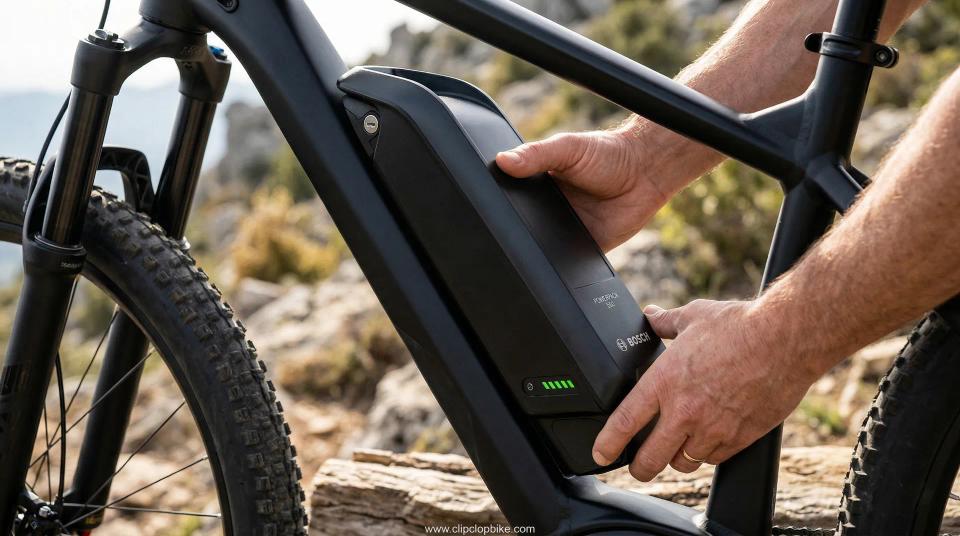
E-Bike-Akkukapazität wählen: Praxisguide für die richtige Dimensionierung
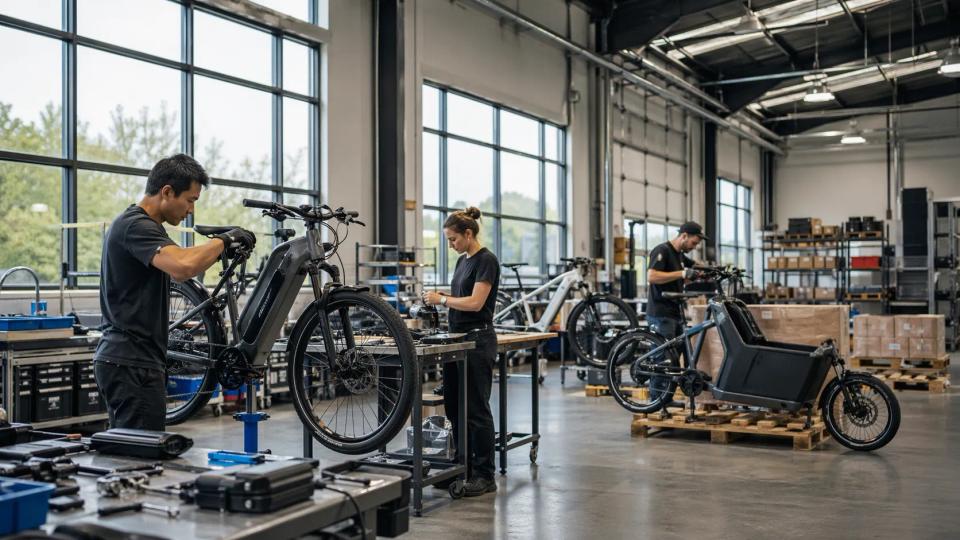
Top 10 E-Bike-Hersteller in Nordamerika: Ein praxisnaher Leitfaden für 2026
Senden Sie Ihr Briefing. Wir antworten mit einer Machbarkeitsanalyse.
Die Antwort umfasst Machbarkeit, Musterkosten, MOQ und die nächsten Projektschritte. Wir antworten innerhalb von 48 Stunden.